
Open Water Diving Center La Herradura
Google 4.9/5 (1,034 reviews)
2.4 km away as the crow flies
Almuñécar · Spain · Mediterranean
Max. depth · 18 mA sheltered shore dive featuring rocky outcrops, shallow tunnels, and diverse Mediterranean reef life.
For subtitles in English: start the video firstthen click the gearat the top right of the video, select “Subtitles/CC”, then “Auto-translate” and choose “English”.
The geography of El Berenguel is defined by its protected position within the bay, which shields the area from heavy swells. Access is straightforward via a shore entry, starting from a beach composed of sand and pebbles. As you move away from the shoreline, the seabed rises into a series of rocky formations. This transition from a sandy bottom to a more complex structure is the defining characteristic of the site's layout.
The dive profile is notably shallow, making it a very accessible site for those starting their underwater experience. You begin your descent in a shallow zone that quickly leads into a moderate rocky terrain. The depth fluctuates between 4 and 18 metres, allowing for a prolonged bottom time if you choose to stay in the upper layers. This gradual slope ensures that you can manage your air consumption and ascent rates with ease.
The topography is characterized by its intricate, small-scale features rather than large dramatic drops. You will encounter various small tunnels and tiny crevices carved into the rockwork. These formations create a complex environment for marine life to seek shelter. Exploring these micro-habitats requires careful buoyancy control to navigate the tight spaces without touching the substrate.
Current conditions at El Berenguel are generally light to negligible due to the protection provided by the bay's enclosure. This lack of significant water movement makes the site very stable and predictable for divers. While wind and surface swell can change the water state at the surface, the underwater environment remains calm. This makes it a reliable choice for those who prefer stable conditions during their dive.
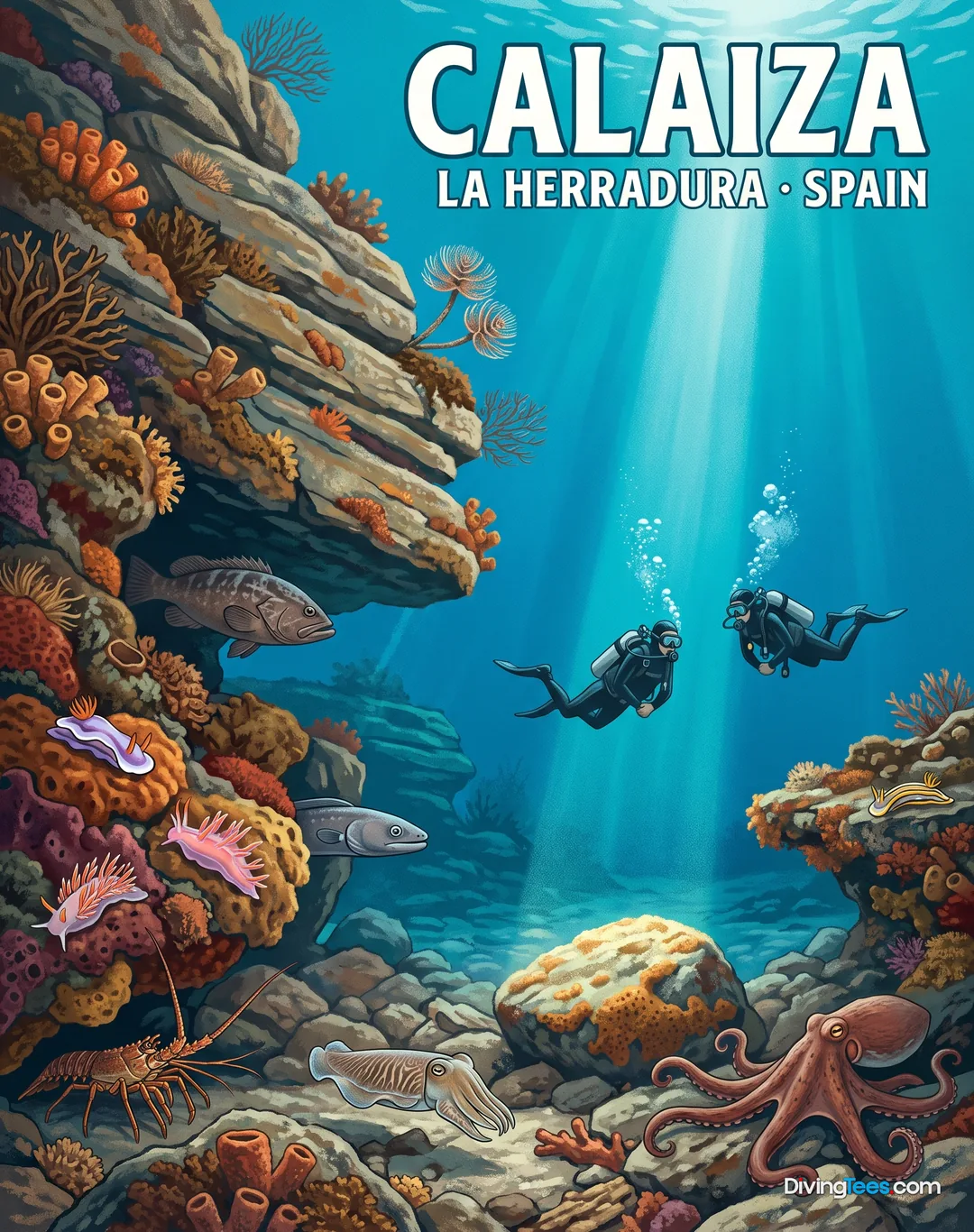
For those looking for resident species, the site hosts a variety of Mediterranean fauna. You can often find Atlantic damselfish and Mediterranean rainbow wrasse darting through the shallowest sections. Larger movements of blacktail comber and various wrasse species are common around the rocky outcrops. These fish tend to inhabit the areas where the rock meets the sand, utilizing the structure for protection.
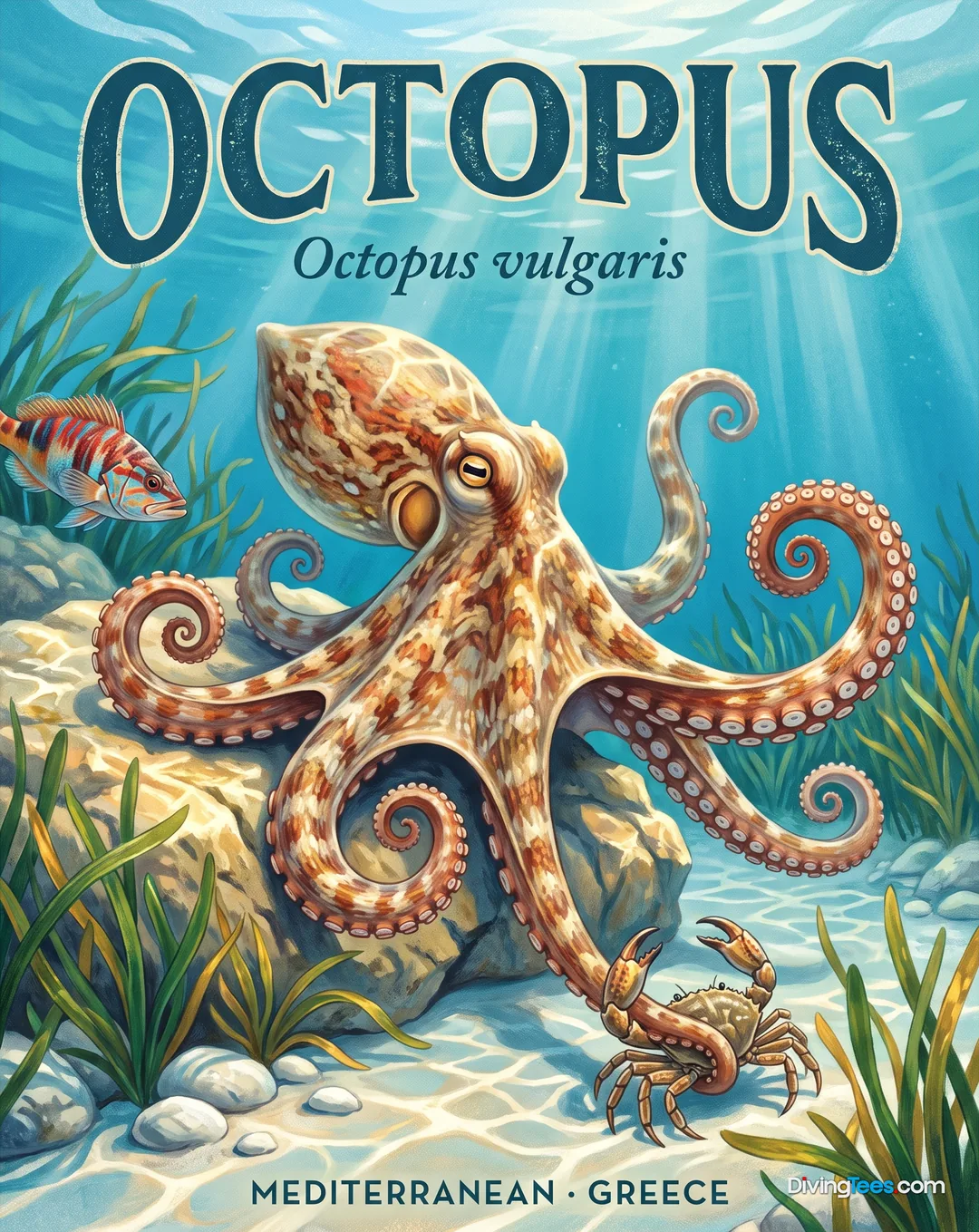
The reef structure provides several hiding spots for more elusive creatures. It is not uncommon to encounter a common octopus (Octopus vulgaris) tucked into one of the many small crevices. Other species, such as the bastard grunt, can be seen moving through the water column near the rocky walls. The biodiversity here is concentrated within the small caves and the interfaces between the stone and the seabed.
Visibility at this site typically ranges between 10 and 15 metres. The clarity is influenced by the coastal nature of the reef and the proximity to the shore. When the water is calm, the visibility is consistent enough to clearly observe the details of the small tunnels and rock textures. This clarity, combined with the shallow depth, provides a bright and well-lit environment for underwater photography or macro observation.
The seasonality of the site is most favorable from spring through autumn. During these months, the water conditions are most stable for shore entries. The Mediterranean environment here is best experienced when the weather is calm, avoiding the heavier swell that can occasionally impact the coastal area. Planning your dive during this window ensures the most consistent experience for both depth and visibility.
Depth ranges from 4 to 18 metres. The site is accessible from Open Water Diver level and is suitable for beginners. Current is light, though surface conditions can be affected by wind or swell. Expected visibility is 10-15 metres. The best season for diving here is from spring to autumn.
You can dive El Berenguel from spring through autumn, when conditions are generally more stable for shore entries. Choose calm weather, since wind or swell can affect the surface. The site’s protected bay helps shelter the dive area, supporting a comfortable experience around the beach entry and shallow reef.
El Berenguel is accessible to Open Water Divers and suitable for beginners. You enter easily from the beach and descend through shallow terrain, with depths ranging from four to eighteen metres. The gradual slope lets you remain in the upper layers for longer bottom time while managing air consumption and ascent rates.
You can generally expect light to negligible current at El Berenguel because the site lies within a protected bay. Underwater conditions are usually calm and stable, although wind or swell may affect the surface. This makes the site suitable if you prefer limited water movement while exploring its rocky terrain.
At El Berenguel, you can explore small tunnels, rocky crevices, sandy areas, and rocky outcrops. Mediterranean reef fauna includes Atlantic damselfish, Mediterranean rainbow wrasse, blacktail comber, other wrasse species, bastard grunt, and common octopus. Visibility of ten to fifteen metres can help you observe rock textures and sheltered marine life.