
Open Water Diving Center La Herradura
Google 4.9/5 (1,034 reviews)
1.3 km away as the crow flies
Almuñécar · Spain · Mediterranean
Max. depth · 22 mDive Calaiza to explore unique rocky formations, home to a concentration of nudibranchs, octopuses, and cuttlefish in the natural park boundary.
For subtitles in English: start the video firstthen click the gearat the top right of the video, select “Subtitles/CC”, then “Auto-translate” and choose “English”.
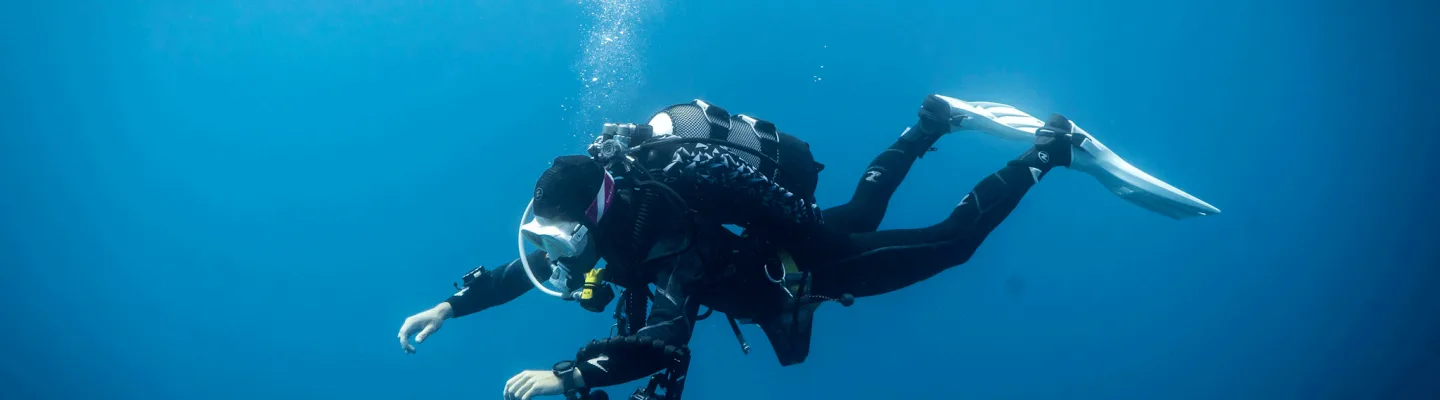
The Calaiza dive site sits just west of La Herradura beach, on the edge of the Maro-Cerro Gordo Natural Park. Access typically involves a boat ride south towards the Cerro Gordo point. This transition zone between the managed natural park and the broader coastline means you encounter a blend of substrates, moving from sand and scattered rocks to substantial rock formations that have created a complex reef system.
As you descend, the depth profile generally starts around 10 metres, gradually dropping to a maximum of 22 metres as you approach the tip of Cerro Gordo. The terrain is a mix of sand, larger rocks, and areas covered with rubble, often carpeted by various brown algae. This varied substrate is key to the site's biodiversity, providing different niches for marine life.
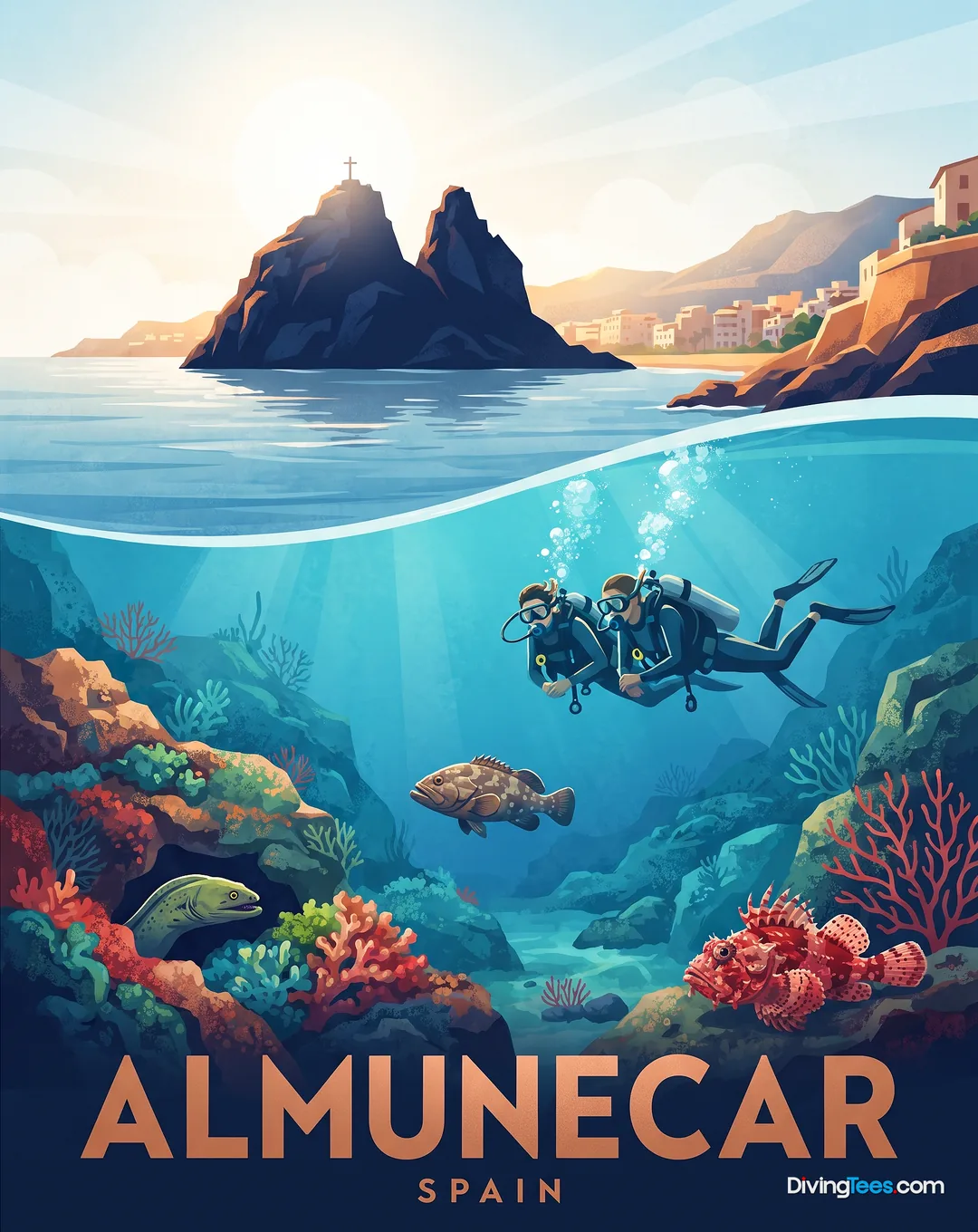
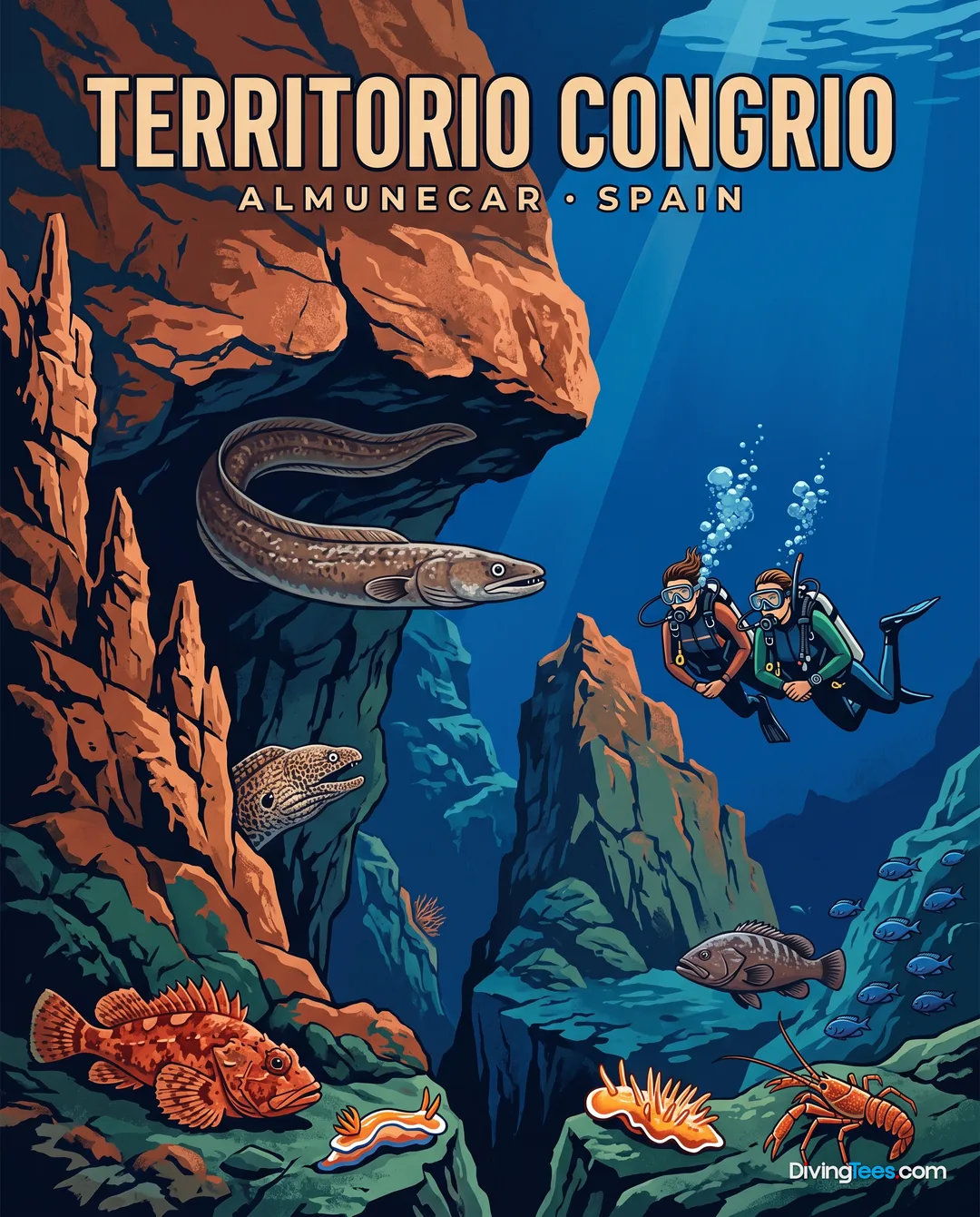
The rock formations at Calaiza are a standout feature, creating numerous hollows and crevices. These serve as vital refuges for many species. It's common to encounter groupers (Epinephelus marginatus) and conger eels (Conger conger) here, often peeking out from their rocky shelters. With a keen eye, or a good dive light, you might even spot a lobster (Palinurus elephas) tucked away deep within these cracks.
Using a dive light to illuminate the darker recesses of the rocks reveals an even richer scene. Beyond the larger residents, these shaded areas host an impressive array of invertebrates. You’ll find spirorgraphs (Sabella spallanzanii) and serpulids (Serpula vermicularis) swaying with the gentle surge, alongside various sponges and brightly coloured anemones (Anemonia viridis). The light truly brings out the vibrant colours that might otherwise be missed.
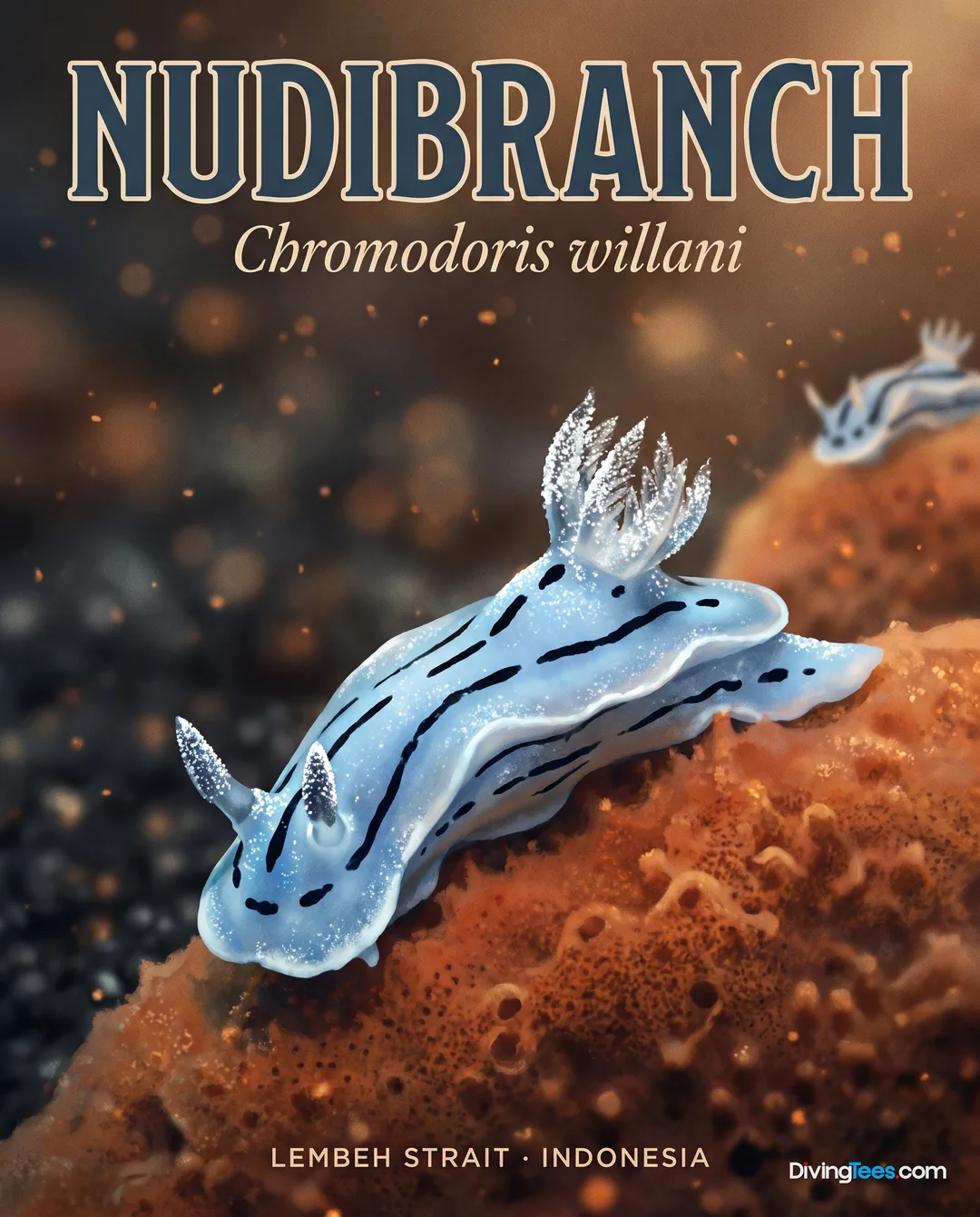
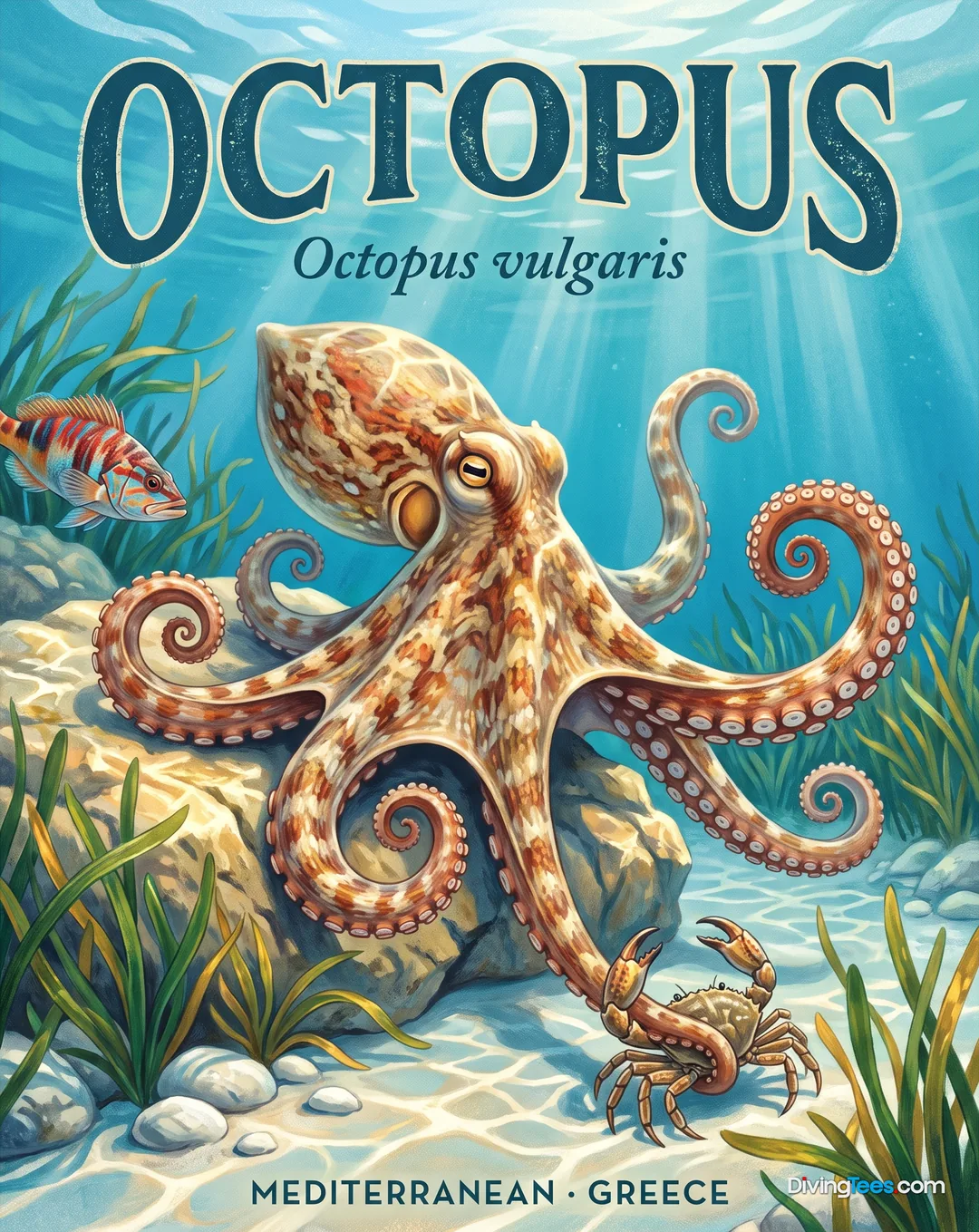
Regarding nudibranchs, Calaiza is notably rich. You can spend significant time observing species like Chromodoris krohni, Thuridilla hopei, Crimora papillata, Polycera quadrilineata, and Fabellina affinis, among others. These often small, colourful molluscs forage on the algae and sponges that cover the rocks, offering macro photographers ample subjects. Beyond nudibranchs, other molluscs such as Phalium undulatum and Luria lurida are frequently observed, along with cuttlefish (Sepia officinalis) and octopuses (Octopus vulgaris).
While generally considered a straightforward dive, currents can pick up, especially if there's unfavourable wind. It’s important to factor this into your dive plan, particularly if you are approaching the site from the beach. For those planning a longer journey or concerned about surface swimming, a drift dive or a multi-leg approach is a practical option to conserve air and energy.
What sets Calaiza apart is its accessible yet diverse ecosystem, an interplay of rocks, algae, and invertebrates that supports a high density of smaller marine creatures. This site offers both the simplicity for a relaxed dive and enough detail for those who want to thoroughly explore every corner of the seabed, making it a comprehensive window into the marine park's biodiversity.
Calaiza offers a dive depth between 10 and 22 metres, making it accessible from Open Water Diver level. Visibility can be excellent, reaching up to 30 metres. Moderate current can be expected, particularly influenced by wind conditions; plan your dive profile accordingly, especially when swimming against it to return to the entry point. The site is diveable year-round (January to December).
You can dive Calaiza throughout the year, from January to December. Conditions can be influenced by wind, which may affect the current, so include the expected weather in your planning. The site lies west of La Herradura beach, with access typically involving a boat ride towards Cerro Gordo point.
Calaiza ranges from 10 to 22 metres, making it accessible from Open Water Diver level. The seabed gradually descends from around 10 metres towards the tip of Cerro Gordo. Its accessible depth range suits divers who want to explore sand, scattered rocks, rubble, algae, and larger reef formations.
You can expect a moderate current at Calaiza, particularly when wind conditions influence the site. Plan your dive profile carefully, especially if you must swim against the current to return to the entry point. A drift dive or multi-leg approach can help conserve air and energy during longer journeys.
At Calaiza, you can explore rocky formations filled with hollows and crevices, where groupers, conger eels, and sometimes lobsters shelter. The site supports sponges, anemones, algae, cuttlefish, octopuses, and varied invertebrate life. Nudibranchs include Chromodoris krohni, Thuridilla hopei, Crimora papillata, Polycera quadrilineata, and Fabellina affinis.