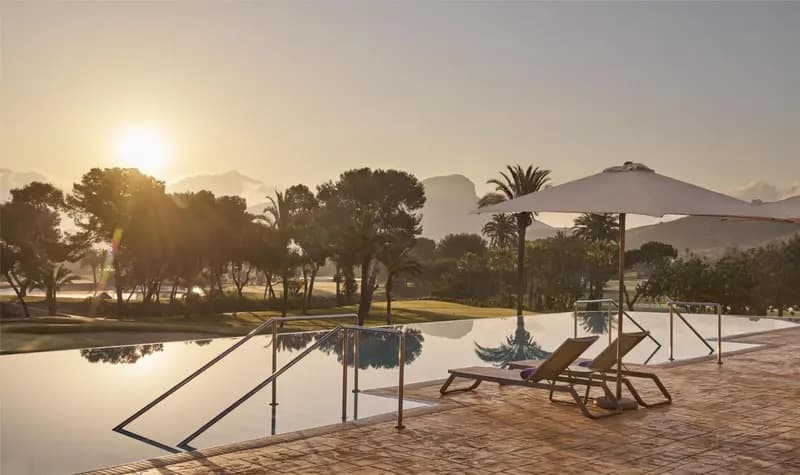
Grand Hyatt La Manga Club Golf & Spa
★★★★★
★ 9.1/10 (892 reviews)
9.5 km away as the crow flies
Dive centre · Cabo de Palos · Spain
4.8498 Google reviewsExplore the protected waters of the Islas Hormigas Marine Reserve through a centre deeply committed to technical excellence and marine conservation.
For subtitles in English: start the video firstthen click the gearat the top right of the video, select “Subtitles/CC”, then “Auto-translate” and choose “English”.
Islas Hormigas Dive Center is situated in the heart of Cabo de Palos, serving as a gateway to the Islas Hormigas Marine Reserve. This protected area is recognised as one of the most significant marine environments in Spain, offering a diverse landscape of reefs, caves, and wrecks.
Since its establishment in 2018, the centre has built a reputation for professional instruction and a strong commitment to environmental stewardship. They actively participate in marine research and conservation, including involvement with the GUE Project Baseline, ensuring that the local ecosystem is respected by every diver who visits.
The team is composed of qualified instructors capable of delivering a vast array of certifications across multiple international agencies. Whether you are looking for standard recreational courses or advanced technical training, the staff is equipped to guide you through the process.
They provide instruction through several major organisations, including SSI, PADI, CMAS (via FEDAS), IANTD, GUE, and ACUC. This multi-agency approach allows divers to follow their preferred training path, from beginner levels to professional instructor or guide qualifications.
Safety is integrated into the centre's core operations, with established protocols and collaborations with local maritime rescue and hyperbaric services. This professional framework supports their work in both recreational and technical diving environments.
The course catalogue is extensive, catering to every stage of a diver's development. Beginners can start with Open Water Diver courses through PADI, SSI, or ACUC, while those looking to progress can pursue Advanced Open Water, Rescue Diver, and Divemaster certifications.
For the technical community, the centre offers a sophisticated curriculum. This includes Nitrox and Advanced Nitrox, as well as comprehensive Trimix programmes ranging from Normoxic to Hypoxic and Expedition Trimix Diver through IANTD. They also provide GUE Fundamentals, GUE Technical Diver, and GUE Cave Diver courses.
Specialised training is also available for those interested in specific disciplines, such as underwater photography, freediving, and rebreather (CCR) operations.
The centre is well-equipped for both recreational and technical diving requirements. For those who prefer not to travel with their own kit, a full range of equipment is available for hire, including regulators, BCDs, wetsuits, masks, fins, and computers.
Technical divers will find the necessary gas blending capabilities on-site. The facility supports Nitrox and Trimix diving, with specialized services for gas blending and cylinder top-offs to ensure you are ready for deeper or longer bottom times.
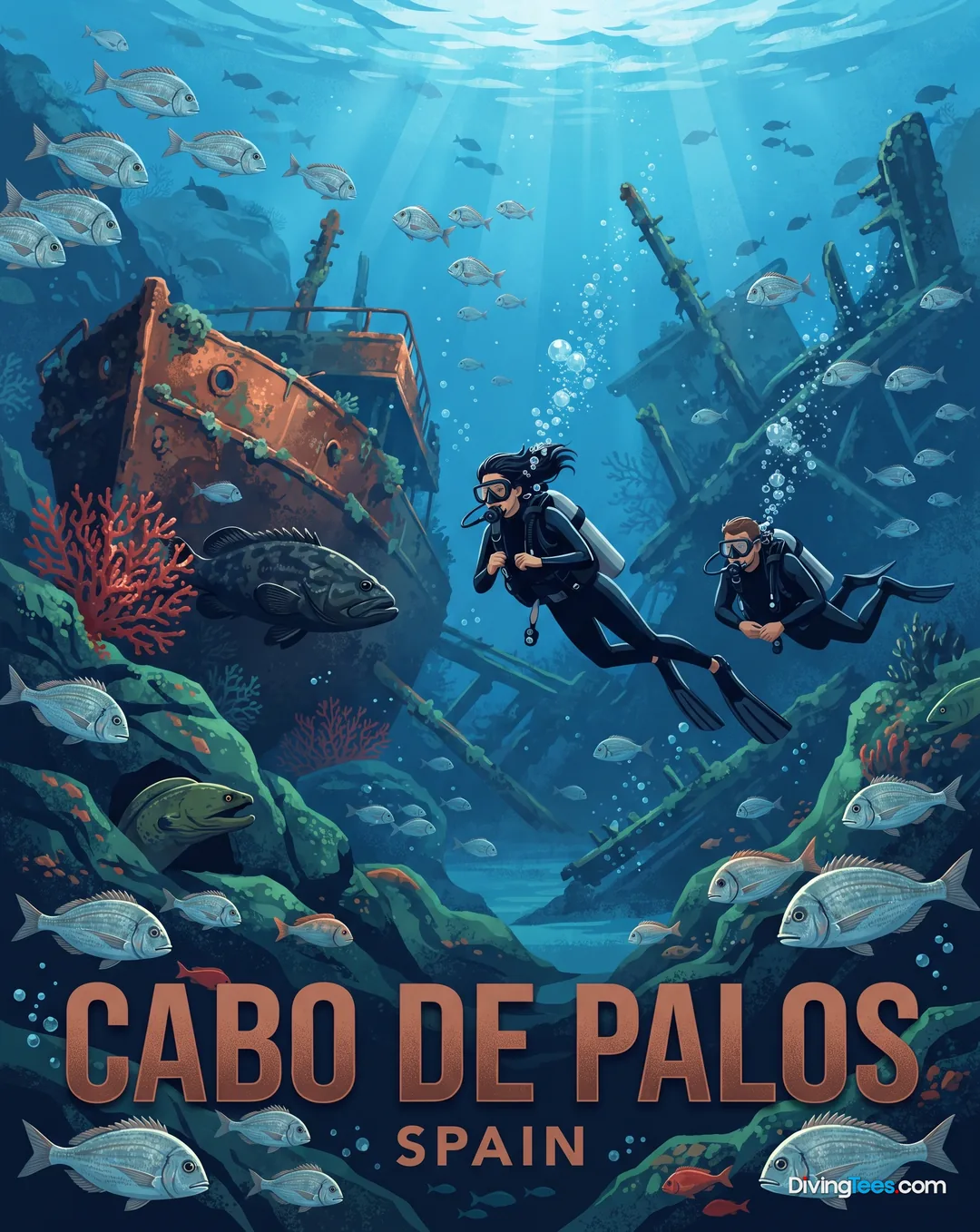
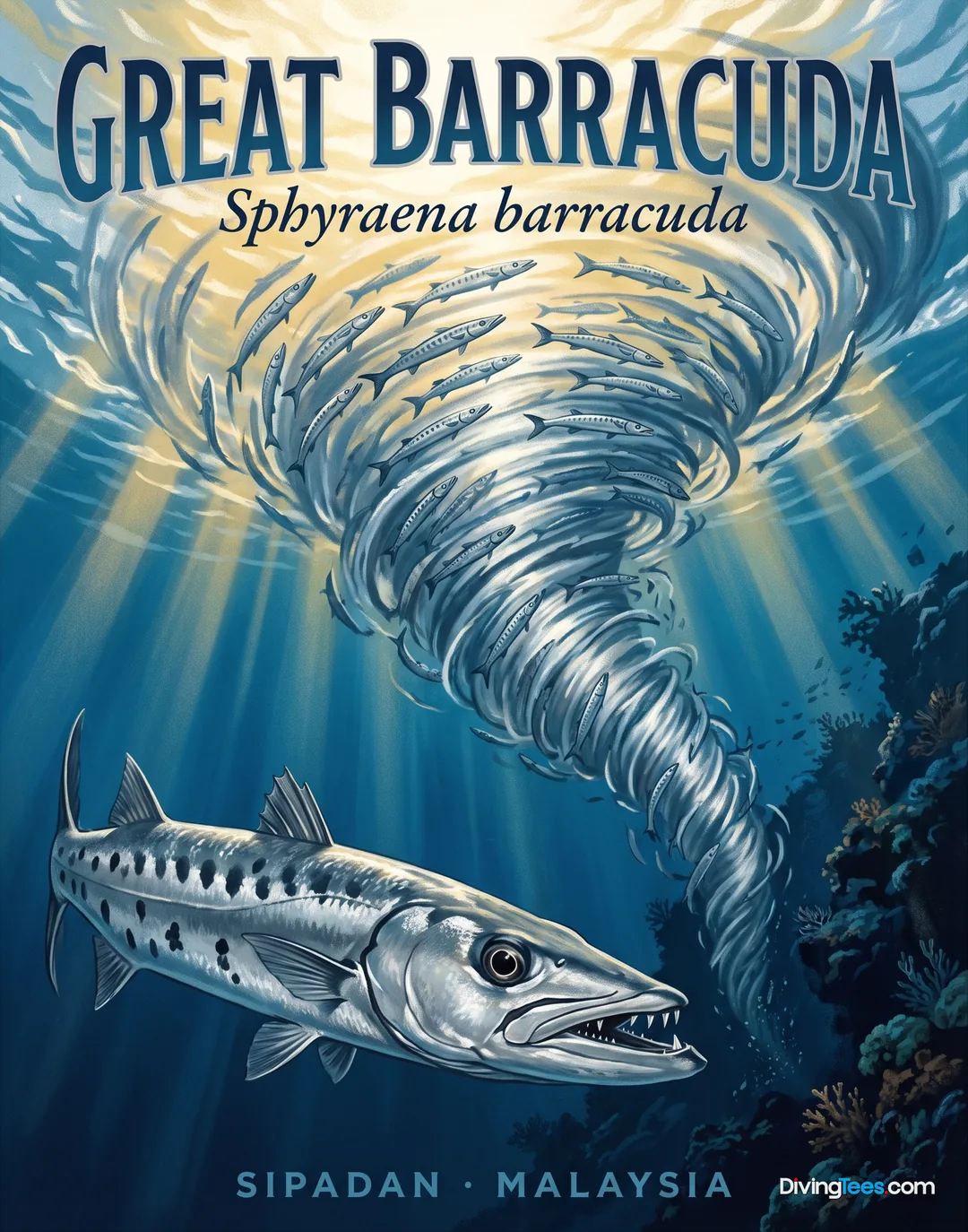
The Islas Hormigas Marine Reserve offers a vast array of reef and wreck sites. These protected waters are known for their high biodiversity and varied underwater topography, providing excellent conditions for both reef exploration and wreck diving.
El Sirio is a significant wreck site, representing the largest civil shipwreck in Spanish waters. Having sunk in 1906, this site is a favourite for divers looking to explore historical maritime remains.
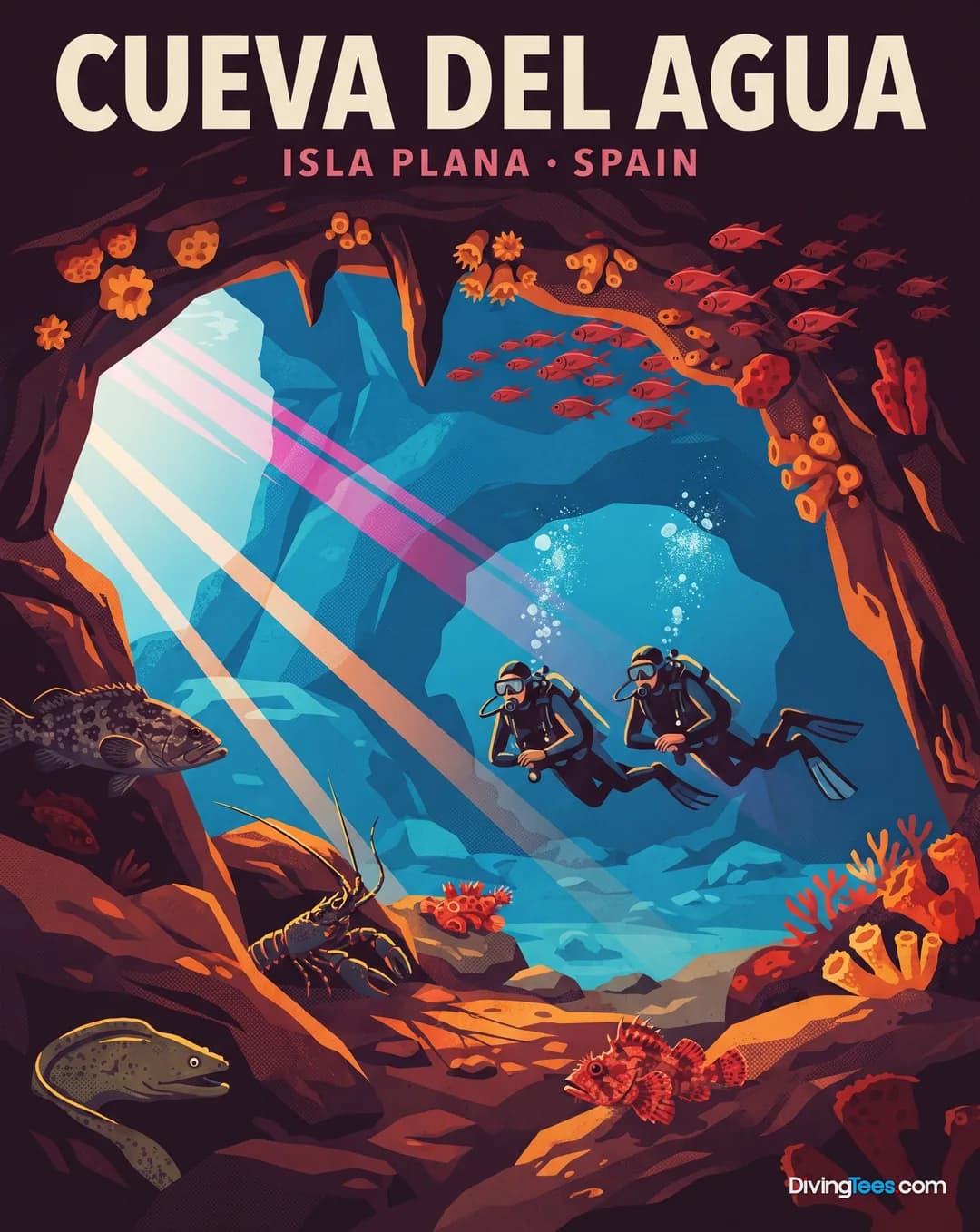
Cueva del Agua, located at Isla Plana, is a notable underwater cave. This site has been featured in GUE exploration days, making it a point of interest for those interested in cave environments.
Naranjito is a site specifically suited for Advanced Open Water divers, offering a different experience within the local marine landscape.
And some of the dive sites the centre runs.
The marine life in the reserve is defined by its incredible variety. You will encounter diverse coral formations and extensive seagrass meadows that support a complex ecosystem. The reefs are home to a wide array of fish species and various types of algae that create a vibrant underwater scenery.
Large pelagics and cetaceans are occasionally encountered in these waters, adding a sense of scale to the diving experience. The presence of these animals is a testament to the health of the protected reserve.
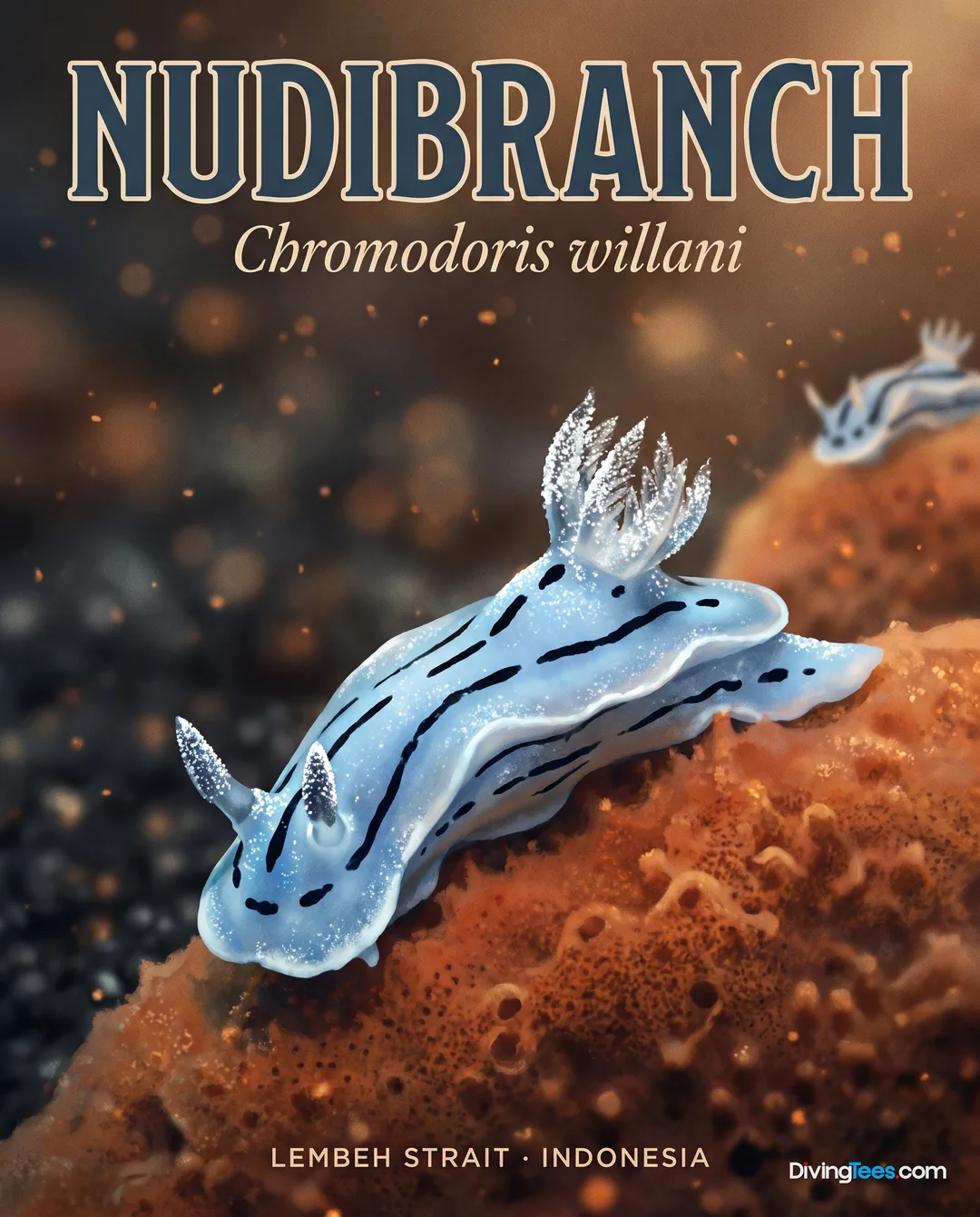
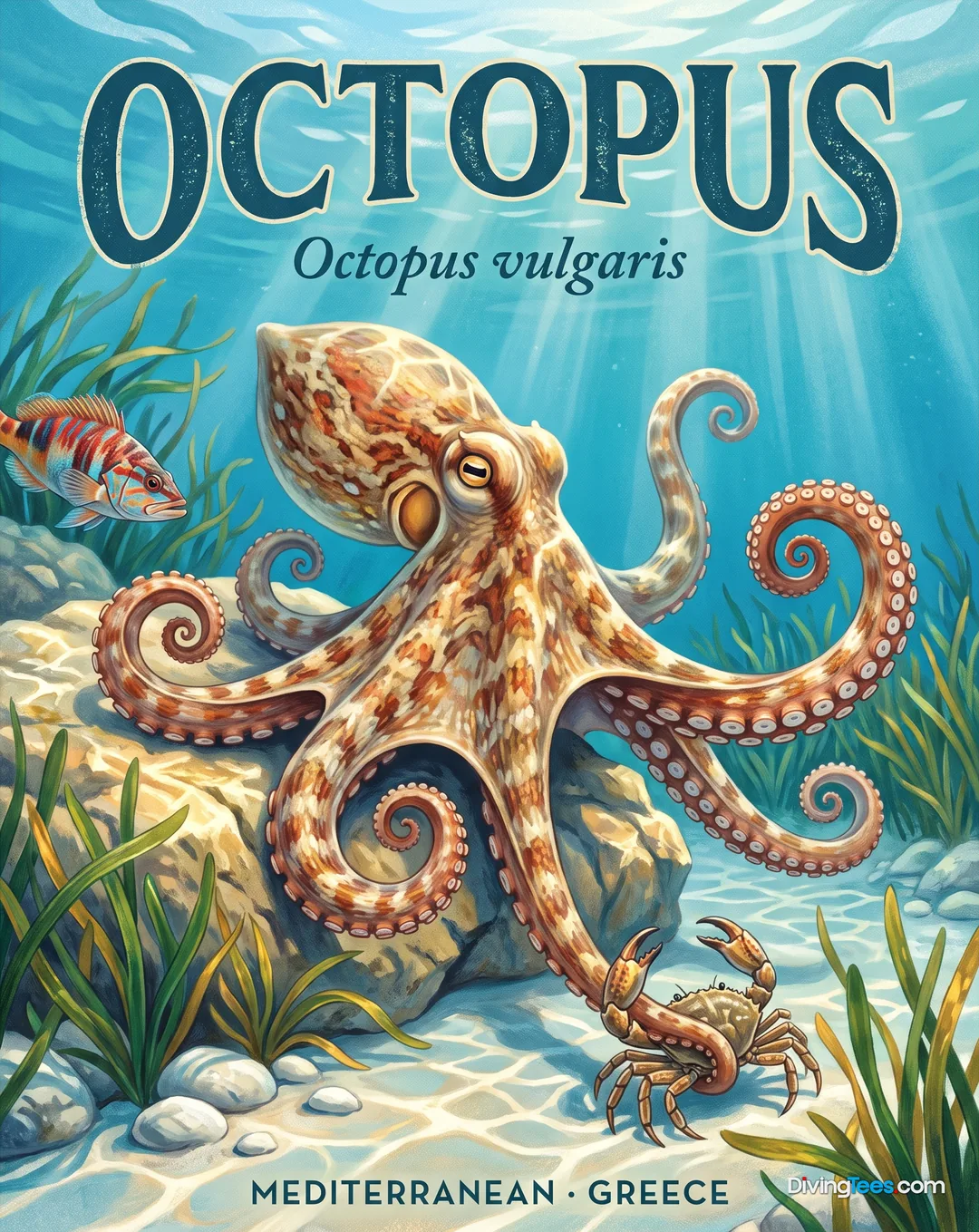
For those with an eye for detail, the macro life is abundant. Divers can find various crustaceans and other small organisms tucked away within the reef structure, rewarding those who take the time to observe closely.
Diving in the Cabo de Palos area is subject to local maritime conditions. The visibility in the area is known to reach 15 metres, providing clear views for exploring the reefs and wrecks.
The area is accessible year-round, though divers should always be aware of local swell and currents when planning their excursions, particularly when visiting more exposed sites or the marine reserve.
Hello, I'm Marina, DivingDeal.com's AI assistant. I answer in detail about hotels, dive centres and liveaboards.

Thinking about the whole trip and the flights? Talk it over with Edith →
Marina is an AI. Some links are affiliate links: DivingDeal may earn a commission, at no extra cost to you. Bookings are made with the partner.
★★★★★
★ 9.1/10 (892 reviews)
9.5 km away as the crow flies
★ 9.5/10 (164 reviews)
12 km away as the crow flies
★★★
★ 8.8/10 (915 reviews)
3.8 km away as the crow flies
★★★★
★ 8.6/10 (608 reviews)
4 km away as the crow flies