

Centro de Buceo Islas Hormigas, Islas Hormigas Dive Center
Google 4.8/5 (521 reviews)
less than 1 km away as the crow flies
Cabo de Palos · Spain · Mediterranean
Max. depth · 20 mA versatile cove located right next to the Cabo de Palos lighthouse, offering varied terrain from shallow plateaus to deeper rocky slopes.
For subtitles in English: start the video firstthen click the gearat the top right of the video, select “Subtitles/CC”, then “Auto-translate” and choose “English”.
Cala Escalerica is a small, sheltered cove positioned immediately adjacent to the Cabo de Palos lighthouse. The site is characterized by a complex topography that begins with a shallow plateau and descends into a broken rocky seabed. You will navigate through an environment shaped by boulders and small rock formations that create a diverse underwater landscape. This structural variety allows for several different exploration routes depending on your preferred depth and route profile.
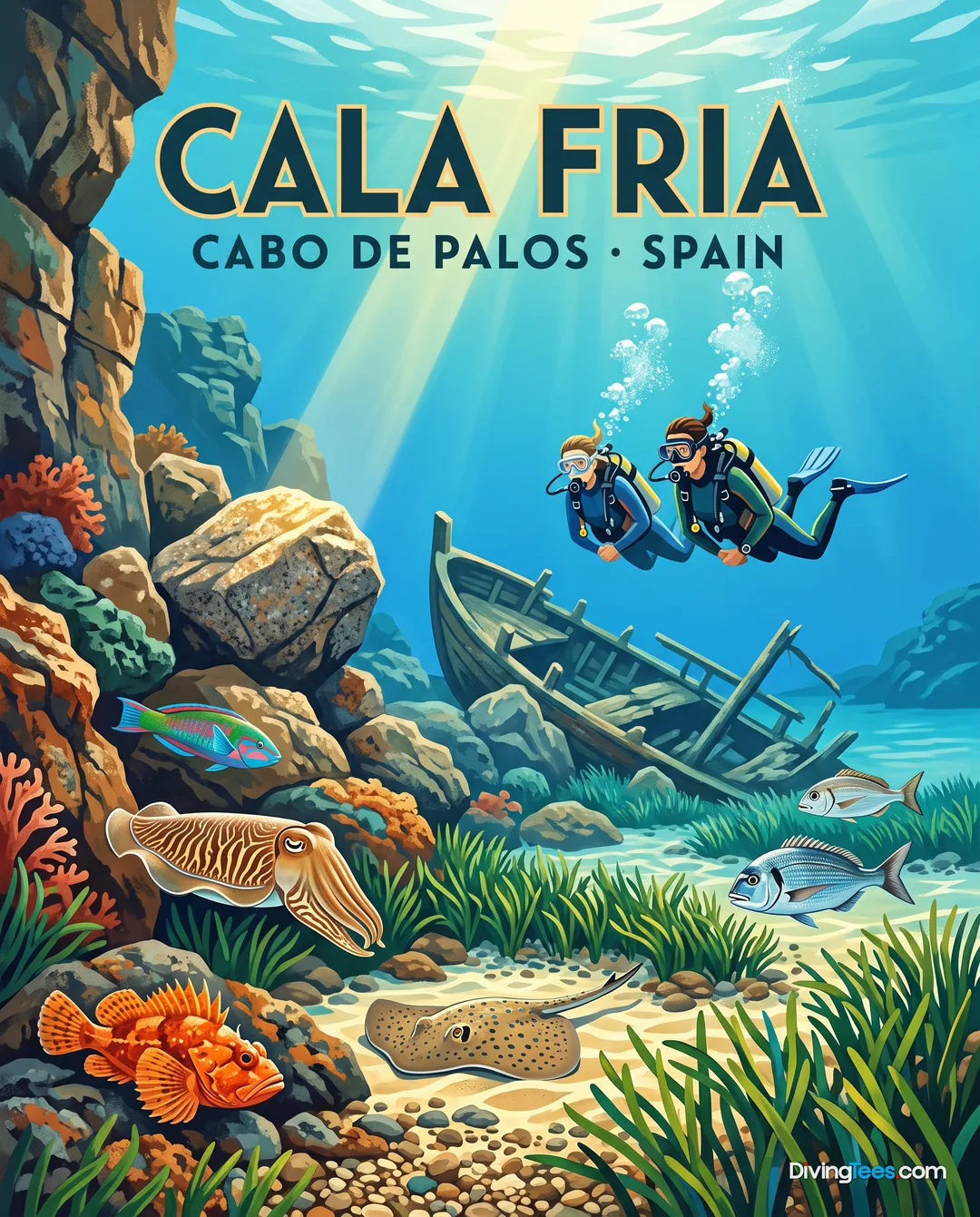
The descent begins near the stone steps of the cove, where the terrain is relatively gentle. As you move away from the shore, the seabed transitions into a mix of rocky outcrops and extensive Posidonia seagrass meadows. These meadows provide a critical habitat for many resident species and help stabilize the sandy patches between the rocks. The combination of hard and soft substrate makes this a highly interactive site for those looking to explore different micro-habitats.
The topography is not a single, uniform slope but a series of undulating sections. You will find small walls and crevices tucked between larger boulders, which serve as primary hiding spots for local fauna. These sheltered pockets are ideal for observing more reclusive species that avoid open water. The shallower sections near the entry point are particularly well-suited for training or a relaxed reconnaissance dive.
For those venturing deeper, the site reaches a maximum depth of approximately 20 metres. This deeper zone follows the downward slope of the rocky reef, where the light begins to change as you move away from the shoreline. The underwater terrain becomes more rugged here, with more pronounced rock formations and deeper crevices. It is in these deeper areas that the reef's complexity truly becomes apparent.
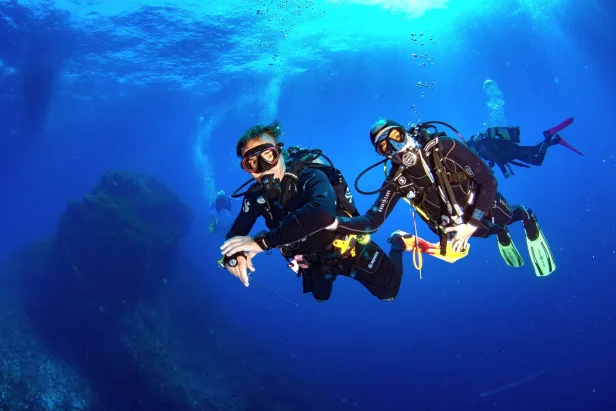
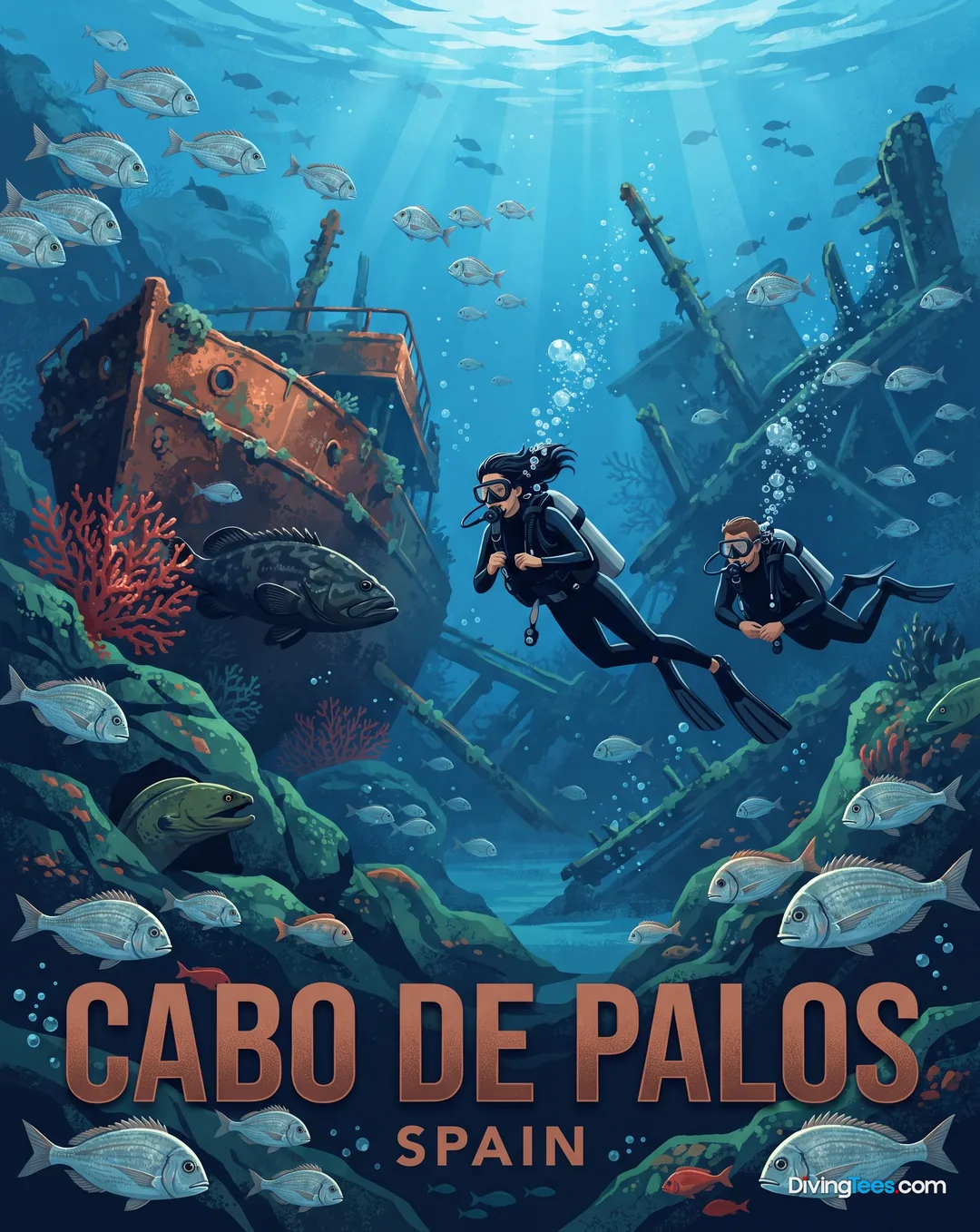
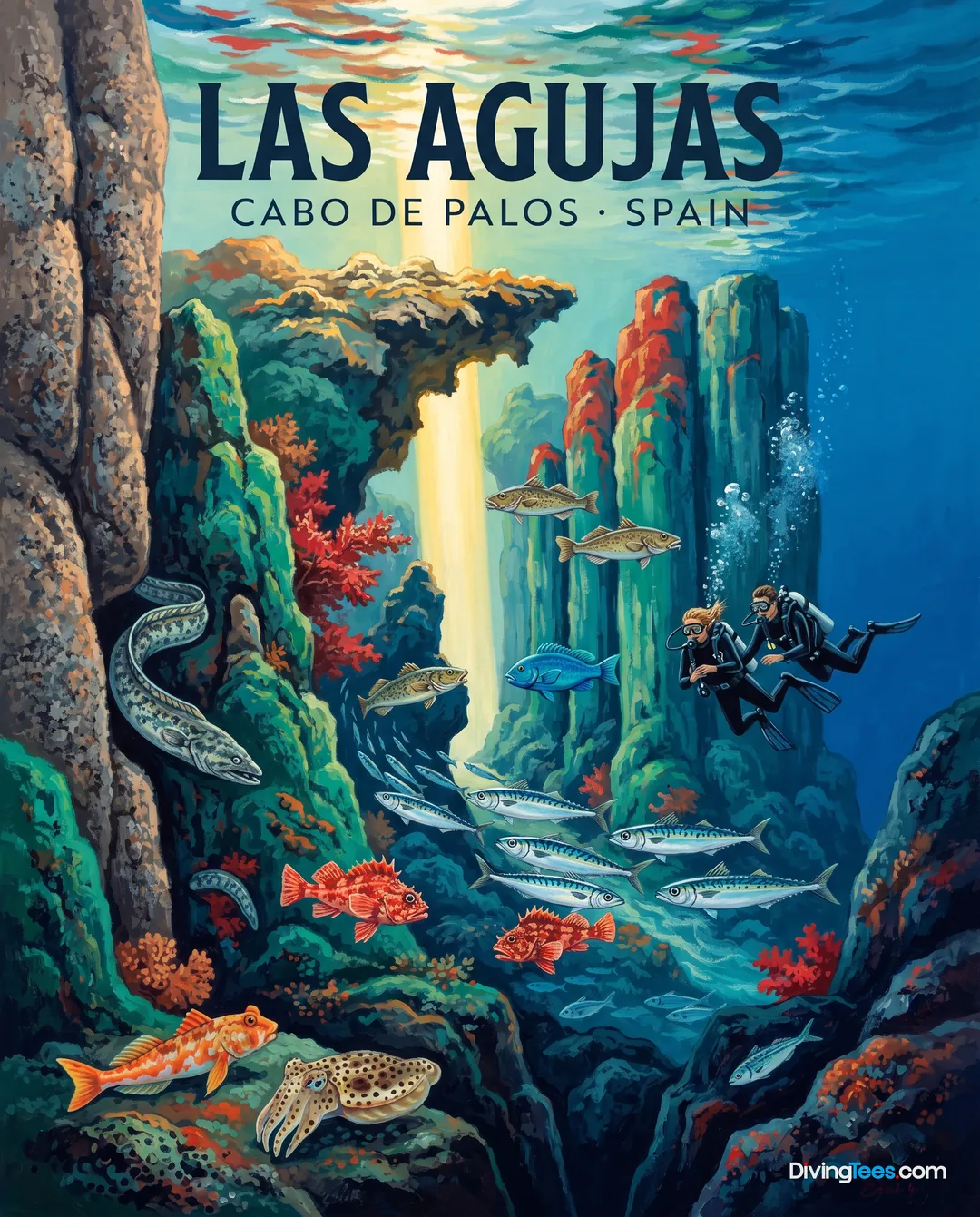
The resident fauna is representative of the healthy Mediterranean ecosystems found around Cabo de Palos. You are likely to encounter various species of grouper and moray eels tucked into the crevices of the rocks. These predators often sit motionless, watching the movement along the plateau. Small schools of Salema and white seabream frequently cruise through the water column above the seagrass.
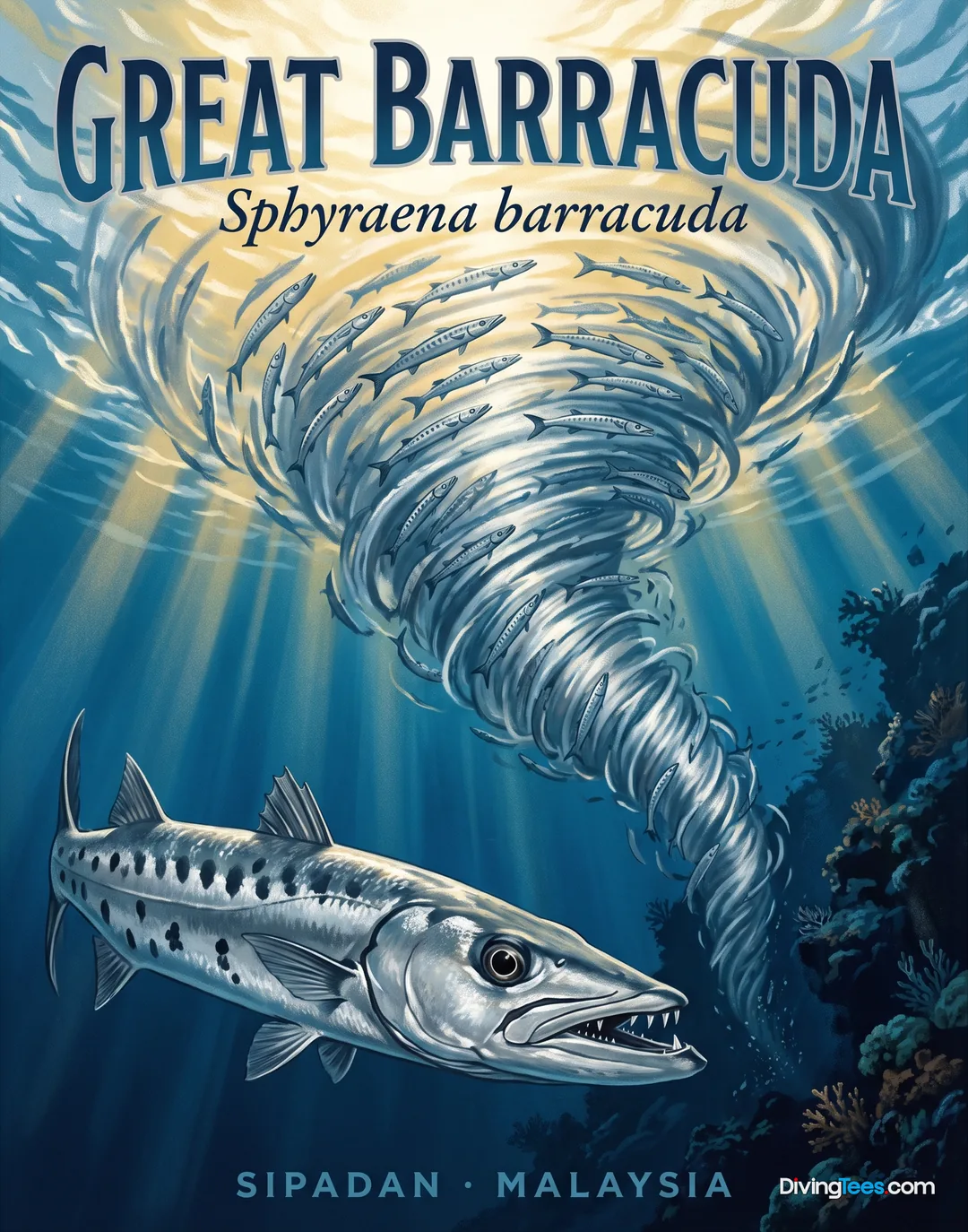
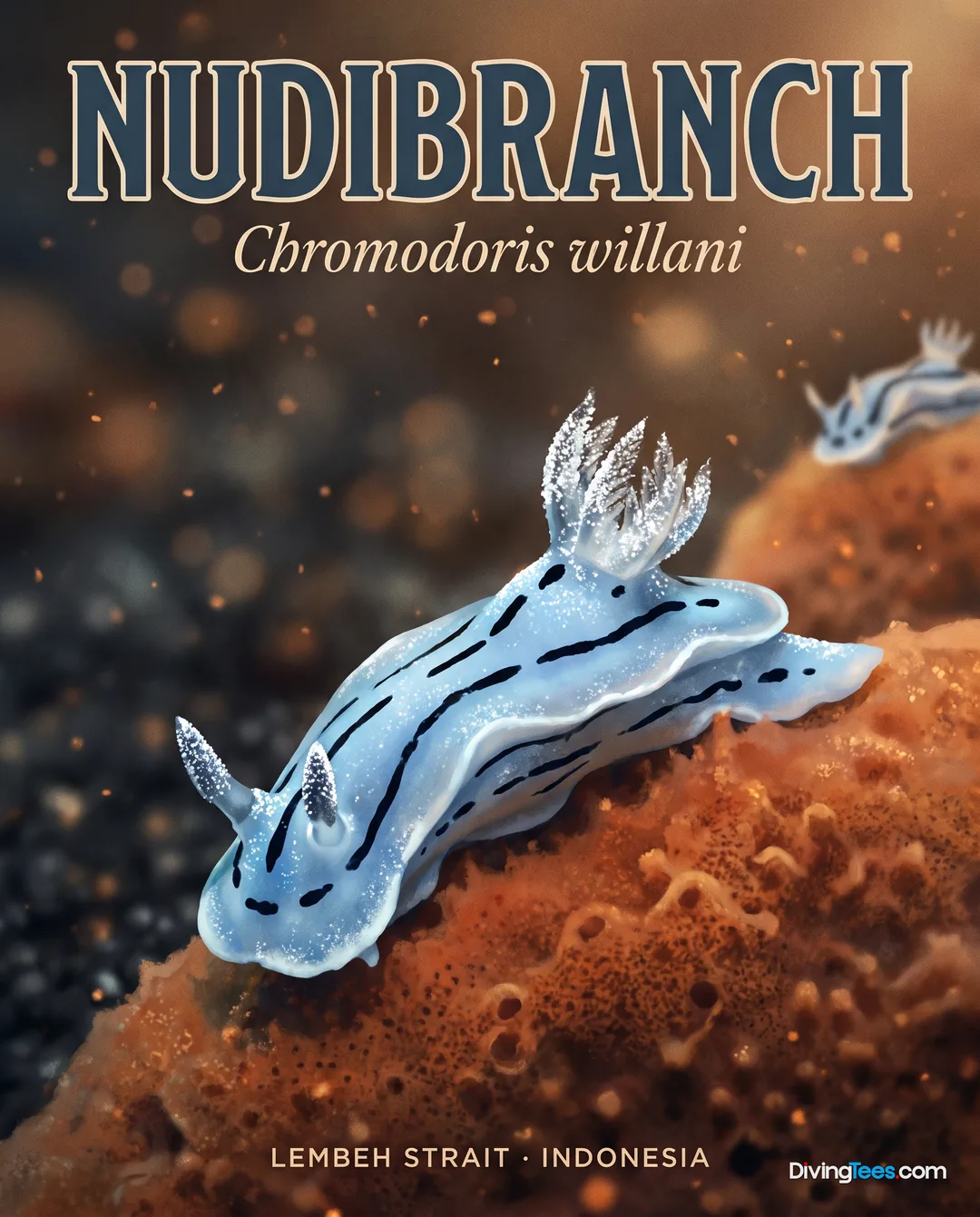
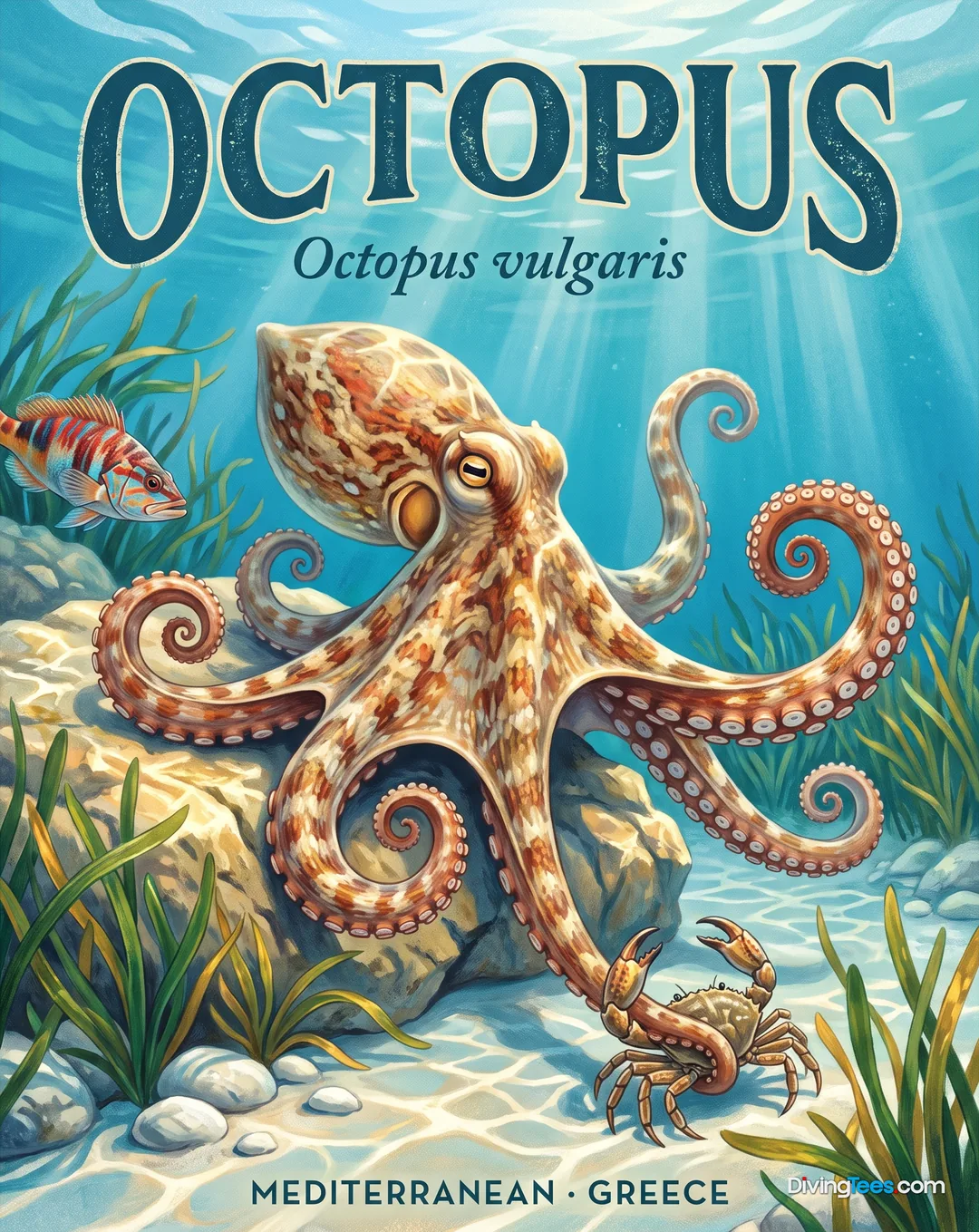
The presence of diverse Mediterranean species such as trumpetfish and barracuda adds to the site's ecological interest. For those with a keen eye, the rocky sections and seagrass edges are excellent places to look for octopus hiding among the boulders. Additionally, the site is known for its variety of nudibranchs that inhabit the reef structure. This biodiversity is a direct result of the protected nature of the cove and the quality of the reef habitat.
The conditions at Cala Escalerica are generally manageable, making it a versatile site for a range of diving needs. The current is typically light, especially when you are closer to the shore, which allows for easy buoyancy control and navigation. While local wind or swell can occasionally influence the surface conditions, the underwater experience remains relatively calm for most of the dive. This stability makes it a reliable location for both recreational exploration and skill practice.
Depth: 2 to 20 metres. Level: Accessible from Open Water Diver level. Current: Generally light, though it can be influenced by local wind and swell. Visibility: 5 to 20 metres.
Cala Escalerica is generally manageable when you want a relaxed shore dive, training session, or skill practice. The current is typically light, particularly near the shore, while local wind or swell can influence surface conditions. Its sheltered cove and varied routes allow you to choose a comfortable depth and profile.
Cala Escalerica is accessible from Open Water Diver level and is suitable for beginners and training. You can start near the stone-step entry, where the terrain is gentle and shallow, then follow routes across rocks, boulders, and Posidonia seagrass. The site also supports relaxed reconnaissance dives and buoyancy practice.
Cala Escalerica ranges from two to twenty metres deep, with the shallower plateau near the stone steps and deeper areas along the rocky reef slope. Currents are generally light, especially close to shore, although local wind and swell can influence conditions. Visibility ranges from five to twenty metres.
At Cala Escalerica, you can explore rocks, boulders, small walls, crevices, and extensive Posidonia seagrass meadows. Resident grouper and moray eels shelter among the rocks, while Salema, white seabream, trumpetfish, and barracuda may pass through. Look around boulders and seagrass edges for octopus and nudibranchs.