
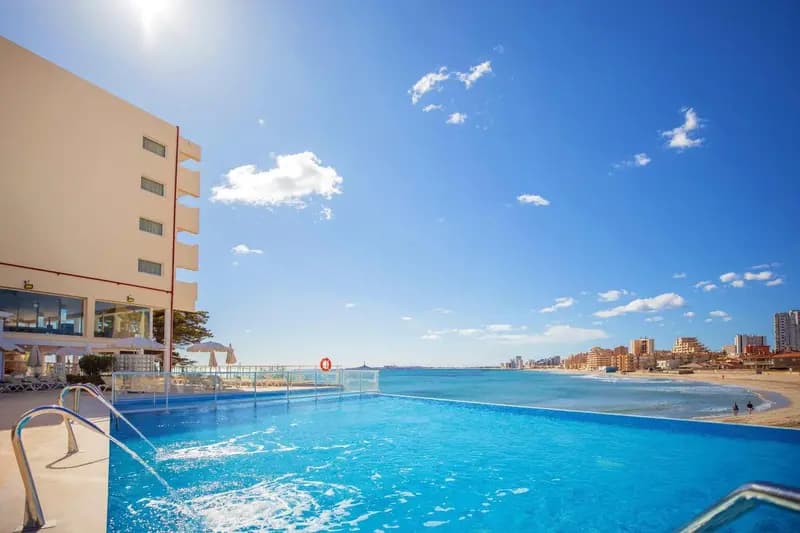
Grand Hyatt La Manga Club Golf & Spa
★★★★★
★ 9.1/10 (892 reviews)
9.5 km away as the crow flies
Dive centre · Cabo de Palos · Spain
4.5456 Google reviewsExplore the Mediterranean's most celebrated marine reserve aboard the Alisub or one of two 225 hp Yamaha-powered RIBs.
For subtitles in English: start the video firstthen click the gearat the top right of the video, select “Subtitles/CC”, then “Auto-translate” and choose “English”.
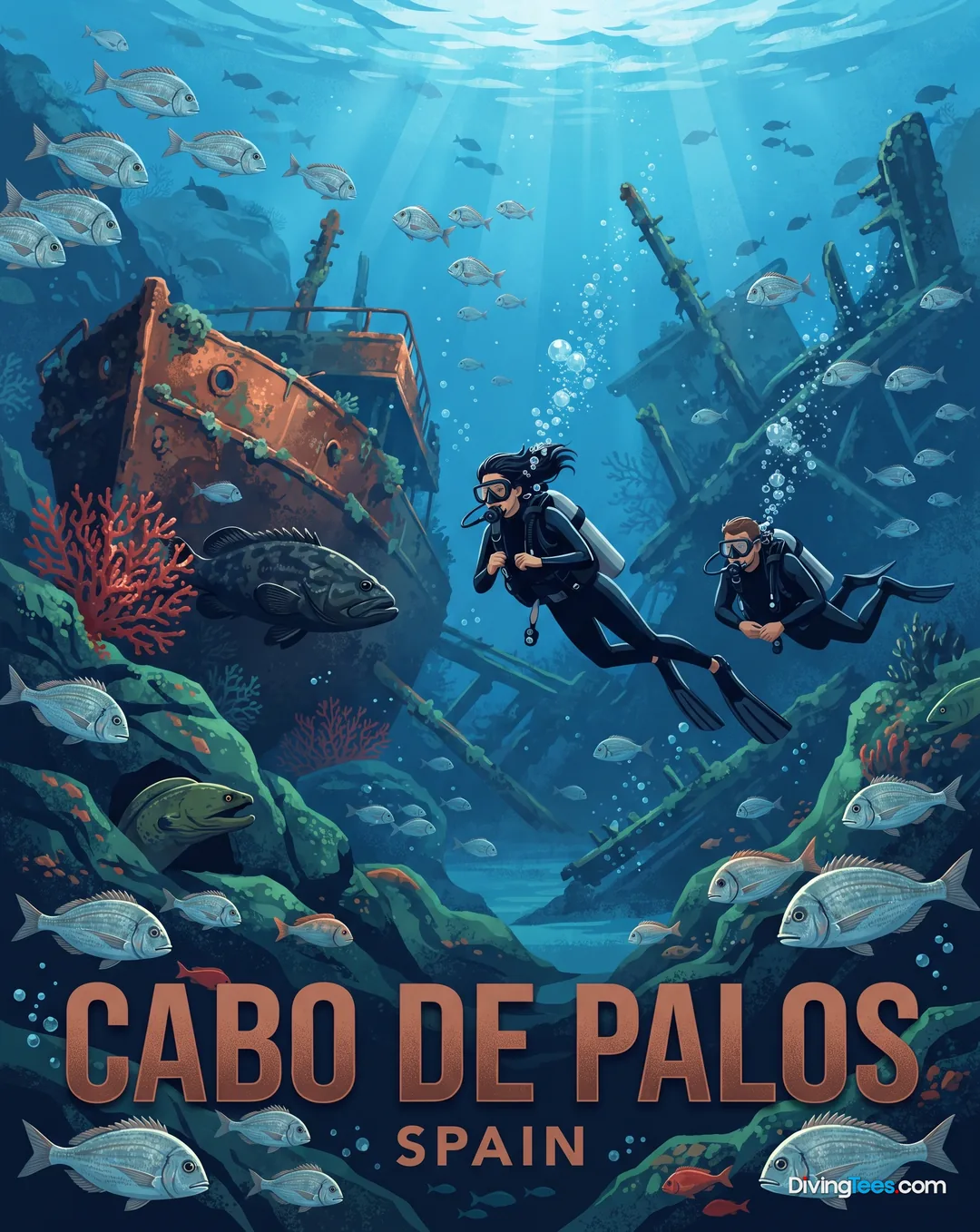
Cabo de Palos is widely regarded as one of the most significant diving destinations in Europe, a reputation solidified in 2015 when its marine reserve was officially recognised for its exceptional biodiversity. For divers looking to explore the Mediterranean, this area offers a unique combination of complex underwater topography and high concentrations of marine life.
Naranjito Buceo has been operating in this location since 2004. Founded by Angel Gallego, the centre has established itself as a specialist in the local waters, focusing on a professional yet convivial approach to diving. Whether you are visiting for your first breath underwater or are an experienced diver looking to explore the local wrecks, the centre is built around the specific requirements of the Cabo de Palos ecosystem.
The centre is defined by a professional and family-like atmosphere, aiming to provide a secure environment for divers of all abilities. With two decades of experience in the region, the team focuses on safety and clear communication throughout the diving experience.
Instruction is provided in Spanish, and the centre caters to a wide range of divers, from those looking for a simple snorkeling session to those pursuing formal diving qualifications. The emphasis is placed on a professional standard of service that ensures you are well-prepared for the specific conditions of the local reserve.
Naranjito Buceo offers a full spectrum of training, beginning with introductory sessions such as baptism dives and snorkeling. For those looking to build a formal certification, the centre provides diving courses for all levels.
This includes the foundational training required to move from a beginner to a certified diver, allowing you to explore the Mediterranean's reefs and wrecks with the appropriate skills and credentials.
The fleet consists of three semi-rigid boats designed to handle the local conditions efficiently. The Alisub is powered by a 185 hp diesel outboard motor, while the Naranjito II and Naranjito III are both equipped with 225 hp Yamaha four-stroke engines.
Each vessel has a capacity for 12 equipped divers. To assist with safe entries and exits, the boats are fitted with specialised diving ladders, and emergency oxygenation equipment is carried on board for safety.
Réserve de Cabo de Palos: This protected area is a cornerstone of Mediterranean diving, offering high levels of biodiversity across various depths for all levels. The protected status ensures a thriving ecosystem that is a joy to explore.
Épaves de Cabo de Palos: The area is home to some of the most famous wrecks in the Mediterranean. These sites offer fascinating opportunities for divers to explore maritime history amidst growing marine life.
Calas de Cabo de Palos: These coastal inlets offer majestic underwater landscapes. They provide a variety of environments that are accessible to divers of all levels.
And some of the dive sites the centre runs.
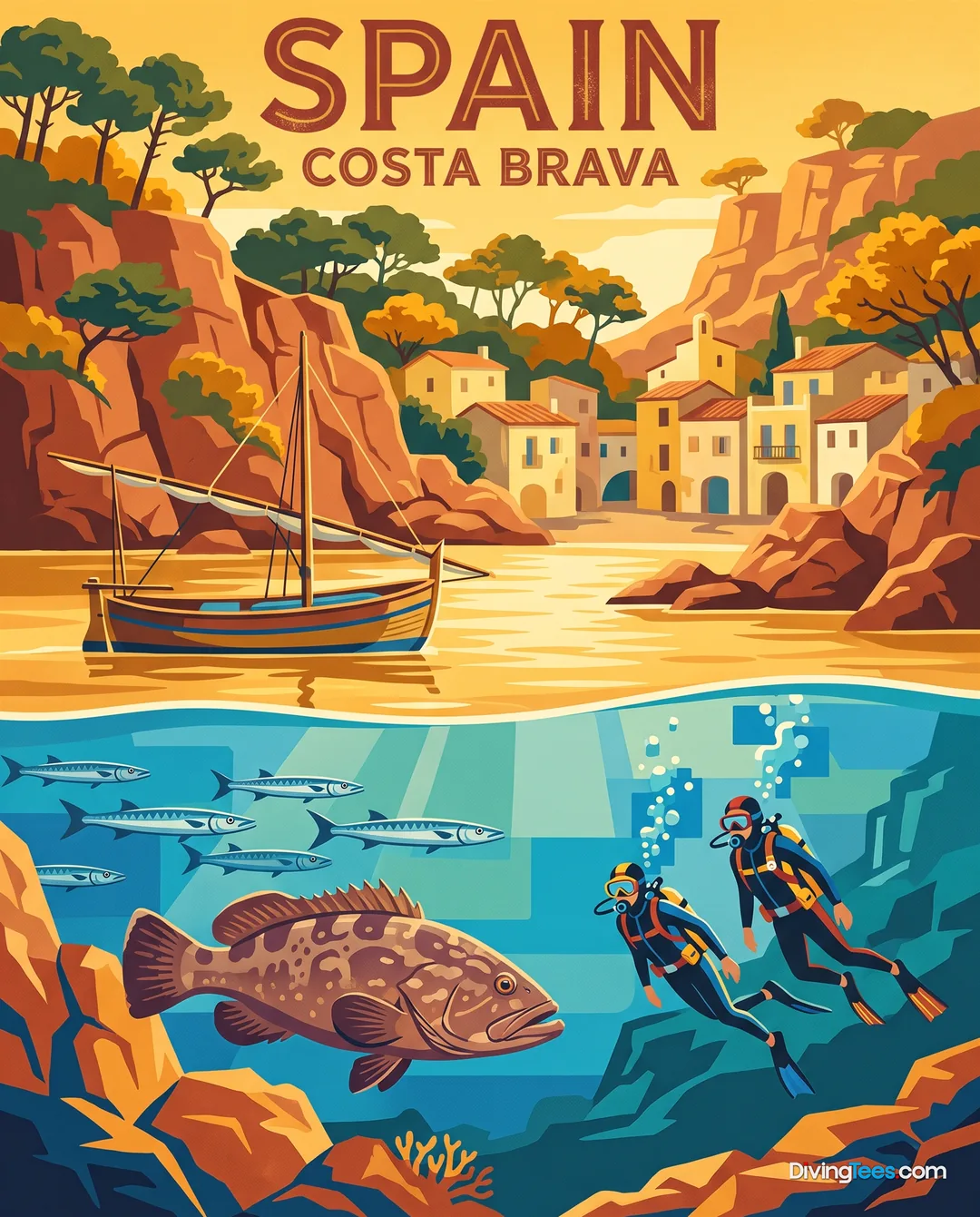
The marine life in the reserve is remarkably diverse. You will frequently encounter various species of sea bream (Sparidae), including the white seabream (Diplodus sargus) and salema porgy (Sarpa salpa). Other common residents include Bogue (Boops boops), damselfish (Chromis chromis), and various species of wrasse (Labridae).
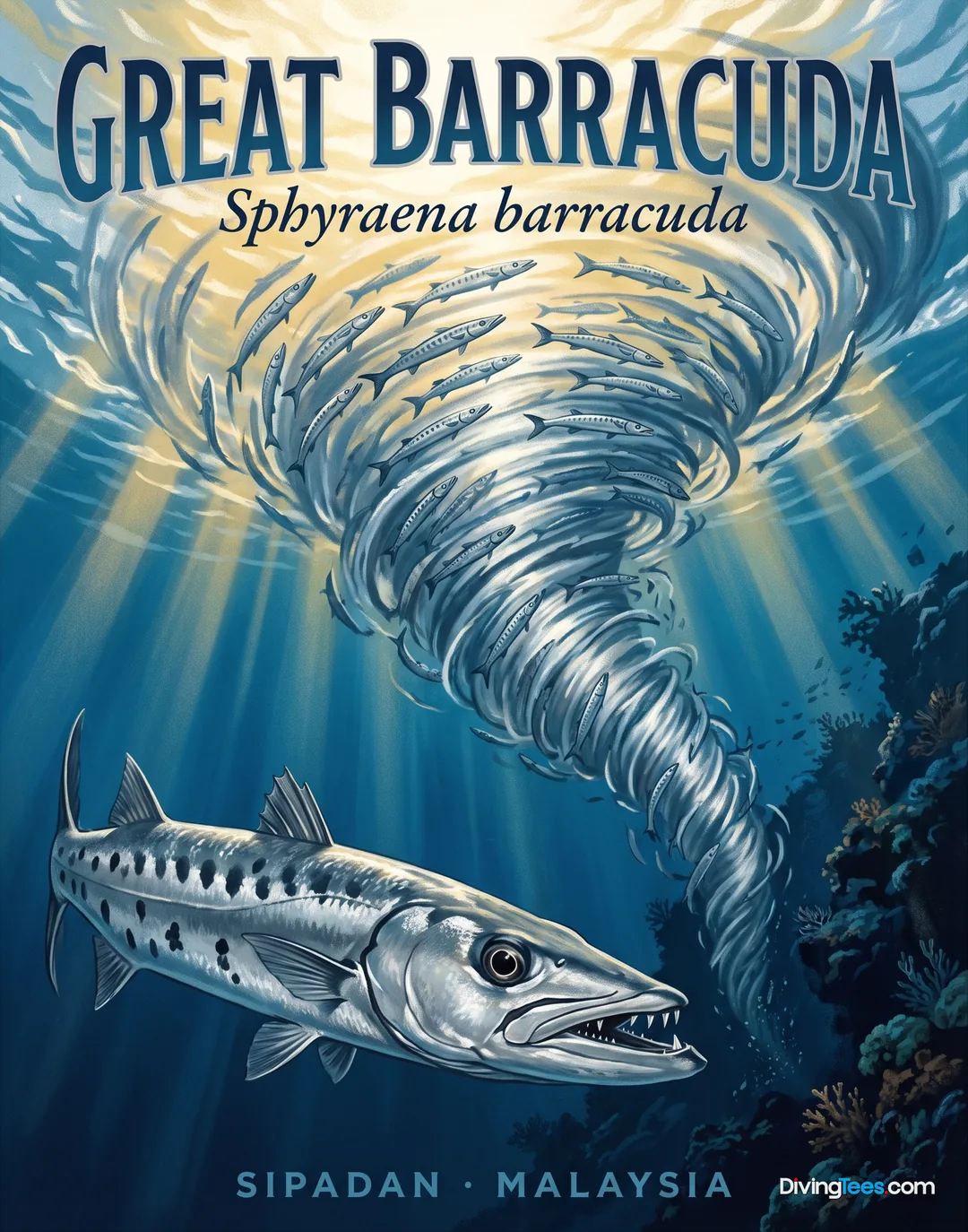
Larger predators and interesting silhouettes can be found throughout the area, such as Mediterranean barracudas, dentex, and barracuda (Sphyraena). You may also spot a sunfish or a ray (Batoidea) passing through the water column.
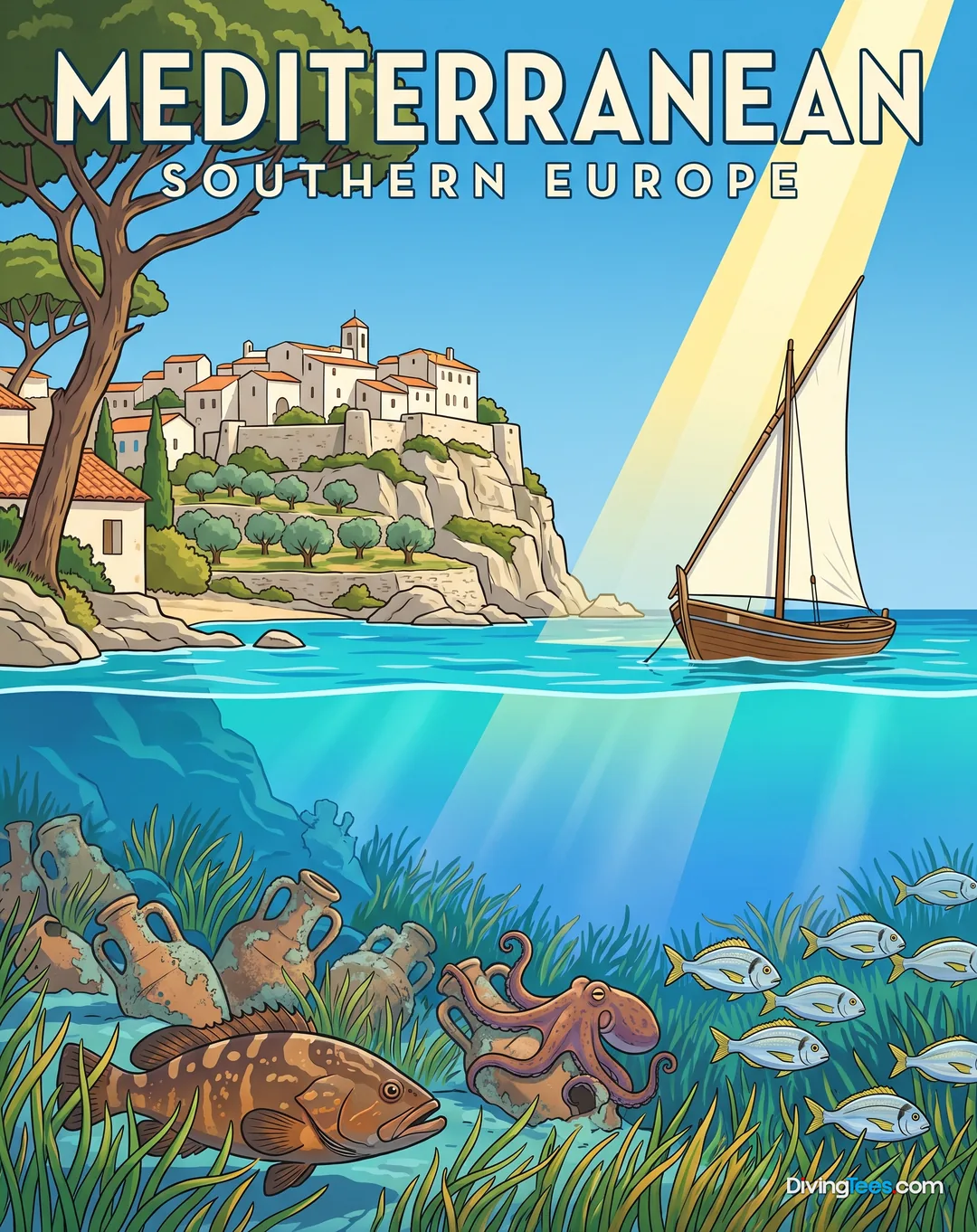
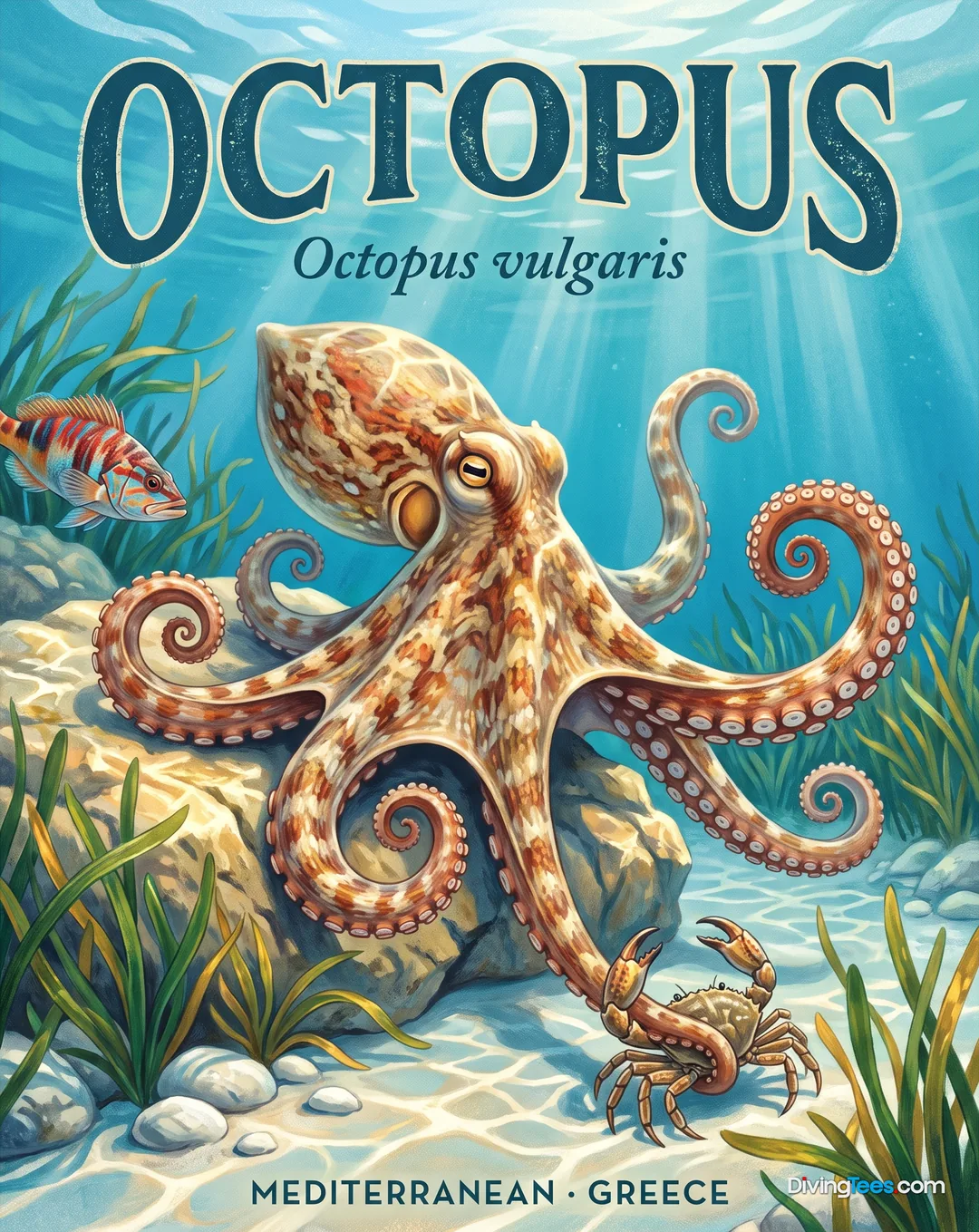
In the rocky areas and crevices, look for the octopus (Octopoda), moray eel (Muraenidae), and various scorpionfish (Scorpaena). Groupers (Epinephelinae), including the dusky grouper (Epinephelus marginatus), are often stationed near ledges, while spiny lobster (Palinuridae) can be found amongst the reef structures.
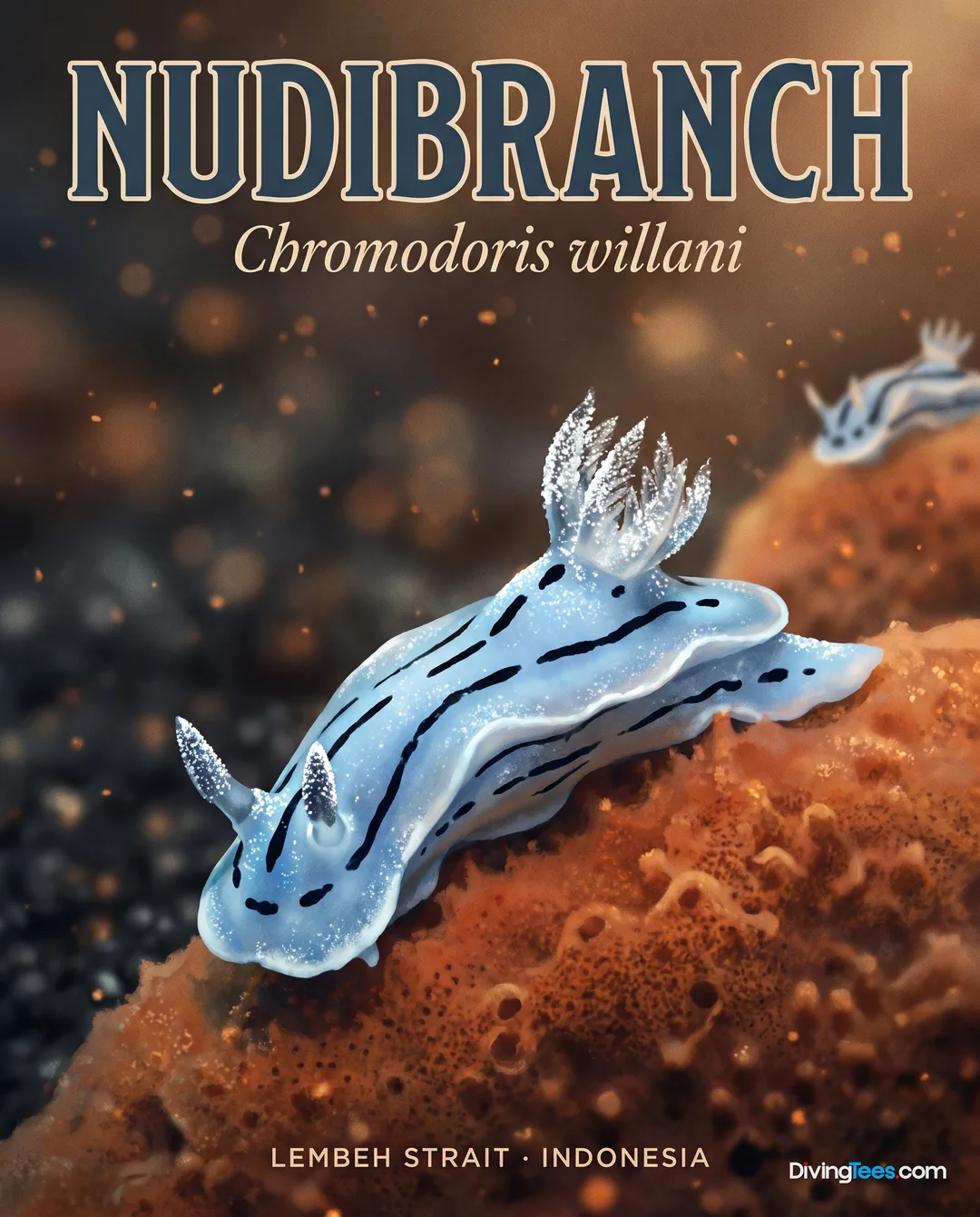
Macro life enthusiasts will find plenty to observe, from various nudibranchs to smaller crustaceans and damselfish inhabiting the reef flats.
Hello, I'm Marina, DivingDeal.com's AI assistant. I answer in detail about hotels, dive centres and liveaboards.

Thinking about the whole trip and the flights? Talk it over with Edith →
Marina is an AI. Some links are affiliate links: DivingDeal may earn a commission, at no extra cost to you. Bookings are made with the partner.
★★★★★
★ 9.1/10 (892 reviews)
9.5 km away as the crow flies
★ 9.5/10 (164 reviews)
12 km away as the crow flies
★★★
★ 8.8/10 (915 reviews)
3.7 km away as the crow flies
★★★★
★ 8.6/10 (608 reviews)
3.9 km away as the crow flies