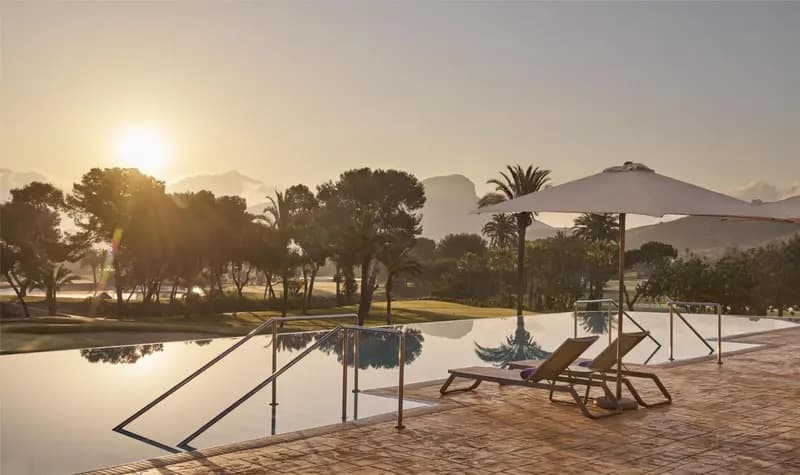
Grand Hyatt La Manga Club Golf & Spa
★★★★★
★ 9.1/10 (892 reviews)
9.3 km away as the crow flies
Dive centre · Cabo de Palos · Spain
4.4455 Google reviewsExplore the protected depths of the Cabo de Palos-Islas Hormigas Marine Reserve with Spain's first National Geographic Center.
For subtitles in English: start the video firstthen click the gearat the top right of the video, select “Subtitles/CC”, then “Auto-translate” and choose “English”.
Planeta Azul Buceo y Naturaleza is situated in the heart of Cabo de Palos, a premier diving destination in Spain. As the first National Geographic Center in the country, the centre is deeply integrated into the Cabo de Palos-Islas Hormigas Marine Reserve, offering direct access to some of the most biodiverse waters in the Mediterranean.
The centre has been operating for 25 years, establishing itself as a hub for both recreational divers and those seeking a deeper understanding of marine ecosystems. Beyond standard diving, they focus heavily on marine education, running academic programmes for students and professionals interested in oceanography and ecology.
The team at Planeta Azul is experienced in managing a diverse range of divers, from those taking their first breaths underwater to professional candidates. They offer instruction in Spanish, English, and French, ensuring clear communication for international divers.
Their training expertise extends far beyond basic certifications. The centre is a reference point for professional development, providing paths for Divemasters and Instructors, as well as specialised courses in marine ecosystem awareness and first aid.
The course catalogue is extensive, covering every level from the initial Bautismo de buceo and Scuba Diver through to Open Water Diver and Advanced Adventure. For those looking to specialise, they offer Nitrox, Deep Diver, and various buoyancy and trim mastery programmes.
Professional training is a core pillar of the centre, with pathways for Divemaster and Open Water Instructor. They also provide technical training, including Intro to Tech and Dry Suit diving. For those interested in the scientific side of the sport, they offer specialised Instructor courses in Marine Ecosystem Awareness and Oxygen Provider training.
The centre provides full equipment hire for those travelling without their own kit, including regulators, BCDs, wetsuits, fins, and masks. You can also supplement your kit with thermal tops, gloves, and hoods if needed. Dive computers are available for daily hire.
Nitrox is available on-site for all divers looking to extend their bottom time. The facility is set up to support both recreational and technical diving requirements.
Bajo de dentro is located within the protected marine reserve or Isla Grosa area, offering high-quality encounters in a preserved environment. Bajo de fuera is another key site within the reserve, providing the characteristic biodiversity of the protected zone.
Piles I and Piles II are essential sites on the Cabo de Palos coast. These locations are part of the local ecosystem that makes this region a significant diving destination.
And some of the dive sites the centre runs.
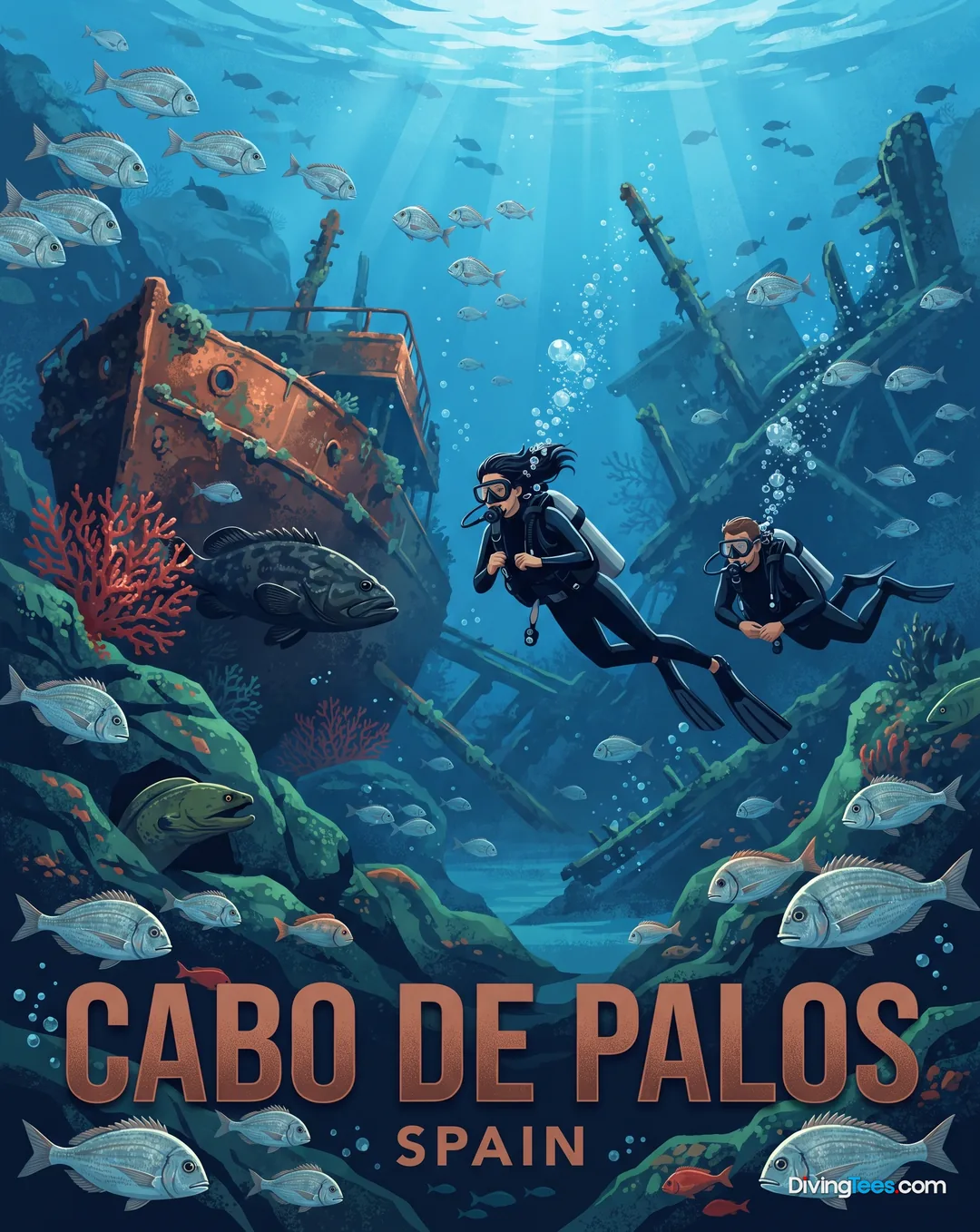
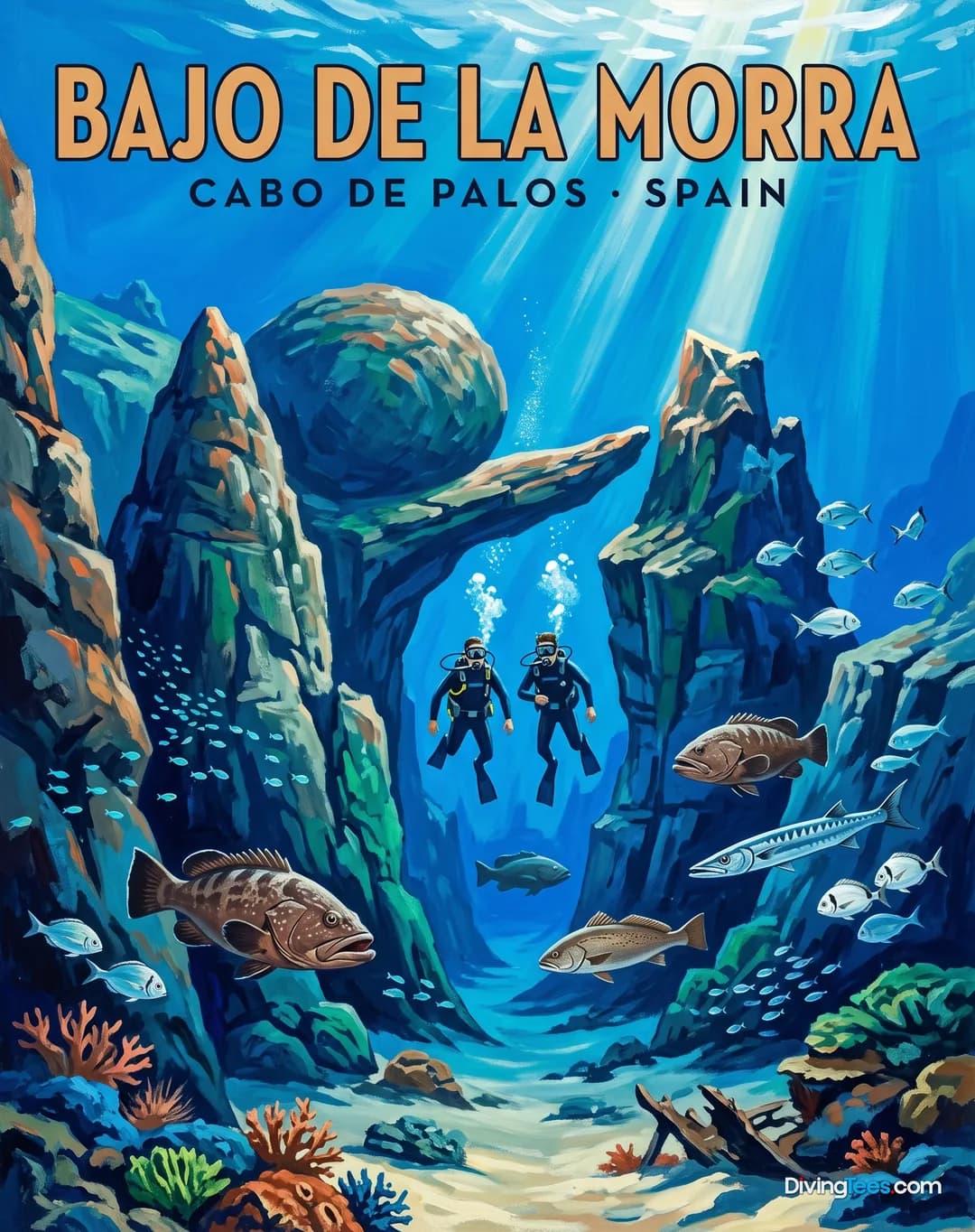
The marine life within the reserve is abundant, with a healthy population of groupers (Epinephelinae) and Dusky grouper (Epinephelus marginatus) often found near the structures. You will regularly see various species of sea bream (Sparidae), including White seabream (Diplodus sargus) and Salema porgy (Sarpa salpa), alongside Bogue (Boops boops).
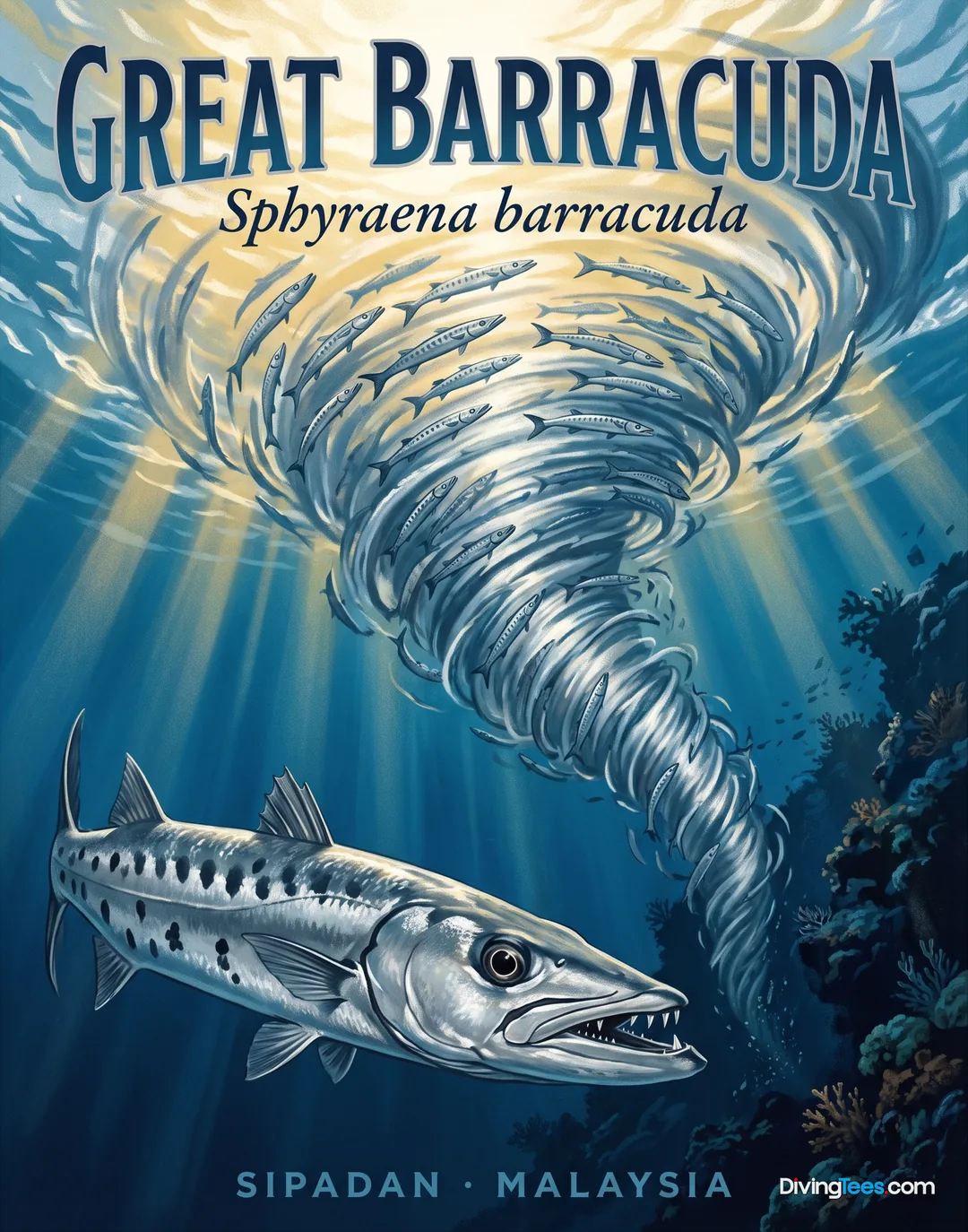
Large pelagic species and predators are part of the local ecosystem, with Mediterranean barracudas and Barracuda (Sphyraena) patrolling the area. You may also encounter Eagle ray (Aetobatus), Ray (Batoidea), and various sunfish. Other common residents include Trumpetfish (Aulostomidae), Scorpionfish (Scorpaena), and various Wrasse (Labridae).
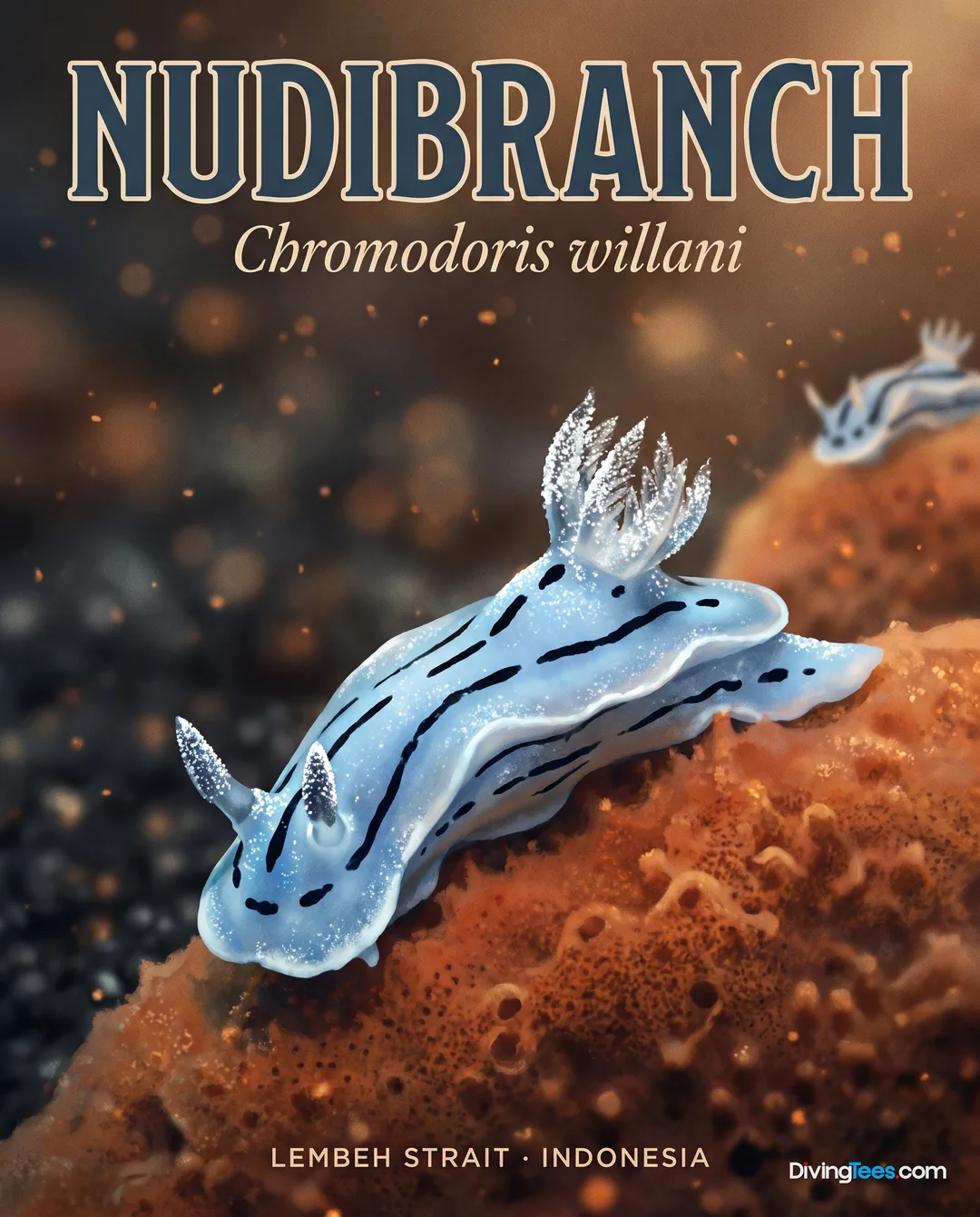
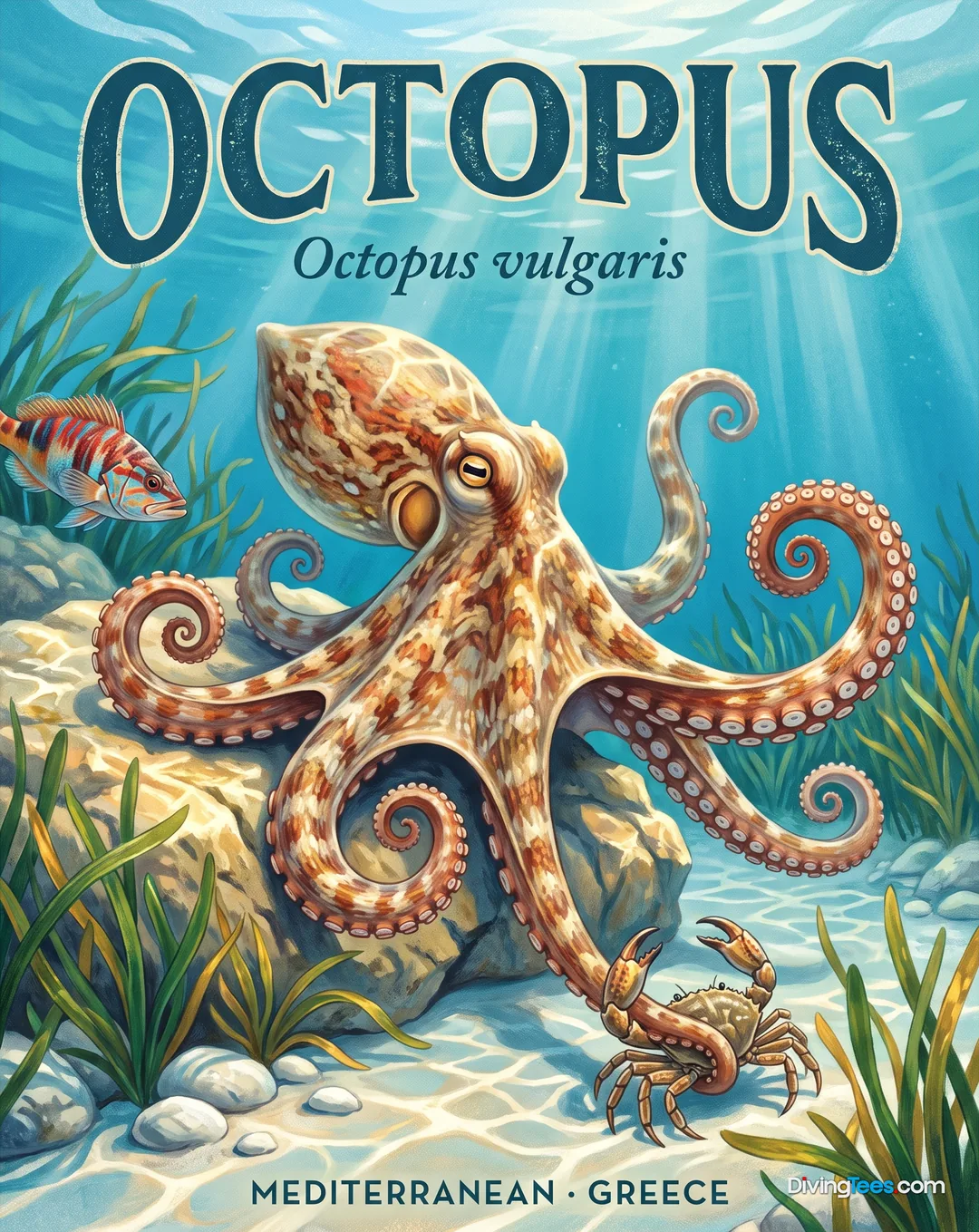
On the seabed and within the reef structures, look for Spiny lobster (Palinuridae), Octopus (Octopoda), and Moray eel (Muraenidae). The terrain is often populated by various nudibranchs, damselfish, and different species of dentex.
The environment is rich with fixed life, including various sponges and anemones that support the local food chain, creating a vibrant habitat for the resident fish populations.
Diving in the Cabo de Palos-Islas Hormigas Marine Reserve is subject to local Mediterranean conditions. The area is known for its biodiversity, which is maintained by the protected status of the reserve.
Hello, I'm Marina, DivingDeal.com's AI assistant. I answer in detail about hotels, dive centres and liveaboards.

Thinking about the whole trip and the flights? Talk it over with Edith →
Marina is an AI. Some links are affiliate links: DivingDeal may earn a commission, at no extra cost to you. Bookings are made with the partner.
★★★★★
★ 9.1/10 (892 reviews)
9.3 km away as the crow flies
★ 9.5/10 (164 reviews)
12 km away as the crow flies
★★★
★ 8.8/10 (915 reviews)
3.7 km away as the crow flies
★★★★
★ 8.6/10 (608 reviews)
3.9 km away as the crow flies