
Big Blue Ibiza Cala Vadella
Google 4.9/5 (121 reviews)
4.5 km away as the crow flies
Ibiza · Spain · Mediterranean
Max. depth · 28 mNavigate through narrow, high-walled rock canyons where light and shadow play across yellow encrusting anemones.
For subtitles in English: start the video firstthen click the gearat the top right of the video, select “Subtitles/CC”, then “Auto-translate” and choose “English”.
The Es Vedranell site is structured around a horseshoe-shaped islet, with its western point serving as the primary access to a complex network of underwater canyons. These geological formations, often referred to as Los Cañones, run parallel to the main landmass of Es Vedrà. The topography is characterized by high, steep walls that create narrow, winding passages through the water column. As you approach the site, the seabed transitions from shallow rocky areas and Posidonia seagrass meadows into these dramatic vertical structures. This transition marks the beginning of a descent into a landscape of deep shadows and sunlight filtering through narrow gaps.
Your dive profile typically starts on the shallower rocky plateaus, with depths beginning around 5 to 10 metres. From here, you follow the natural contours of the seafloor into the first of several distinct gorges. The descent leads you through a series of rock needles and tight channels that define the canyon experience. As you move deeper, the environment becomes more enclosed, with the canyon walls rising sharply on either side of your swim path. The maximum depth for this specific canyon route is approximately 26 to 28 metres, providing a structured depth range for a controlled exploration of the terrain.
The visual character of the canyons is defined by the interplay of light and shadow. Because the walls are so high and the passages so narrow, the sunlight creates sharp contrasts as you move through the different sections. This lighting effect highlights the textures of the rock faces and the vibrant growth covering them. You will notice the walls are heavily populated by yellow encrusting anemones, which add a layer of bright colour to the darker stone. These anemones thrive in the vertical environment, creating a continuous biological coating along the canyon sides that reacts to the movement of the water.
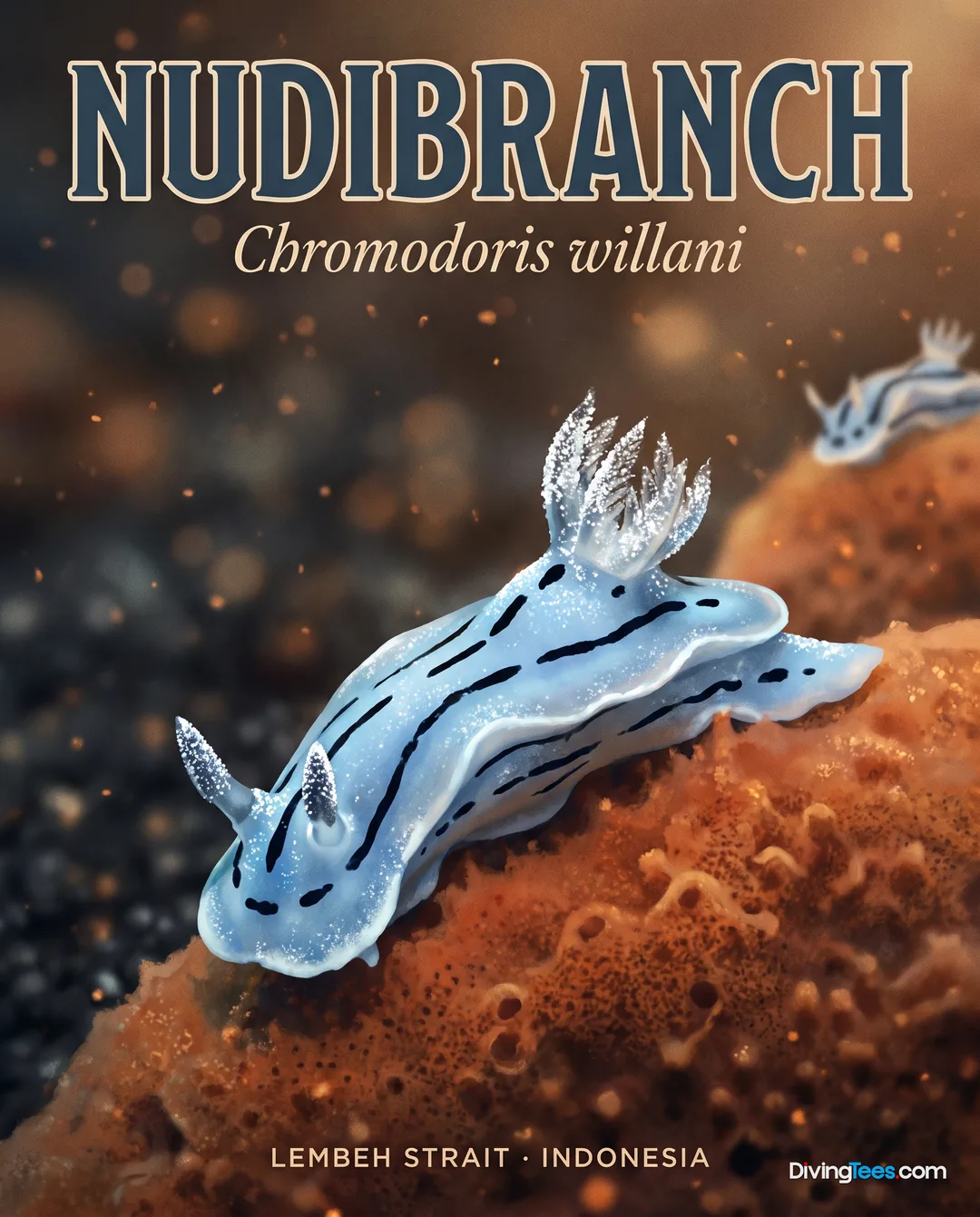
The resident fauna is well-adapted to these vertical rock structures and the surrounding currents. You can frequently encounter brown moray eels (Muraena helena) tucked into the crevices of the canyon walls. These eels are often found near the rock interfaces where they can monitor the passing water. The presence of groupers adds to the sense of a mature reef ecosystem, as these large fish tend to hold position near the rocky outcrops. For those looking closely at the finer details of the substrate, various nudibranchs can be found amidst the rocky transitions and anemone colonies.
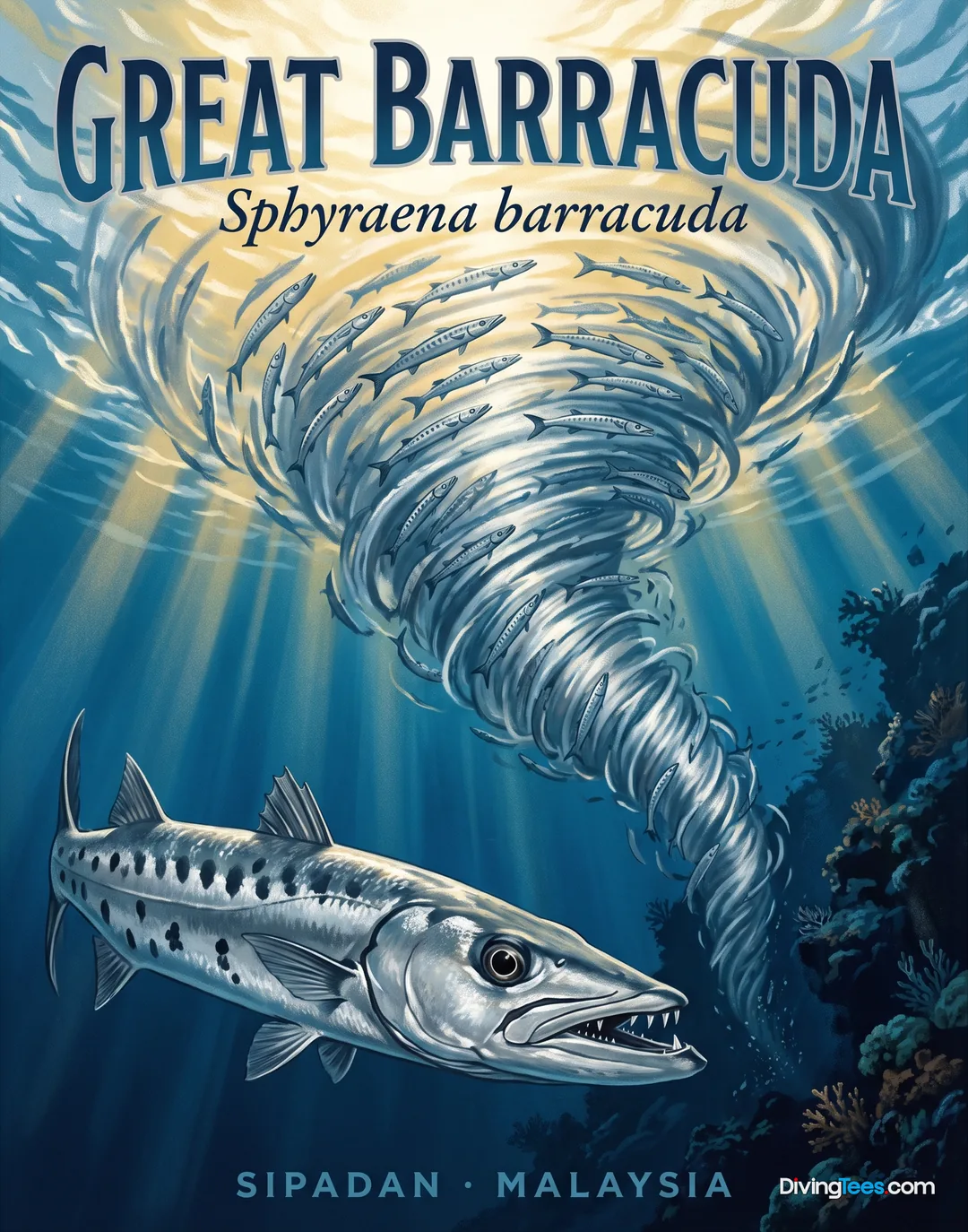
In the more open sections and near the edges of the canyons, larger pelagic species move through the site. Amberjack (Seriola dumerili) are common, often patrolling the edges of the structure where the current might be more pronounced. You may also see barracuda cruising the blue or hovering near the canyon openings. These fish use the topographical relief of the canyons to hunt or to find relief from the surge. The movement of these larger predators against the static, high walls of the canyon provides a dynamic element to the dive profile.
Current conditions at Es Vedranell can change depending on your exact position within the canyon network. While parts of the site can remain calm, the narrow passages and exposed edges are prone to moderate currents of about 1 to 2 knots. These currents are particularly noticeable when navigating the tightest sections of the gorges or when moving along the outer edges of the rock formations. Managing your buoyancy and trim is essential when moving through these channels to avoid contact with the sensitive anemone-covered walls. The site requires a diver who is comfortable managing their position in moving water while maintaining a precise course through tight spaces.
What distinguishes this site from other Mediterranean reef dives is the sheer verticality and the sense of enclosure provided by the canyons. Unlike standard wall dives that offer an open view into the blue, the canyons provide a structured, almost architectural experience. The sequence of moving from one gorge to another creates a sense of progression through a submerged labyrinth. This unique topography, combined with the specific lighting conditions created by the narrow openings, makes the site a distinct geological feature of the Ibiza coastline. It is a site that rewards careful navigation and a steady approach to depth management.
The site features depths ranging from 5 to 28 metres. An Advanced Open Water certification is required, supplemented by real experience navigating canyons and managing moderate currents of 1–2 knots. Visibility is typically between 20 and 30 metres. The best time to dive is from late spring through autumn.
You can dive Es Vedranell from late spring through autumn, when the site is in its stated best season. Visibility is typically between 20 and 30 metres, allowing you to appreciate the narrow canyons, steep walls, rock needles, and changing patterns of sunlight and shadow.
To dive Es Vedranell, you need Advanced Open Water certification together with real experience navigating underwater canyons and managing moderate currents. You should also be comfortable controlling your buoyancy and trim while following a precise route through tight passages beside walls covered with yellow encrusting anemones.
Es Vedranell ranges from shallow rocky plateaus at about 5 to 10 metres to a maximum of approximately 26 to 28 metres on the canyon route. Currents can vary by position: some areas remain calm, while exposed edges and narrow passages may have moderate currents of 1 to 2 knots.
At Es Vedranell, you can explore narrow, winding canyons, high vertical walls, deep rock needles, and tight channels filled with light and shadow. Yellow encrusting anemones cover the walls, while groupers, brown moray eels, nudibranchs, amberjack, and barracuda may appear around the structures and canyon openings.