
Eco&Dive Escuela de buceo en Málaga
Google 4.9/5 (191 reviews)
48 km away as the crow flies
Malaga · Spain · Mediterranean
Max. depth · 21 mA diverse rocky slope within a protected reserve, offering a mix of boulders and pinnacles at relatively shallow depths.
For subtitles in English: start the video firstthen click the gearat the top right of the video, select “Subtitles/CC”, then “Auto-translate” and choose “English”.
La Huerta is situated within the Maro-Cerro Gordo natural reserve, positioned where the coastline turns south and then west to form a sheltered bay. The site's geography is defined by a sloping rocky terrain that provides a varied landscape for exploration. You will find a combination of steep walls, large boulder fields, and sandy patches that create distinct micro-habitats. This structural diversity is the primary reason the site supports such a concentrated level of biological activity compared to the surrounding coastline.
Approaching the site typically involves a boat trip from La Herradura or Marina del Este. The dive often begins with a descent on a fixed line to a depth of approximately 6 metres, where the initial rocky relief starts to emerge. As you descend towards the 15-metre mark, the seabed undergoes a transition from large rockfalls to a more complex interface of sand and rock. This middle zone is where the topographical complexity increases, offering numerous crevices and overhangs for various species to inhabit.
The deepest part of the dive reaches approximately 21 metres, where the terrain is characterized by scattered rocky pinnacles and isolated blocks. These structures act as focal points for marine life, drawing in residents that prefer the shelter of hard substrates. Navigating between these pinnacles allows you to observe how the different depth zones interact. The transition from the upper rockfalls to the deeper pinnacles provides a continuous change in scenery throughout the dive profile.
The biological density at La Huerta is significant, earning it a reputation for being an abundant 'orchard' of marine life. You will frequently encounter various species of bream and damselfish moving through the water column above the reef. Closer to the substrate, the environment becomes more specialized, with scorpionfish often remaining motionless among the rocks. The variety of life is not just in the larger visible fish but also in the smaller, more sedentary organisms that define the reef's health.
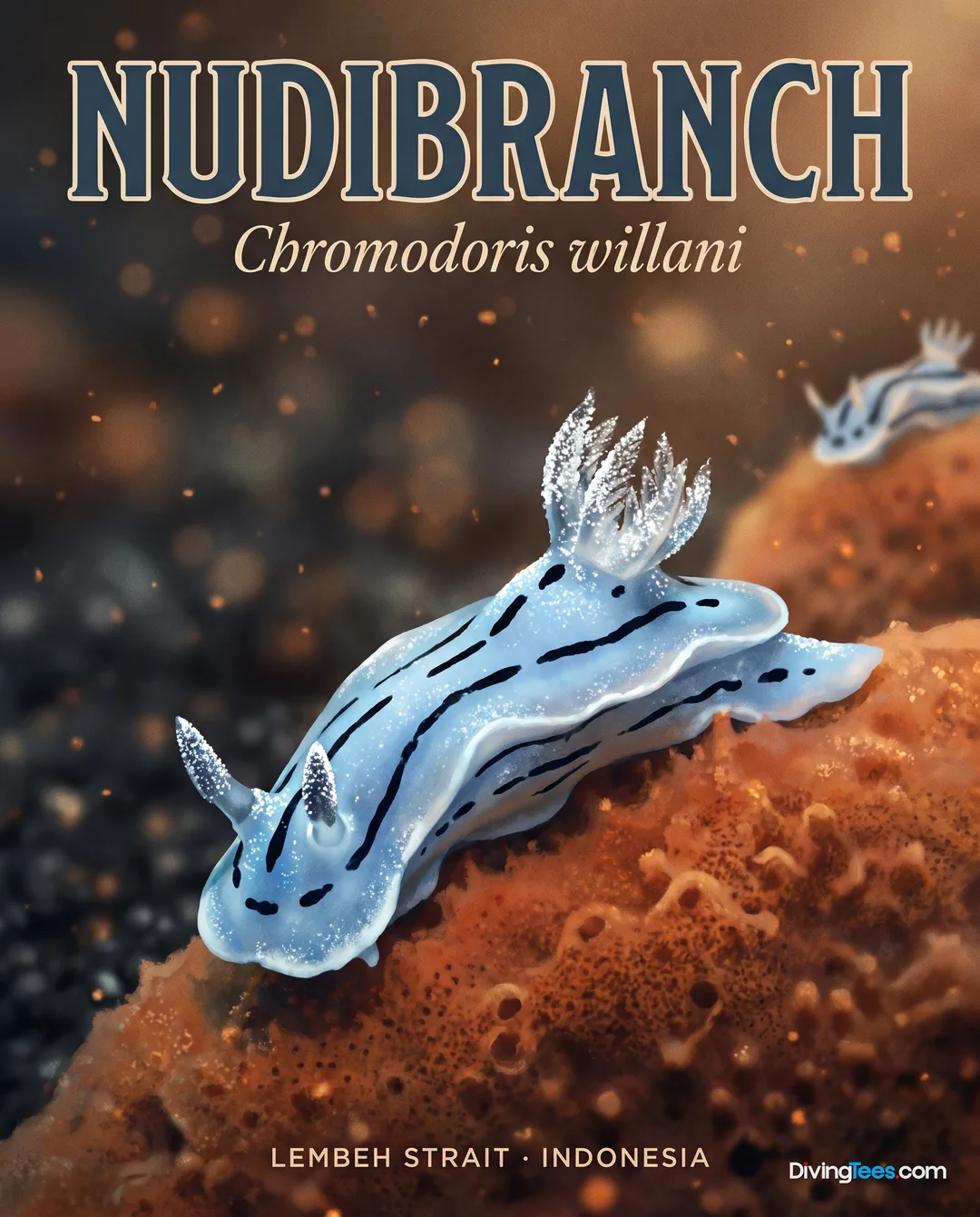
Looking closer at the hard structures, you will find a rich community of sponges and sea anemones covering the rocks. These provide the necessary habitat for invertebrates such as lobsters and spider crabs, which tend to hide within the crevices during the day. You can also observe tube worms and sea stars attached to the larger boulders. The presence of nudibranchs adds a layer of detail for those who practice slow, methodical reef scanning at the shallower depths.
Current conditions at La Huerta are generally moderate, though they are highly dependent on the day and the specific way you choose to dive. On calm days, the site can be enjoyed as a static dive around a fixed descent line with very little movement. However, when tidal coefficients are high, the current can pick up, turning the site into an ideal location for a drift dive. In these instances, you can perform a long traverse along the reef, using the movement to scan the entire length of the bay.
The visibility at this site is typically high, often ranging between 10 and 25 metres, which allows for excellent sightlines across the rocky slopes. This clarity is especially important when navigating the transition zones between the boulders and the deeper pinnacles. Good light penetration even at 20 metres ensures that the colours of the sponges and anemones remain visible. The combination of clear water and complex topography makes it one of the most productive sites in the La Herradura area.
Depths range from 5 to 21 metres. The site is accessible from Open Water Diver level, but you must be comfortable with moderate currents and basic drift techniques. Visibility typically stays between 10 and 25 metres. Best diving occurs from May to October for warmer water, though winter often brings clearer conditions.
You can dive La Huerta throughout the year. From May to October, the water is warmer. Winter often brings clearer conditions. Visibility typically ranges from 10 to 25 metres, and good light penetration can keep the colours of sponges and sea anemones visible even around 20 metres.
La Huerta is accessible from Open Water Diver level, provided you are comfortable with moderate currents and basic drift techniques. The site ranges from 5 to 21 metres. You may descend on a fixed line to about 6 metres, then explore rockfalls, sand, boulders, and pinnacles at greater depths.
Currents at La Huerta are generally moderate but depend on the day and how you dive. On calm days, you can make a static dive around the fixed descent line with little movement. When tidal coefficients are high, the current may increase, allowing a drift dive along the reef through the bay.
At La Huerta, you can explore steep walls, boulder fields, sandy patches, rockfalls, and pinnacles. Marine life includes bream, damselfish, scorpionfish, sponges, sea anemones, lobsters, spider crabs, tube worms, sea stars, and nudibranchs. Crevices and overhangs provide habitat for many of these animals.