
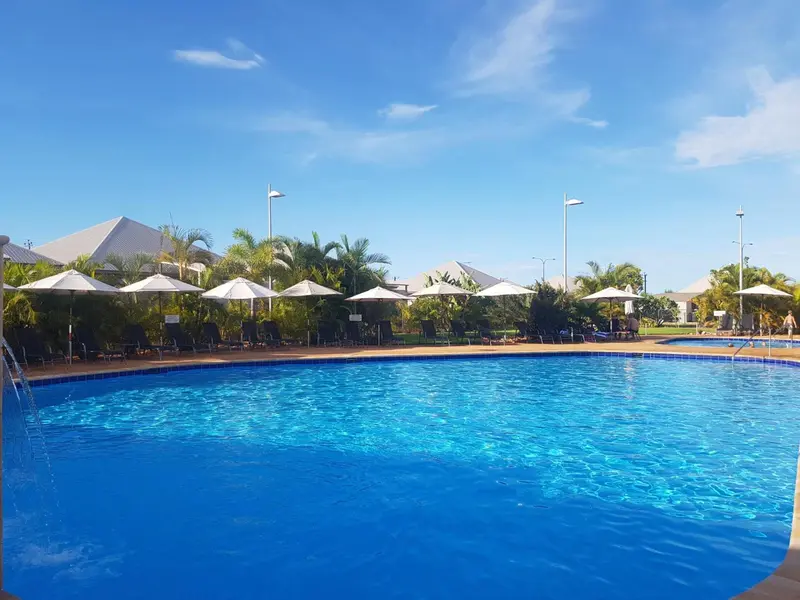
Exmouth Escape Resort
★★★★
Google 4.5/5 (436 reviews)
15 km away as the crow flies
Exmouth · Australia · Pacific
Max. depth · 15 mNavy Pier offers an unparalleled concentration of marine life within a shallow, compact area under a steel pier structure.
Diving Navy Pier means entering a world built on and around a grid of steel pylons extending 100 to 110 metres from the shore into Exmouth Gulf. This structure acts as a dense artificial reef, with every beam and vertical support creating habitat. From the moment you giant stride into the water from the pier platform, you are entering a space where the man-made blends seamlessly with the marine, offering a distinct topography of corridors and overhangs to explore. The dive unfolds primarily beneath the pier deck, navigating through rows of encrusted pylons that shelter a complex ecosystem.
The seabed below the pier is a mix of sand and rubble, but the steel structure above is where the life concentrates. These pylons are heavily encrusted with soft corals, sponges, and various invertebrates, transforming the industrial framework into a vibrant, living canvas. You'll find yourself moving through a labyrinth of these living structures, exploring the nooks and ledges that serve as hiding spots for countless species. This dense growth provides a unique environment, creating a sense of exploring a high-energy natural reef rather than a typical man-made structure.
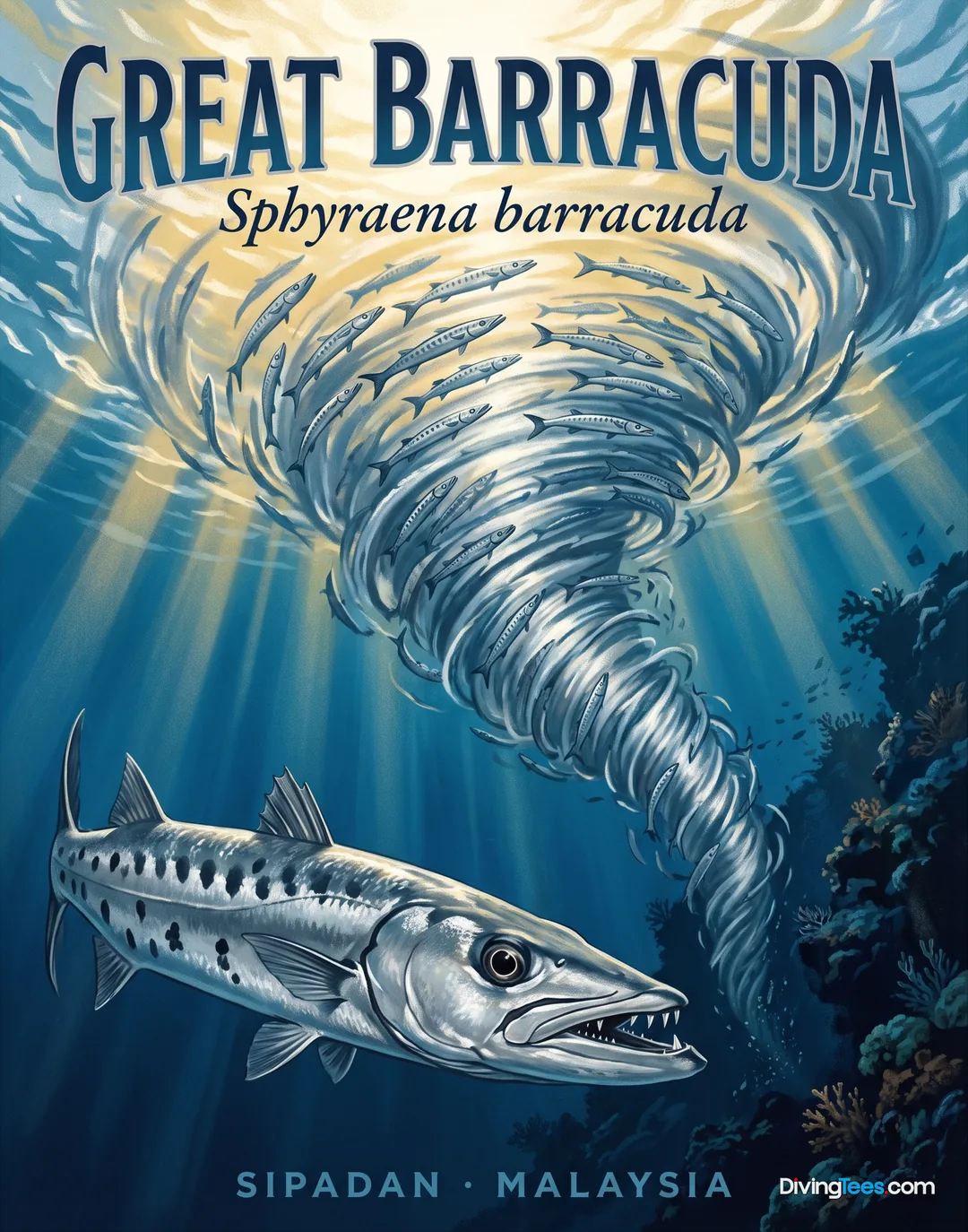
The sheer density of marine life at Navy Pier is its defining characteristic. Despite the modest maximum depth of 15 metres, the site hosts an extraordinary number of species. You'll encounter large resident fish such as the giant Queensland groper (Epinephelus lanceolatus), often found lurking around the larger structures. Schools of bigeye trevally (Caranx sexfasciatus) and barracuda (Sphyraena barracuda) patrol the spaces between the pylons, creating dynamic scenes as they move through the dappled light filtering from above.
Beyond the larger predators, the pier supports a rich diversity of reef fish, including vibrant angelfish (Pomacanthidae), butterflyfish (Chaetodontidae), and moorish idol (Zanclus cornutus). Look closely, and you will spot painted sweetlip (Diagramma pictum) and bannerfish (Heniochus diphreutes) weaving through the coral-encrusted supports. The artificial reef offers abundant shelter, attracting these species to a degree rarely seen in such a confined area.
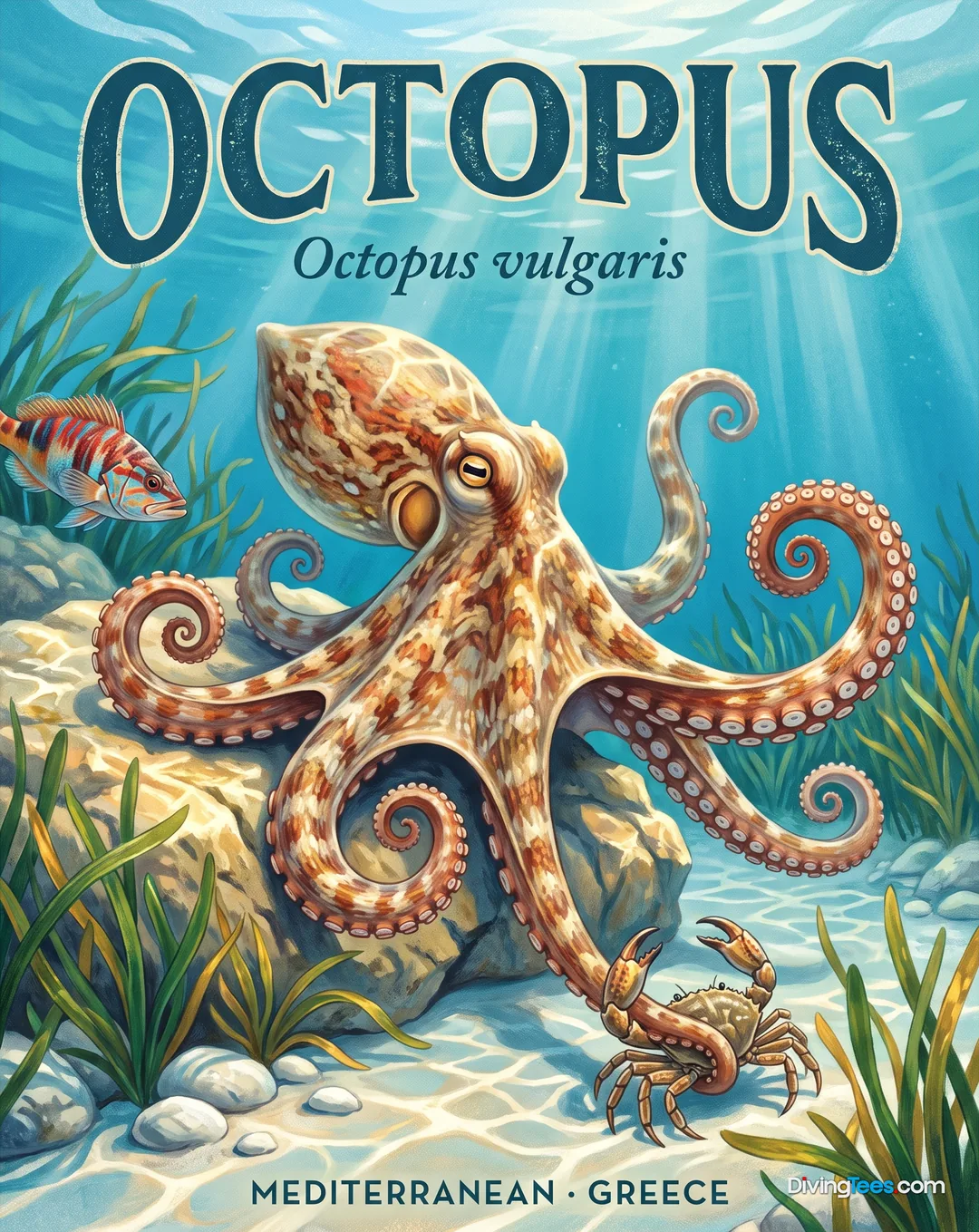
Macro life is equally prolific, making Navy Pier a prime spot for those who appreciate the smaller details. You can spend significant time observing various nudibranchs (Nudibranchia) crawling across the encrusted surfaces, and searching for camouflaged frogfish (Antennariidae) blending into their surroundings. Octopus (Octopoda) are commonly seen, navigating the crevices and changing their colours. This site rewards a slow, deliberate dive, with new discoveries appearing on every pylon.
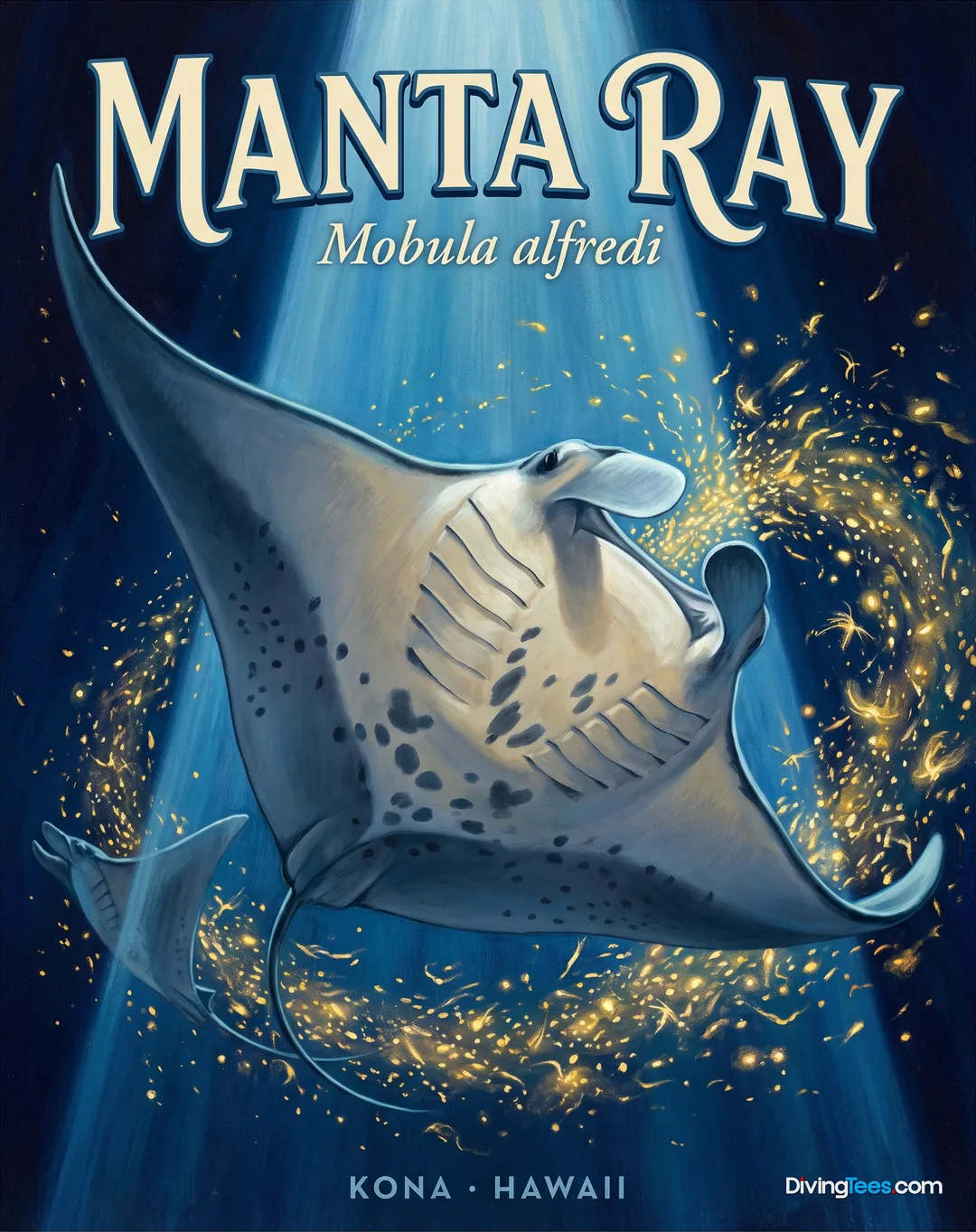
The pier also attracts larger, more transient visitors. Wobbegong (Orectolobus) sharks are frequently encountered resting on the sandy bottom or under ledges. Grey nurse sharks (Carcharias taurus) are reported during the cooler winter months, adding another dimension to the dive experience. Even grey reef sharks (Carcharhinus amblyrhynchos) and manta rays (Mobula birostris) have been sighted, although less frequently, reinforcing the site's reputation as a biodiversity hotspot.
Visibility at Navy Pier can range from 3 to 12 metres, often being lower than the open reef sites of Ningaloo. However, this is part of its unique character; the abundance of marine life is so concentrated that clear, open water is not a prerequisite for an engaging dive. The site is sheltered within Exmouth Gulf, experiencing generally light current, with any variations typically linked to tidal movements under the pier rather than strong oceanic flows. This allows for comfortable exploration of the intricate structure.
Access to Navy Pier is controlled, requiring diving with licensed operators who arrange entry to the active naval facility. This controlled environment contributes to the pristine condition of the site and its protected marine life. The dive itself is a shore-based experience, entered via a giant stride from the pier and exited by climbing a staircase back onto the pier structure. This convenience allows for focused dives purely on exploring the underwater environment, making it an efficient way to experience a globally recognised dive site.
This site is accessible from Open Water Diver level, though comfort with a giant stride entry and navigating in low to moderate visibility is beneficial. Depths range from 5 to 15 metres. Current is generally light, as the pier is sheltered within Exmouth Gulf, with minor variations linked to tidal shifts. Visibility typically ranges between 3 and 12 metres. The peak diving season runs from March to May, with grey nurse sharks often present during the cooler winter months.
Diving Navy Pier is in peak season from March to May. Grey nurse sharks are often present during the cooler winter months, so seasonal timing can shape what you encounter. The sheltered Exmouth Gulf setting supports generally light current, while tidal shifts may cause minor variations.
Navy Pier is accessible from Open Water Diver level, and comfort with a giant stride entry plus navigating low to moderate visibility is beneficial. You enter from the pier platform with a giant stride and return by climbing a staircase. Licensed operators arrange access to the active naval facility.
At Navy Pier, depths range from 5 to 15 metres, with the dive unfolding beneath the pier deck among steel pylons over a seabed of sand and rubble. The site is sheltered within Exmouth Gulf, so current is generally light, with minor variations linked to tidal shifts. Visibility ranges from 3 to 12 metres.
Navy Pier supports over 200 fish species around dense steel pylons, including a resident giant Queensland groper, schools of bigeye trevally and barracuda, and reef fish such as angelfish, butterflyfish, moorish idols, painted sweetlip, and bannerfish. You can also look for nudibranchs, frogfish, octopus, wobbegong sharks, and grey nurse sharks during cooler winter months.