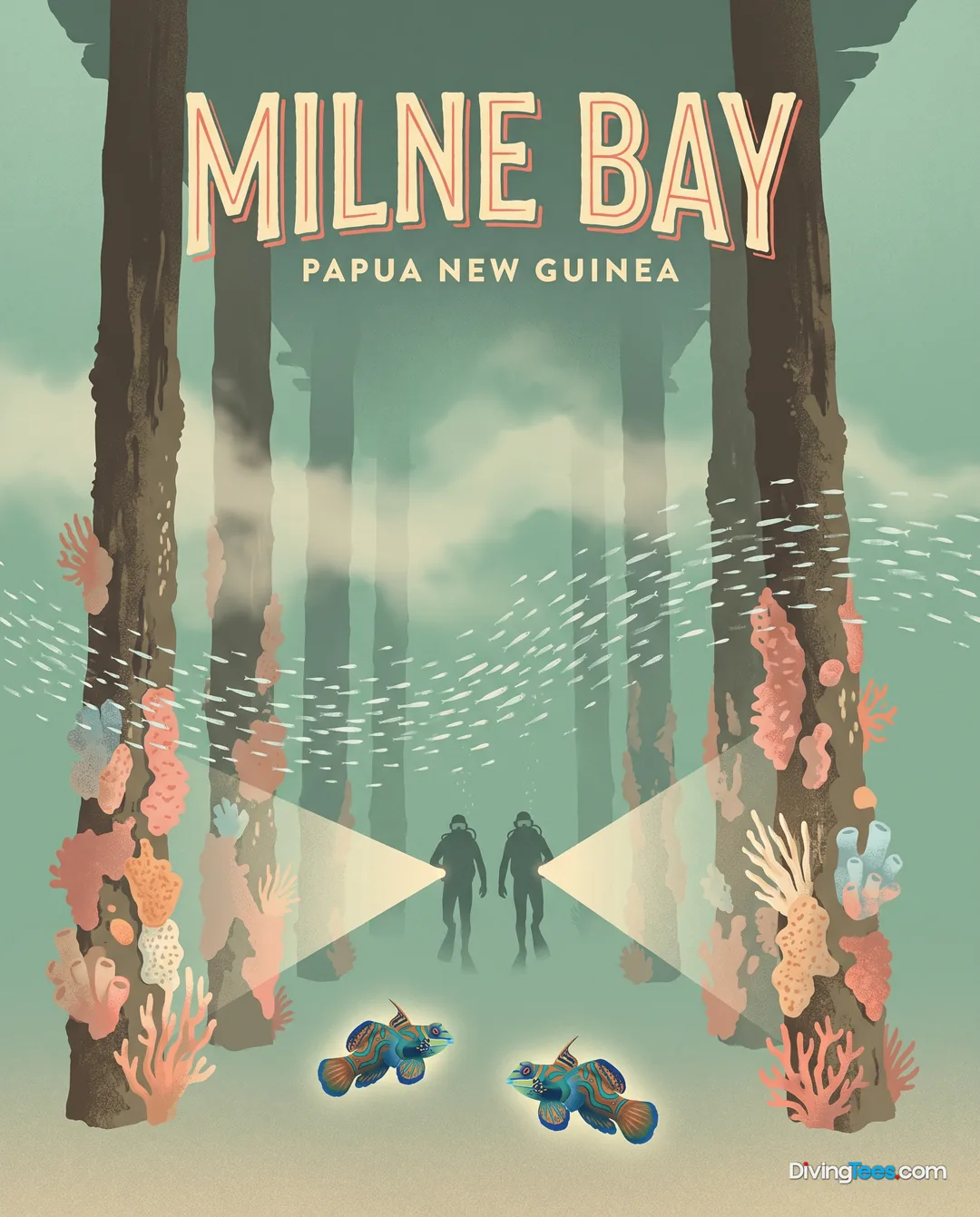
Dive centre · Milne Bay · Papua New Guinea
4.685 Google reviewsTawali Dive Center
Explore the remote limestone bluffs of Milne Bay with access to world-renowned drift dives, wreck sites, and rare macro life.
What sets this centre apart
- Access to world-renowned dive sites including deep walls and wrecks
- Nitrox available for all divers
- PADI Licensed Instructor on site
- Secluded resort location on a limestone bluff
- Diverse range of dive types from muck diving to drift dives
- WWII wreck sites including an intact P38 fighter plane
- Excellent opportunities for both macro and wide-angle photography
- Sheltered northern coastline provides year-round access
Tawali Dive Center about the centre
Tawali Dive Resort is a secluded destination situated on a volcanic and limestone promontory in Milne Bay, Papua New Guinea. Accessible only by boat from Alotau, the resort sits eighty feet above the water, offering a sense of isolation and privacy that is rare in more commercialised diving hubs.
The location is perfectly positioned to take advantage of the diverse marine topography of the region. From the sheltered reef flats of the house reef to the deep, current-swept walls and offshore points, the area provides a comprehensive range of environments for every level of experience.
The club and its team
The dive operations are led by a PADI Licensed Instructor, ensuring that all training and guided dives meet international standards. The centre focuses on providing a professional environment for both recreational exploration and formal certification courses.
Beyond the water, the resort is deeply integrated with the local community, maintaining a strong commitment to local culture and the surrounding environment. This connection is reflected in the resort's construction, featuring local timber and hand-carved totems throughout the grounds.
The centre at a glance
- Affiliation
- PADI
- Certification level
- Dive Resort
- Website available in
- English
- Equipment rental
- complet
- Nitrox
- Yes
- Night diving
- Yes
- Access and transfers
- Tawali Resort is accessible via a boat from Alotau. Guests must fly from Port Moresby to Gurney Alotau Airport, then transfer on a 90-minute bus ride along the Milne Bay coast followed by a 20-minute boat ride to the resort. The total trip between Gurney Alotau Airport and Tawali Resort takes approximately 2 hours.
- Accommodation
- Tawali Resort boasts 21 rooms (16 deluxe bungalows, 2 double standard rooms and 3 standard rooms) and 1 villa style accommodations. All rooms offer wooden décor and local artworks, including air conditioning, tea & coffee facilities and balcony. The resort is built on a limestone bluff eighty feet above the water, offering a private retreat. Covered walkways connect guest bungalows, which are complete with private balconies overlooking Hoia Bay. The air-conditioned bungalows are spacious with two queen beds and rosewood interiors that include desks, closets and lounge areas. Each room has a personal safe and coffee making facilities. Bathrooms are modern, completely tiled and have solar heated water. The resort also has an Ocean Villa with 2 rooms, kitchen, living room, dining, 3 double beds and 2 single beds.
- Phone
- +675 7223 5385
- Official website
- tawali.com ↗
Courses on offer
Tawali offers a variety of dive courses guided by a PADI Licensed Instructor. These programmes range from initial training for those new to the water through to more advanced certifications.
Whether you are looking to complete your foundational skills or progress through the PADI system, the instruction is tailored to the specific marine environments found in Milne Bay.
Equipment and gases
The centre provides a full range of diving kit for hire, allowing you to travel light. Nitrox is available on-site for divers looking to extend their bottom times on multi-dive days.
Shore-based facilities include areas for rinsing equipment and preparing for your dives. The resort itself offers air-conditioned bungalows and a villa, providing a comfortable space to rest and organise your gear between sessions.
Dive sites with Tawali Dive Center
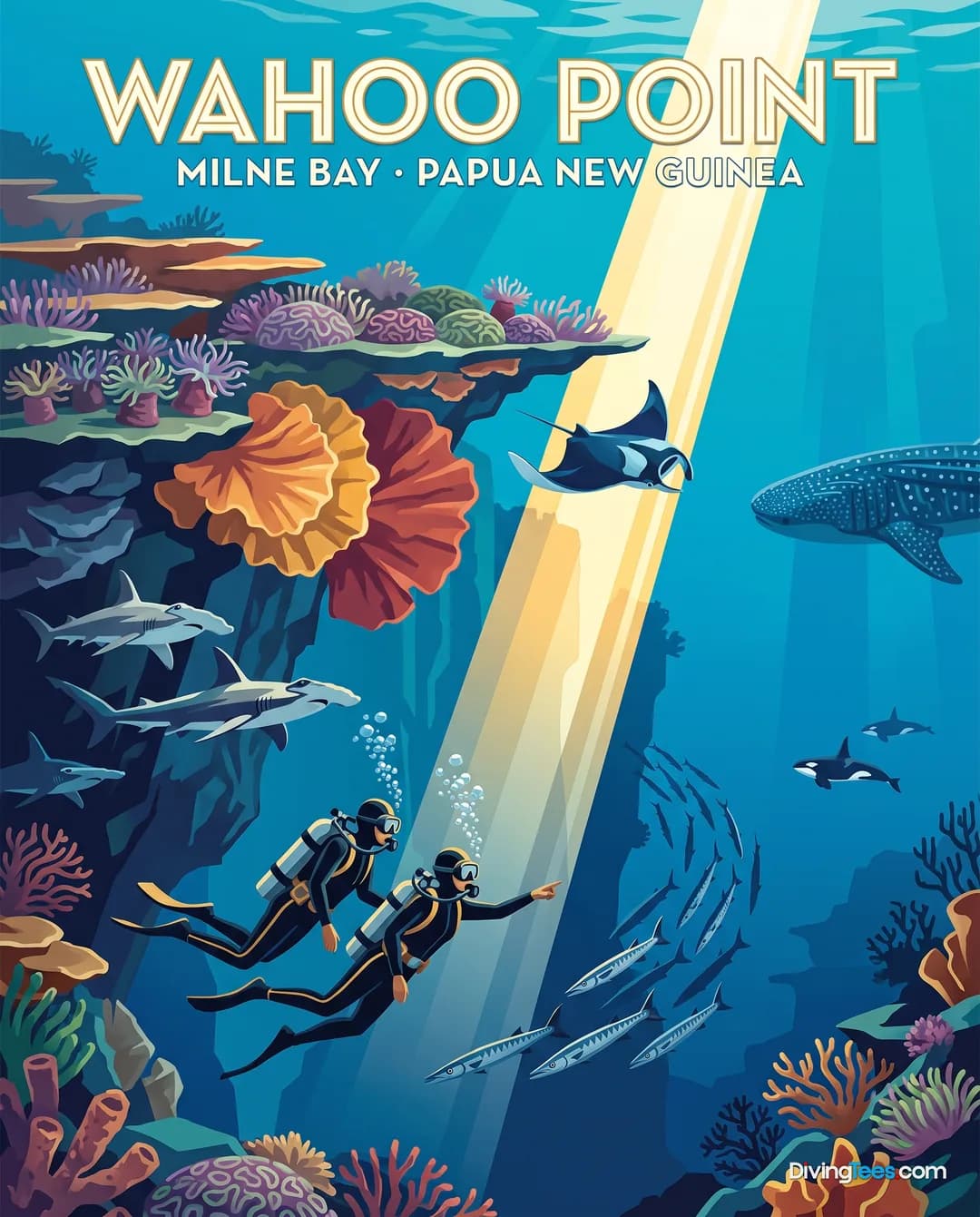
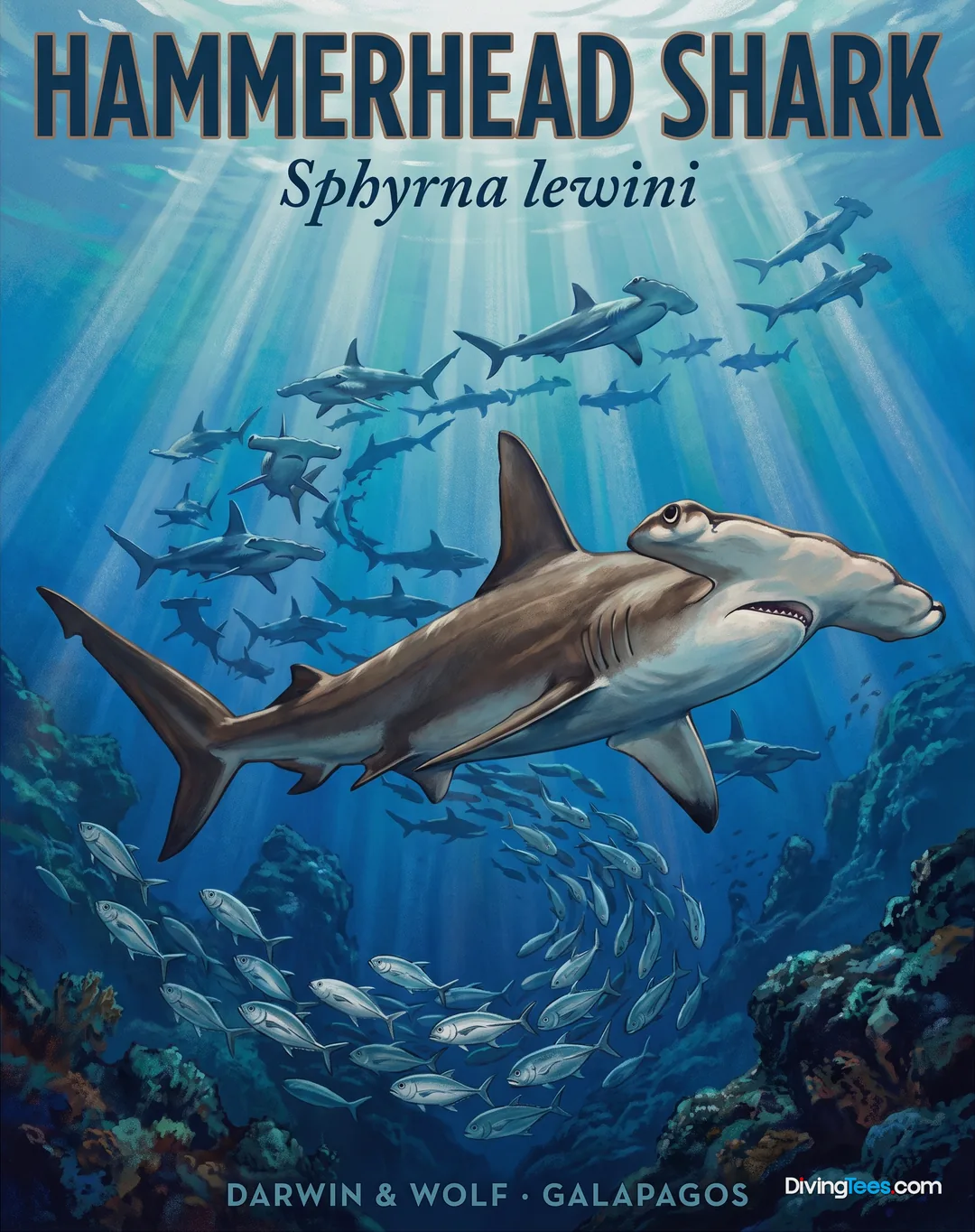
Wahoo Point is a premier site for wide-angle photography, featuring a plateau at 15 to 50 feet before a vertical wall drops to 200 feet. You can expect to see hammerhead sharks, manta rays, and large elephant ear sponges here.
Sponge Heaven offers a dramatic vertical wall that begins just two feet below the surface and descends beyond 200 feet. The structure is riddled with small caves and is a fantastic location for night diving among a vast array of sponges and nudibranchs.
Cobb’s Cliff is a steep drop-off reaching depths of 150 feet, characterized by its mix of a sheer wall and a sandy lagoon. It is a frequent haunt for large pelagics, including manta rays and hammerhead sharks, though the currents can be strong.
The P38 Fighter Plane Wreck is a significant historical site located at 27 metres. The aircraft remains largely intact, with the nose and guns pointing toward a neighbouring reef, offering a unique look at WWII history.
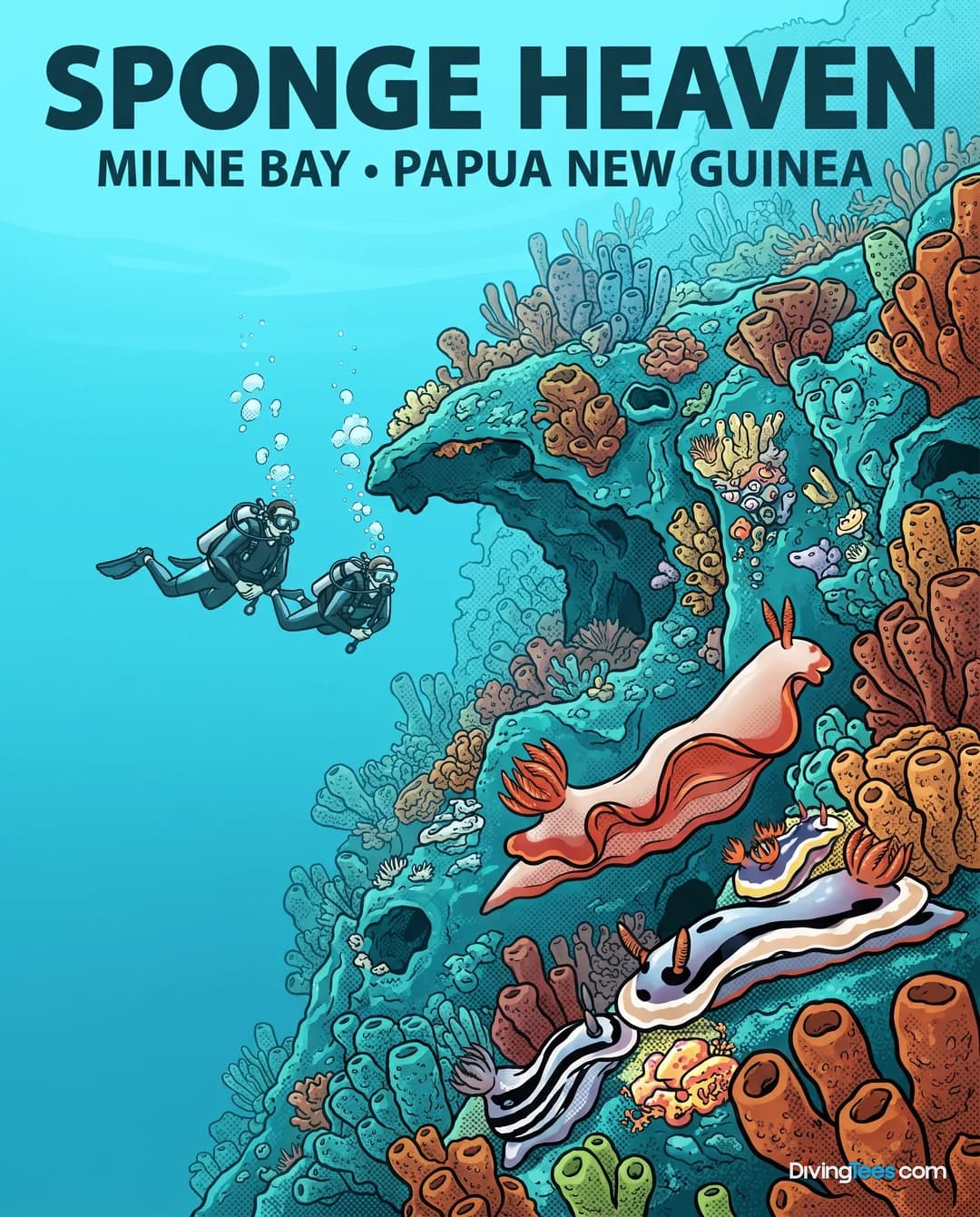
Sponge Heaven →
down to 200 m
Wahoo Point →
down to 200 m
Michelle’s Reef →
down to 25 m
Barracuda Point →
down to 100 m
Coral Garden →
down to 18 m
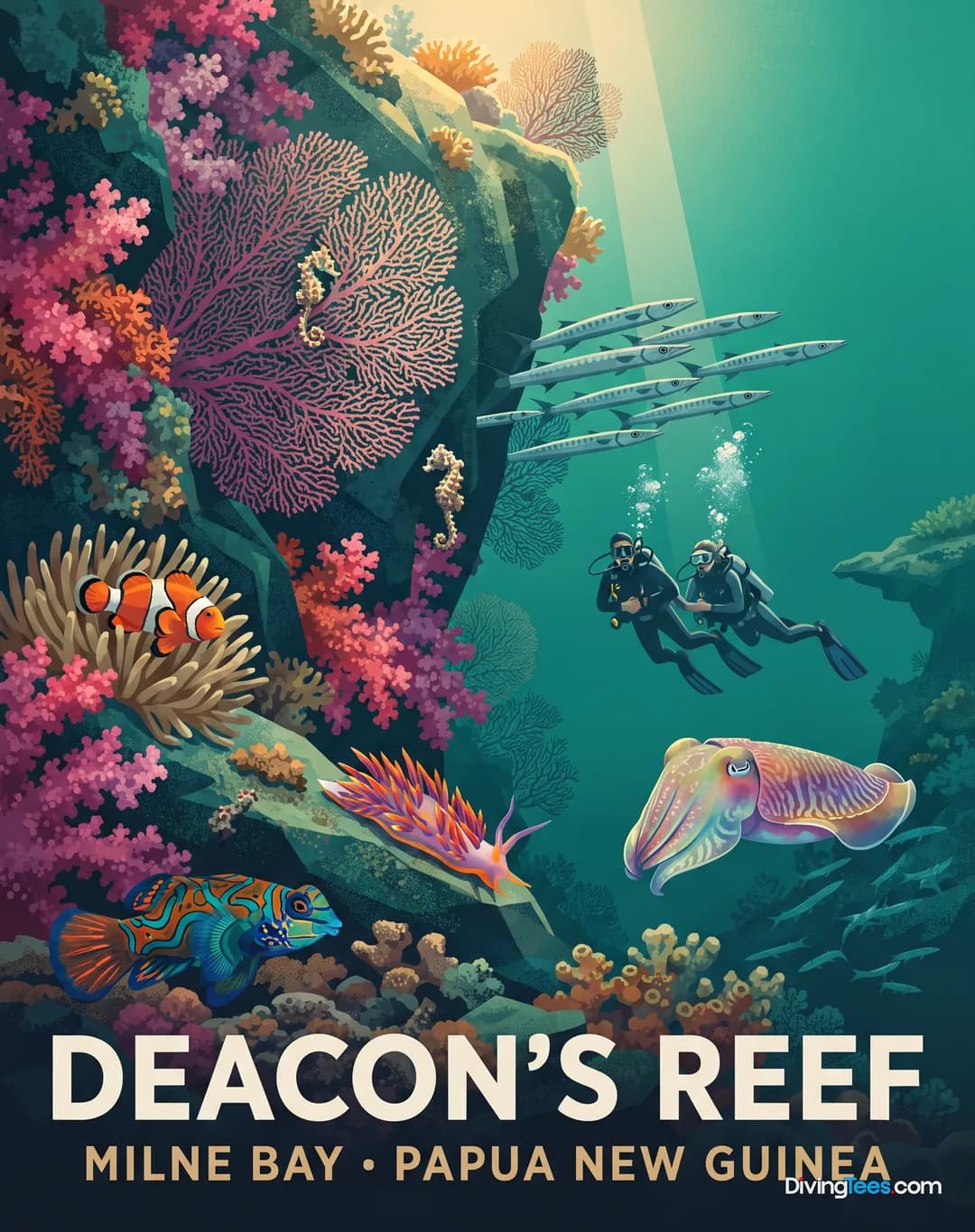
Deacon’s Reef →
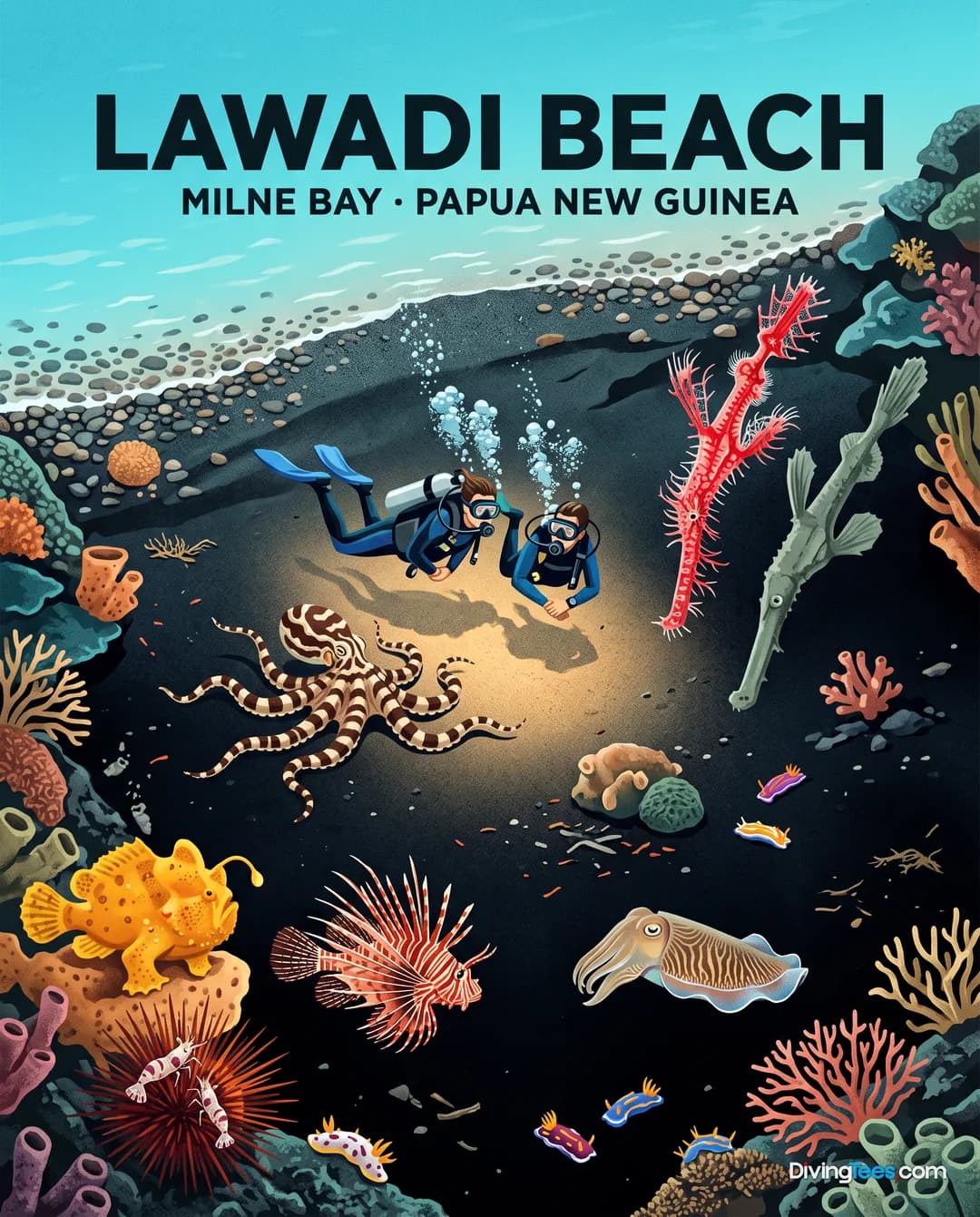
Lawadi Beach →
down to 100 m
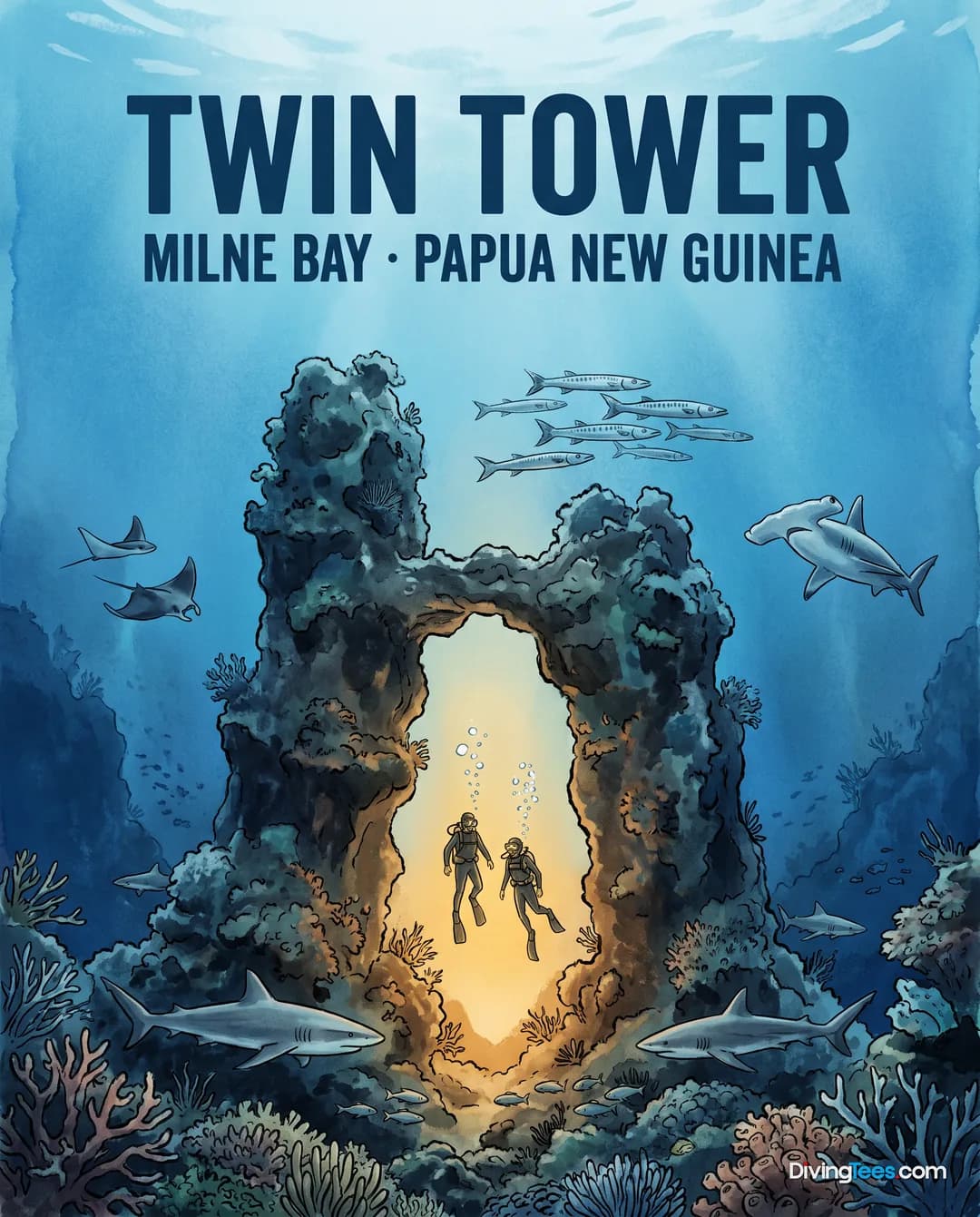
Twin Tower →
down to 25 m
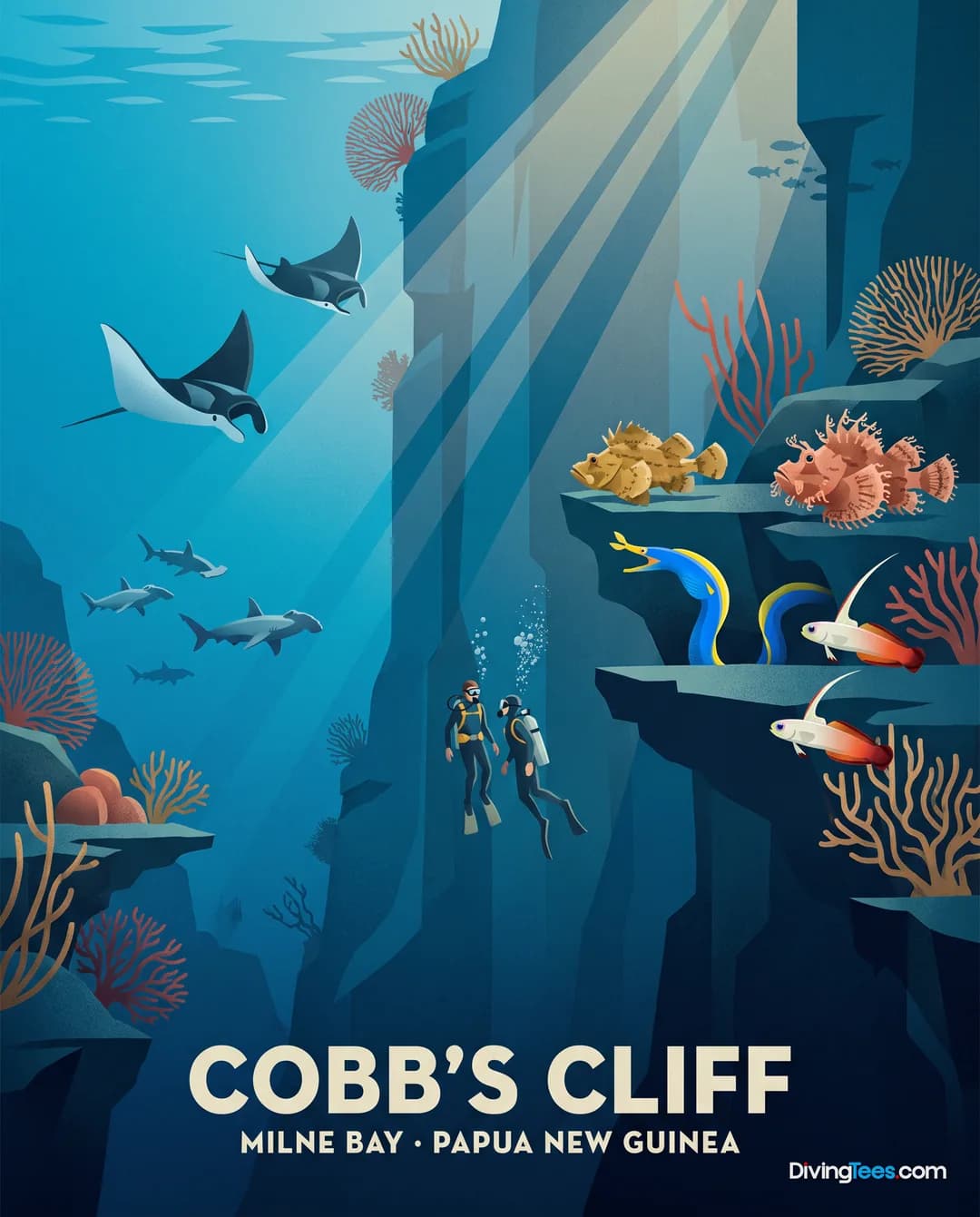
Cobb’s Cliff →
down to 150 m
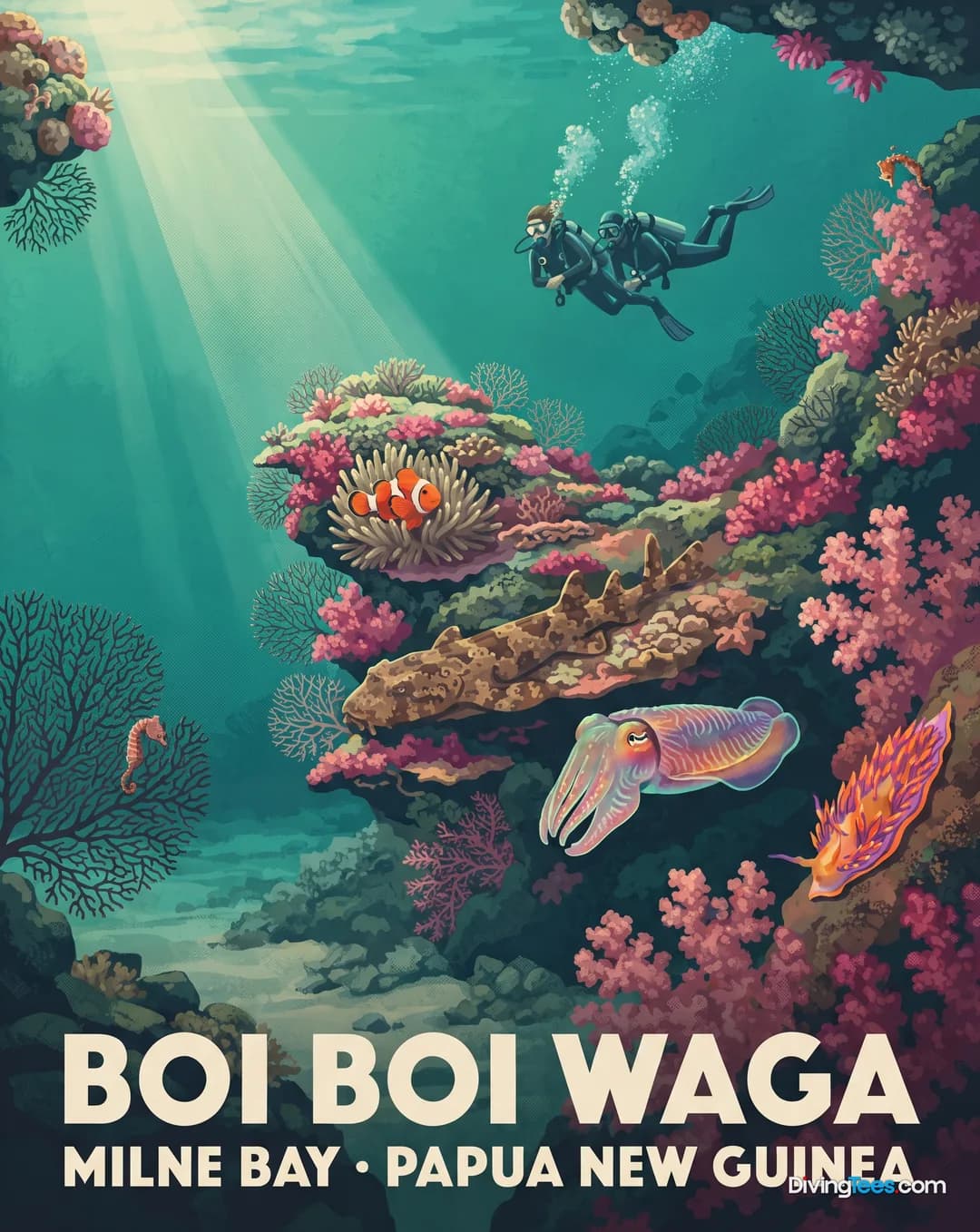
Boi Boi Waga Island →
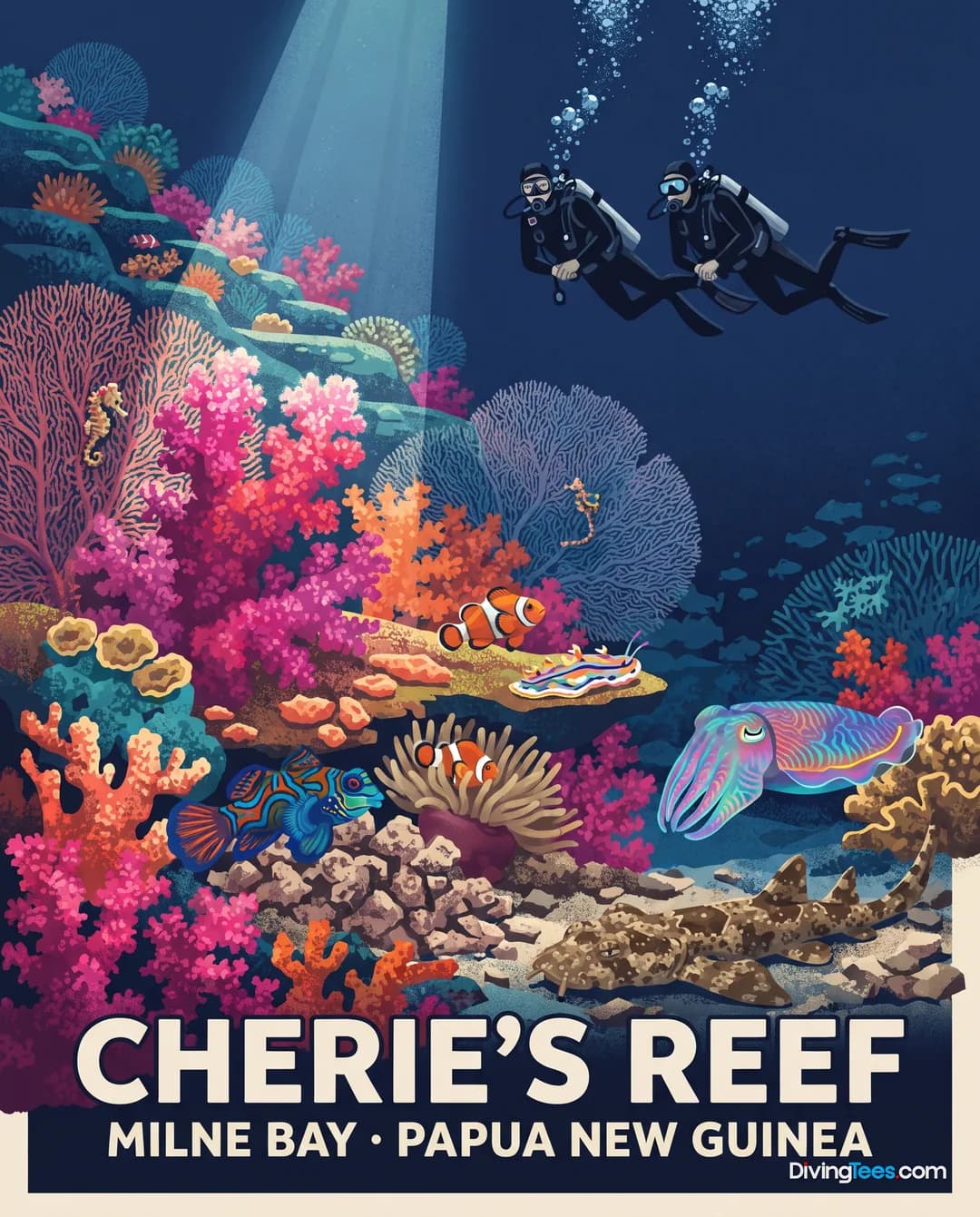
Cherie’s Reef →
down to 30 m
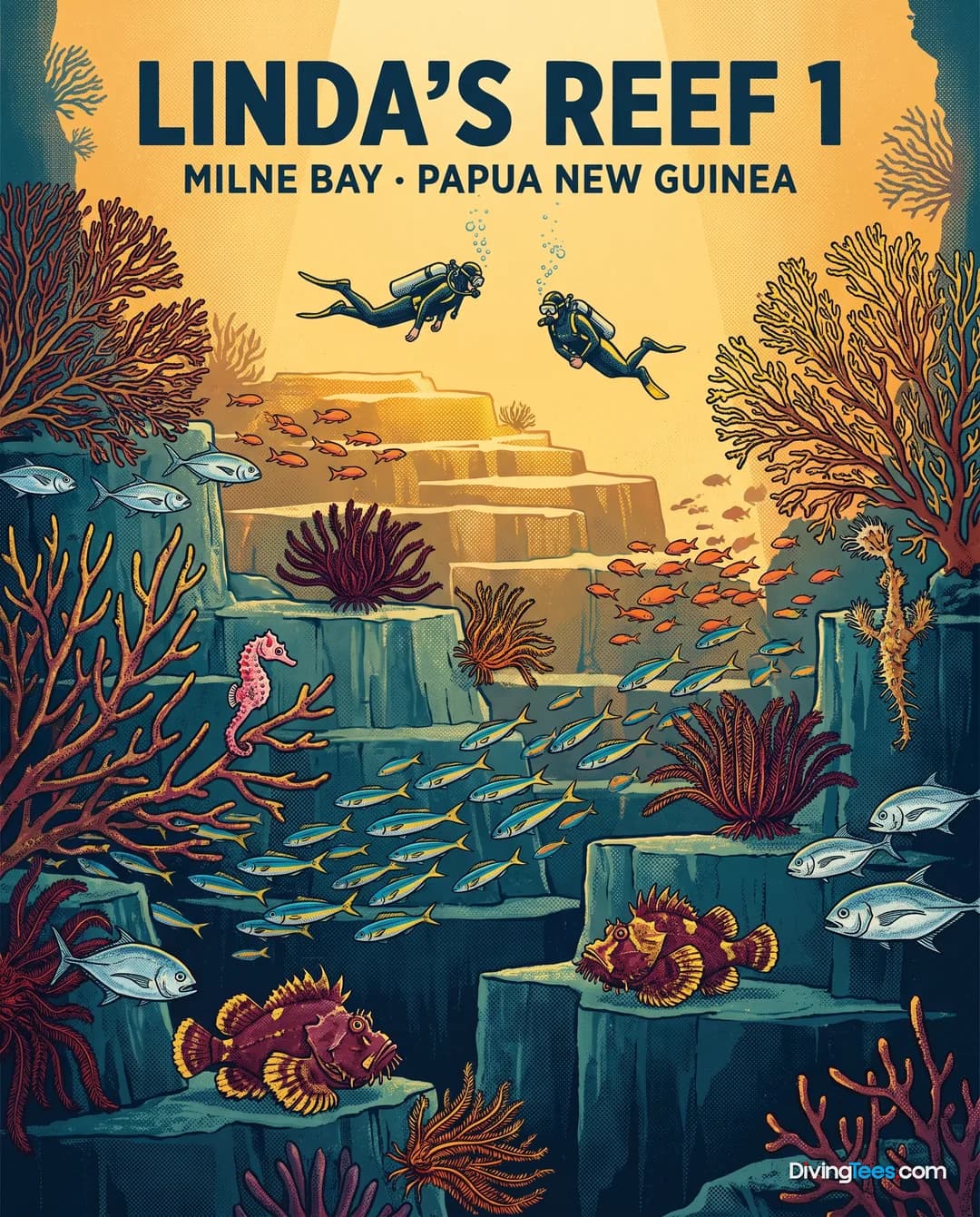
Linda’s Reef 1 →
down to 120 m
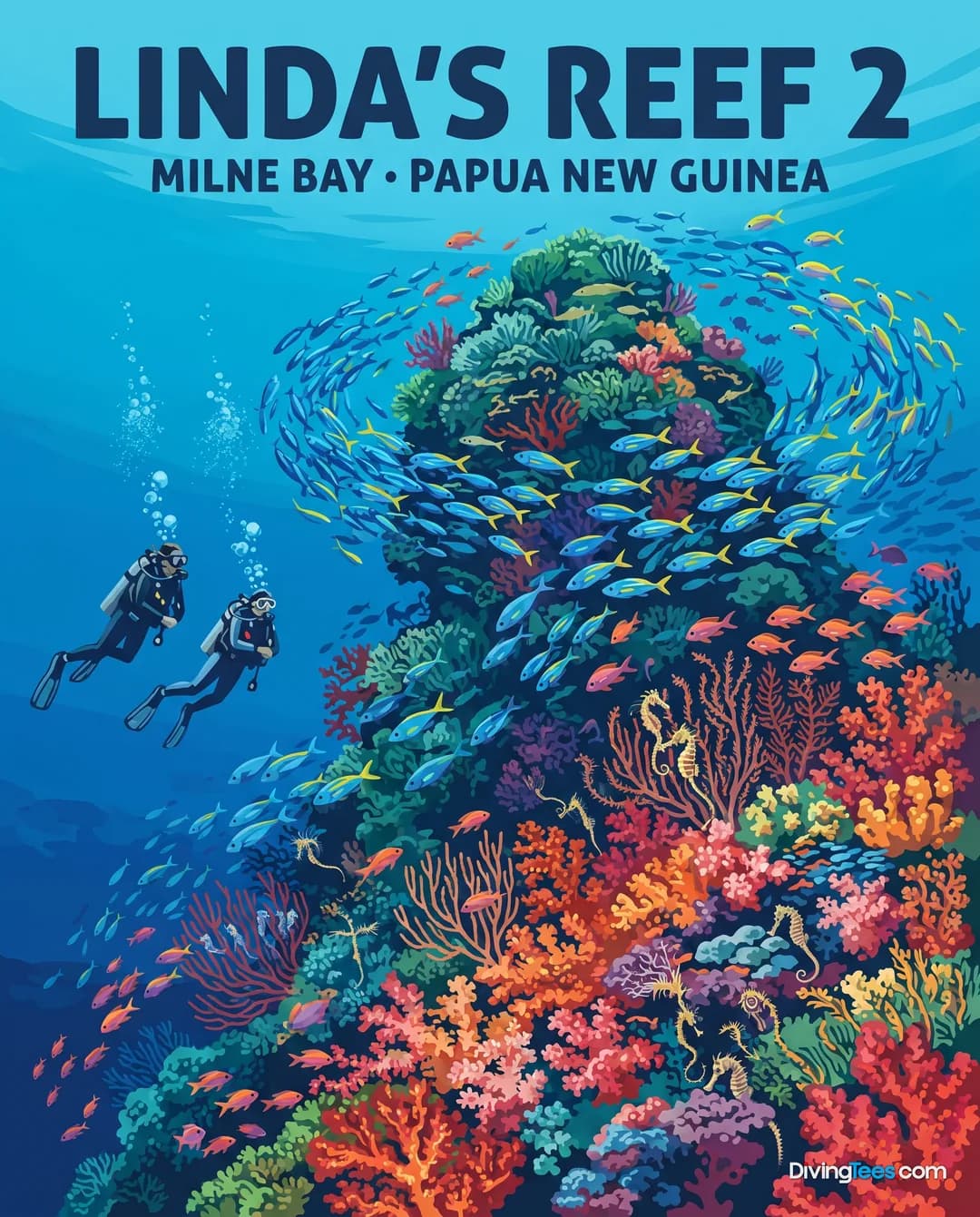
Linda’s Reef 2 →
down to 150 m
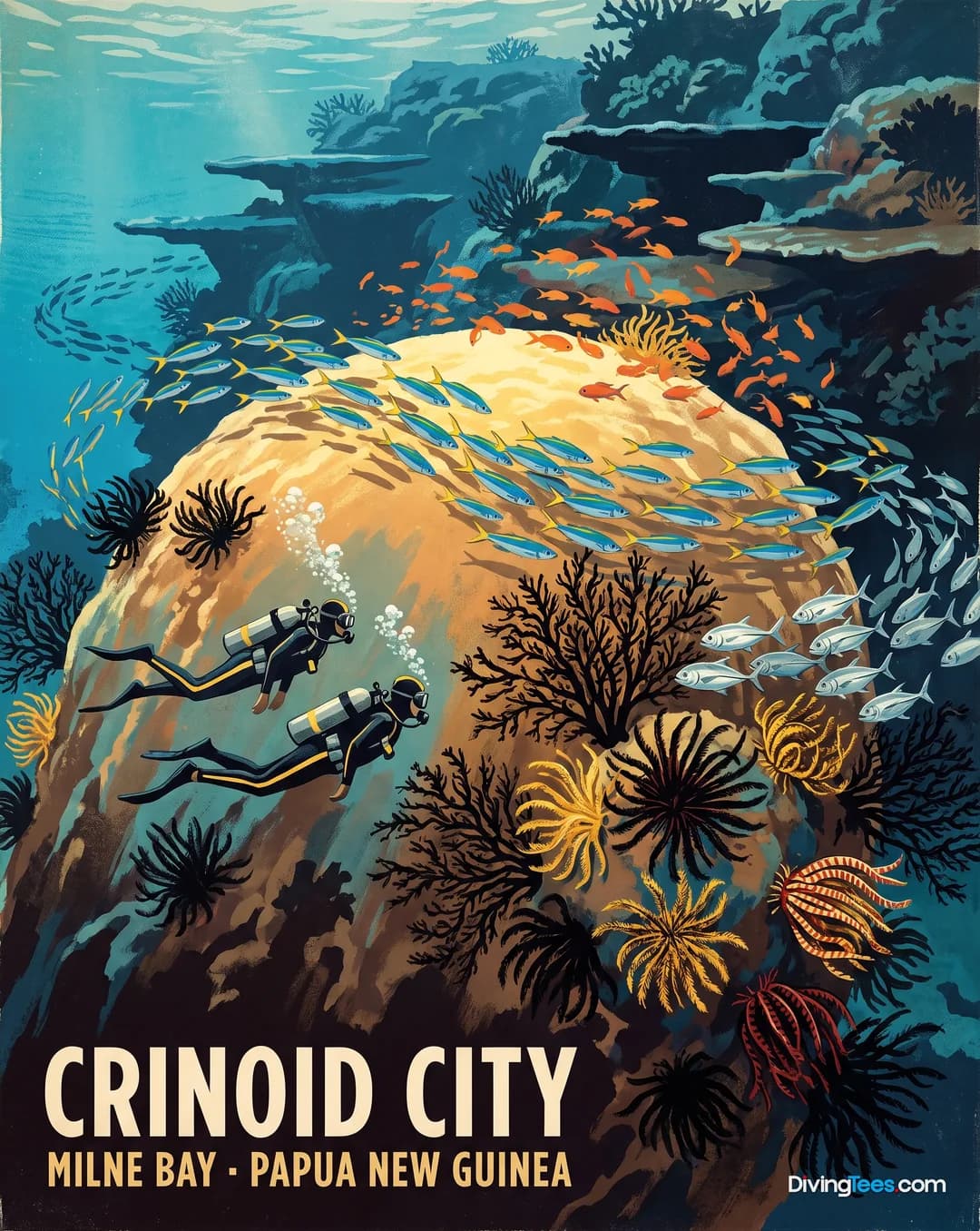
Crinoid City →
down to 120 m
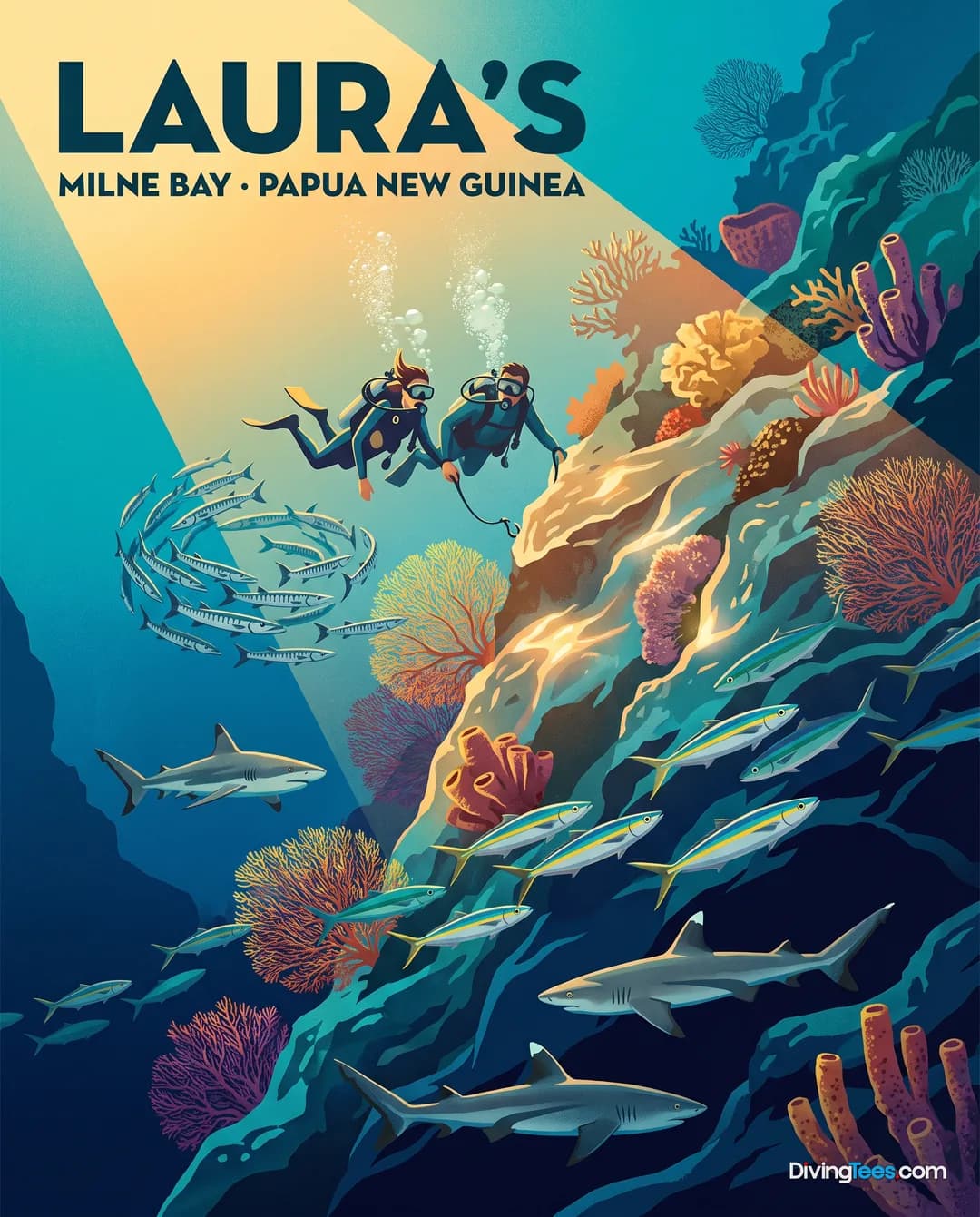
Laura’s →
down to 50 m
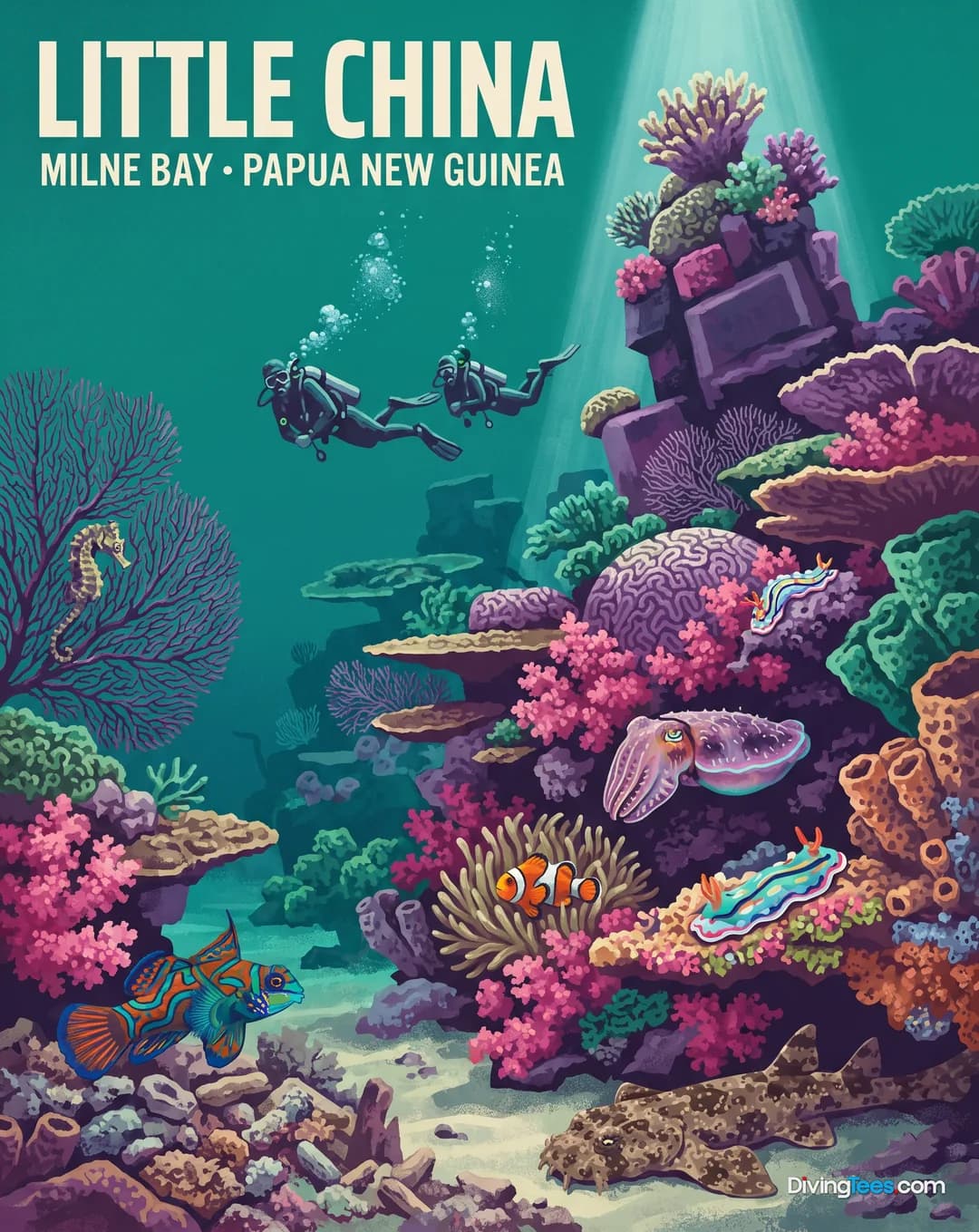
Little China →
down to 150 m
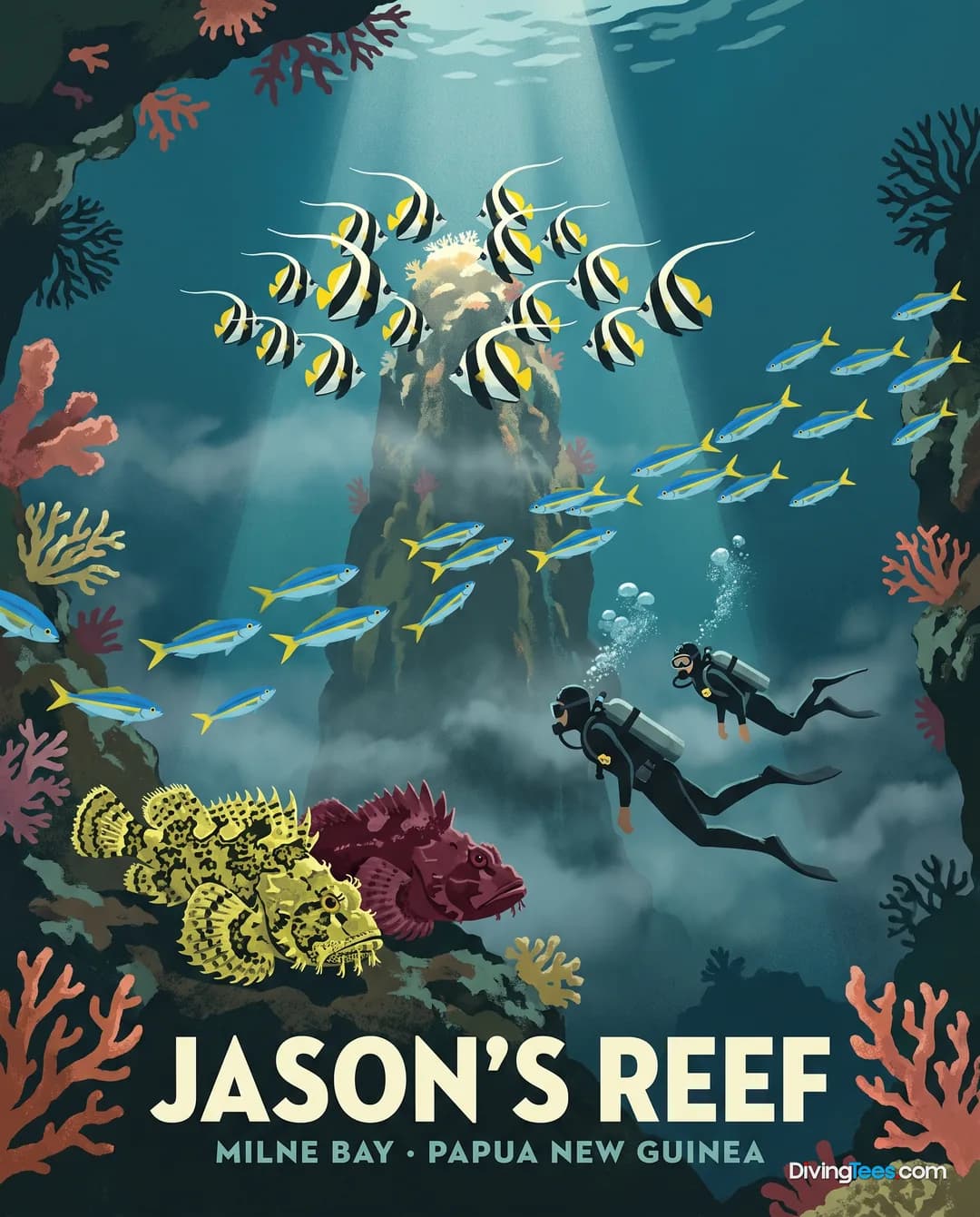
Jason’s Reef →
down to 150 m
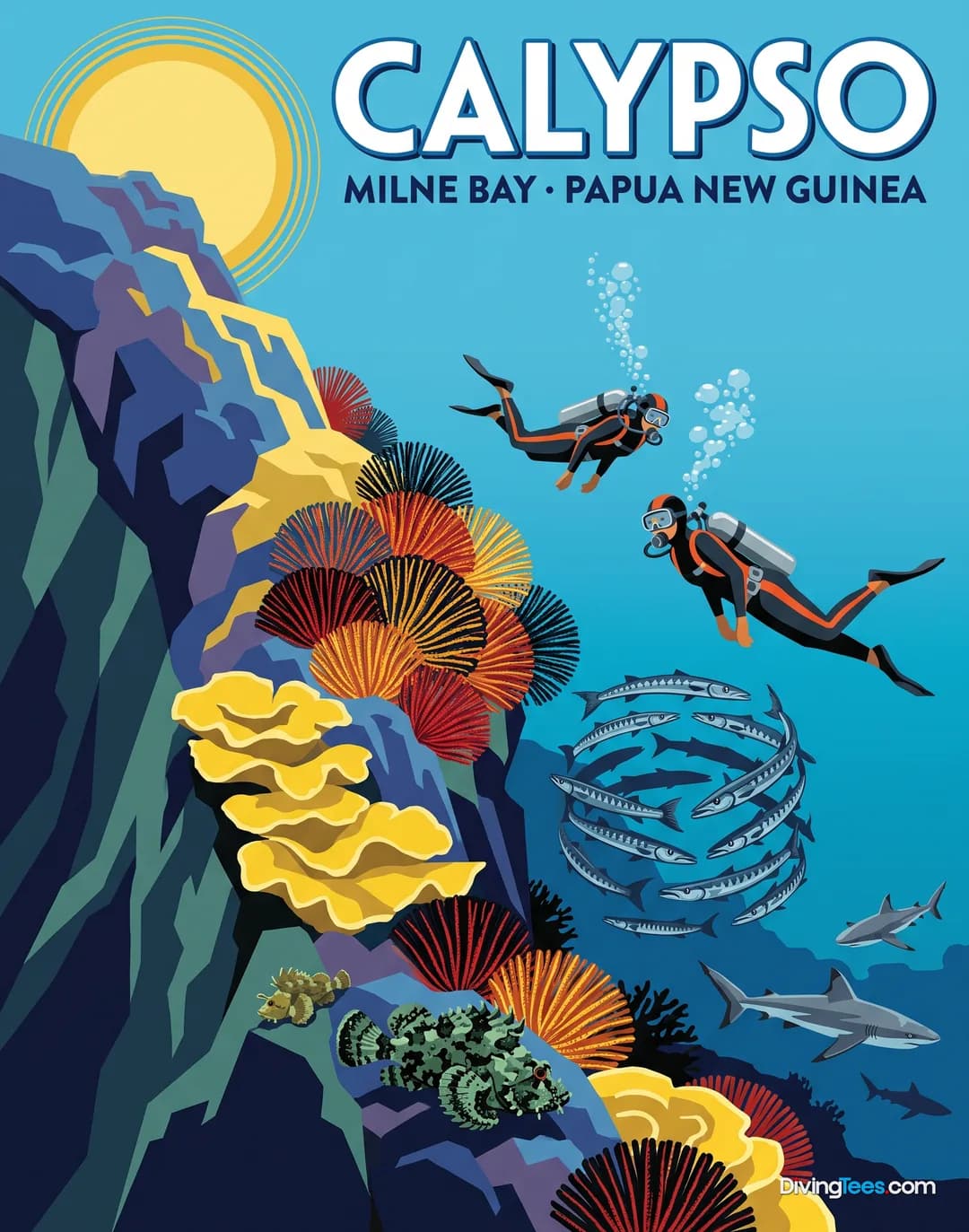
Calypso →
down to 30 m
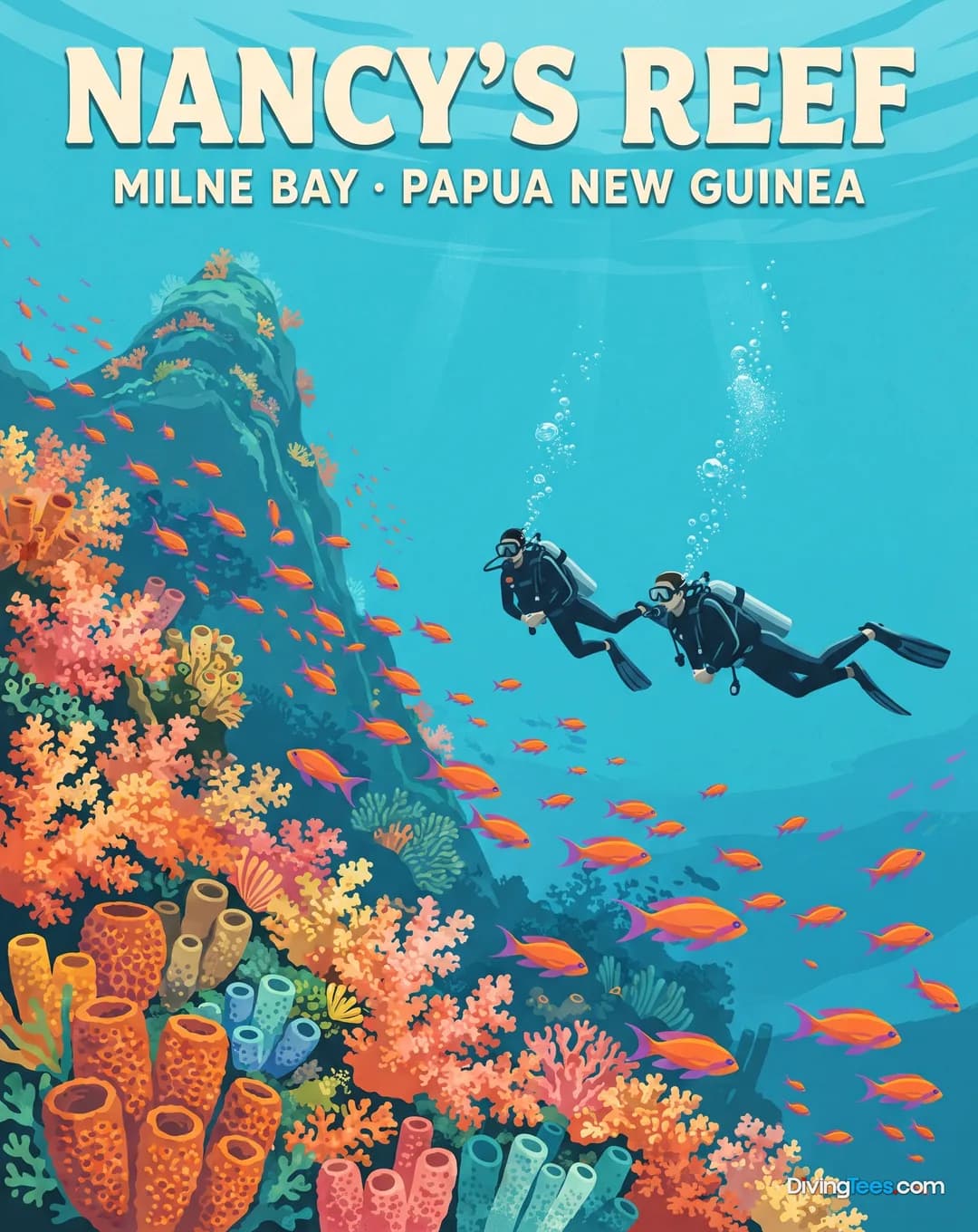
Nancy’s Reef →
down to 50 m
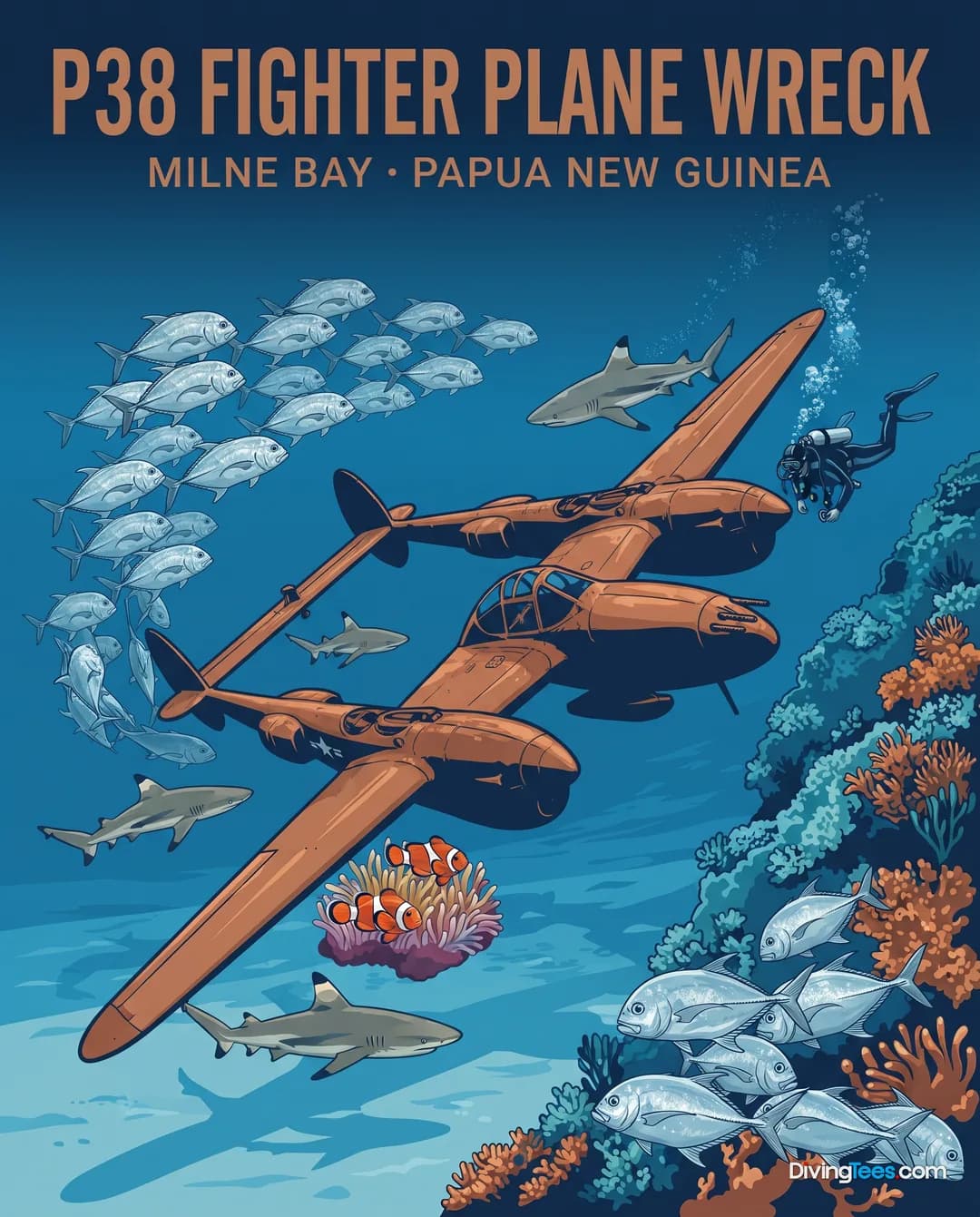
P38 Fighter Plane Wreck →
down to 27 m
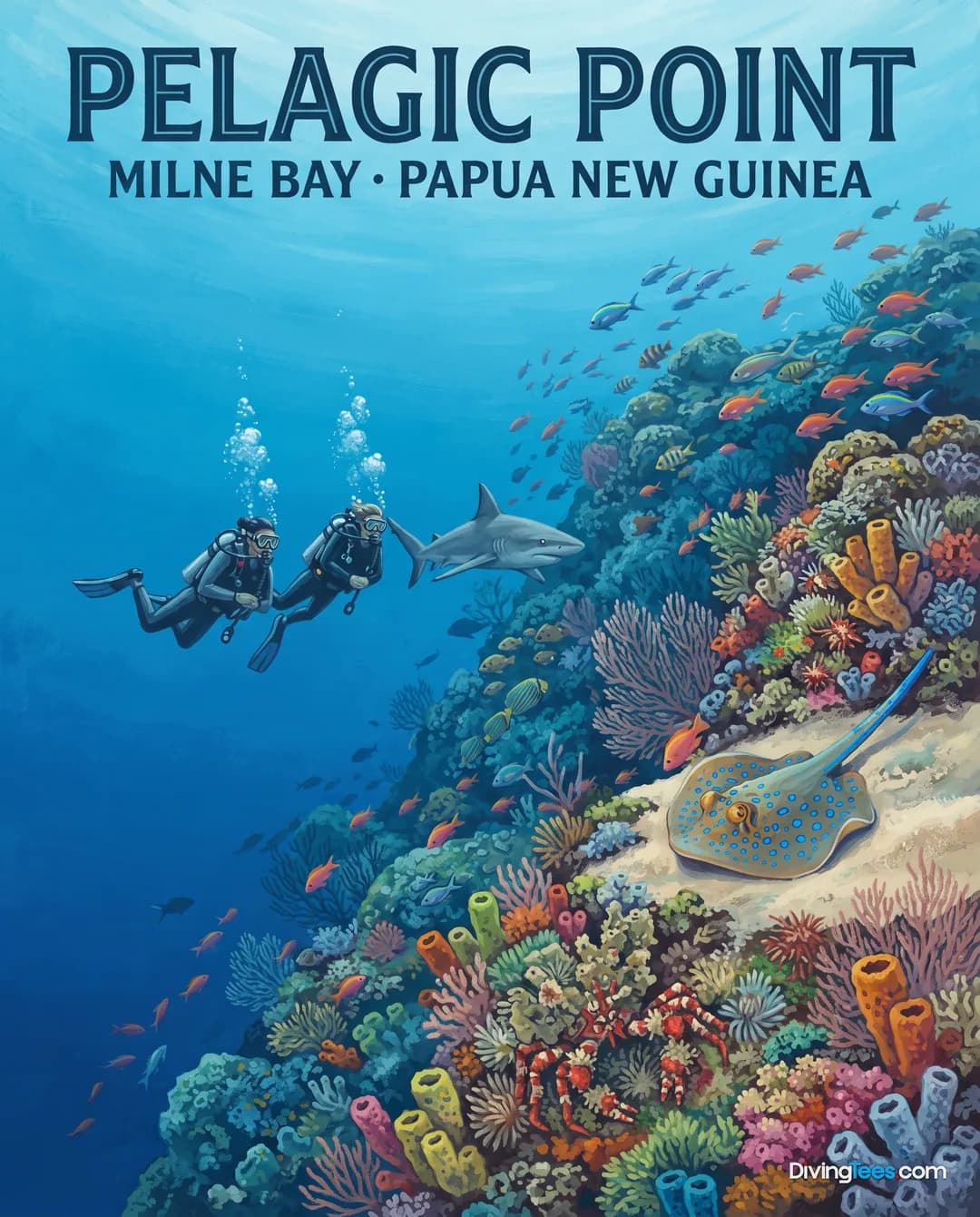
Pelagic Point →
down to 130 m
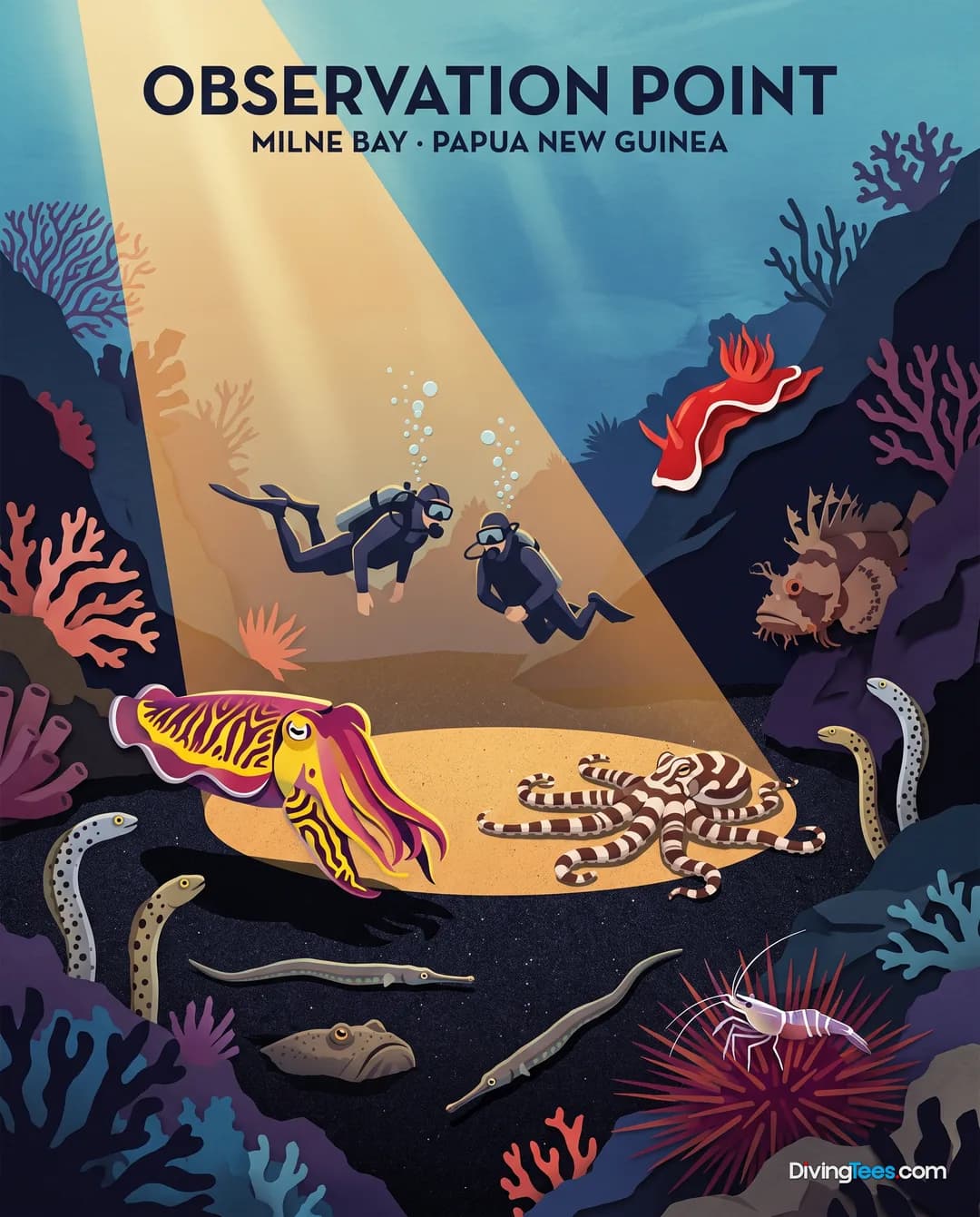
Observation Point →
down to 100 m
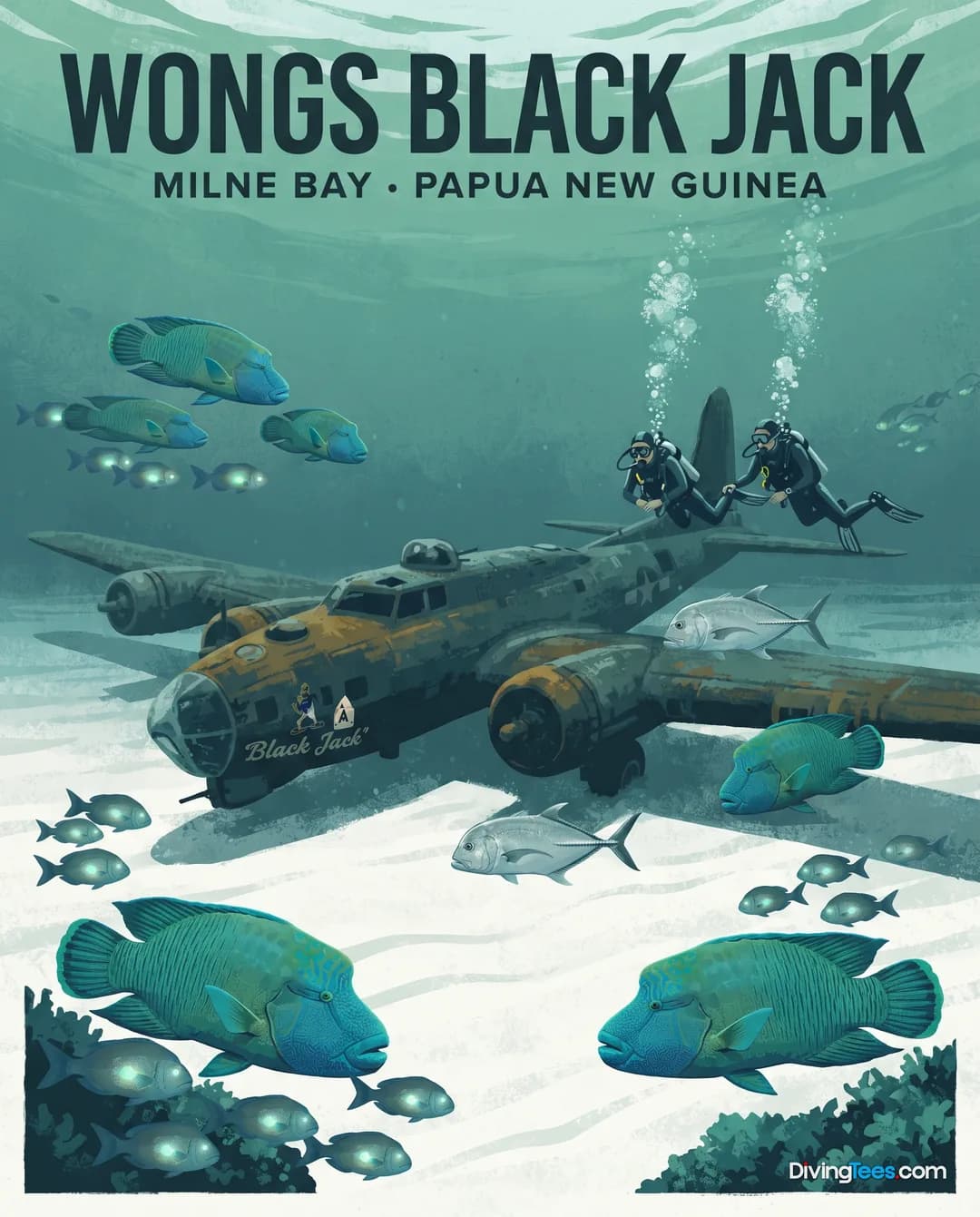
Wongs Black Jack →
down to 50 m
And some of the dive sites the centre runs.
Marine life around Milne Bay
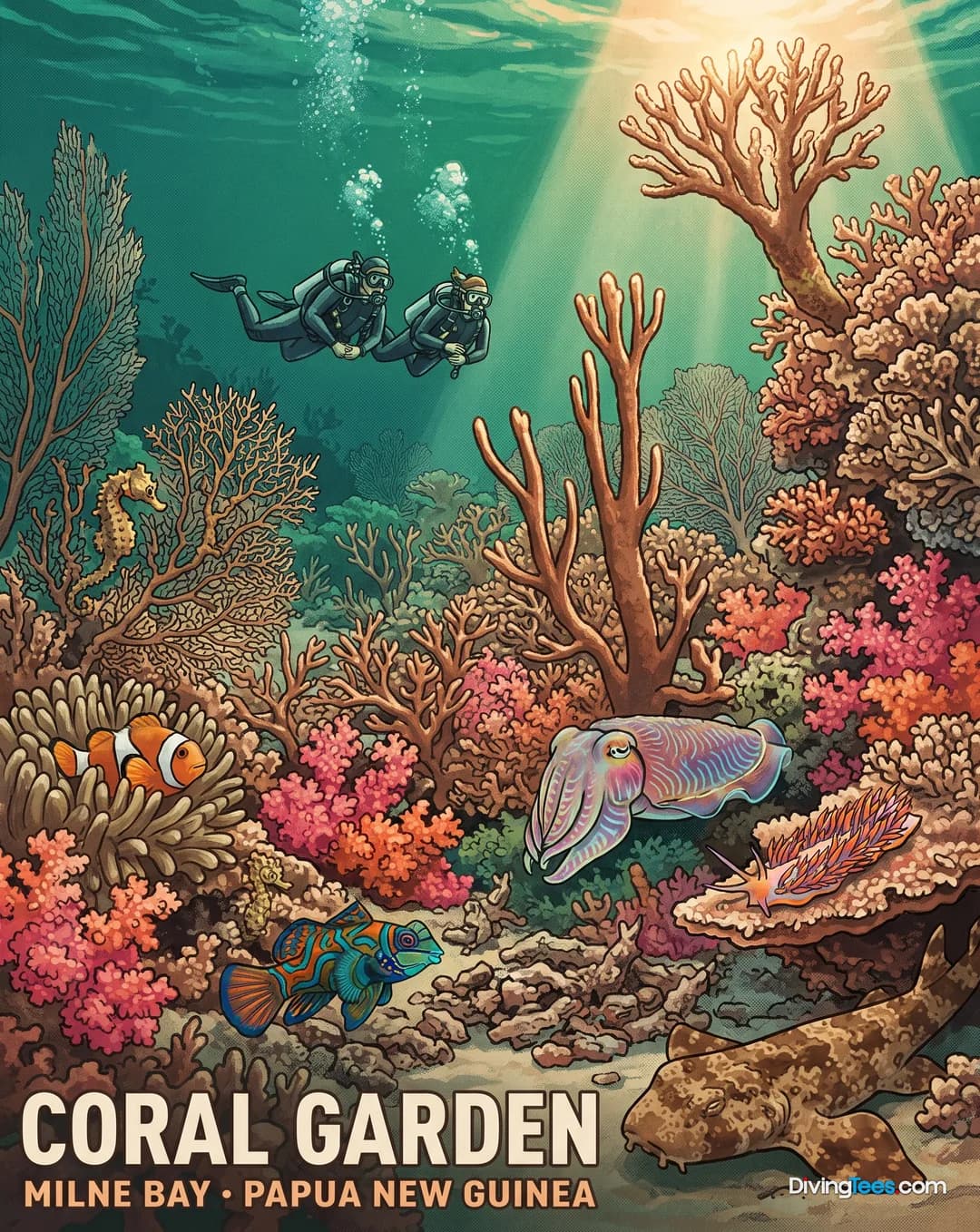
The macro life at Tawali is exceptional, particularly for those who enjoy muck diving or exploring reef slopes. You will find a high concentration of nudibranch (Chromodoris willani), pygmy seahorses (Hippocampus bargibanti), and various species of ghost pipefish and frogfish. Keep a close eye on the rubble and sandy patches for mimic octopus, flamboyant cuttlefish, and Spanish dancers.
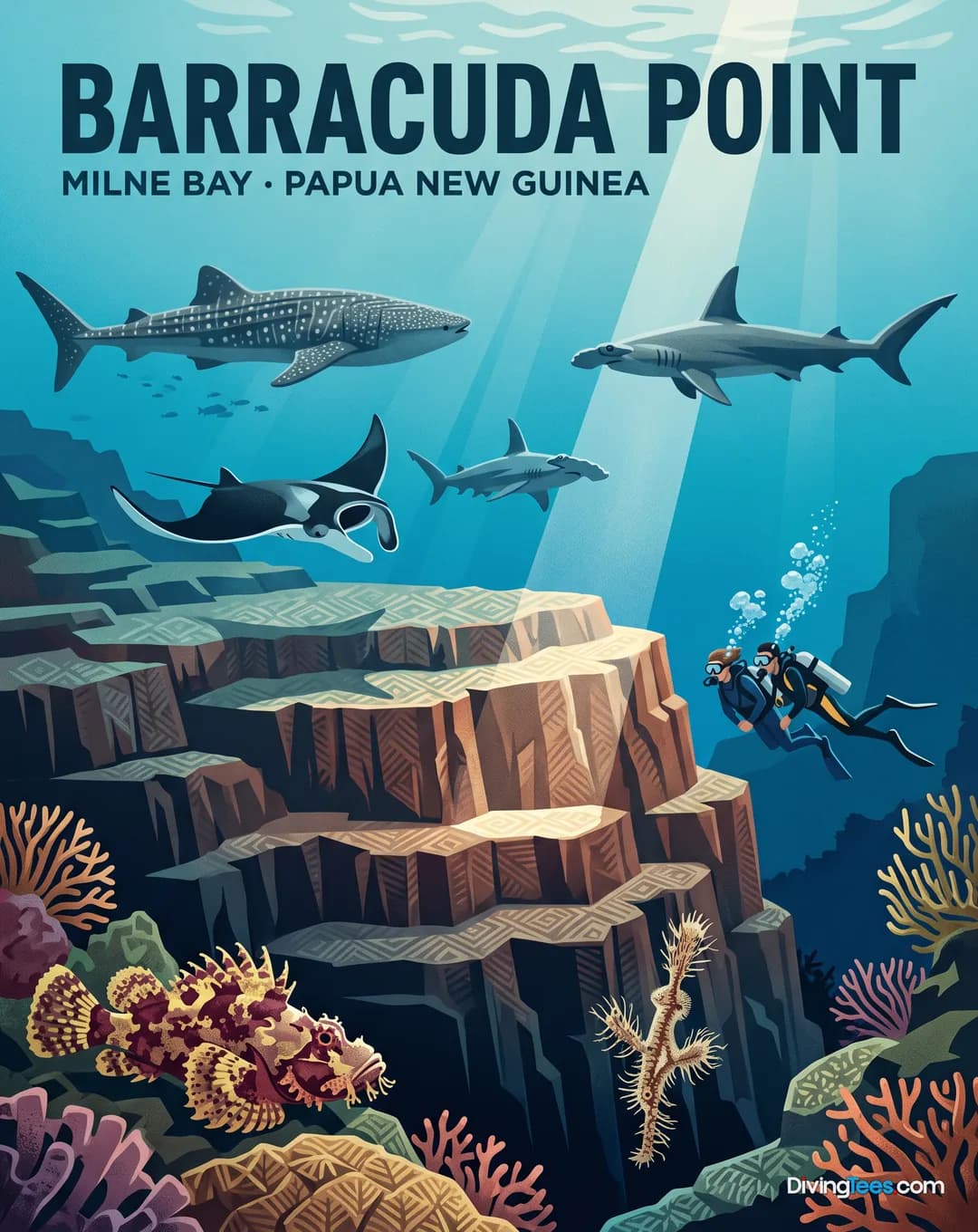
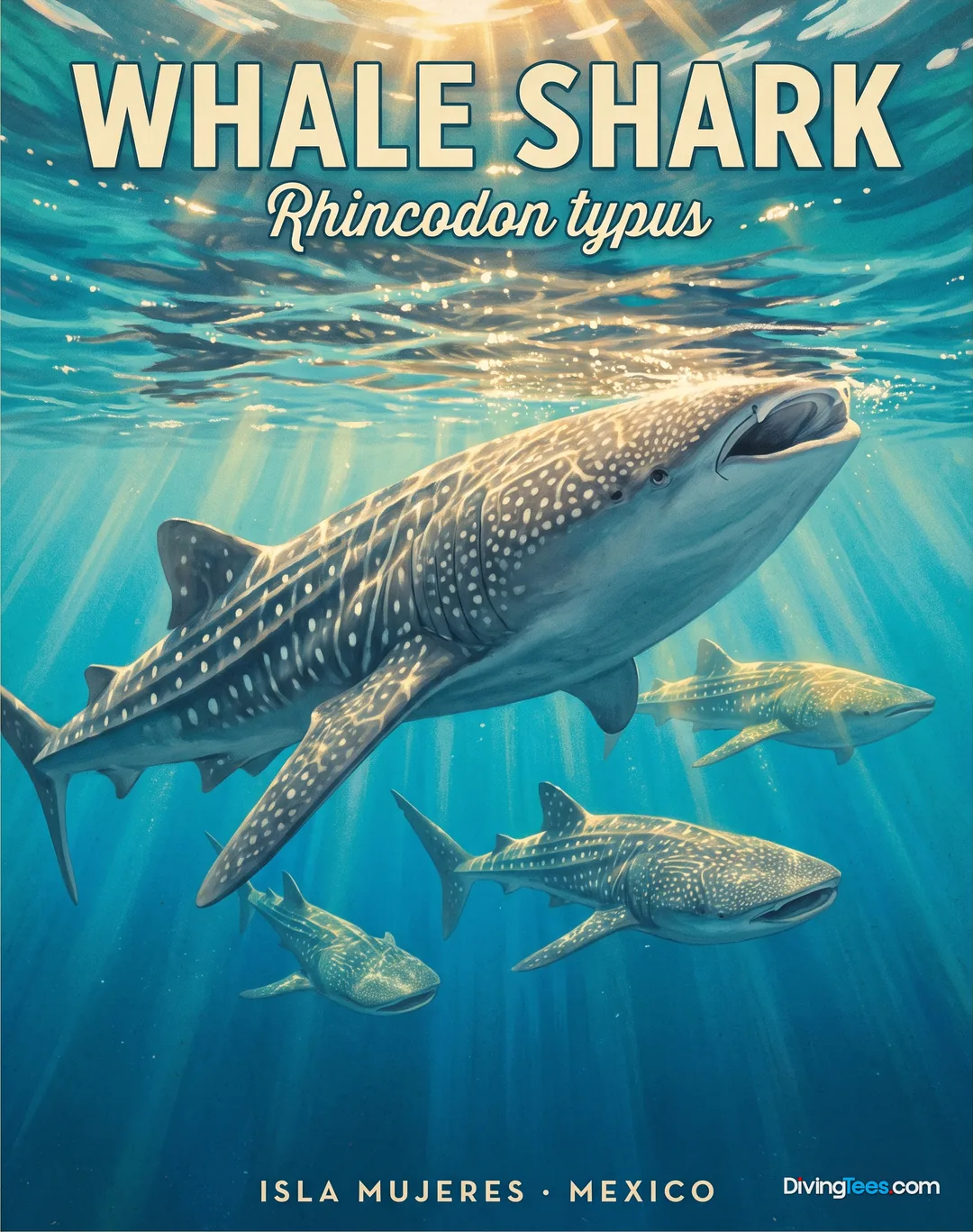
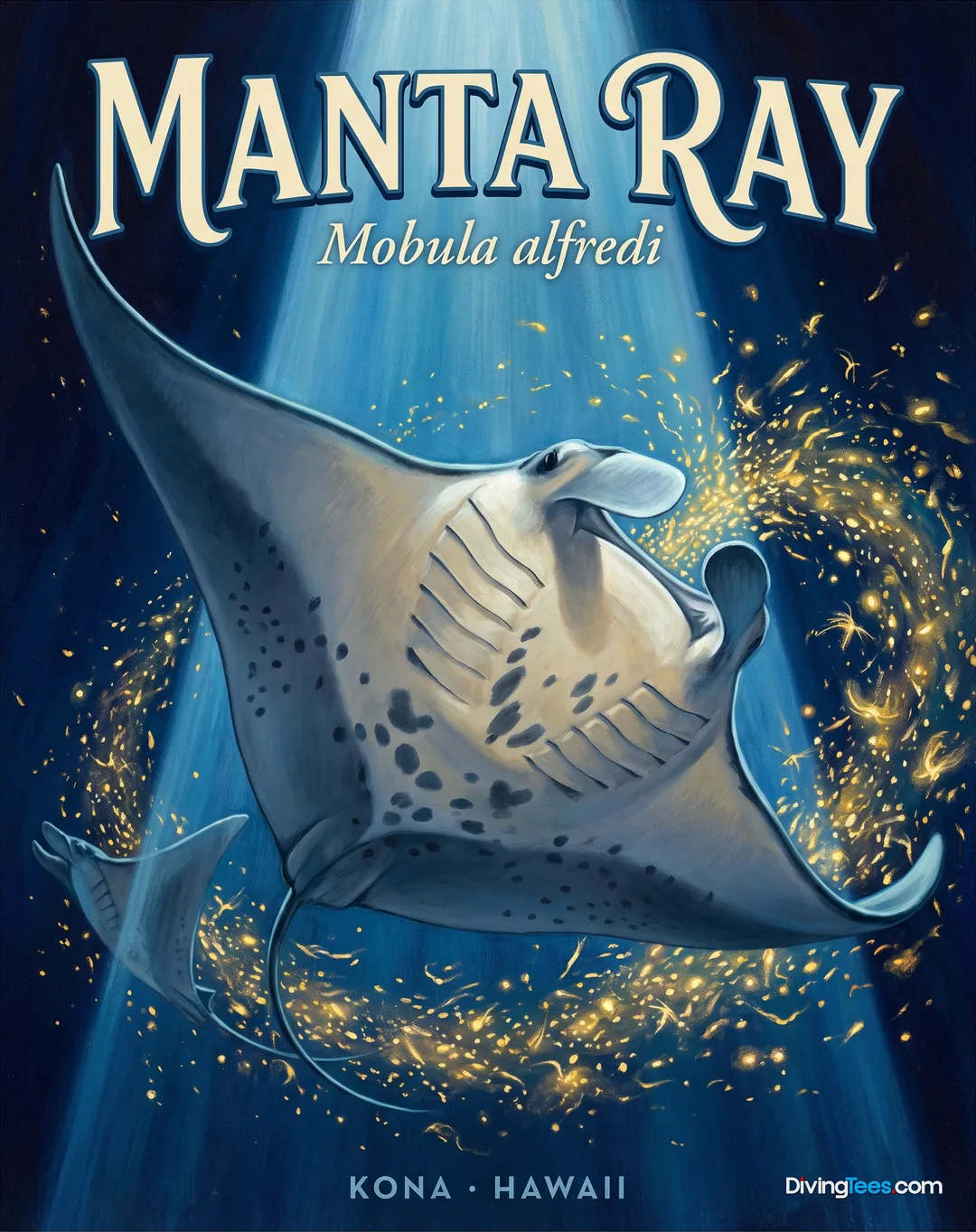
For those seeking larger animals, the area is known for its pelagics. You can regularly encounter hammerhead sharks (Sphyrna lewini), manta rays (Mobula alfredi), and grey reef sharks (Carcharhinus amblyrhynchos) along the walls and points. Whale sharks (Rhincodon typus) and even occasional orcas are part of the regional marine life.
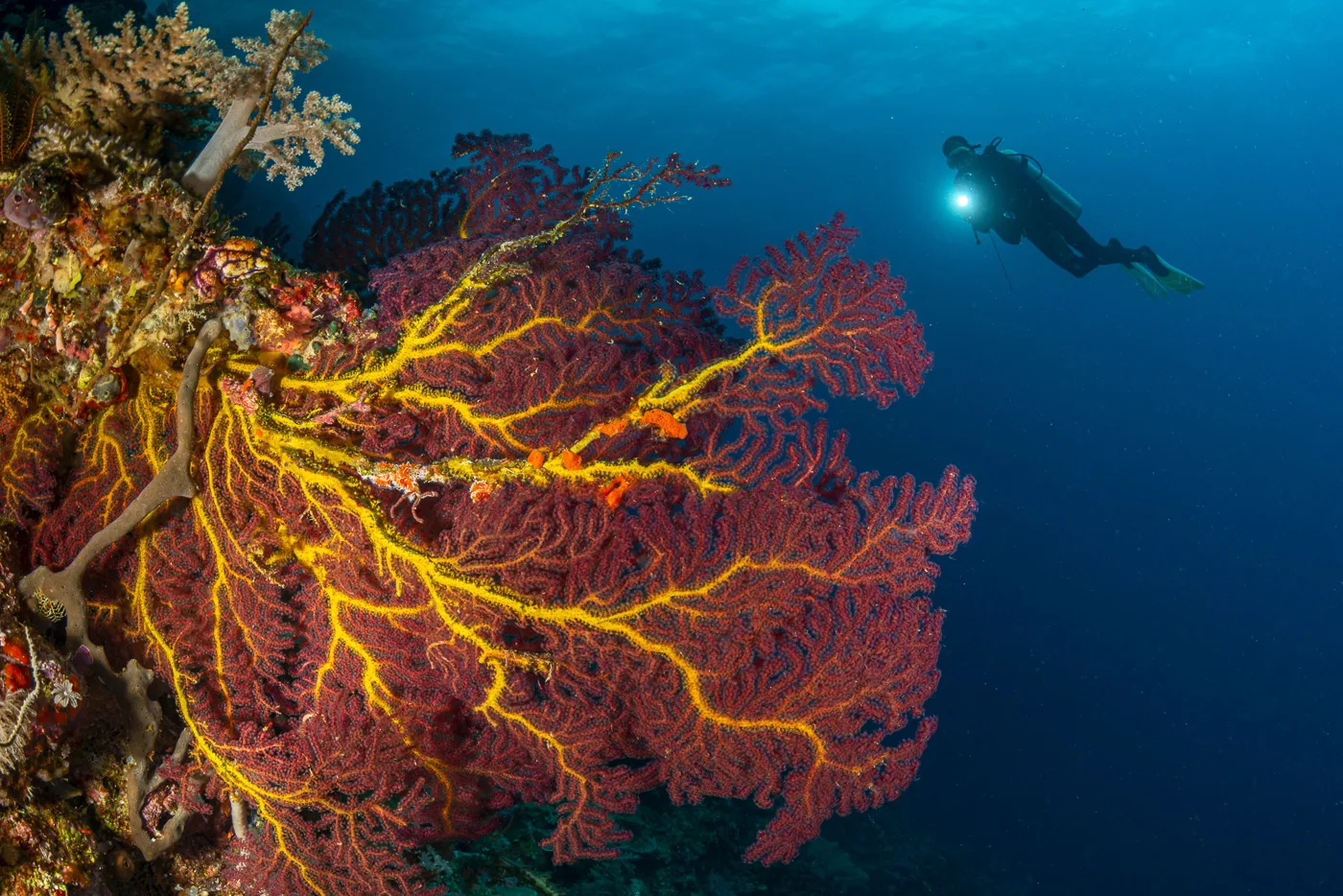
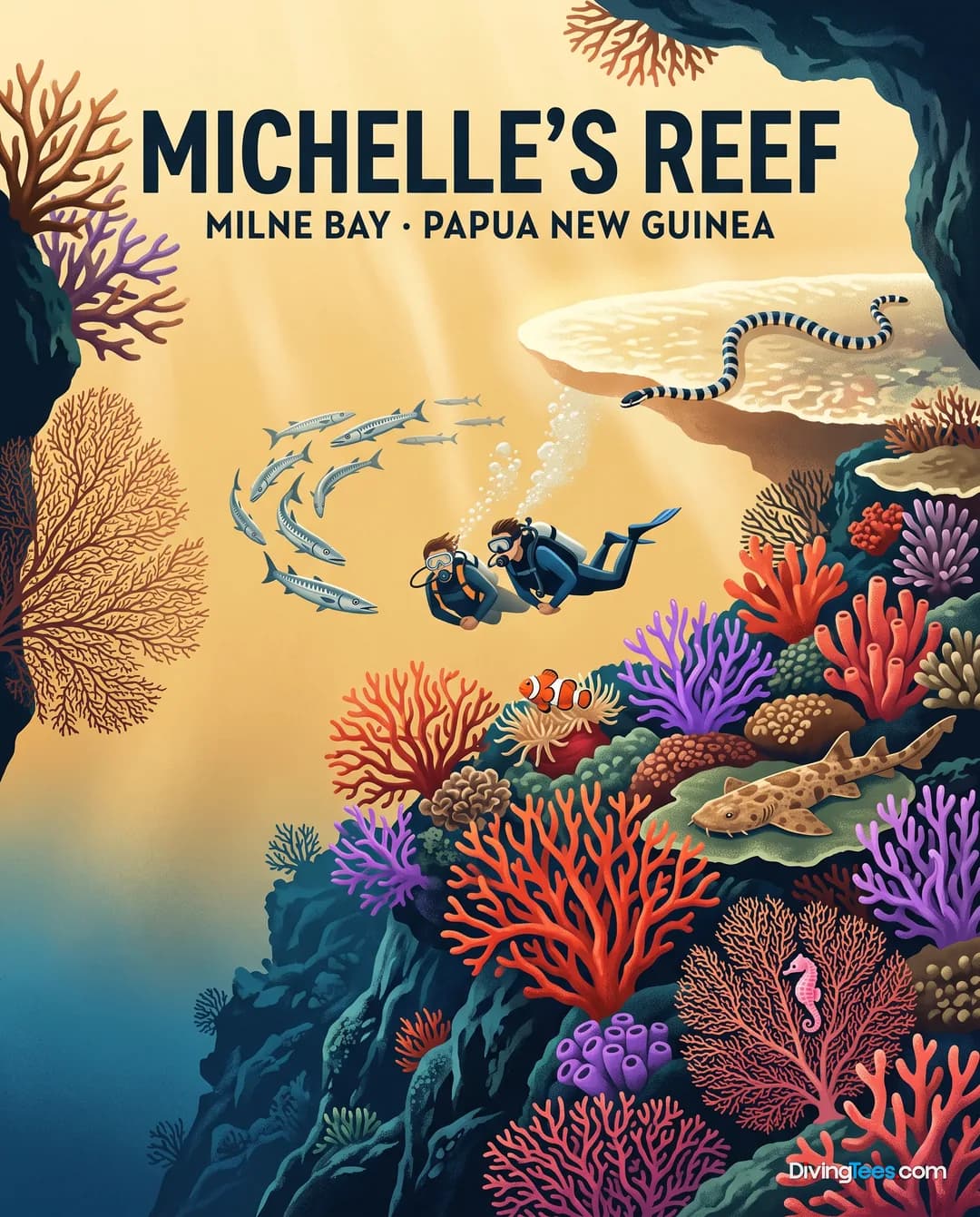
The reef structures themselves are vibrant, covered in a dense collection of hard coral (Scleractinia), gorgonian sea fans, and black coral trees. These habitats support massive schools of fusilier (Caesio), anthias (Anthias), and jack (Carangidae), creating a dynamic environment for both macro and wide-angle divers.
Diving conditions
The north coast provides a degree of shelter from the prevailing south-east winds, allowing for year-round diving. Currents at the various sites vary significantly, ranging from very gentle on the beach slopes to strong on the outer reefs and points.
Visibility is typically at its best during the humid season from June to August. The dry season, running from October to mid-May, is also a reliable time for diving, though occasional rain can occur.
Hello, I'm Marina, DivingDeal.com's AI assistant. I answer in detail about hotels, dive centres and liveaboards.

Thinking about the whole trip and the flights? Talk it over with Edith →
Marina is an AI. Some links are affiliate links: DivingDeal may earn a commission, at no extra cost to you. Bookings are made with the partner.