Liveaboards · Egypt
Sindalahs — a new Red Sea liveaboard built around serious diving and strong food
What makes this boat unique
- Built in 2024 and renovated in 2025, Sindalahs carries up to 26 passengers in 14 cabins.
- The dive deck has shaded working space, camera facilities, separate camera rinsing, DIN adapters, nitrox and tech-diving support.
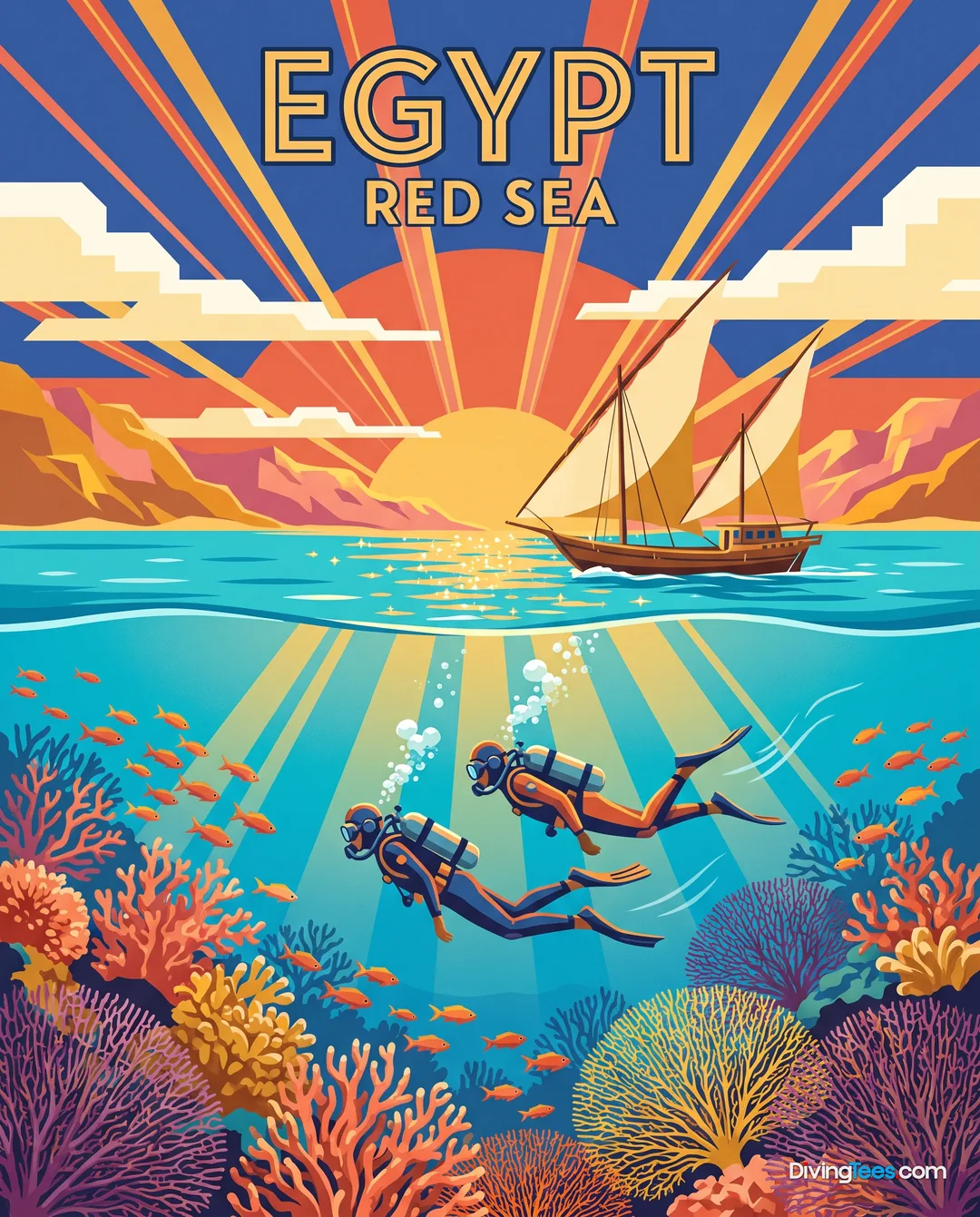
- Recorded 8-day/7-night routes run round-trip from Hurghada to Brothers, Daedalus, Elphinstone, Ras Mohamed and Tiran.
- Full-board dining includes local and Western cooking, buffet and à la carte meals, vegetarian and vegan options, and snacks throughout the day.
For subtitles in English: start the video firstthen click the gearat the top right of the video, select “Subtitles/CC”, then “Auto-translate” and choose “English”.
The invitation
Sindalahs makes sense for divers who want the Red Sea's offshore reefs without giving up a new boat, proper camera handling and a capable galley. It is a 2024 vessel renovated in 2025, designed for diving rather than adapted from a passenger yacht. The routes reach Brothers, Daedalus and Elphinstone, while other departures combine Ras Mohamed, Tiran and northern reefs. That gives the trip a clear purpose: walls, currents, pelagics and long days in the water, with enough cabin choice for couples, families and mixed groups. Non-divers and snorkellers are welcome too, so a group does not have to share one definition of a holiday. Food is one of the boat's strongest points, and the crew handling equipment is well trained. Sindalahs suits the diver who wants ambitious Red Sea sites, a modern platform and a comfortable base between dives.
Boarding
Boarding starts at Hurghada New Marina, where Sindalahs presents as a purpose-built yacht rather than an old converted coaster. The recent construction and renovation matter here: passageways, cabins and shared spaces belong to a contemporary boat, not to a vessel being kept alive by habit. Once aboard, the layout separates the practical work of diving from the places used for eating and resting, with a shaded dive area, indoor air-conditioned lounge, terrace and observation deck. The boat can carry a sizeable group, but the close crew-to-passenger ratio keeps the operation personal rather than anonymous. The first useful impression is not a decorative one. It is that the boat has been arranged for people who will repeatedly move from cabin to dive deck, from tender to water, and back again.
The atmosphere on board
Sindalahs is strongest when the trip is judged as a working dive operation with a very good kitchen, rather than as a polished resort with flawless service at every point. Passenger feedback places food at the top, the boat itself clearly above the crew and diving scores, and value lower still. That is a useful distinction: the crew's help with diving equipment is described as well trained and life made easier, while the overall service does not carry the same consistency as the galley. English and Russian are spoken. A local crew, a naturalist guide and a close crew-to-passenger ratio shape the week, but the atmosphere will depend on the dive group more than on staged entertainment. Evenings are best understood as the end of a long water day: dinner, conversation, equipment checks and an early return to the cabin.
The sites you’ll dive
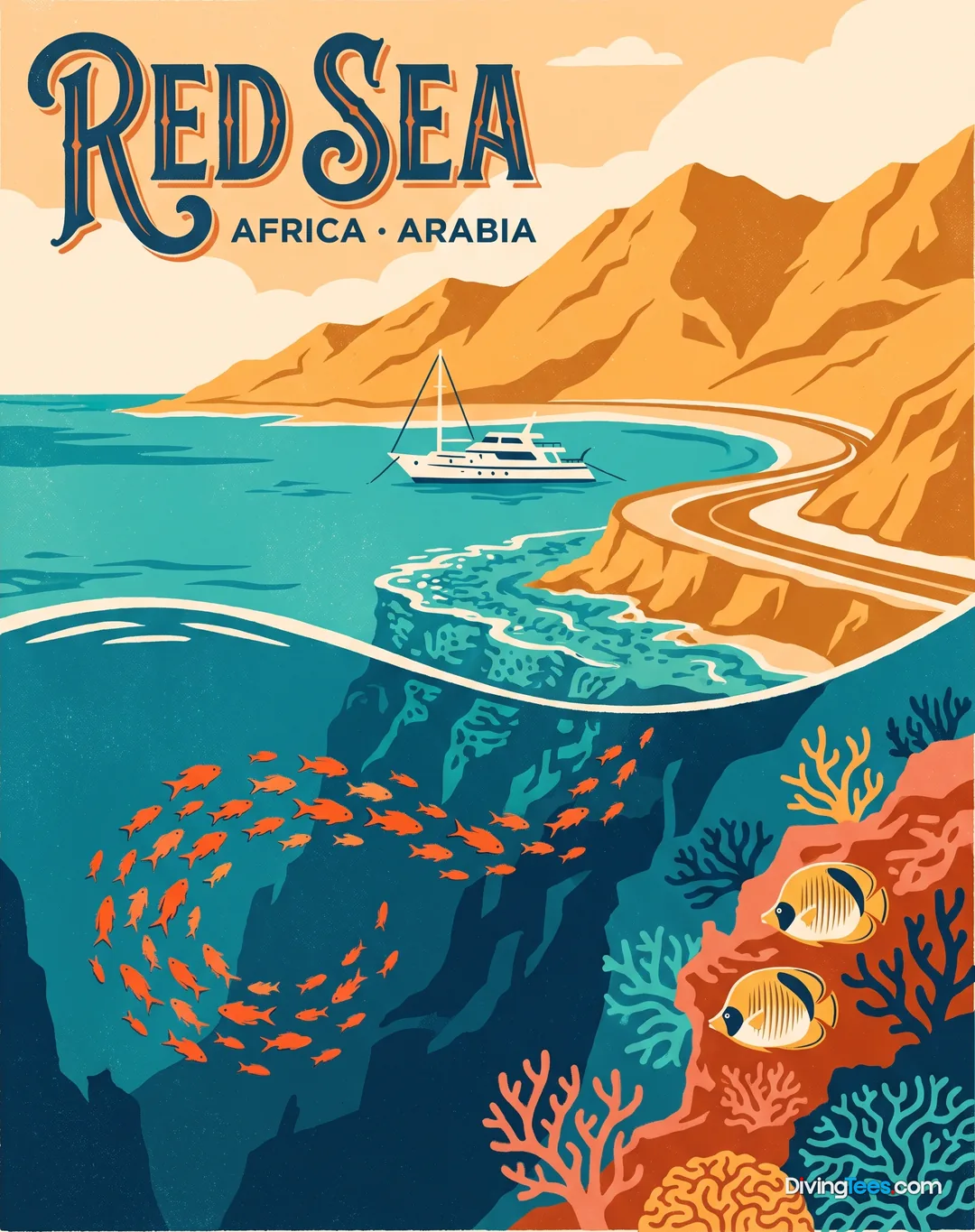
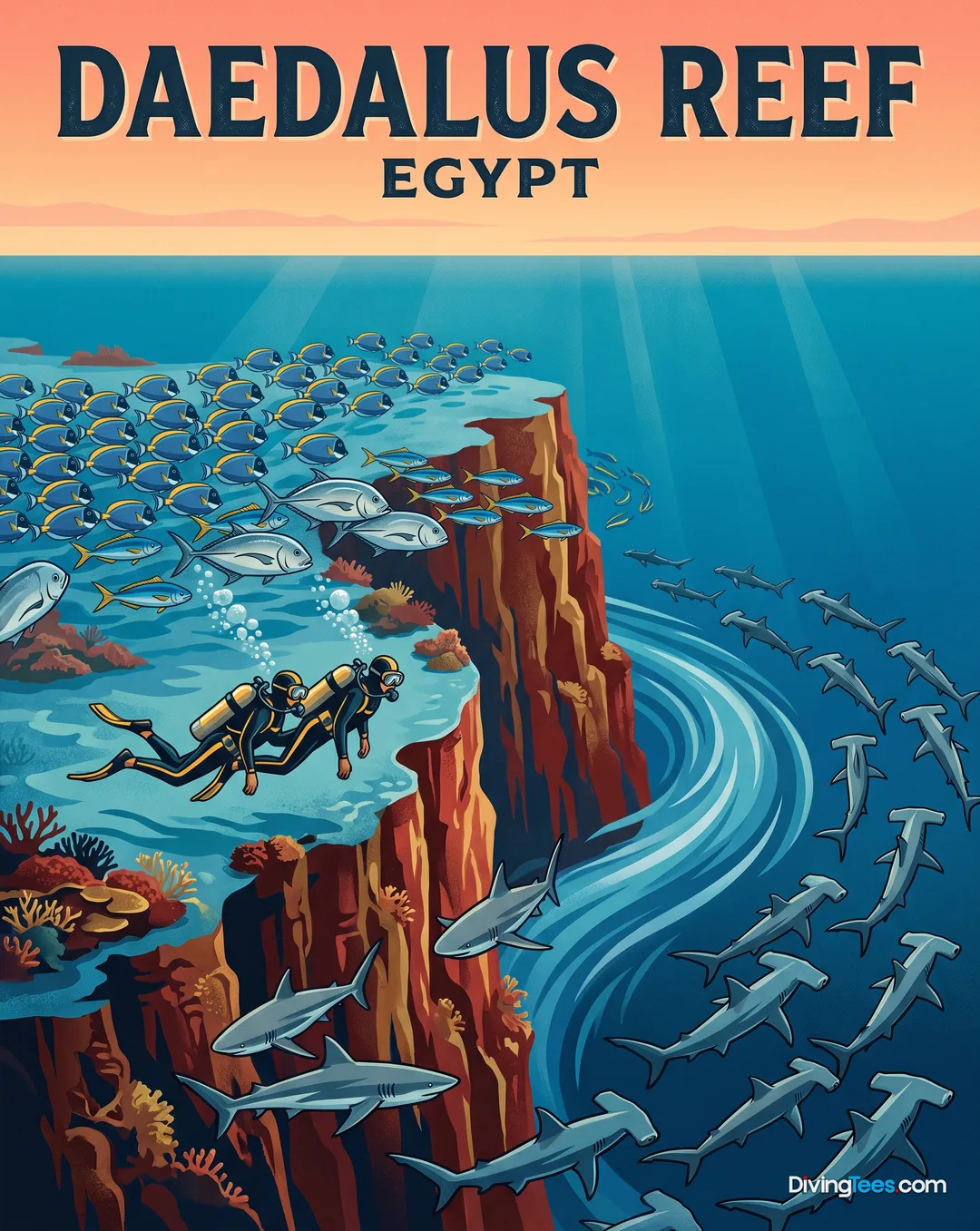
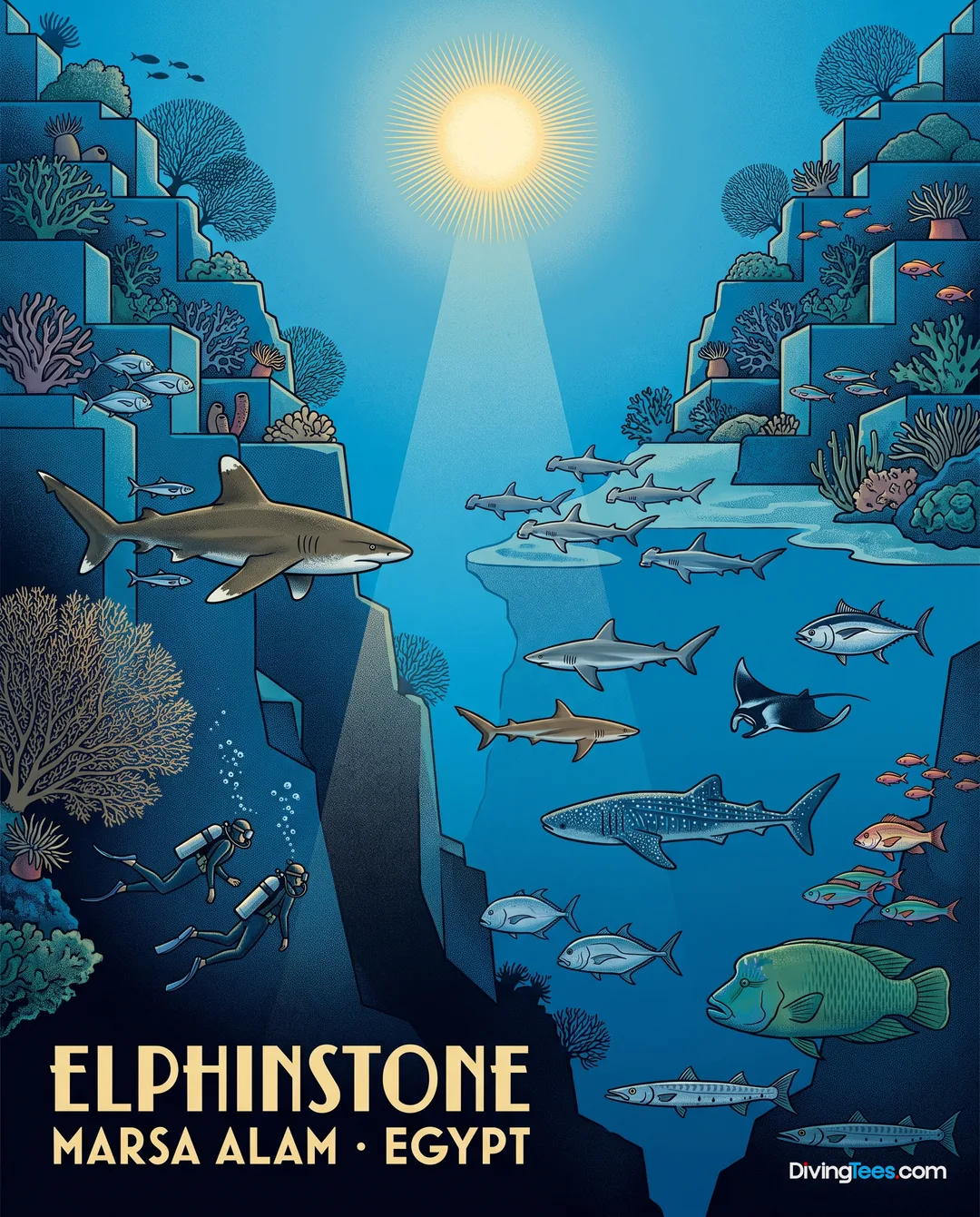
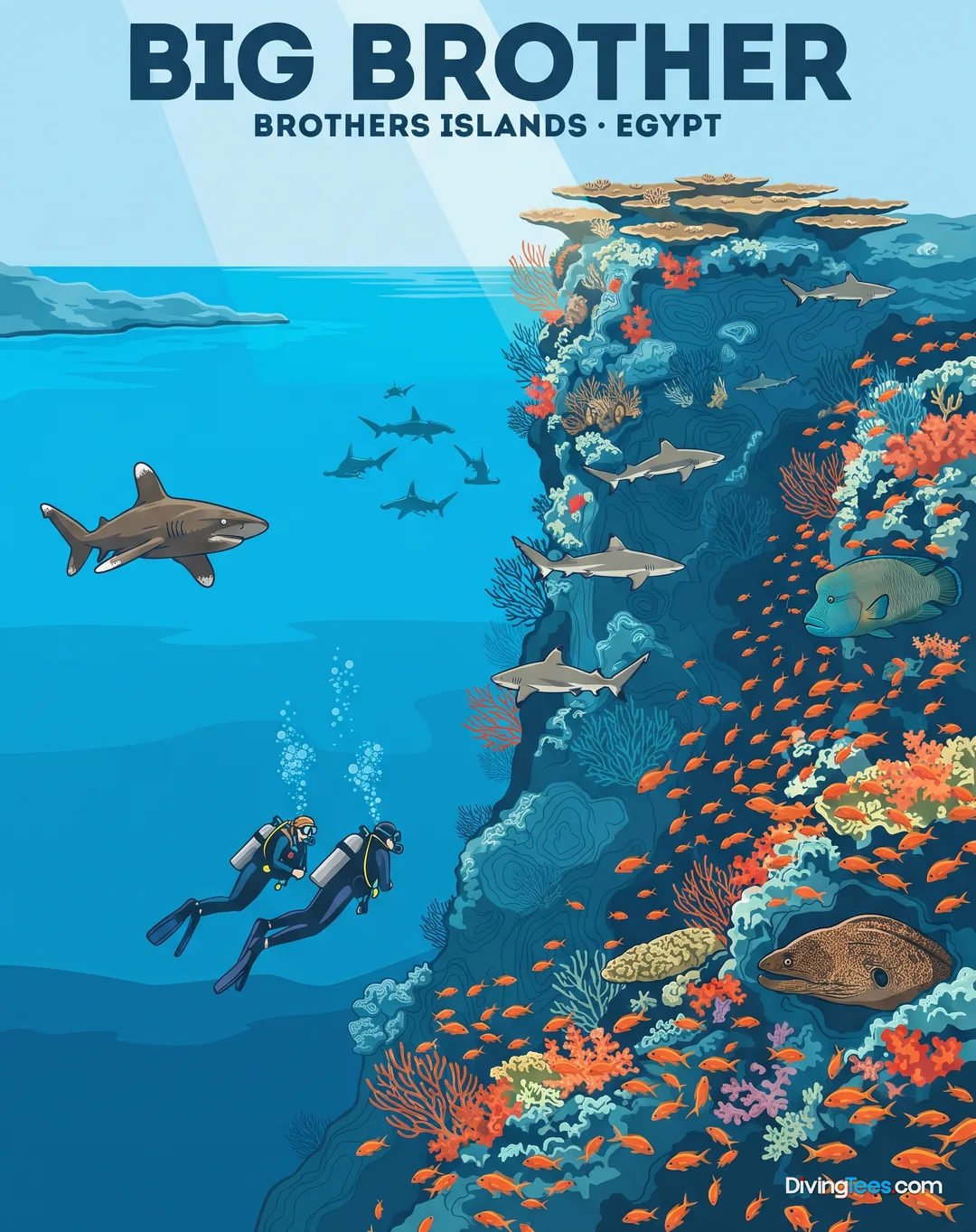
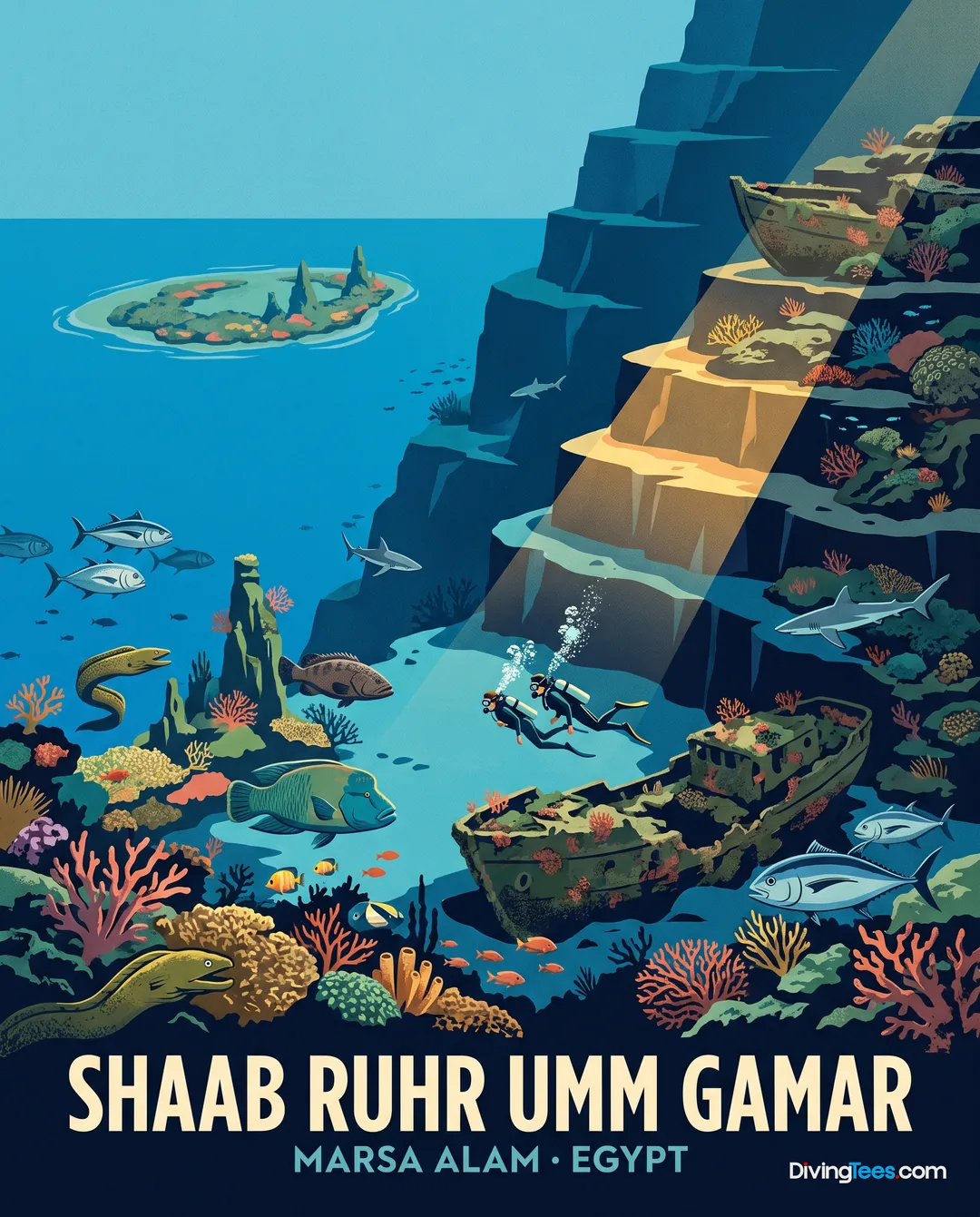
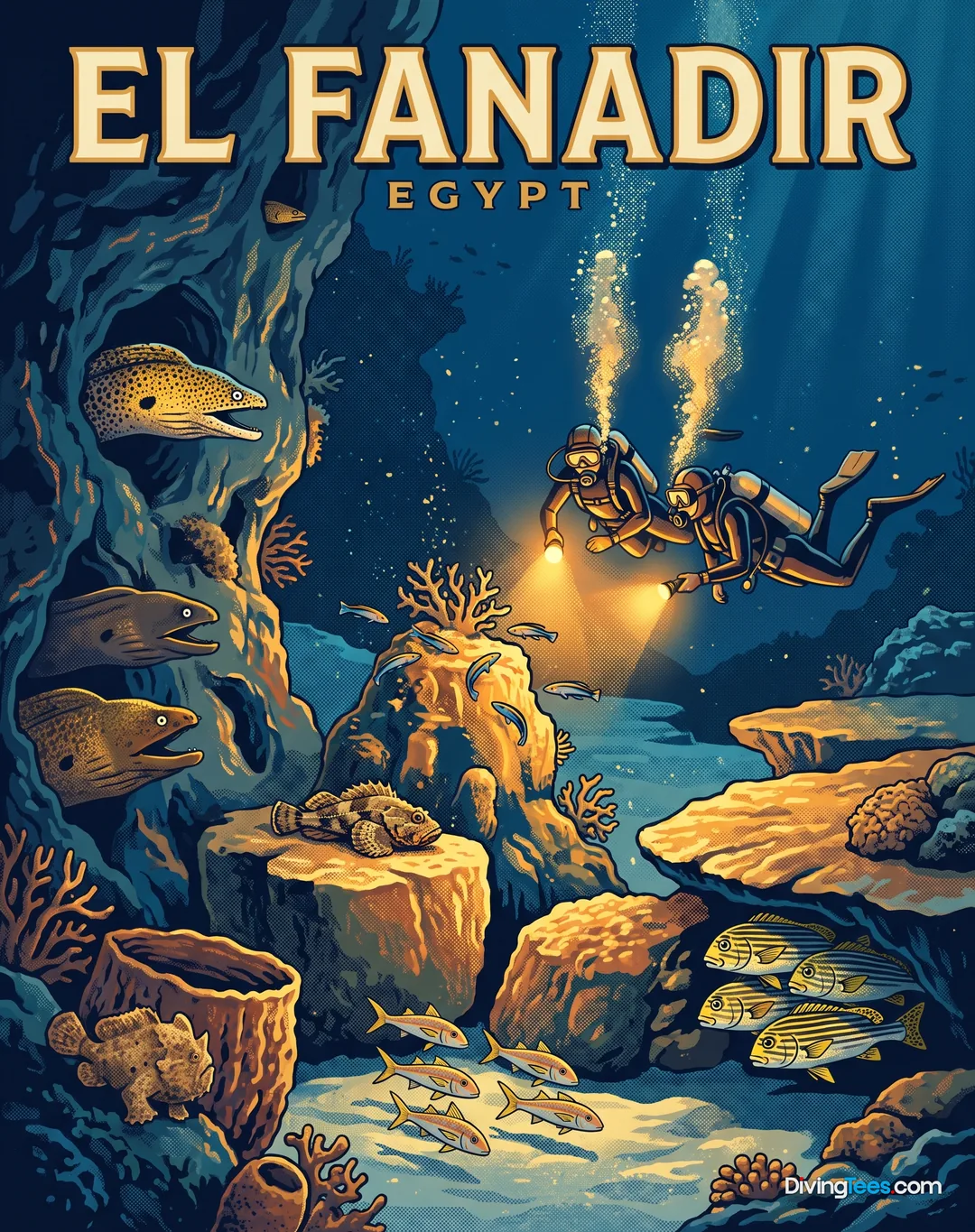
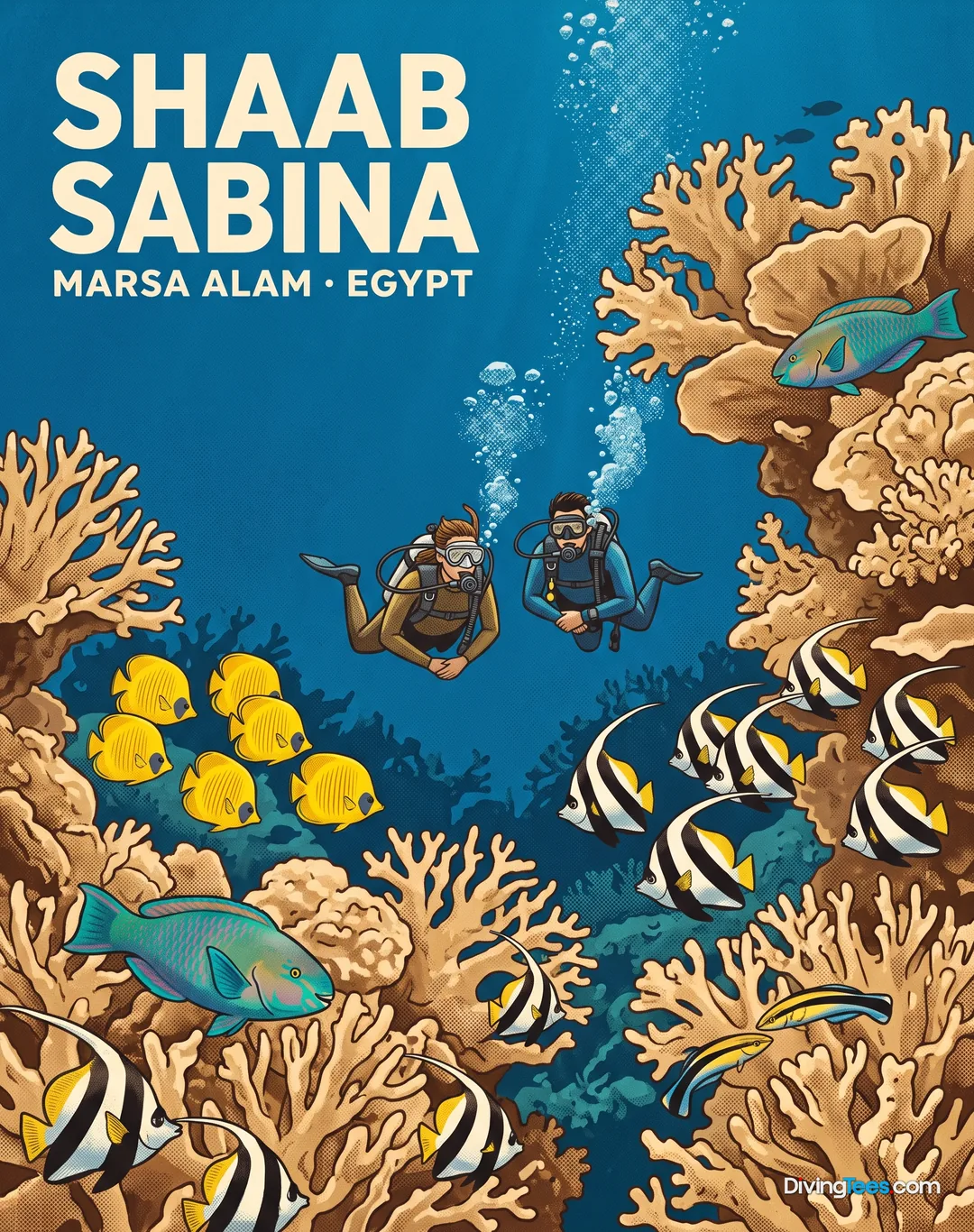
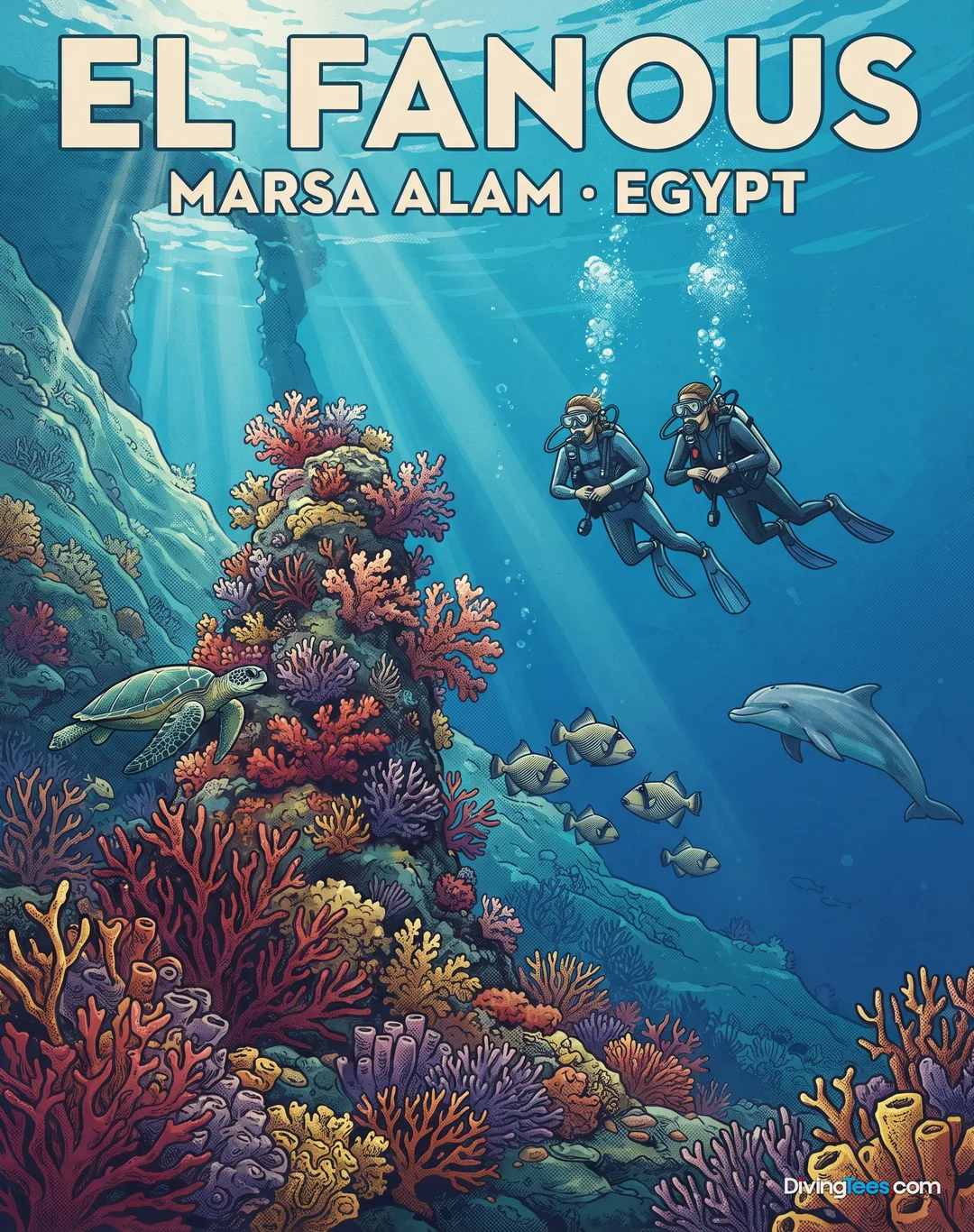
The recorded routes are 8 days and 7 nights, round-trip from Hurghada. The offshore programme links Brothers, Daedalus and Elphinstone; other departures combine North Reef, Ras Mohamed, Tiran and Brothers Island, with one version including wrecks. Elphinstone drops down dramatic walls to -60m, with the possibility of oceanic whitetips, hammerheads, grey and silky sharks, manta rays and whale sharks. Brothers is more isolated and reaches -85m: oceanic reefs, pelagics, hard and soft corals, and the white-tip reef shark are the draw. Big Brother adds walls, current and two iconic shipwrecks, to -40m. Daedalus is a remote pinnacle with steep walls and pelagic potential, also to -40m. Near Hurghada, Shaab Ruhr Umm Gamar combines an oval reef, fish-filled plateau, pinnacles and at least three wrecks, to -40m. El Fanadir follows a wall to a cleaning station at -40m. Shaab Sabina is a shallow coral labyrinth to -14m, while El Fanous West and East stay in protected reef and lagoon terrain at -15m and -18m. Ras Mohamed and Tiran complete the northern options with current-fed reefs and pelagic possibilities.
What you’ll meet underwater
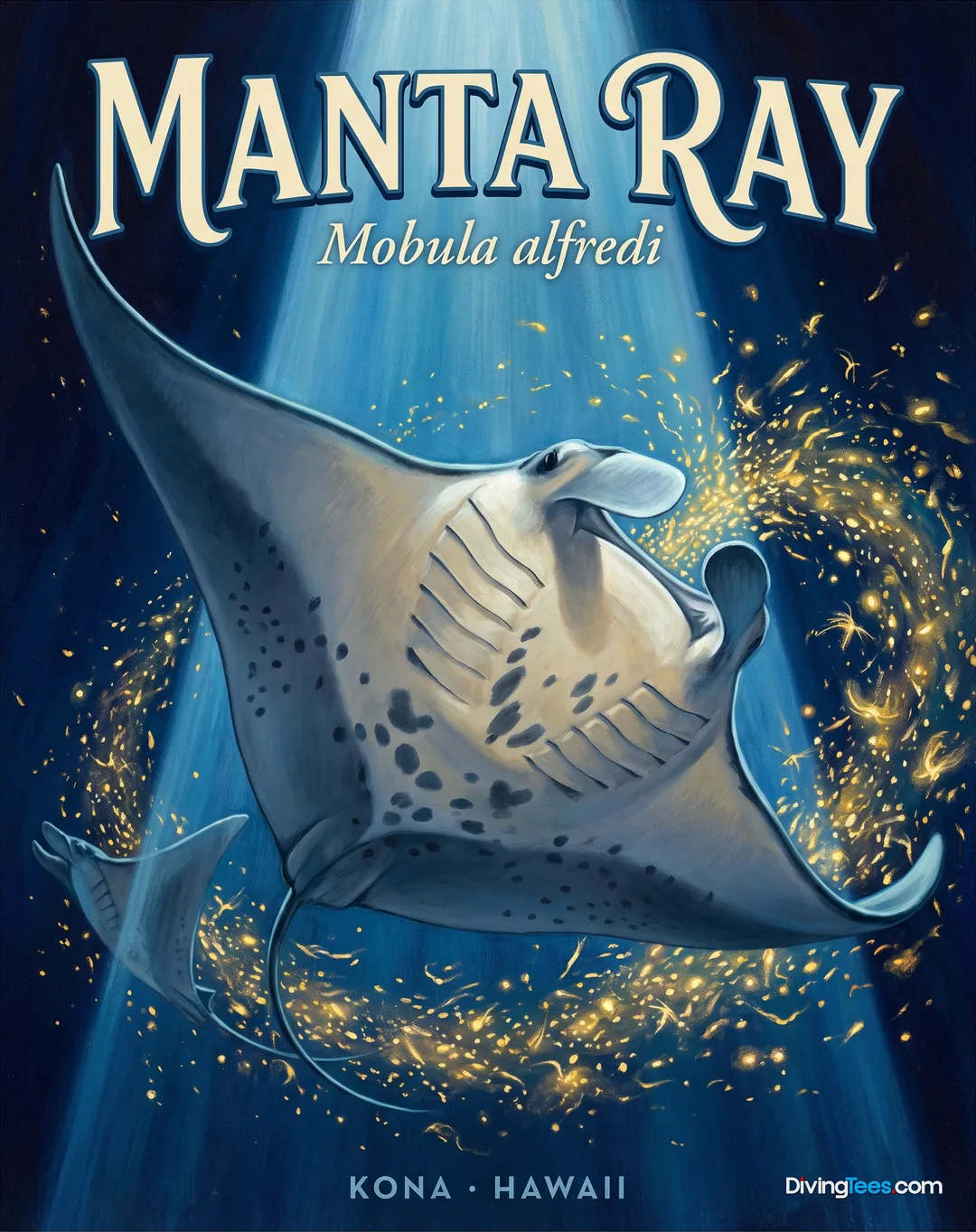
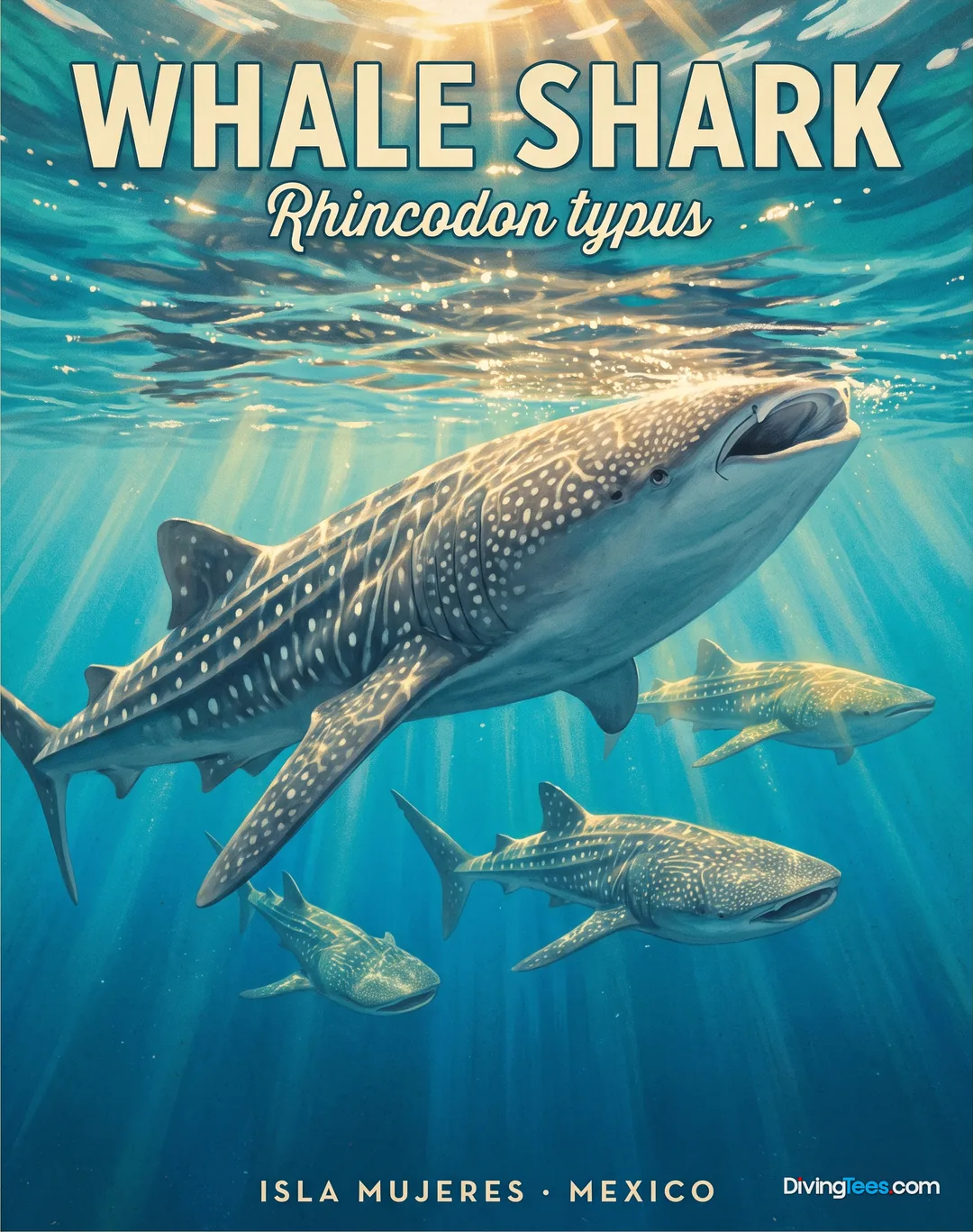
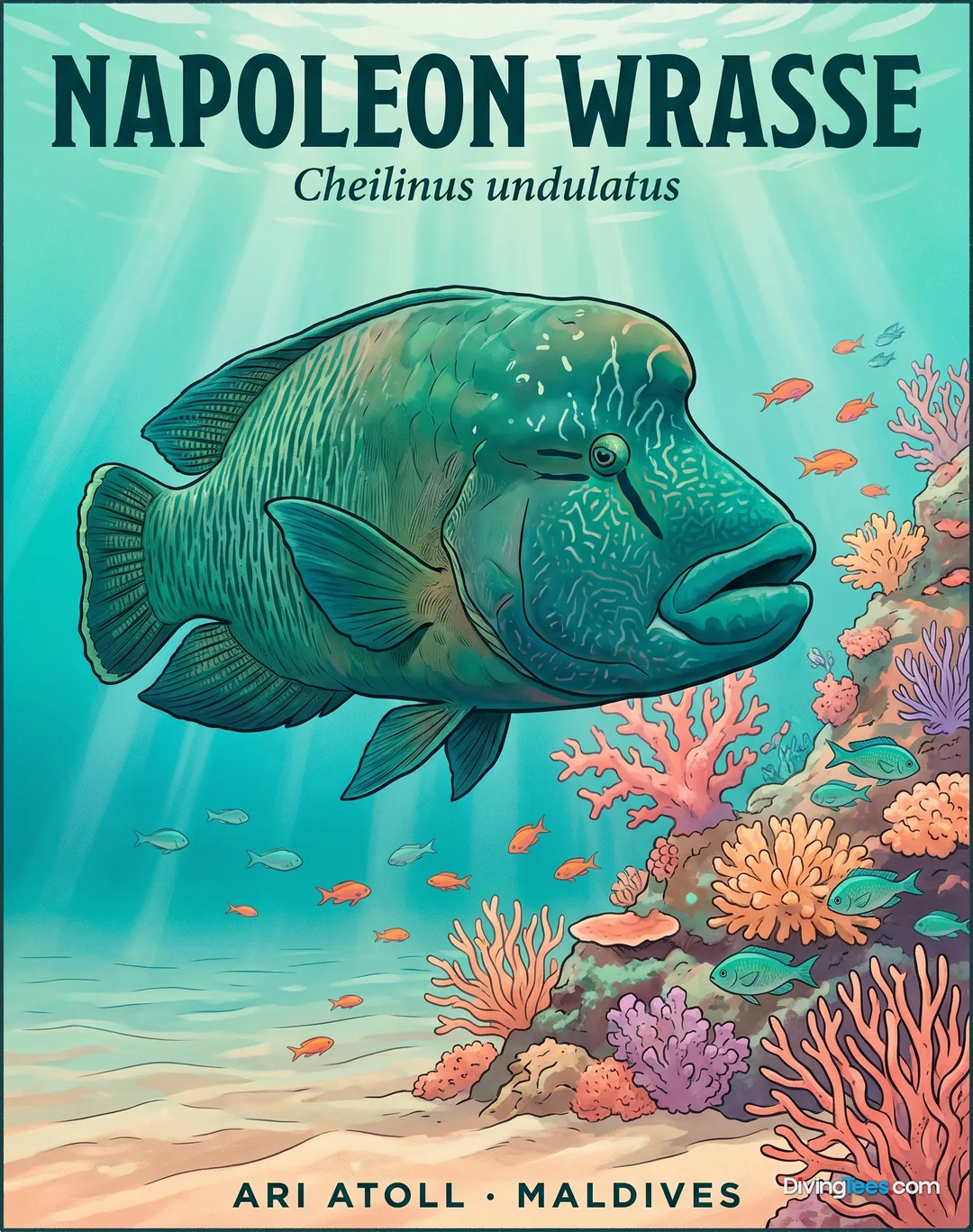
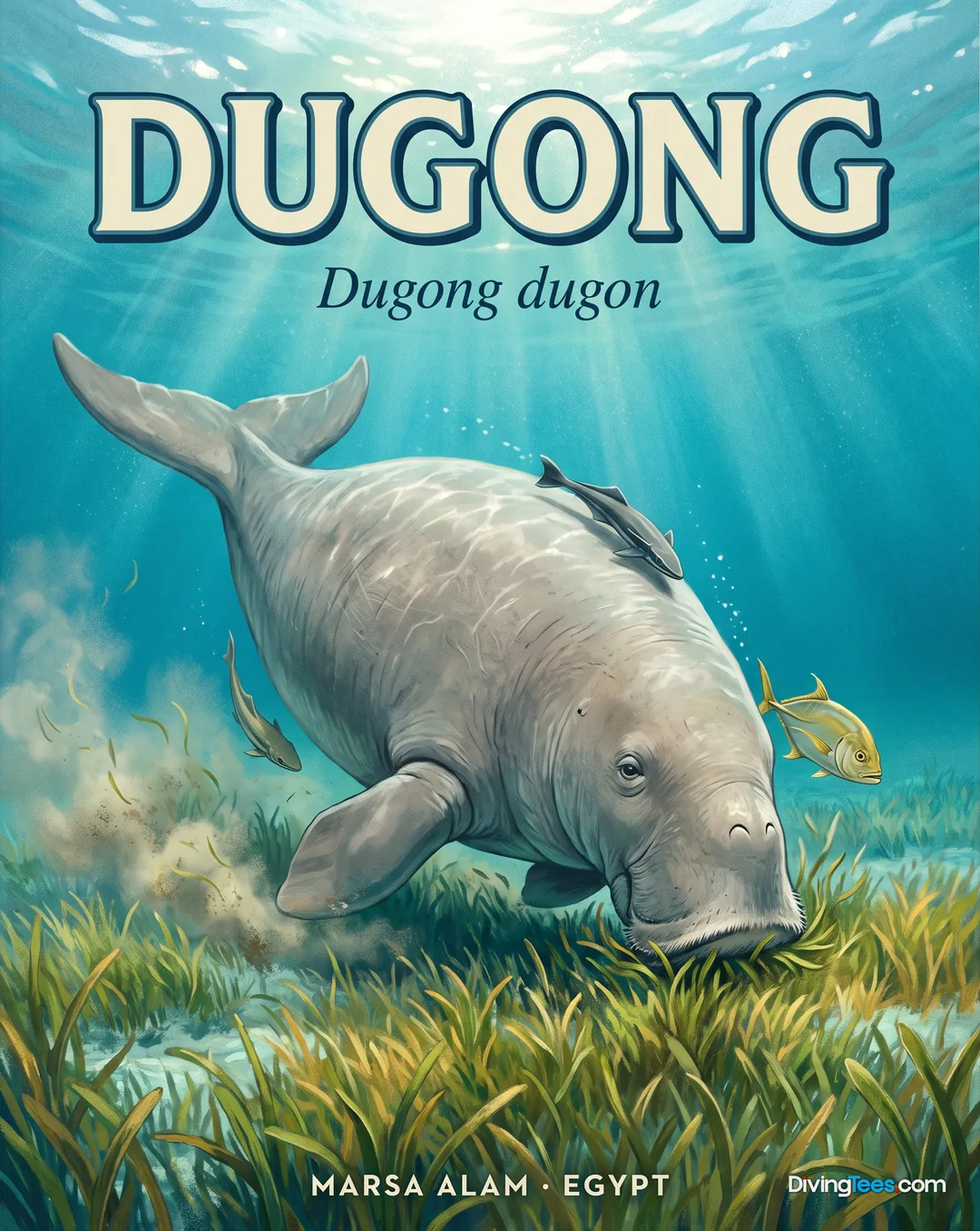
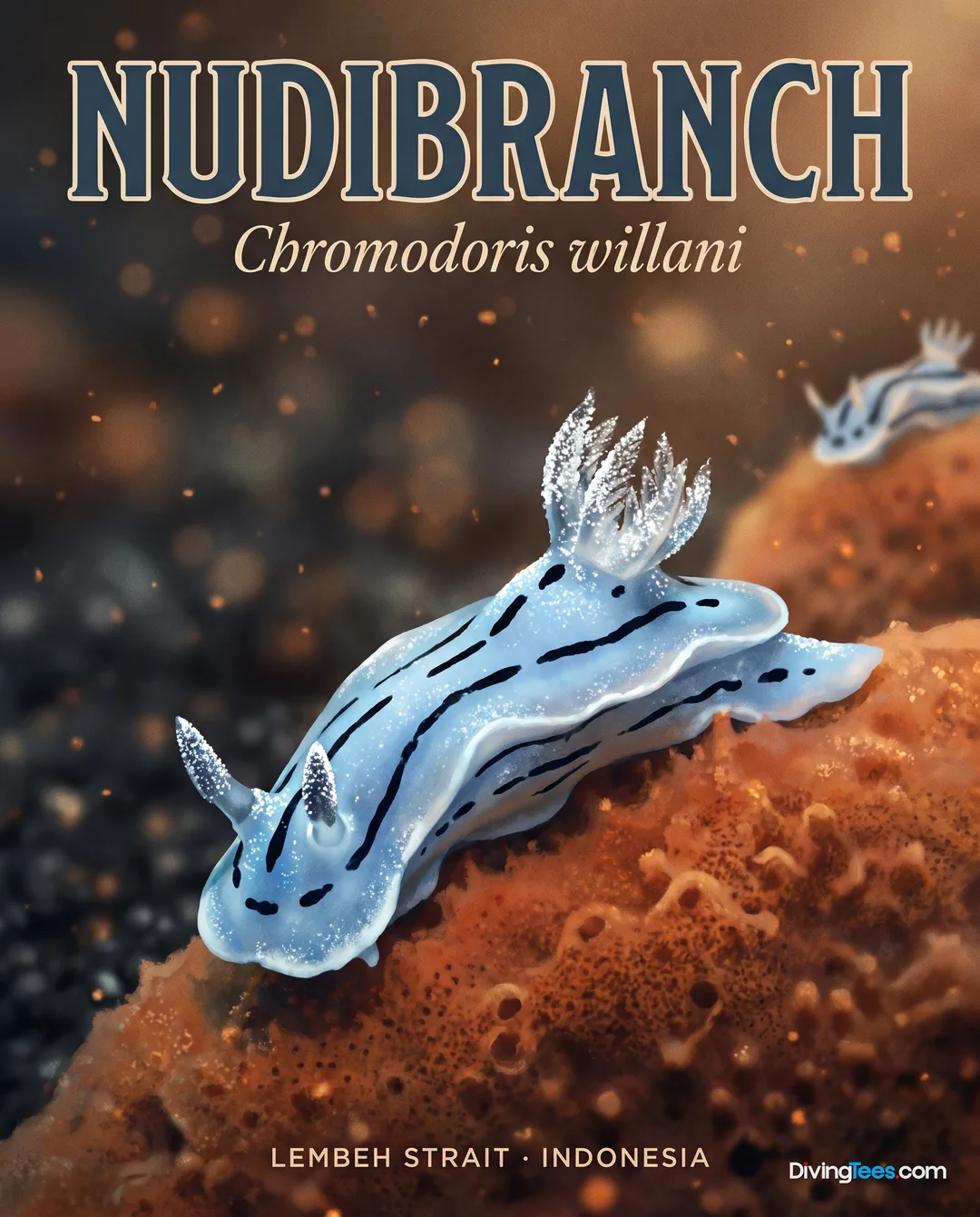
This route is built around large Red Sea movement as much as coral scenery. Turtles, barracuda, reef sharks, grey reef sharks and tuna recur across the sites, with anthias and jacks filling the reef water. Hammerheads are recorded at five sites, while dolphins, Napoleon wrasse and manta rays turn up across several parts of the route rather than belonging to one single reef. The reasons to choose particular sites are more precise. Marsa Egla is the place to look for dugongs over seagrass beds, with green turtles also recorded there. Brothers is the only listed site for white-tip reef sharks and anemones. Elphinstone carries a cleaning station, gorgonians and black-tip reef sharks alongside its walls and pelagic encounters. Shaab Ruhr Umm Gamar is the sole site listed for giant grouper. Daedalus is the distinct stop for big-eye trevally. Ras Mohamed is where batfish are recorded, while Shaab El Erg is the only listed site for the Chromodoris willani nudibranch. At Shaab Sabina, the shallow garden is the place associated with damselfish.
Who puts you in the water
A naturalist guide is part of the onboard offering, and the crew speaks English and Russian. The diving operation carries oxygen, first-aid kits and a crew trained in first aid, supported by radio, satellite and mobile communications, GPS, radar, sonar, emergency beacons and fire equipment. The boat also has a fish finder and a man-overboard searchlight. Those are useful foundations for remote Red Sea routes, where the tender and the recall process matter as much as the reef itself. Briefings and group organisation are part of the onboard dive service, but group ratios, guide qualifications, logged-dive requirements, recall signals, defibrillator provision and the courses run on board are not defined here. Nitrox certification and other diving certifications are available as optional services.
The dive deck and the gear
The dive deck is shaded and arranged for repeated entries, with a platform, diver tenders and separate rinsing for cameras. Camera divers get a dedicated station and a camera rinse rather than having to share the general equipment wash. DIN adapters are available. Nitrox is available as an optional extra, and the boat supports technical diving as well as sidemount with a single cylinder. Rental equipment can be arranged, though the available brands and cylinder specifications are not stated. The deck also has outdoor showers, which is welcome after a salt-water return, and the tenders take divers away from the main platform for site access and collection. A diver who works with a camera or uses DIN will find the important handling points covered; those bringing specialised technical equipment should confirm the exact setup before departure.
Between dives
Between dives, the shaded dive space is the practical centre of the boat: a place to get out of the sun, check a cylinder and wait for the next briefing without retreating immediately to a cabin. The terrace and observation deck offer the opposite kind of pause, with open air and a view over the Red Sea while the boat is moving. An air-conditioned indoor lounge gives a cooler refuge, and the photo area lets camera divers work without spreading equipment across the living spaces. On a no-dive afternoon, the boat has enough separate places to read, talk or watch the route go by. Wi-Fi is available, but it is not the reason to stay on deck.
A day on board
A day aboard is organised around the water, not around a hotel timetable. The first briefing comes before the first entry, followed by the return to the deck, the tender or the platform, then food and a short reset before the next dive. Between entries, tanks are checked, cameras are rinsed and the shaded deck gives divers somewhere to sit without baking in the sun. When the boat moves between reefs, the observation deck and terrace become the front row for the crossing; when the route pauses, the same spaces hold the quiet hours. Meals and snacks punctuate the diving day, with full-board service keeping people fed without sending them ashore. A night dive may be part of the programme where the itinerary and conditions allow it, but no fixed onboard timetable is stated. The rhythm is simple: briefing, water, recovery, food, then prepare again.
What you eat aboard
Food is where Sindalahs earns its strongest reputation. Full-board service covers the main meals, with a galley that works across local and Western cooking rather than forcing every diver into one style of menu. Meals can be served buffet-style or à la carte, and vegetarian and vegan options are available. Non-alcoholic drinks, tea, coffee and snacks are included, with food appearing between dives as well as at the main table. That matters more than a grand description of the dining room: after repeated entries into current and a long return from an offshore reef, a reliable plate and something quick to eat are part of the dive operation. Outdoor dining is available when the sea and weather allow it.
Nights at sea
Cabins are offered as double or twin rooms and suites on the upper and lower decks. Lower-deck cabins have portholes, and some cabins are positioned forward; upper-deck categories give a different relationship with the sea and the shared spaces. Every cabin has a private bathroom and air conditioning, while daily housekeeping keeps the room from becoming a second gear locker during a full diving week. The useful detail at night is the choice of scale rather than a promise of hotel-style excess: a suite gives more room, while a standard double or twin keeps the cabin compact and functional. Wi-Fi is available, so the outside world is not completely cut off, but the boat's real value is the quick return to the next dive.
Double/Twin Cabins - Upper Deck
Suite - Upper Deck
Double/Twin Cabins - Lower Deck
Suite - Lower Deck
What to know before boarding
Sindalahs departs from and returns to Hurghada New Marina. Airport and hotel transfers can be arranged as optional extras, and the transfer point should be given when the trip is booked. Arriving in Hurghada the night before is the sensible choice, leaving the boarding day clear for the marina and avoiding a flight delay becoming a missed departure.
Deck plan
- Year built
- 2024
- Year renovated
- 2025
- Length
- 38 m
- Beam
- 8.4 m
- Maximum number of passengers
- 26
- Number of cabins
- 14
- Number of bathrooms
- 17
- Engines
- Doosan v222TIM 788 hp each, 2100 RPM
- Cruising speed
- 11 knots
- Tenders
- Yamaha 115
- Website
- sindalahsyacht.com ↗
Hello, I'm Marina, DivingDeal.com's AI assistant. I answer in detail about hotels, dive centres and liveaboards.

Thinking about the whole trip and the flights? Talk it over with Edith →
Marina is an AI. Some links are affiliate links: DivingDeal may earn a commission, at no extra cost to you. Bookings are made with the partner.