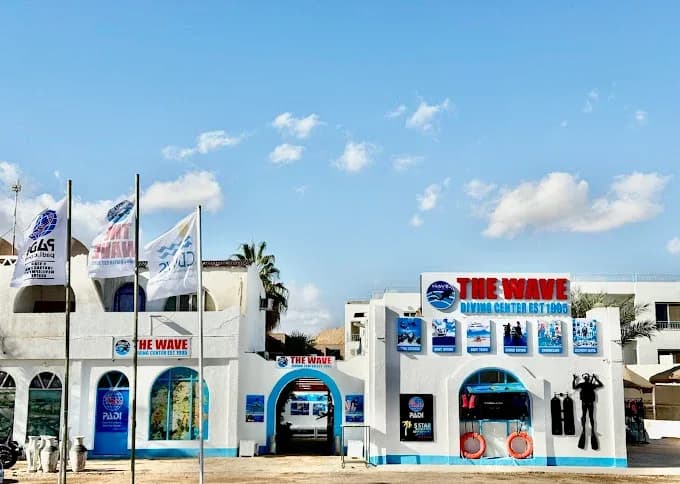

The Wave Diving Center
★ 4.9/5 (1,338 reviews)
44 km away as the crow flies
Sharm El Sheikh · Egypt · Red Sea
Max. depth · 50 mNavigate the historic waters of the Straits of Gubal, a natural funnel in the Red Sea where numerous shipwrecks have become vibrant artificial reefs.
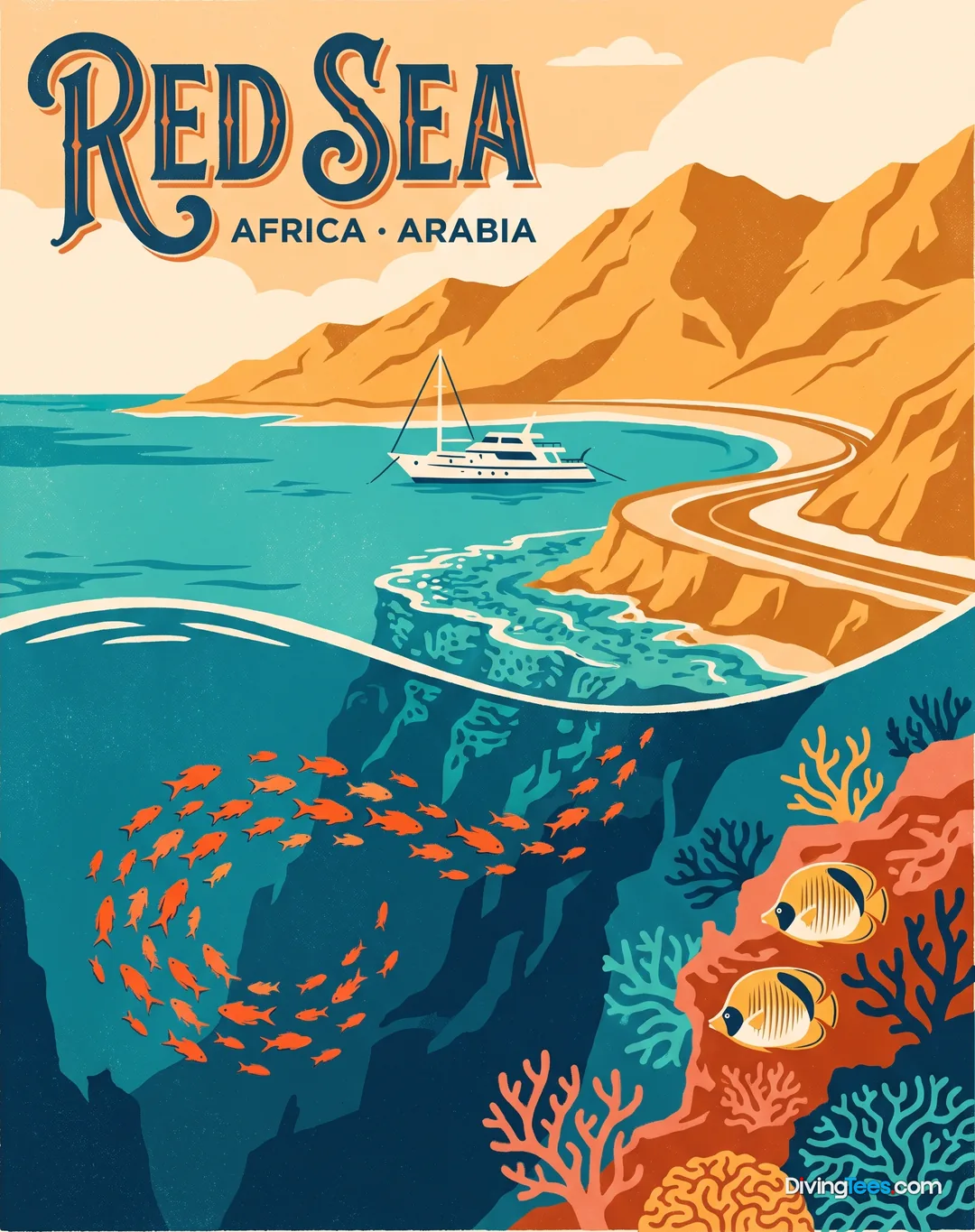
The Straits of Gubal is not a single dive site but a strategic area, a natural funnel between the Sinai Peninsula and the Egyptian mainland coast that has shaped maritime history in the Red Sea. This narrow seaway has collected a significant number of shipwrecks over centuries, making it a focal point for liveaboard itineraries like 'Reefs & Wrecks' and 'Get Wrecked.' When you descend here, you are entering a zone where the currents have dictated both marine traffic and the fate of many vessels, creating a unique underwater landscape.
Topographically, the Straits are characterized by extensive coral reef systems, barrier reefs, and shallow lagoons, punctuated by scattered coral pinnacles. Outcrops such as Beacon Rock and Shag Rock, alongside islands like Gubal and Shadwan, define the area. These features create a varied underwater environment, from reef plateaus and dramatic drop-offs to the numerous wreck sites that lie on or adjacent to these reefs, particularly around Abu Nuhas, Shaab Ali, and Shaab Mahmoud.
Diving in Gubal means encountering a blend of human history and natural regeneration. The wrecks themselves, from the dramatic silhouette of a sunken ship emerging from the blue, draw you into their structures. Light penetration varies depending on the wreck's depth and orientation, but the clear Red Sea water generally allows for good visibility, enhancing the exploration of intricate details. You will find yourself navigating through holds, around decks, and amidst the scattered remnants of a life at sea, now transformed into artificial reefs.
The dive profiles across the various sites within the Straits can vary significantly, ranging from shallower reef dives at 5 metres to deeper explorations of the wrecks themselves, reaching down to 50 metres. Typically, you will descend along lines or explore the periphery of these submerged giants. This diversity allows for a range of experiences, from observing the coral growth on shallower sections to penetrating deeper into the wrecks, always with the clear Red Sea water providing ample light for exploration.
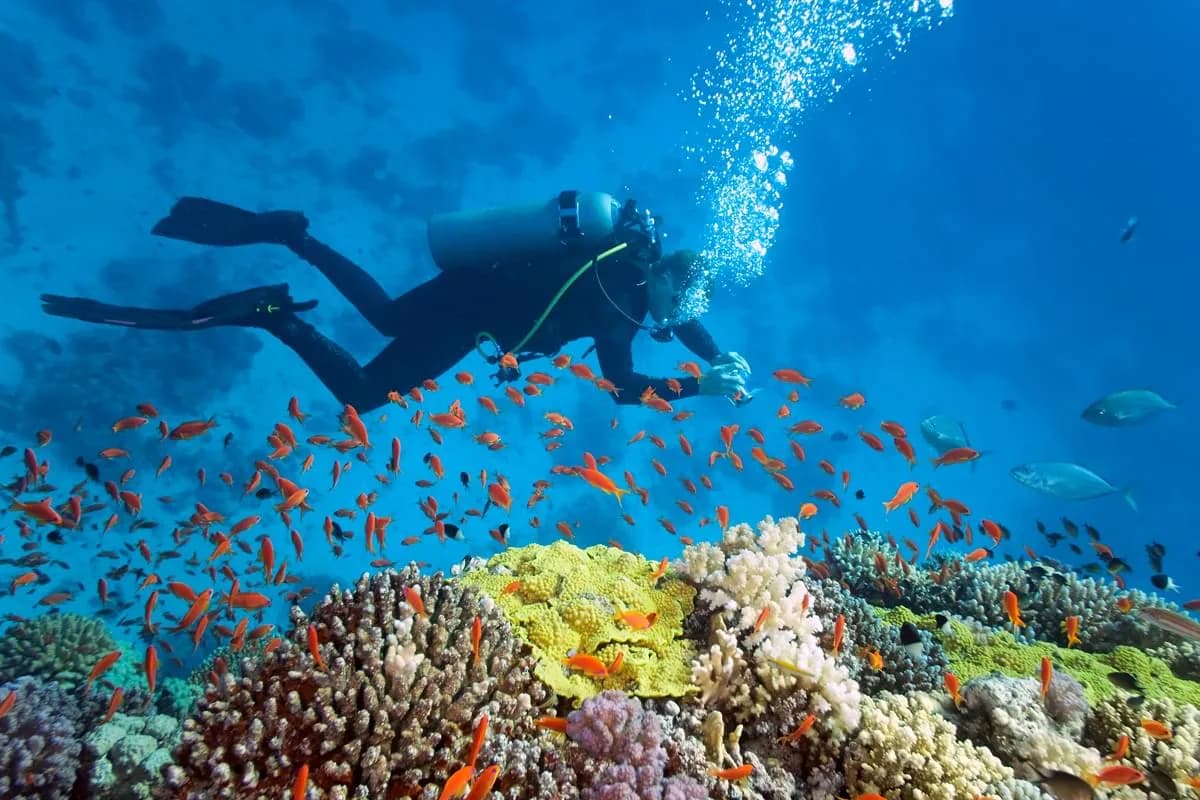
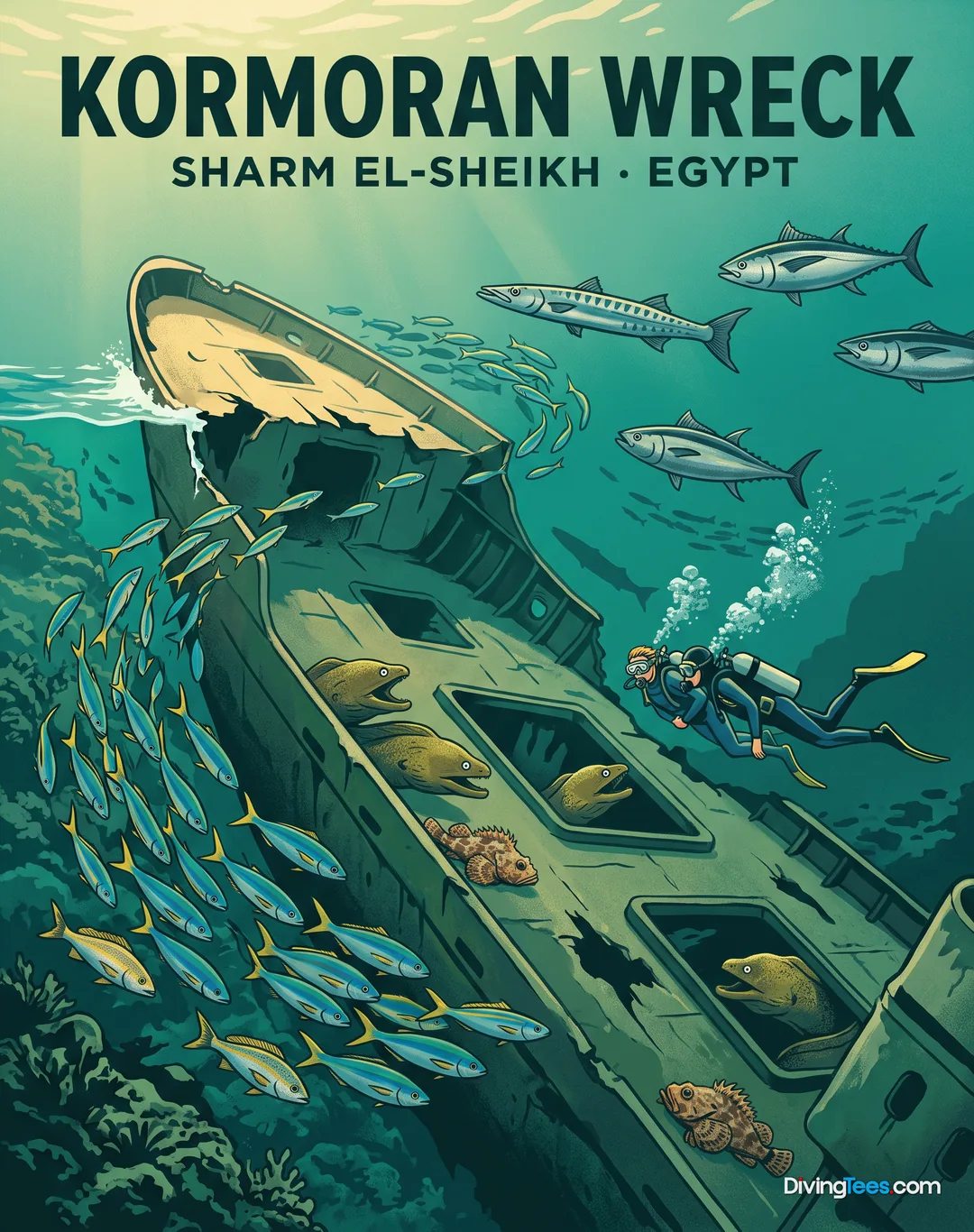
While the wrecks are the primary draw, the surrounding reef ecosystems benefit immensely from these structures. Coral growth often extends across the metal hulks, attracting a myriad of reef fish that use the wrecks for shelter and feeding grounds. This interaction between human history and natural regeneration creates a dynamic underwater tapestry, where schools of glassfish dart through former cabins and moray eels (Muraenidae) peer from portholes, adding a vibrant layer to the static structures.
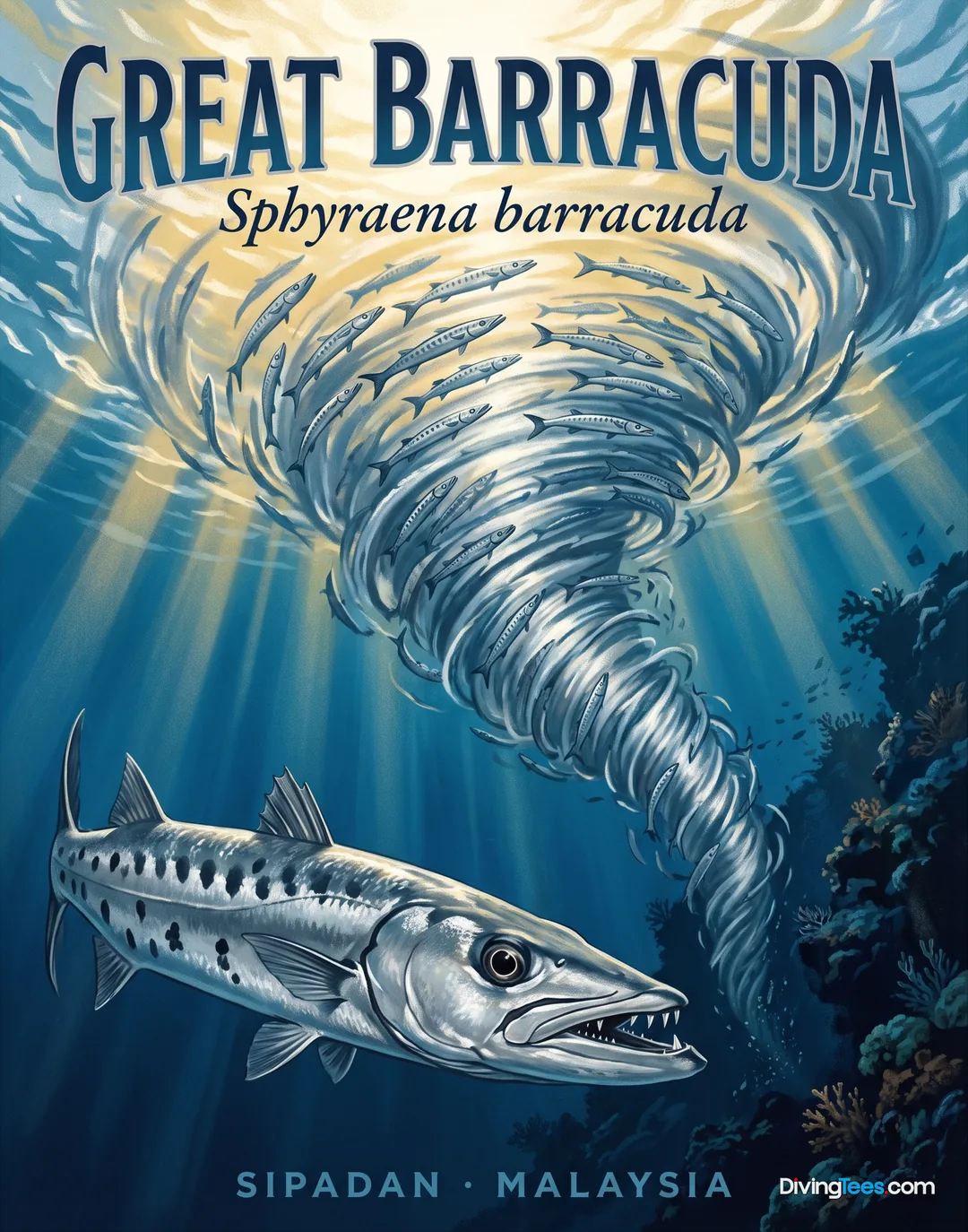
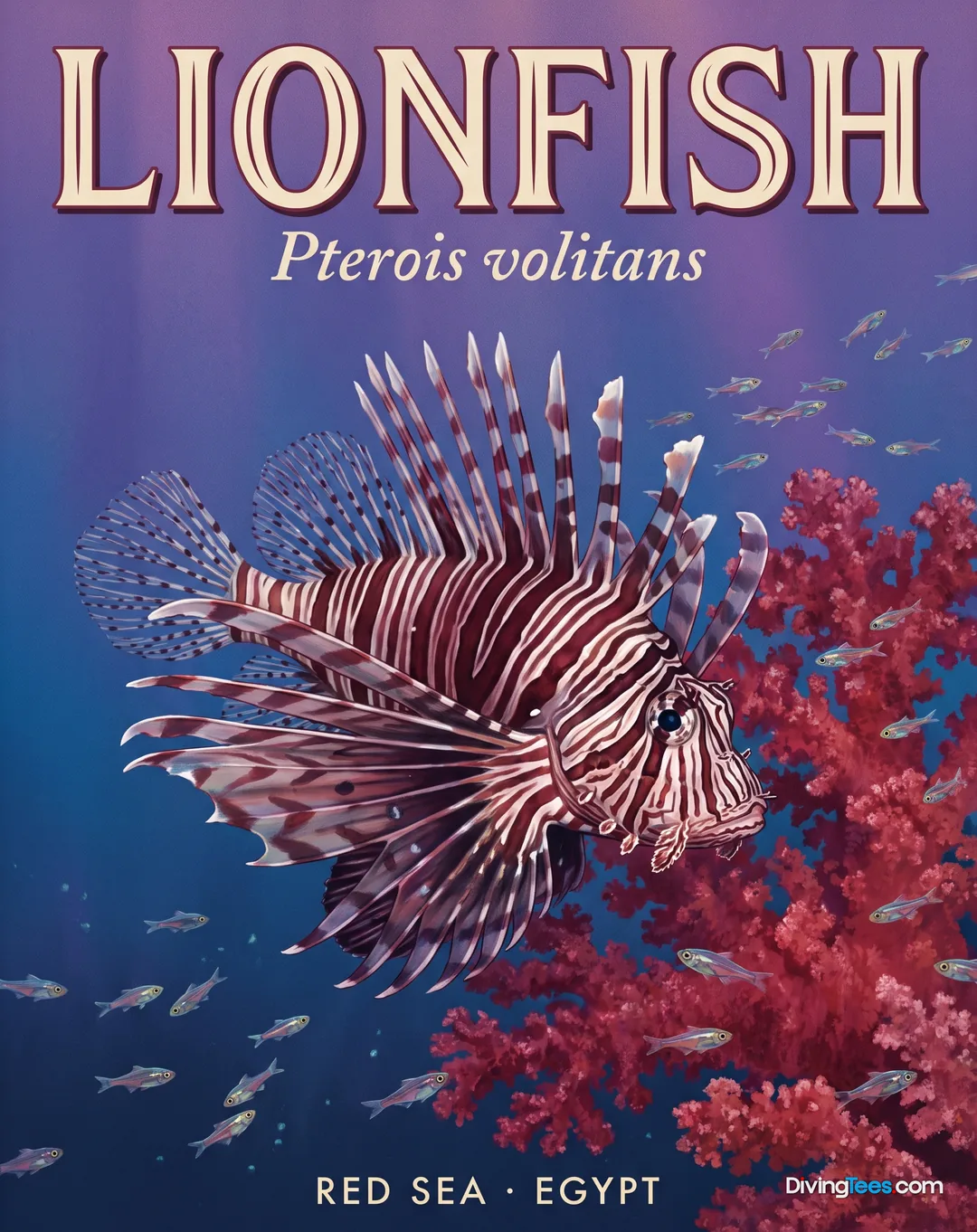
The marine life here is diverse, with common sightings including lionfish, scorpionfish, and various groupers and snappers. You will also encounter trevallies and barracuda patrolling the open water sections, while giant clams are often found nestled within the reef structures. Hard and soft corals thrive across the reefs and on the wrecks, providing habitat and food for this rich community of reef fish.
Currents are a defining feature of the Red Sea, and the Straits of Gubal are no exception. The strait experiences medium-strength currents, typical of this narrowing at the northern Red Sea, influenced by its shallow depths and the funnel effect between Sinai and the reef systems. These currents can vary locally around reef corners and wrecks, sometimes becoming stronger when wind and tidal conditions align. Navigating around these large structures often requires careful buoyancy control and an understanding of how the water moves, adding an element of skill to each dive.
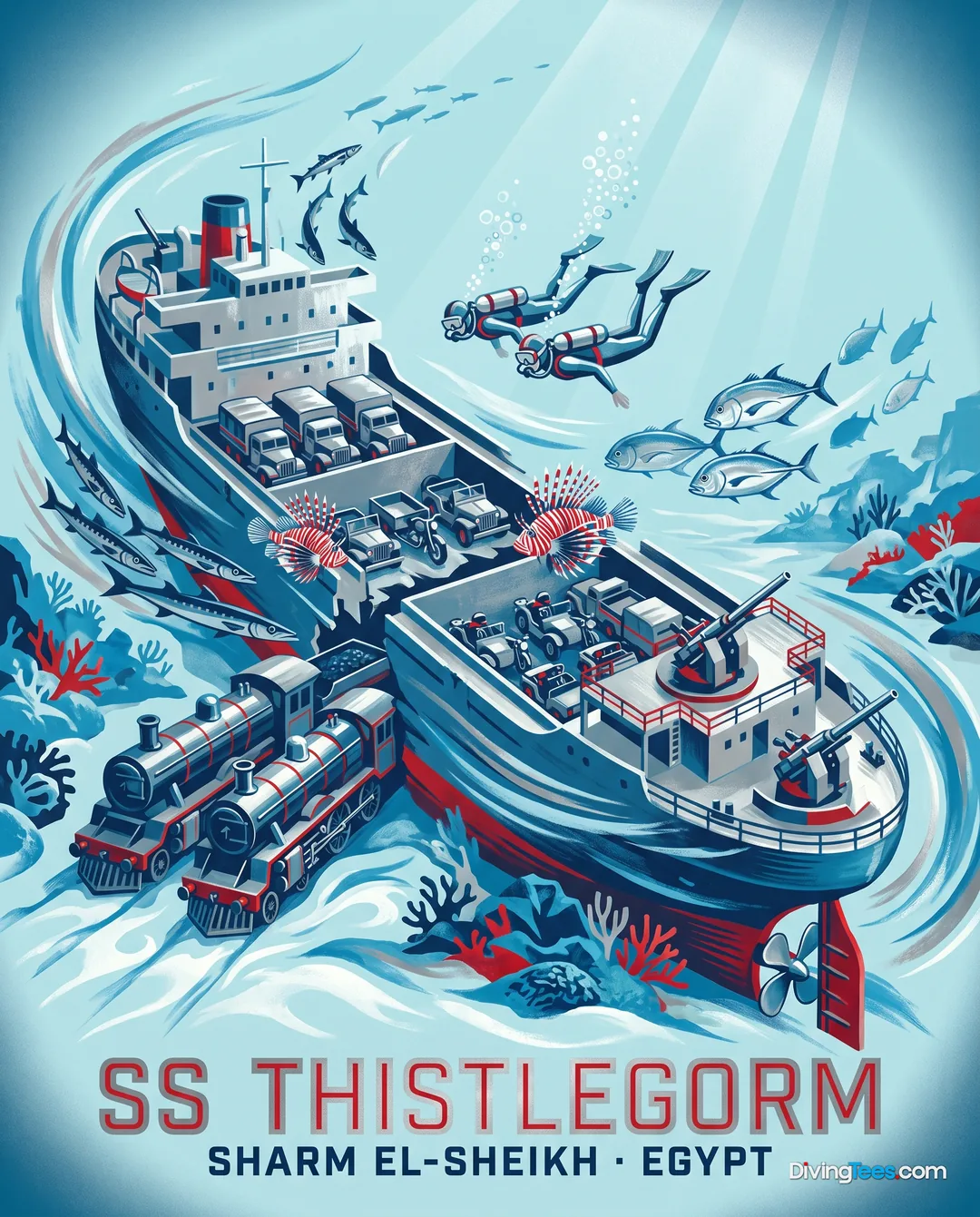
The Straits of Gubal holds one of the densest concentrations of recreational wreck dives in the Red Sea, including famous sites like the SS Thistlegorm, the Abu Nuhas wrecks, and the SS Dunraven. These historical vessels, set amid vibrant coral reef habitats, are all within day-boat range of Sharm El Sheikh. This combination of busy historic shipping lanes, shallow reefs, and challenging weather has created a unique environment for divers seeking both history and thriving marine ecosystems.
Diving in the Straits of Gubal is suitable for experienced divers and Advanced Open Water divers, with some wrecks and exposed crossings recommended for those comfortable with moderate currents, boat entries, and deeper profiles. Depths range from 5 metres to 50 metres. Visibility typically ranges between 15 and 30 metres. The strait has medium-strength currents, which can become stronger locally around reef corners and wrecks, particularly when wind and tidal conditions align. Year-round diving is possible, but conditions are generally best in spring (March–May) and autumn (September–November) when winds are lighter, making crossings to exposed wrecks more reliable.
★★★★★
★ 9.3/10 (7,068 reviews)
46 km away as the crow flies
★★★★
★ 8.9/10 (1,341 reviews)
46 km away as the crow flies
★★★★★
★ 9.3/10 (5,468 reviews)
58 km away as the crow flies
★★★★★
★ 9.1/10 (2,260 reviews)
53 km away as the crow flies
11 liveaboards depart from Sharm El Sheikh another way to explore the region, over several days at sea.
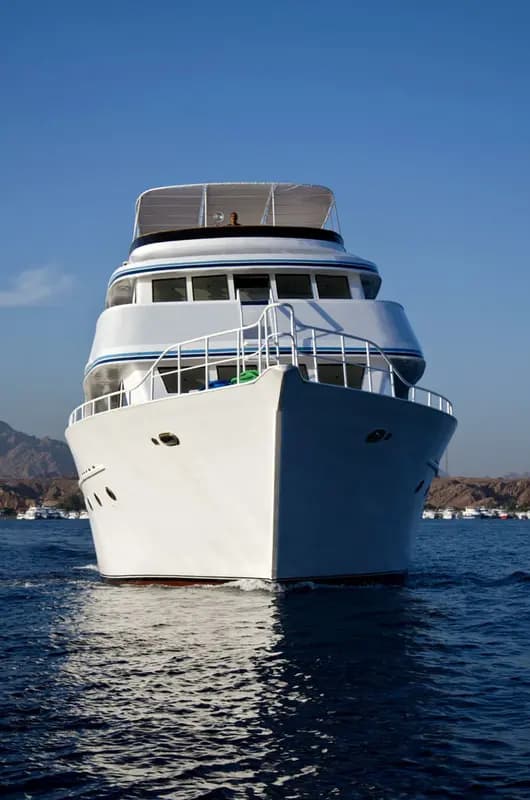
Departing from Sharm El Sheikh Marina
★ 9.3/10 (308 reviews)
from 130 €/day
Discover this boat →

Departing from Sharm El Sheikh Marina
★ 9.2/10 (70 reviews)
from 115 €/day
Discover this boat →
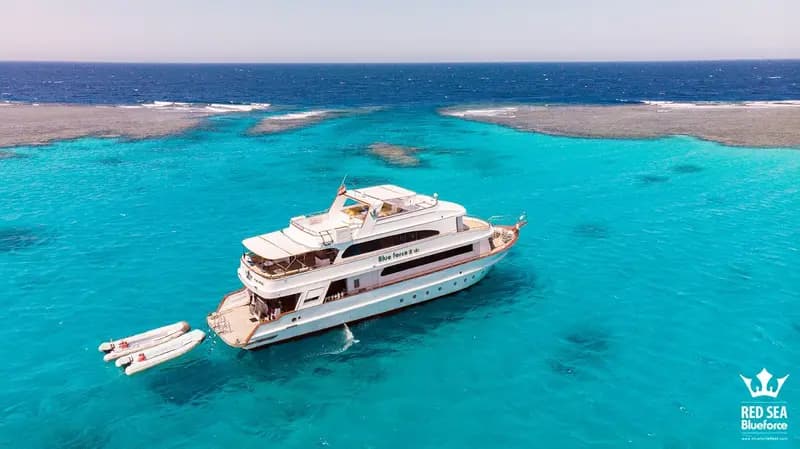
Departing from Sharm El Sheikh Marina
★ 9.1/10 (48 reviews)
from 154 €/day
Discover this boat →

Departing from Sharm El Sheikh Marina
★ 9.1/10 (36 reviews)
from 146 €/day
Discover this boat →