
Sea Life Sharm Diving Center
Google 4.9/5 (1,615 reviews)
4.8 km away as the crow flies
Sharm El Sheikh · Egypt · Red Sea
Max. depth · 31 mJackson Reef offers a dynamic interface between vibrant coral ecosystems and the vastness of the Red Sea, promising encounters with a diverse range of marine life from reef inhabitants to schooling hammerhead sharks.
For subtitles in English: start the video firstthen click the gearat the top right of the video, select “Subtitles/CC”, then “Auto-translate” and choose “English”.
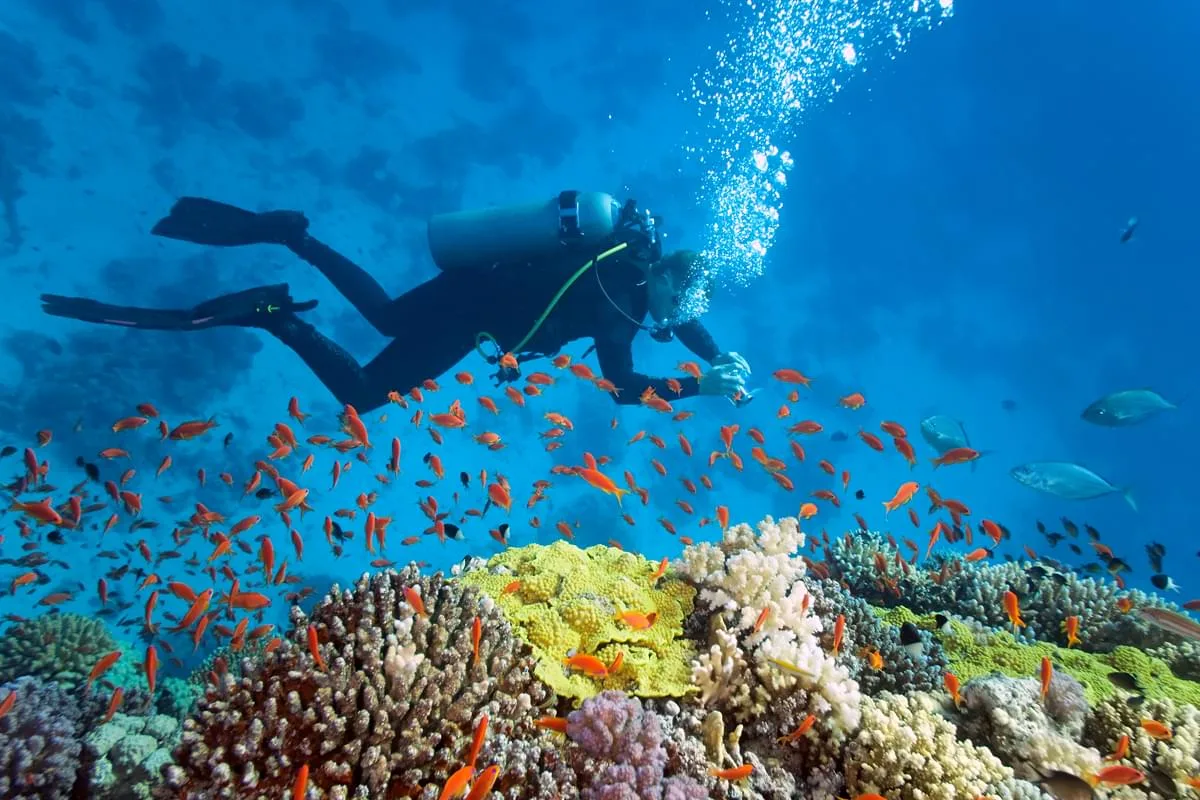
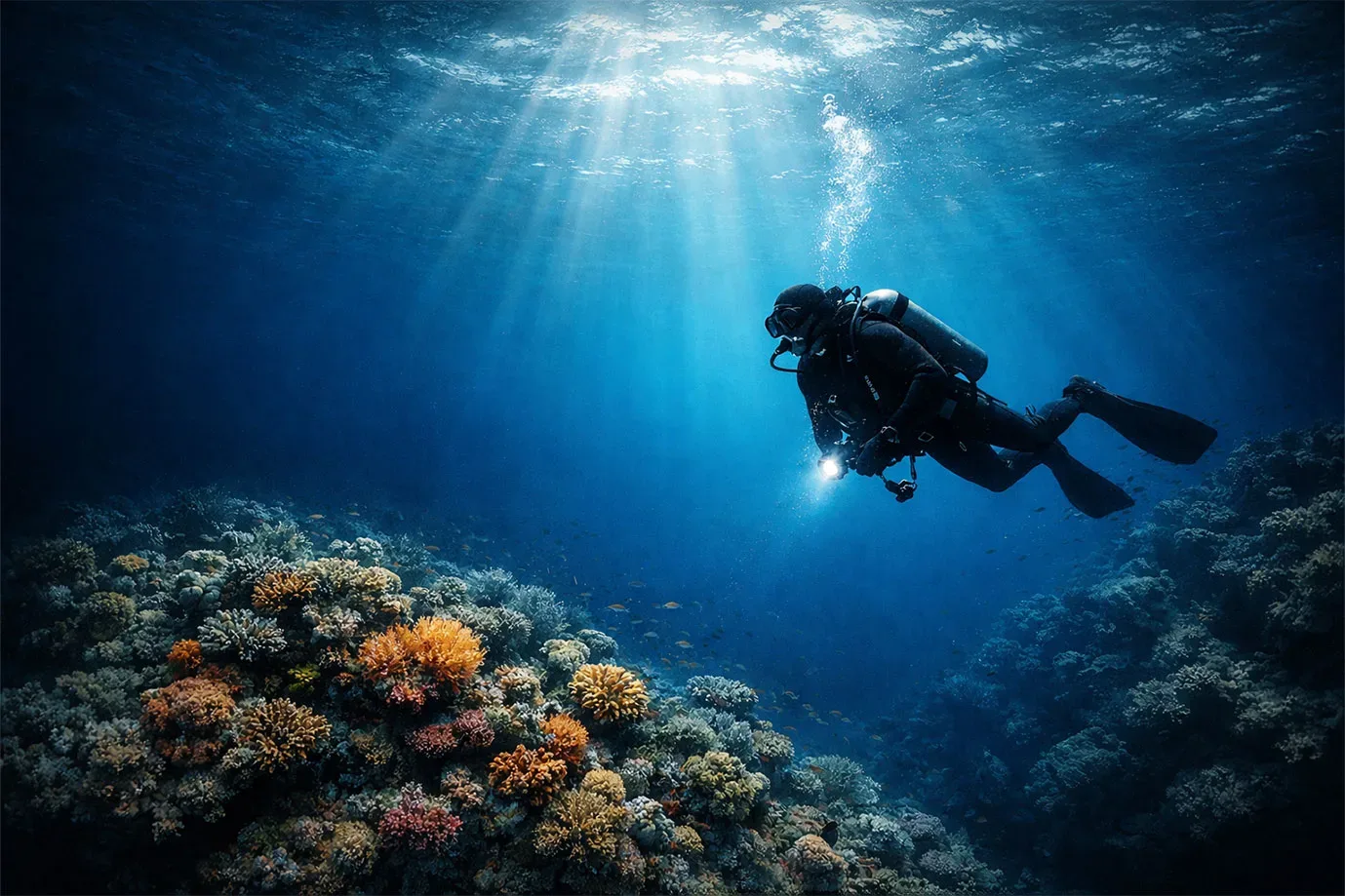
Jackson Reef, the northernmost sentinel of the formidable Tiran reefs, is a true showpiece of Sharm El Sheikh's underwater tapestry. Your descent here immediately plunges you into a world where expansive coral plateaus merge seamlessly into dramatic walls, creating a complex topography that promises dives of discovery. This intricate structure supports a thriving reef ecosystem, drawing divers into its vibrant embrace from the moment you equalize your ears.
The topography of Jackson Reef is a mosaic of life and geological grandeur. While exploring, you'll find yourself navigating extensive coral plateaus, bustling with a kaleidoscope of reef fish and invertebrates, before encountering the reef's spectacular walls. These vertical gardens plunge into the depths, adorned with healthy hard and soft corals, each crevice and overhang offering a potential hiding spot or feeding ground for resident marine life. The reef wall on the south side plunges steeply down to a sandy bottom at 45 meters, marked by a few fissures. As you move westward, you’ll encounter gorgonian fans and a prominent red anemone around 28 meters.
The southwest corner of Jackson Reef is characterized by dense fire corals (Millepora dichotoma) and is notably exposed to currents, which can intensify here. This leads to a plateau which connects Jackson Reef to Woodhouse Reef via a saddle, offering a deeper exploration for those prepared for the conditions. The remains of the Cypriot merchant vessel, Lara, which sank here in 1985 and was partially broken up in 1996, are scattered around the reef, serving as an artificial habitat.
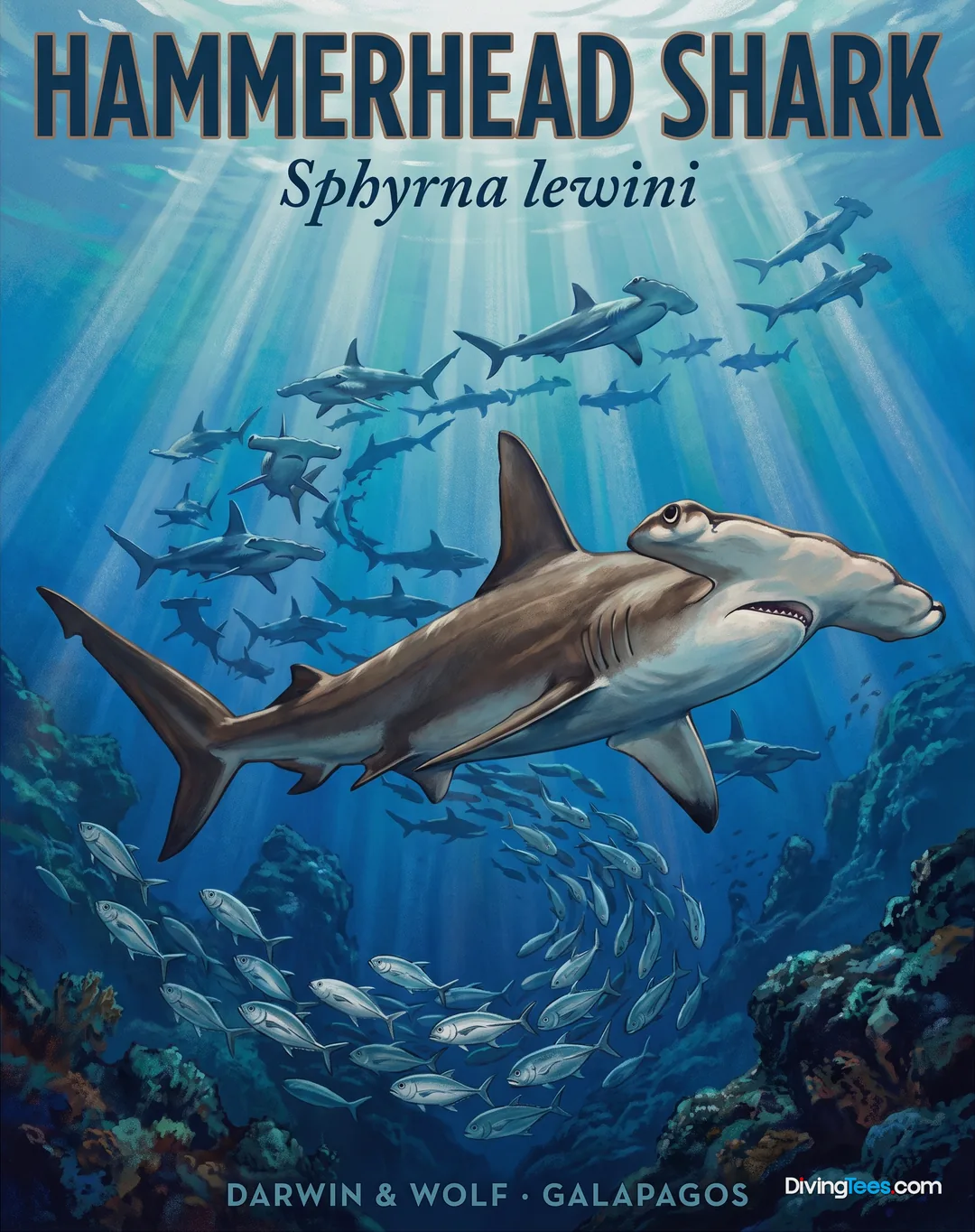
During the summer, particularly between July and September, Jackson Reef takes on an even more exhilarating character. As you keep your gaze peeled into the blue, especially towards the north of the reef, you might witness the main attraction: schooling hammerhead sharks (Sphyrna lewini). These magnificent pelagics are drawn to the nutrient-rich waters during this season, offering an awe-inspiring spectacle that few dive sites can match.
Beyond the famed hammerheads, the summer season also brings other large pelagic species into view. The currents around Jackson Reef act as a highway for these transient visitors, and keeping an eye out into the deeper blue can reward you with sightings that transcend the usual reef inhabitants. Pelagic encounters are a draw at Jackson Reef, with turtles (Eretmochelys sp.), including species often seen in the shallower sections. The deeper waters and currents bring in larger predators. White-tip reef sharks (Triaenodon obesus) and grey reef sharks (Carcharhinus amblyrhynchos) are common, especially from July to September.
The interplay of vibrant reef life and the potential for open-water encounters is what truly distinguishes Jackson Reef. This isn't just another dive site; it's a dynamic interface between the sheltered coral ecosystems and the vastness of the Red Sea. The dramatic walls, teeming with smaller reef fauna, serve as a rich backdrop to the occasional appearances of larger marine predators, providing a comprehensive and varied dive experience.
When conditions are favorable, particularly during outgoing tides, a drift dive along the eastern side of the reef becomes feasible. This section features a sandy ledge at approximately 15 meters that descends into deeper water to the north, often revealing larger marine life.
Jackson Reef is best suited for intermediate divers, accessible from DIVER LEVEL 2. Depths range from 7 to 45 meters. Dives typically begin on the south side, which offers shelter from prevailing winds and waves, with a large metal buoy and two reef moorings at water level. Current intensity varies significantly; while the south side offers shelter for entry, the southwest corner, and both north and south sections, can experience strong to extremely violent currents. The best period to dive here, particularly for encountering hammerhead sharks (Sphyrna lewini) and other pelagic species, is during the summer months, specifically between July and September.
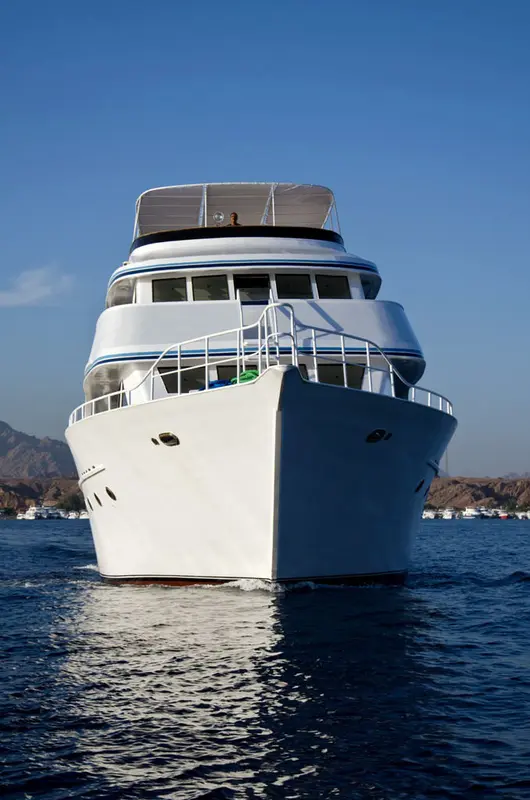
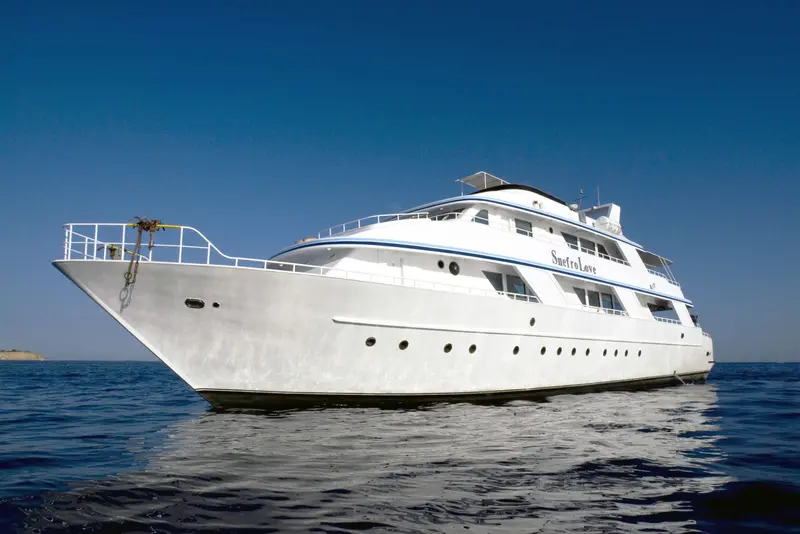
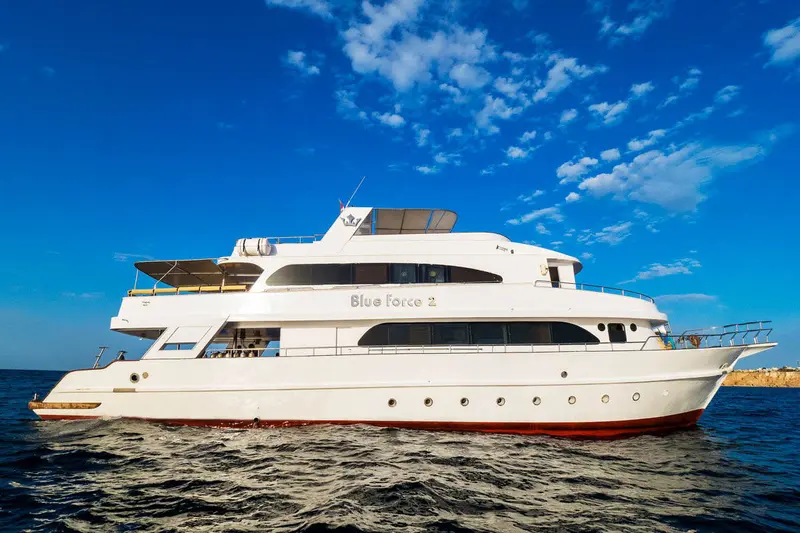
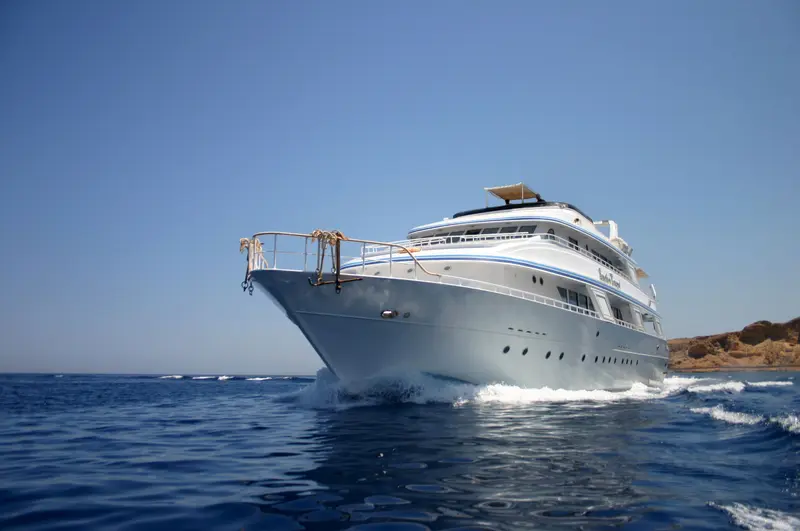
11 liveaboards depart from Sharm El Sheikh another way to explore the region, over several days at sea.
The best period to dive Jackson Reef is during the summer, particularly between July and September. During this season, you may encounter schooling hammerhead sharks and other pelagic species. White-tip reef sharks and grey reef sharks are also common then, while turtles may appear in the shallower sections.
Jackson Reef is best suited for intermediate divers and is accessible from Diver Level 2. The site combines coral plateaus, dramatic walls, deeper sections, and areas affected by strong currents. You should be comfortable with varied underwater terrain and changing conditions before exploring its more exposed sections.
Jackson Reef offers depths from 7 to 45 meters, with wall diving reaching 31 meters. The south wall descends steeply to a sandy bottom at 45 meters, while a red anemone is found around 28 meters. On the eastern side, a sandy ledge lies at approximately 15 meters.
Current intensity at Jackson Reef varies significantly. The south side provides shelter from prevailing winds and waves for entry, while the southwest corner and northern and southern sections can have strong to extremely violent currents. You may see coral plateaus, walls, sharks, turtles, hammerheads, fire coral, and the Lara wreck remains.