

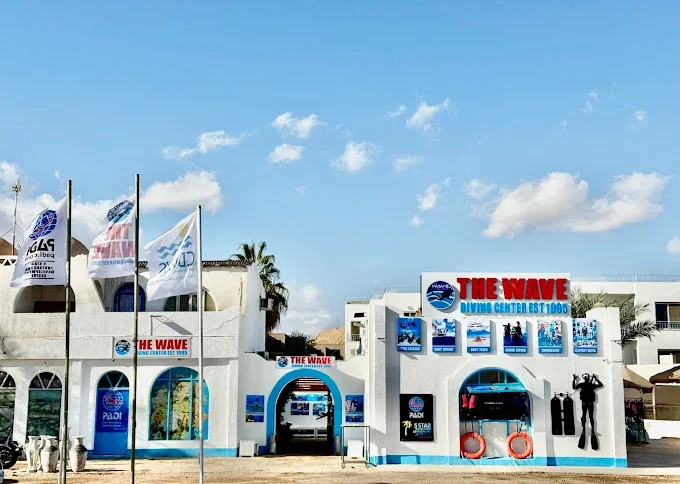

The Wave Diving Center
Google 4.9/5 (1,377 reviews)
37 km away as the crow flies
Sharm El Sheikh · Egypt · Red Sea
Max. depth · 31 mDive into the SS Thistlegorm, a monumental underwater museum in the Red Sea, where a British armed merchant navy ship, sunk in 1941, offers an unparalleled journey through World War II history.
For subtitles in English: start the video firstthen click the gearat the top right of the video, select “Subtitles/CC”, then “Auto-translate” and choose “English”.
Dropping down onto the SS Thistlegorm, a 128-meter British armed merchant navy ship, is like entering a submerged museum, a dramatic descent into a pivotal moment in history. This world-renowned wreck, sunk by German bombers in 1941, rests upright on the sandy seabed of the Strait of Gubal, on its eastern side. From the moment you begin your drop, the sheer size of this vessel starts to impress, slowly revealing its iconic silhouette against the clear Red Sea waters, inviting you on a journey through time and serving as a testament to the scale of World War II logistics.
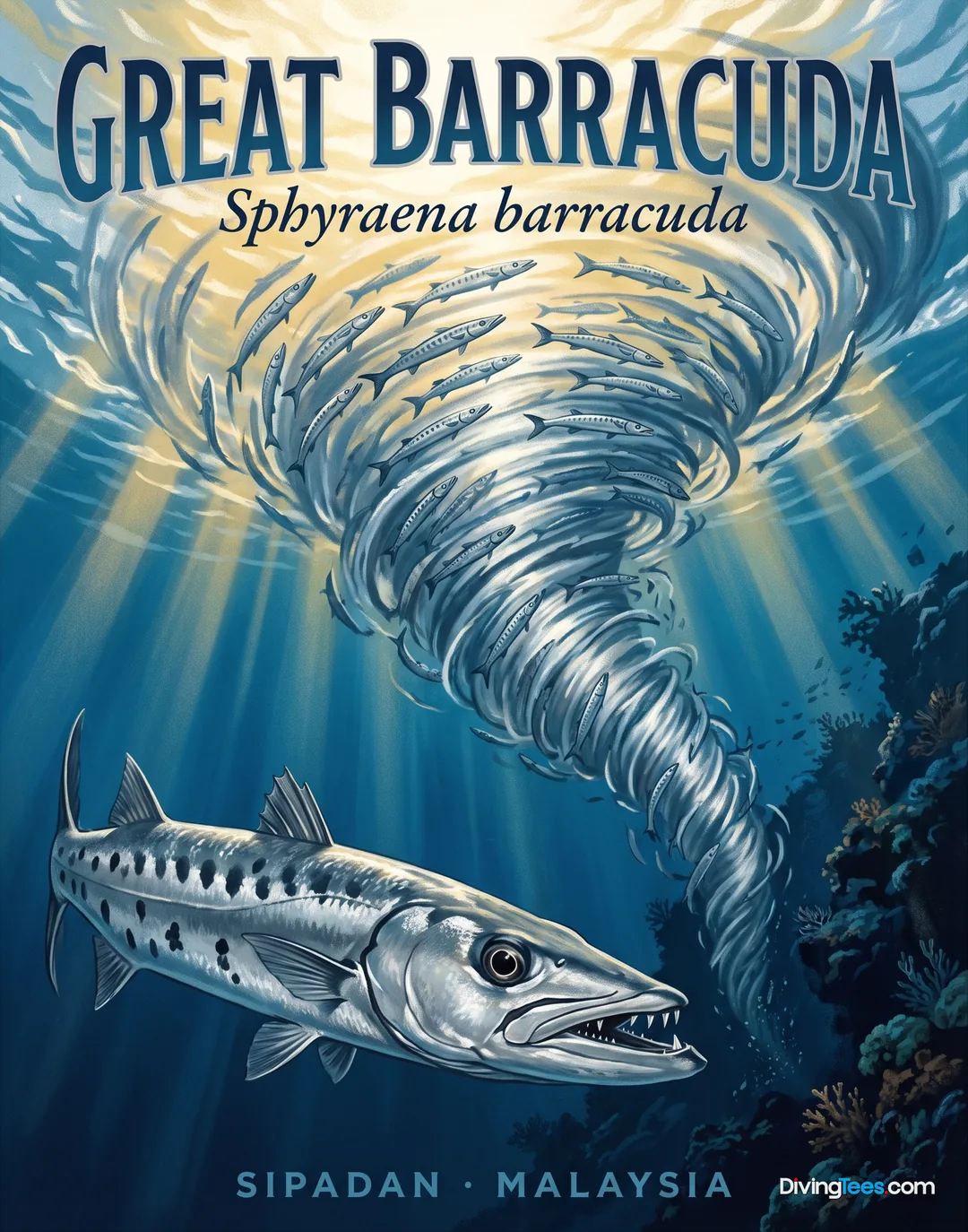
As you approach the main deck, the true scale of the wreck becomes apparent. Naval guns still stand sentinel, their barrels pointing defiantly towards the surface, frozen in time, particularly the anti-aircraft guns mounted at the stern, which points northeast, aiding navigation along the deck and into the ship's accessible holds. The ship's structure is remarkably intact, allowing divers to navigate through its various areas, with the exterior patrolled by barracudas (Sphyraena barracuda), giant trevally (Caranx ignobilis), and snappers (Lutjanidae) schooling around the superstructure.
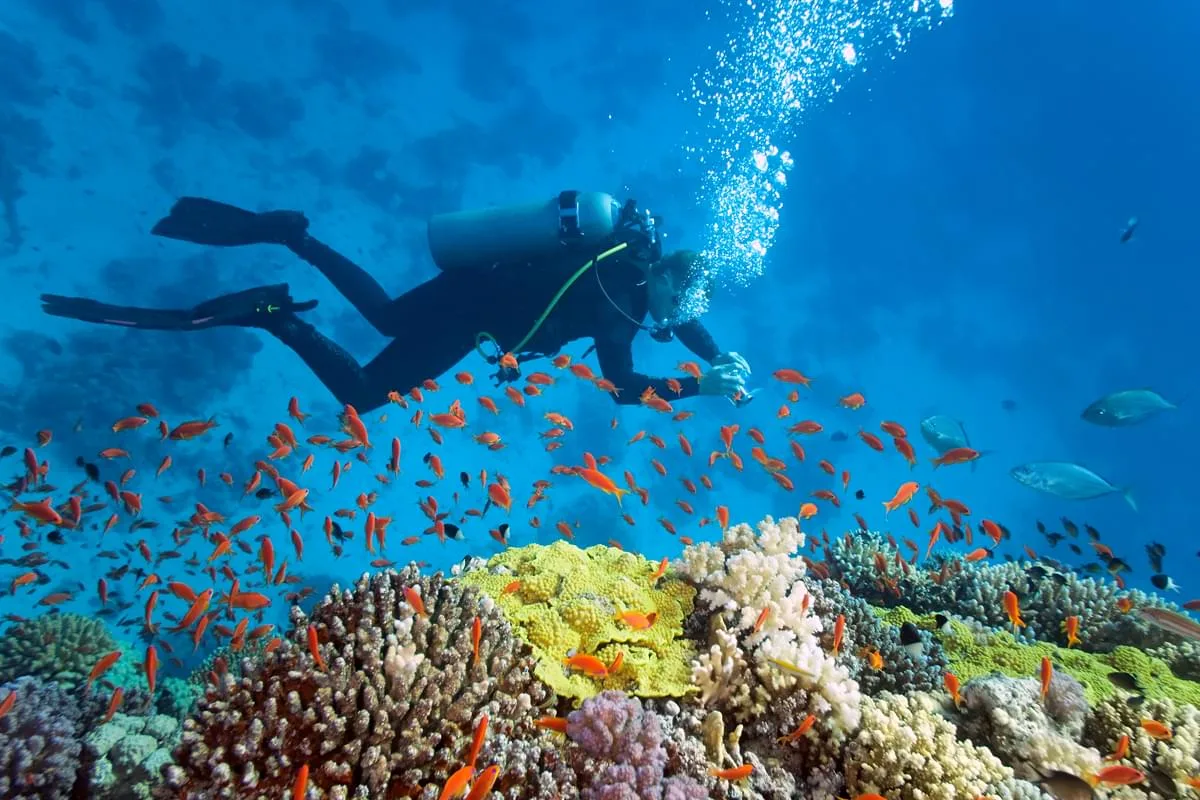
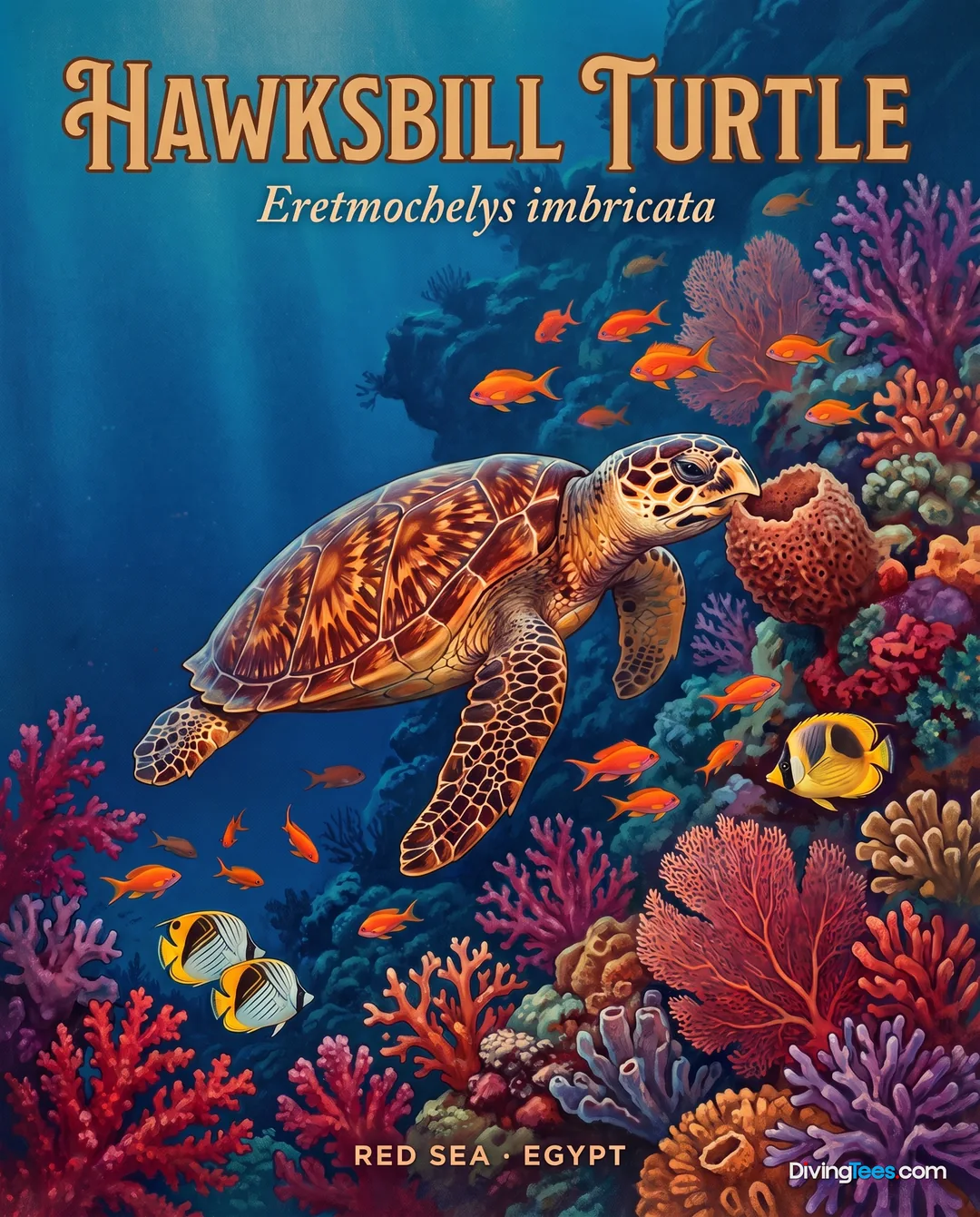
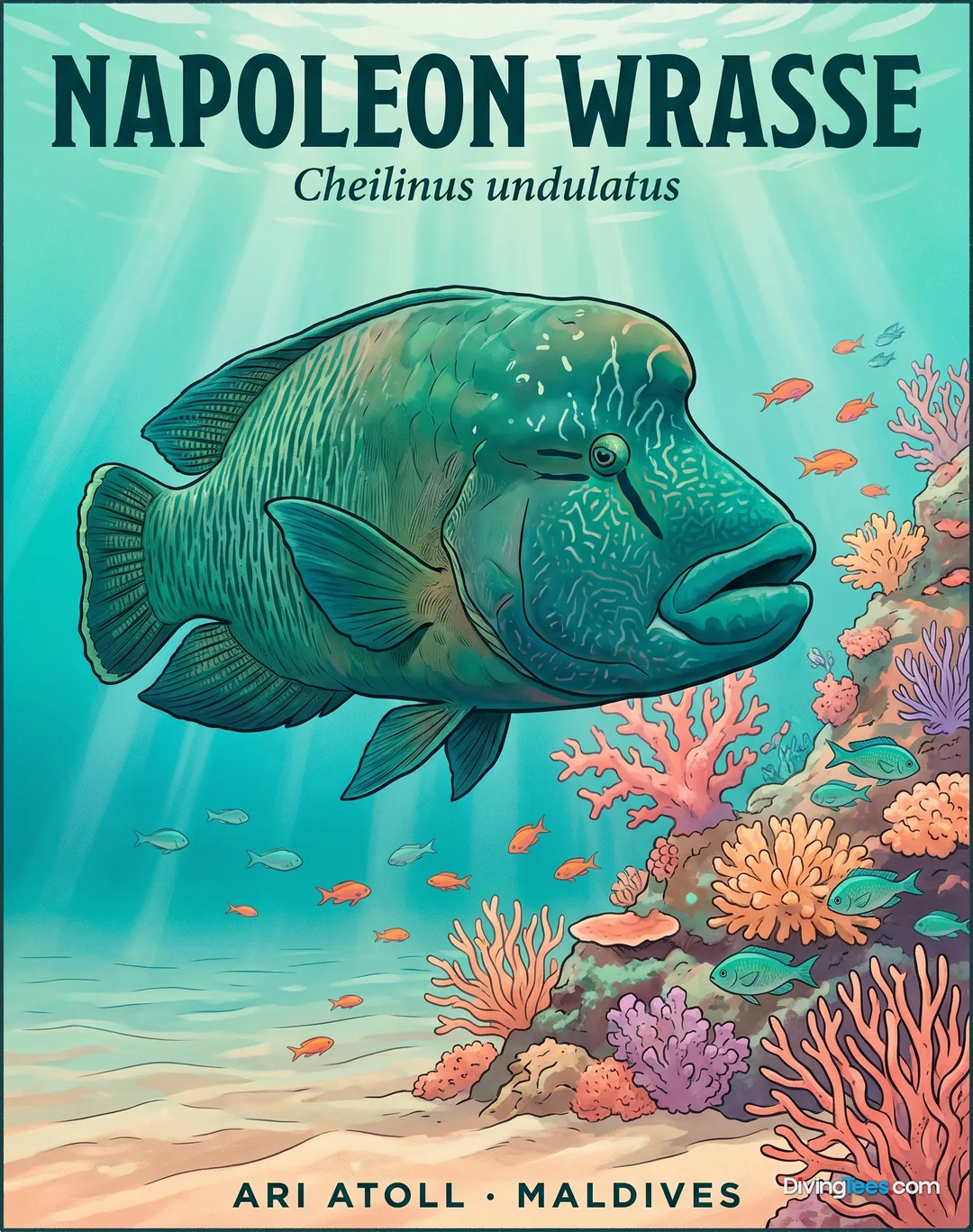
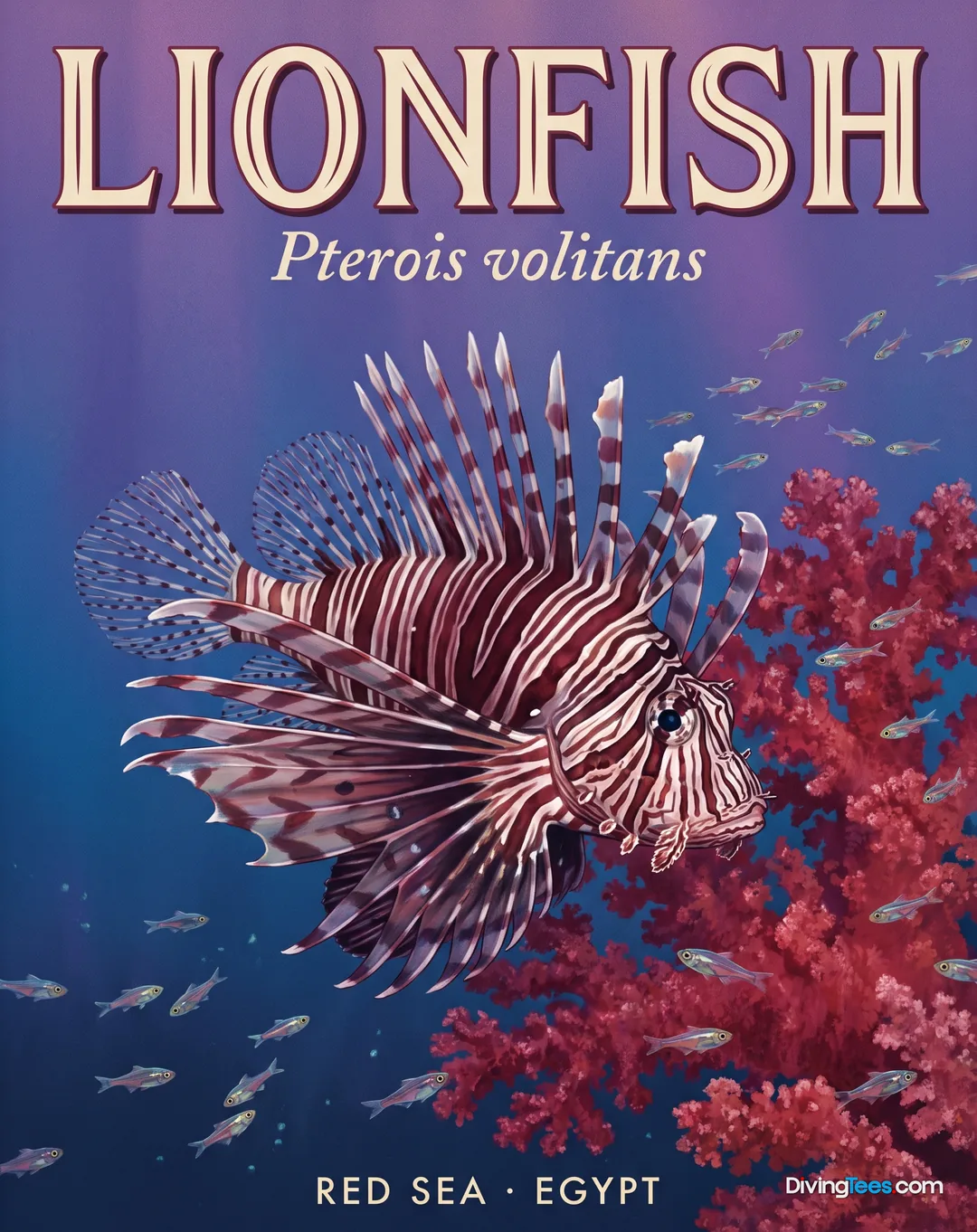
You might fin past torpedo tubes or gun platforms, remnants of its defensive capabilities, now encrusted with corals and home to countless smaller reef fish. Lionfish and scorpionfish are camouflaged on the encrusted surfaces, and moray eels emerge from their crevices. Schools of orbicular spadefish can be observed, and Napoleon wrasse are frequently sighted patrolling the wreck's perimeter. With luck, you might spot turtles, dolphins, or even sharks around the site at dawn.
The real allure lies within the Thistlegorm's cargo holds, veritable time capsules packed with military supplies. Inside, you'll encounter a fascinating array of World War II military supplies: British BSA M20 motorcycles, Bedford trucks, Ford staff cars, jeeps, and Bren carriers, all incredibly preserved and arranged as they would have been for their ill-fated delivery, still chained to the deck. Further in, amongst the various munitions cases, rubber boots, piles of rifles, and spare parts, you'll find railway wagons and two light tanks, providing an incredible insight into the equipment supplied to Allied forces in North Africa.
Two surprisingly large steam locomotives, destined for the Egyptian railways, are visible near the bow. This isn't merely an external observation; the focus here is often on the internal penetration, carefully exploring these laden cargo holds. The experience of finning through these confined spaces, illuminated by your torch, makes you consider the immense human effort and the strategic importance of this ship's mission.
The light filtering in from above, through gaps and open hatches, creates an ethereal atmosphere, highlighting details of the cargo that have remained undisturbed for over eight decades. This direct contact with history, seeing military equipment designed for desert warfare now resting on the seabed, is a powerful experience. Moving through these corridors, the confined spaces demand careful buoyancy control and a keen sense of awareness, but the reward is an unparalleled glimpse into a moment frozen in history.
The stern section is particularly notable, leading you towards the deepest point of the wreck at approximately 32 meters, where the propeller rests. The scale of the propeller itself is impressive, providing a moment to reflect on the immense power that once propelled this vessel across the seas. The maximum depth of the site is 31 meters, offering a full view of the ship's massive propulsion system.
The size of the wreck demands multiple dives to fully appreciate its scale and interior, allowing for a thorough exploration of each section without rushing. From the bridge structure, often visited for its vantage points, to the deeper sections of the holds, the narrative of this lost vessel unfolds before you, offering a profound appreciation for its history. The Thistlegorm is not merely a submerged structure; it’s a narrative of courage and conflict written in the ocean's depths.
The dive on the SS Thistlegorm is often included in popular Red Sea dive itineraries such as the 'Famous Five,' 'Reefs & Wrecks,' and 'Get Wrecked' trips, underscoring its pivotal status in the region's dive landscape. It's a journey that goes beyond mere observation of marine life; it’s an interactive engagement with a significant historical monument.
The SS Thistlegorm is accessible to Open Water Divers, though a minimum of 20 logged dives is required, and an Advanced Open Water certification (or DIVER LEVEL 3) is recommended due to potential interior depths and currents. Dive depths range from a minimum of 16 meters to a maximum of 32 meters, with the propeller being the deepest point. The current around the Thistlegorm is generally moderate but can become strong and unpredictable, especially near the surface and at the ends of the wreck or during tidal changes, requiring excellent buoyancy control and drift diving techniques. Visibility is generally very good, varying between 20 and 30 meters, but can be reduced if the current stirs up fine sediments inside the wreck or from the seabed, especially after 31 meters deep. Divers should be prepared for sometimes strong currents, which can make the dive challenging.
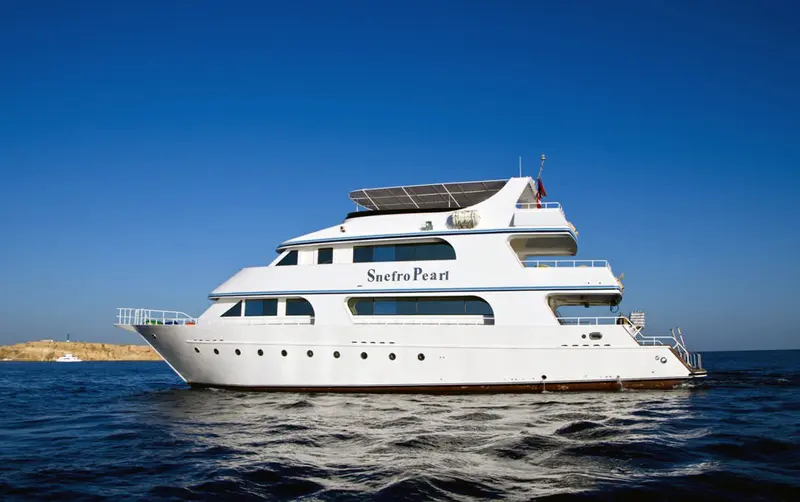
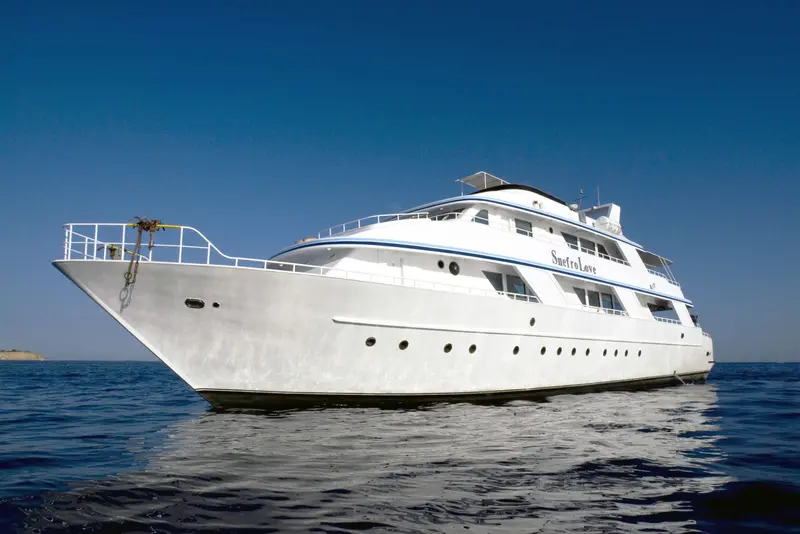
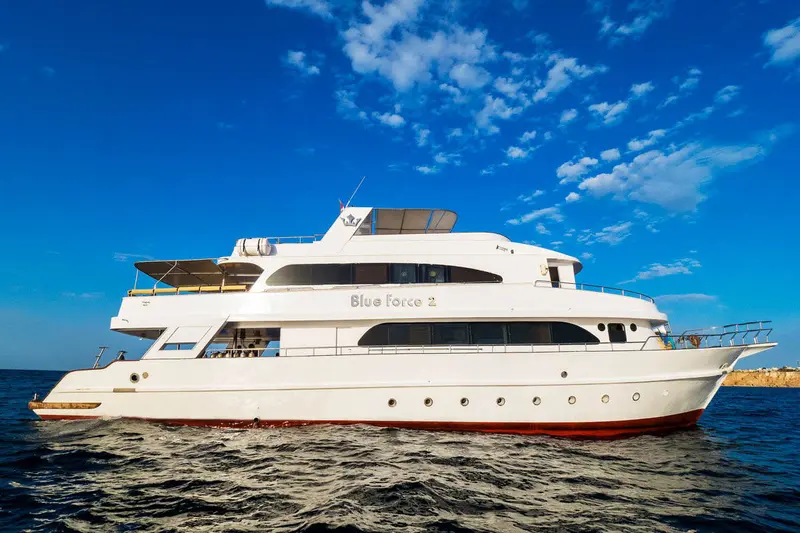
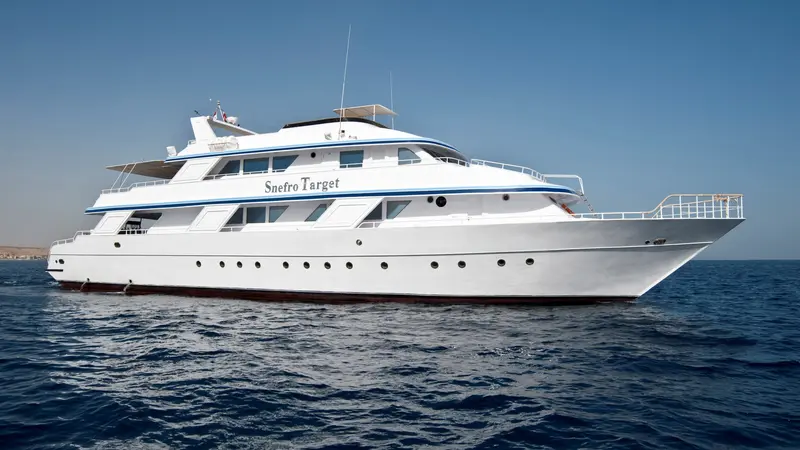
11 liveaboards depart from Sharm El Sheikh another way to explore the region, over several days at sea.
Thistlegorm Wreck is accessible to Open Water Divers, but you need at least 20 logged dives. Advanced Open Water certification, or DIVER LEVEL 3, is recommended because parts of the interior reach greater depths and currents can be challenging. Excellent buoyancy control is important when exploring the wreck.
Thistlegorm Wreck ranges from about 16 to 32 meters, with the propeller at the deepest point. The site includes the bridge, cargo holds, and interior sections, while the stern leads toward the propeller. Visibility can decrease below 31 meters when currents disturb sediment from the wreck or seabed.
Currents at Thistlegorm Wreck are generally moderate but may become strong and unpredictable, particularly near the surface, at the wreck’s ends, or during tidal changes. You should be prepared for drift diving and maintain excellent buoyancy control. Current can also stir fine sediment inside the wreck and reduce visibility.
At Thistlegorm Wreck, you can explore cargo holds containing preserved motorcycles, trucks, jeeps, Bren carriers, railway wagons, light tanks, and artillery guns. The site also includes steam locomotives, bridge structures, and stern anti-aircraft guns. Marine life includes barracudas, giant trevally, snappers, Napoleon wrasse, lionfish, moray eels, and turtles.