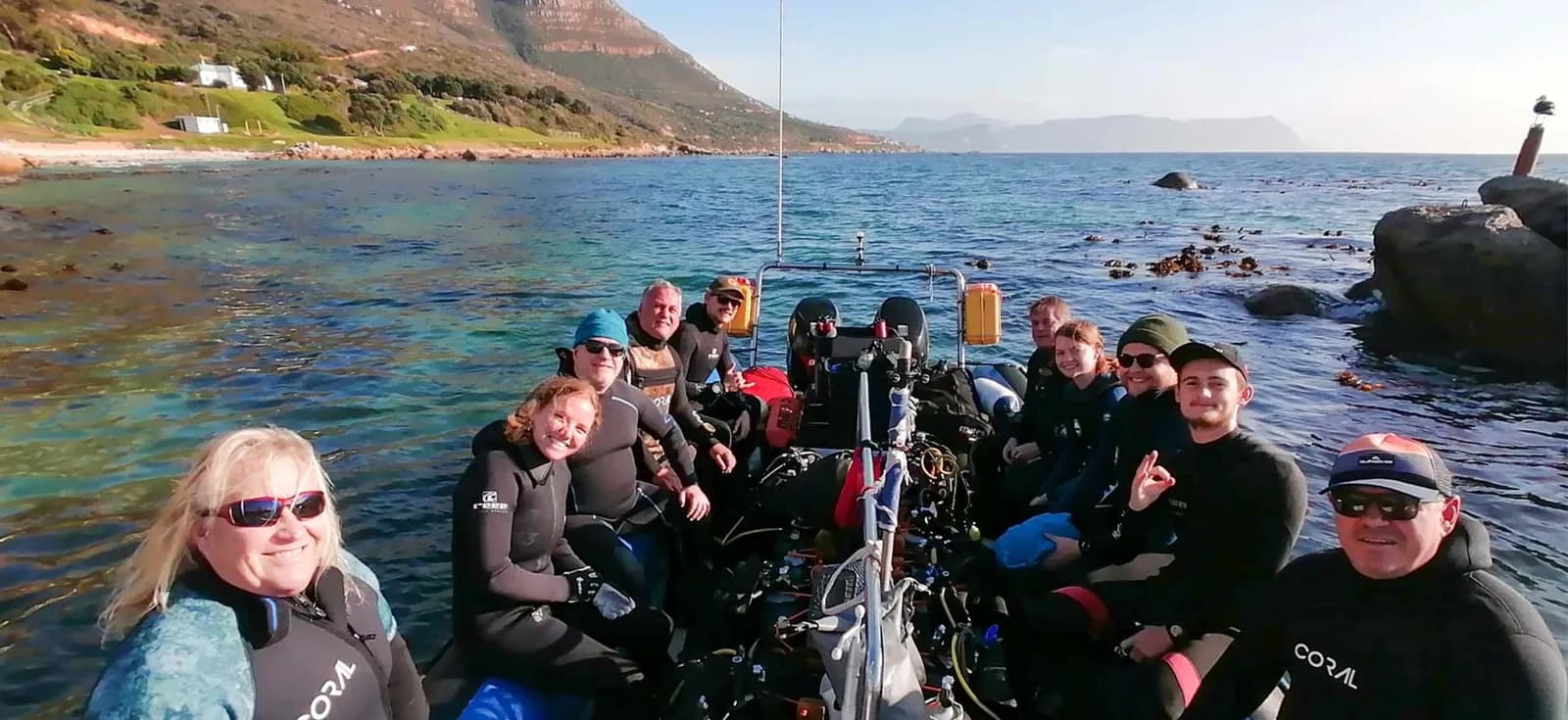

Dive Team
★ 5/5 (164 reviews)
Cape Town · South Africa · Africa
Max. depth · 5 mVenture up to 25 nautical miles offshore from Cape Point to encounter blue and Mako sharks in their open ocean habitat.
The Pelagic Shark Dive takes you far offshore from Cape Point, into the open ocean, where the water depth drops dramatically and marine life shifts from coastal reefs to pelagic species. This is not a reef dive; the experience is entirely in blue water, often many kilometres from any landmass. The operation is typically a full-day excursion, sometimes traveling up to 25 nautical miles to reach the zones where these oceanic sharks are most frequently found.
Targeting blue sharks, you'll find them to be notably calm and often quite curious. These sharks, with their long pectoral fins and sleek bodies, glide effortlessly through the water. While they can reach impressive lengths of 3.5 metres, adult animals of that size are rare to encounter; most individuals seen during these dives range between one and two metres. Their large eyes are adapted for hunting in deeper waters, and their natural diet consists primarily of squid and various fish species, making them approach cautiously to investigate.
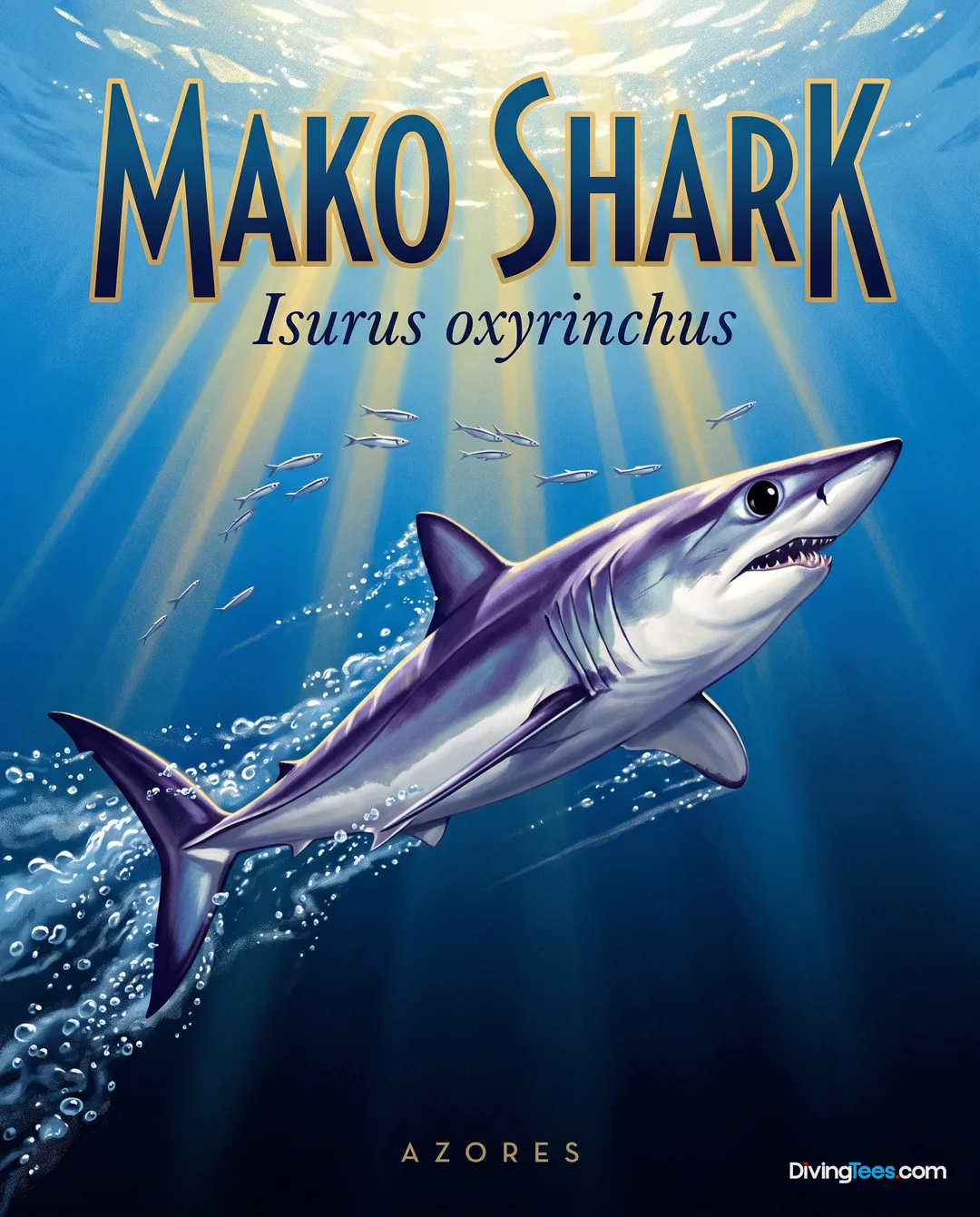
Beyond the blue sharks (Prionace glauca), the shortfin Mako sharks (Isurus oxyrinchus) are a primary attraction, renowned for their incredible speed. Makos are among the fastest marine predators, a trait crucial for hunting tuna, sportfish, and even other shark species in the open ocean. These powerful sharks can exceed four metres in length and weigh around 700 kilograms, presenting a distinct, purposeful swimming style and a prominent array of teeth that set them apart from the more placid blue sharks.
The dive profile for this pelagic encounter is geared towards observing sharks at shallow depths. You'll typically be at a maximum depth of 5 metres, with some observations occurring as shallow as 3 metres. This allows for extended bottom times and a natural interaction, as both divers and snorkelers remain near the surface. The emphasis is on natural encounters, allowing the sharks to approach on their own terms rather than forcing an interaction in deeper, less comfortable environments for sustained observation.
Visibility at the Pelagic Shark Dive site can vary widely, from a respectable 10 metres up to an exceptional 50 metres, depending on oceanic conditions and plankton blooms. This variability is typical for open ocean environments, where water masses can shift rapidly. The clear water allows for unobstructed views of these pelagic predators, offering ample opportunity for photography and direct observation as they circle the boat or approach the bait lines.
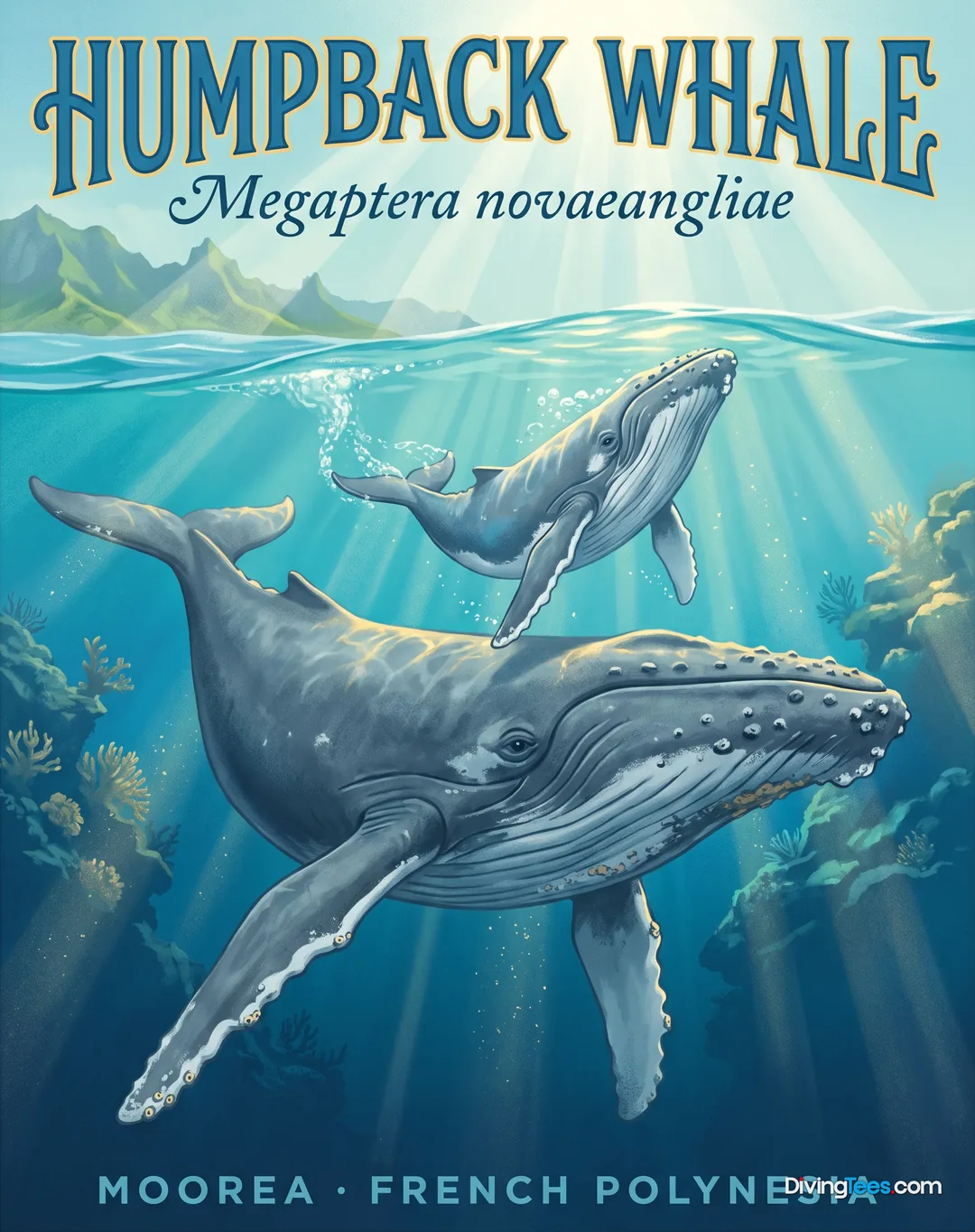
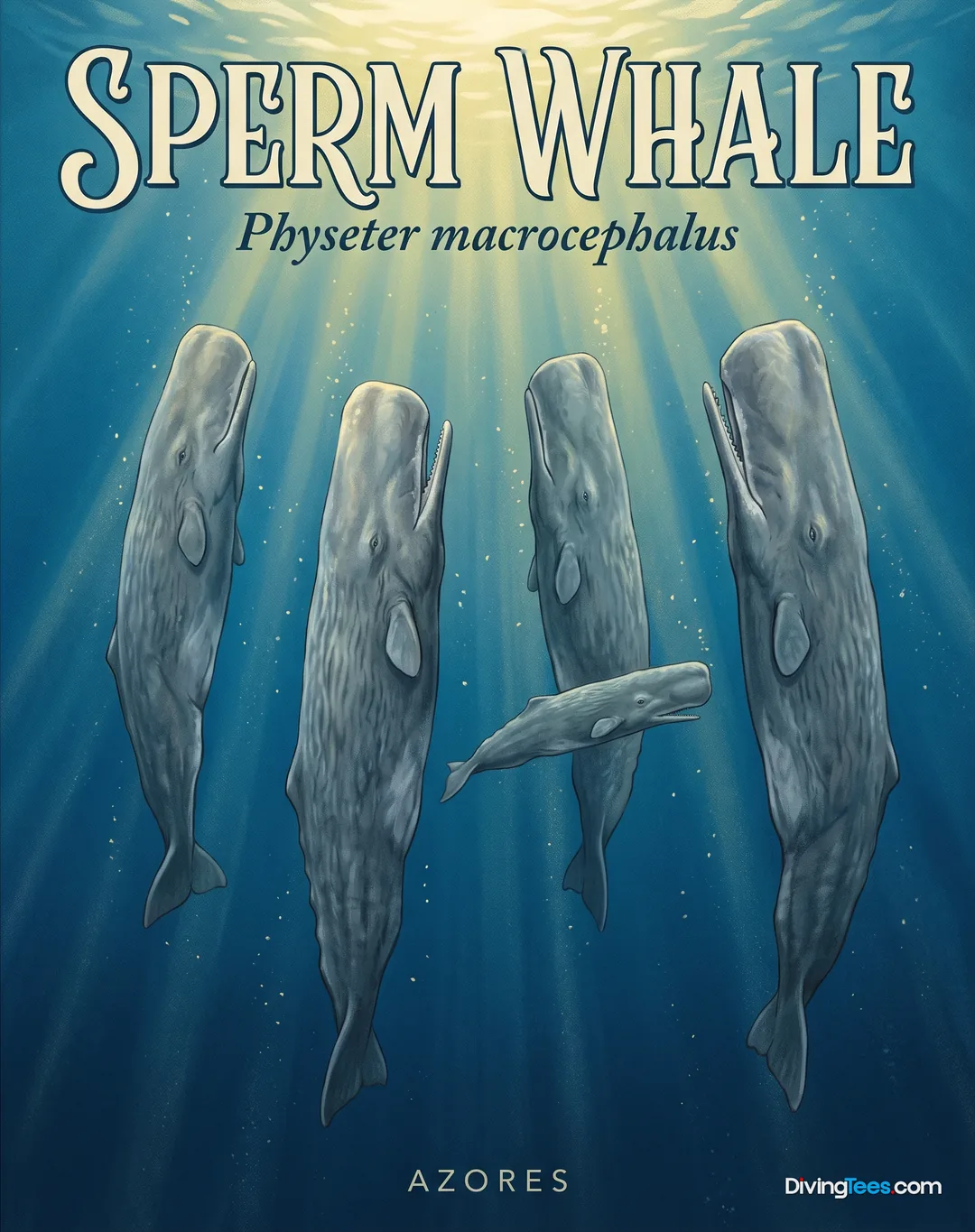
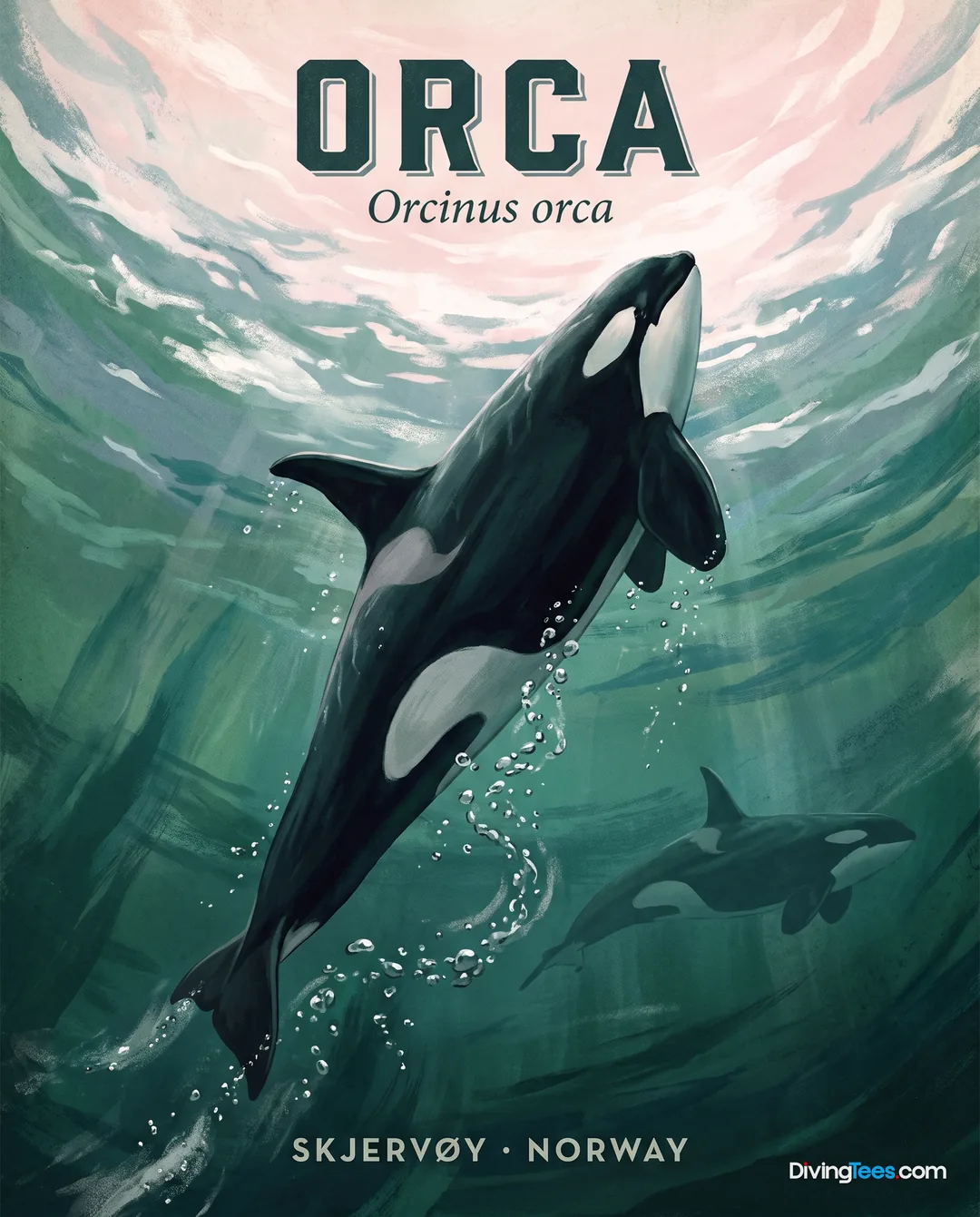
While sharks are the main draw, the open ocean surrounding Cape Point is rich with other marine and avian life. You might encounter yellowfin tuna, longfin tuna, yellowtail, dolphinfish (Coryphaena hippurus), and bonito. Oceanic birds like the shy albatross (Thalassarche cauta), Atlantic yellow-nosed albatross (Thalassarche chlororhynchos), Southern giant petrel (Macronectes giganteus), and white-chinned petrel (Procellaria aequinoctialis) are commonly seen overhead. Keep an eye out for larger marine mammals such as sperm whales (Physeter microcephalus), pilot whales, humpback whales (Megaptera novaeangliae), southern right whales (Eubalaena australis), orcas (Orcinus orca), and common dolphins (Delphinus delphis) as you transit or wait.
This site is a dedicated full-day pelagic expedition, requiring an Open Water Diver certification or the ability to snorkel effectively in open water conditions. Depths range from 3 to 5 metres, making it accessible for extended surface time and observation. Visibility is typically between 10 and 50 metres, offering clear views of the pelagic environment. The best time to experience this dive is from November through June, which aligns with the higher presence of target shark species.