Shark Cage Diving KZN
Google 4.7/5 (298 reviews)
Protea Banks · South Africa · Africa
Max. depth · 40 mTrack and immerse yourself in the largest animal migration on Earth, as billions of sardines draw a feeding frenzy of apex predators to Protea Banks.
For subtitles in English: start the video firstthen click the gearat the top right of the video, select “Subtitles/CC”, then “Auto-translate” and choose “English”.
Diving the Sardine Run off Protea Banks is an expedition into a moving spectacle, rather than a descent onto a static reef. You're not dropping onto a fixed point; instead, you're tracking vast shoals of sardines as they migrate northward along the South African coast. This involves days at sea, actively searching for the dense 'bait balls' that form when predators herd the sardines, creating an intense, unpredictable environment.
When a bait ball is located, the ocean erupts with activity. Common dolphins (Delphinus delphis) often initiate the herding, working together to compress the sardines into tight, frantic spheres. These encounters are fast-paced and high-energy, with divers often dropping into the blue to observe the deeper layers of this feeding frenzy, while snorkelers witness the chaos closer to the surface.
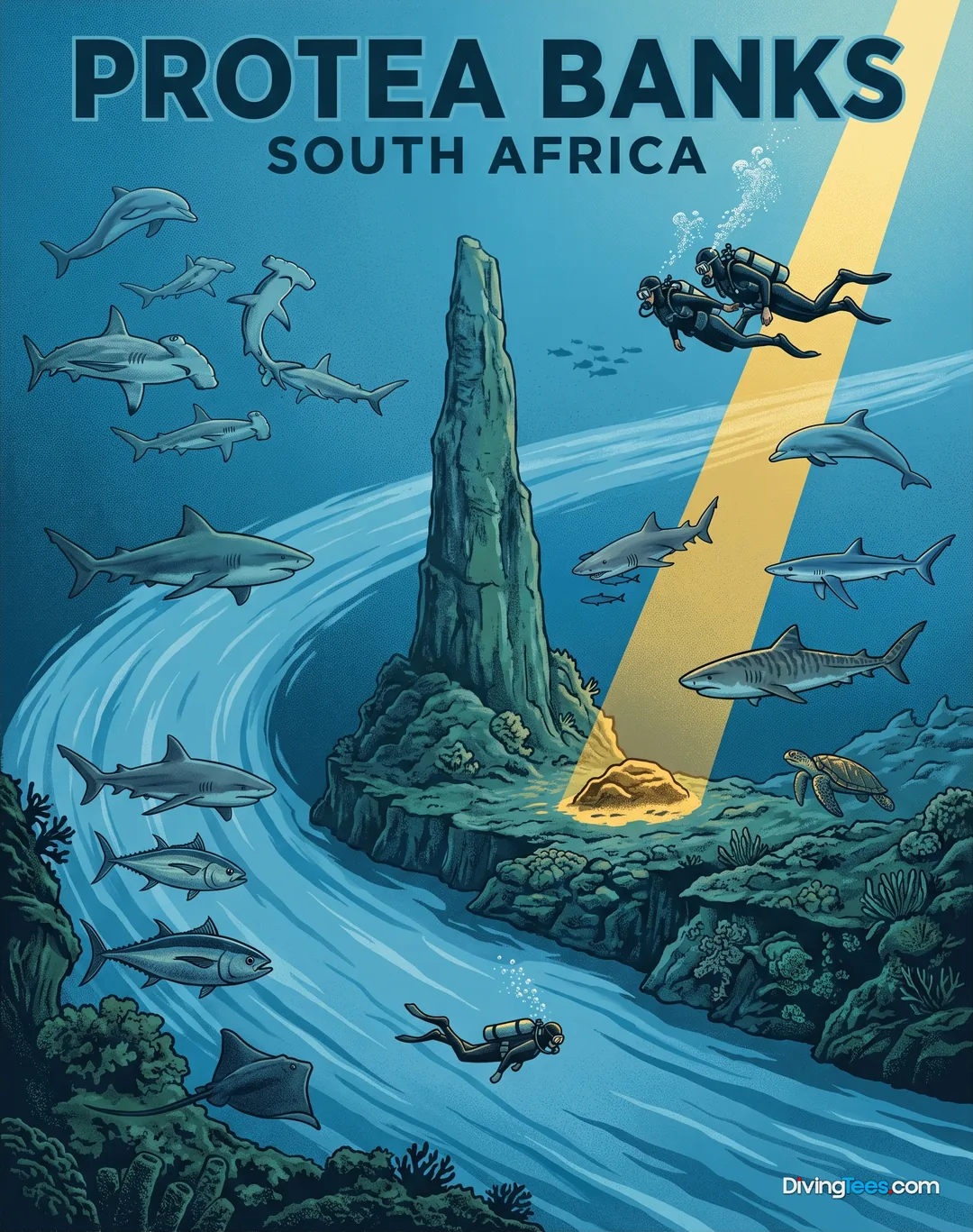
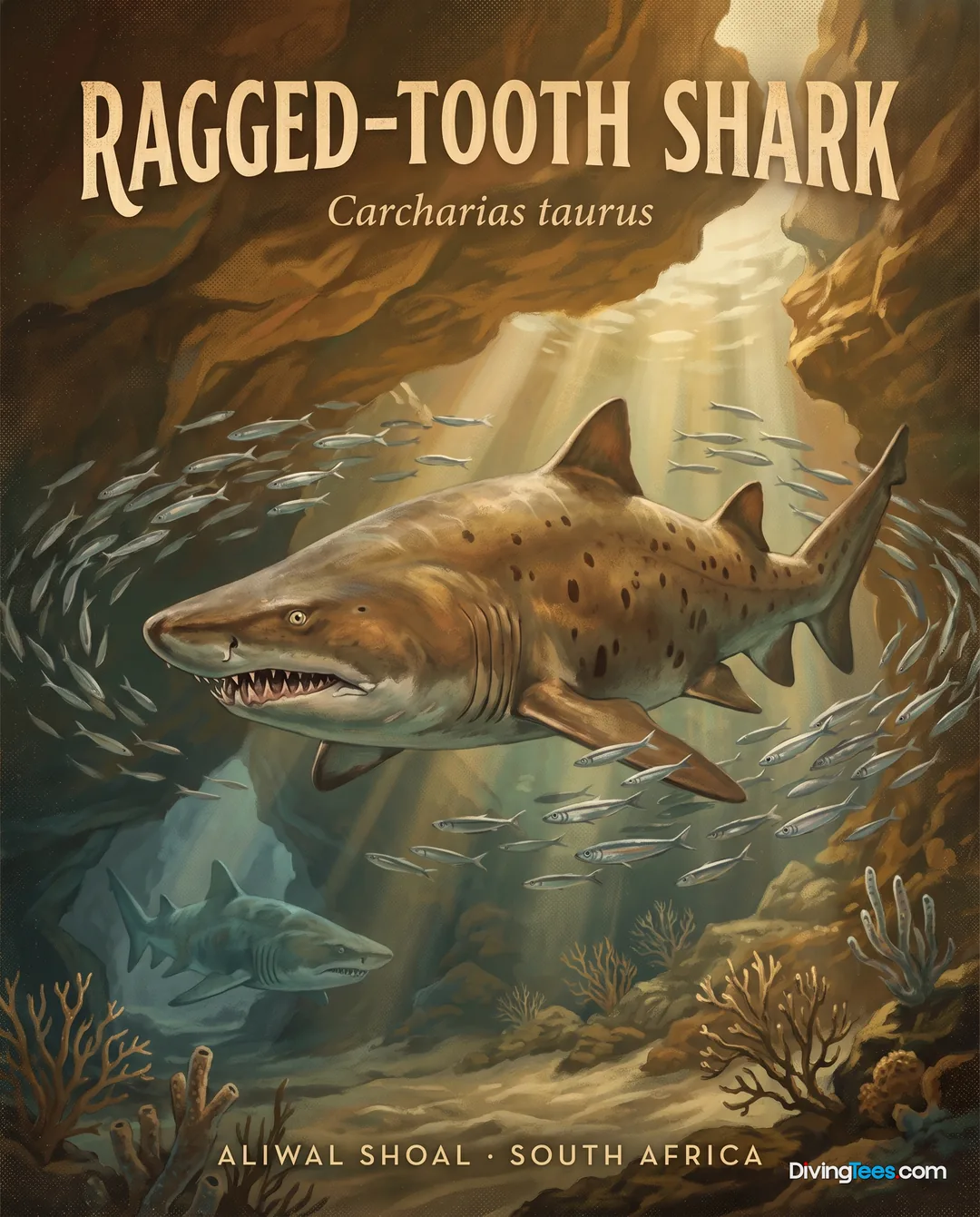
The sheer volume of life drawn to these sardine shoals is immense. You will find yourself surrounded by bronze whaler sharks (Carcharhinus brachyurus), dusky sharks (Carcharhinus obscurus), and the powerful Zambezi sharks (Carcharhinus leucas), all navigating the swirling masses with predatory intent. The action is fluid, with these large pelagics appearing and disappearing into the glittering schools, making every moment an immersive experience.
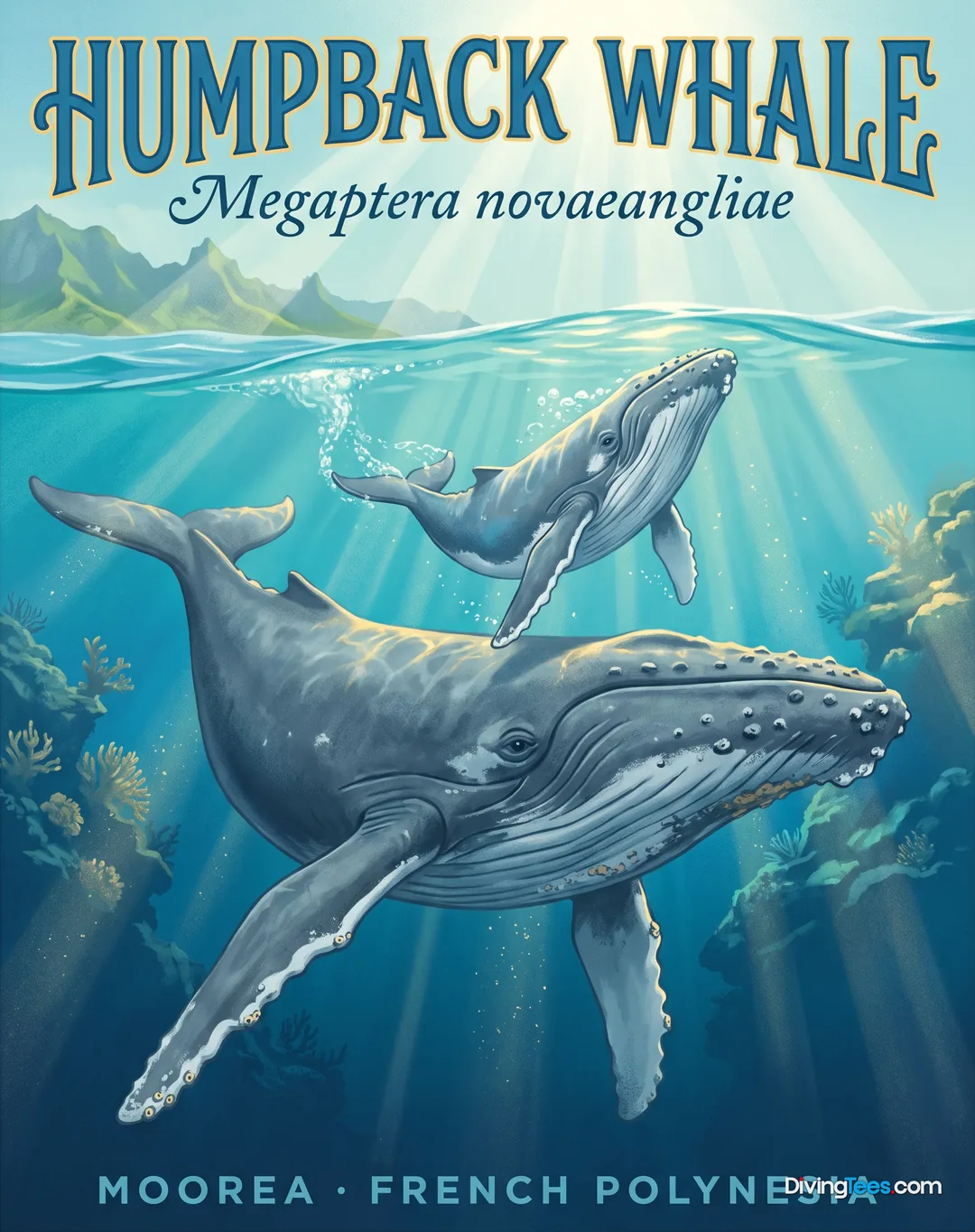
Above the surface, the spectacle continues as Cape gannets (Morus capensis) plunge headfirst into the bait balls, adding an aerial dimension to the hunt. Below, humpback whales (Megaptera novaeangliae) and Bryde's whales (Balaenoptera edeni) often join the feast, their massive mouths engulfing entire sections of the shoals. Large pelagic fish, including various tuna species, also capitalize on the abundance, creating a multi-layered predator-prey interaction.
Being in the water during such an event is a profound experience. The light constantly shifts as the bait ball moves, and the sounds of dolphins whistling, whales feeding, and gannets hitting the water create an auditory backdrop unique to the Sardine Run. It's a testament to the raw power and interconnectedness of the marine ecosystem, a primal display where billions of lives are in motion.
Protea Banks itself is an offshore reef system, lying approximately 7 to 8 kilometres off Shelly Beach. While the primary focus of the Sardine Run is the open ocean pelagic action, expeditions may offer opportunities for advanced reef diving on this deep structure if conditions permit. However, the core experience remains the chase and immersion within the overwhelming abundance of pelagic life in the blue water.
The interactions you witness are entirely wild and unpredictable; they are not staged. You are not observing from a distance but are often immersed directly in the midst of the action, a silent witness to a drama that has unfolded off the South African coast for millennia. This experience redefines your understanding of marine life, demonstrating the incredible scale and intensity of oceanic migrations.
Diving the Sardine Run requires an Advanced Open Water certification minimum, coupled with solid drift and blue-water diving experience. Divers should possess excellent physical fitness and be comfortable in open ocean conditions for extended periods. Depths typically range from 27 to 40 metres, with visibility varying between 10 and 40 metres. Currents at Protea Banks are generally strong and can shift significantly, necessitating careful dive planning. The best window for the Sardine Run off Protea Banks is between mid-June and mid-August, with core migration activity usually in June and July.
Plan your Sardine Run experience at Protea Banks between mid-June and mid-August. Core migration activity usually occurs in June and July, when expeditions search for dense bait balls and the fast-moving predator activity surrounding them. The experience takes place in the open ocean and can involve days at sea.
Sardine Run diving at Protea Banks requires at least Advanced Open Water certification, solid drift diving experience, and solid blue-water diving experience. You should have excellent physical fitness and feel comfortable in open ocean conditions for extended periods, as the expedition involves actively searching for moving sardine shoals and bait balls.
Dives during the Sardine Run at Protea Banks typically range from twenty-seven to forty metres, with visibility varying between ten and forty metres. Currents are generally strong and can shift significantly, so careful dive planning is necessary. The open-water action is unpredictable, and conditions may also affect opportunities for advanced reef diving.
During the Sardine Run at Protea Banks, you may see billions of sardines forming bait balls, with common dolphins hunting among them. Bronze whaler, dusky, and Zambezi sharks may feed nearby, while humpback and Bryde’s whales, Cape gannets, and tuna join the activity in a moving pelagic spectacle.