
Roatan Divers
Google 5/5 (408 reviews)
Roatan · Honduras · Americas
Explore Guanaja's diverse underwater landscape, from vibrant reefs teeming with marine life to an intriguing wreck, all found around this remote Bay Island.
For subtitles in English: start the video firstthen click the gearat the top right of the video, select “Subtitles/CC”, then “Auto-translate” and choose “English”.
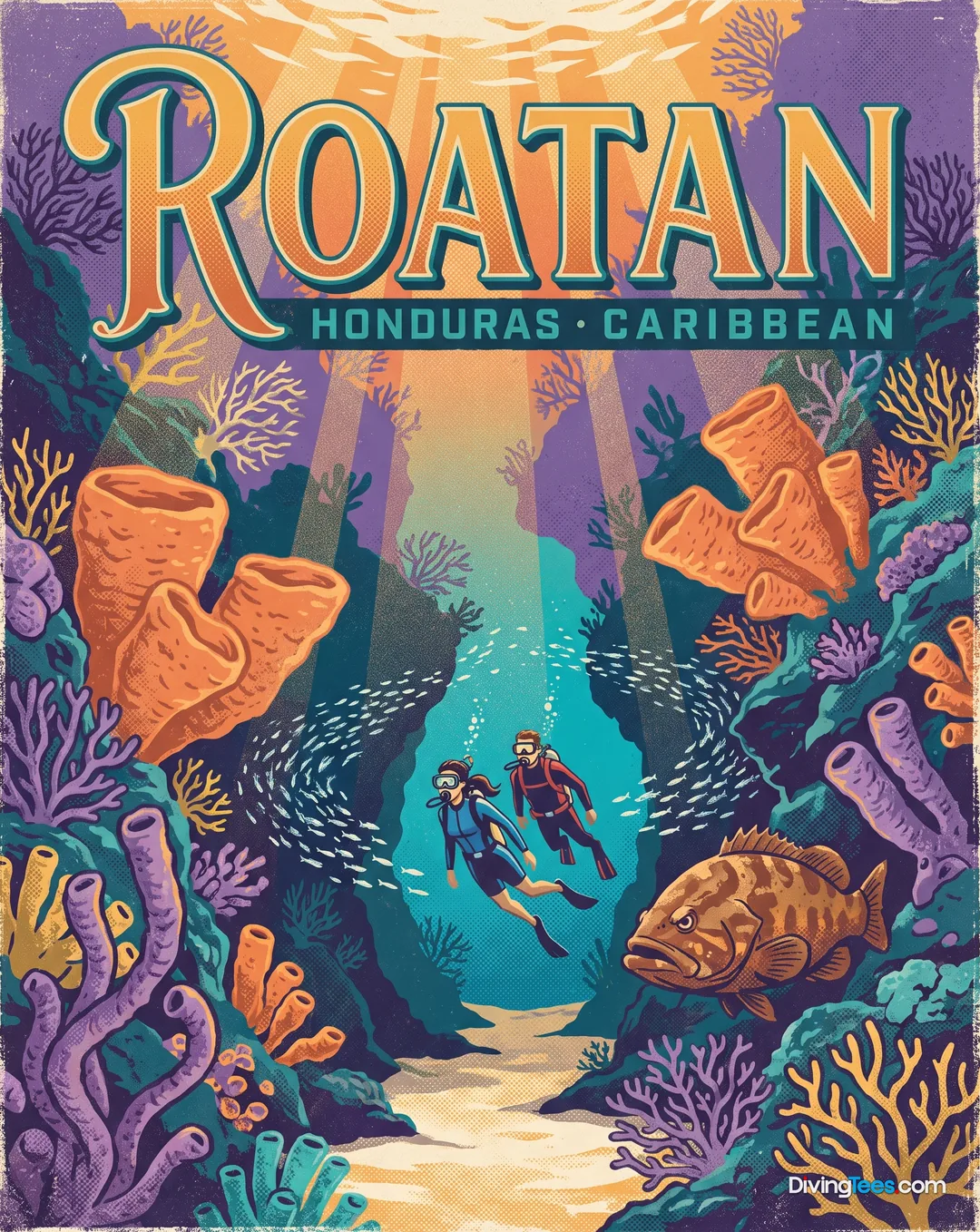
Guanaja is an island offering a varied dive profile, moving beyond the familiar spots to a more secluded experience. The topography here includes expansive reefs and the chance to explore a wreck, providing different angles on the underwater environment. This combination ensures that during a dive, you transition from one distinct habitat to another, each with its own rhythm and resident species. The remote nature of Guanaja means fewer diver impacts, contributing to the health of its coral structures.
The reefs around Guanaja present a mosaic of hard and soft corals, forming intricate structures that rise from the seabed. As you descend, you'll notice the distinct colours of these living formations, providing hiding places and foraging grounds for smaller reef inhabitants. The health of these coral gardens supports a high density of fish life, making the reef dynamic. The light penetration varies with depth, highlighting different aspects of the coral architecture and drawing your eye to crevices and overhangs.
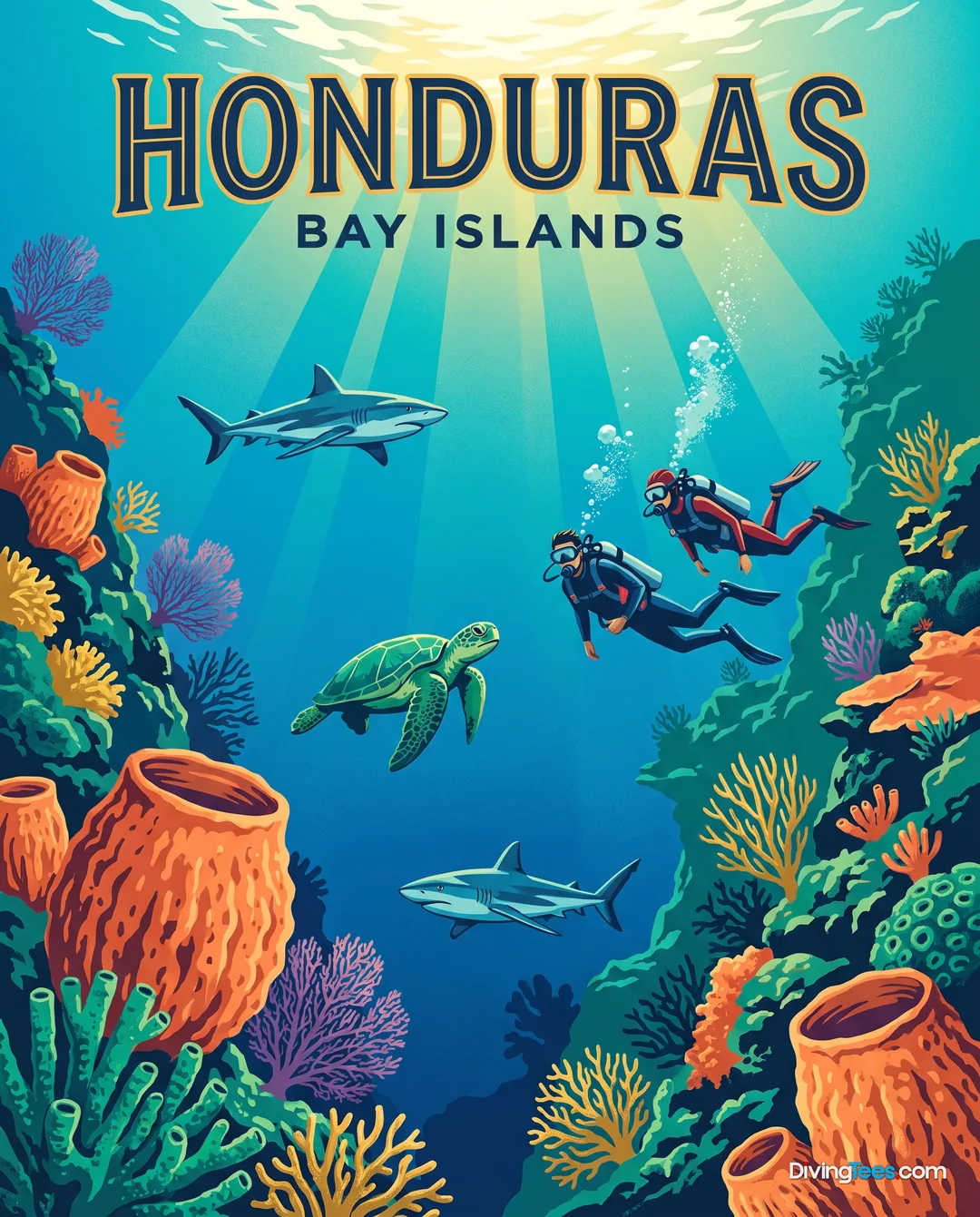
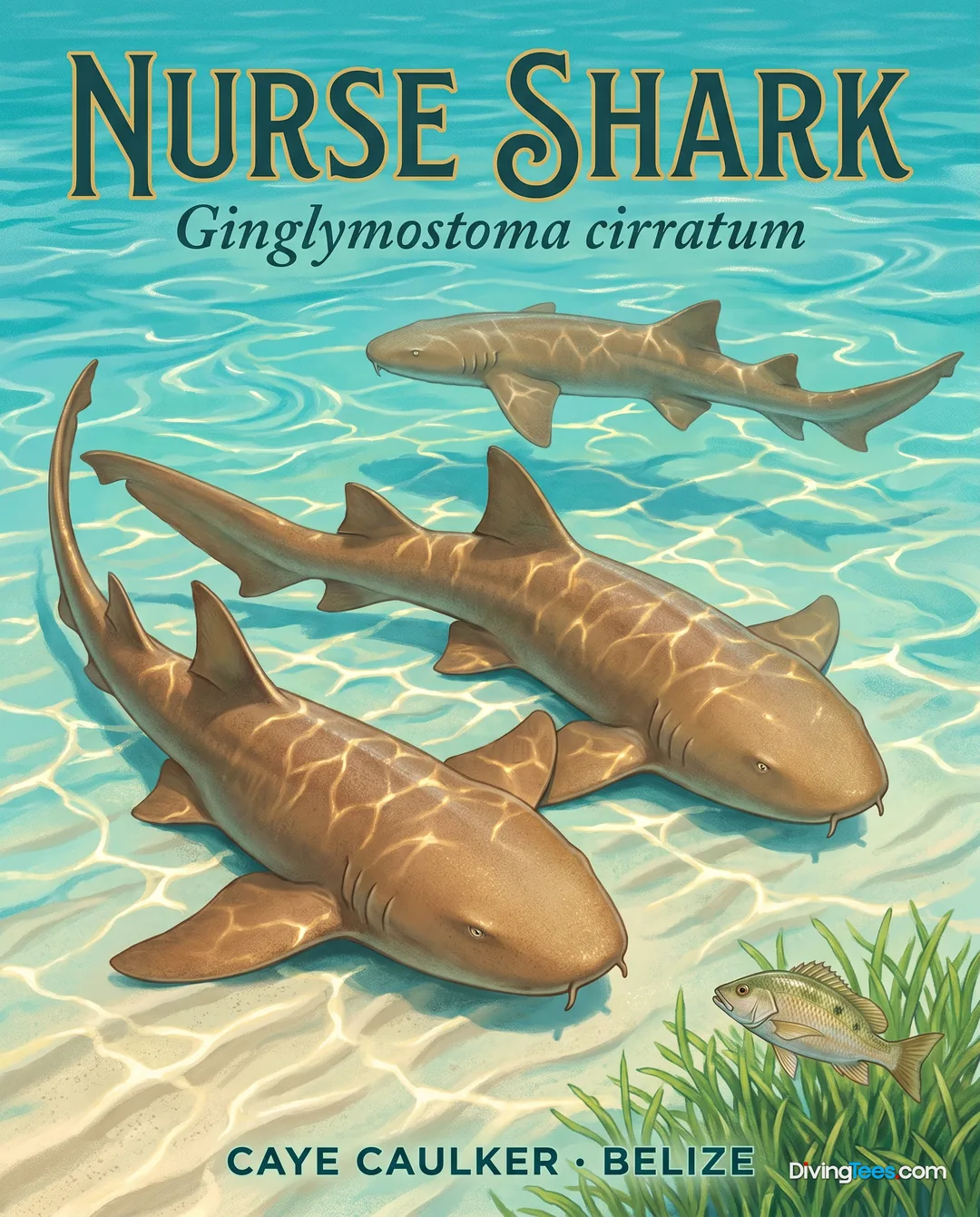
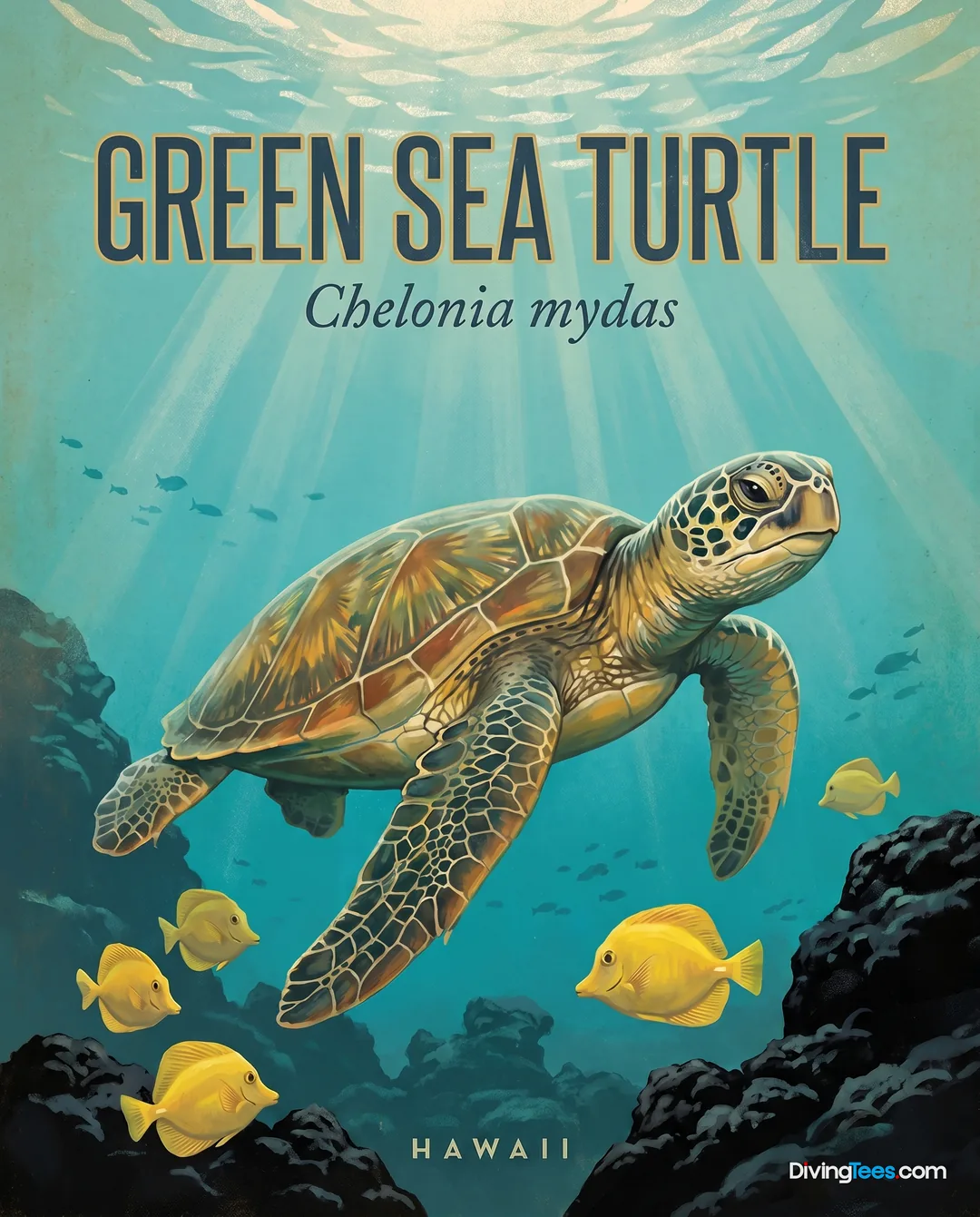
Among the marine life you'll observe on these reefs are frequent sightings of nurse sharks (Ginglymostoma cirratum) and reef sharks (Carcharhinus perezi), often cruising along the drop-offs. These larger predators are an integral part of the ecosystem here. Green sea turtles (Chelonia mydas) and loggerhead sea turtles (Caretta caretta) are also commonly encountered, moving gracefully through the water, often seen foraging or resting on ledges. The presence of these larger species indicates a healthy and balanced marine environment.
Beyond the main reef structures, Guanaja also features an accessible wreck, adding another dimension to the dive experience. Wrecks create artificial reefs, attracting a different set of marine life and offering unique exploration opportunities. The structure acts as a shelter and a food source, drawing schools of fish and sessile invertebrates. Navigating the wreck allows you to observe how marine organisms adapt to and colonise man-made structures, providing a contrast to the natural reef formations.
The overall environment at Guanaja is one of vibrant ecosystems, with hundreds of fish species moving through the water column and smaller creatures revealing themselves upon closer inspection. The interaction between these different trophic levels is constant, from the busy activity of reef fish to the more elusive movements of cryptic invertebrates. It’s a site that rewards both a wide-angle view of the bustling reef and a focused search for the smaller, hidden life forms.
Diving Guanaja often involves full-day excursions or overnight trips, allowing for extensive exploration of its various sites. This commitment to longer trips speaks to the richness and diversity found here. It’s not a quick dip; it’s an immersive experience that allows you to fully appreciate the remote beauty and untouched nature of these dive locations. The longer time spent also provides better opportunities to observe animal behaviour over different times of day.
This site is accessible to certified divers. While some areas are suitable for all levels, the remote nature and potential for varying conditions mean that divers should hold at least an Open Water Diver certification. Visibility is generally good, allowing for clear views of both the reef and the wreck. There is no specific data regarding currents, but extended trips and remote locations often imply a need for comfort in different underwater conditions.
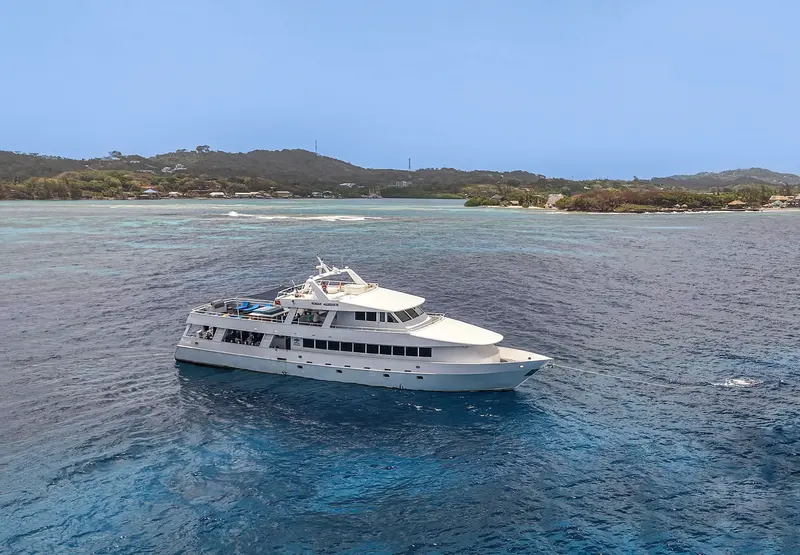
1 liveaboard departs from Roatan another way to explore the region, over several days at sea.
Planning a Guanaja dive means allowing enough time for its remote sites. Guanaja is commonly approached through full-day excursions or overnight trips, rather than a quick dip. Longer outings support exploration of varied reefs and the wreck, with opportunities to observe animal behaviour at different times of day.
Guanaja is accessible to certified divers, and some areas suit all levels. You should hold at least an Open Water Diver certification before diving here. Its remote setting and potentially varying conditions also make comfort in different underwater environments important during an extended trip.
At Guanaja, you should be comfortable with different underwater conditions. The site’s remote location and extended excursions can require adaptability as conditions vary between dive areas. While reef and wreck visibility is generally good, plan for an environment where conditions may change during your exploration.
At Guanaja, you can explore healthy hard and soft coral reefs, intricate structures, and an accessible wreck. Expect abundant fish, smaller reef creatures, nurse sharks, reef sharks, and green and loggerhead sea turtles. Drop-offs, ledges, crevices, and overhangs provide varied places to observe marine life.