
Roatan Divers
Google 5/5 (408 reviews)
3.8 km away as the crow flies
Roatan · Honduras · Americas
Max. depth · 20 mMandy's Eel Garden offers a vibrant, shallow reef crest dropping to a sandy garden, providing ample opportunities for macro life observation and encounters with larger rays.
For subtitles in English: start the video firstthen click the gearat the top right of the video, select “Subtitles/CC”, then “Auto-translate” and choose “English”.
Mandy's Eel Garden begins along a crest at approximately 6 meters, with vibrant corals that retain their intense colours due to the shallow light penetration. This ridge transitions smoothly into a gently sloping wall, eventually meeting a vast sandy expanse at its base. This topography creates a diverse environment, moving from a healthy reef structure to open sand habitat, which is ideal for both reef fish and creatures that prefer soft bottoms.
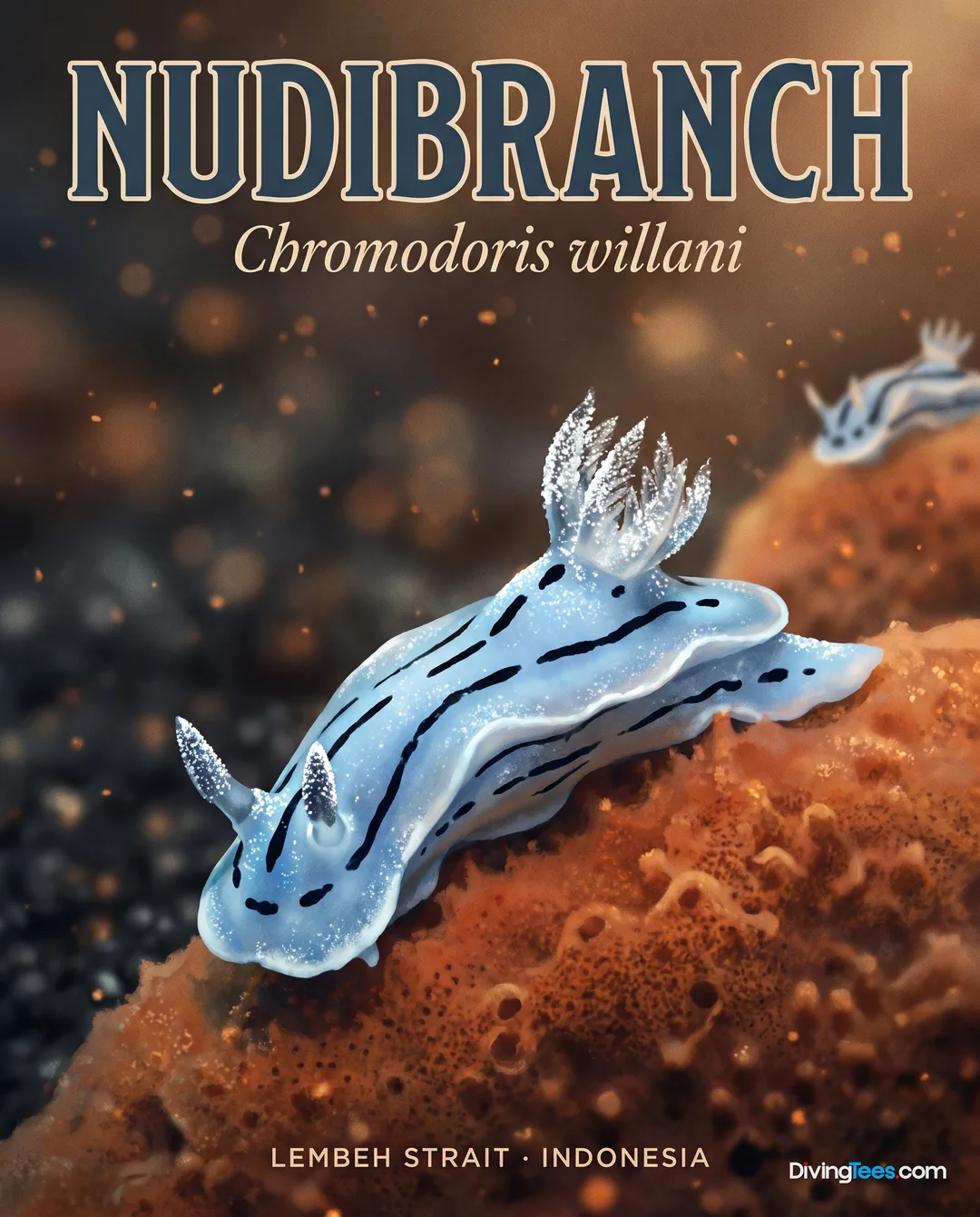
The sandy areas are the primary domain of the garden eels (Heterocongrinae), where they sway in unison, constantly feeding on plankton. Patience around these colonies often rewards you with insights into their behaviour as they retract into their burrows with any perceived threat and slowly re-emerge. Beyond the eels, these sand patches, particularly around 6 meters, are prime hunting grounds for macro photographers looking for flat fish, tiny crustaceans, and various nudibranchs (Nudibranchia).
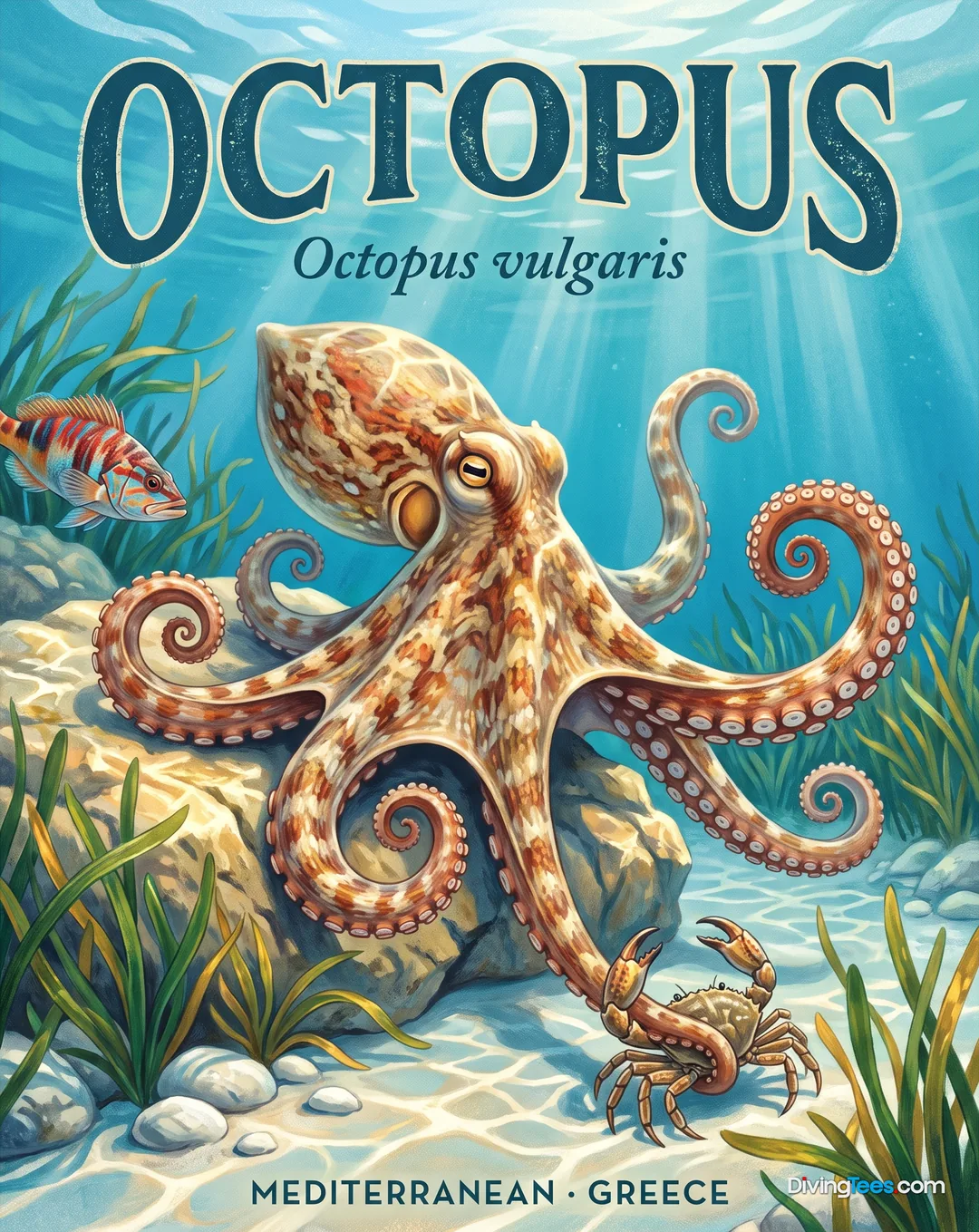
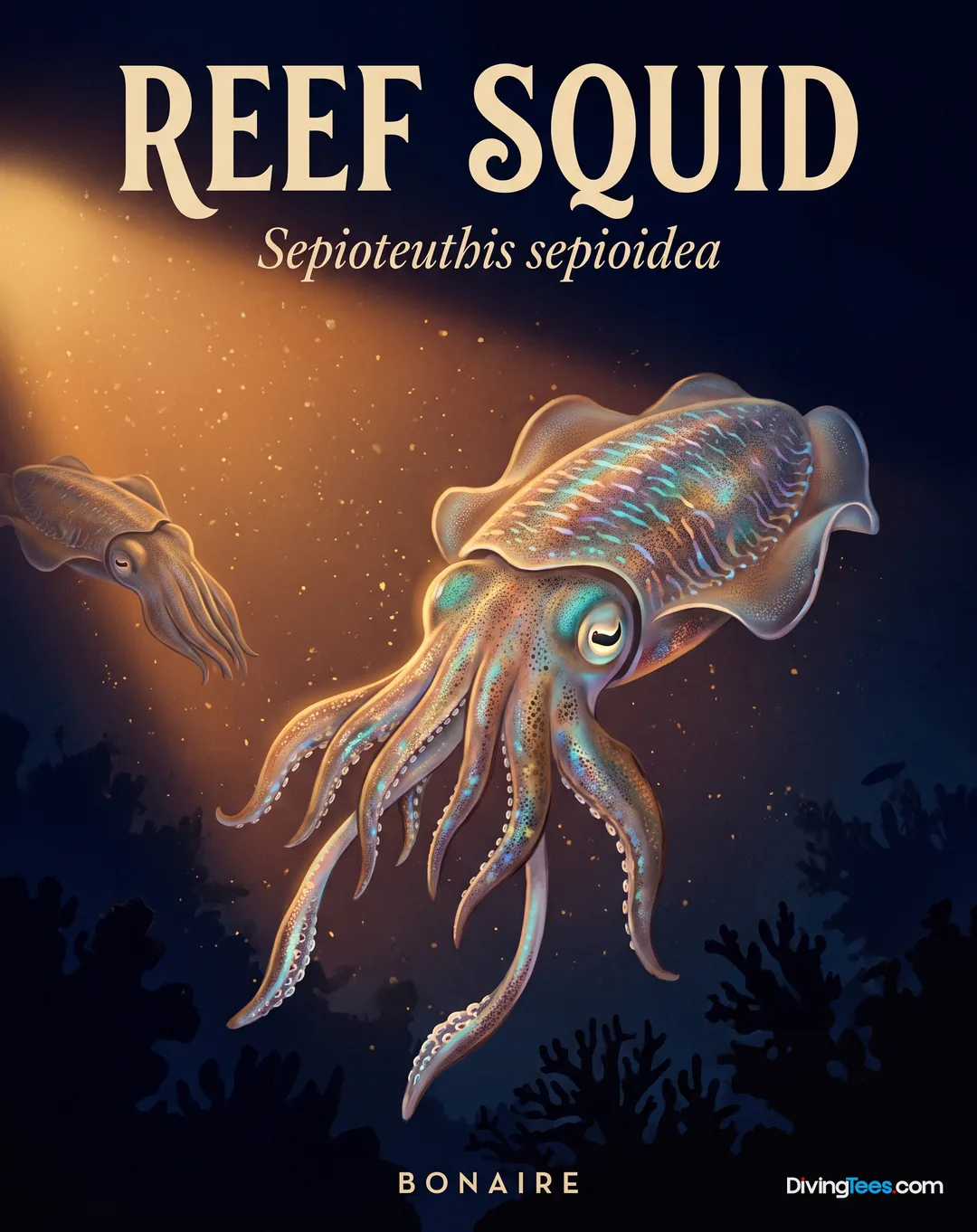
Descending along the wall, the reef continues down to around 20 meters. Here, the coral heads provide shelter for larger morays, including chain morays (Echidna catenata) and green morays (Gymnothorax funebris), tucked into the crevices. Look deeper into the coral structure for octopuses (Octopoda) and Caribbean reef squids (Sepioteuthis sepioidea), which are often camouflaged against their surroundings.
While the depths here are moderate, the reef supports a healthy population of classic Caribbean reef fish. You'll regularly encounter parrotfish (Scaridae) browsing on algae, juvenile drumfish (Equetus lanceolatus) with their distinctive patterns, and trumpetfish (Aulostomus maculatus) hovering vertically. Keep an eye out for turtles, often green sea turtles (Chelonia mydas) or hawksbill sea turtles (Eretmochelys imbricata), grazing on the sponges and corals.
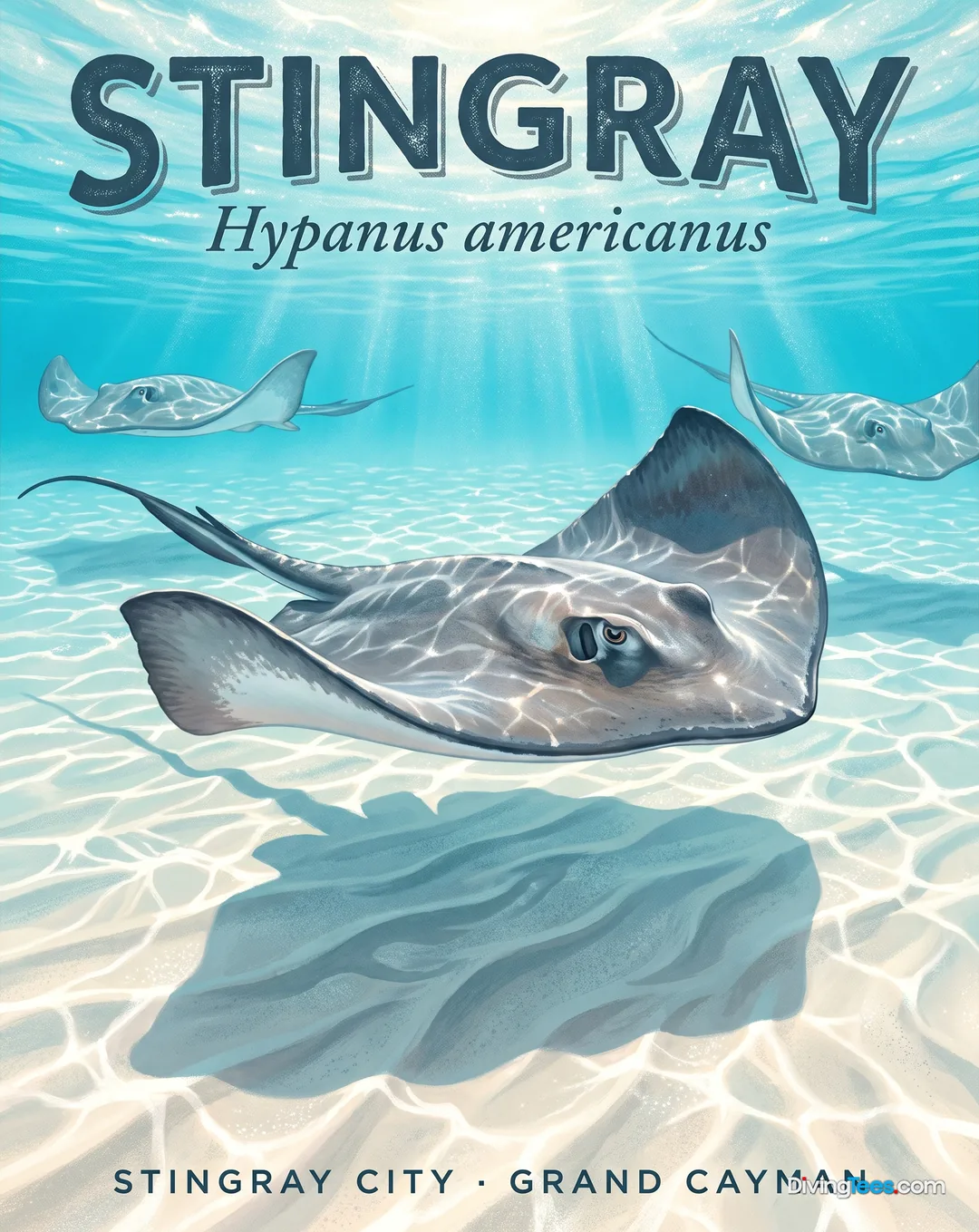
The transition between the sandy bottom and the reef wall is a dynamic zone. This interface attracts a variety of marine life not typically found solely on either the sand or the reef. Eagle rays (Aetobatus narinari) are frequent visitors here, often gliding over the sand patches in search of crustaceans and mollusks, and occasionally stingrays (Dasyatidae) will be seen resting or foraging.
Beyond the prominent garden eels, the site also hosts a rich array of smaller, often overlooked species. You can find jawfish (Opistognathidae) tending to their burrows, and mantis shrimp (Stomatopoda) peeking from their elaborate hideouts. Scorpionfish (Scorpaenidae) are often perfectly camouflaged on the reef or rocky outcrops, requiring a keen eye to spot.
This site is characterized by its generally gentle conditions, making it an excellent location for skill development and underwater photography where strong currents won't disrupt your focus. The clear, warm waters allow for extended bottom times at shallower depths, providing ample opportunity to observe the intricate details of the marine environment and capture those elusive macro shots.
Mandy's Eel Garden is typically a shallow dive, with depths ranging from 6 to 20 meters. It is accessible for divers of all levels, including those who have only completed their Open Water certification. Currents are typically weak, allowing for relaxed exploration. Visibility is generally good, often reaching 12 to 30 meters, with the dry season from February to September offering consistently clearer conditions.
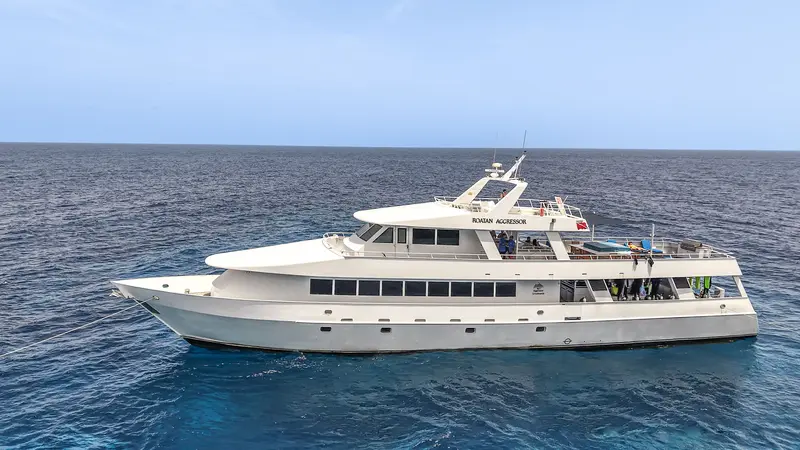
1 liveaboard departs from Roatan another way to explore the region, over several days at sea.
Mandy's Eel Garden can be dived throughout the year, while the dry season from February to September offers consistently clearer conditions. Visibility is generally good, often reaching 12 to 30 meters. The shallow profile and clear, warm water also provide extended bottom time for observing the reef and sandy habitats.
Mandy's Eel Garden is accessible to divers of all levels, including those who have completed only their Open Water certification. Its gentle conditions suit skill development, while the shallow reef and sandy areas offer relaxed opportunities to explore. Macro photographers can also work comfortably without strong currents disrupting their focus.
Mandy's Eel Garden ranges from 6 to 20 meters. The dive begins at a shallow reef crest around 6 meters, then follows a gently sloping wall toward deeper coral heads and a sandy base. Currents are typically weak, supporting relaxed exploration, dive training, and underwater photography across the site.
At Mandy's Eel Garden, you can watch extensive garden eel colonies across sandy areas, with nudibranchs, jawfish, mantis shrimp, flat fish, and tiny crustaceans nearby. The reef shelters morays, octopuses, squids, colourful Caribbean reef fish, turtles, scorpionfish, eagle rays, and occasional stingrays along the sand and wall.