


Best Dive Roatan
Google 5/5 (89 reviews)
less than 1 km away as the crow flies
Roatan · Honduras · Americas
Max. depth · 18 mDescend to a purposefully-sunk cargo ship and a WWII-era DC-3 aircraft, surrounded by vibrant coral and abundant macro life.
Dropping onto the Prince Albert wreck, you'll find yourself gliding over the remains of a 40-metre cargo ship, resting peacefully on a sandy plateau at a maximum depth of 18 metres. This vessel, once used to transport war refugees, was intentionally sunk in 1985 and has since transformed into a thriving artificial reef. Its shallow depth and excellent condition make it an inviting site for divers looking to explore a wreck without extensive training, presenting itself as a vibrant, coral-encrusted habitat for countless marine inhabitants.
The Prince Albert boasts extensive coral growth, which has completely reclaimed its metal structure, creating a living tapestry of colour and texture. As you navigate its exterior, you'll observe how marine life has embraced this new home, with nooks and crannies providing shelter and hunting grounds. The ship's current excellent state of preservation allows for a clear appreciation of its original form, now beautifully adorned by nature, offering a rich environment for close observation.
For those with appropriate training and comfort levels, the Prince Albert cargo ship is entirely penetrable, offering a fascinating journey through its interior. You can explore the various compartments, witness the interplay of light and shadow, and discover the hidden creatures that reside within its depths. This access allows for a truly immersive wreck diving experience, moving beyond just observing the exterior to understanding the ship's structure from the inside out.
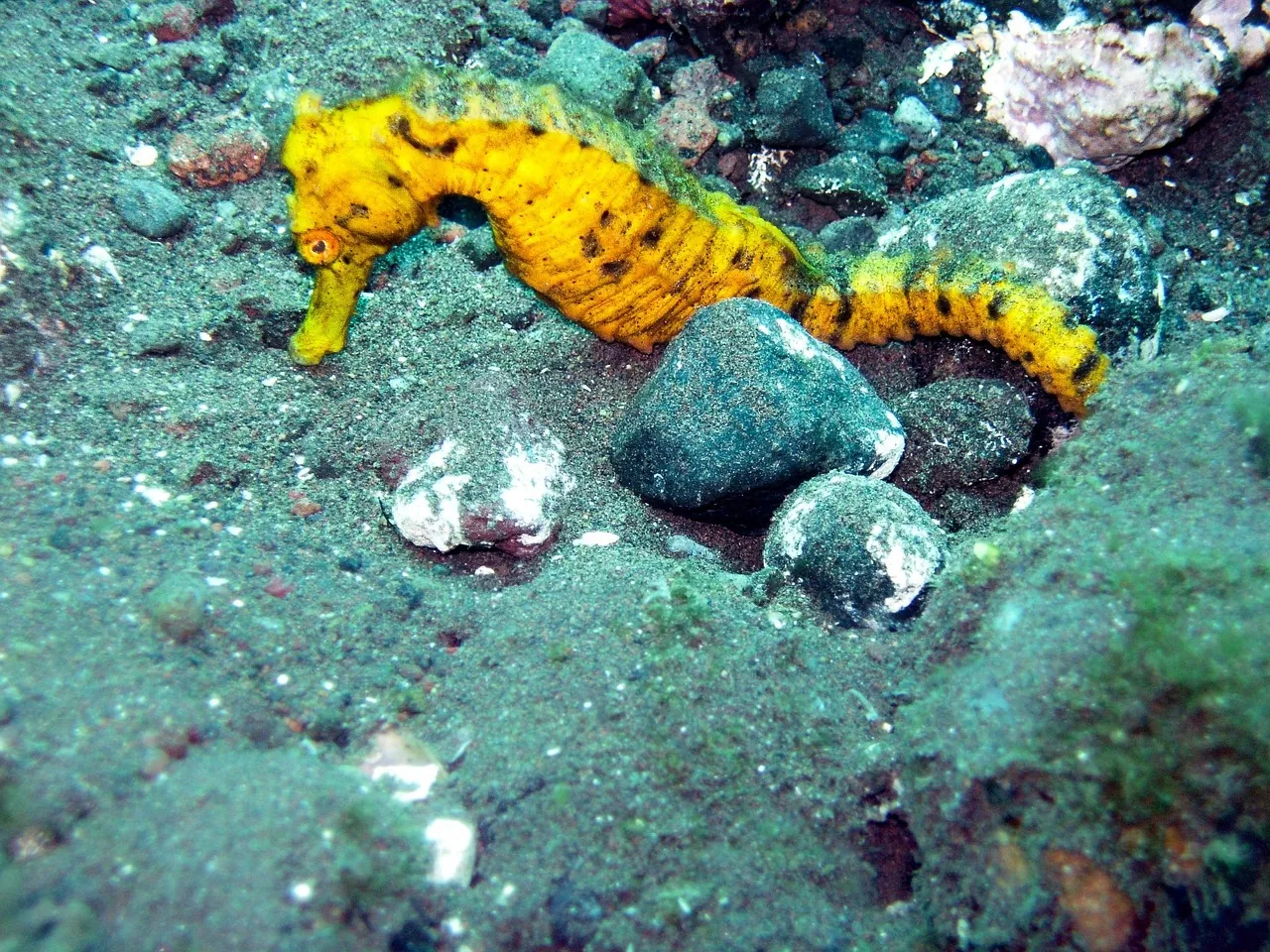
Beyond the general allure of the wreck, the Prince Albert is a macro lover's paradise. Keep your eyes peeled for delicate seahorses (Hippocampus), an array of colourful nudibranchs, and the intricately camouflaged pygmy filefish (Rudarius ercodes). These smaller creatures thrive among the coral and crevices of the wreck, rewarding patient divers with their intricate beauty and unique behaviours. The sandy bottom surrounding the wreck is also a common hunting ground for graceful stingrays (Dasyatis pastinaca), adding another layer of excitement to the dive profile.
Adding another layer to this already impressive dive site is the nearby presence of a Douglas DC-3 aircraft wreck from World War II. While penetration into the plane is not possible, its proximity to the Prince Albert offers a truly unique dual-wreck experience. The sight of an airplane fuselage resting on the seabed, just a short fin kick from the cargo ship, creates a compelling and somewhat surreal underwater landscape, providing fantastic photo opportunities and a memorable juxtaposition of different types of history underwater.
The Prince Albert wreck is accessible to divers of all levels, with a maximum depth of 18 metres. While currents are generally minimal in the area, conditions can vary. You can typically expect good visibility, likely ranging between 20 and 30 metres, particularly during the best diving period from March to November. The water temperature rarely drops below 27°C, often reaching 29°C, ensuring comfortable diving throughout the year.
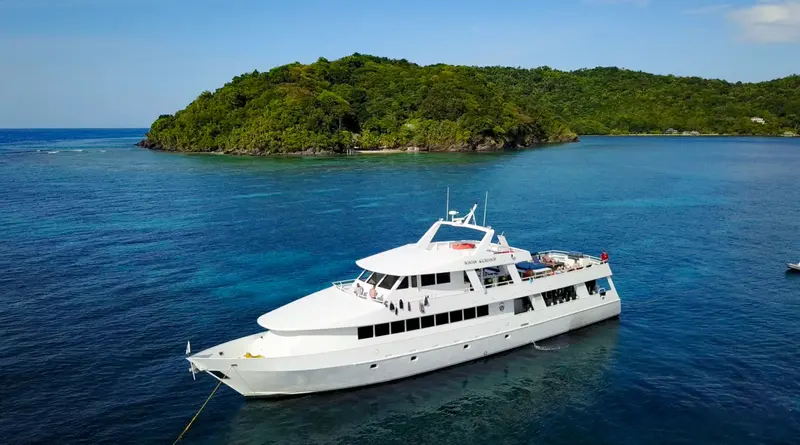
1 liveaboard departs from Roatan another way to explore the region, over several days at sea.
You can dive the Prince Albert wreck throughout the year, with water temperatures rarely below 27°C and often reaching 29°C. March to November is described as the best diving period, when visibility is typically good and may range between 20 and 30 metres, helping you appreciate the wreck and surrounding reef.
The Prince Albert wreck is suitable for divers of all experience levels and reaches a maximum depth of 18 metres. You can explore the exterior without extensive training, while entering the fully penetrable cargo ship requires appropriate training and comfort. Its shallow profile offers access to a preserved, coral-covered wreck.
Currents at the Prince Albert wreck are generally minimal, making the site approachable for divers of all levels. Conditions can vary, so you should still expect some change during your dive. The wreck rests on a sandy plateau, where calm conditions can help you examine its coral growth and marine life.
You can explore a fully penetrable 40-metre cargo ship covered in coral, with seahorses, nudibranchs, and pygmy filefish among its crevices. Stingrays are common on the surrounding sandy plateau. Nearby, you can also see a World War II Douglas DC-3 plane wreck, although its interior cannot be entered.