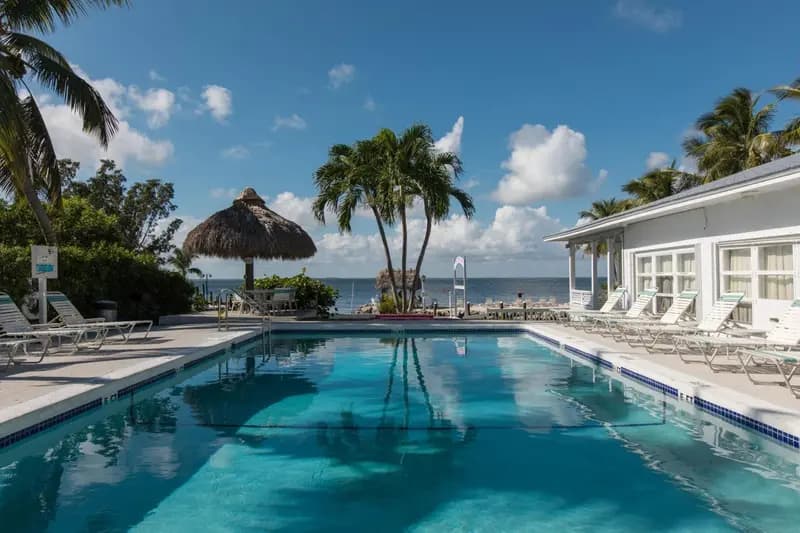
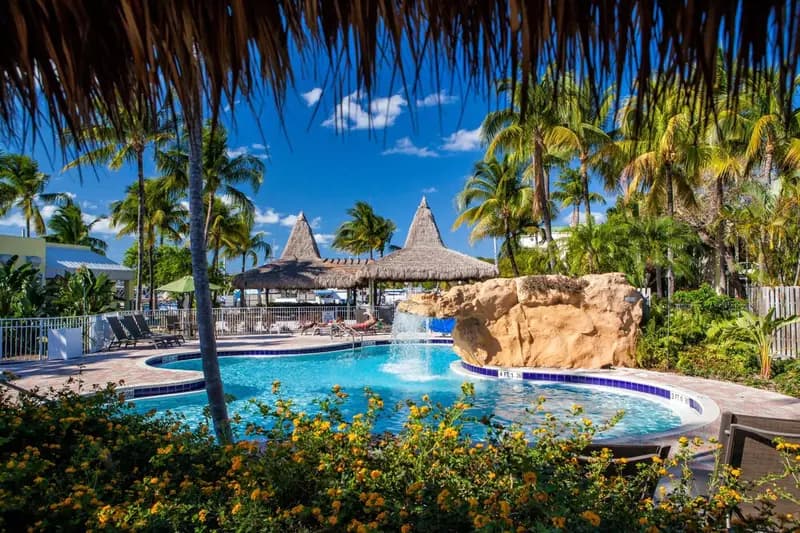
Amoray Dive Resort
★★
★ 8.9/10 (556 reviews)
3.7 km away as the crow flies
Dive centre · Key Largo · United States
4.93,077 Google reviewsExplore the reefs of John Pennekamp State Park aboard the Siren or Calypso, purpose-built catamarans dedicated to eco-conscious diving.
For subtitles in English: start the video firstthen click the gearat the top right of the video, select “Subtitles/CC”, then “Auto-translate” and choose “English”.
Located in Key Largo, Florida, Silent World has been a fixture of the local diving community since 1989. As the first PADI Eco Centre in the United States, the operation is deeply rooted in the conservation of the surrounding marine ecosystems, particularly those within the John Pennekamp State Park.
The centre provides a structured environment for both recreational divers and snorkelers. By utilising a fleet of specialised vessels, they maintain a focus on high-quality, low-impact excursions that respect the delicate reef structures of the Florida Keys.
As a PADI 5-Star IDC Centre, Silent World provides a high level of professional instruction. The facility is equipped to handle everything from initial certifications to advanced professional training.
The team operates with a strong emphasis on marine education and environmental stewardship. All instruction and site management are conducted in English, ensuring clear communication for safety and technical precision during dives.
The training programme covers the complete PADI spectrum, starting with the Open Water Diver course. For those looking to progress, they offer Advanced Open Water, Rescue Diver, and Peak Performance Buoyancy courses.
Specialist training is extensive, including the Wreck Diver Specialty, Underwater Navigation Specialty, Search and Recovery Specialty, and the Digital Underwater Photography Specialty. They also provide the Enriched Air course and the Boat Diver Specialty, alongside refresher and recertification programmes.
The centre operates two custom-built Corinthian catamarans, the Siren and the Calypso. These vessels are specifically designed for excursions, with the Siren accommodating 70% capacity and the Calypso 80% capacity to prevent overcrowding.
On board, you will find amenities including water, sodas, and chips, along with a cooler available for your own snacks and beverages. The boats are used for a variety of trip types, including day trips and night dives.
For those arriving with minimal kit, the centre offers full rental options including masks, snorkels, fins, and BCDs. Wetsuit rental is also available. For divers looking to document their excursions, GoPro cameras are available for hire.
The centre's boutique carries Silent World branded apparel and waterproof dry bags for your convenience.
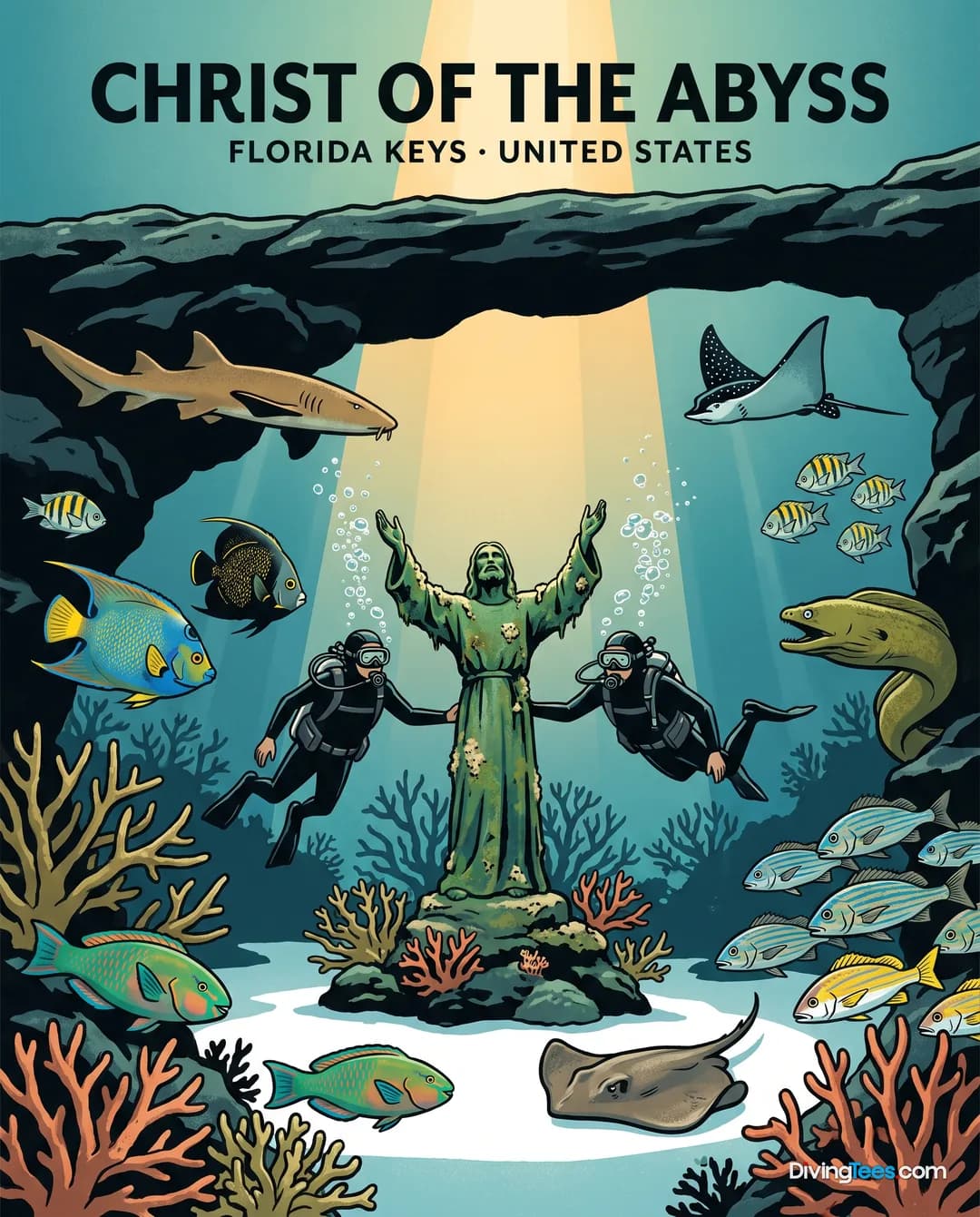
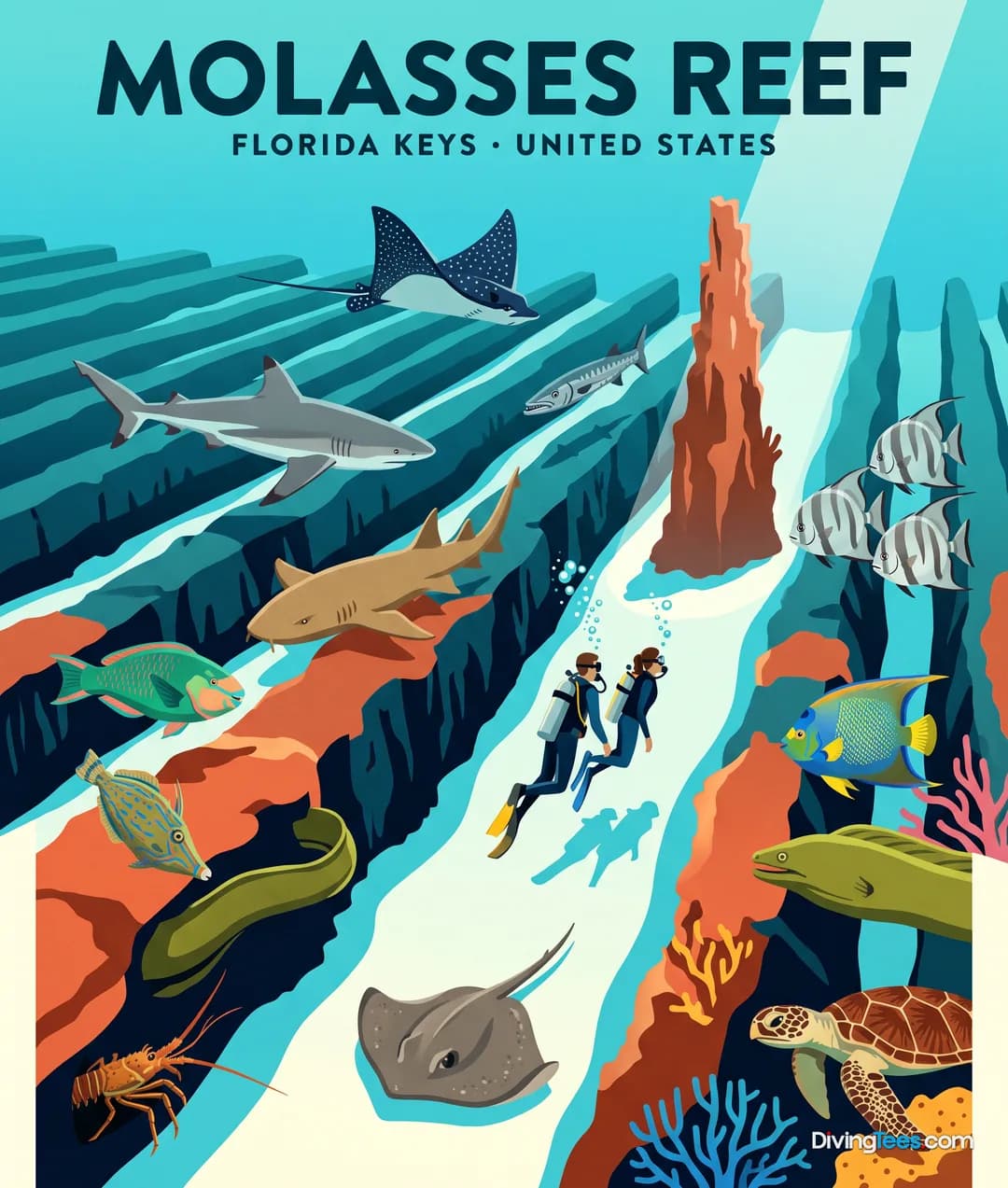
The Christ of the Abyss features a nine-foot bronze statue of Jesus Christ resting at a depth of 25 feet. This site is accessible to all levels and is a popular spot to see barracuda and angelfish.
The Schooner Wreck is a Second World War cargo ship that has transformed into an artificial reef. It is an ideal site for seeing turtles, rays, and various tropical fish among the structure.
Benwood Wreck, another wartime cargo vessel, offers a more complex environment for exploration. Divers can find snapper, grunts, and barracuda navigating the wreck alongside turtles and rays.
Carysfort Lighthouse Reef is a classic reef site characterised by large brain coral formations. It provides a stable environment for observing diverse tropical fish populations.
And some of the dive sites the centre runs.
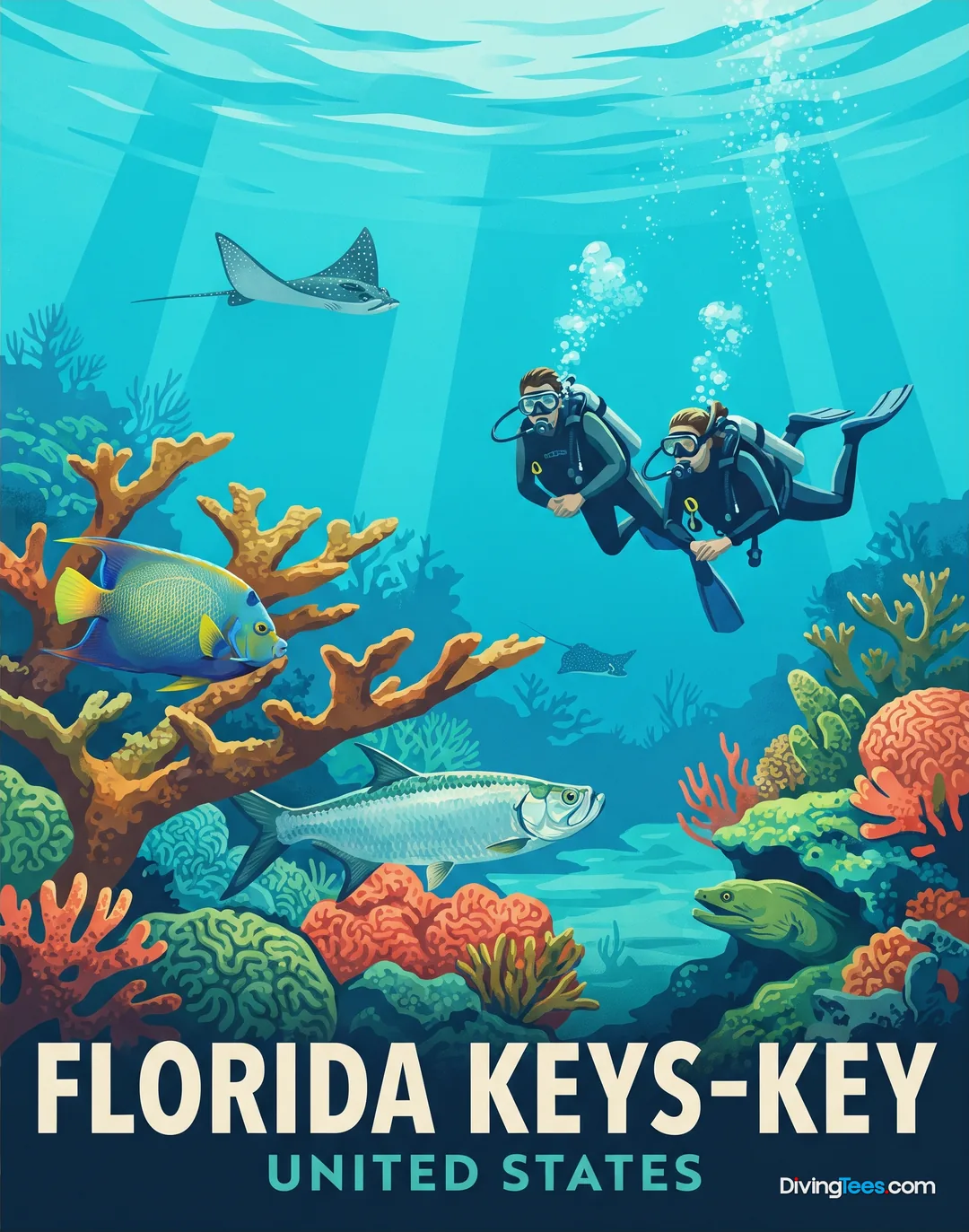
The reefs are home to a vast array of colourful fish, including queen angelfish, rainbow parrotfish, and various species of angelfish (Pomacanthidae). You will frequently encounter schools of snapper (Lutjanus), grunts, and sergeant majors, as well as horse-eye jacks and yellowtail snappers.
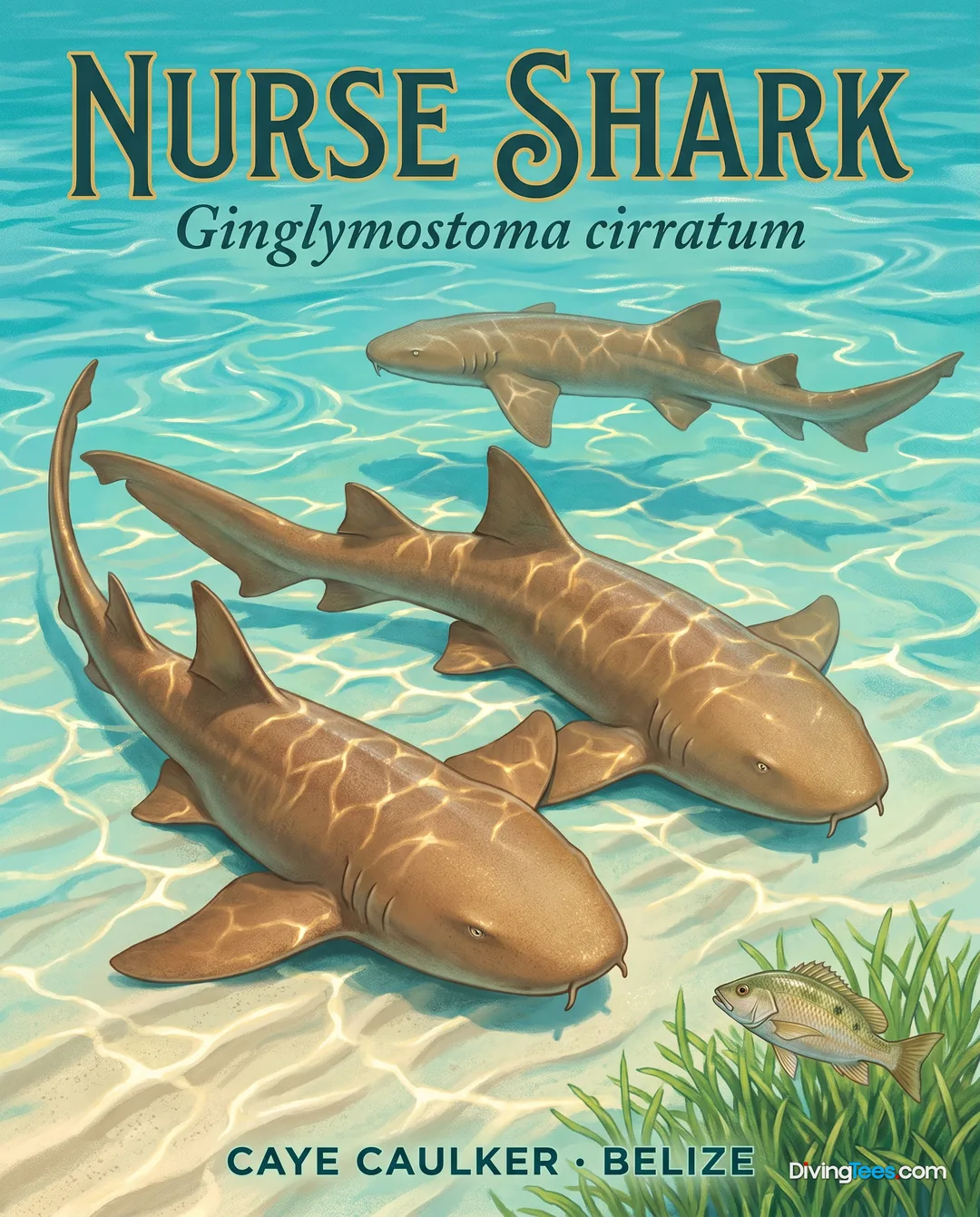
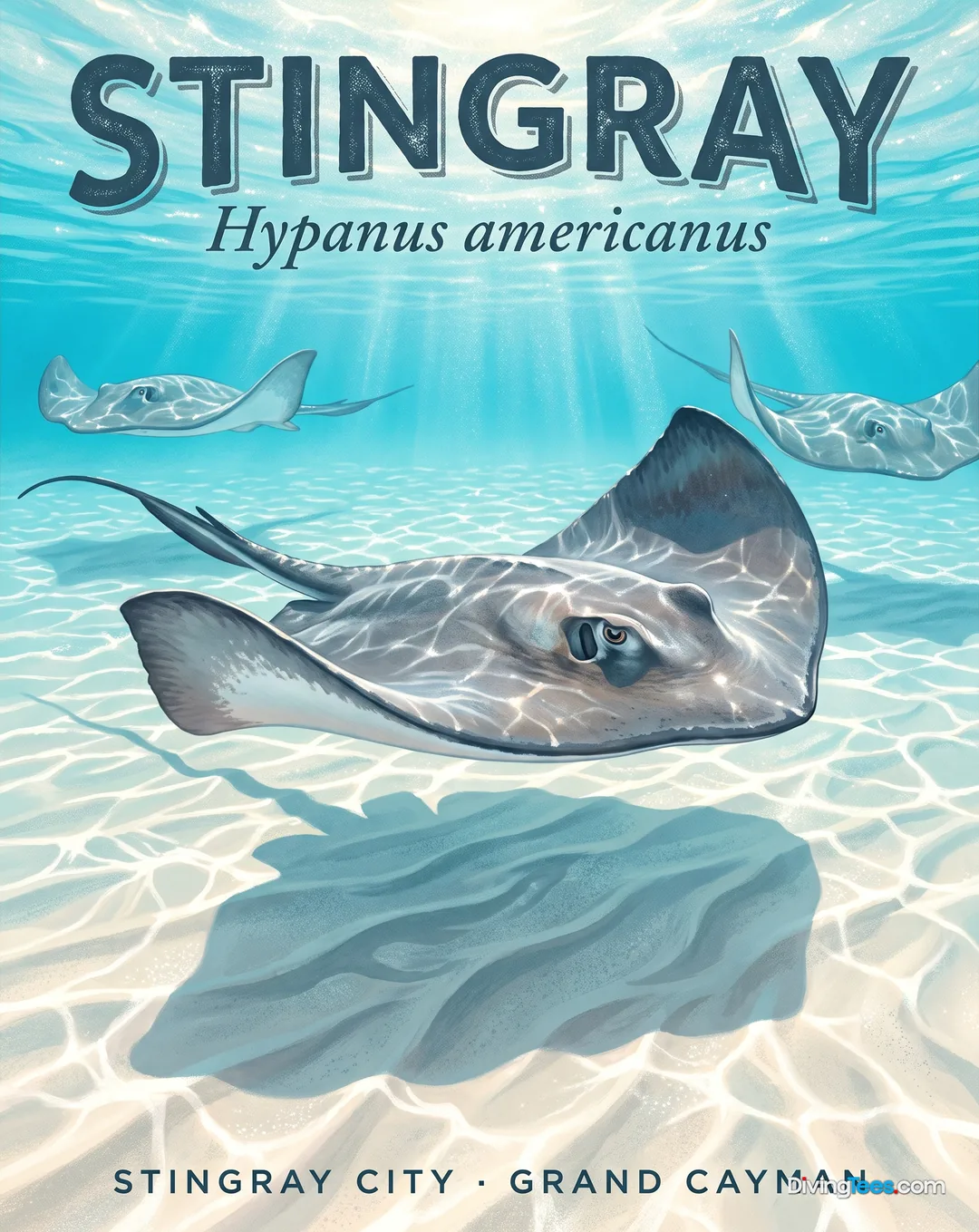
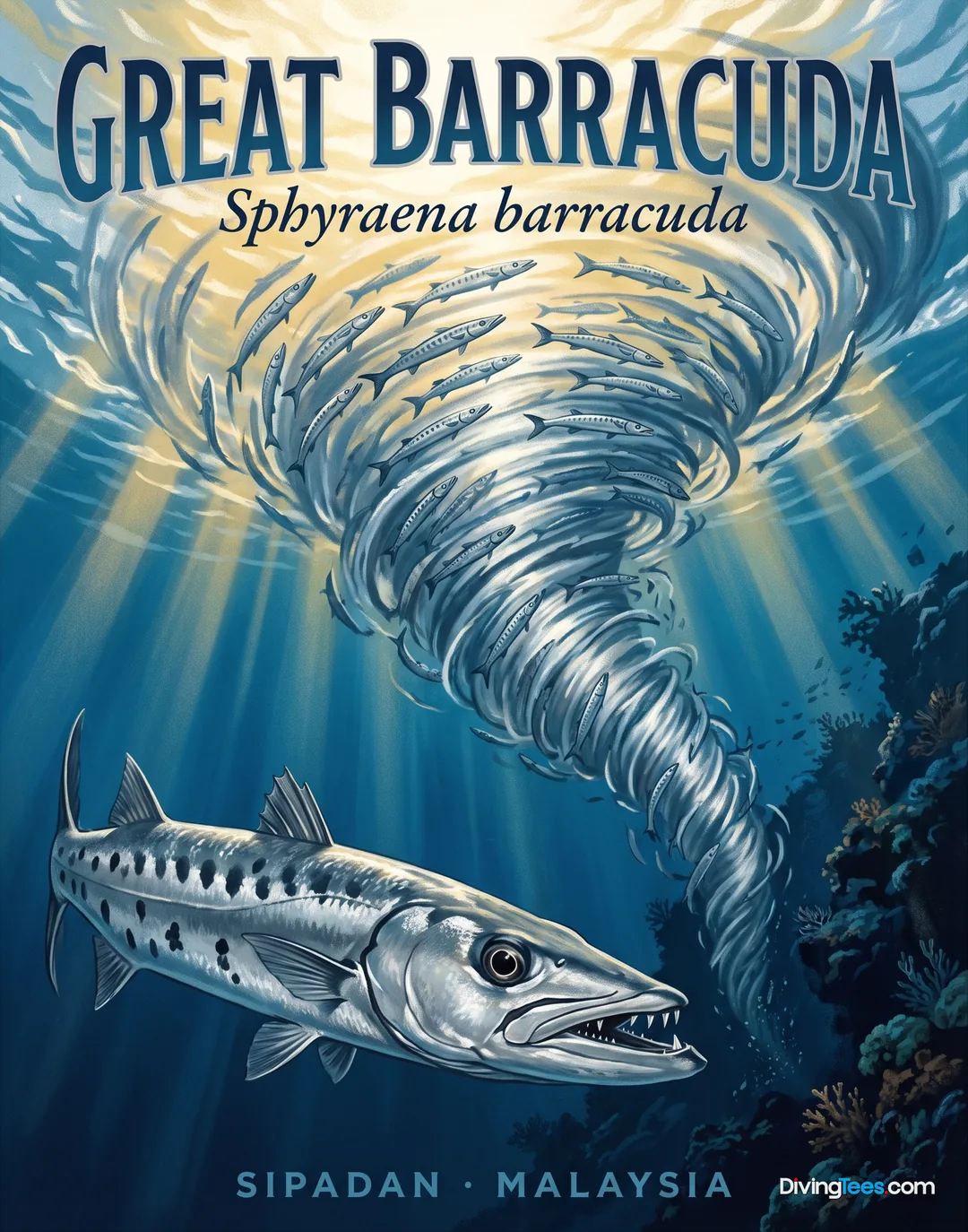
Large pelagics and predators are a regular presence, including Great barracuda (Sphyraena barracuda), Caribbean reef sharks, and nurse sharks (Ginglymostoma cirratum). You may also spot eagle rays (Aetobatus) and southern stingrays (Hypanus americanus) patrolling the sandy patches.
In the crevices and under ledges, look for moray eels (Muraenidae), octopus, and various species of grouper (Epinephelus). The seabed is also populated by crustaceans, including spiny lobster (Palinuridae) and various crabs (Brachyura).
In the spring, keep a close watch for spotted eagle rays. The surrounding corals and sponges provide a complex habitat for smaller inhabitants like gobies (Gobiidae) and various reef fish.
The optimal window for diving in this area is from December to April. During this period, water temperatures typically range between 22°C and 29°C.
It is advisable to avoid the region during the hurricane season, which runs from June 1st to November 30th.
Hello, I'm Marina, DivingDeal.com's AI assistant. I answer in detail about hotels, dive centres and liveaboards.

Thinking about the whole trip and the flights? Talk it over with Edith →
Marina is an AI. Some links are affiliate links: DivingDeal may earn a commission, at no extra cost to you. Bookings are made with the partner.
★★
★ 8.9/10 (556 reviews)
3.7 km away as the crow flies
★★★
★ 8.4/10 (1,132 reviews)
2.5 km away as the crow flies
★★★
★ 8.6/10 (139 reviews)
2.4 km away as the crow flies
★★★
★ 8.1/10 (686 reviews)
11 km away as the crow flies
Your last day stays dry: no diving in the 18-24 hours before a flight the perfect window to see the destination from another angle.
Ratings and reviews collected by Viator and Tripadvisor.