
Silent World
Google 4.9/5 (3,139 reviews)
Key Largo · United States · Americas
Max. depth · 70 mExplore Davis Reef's distinct coral ridges, where nurse sharks often rest beneath ledges and sea turtles feed actively after sunset.
For subtitles in English: start the video firstthen click the gearat the top right of the video, select “Subtitles/CC”, then “Auto-translate” and choose “English”.
Davis Reef presents a varied underwater topography, characterised by distinct coral ridges that define channels and create an engaging dive path. As you descend, the reef's structure transitions from shallower coral formations to a more pronounced deeper edge, offering both straightforward reef exploration and areas that require closer attention to depth and current. This dual profile allows for different dive experiences depending on the chosen route and conditions, catering to a range of experience levels.
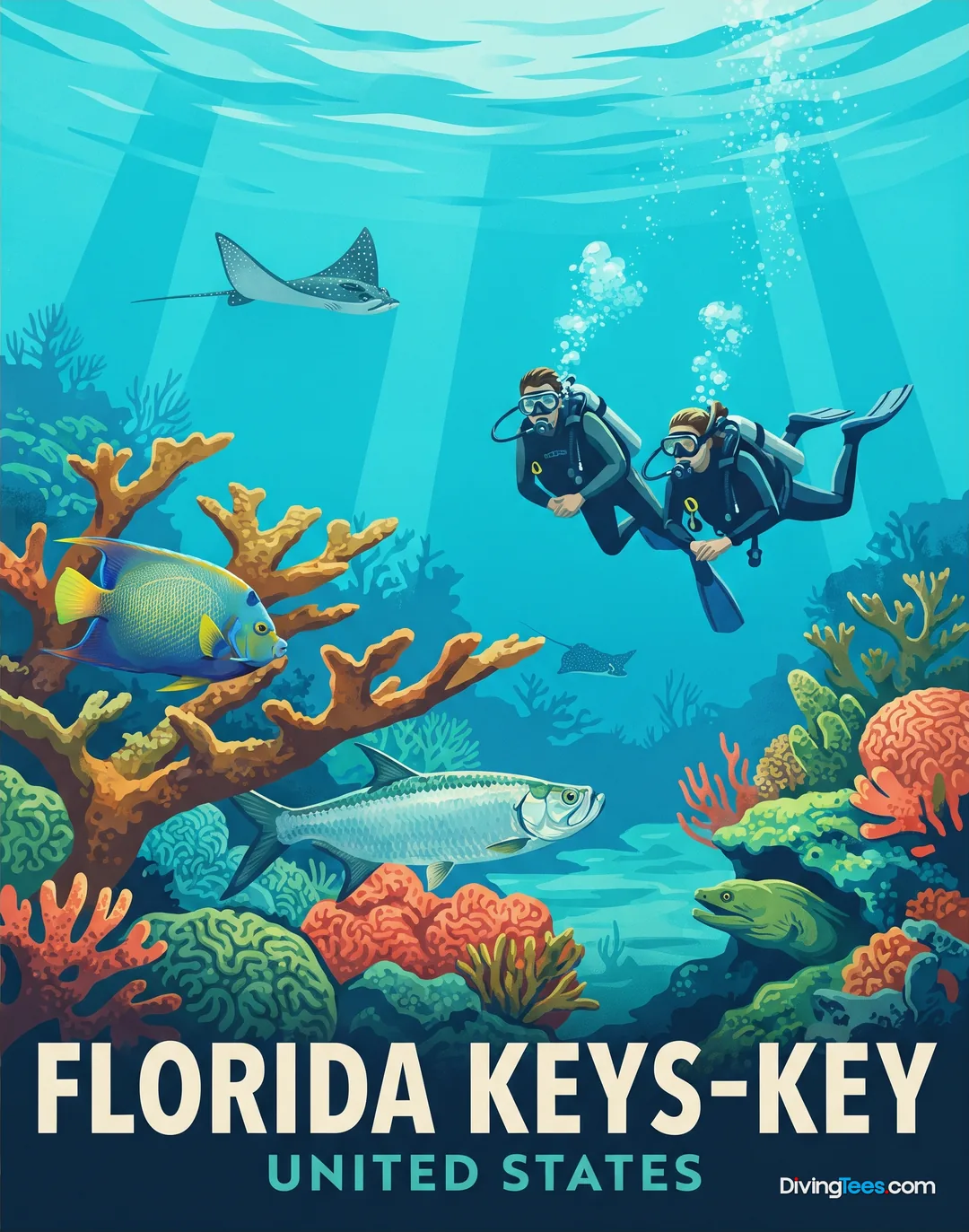
The shallow sections of Davis Reef are notable for their extensive growth of gorgonians, creating a visual spectacle as they gently sway with the water movement. These vibrant soft corals provide refuge and feeding grounds for a variety of smaller reef fish. Over time, the hard coral ridges have formed numerous overhangs and crevices. These protected spaces are prime locations for spotting resting nurse sharks (Ginglymostoma cirratum) and the occasional sea turtle, providing a direct interaction opportunity with the reef's larger residents.
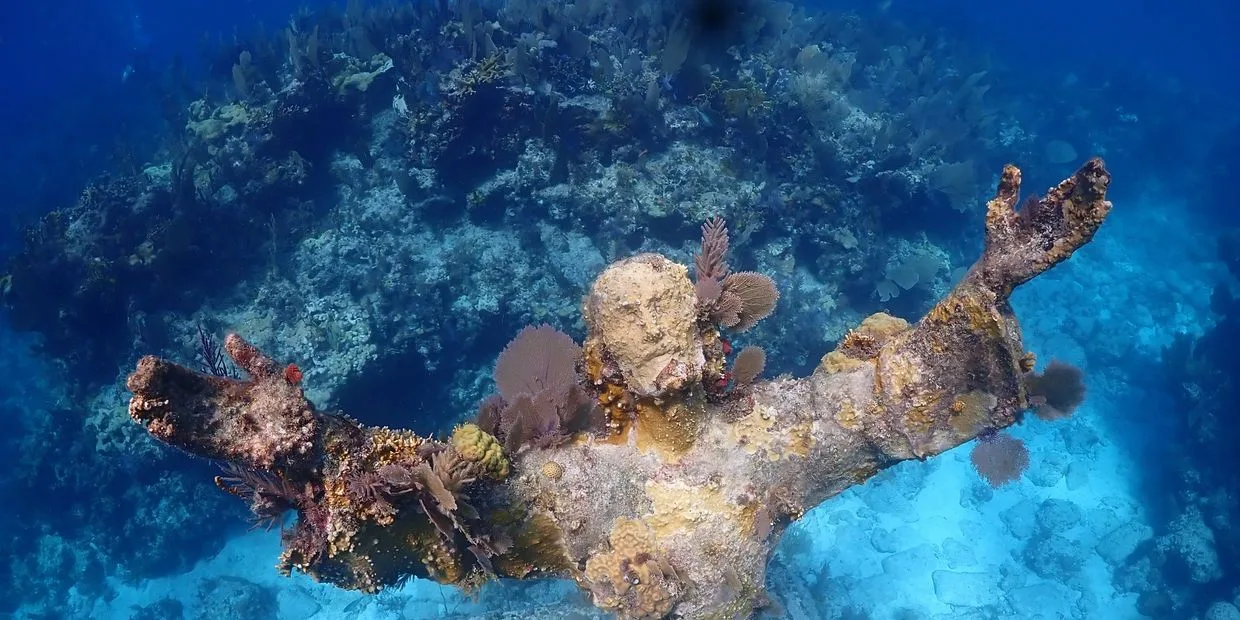
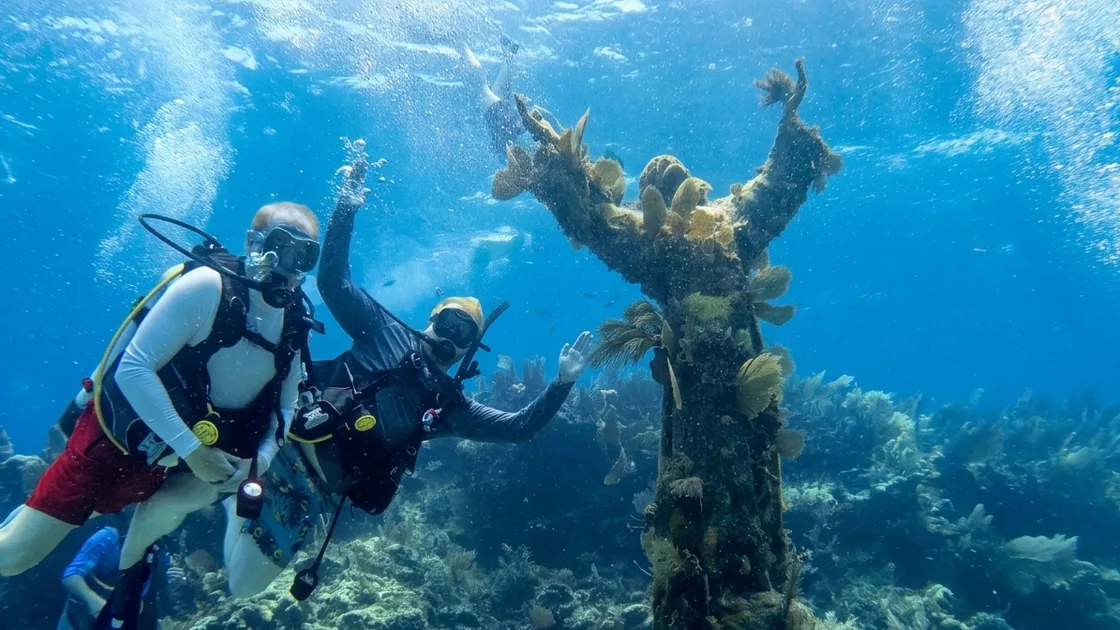
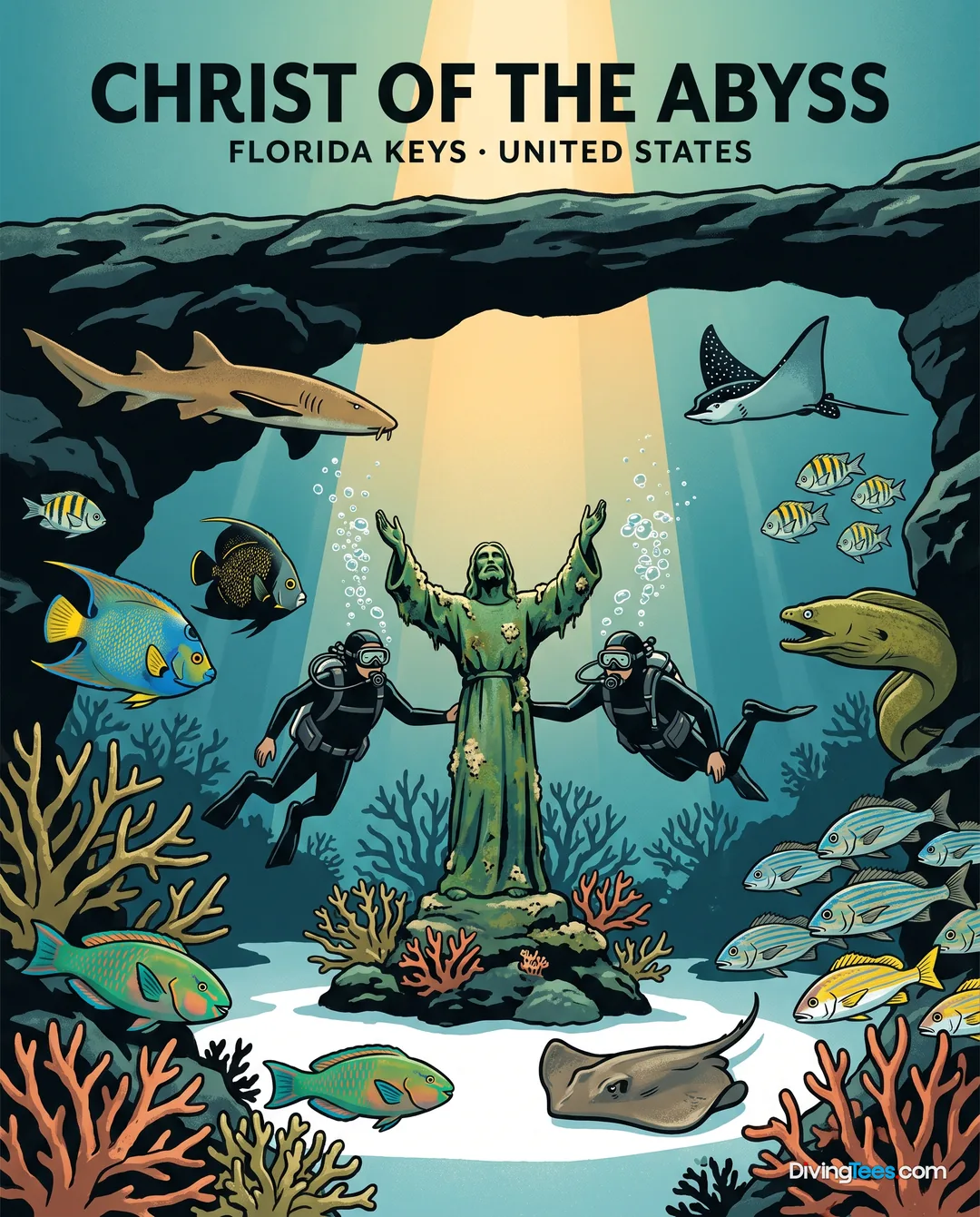
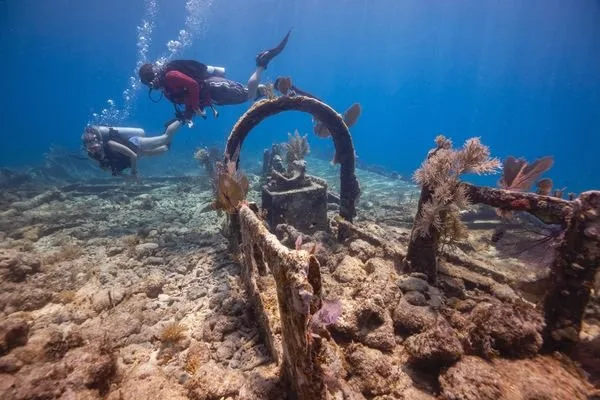
One of the unique features at Davis Reef is the 'Buddha' sanctuary, a distinct and shell-decorated landmark that serves as a popular photo opportunity and a navigation point. Beyond its charm, the reef is also an active site for coral restoration, participating in the I.CARE project. This initiative means that divers may observe coral nurseries and transplant efforts, offering insight into ongoing conservation work and healthy, actively growing coral colonies.
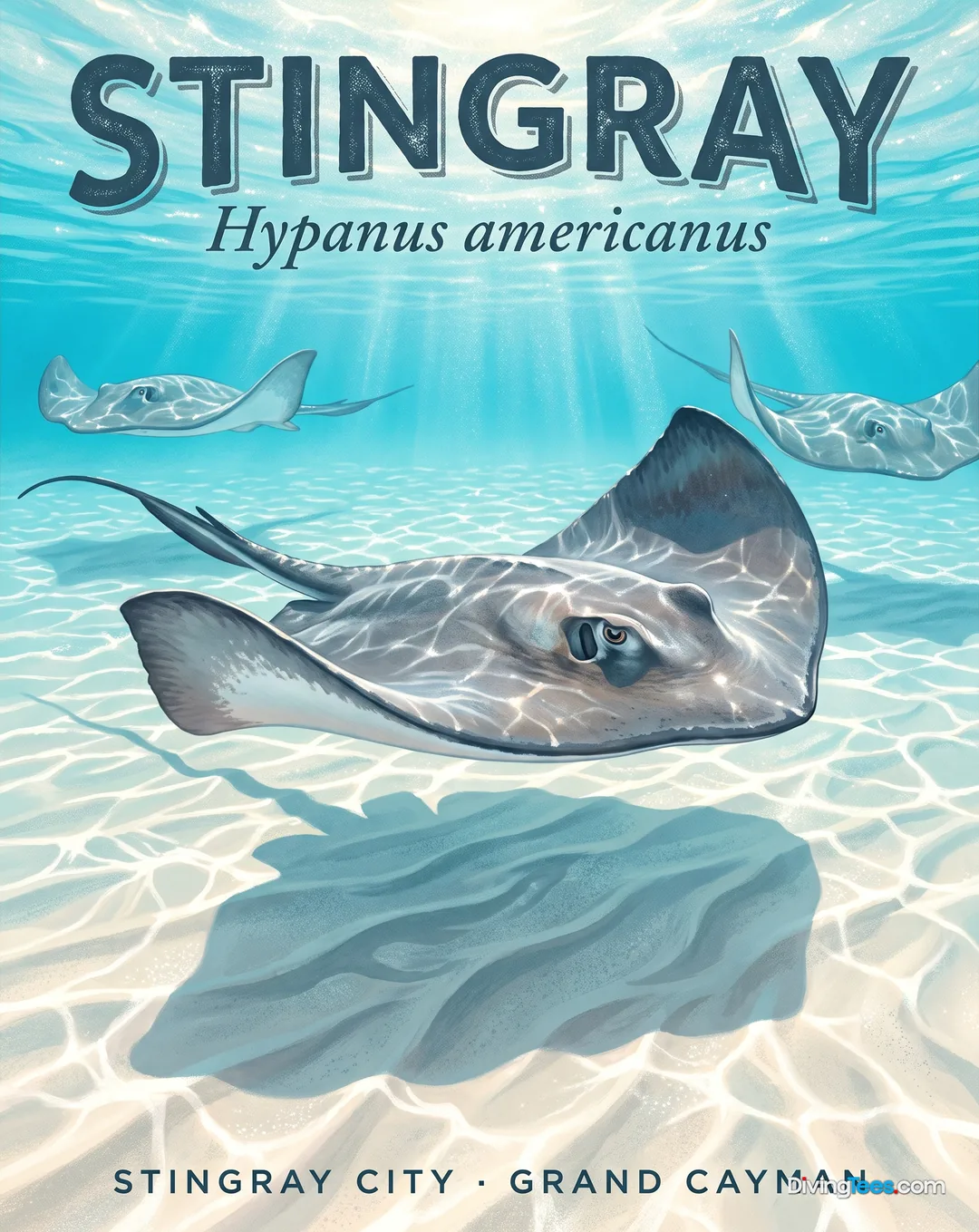
The resident fauna at Davis Reef includes Southern Stingrays (Hypanus americanus), often found foraging in sandy patches adjacent to the coral structures. You'll also encounter schools of Porkfish (Anisotremus virginicus) and French Grunts (Haemulon flavolineatum) congregating around the reef's shelter points. Night dives here showcase a different activity level, with increased chances of observing sea turtles feeding and moving across the reef, offering a distinct experience from a daytime dive.
While the reef's shallower sections are easily navigable, the deeper edges transition into more pronounced drop-offs where the topography offers more challenge. These areas provide a different current experience compared to the central, more sheltered parts of the reef. The interaction between the reef structure and the water movement creates micro-habitats, attracting different species and varying the dive profile throughout the site.
Depths at Davis Reef range from 5 metres on the shallow ledges down to 21 metres along the deeper reef edges. The site is accessible to intermediate level divers. Visibility is generally good, allowing for clear views of the reef's intricate structures and marine life. While currents are typically light on the reef formations across Key Largo, they can become a factor on more exposed sections of the reef.
You can explore Davis Reef during the day for shallow coral gardens, gorgonians, nurse sharks, Southern Stingrays, schooling Porkfish and French Grunts. A night dive offers a different experience, with increased turtle activity as sea turtles feed and move across the reef. Visibility is generally good for viewing the reef structures and marine life.
Davis Reef is accessible to intermediate level divers. Its shallow sections are easily navigable, while the deeper edges have more pronounced drop-offs and require closer attention to depth and current. The coral ridges, channels, overhangs and changing reef profile allow you to choose routes that match your experience and the conditions.
Davis Reef ranges from five metres on the shallow ledges to seventy metres according to the listed site depth. The described reef profile reaches five metres in the shallow sections and twenty-one metres along the deeper reef edges. You can encounter coral formations, ridges, channels and drop-offs as the route descends.
Currents are typically light across the reef formations, though they can become a factor on more exposed sections and along the deeper edges. You may see gorgonians, nurse sharks in overhangs, Southern Stingrays in sandy patches, schooling Porkfish and French Grunts, sea turtles, the Buddha landmark and coral restoration work.