
Sea Dwellers Dive Center
Google 4.8/5 (1,232 reviews)
8 km away as the crow flies
Key Largo · United States · Americas
Max. depth · 40 mMolasses Reef offers a vast reef system in Key Largo, characterized by extensive coral formations and a thriving marine ecosystem shaped by the Gulf Stream.
For subtitles in English: start the video firstthen click the gearat the top right of the video, select “Subtitles/CC”, then “Auto-translate” and choose “English”.
Molasses Reef is less a single dive site and more a comprehensive reef system, defining the diving experience in Key Largo. This expansive complex is a notable feature within the John Pennekamp Coral Reef State Park, marked by a NOAA weather tower that serves as both a navigational aid and a bird habitat. The reef is characterized by distinct topographical zones, transitioning from shallow sections suitable for snorkeling to deeper areas demanding more extensive dive profiles. Its diversity, combined with consistent water clarity from the Gulf Stream, establishes Molasses Reef as a cornerstone for exploration in the Florida Keys.
The topography of Molasses Reef is predominantly defined by high-profile spur and groove coral formations, especially in the shallower sections, roughly between 3 and 12 metres. Moving deeper, from 12 to 18 metres, these formations transition into gently sloping hardbottom interspersed with sand channels. These deeper sections are adorned with a mix of hard and soft corals, alongside an array of sponges. The reef's structure creates numerous hiding spots and micro-habitats, making each dive an opportunity to discover new facets of the ecosystem, from the coral gardens to the larger-scale geological features.
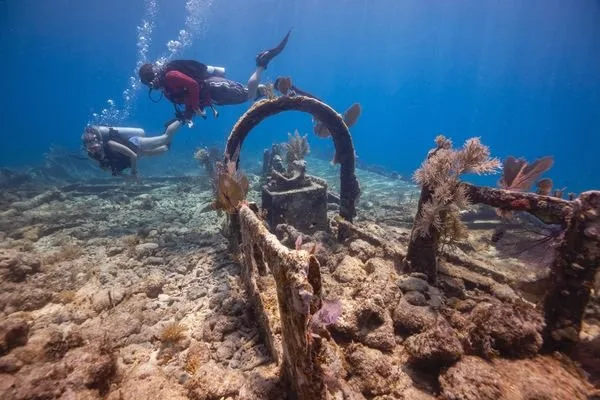
Below 15 metres, the reef transitions into a discernible drop-off, extending to around 21 metres. This deeper edge offers opportunities for drift dives, leveraging currents from the nearby Gulf Stream that maintain high visibility. Specific named areas within Molasses, such as Spanish Anchor, Winch Hole, and Hole in the Wall, highlight unique features within the broader reef structure. These areas often include remnant debris from the 1984 grounding of the cargo ship Wellwood, now integrated into the reef, creating points of interest. It's important to be aware of the Sanctuary Preservation Area (SPA) which limits activities to protect these recovered sections.
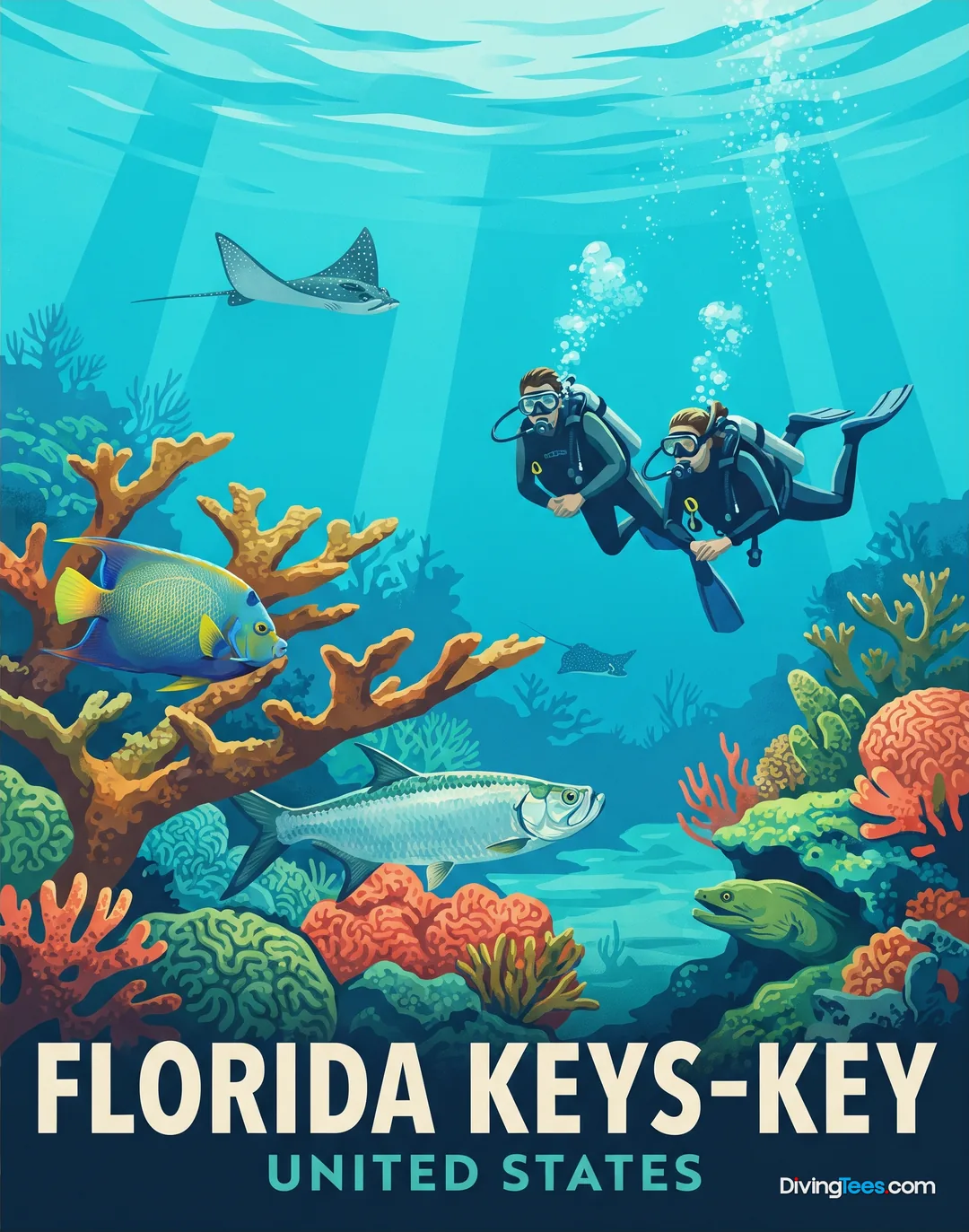
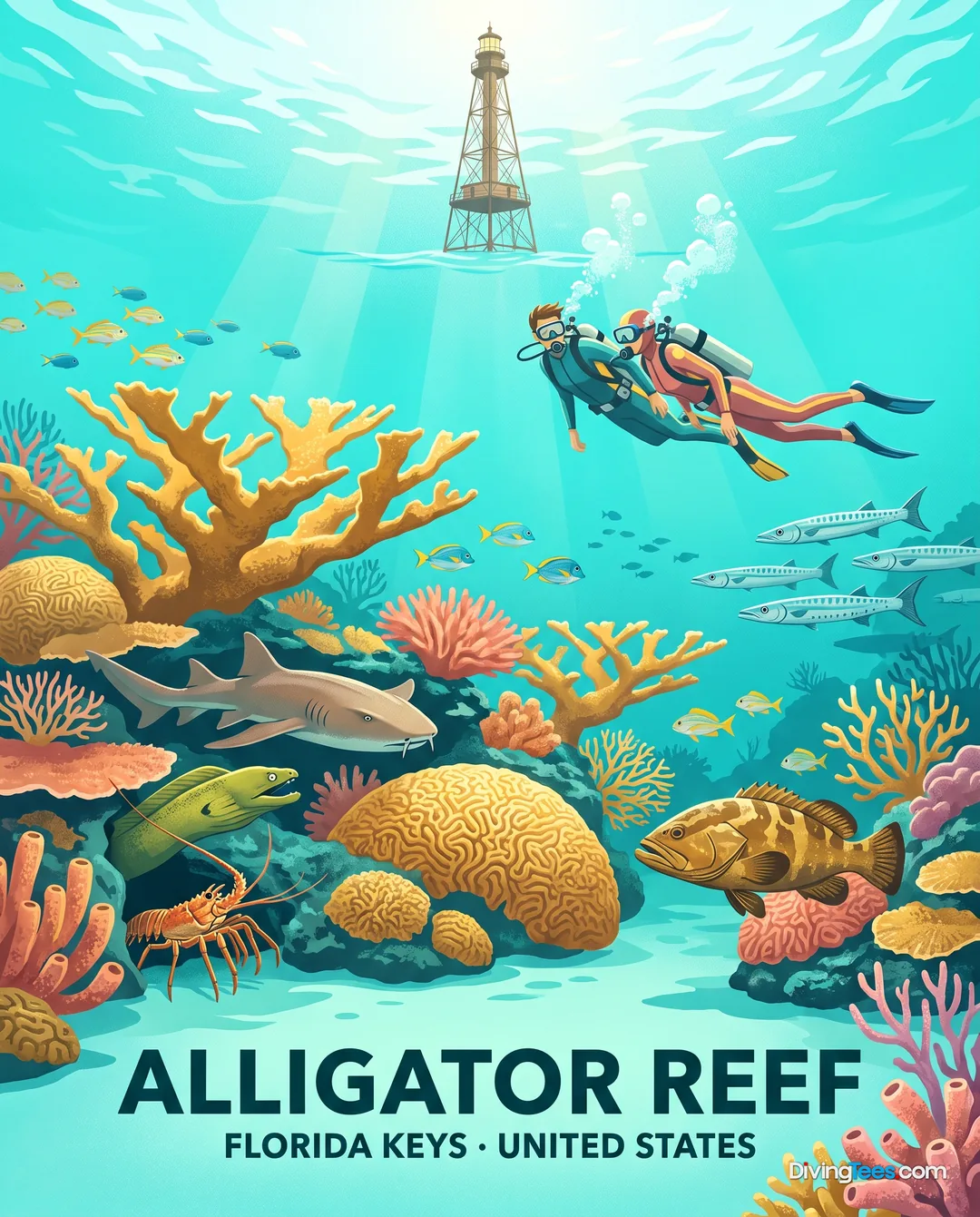
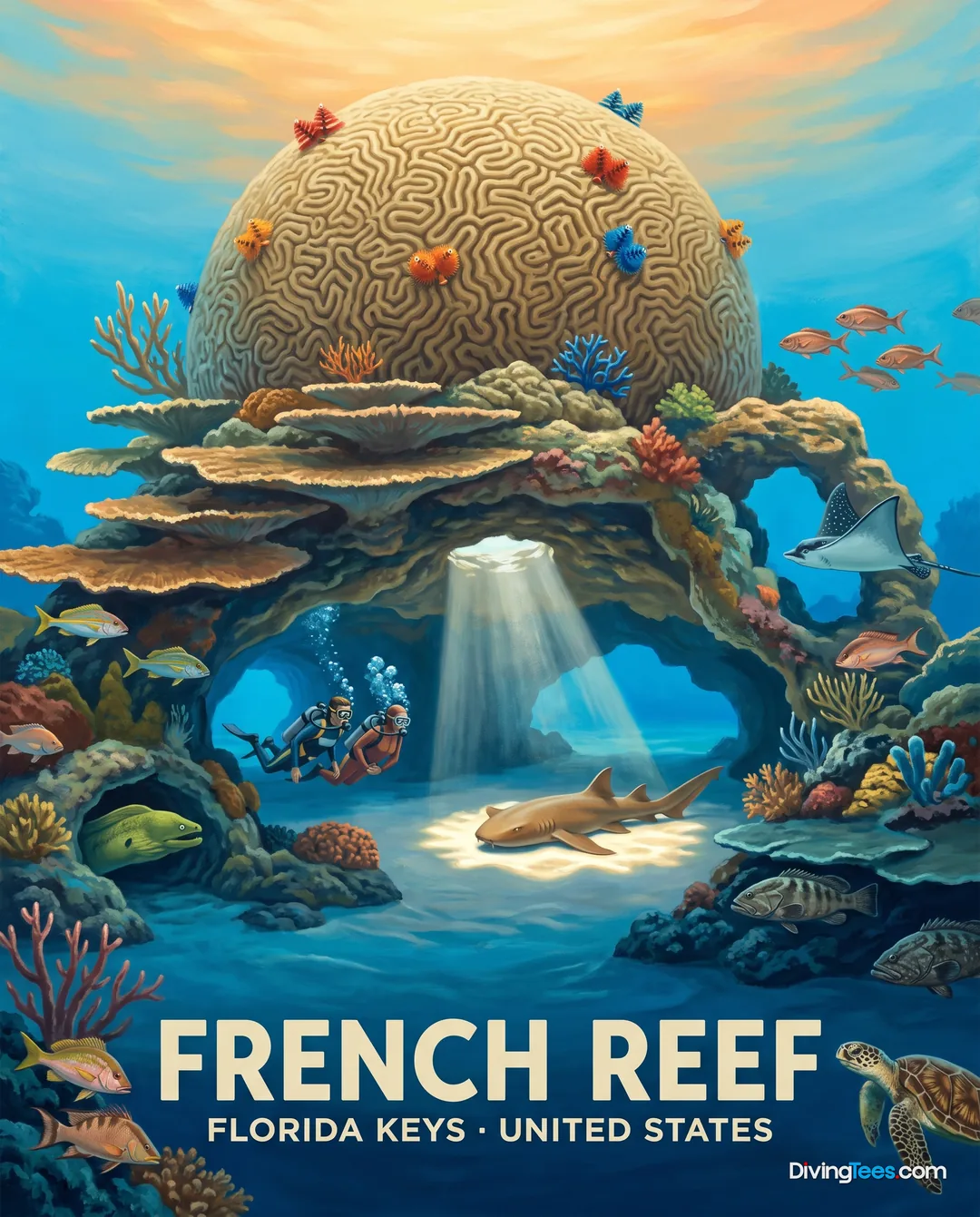
Molasses Reef is home to significant coral structures, including large brain corals and star corals, which form part of the extensive barrier reef. These massive corals provide shelter and foraging grounds for a variety of macro-invertebrates such as lobsters, crabs, and shrimp. Moray eels are commonly seen within the reef's many ledges and crevices. The architectural complexity of the reef directly supports the biodiversity found here, making it a rich environment for observing the intricate interactions of the underwater world.
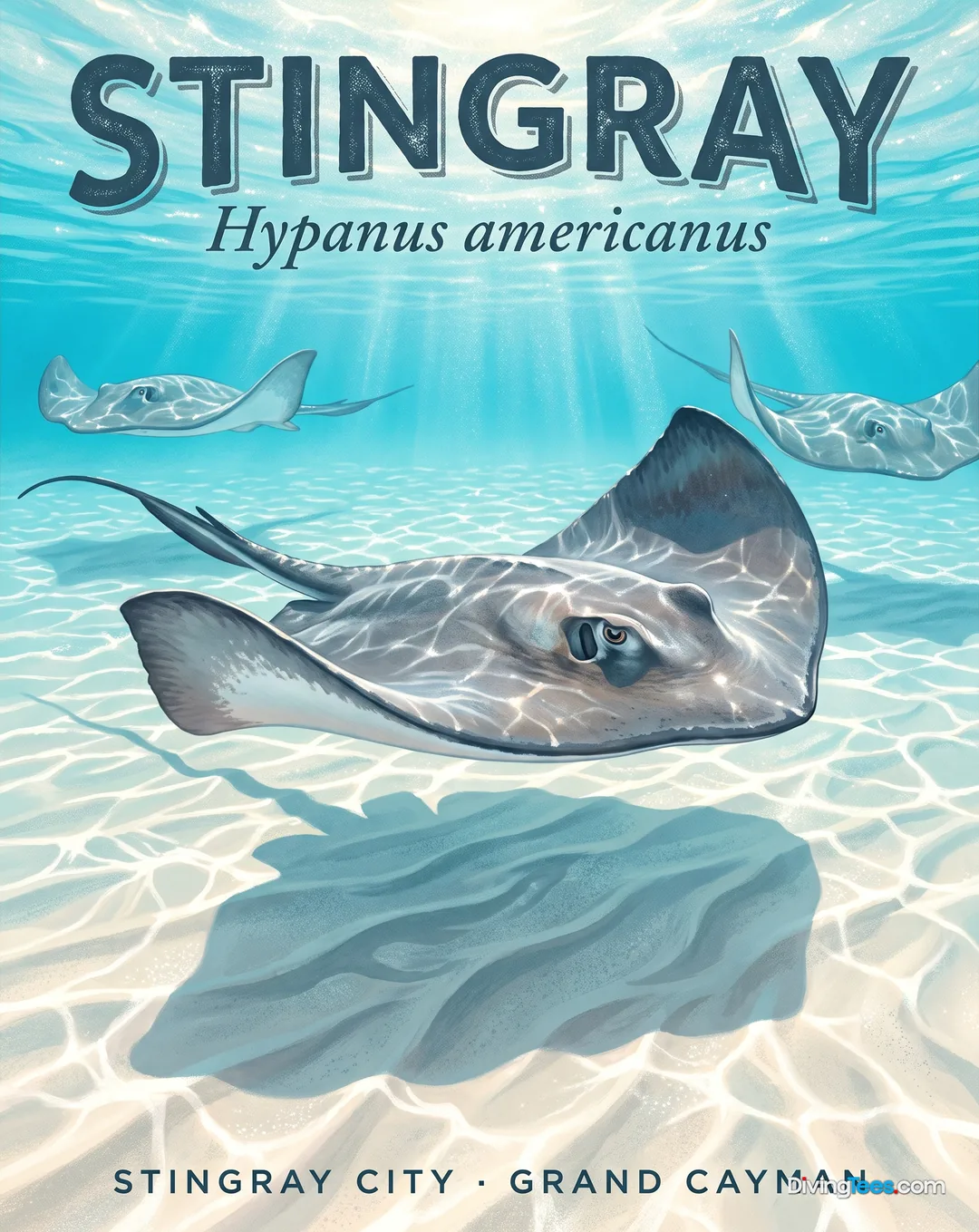
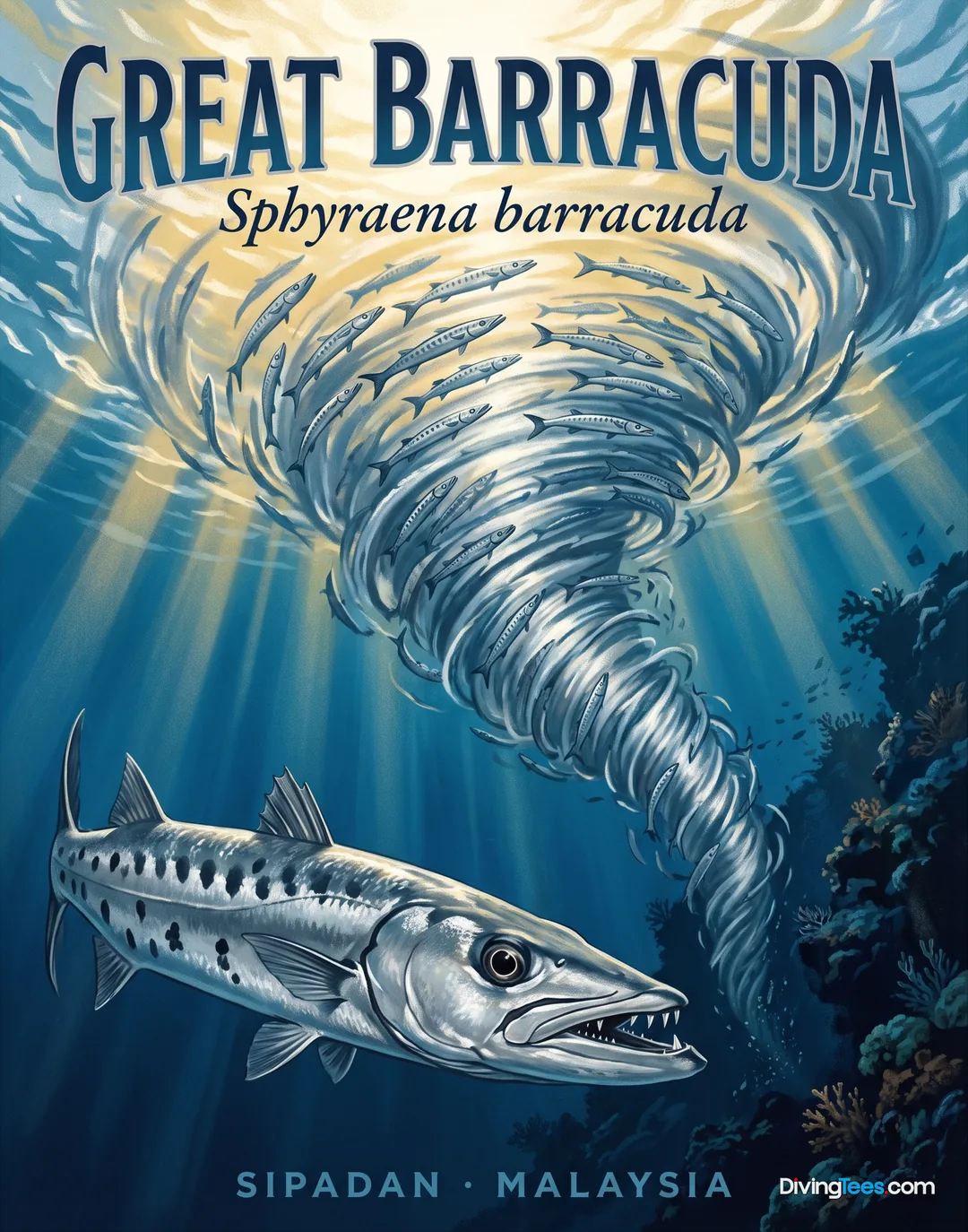
The fish population at Molasses Reef is diverse and active. Parrotfish, angelfish, and filefish are often observed navigating the coral formations. Schooling fish, including snapper and grunts, populate the reef. Large pelagic species such as barracuda are also present. Nurse sharks (Ginglymostoma cirratum) are regularly encountered, often resting on the sandy bottom or within the reef's overhangs. Southern stingrays (Hypanus americanus) and spotted eagle rays (Aetobatus narinari) are also frequent visitors, gliding over the sand channels.
Sea turtles, including hawksbill sea turtles (Eretmochelys imbricata) and loggerhead sea turtles (Caretta caretta), are a consistent presence at Molasses Reef, often seen grazing on sponges or resting. The dynamic current flow introduced by the Gulf Stream plays a crucial role in the health of this reef, providing clear, nutrient-rich water. This constant flow is a primary factor in maintaining the excellent visibility and supporting the robust coral growth and diverse marine life that characterizes the site. You will notice the difference in water clarity compared to less exposed reefs in the region.
The reef is well-equipped for diver access, surrounded by over 40 mooring buoys to minimize environmental impact. While popular for day dives, Molasses Reef is also a safe and common choice for night diving, where the nocturnal marine life becomes active, presenting a different perspective on the ecosystem. The site is vast enough to offer varied experiences across its dive zones, accommodating different interests and skill levels, from shallow exploration to deeper drift dives.
Molasses Reef is accessible for all levels of divers, from Open Water Diver certification onwards, due to its varied depth profile. The reef ranges from a minimum depth of 3 metres to a maximum of 21 metres. Expect generally excellent visibility, which is consistently refreshed by currents from the Gulf Stream. Currents at Molasses Reef are typically moderate; divers should anticipate some flow. The site is diveable year-round, offering consistent conditions throughout the seasons.
You can dive Molasses Reef year-round, with consistent conditions throughout the seasons. Visibility is generally excellent because Gulf Stream currents continually refresh the water. The reef includes shallow coral sections, deeper areas, and night-diving opportunities, so you can experience different parts of the ecosystem depending on timing and interests.
Molasses Reef is accessible to all levels from Open Water Diver certification onward because its depth profile varies. Shallow sections begin at three metres, while the reef reaches around twenty-one metres. Deeper areas include a drop-off and drift-dive opportunities, offering profiles for both newer and more experienced divers.
Currents at Molasses Reef are typically moderate, so you should anticipate some flow during your dive. Gulf Stream currents help maintain clear, nutrient-rich water and support the reef’s coral growth. The deeper edge can offer drift-dive opportunities, allowing you to use the current while exploring the reef system.
At Molasses Reef, you can explore spur and groove coral formations, brain corals, star corals, sand channels, ledges, and sponges. Marine life includes nurse sharks, sea turtles, barracuda, parrotfish, angelfish, filefish, snapper, grunts, moray eels, lobsters, crabs, shrimp, stingrays, and spotted eagle rays.