
Silent World
Google 4.9/5 (3,139 reviews)
15 km away as the crow flies
Key Largo · United States · Americas
Max. depth · 35 mFrench Reef offers a complex reef structure with numerous caves, tunnels, and arches, creating a diverse environment for both small reef life and larger pelagic encounters.
For subtitles in English: start the video firstthen click the gearat the top right of the video, select “Subtitles/CC”, then “Auto-translate” and choose “English”.
Diving French Reef puts you in the heart of a significant coral ecosystem in the Florida Keys. This site is marked by a series of F-buoys, with the main area holding a triangular Sanctuary Preservation Area (SPA). The reef structure here is less about dramatic walls and more about intricate, low-lying formations with substantial undercuts, ledges, and numerous openings.
The topography changes as you move across the site, from sand flats fringed with coral ridges to deeper ledges. One of the defining features is the network of caves and arches. Notably, Hourglass Cave is located west of buoy F1, while Christmas Tree Cave lies west of buoy F3. These are not deep, dark penetrations but rather wide, open swim-throughs that give you a different perspective on the reef's structure.
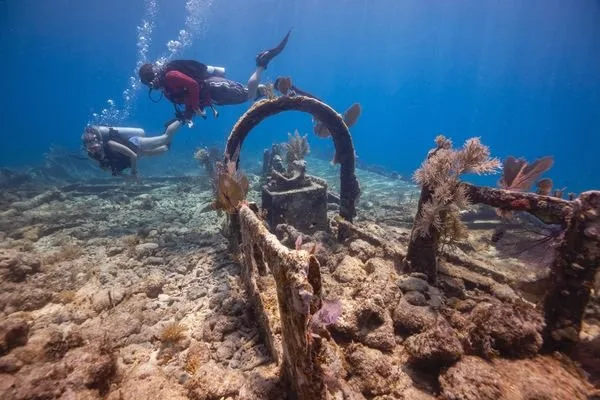
Exploring these specific caves reveals distinct pockets of life. Christmas Tree Cave, for instance, is home to dense colonies of Christmas tree worms, along with moray eels and groupers seeking shelter. The deeper sections of the reef around the F7 buoy feature a prominent ledge close to an old anchor, indicating previous human activity and adding to the site's character.
Central to French Reef's main expanse is the White Sand Bottom Cave, one of the larger open cave structures you'll find here. These formations are less about tight squeezes and more about the interplay of light and shadow, offering shelter for schooling fish and highlighting the coral growth along their ceilings and walls. The visual diversity makes each section distinct.
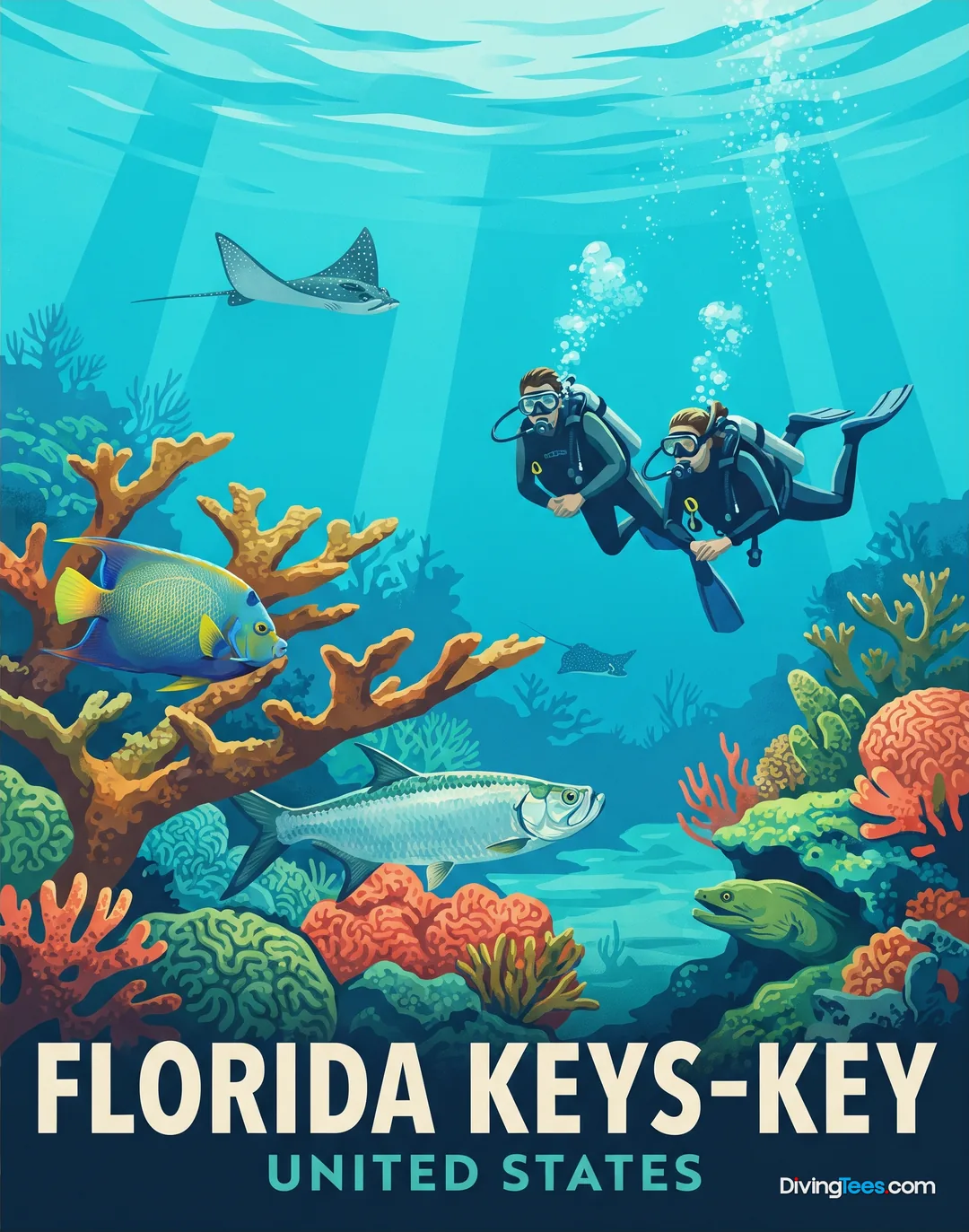
The marine life here is abundant and varied, reflecting the health of the reef. You'll encounter schools of yellowtail snapper and hogfish moving across the reef crests. Spotted eagle rays are common, often gliding gracefully over the sand patches between coral heads, and nurse sharks are regularly seen resting on the bottom or under ledges.
Moray eels are a consistent presence, peering from crevices, while sea turtles, including hawksbill sea turtles (Eretmochelys imbricata), feed on sponges or rest in quiet spots. The sheer density of smaller tropical fish, from angelfish to butterflyfish, makes the coral gardens feel alive, constantly bustling with activity.
While not a deep technical dive, the expanse of French Reef, combined with its many nooks and crannies, offers flexible dive planning. You can spend an entire dive exploring a specific cave system and its immediate surroundings or opt for a longer drift over various coral ridges, observing the diverse resident population from sweepers to various snappers.
This reef showcases the complexity of a healthy ecosystem. The combination of its gentle slopes, numerous overhead environments, and the clear water typically found here, provides excellent opportunities for observing marine interactions, from cleaning stations to the foraging habits of larger predators. It's a site that rewards careful attention to detail.
French Reef is accessible from 4 meters, with a maximum depth reaching 35 meters, making it suitable for a range of certification levels. Key Largo diving generally experiences good visibility, often strong, especially where the Gulf Stream influences the water clarity. The site conditions are generally suited for all levels of certified divers, but those with an intermediate level of experience will be able to get the most out of exploring the varied topography and deeper sections.
French Reef is suited to all levels of certified divers. Its shallow access and varied reef structure allow flexible planning, while divers with intermediate experience can explore more of the topography and deeper sections. Open-water divers can enjoy coral gardens, sand patches, and accessible swim-throughs without focusing on deeper areas.
French Reef ranges from four to thirty-five metres. You can begin on shallow sections with sand flats and coral ridges, then continue toward deeper ledges, including the area around buoy F7. The range accommodates open-water through intermediate diving, while deeper portions offer additional topography and reef features to explore.
French Reef generally has good visibility, often strong when Gulf Stream influence improves water clarity. The site includes gentle slopes, coral ridges, ledges, openings, and wide swim-throughs, allowing flexible dive planning. You can focus on one cave system and nearby reef or follow a longer route across several coral formations.
At French Reef, you can explore coral gardens, caves, tunnels, arches, and the White Sand Bottom Cave. Marine life includes yellowtail snapper, hogfish, spotted eagle rays, nurse sharks, moray eels, sea turtles, angelfish, butterflyfish, groupers, and Christmas tree worms. Coral openings and ledges provide shelter for schooling fish.