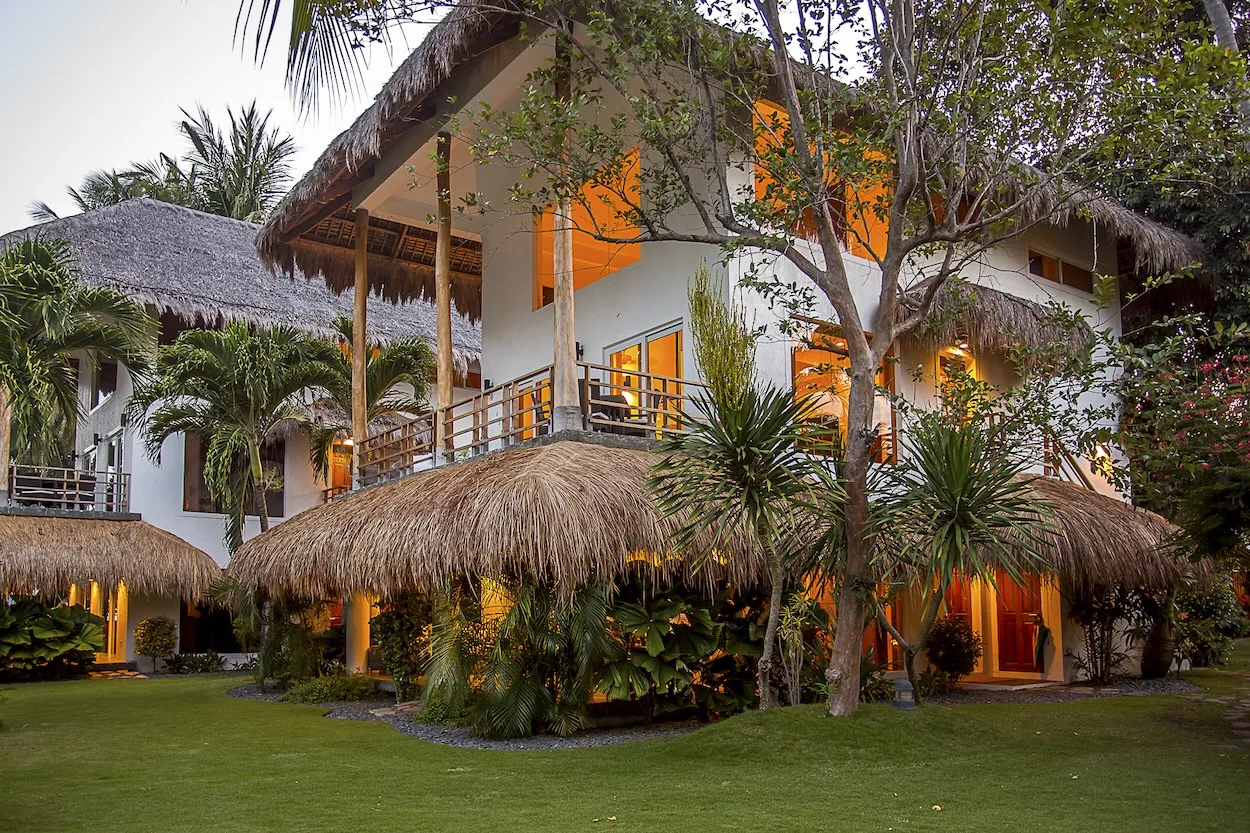

Salaya Beach Houses
Google 4.6/5 (143 reviews)
Philippines · Asia
Black volcanic sand, frogfish and nudibranchs meet Apo Island’s coral reefs, green turtles and current-swept slopes along this practical Negros dive corridor.
Sibulan is the northern gateway to the Dumaguete and Dauin dive corridor, rather than a self-contained dive resort. Its value lies in the contrast nearby: quiet macro dives over black volcanic sand around Dauin, then boat trips to Apo Island for coral reefs, turtles and fish shoals. Dumaguete supplies the practical base, while Sibulan is particularly useful for travellers arriving by sea from southern Cebu. Plan it as a land-based holiday, not a liveaboard destination.
The diving changes character as you move along the coast. Around Dauin, the terrain is a gently sloping field of black volcanic sand, where the work is slow finning, careful hovering and searching rather than covering distance. Short shore entries or brief boat rides put you over frogfish, nudibranchs, seahorses, flamboyant cuttlefish and octopuses. Apo Island provides the counterpoint, with coral reef, drop-offs and exposed points where the current can turn a dive into a drift dive. Coconut Point is the place to treat current seriously, including the possibility of a downcurrent. Visibility is commonly good, but coastal run-off, swell and boat conditions can change the picture. Apo requires a road transfer and banca crossing, so it is a full outing, not an add-on to a local shore dive.
The black-sand sites reward patience. Frogfish and nudibranchs are regular possibilities, while seahorses, flamboyant cuttlefish and blue-ringed octopuses are more occasional finds. This is the sort of diving where a small change in position reveals the subject, and where careless finning quickly sends volcanic particles across the frame. Apo Island is visually different: coral gardens, reef fish and regular encounters with green and hawksbill turtles replace the close inspection of sand. Jacks and tuna may pass in schools, and white-tip and black-tip reef sharks are occasional visitors. These animals can be encountered throughout the year, so the choice of timing is driven more by sea conditions and the Apo crossing than by a narrow wildlife season.
There is no single short season that defines this corridor. Macro subjects and turtles are present throughout the year, making Sibulan, Dumaguete and Dauin workable outside the liveliest holiday periods as well as during them. The practical choice is to travel when the coast and the crossing to Apo are likely to give you flexibility, then leave room for a weather-related change of plan. Rainy season conditions, coastal run-off and swell can reduce visibility or stop the boat altogether. The calmer-looking morning is useful for Apo departures, while a spare day matters more than chasing a particular month.
The sheltered coastal macro diving suits all levels, provided you are comfortable entering from shore where appropriate and controlling buoyancy above soft sand. Apo Island has easier sanctuary sites and shallow reef sections, but deeper and more exposed areas call for greater experience. Advanced Open Water is useful for these dives, while a Drift Diver qualification is relevant to current-prone points such as Coconut Point. Newer divers should keep to the more sheltered sites and treat the crossing, current and surface conditions as part of the dive plan.
From London Heathrow, London Gatwick or Manchester, reach the region through the Philippines and continue to Dumaguete, followed by a short road transfer to Sibulan, Dumaguete or Dauin. The alternative overland route starts in Cebu City, runs down the eastern coast of Cebu to Liloan at Santander, then requires a ferry or fast boat to Sibulan. Allow time to coordinate the road journey with the sailing, rather than treating the transfer as a simple airport connection. Once in the corridor, centres use vehicles for coastal sites. Apo Island means another road transfer to Malatapay or a nearby embarkation point, then roughly thirty to forty-five minutes by banca. Walking is realistic only beside a chosen centre or shore site.
Treat Apo Island as its own day, and preferably place it early in the holiday. That leaves a spare day if the banca cannot run, or if the return road journey is delayed. Do not book a flight or ferry connection on the same day as the trip. Leave early for Apo: the sea is generally more manageable in the morning and the turtle areas are less likely to coincide with the busiest groups. If Coconut Point is on the plan, arrive with appropriate current experience, and do not accept a deep or exposed profile beyond your training. For macro dives, pack equipment that works at close range and keep your finning quiet above the sand. Most importantly, do not make Apo the whole holiday if small life is the priority. Its coral reefs and turtles complement Dauin’s muck diving, they do not replace it. At the sanctuary, follow the local guide, pay the required fee and keep hands, fins and equipment off turtles and coral.
A seven- to ten-day land-based stay gives the corridor room to work properly. Use the coastal sites around Dauin for repeated macro dives, set aside a separate day for Apo Island, and keep another day flexible for the crossing. Sibulan itself is mainly a gateway, while Dumaguete offers the more practical urban base and Dauin places the diving closer to the coast. Non-divers can snorkel with turtles at Apo, explore the Dumaguete waterfront, visit Dauin and travel inland towards the Twin Lakes.
Hello, I'm Marina, DivingDeal.com's AI assistant. I guide you through destinations, areas and countries.
Thinking about the whole trip and the flights? Talk it over with Edith →
Marina is an AI. Some links are affiliate links: DivingDeal may earn a commission, at no extra cost to you. Bookings are made with the partner.
Sibulan works throughout the year because macro subjects and turtles remain present year-round. Choose a period when sea conditions and the Apo Island crossing are likely to offer flexibility, rather than chasing a wildlife season. Rain, coastal run-off and swell can reduce visibility or cancel boats, so keep a spare day.
Sibulan’s sheltered coastal macro sites suit all levels if you can manage shore entries and control buoyancy above soft sand. Apo Island includes easier sanctuary areas and shallow reefs, while deeper exposed sites require more experience. Advanced Open Water is useful, and current-prone Coconut Point is relevant to Drift Diver training.
Sibulan combines black volcanic-sand macro diving around Dauin with Apo Island’s coral reefs. You may find frogfish, nudibranchs, seahorses, flamboyant cuttlefish, blue-ringed octopuses and turtles. Apo also brings reef fish, jacks, tuna and occasional reef sharks, while current-swept sites can change the character of a dive.
Plan Sibulan as a land-based holiday, using Dumaguete as a practical base or staying closer to Dauin’s coast. Keep Apo Island as a separate day, preferably early in the trip, and leave another day flexible for weather or crossing delays. Combine repeated macro dives with the Apo outing rather than relying on Sibulan alone.