
The Scuba Squad
Google 5/5 (521 reviews)
Thailand · Asia
Hin Luk Bat’s rock pinnacles, the deeper HTMS Chang wreck and Koh Rang’s hard-coral reefs define Koh Chang underwater.
For subtitles in English: start the video firstthen click the gearat the top right of the video, select “Subtitles/CC”, then “Auto-translate” and choose “English”.
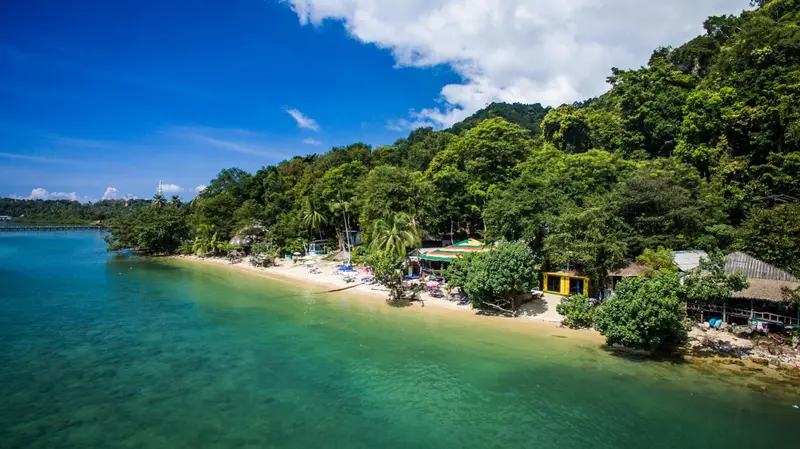
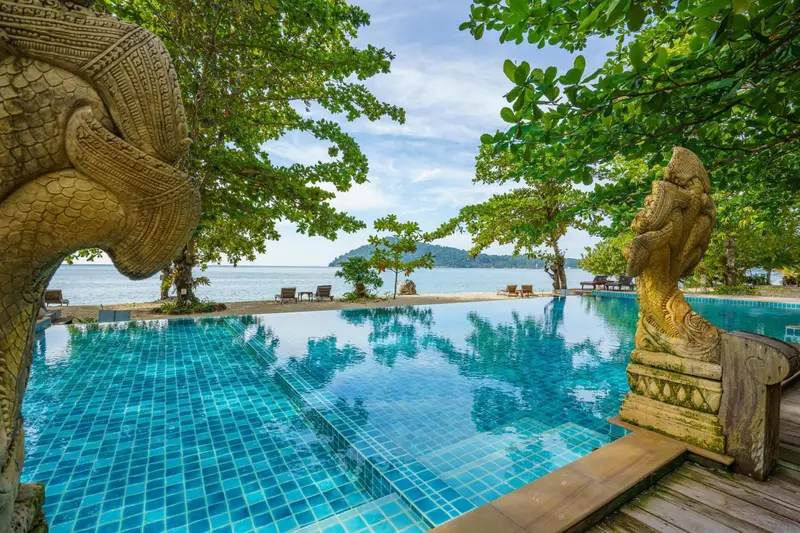
Koh Chang suits divers who want a tropical island base rather than a liveaboard routine. Days run from the west coast by boat to rocky pinnacles, coral reefs and the HTMS Chang wreck, with Koh Rang adding a longer trip into the national park. The island itself brings forest, waterfalls, beaches and kayaking, so a non-diving companion has plenty to do. Allow seven to ten days, giving the sea time to co-operate and leaving room for the island beyond the jetty.
The diving is boat-based and built around hard coral reefs, rocky pinnacles and the HTMS Chang. Hin Luk Bat, Hin Rap, Hin Nam Tai and Hin Rua Tek provide the local character, while Koh Rang generally offers clearer water and more abundant reef life when conditions allow. Currents are often modest, but exposed sites and the wreck can become more demanding. HTMS Chang combines depth, current and sometimes cloudy water, so a deep wreck profile is not guaranteed simply because the wreck is there. Visibility commonly sits around 10 to 20 metres from November to April, with rain, swell and runoff from Koh Chang able to reduce it. This is mostly a full day on the boat, not a shore-diving destination, and conditions can turn an intended outer-reef trip into a sheltered local outing.
Expect the marine life of a tropical hard-coral setting rather than a dependable parade of large seasonal animals. Koh Rang and Hin Luk Bat are associated with reefs that can remain well covered, with reef fish and turtles among the encounters reported around the islands. Koh Rang is usually the more rewarding destination for underwater life, helped by its distance from Koh Chang and generally better visibility. Around the main island, recent rain can leave the water carrying runoff, which makes the reef harder to read even when the coral is present. The most reliable timing for seeing the reef at its best is therefore the calmer November to April period, when boat trips are more likely to reach the outer sites.
Plan the main diving season from November through April, with May sometimes still workable. The southwest monsoon brings more wind and swell from roughly May to October, exposing the longer runs towards Koh Rang first. Rain also sends runoff from Koh Chang into the coastal water, so local visibility can fall after wet weather. December to February is the busier period, when more boats may be on the familiar sites. Outside those months, the water may feel less crowded, but the trade-off is less reliable sea conditions. A trip in the dry-season window gives you the best chance of combining local sites, HTMS Chang and a calm day on Koh Rang.
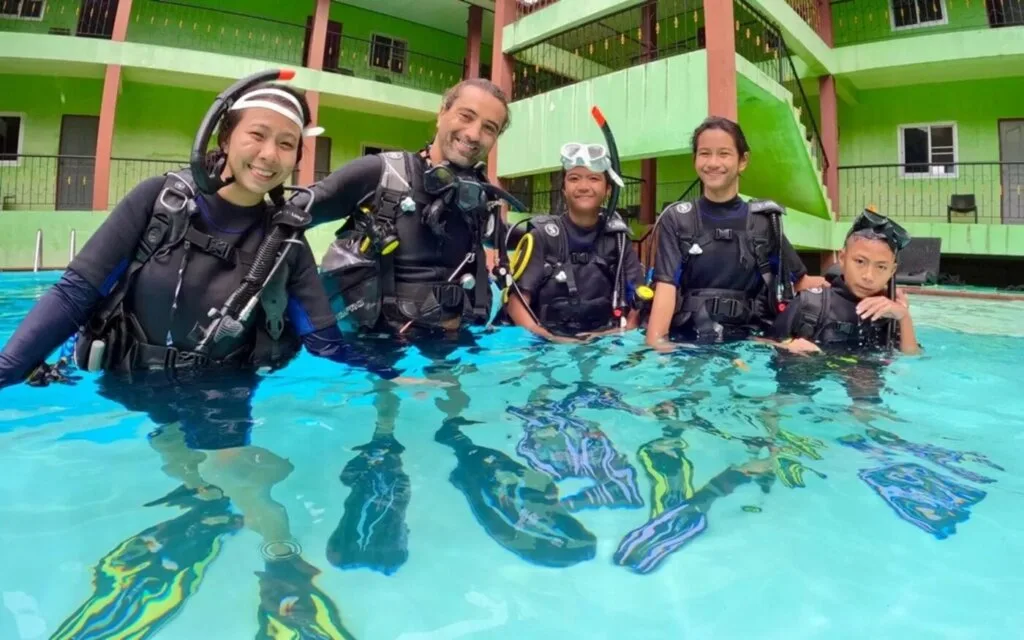
Koh Chang works for all levels, provided the day’s site matches the diver rather than the brochure. Sheltered, shallower reefs can suit beginners and a first local day is a sensible way to settle into the conditions. The deeper parts of HTMS Chang are a different proposition: Advanced Open Water, or equivalent BSAC experience and training, is appropriate there. Currents can strengthen around the wreck and exposed pinnacles. Nitrox is useful on repetitive boat days if it is available, particularly when several dives are planned.
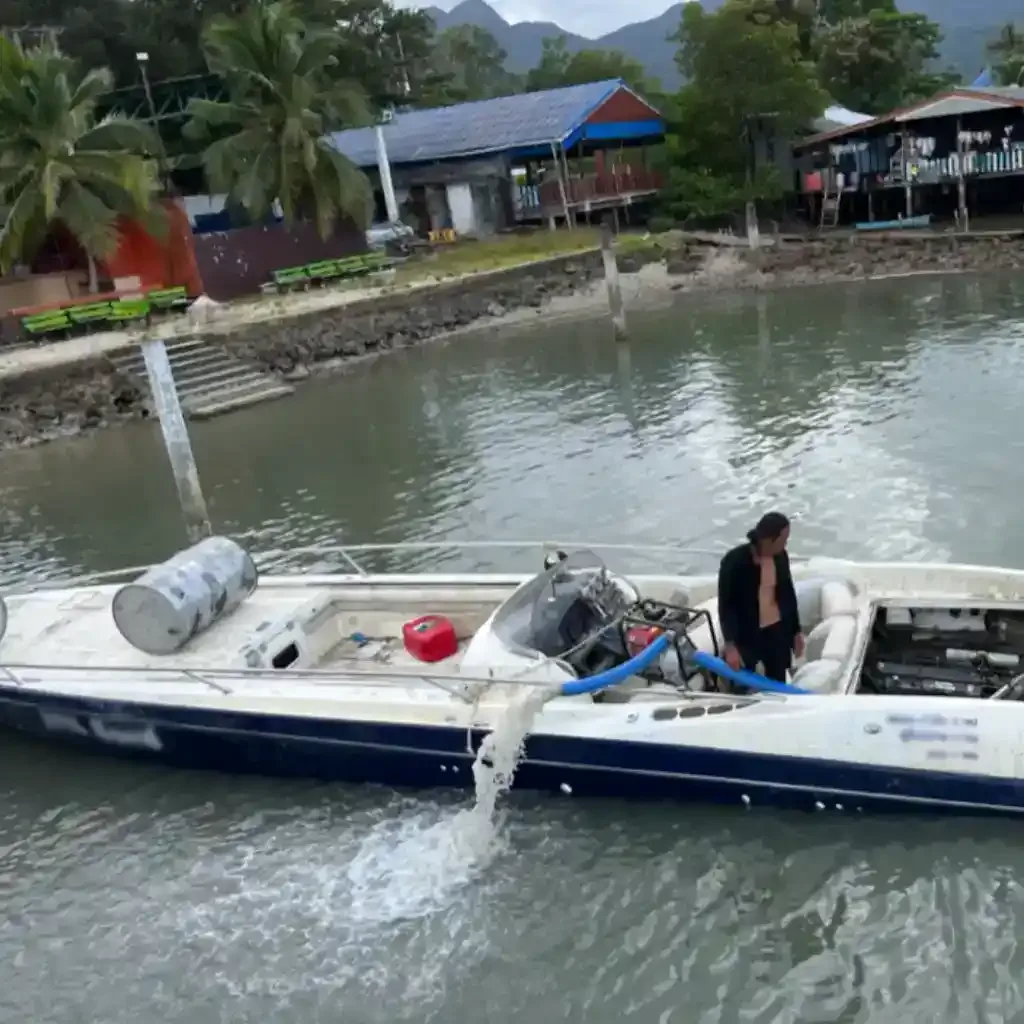
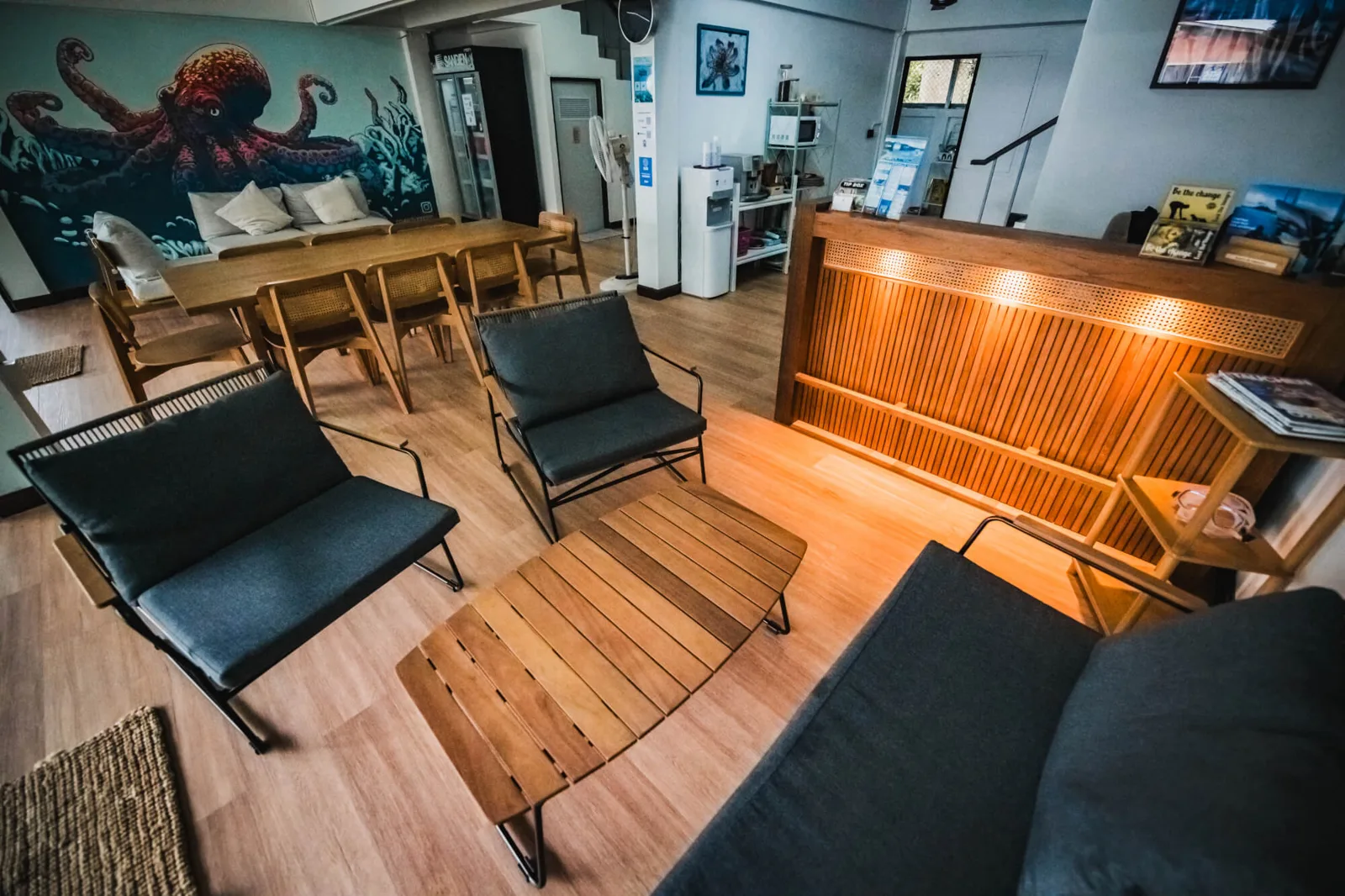
From London Heathrow, Gatwick or Manchester, travel runs through Bangkok. Koh Chang has no airport, so continue either by road to Trat, allowing roughly four to five hours, or by an internal flight before taking a road transfer to the ferry. The crossing to Koh Chang is compulsory and usually takes around 30 to 45 minutes. Build in time for the connection between the Trat transfer and the ferry timetable, rather than treating the journey as a single seamless transfer. Once on the island, the diving centres are concentrated along the west coast. Some accommodation is walkable from them, while other beaches require a local taxi, road transfer or the shuttle offered by the centre.
Keep a whole day free for Koh Rang and use it when the sea is calm. It is generally the more rewarding outer-reef outing, but the first to be curtailed by the monsoon, so a single fixed date is a poor plan. Leave another weather margin in a seven to ten-day stay. Starting at Hin Luk Bat or on a suitable HTMS Chang itinerary lets you judge visibility and current before committing to the longer run. After rain, expect the reefs close to Koh Chang to be less clear because of island runoff. Ask what will genuinely be accessible that morning in the rainy season, rather than booking by site name alone. Check the distance from your accommodation to the west-coast centre before settling on a beach. Finally, bring a 3 mm suit or your own thinner full-length protection if you chill on long boat days, and do not put a flight or ferry connection immediately after diving.
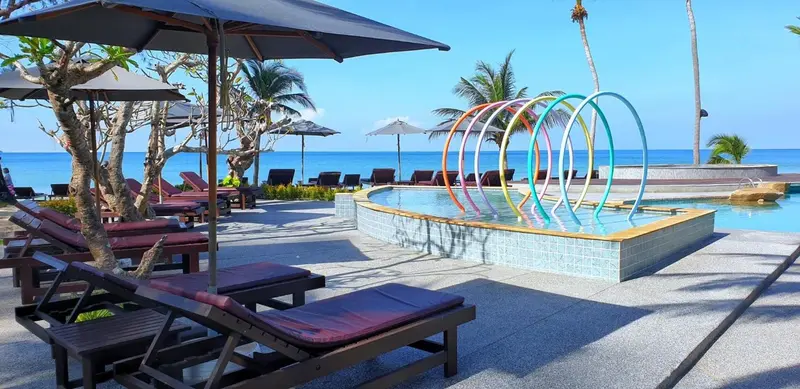
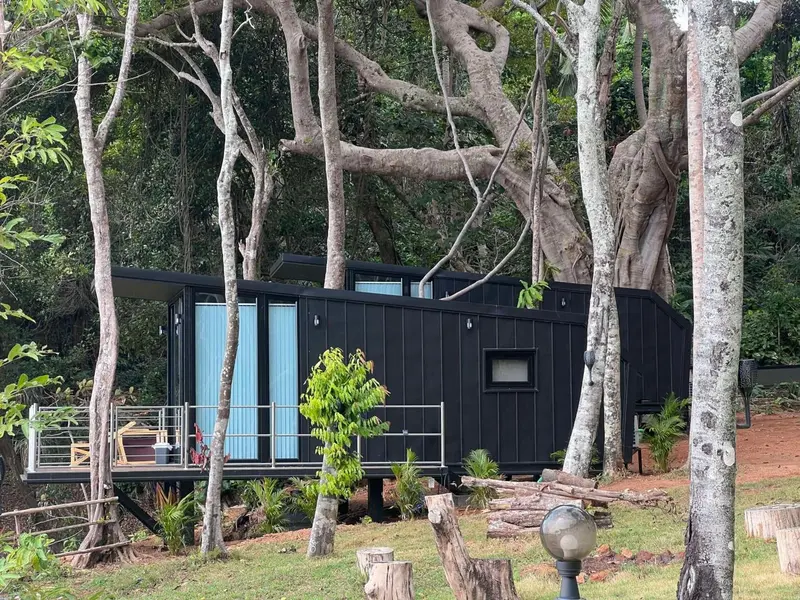
The practical arrangement is a land-based island stay with repeated day boats, rather than a confirmed liveaboard programme. Base yourself with the west-coast diving logistics in mind, then mix local trips with a Koh Rang day and a possible HTMS Chang outing. Keep time for beaches, forest walks, waterfalls, kayaking and island boat trips. Snorkelling is another option when the sea permits, while the national park adds a terrestrial reason to stay beyond the diving.
Hello, I'm Marina, DivingDeal.com's AI assistant. I guide you through destinations, areas and countries.
Thinking about the whole trip and the flights? Talk it over with Edith →
Marina is an AI. Some links are affiliate links: DivingDeal may earn a commission, at no extra cost to you. Bookings are made with the partner.
Plan your Koh Chang diving from November through April, when calmer conditions make trips to local sites, HTMS Chang and Koh Rang more achievable. May can sometimes work, but the southwest monsoon from roughly May to October brings wind, swell and rain runoff, which can reduce visibility and curtail longer outer-reef journeys.
Koh Chang can suit different experience levels when the site matches your training. Sheltered, shallower reefs are suitable for beginners, while exposed pinnacles and HTMS Chang can bring stronger currents. The deeper wreck sections call for Advanced Open Water or equivalent BSAC experience and training. Nitrox can help on repetitive boat days.
Koh Chang offers tropical hard-coral reefs, rocky pinnacles and the HTMS Chang wreck. Hin Luk Bat, Hin Rap, Hin Nam Tai and Hin Rua Tek provide local rocky sites, while Koh Rang usually has clearer water, reef fish and turtles. Expect reef life rather than a dependable parade of large seasonal animals.
Plan a land-based stay of seven to ten days, using repeated day boats from the west coast rather than a liveaboard routine. Keep a full day flexible for Koh Rang, allow weather margin, and begin with a local site or suitable HTMS Chang trip. Check your accommodation’s distance from the diving centre and allow time for the compulsory ferry connection.