
100 Degrees East
Google 5/5 (708 reviews)
67 km away as the crow flies
Koh Samui · Thailand · Asia
Max. depth · 22 mA sheltered rocky reef slope offering calm conditions and healthy hard coral gardens on the northeast tip of Koh Tao.
For subtitles in English: start the video firstthen click the gearat the top right of the video, select “Subtitles/CC”, then “Auto-translate” and choose “English”.
Lighthouse Bay sits on the northeast tip of Koh Tao, positioned directly below the island's old lighthouse. The site is characterized by a sheltered bay topography that protects the reef from much of the open sea's energy. This positioning creates a relatively calm environment compared to the more exposed sides of the island. You will find a gently sloping rocky reef that begins in very shallow water and extends out toward the outer edge. This gradual descent allows for a controlled dive profile that is easy to manage.
The dive profile starts in the shallows, with the reef beginning at depths between 4 and 6 metres. As you move outward, the seabed transitions into a rocky slope that gradually reaches its maximum depth around 18 to 22 metres. This depth range makes the site particularly useful for those looking to practice buoyancy control or for those conducting shallow training dives. The transition from the shallow coral gardens to the outer reef edge provides a variety of micro-habitats within a small area. You can easily monitor your ascent and descent throughout the entire site.
The seabed is dominated by a healthy carpet of hard corals that cover much of the rocky slope. These coral gardens provide the structural complexity needed to support a diverse range of smaller reef residents. You will notice various sea anemones tucked into the crevices of the rocks, adding to the texture of the bottom. The presence of these corals indicates a stable environment, as they require consistent conditions to thrive. Exploring the gaps between the rocks often reveals more intricate details of the reef's structure.
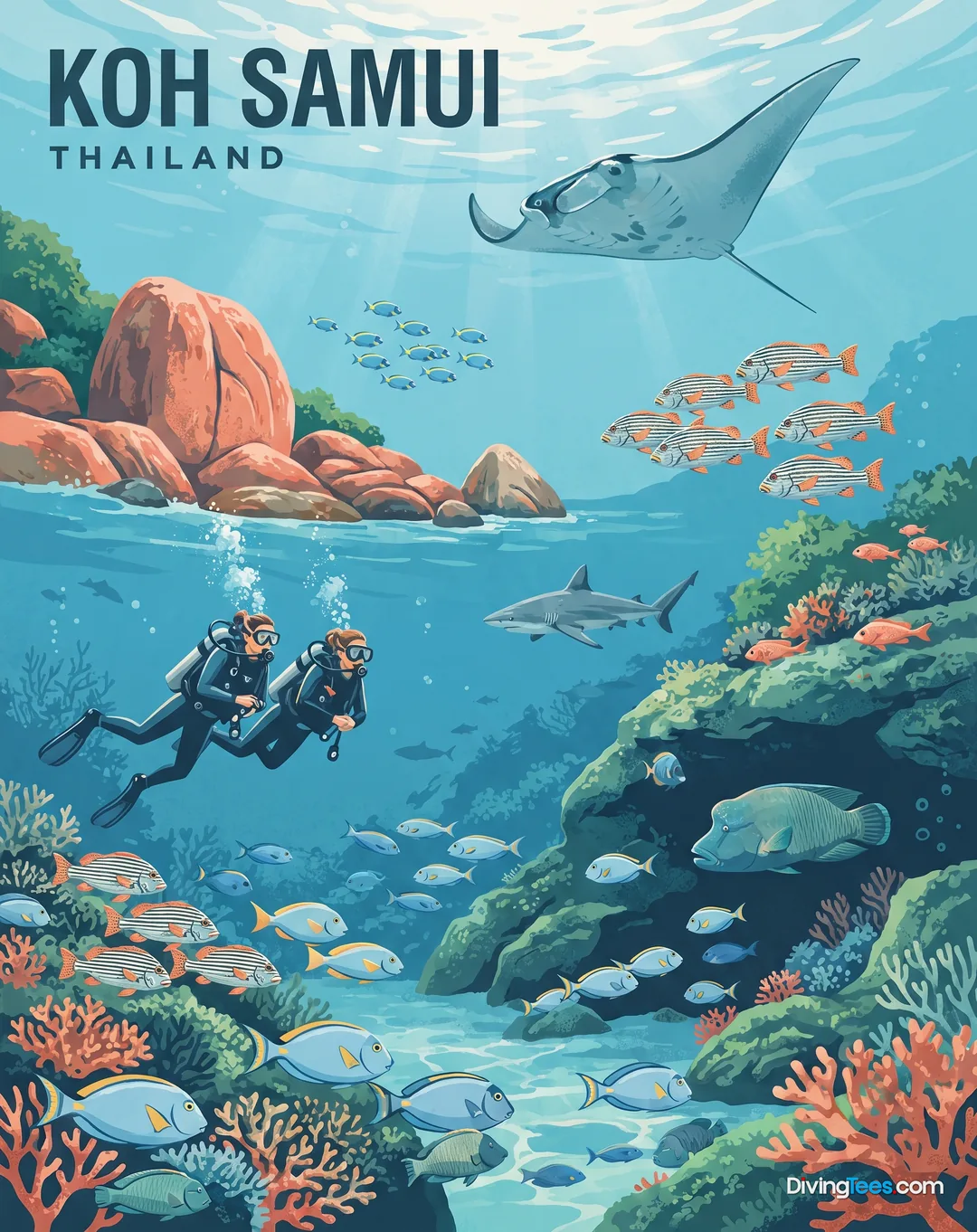
The reef fish population here is consistent and active, providing plenty of movement for observers. You can expect to see various species including wrasses, butterflyfish, angelfish, damselfish, and parrotfish. Fusiliers often move in schools through the water column above the reef. These fish are well-integrated into the coral gardens, using the hard coral structures for shelter. Observing their feeding behaviours among the rocks is a standard part of the experience at this site.
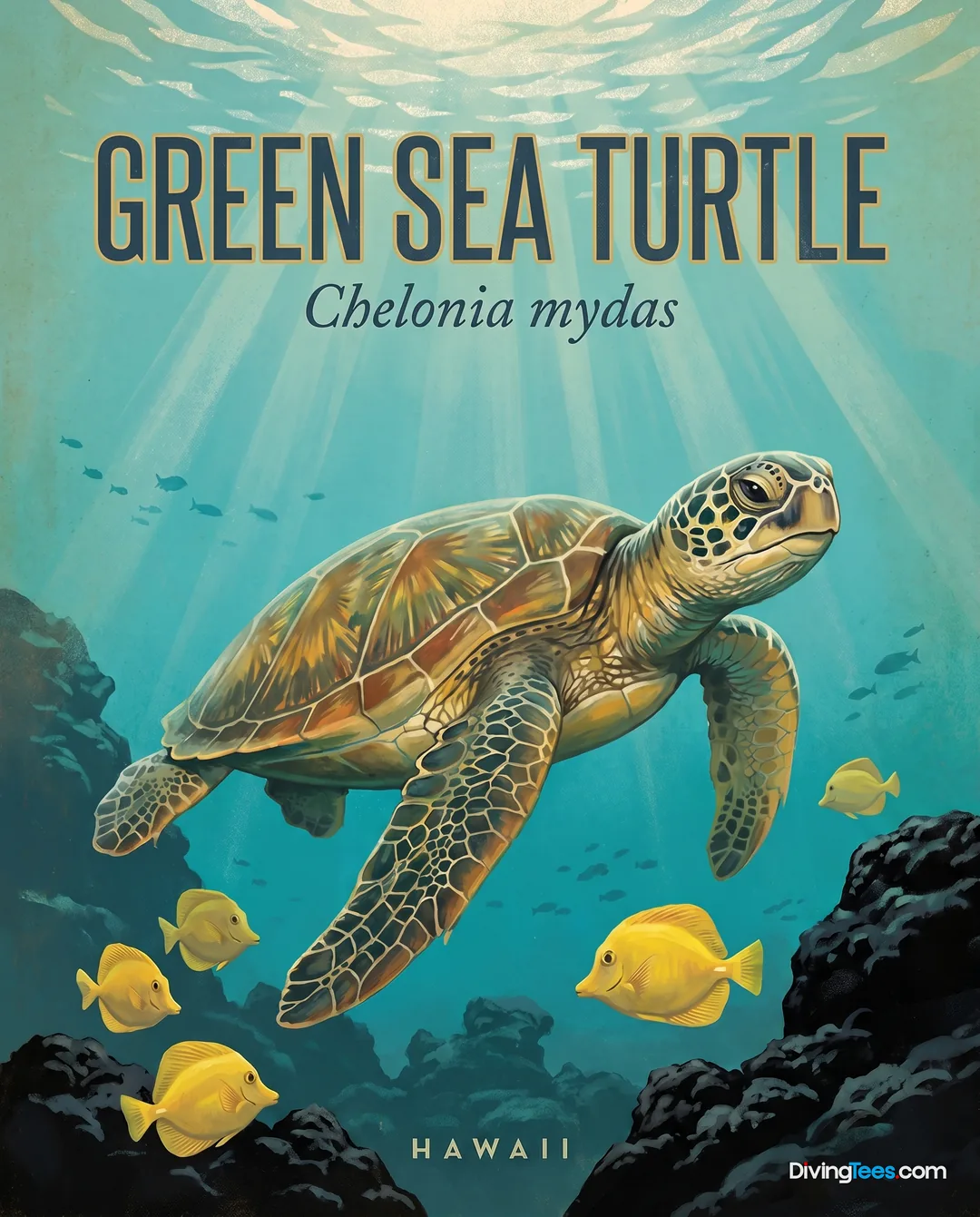
Larger or more distinctive fauna can be found if you keep a close eye on the periphery and the reef edges. Green turtles are known to visit these waters, moving along the reef slope. You might also encounter yellowtail barracuda patrolling the area. These encounters are often more frequent here than at the busier, high-traffic dive sites on the island. The relative quiet of the bay allows for a more observant approach to spotting these animals.
Conditions at Lighthouse Bay are heavily influenced by the seasonal monsoons. During the southwest monsoon, the bay remains sheltered and provides the calmest water for diving. However, during the northeast monsoon, the seas on this side of Koh Tao can become rougher, affecting accessibility and surface conditions. It is important to check the seasonal shift before planning a dive here to ensure you are diving in the most stable window. Generally, the light currents make it a predictable site for most divers.
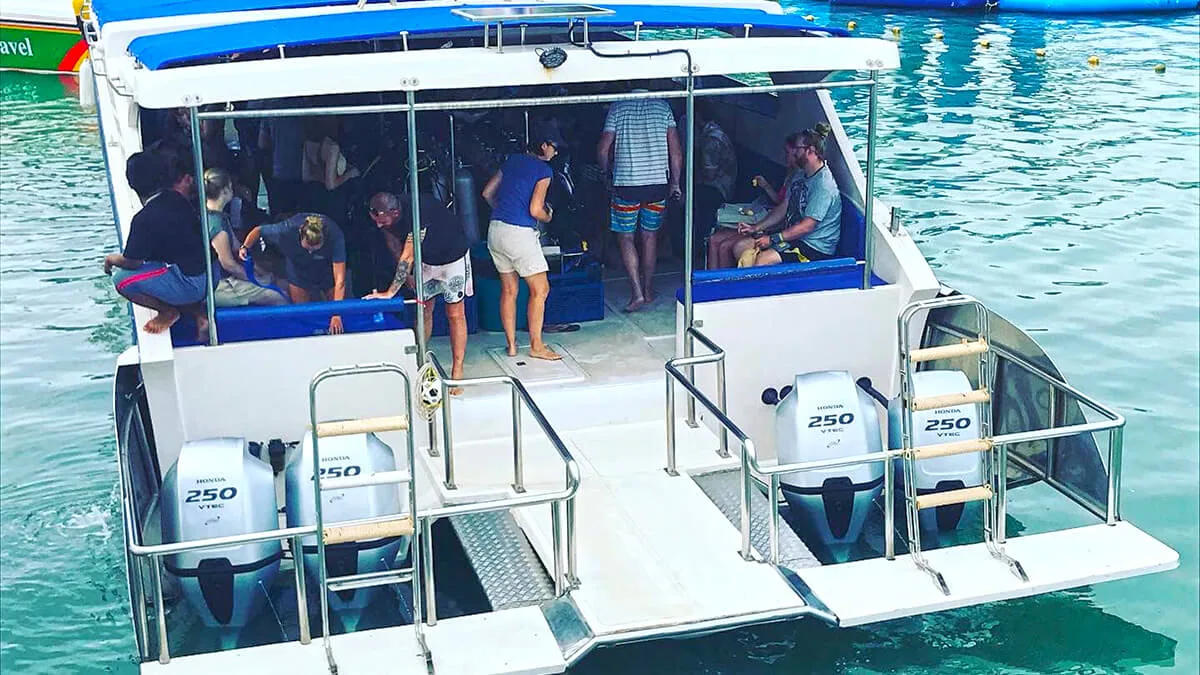
Accessing the site is most commonly done by boat from Koh Tao, with vessels anchoring directly within the bay. This is the most efficient way to reach the reef and manage your entry and exit. While shore access is possible via a steep path from an unfinished resort or through various hiking trails, it involves a difficult climb followed by a short swim out to the reef. For most divers, the boat approach is the standard and safer method. This ensures you can begin your dive directly at the reef edge.
The site has a depth range of 4 to 22 metres and is accessible from Open Water Diver level, making it suitable for beginners and training. Visibility typically ranges between 5 and 10 metres. Currents are generally light due to the sheltered nature of the bay, but conditions can become rougher during the northeast monsoon. The best time to dive is during the southwest monsoon months when the northeast side of the island is more protected.
You will find the calmest diving conditions at Lighthouse Bay during the southwest monsoon months, when the northeast side of the island is more protected. During the northeast monsoon, seas can become rougher, which may affect accessibility and surface conditions. Check the seasonal shift before planning your dive.
Lighthouse Bay is accessible from Open Water Diver level and suits beginners and training dives. You can start over shallow reef at 4 to 6 metres, then follow the gently sloping rocky reef outward to depths of about 18 to 22 metres. The gradual profile supports buoyancy practice and controlled ascents.
You can generally expect light currents at Lighthouse Bay because the site lies within a sheltered bay. This creates relatively calm conditions compared with exposed areas and makes the reef predictable for most divers. However, the northeast monsoon can bring rougher seas and affect surface conditions around the site.
At Lighthouse Bay, you can explore healthy hard coral gardens, rocky reef crevices and sea anemones. Reef life includes wrasses, butterflyfish, angelfish, damselfish, parrotfish and schools of fusiliers. Green turtles visit the reef slope, while yellowtail barracuda may patrol the edges, so watch the periphery as well as the corals.