
100 Degrees East
Google 5/5 (708 reviews)
77 km away as the crow flies
Koh Samui · Thailand · Asia
Max. depth · 30 mChumphon Pinnacle offers an exhilarating advanced dive experience, renowned for its dramatic granite formations, vibrant marine life, and frequent encounters with large pelagic species, including whale sharks.
For subtitles in English: start the video firstthen click the gearat the top right of the video, select “Subtitles/CC”, then “Auto-translate” and choose “English”.
Chumphon Pinnacle, located approximately 12 kilometers northwest of Koh Tao, stands as a majestic series of interconnected granite formations, asserting its dominance as one of the Gulf of Thailand's premier advanced dive sites. These enormous rock structures ascend from the seabed, with the main pinnacle breaking the surface at around 14 meters and plunging down to a maximum recorded depth of 40 meters. As you descend, the rugged formations reveal a dynamic underwater landscape, presenting natural swim-throughs and sheltered ledges that carve into the rock faces. The sheer verticality of the site means you drop quickly into the heart of the action, directly into currents that sculpt the environment and dictate the flow of marine life.
The topography is dominated by these four distinct pinnacles, each adorned with a dense covering of vibrant pink anemones, creating a striking, shifting carpet against the dark rock faces. This living tapestry provides shelter and hunting grounds for a wide array of reef fish. You'll find yourself navigating around the structural complexity of these pinnacles, often with large schools of fusiliers and snappers creating shimmering, living walls around the formations. The currents at Chumphon Pinnacle are a defining feature, ranging from moderate to strong, and are precisely what make this site so rich with activity. You'll often find yourself holding onto a less exposed section, observing the flurry of life riding the surge just beyond. These moving water masses are responsible for the extraordinary concentrations of schooling fish. Navigating the site often involves understanding these currents, utilizing the sheltered lee sides to conserve air and energy while maximizing your viewing opportunities of the bustling reef.
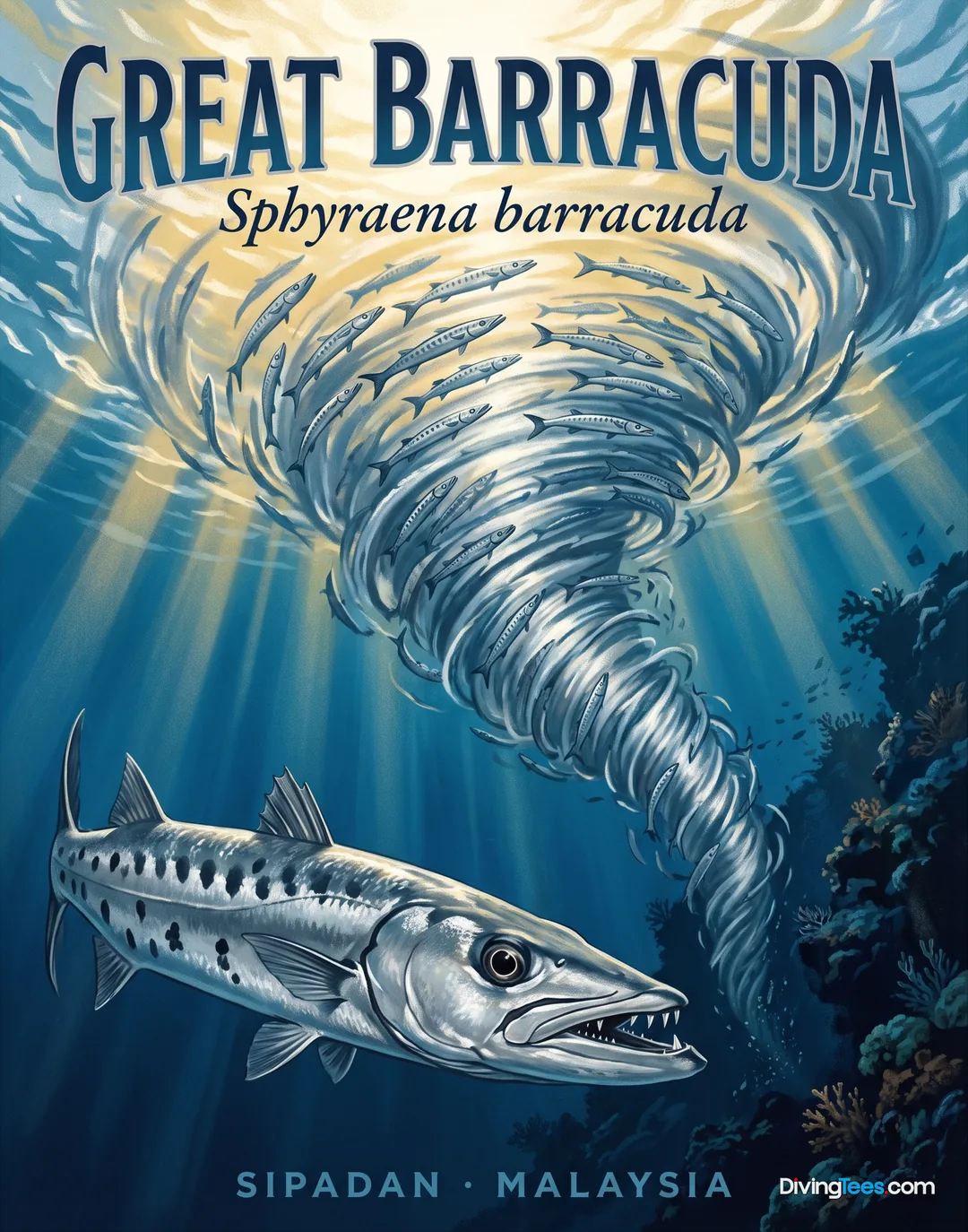
Pelagic action is a defining characteristic of Chumphon. Keep an eye out into the blue for large schools of barracuda, specifically yellow-tailed barracuda, often schooling in impressive numbers, along with big-eyed jacks and large-eyed trevally. These open-water predators are a common sight, circulating the pinnacles in search of prey. As you move deeper along the granite structures, the impressive scale of the resident groupers becomes apparent, with giant groupers often encountered patrolling the ledges and deeper crevices. Resident reef sharks also inhabit the deeper sections and crevices. Batfish gracefully navigate the water column, often seen in large schools around the more sheltered areas of the rock, sometimes approaching divers with curiosity.
The intricate ecosystems supported by the pink anemones are home to numerous anemonefish, their vibrant colours a stark punctuation against the soft pinks. Keep an eye out for humphead parrotfish, whose distinctive forms are often spotted cruising along the deeper sections, making their presence known as they graze on the coral.
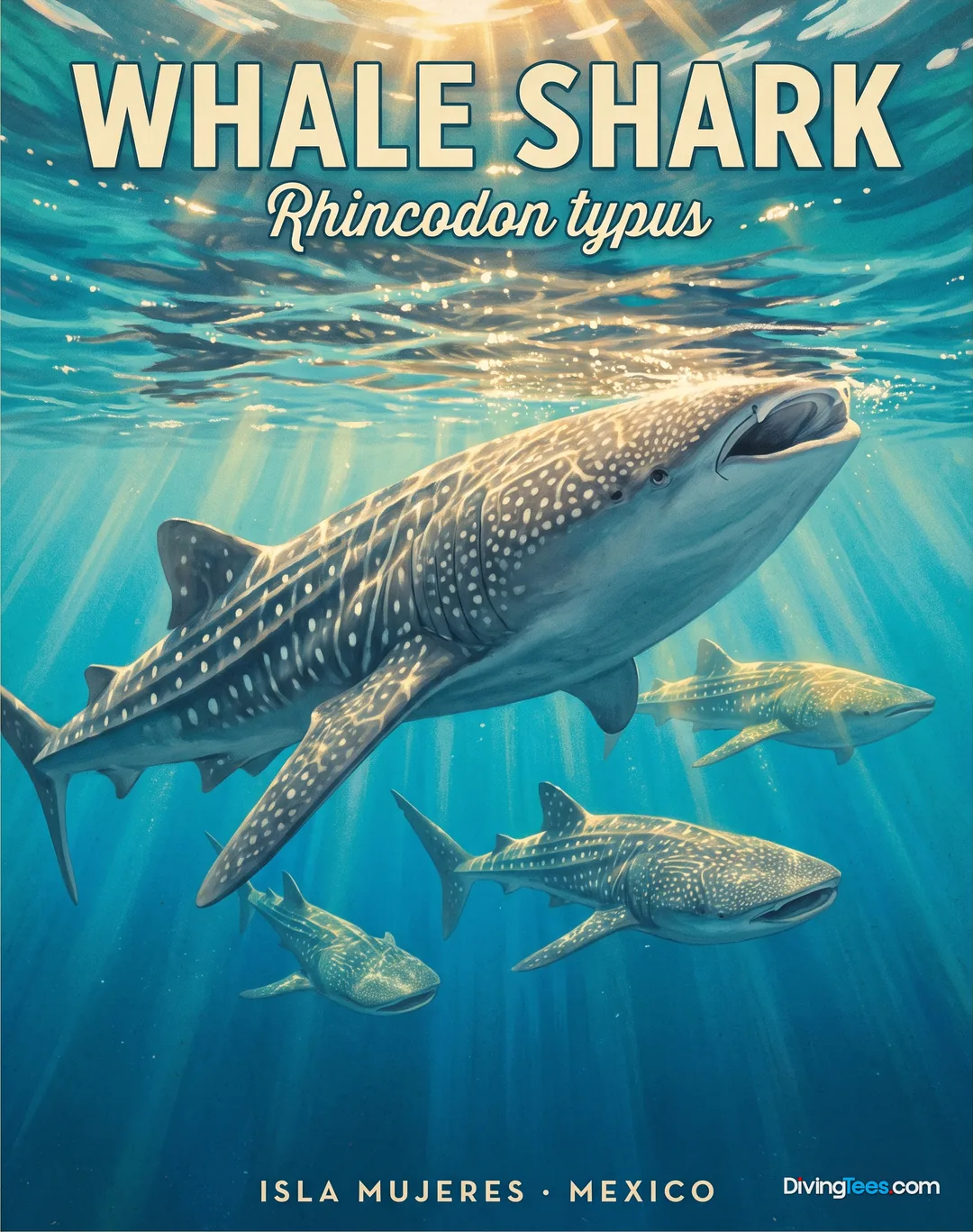
Beyond the schooling fish and reef residents, Chumphon Pinnacle is famously a place to encounter larger pelagic species. From March to May and again from August to October, the magnetic pull of this site can draw in the ultimate prize: the majestic whale shark. These are often accompanied by remoras and cobia (Rachycentron canadum). Even outside these peak seasons, other impressive predators like large-eyed trevally are frequently seen, hunting amongst the dense schools of smaller fish. The deep sections of the pinnacles provide habitat for more elusive creatures, including occasional encounters with sea snakes, their patterned bodies weaving through the deeper rock formations. The sheer biomass visible at Chumphon Pinnacle is a testament to its location and the nutrient-rich currents that sweep over it, creating a feeding ground and sanctuary for a diverse range of marine life.
This intricate web of life, from the smallest anemonefish to the largest whale shark, makes every dive here a unique exploration of a thriving underwater ecosystem. Visibility here can be variable, sometimes reduced, particularly when significant plankton blooms occur, which paradoxically can also attract larger filter feeders like whale sharks. When the currents are present, plan your dive to make the most of the drift, but be prepared for potential changes as you move between the pinnacles. The site’s open-ocean exposure means conditions can shift. Unlike many shallower reef sites, Chumphon Pinnacles feels more exposed, offering that distinct blue-water experience where the focus shifts from macro life to the activity of larger marine inhabitants.
Chumphon Pinnacle is an advanced dive site with depths ranging from 14 meters at the pinnacle tops down to a maximum recorded depth of 40 meters. Divers must be prepared for currents that vary from moderate to strong, which are a key factor in the site's rich marine life, though currents can also be weak. Due to its exposure and depth profile, a minimum of Advanced Open Water Diver certification is recommended, alongside demonstrable experience navigating deeper dives and potential currents. Visibility can be variable, sometimes reduced, particularly during plankton blooms. The best period for diving, particularly for whale shark encounters, is during the months of March to May and again from August to October. Water temperatures typically range between 27 and 29°C.
You can dive Chumphon Pinnacle throughout the year, with water temperatures typically between 27 and 29°C. The periods from March to May and from August to October are especially suitable if you want to look for seasonal whale shark encounters. Visibility can vary and may be reduced during plankton blooms.
Chumphon Pinnacle is an advanced dive site, and you should have at least Advanced Open Water Diver certification. You also need demonstrable experience with deeper dives and possible currents. The site is exposed, drops quickly into deeper water, and includes natural swim-throughs and sheltered ledges within its granite formations.
At Chumphon Pinnacle, the pinnacle tops are around 14 meters deep, while the maximum recorded depth reaches 40 meters. Currents may be weak, moderate, or strong, and can change between the pinnacles. You should be prepared to navigate moving water, using sheltered sides to conserve air and energy.
At Chumphon Pinnacle, you can see granite pinnacles covered in pink anemones, with anemonefish, fusiliers, snappers, barracuda, batfish, and big-eyed jacks around them. Giant groupers, reef sharks, humphead parrotfish, and occasional sea snakes are also possible. From March to May and August to October, whale sharks may appear.