
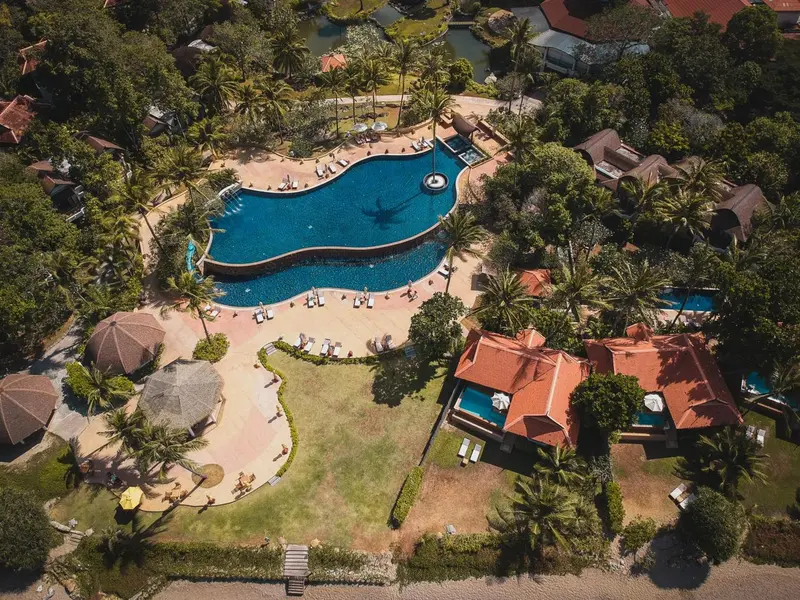
Rawi Warin Resort And Spa - SHA Extra Plus
★★★★★
Google 4.7/5 (1,061 reviews)
23 km away as the crow flies
Krabi · Thailand · Asia
Max. depth · 30 mExplore an intricate limestone cavern system featuring interconnected chambers and shafts of light.
For subtitles in English: start the video firstthen click the gearat the top right of the video, select “Subtitles/CC”, then “Auto-translate” and choose “English”.
The Cathedral is a complex limestone cavern system located on the south and south-west side of Koh Haa Yai. Unlike the surrounding reef structures, this site is characterized by a sheer cliff face that houses a series of large chambers. As you approach, the limestone structure reveals itself through multiple wide underwater entrances carved into the rock. The topography transitions from these sheltered cavern environments to a steep wall that eventually meets a sandy bottom at depths between 25 and 30 metres.
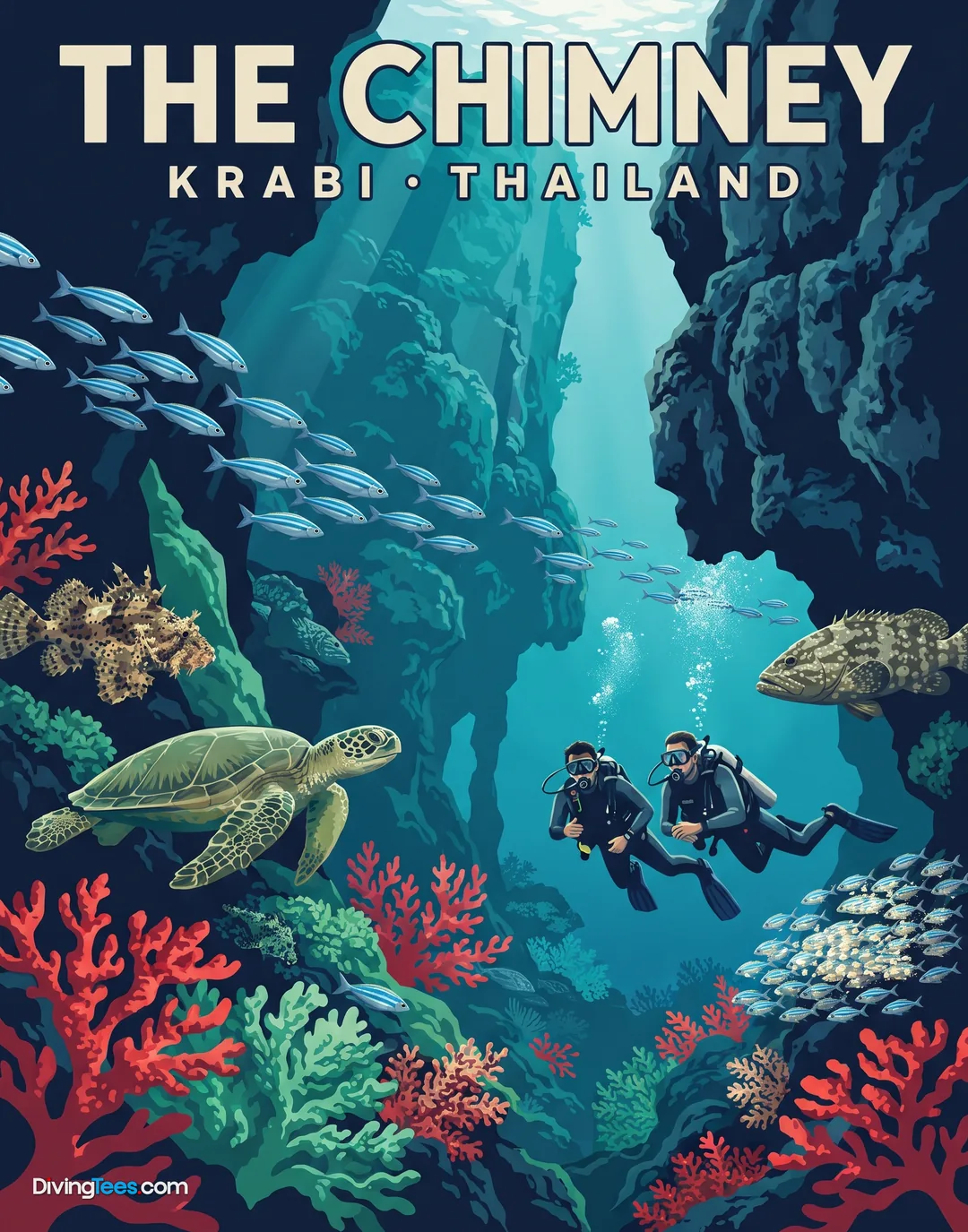
The internal architecture of the site consists of two or three main caverns that are linked by shallow swim-throughs. Navigating these passages allows you to move between different chambers, creating a sense of depth and volume. One of the most distinctive features is a large central chamber where shafts of blue light penetrate through openings in the ceiling. This lighting effect illuminates the suspended particles in the water, creating a dramatic visual contrast against the dark rock walls.
Within the main cavern, you may encounter an air dome where the ceiling rises above the water line. This feature allows divers to ascend towards the surface to view stalactites hanging from the cavern roof. These formations are evidence of the site's geological history and add a different dimension to the underwater landscape. The ability to see the ceiling structure so clearly is a primary reason why this site is sought after by divers interested in cavern environments.
The external cliff face, which forms the perimeter of the cavern system, is heavily textured with biological growth. You will find a variety of soft corals and sea whips clinging to the rock walls. These organisms thrive in the nutrient-rich waters and provide complex surfaces for smaller reef life. The transition from the dark interior of the caverns to the brightly lit outer walls provides a significant change in visibility and color perception.
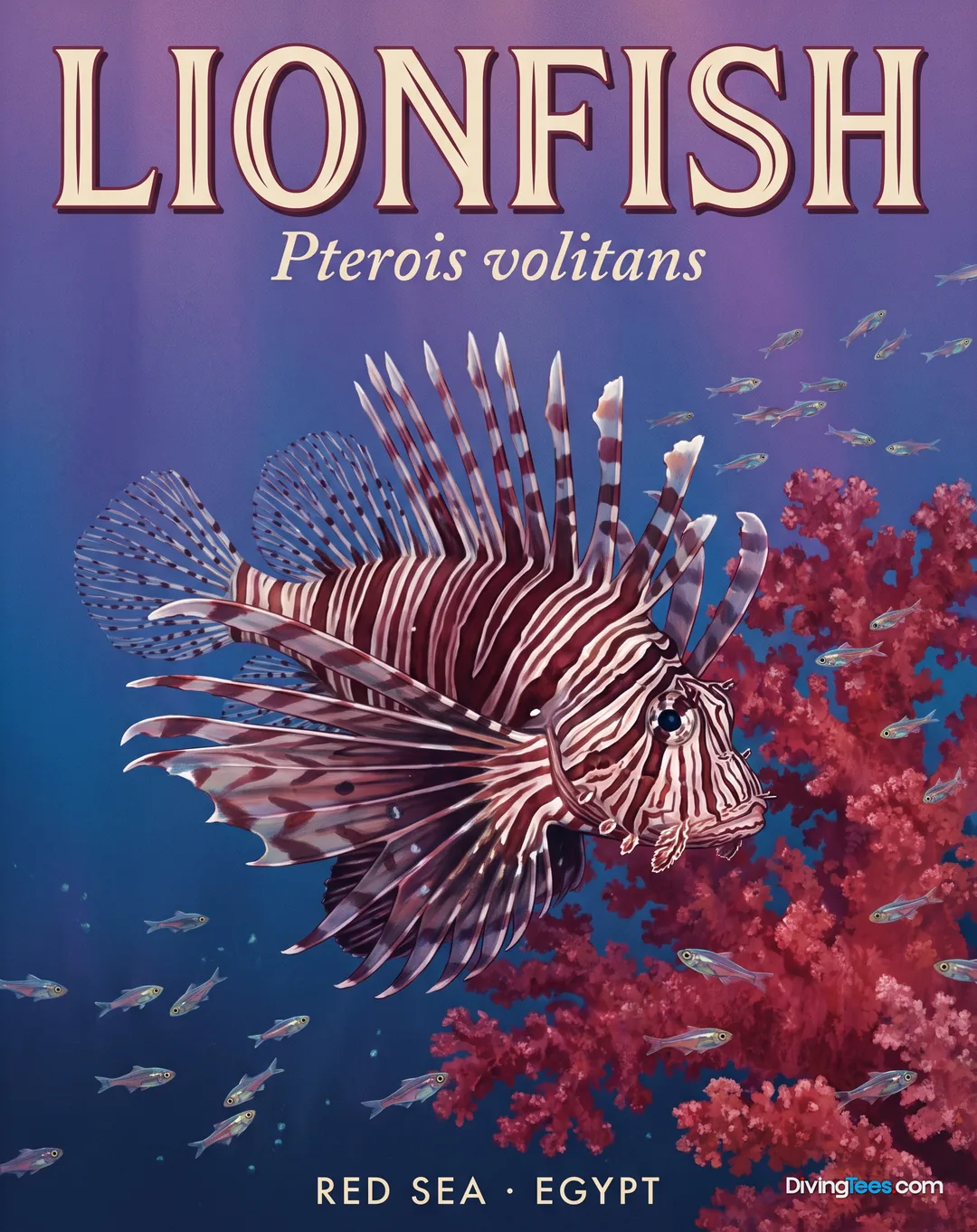
The marine life at The Cathedral is diverse, with many species utilizing the caves for shelter or hunting. You can often spot lionfish or scorpionfish blending into the rocky crevices. Moray eels are known to inhabit the various openings along the cliff wall. For those watching the deeper sections, leopard sharks and Kuhl's stingrays are frequently reported near the bottom. The environment supports a range of fish, including yellowback fusiliers and blue-striped fusiliers that move in large schools through the open water.
Depending on the tide and the season, the visibility at the site typically ranges between 20 and 30 metres. The water clarity is generally high, allowing the light shafts to reach deep into the caverns. However, it is important to note that the site is located in the Andaman Sea, where conditions can change. While the interior of the caverns remains relatively sheltered, the outer walls may be more exposed to movement in the water mass.
The site is best accessed by boat as part of a trip to the Koh Haa area. Most divers enter the water from the boat and then swim toward the cavern entrances located in the cliff. Because the site involves navigating overhead environments and tight passages, buoyancy control is the most critical skill for a safe and comfortable dive. The combination of geological structure and light effects makes this one of the most technically interesting sites in the region.
The dive depth ranges from 6 to 30 metres. Open Water certification is acceptable with good buoyancy, but Advanced Open Water is recommended to safely navigate the full cavern and adjacent chimney. Light currents are typical, though water movement can increase around spring tides or during monsoon transitions. Visibility is expected to be between 20 and 30 metres. The best diving season is from mid-October to mid-May, as the area is closed during the southwest monsoon.
You can dive The Cathedral from mid-October to mid-May, when conditions are generally suitable for visiting the site. The area closes during the southwest monsoon. Visibility typically ranges from 20 to 30 metres, although water clarity can vary with the tide and season in the Andaman Sea.
The Cathedral ranges from 6 to 30 metres. Open Water certification is acceptable if you have good buoyancy, while Advanced Open Water is recommended for safely navigating the full cavern and adjacent chimney. The site includes overhead environments, shallow swim-throughs, interconnected chambers and a steep wall reaching a sandy bottom.
Light currents are typical at The Cathedral, while movement can increase around spring tides or during monsoon transitions. The cavern interior is relatively sheltered, but the outer walls may be more exposed to water movement. Good buoyancy control is important when navigating the overhead environments and tighter passages.
At The Cathedral, you may see large limestone chambers, swim-throughs, blue light shafts, air domes and stalactites above the water line. Soft corals and sea whips cover the outer wall, while lionfish, scorpionfish, moray eels, leopard sharks, Kuhl's stingrays and schooling fusiliers may appear around the site.