
Fuerteventura Buceo
Google 4.9/5 (1,089 reviews)
58 km away as the crow flies
Fuerteventura · Canary Islands · Atlantic
Max. depth · 40 mA 1.5-kilometre volcanic reef system featuring steep walls, canyons, and deep-water encounters.
For subtitles in English: start the video firstthen click the gearat the top right of the video, select “Subtitles/CC”, then “Auto-translate” and choose “English”.
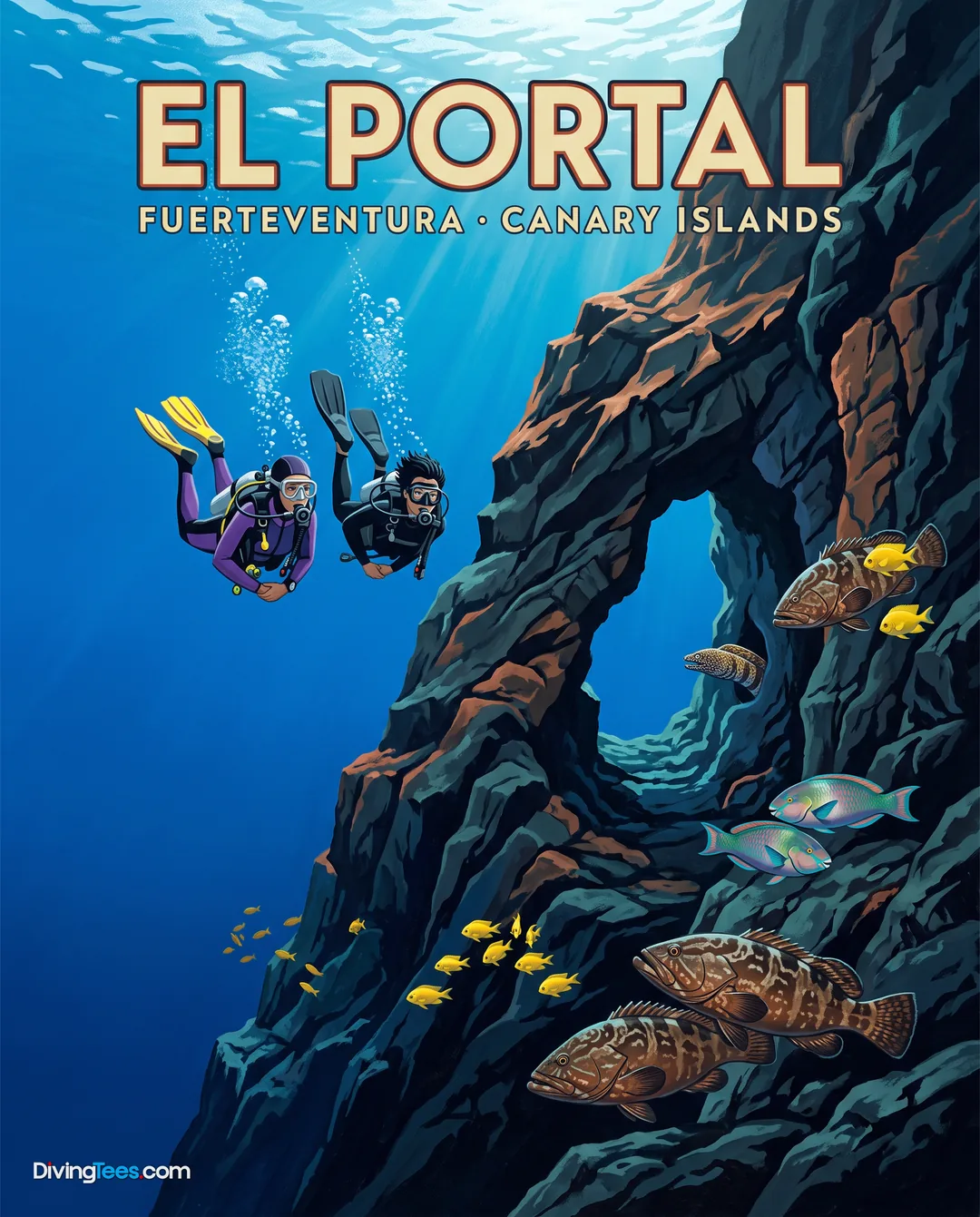
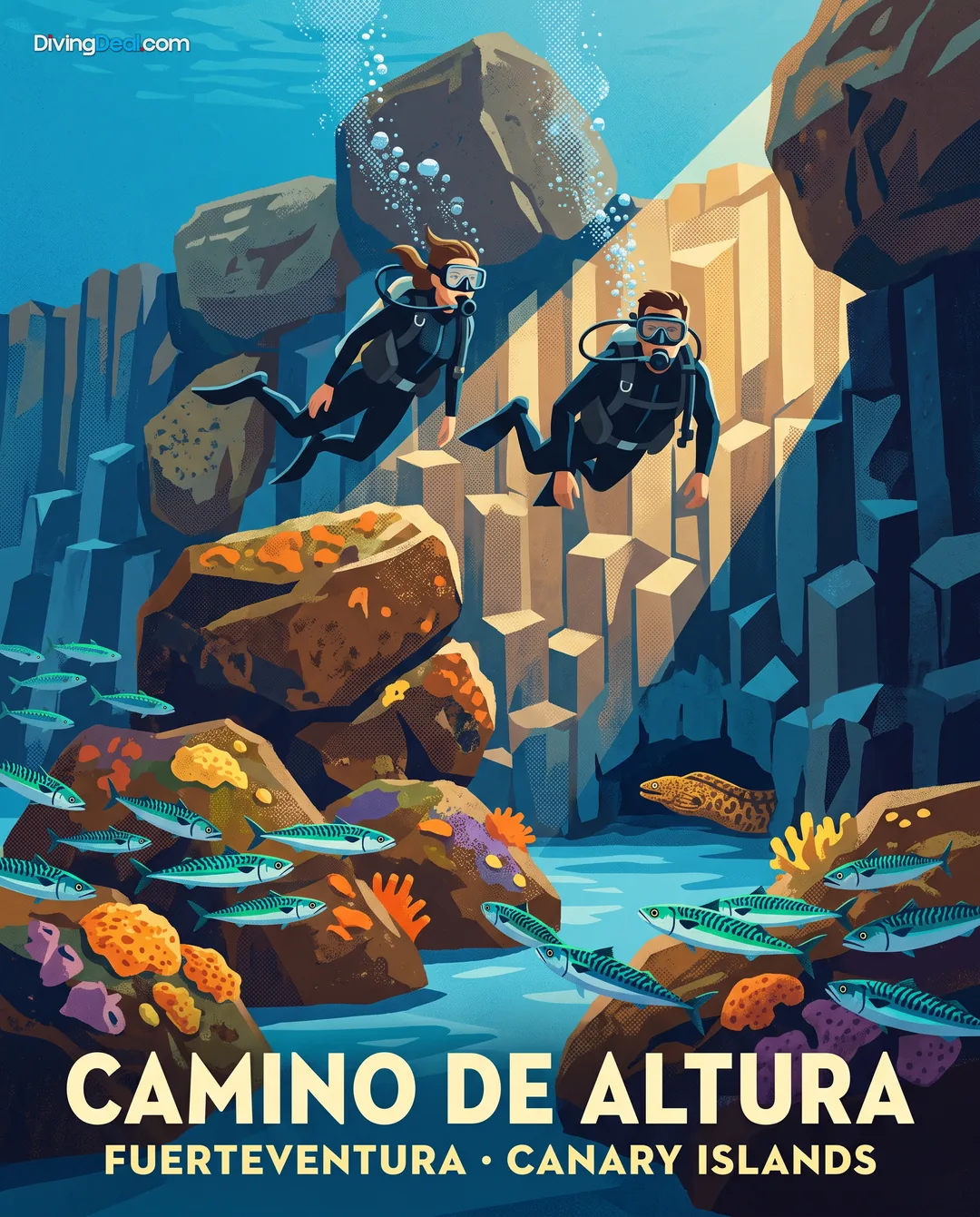
Las Salinas is not a single, isolated dive spot but an extensive 1.5-kilometre volcanic reef system. The topography is highly irregular, characterized by jagged rock formations and a series of distinct subsections that offer different profiles depending on where you enter. As you descend, the reef presents a complex landscape of steep walls, deep canyons, and narrow gorges carved into the volcanic structure. You will encounter various passages including arches and tunnels that add a sense of scale to the underwater terrain.
The dive profile typically begins on a shallower plateau before transitioning into more technical terrain. At the upper levels, around 7 metres, the reef offers various overhangs and rocky ledges that provide shelter for smaller resident species. As you move deeper, the seabed drops in stages toward a sloping sandy bottom that settles at approximately 35 to 40 metres. This descent allows for a progressive change in light and pressure, moving from the sunlit upper reef into the darker, more structured zones of the lower walls.
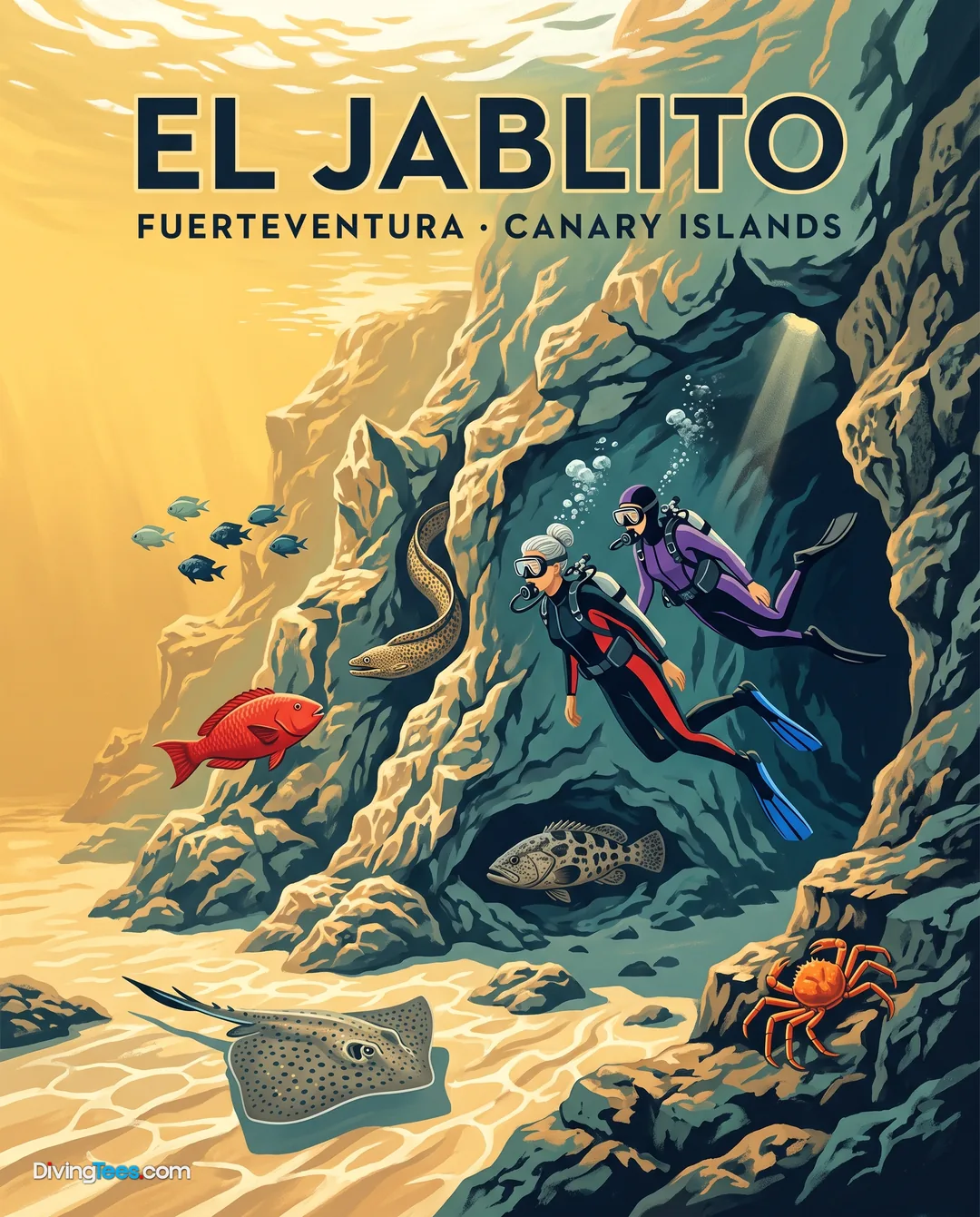
The structural complexity of the site includes several caves and deep overhangs that require careful buoyancy control. These features are formed by the volcanic origins of the reef, creating pockets of calmer water tucked behind large rock masses. Navigating these areas requires attention to your surroundings, especially when moving between the open sections and the tighter, more enclosed volcanic structures. The sheer scale of the reef means that different entry points can lead to entirely different geological experiences.
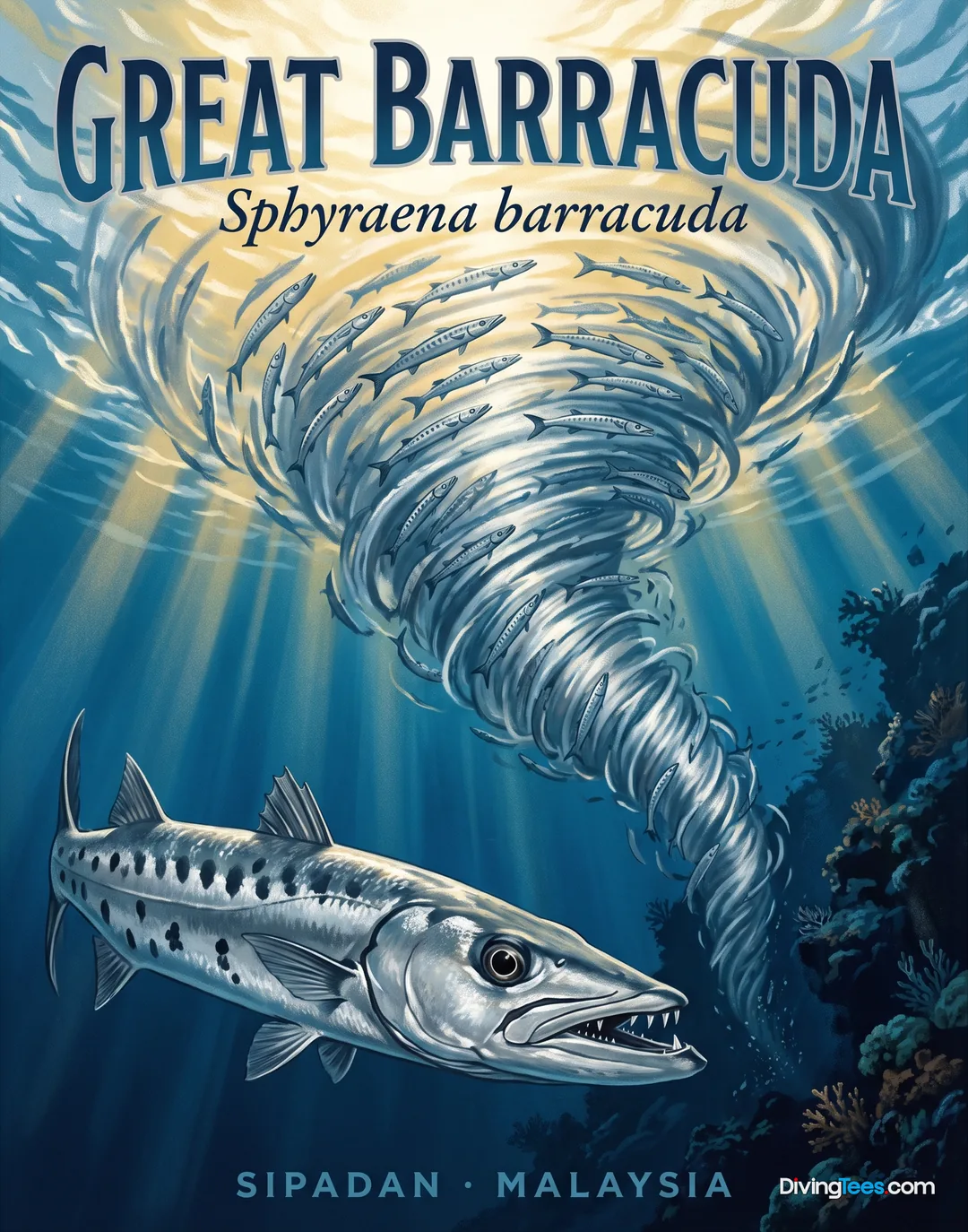
For those looking for larger marine life, the exposed sections of the reef are the primary areas to watch. The currents that move across the reef often bring in larger predators that patrol the edges of the volcanic walls. You may see schools of tuna or barracuda moving through the water column, often following the movement of smaller fish. The presence of these larger species is tied to the nutrient-rich waters that flow over the reef's edges, making the transition zones between the reef and the open ocean particularly active.
The reef also supports a variety of mid-sized predators that inhabit the rocky crevices and canyon walls. Amberjack and bluefish are frequently observed near the steeper drop-offs, where they can hunt more effectively. You might also find stingrays resting on the sandy patches between the rocky outcrops or near the base of the walls. These animals utilize the complex terrain for both hunting and protection, making the junction of sand and rock a key area for observation.
The bottom fauna is closely integrated with the volcanic architecture of Las Salinas. Angel sharks are known to inhabit the sandier areas, often staying partially buried to avoid detection. In the more sheltered parts of the reef, such as the caves and under the overhangs, you can find various smaller organisms that rely on the stillness of these micro-habitats. The diversity of the terrain, from vertical walls to flat sandy plains, ensures that different ecological niches are present within the same 1.5-kilometre stretch.
Conditions at Las Salinas can change depending on the specific subsection you are diving. The more exposed parts of the reef are subject to moderate to strong currents, which can turn some sections into drift dives. This variability is a defining characteristic of the site; while one area might feel sheltered by a large volcanic formation, the adjacent section could be subject to significant water movement. Understanding the local topography is essential for managing your air consumption and maintaining position during the dive.
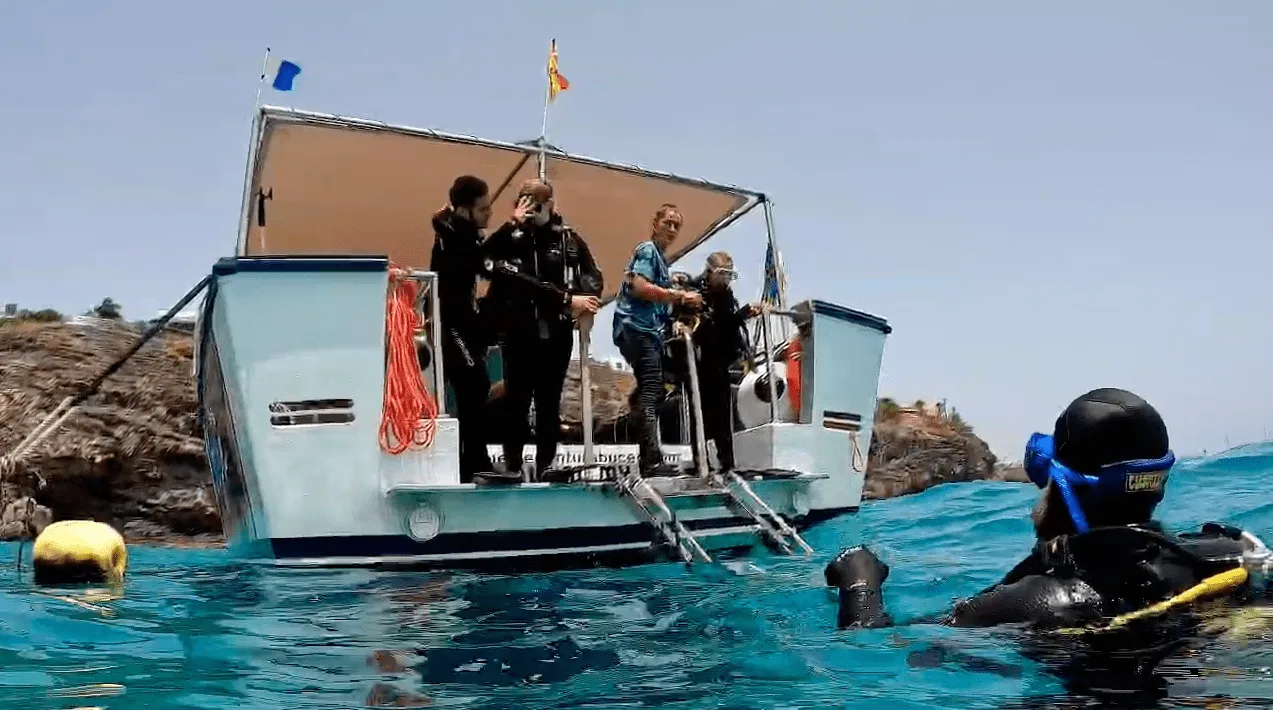
Depths range from 7 to 40 metres. This site requires an Advanced level of certification and significant deep-diving experience due to the complex topography and variable currents. Some sections may require drift-diving techniques depending on the chosen subsection. The reef is accessible via both shore and boat, with the current being moderate to strong in exposed areas.
Las Salinas requires Advanced certification and significant deep-diving experience. Its complex volcanic topography includes steep walls, canyons, caves, arches, and tunnels, so you need careful buoyancy control and the ability to manage a changing profile as the reef descends from a shallow plateau into deeper terrain.
Las Salinas ranges from 7 to 40 metres. The dive commonly begins on a shallow plateau around 7 metres, then drops in stages through deeper walls and canyons toward a sloping sandy bottom at approximately 35 to 40 metres, creating progressively darker, deeper sections.
Currents vary between subsections of Las Salinas. Sheltered areas may have calmer water behind volcanic formations, while exposed sections can experience moderate to strong movement. Some routes may require drift-diving techniques, and you need to manage your air consumption and position carefully across the reef.
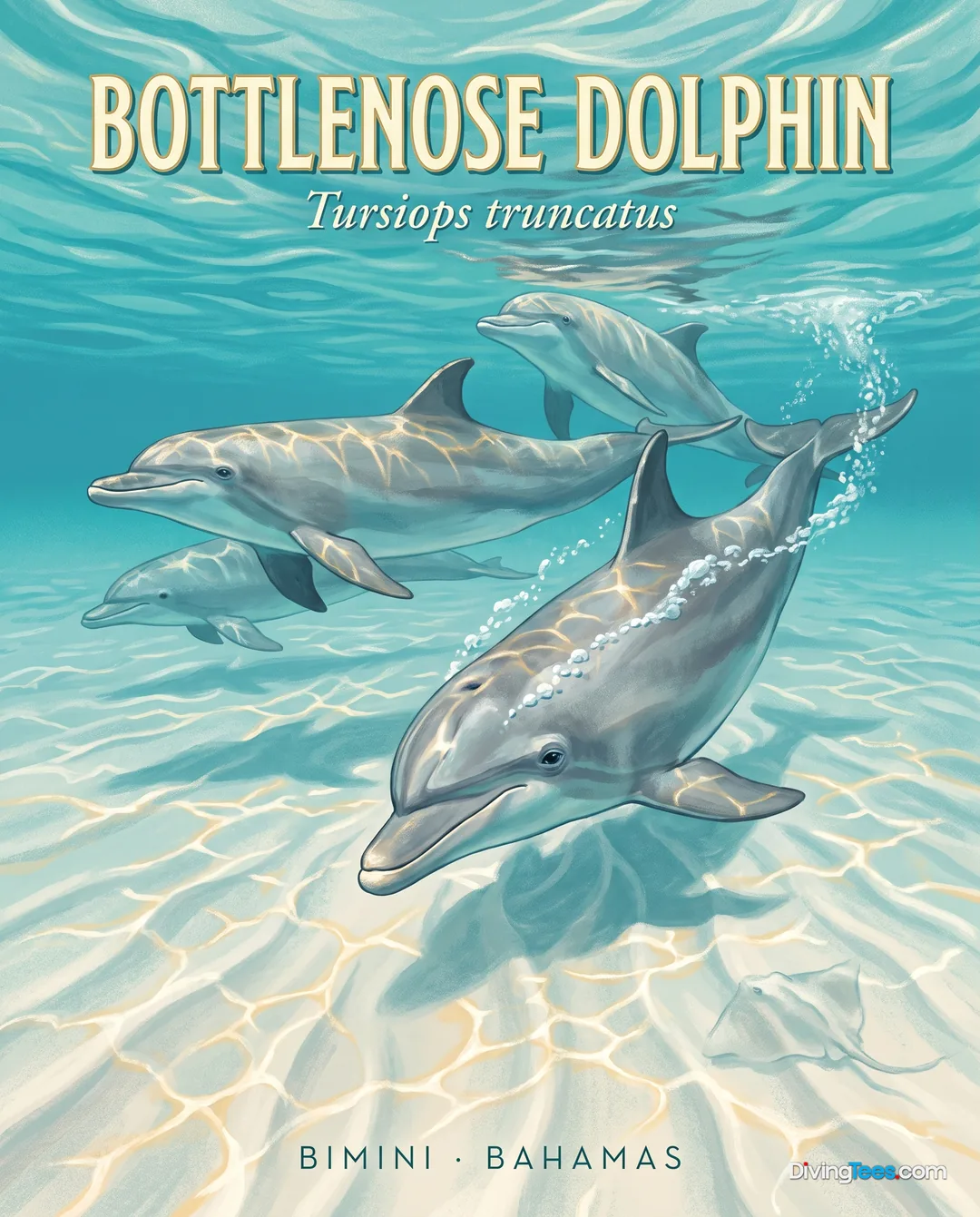
At Las Salinas, you can explore volcanic walls, sandy bottoms, arches, caves, tunnels, overhangs, and canyons. Marine life includes amberjack, bluefish, tuna, barracuda, stingrays, and angel sharks. You may also encounter dolphins, while smaller organisms occupy sheltered caves and overhangs.