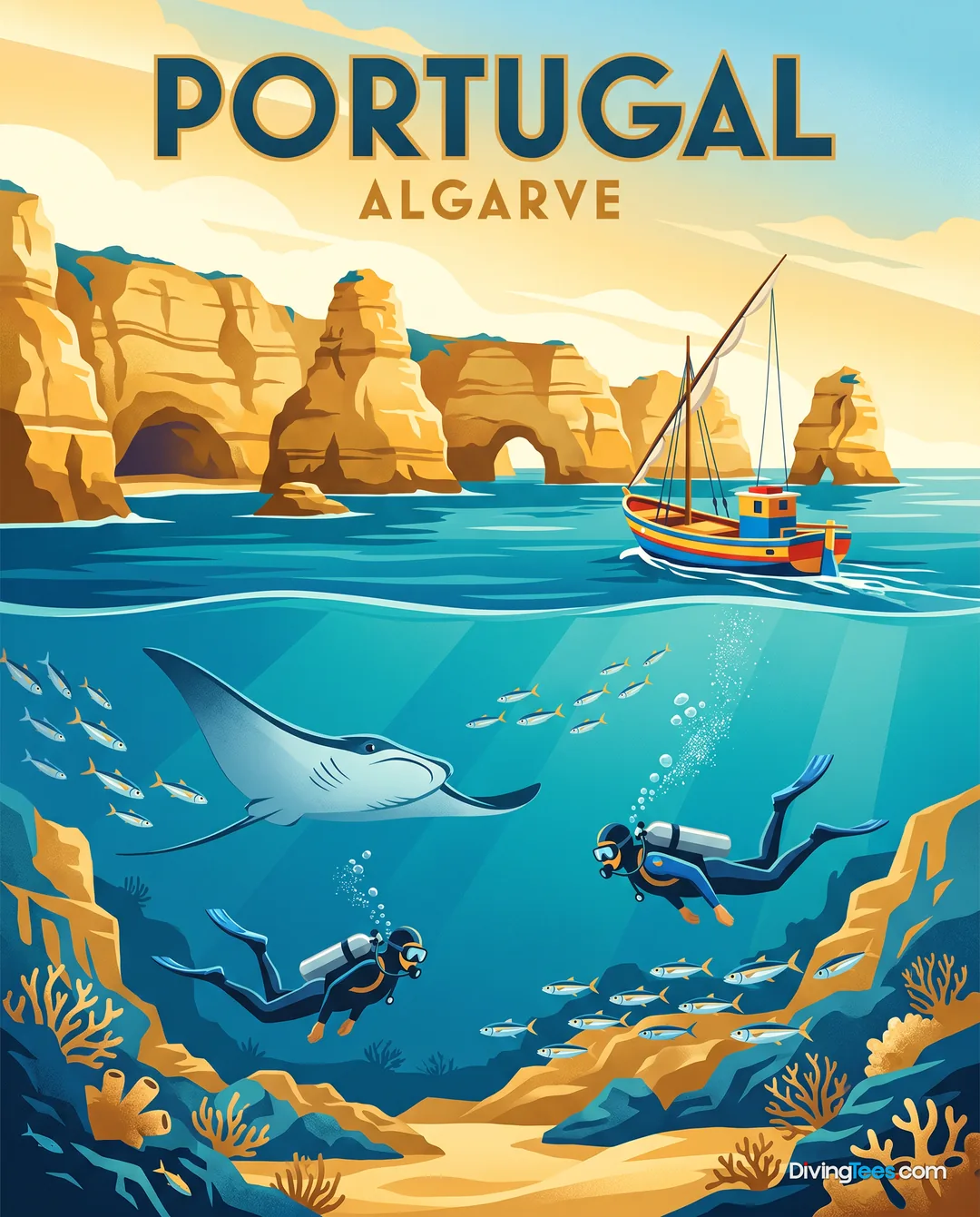
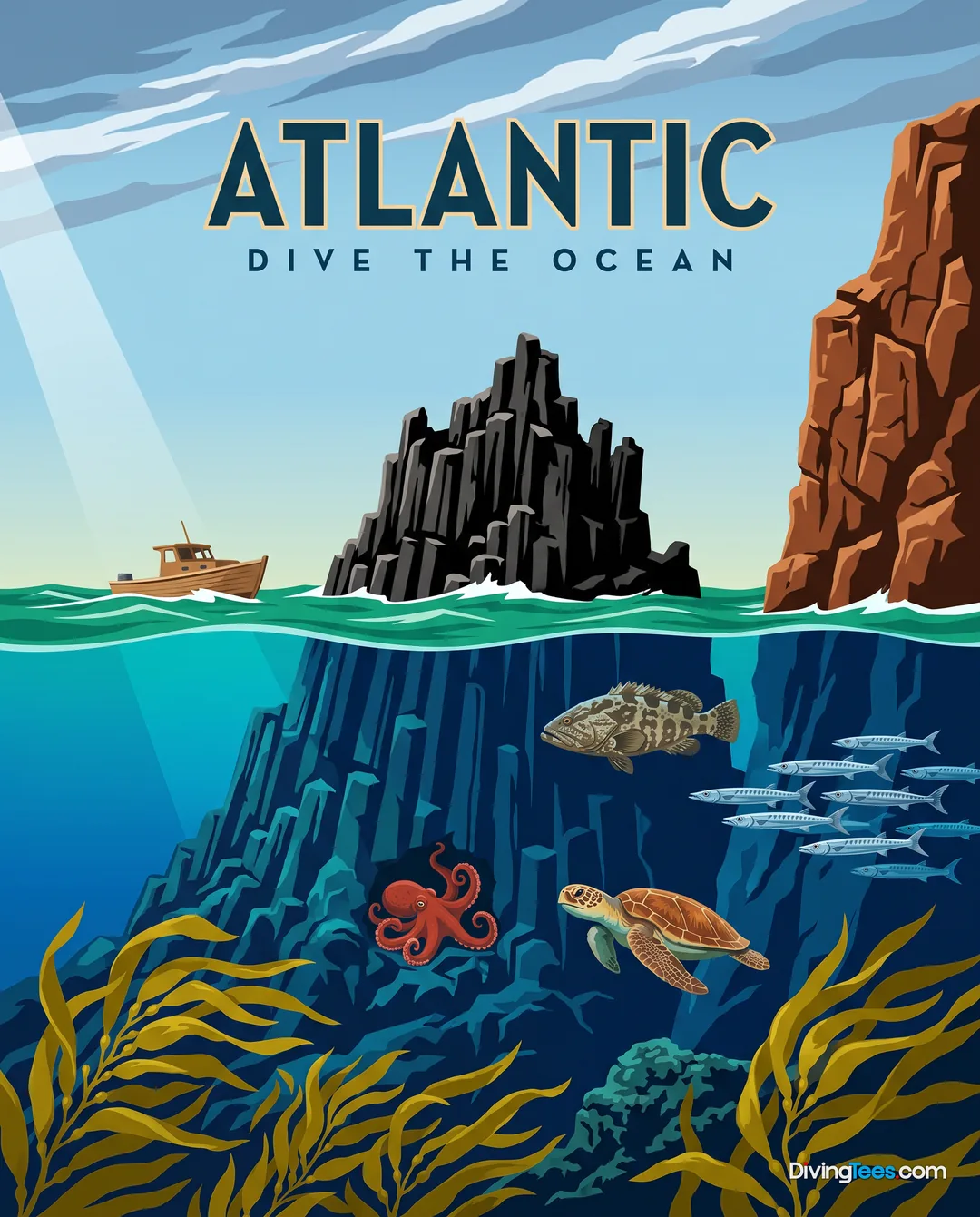
Portugal · Atlantic
Diving Azores: volcanic walls, blue water and pelagics
Submerged seamounts, black volcanic walls, cavern light and passing mobula rays define Azorean diving across a chain of islands.
What makes this destination special
- Princessa Alice seamount dropping from 35 to 60 metres
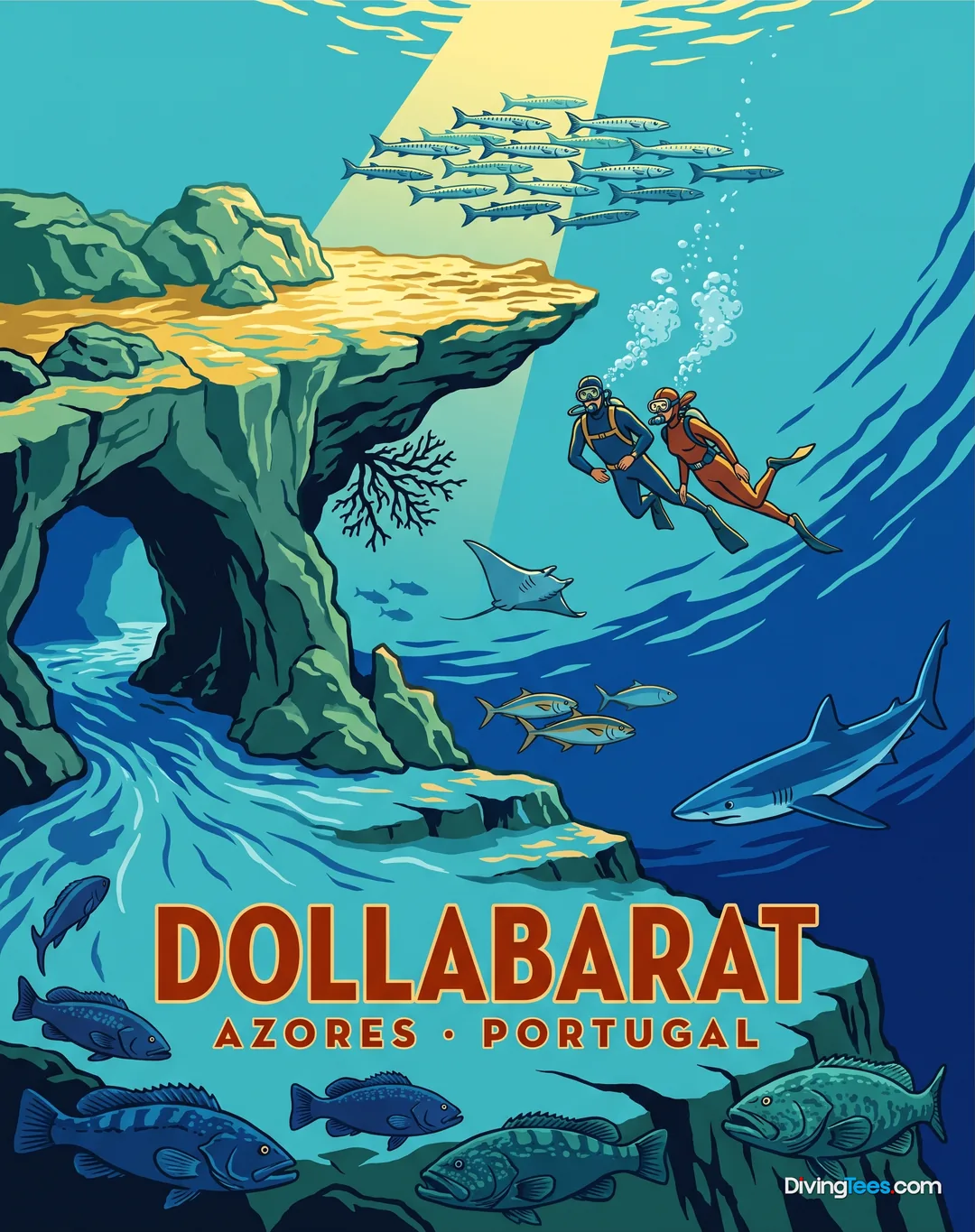
- Dollabarat’s basaltic crest and strong ocean currents
- Mobula rays in clear blue water during summer
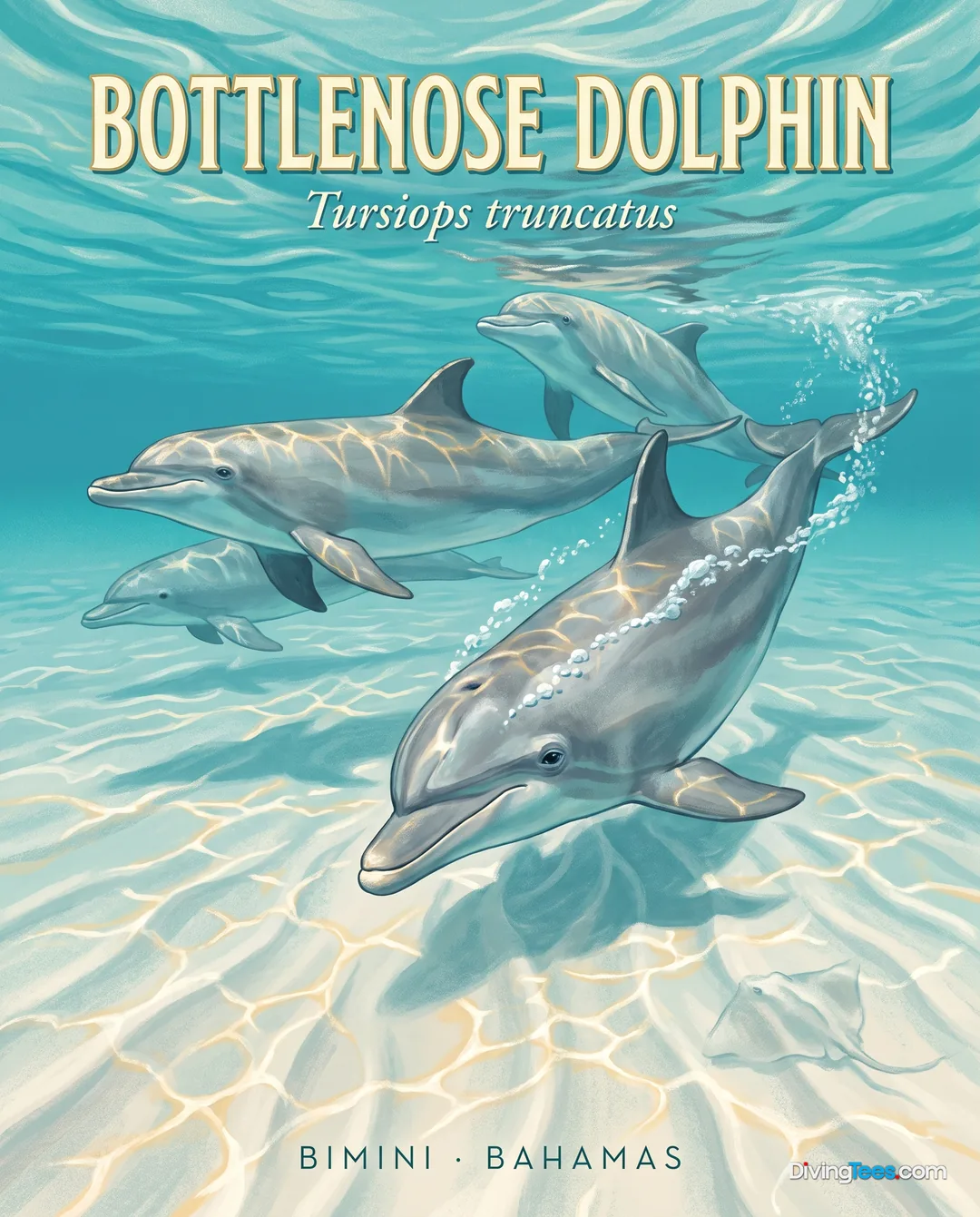
- Dolphins regularly encountered from spring into autumn
- Furnas Do Monte Da Guia’s two volcanic caverns
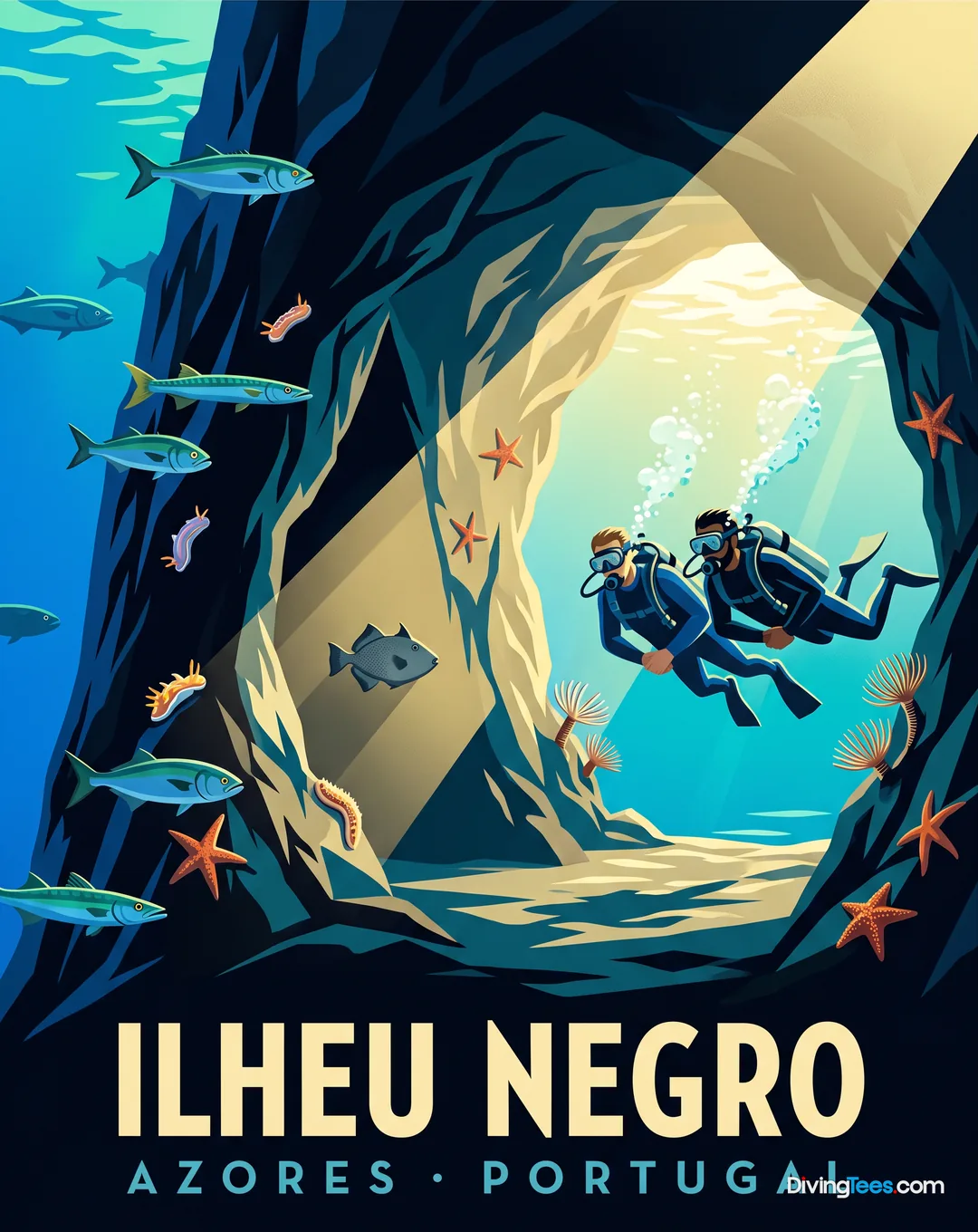
- Ilhéu Negro’s backlit chamber at 20 metres
- Volcanic walls, pinnacles, wrecks and open-water diving
For subtitles in English: start the video firstthen click the gearat the top right of the video, select “Subtitles/CC”, then “Auto-translate” and choose “English”.
Overview
The Azores are for divers who enjoy moving between islands and letting the weather shape the week. The underwater scenery is black volcanic rock rather than tropical coral: walls, pinnacles, caverns, wrecks and open-ocean seamounts. At Princessa Alice, the seamount top lies at 35 metres before the slopes fall towards 60 metres, while sheltered sites such as Ilhéu Negro offer a calmer look at volcanic architecture. Boat diving is the norm, with seasonal pelagics providing the extra reason to come.
Diving here
Azorean diving shifts noticeably from sheltered volcanic sites to exposed blue-water work. Furnas Do Monte Da Guia combines two volcanic caverns between 8 and 30 metres, where careful buoyancy preserves the light patterns and keeps divers clear of the overhead rock. Ilhéu Negro is gentler, following a wall into a broad triangular cave entrance and a backlit chamber at 20 metres. Offshore, Princessa Alice reaches 60 metres and Dollabarat runs from a shallow three-metre crest to 50 metres on its slopes. Currents are light at the sheltered sites but can be strong and variable on the banks, where descent lines and drift lines may be part of the dive. Visibility varies with island and sea state; on the named offshore sites it is commonly described as good, reaching roughly 25 to 40 metres at Dollabarat.
Three dives not to miss

The underwater wildlife
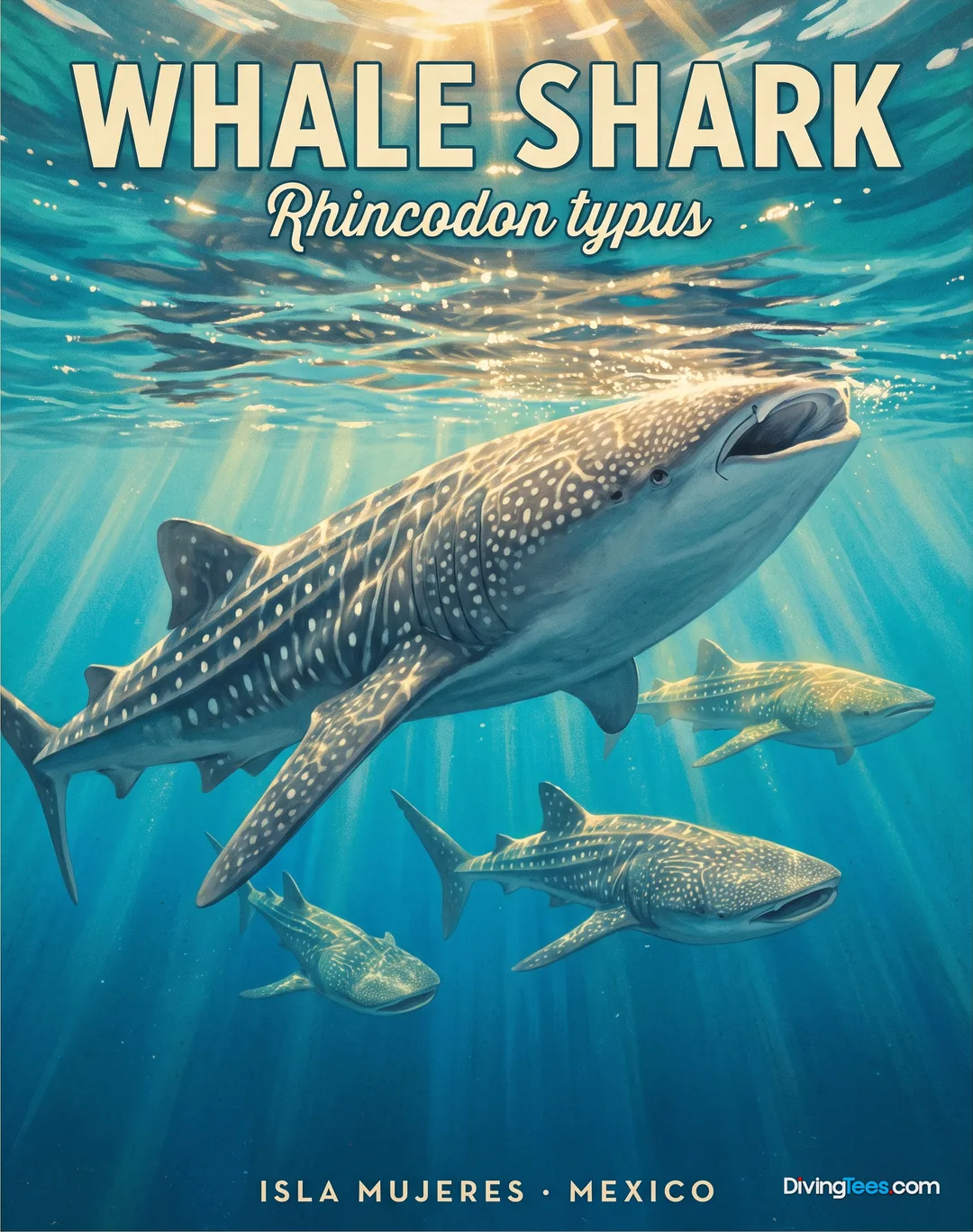
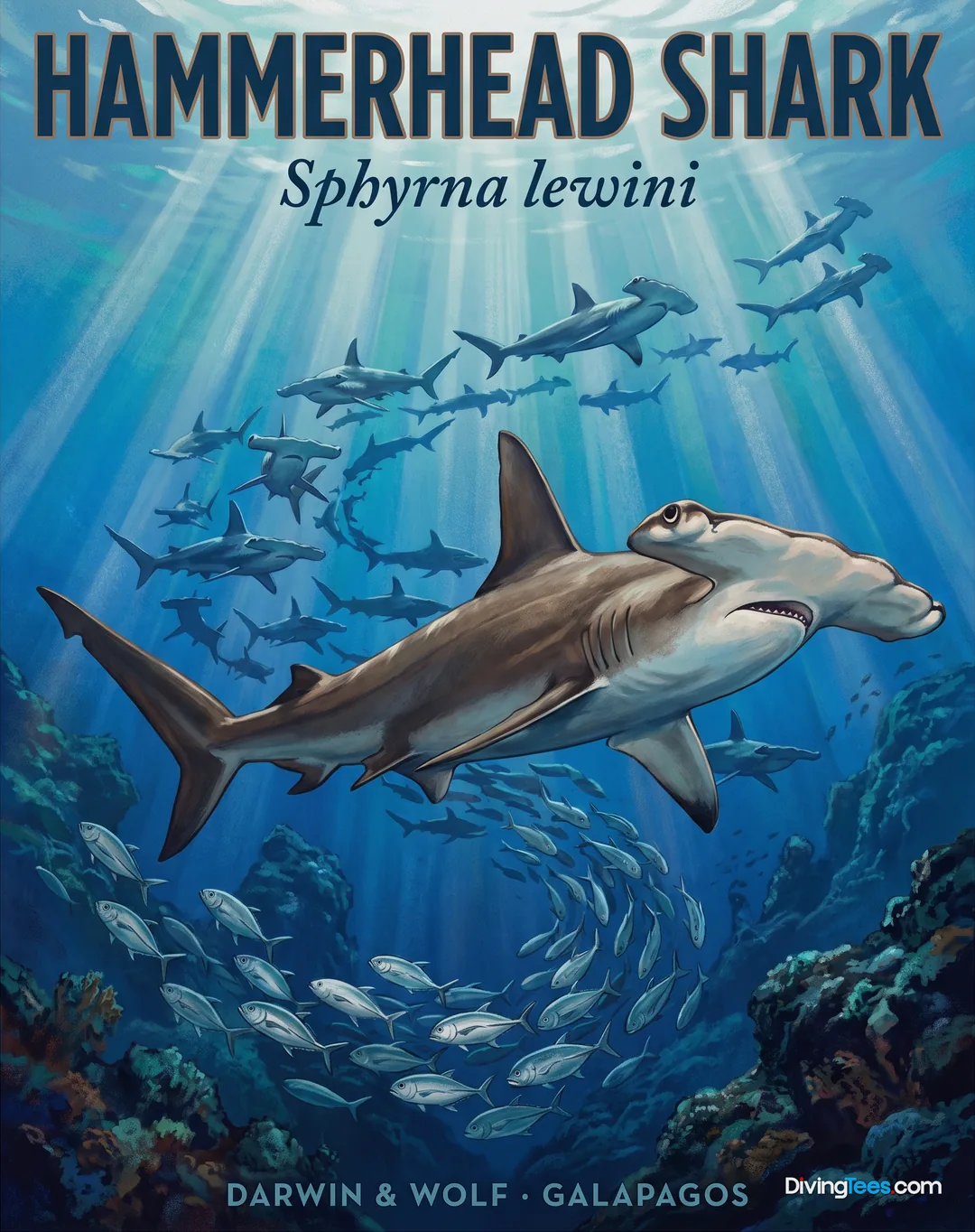
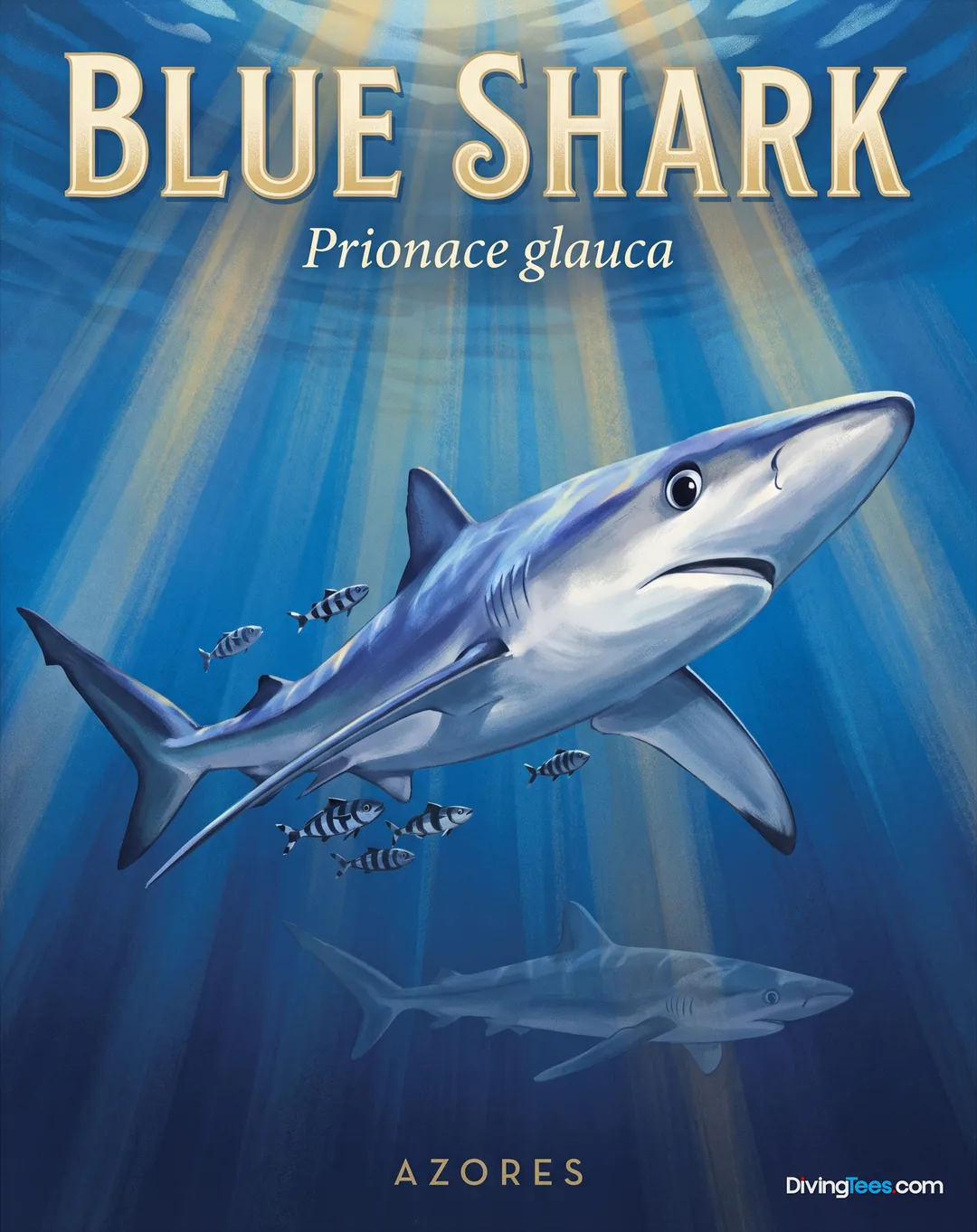
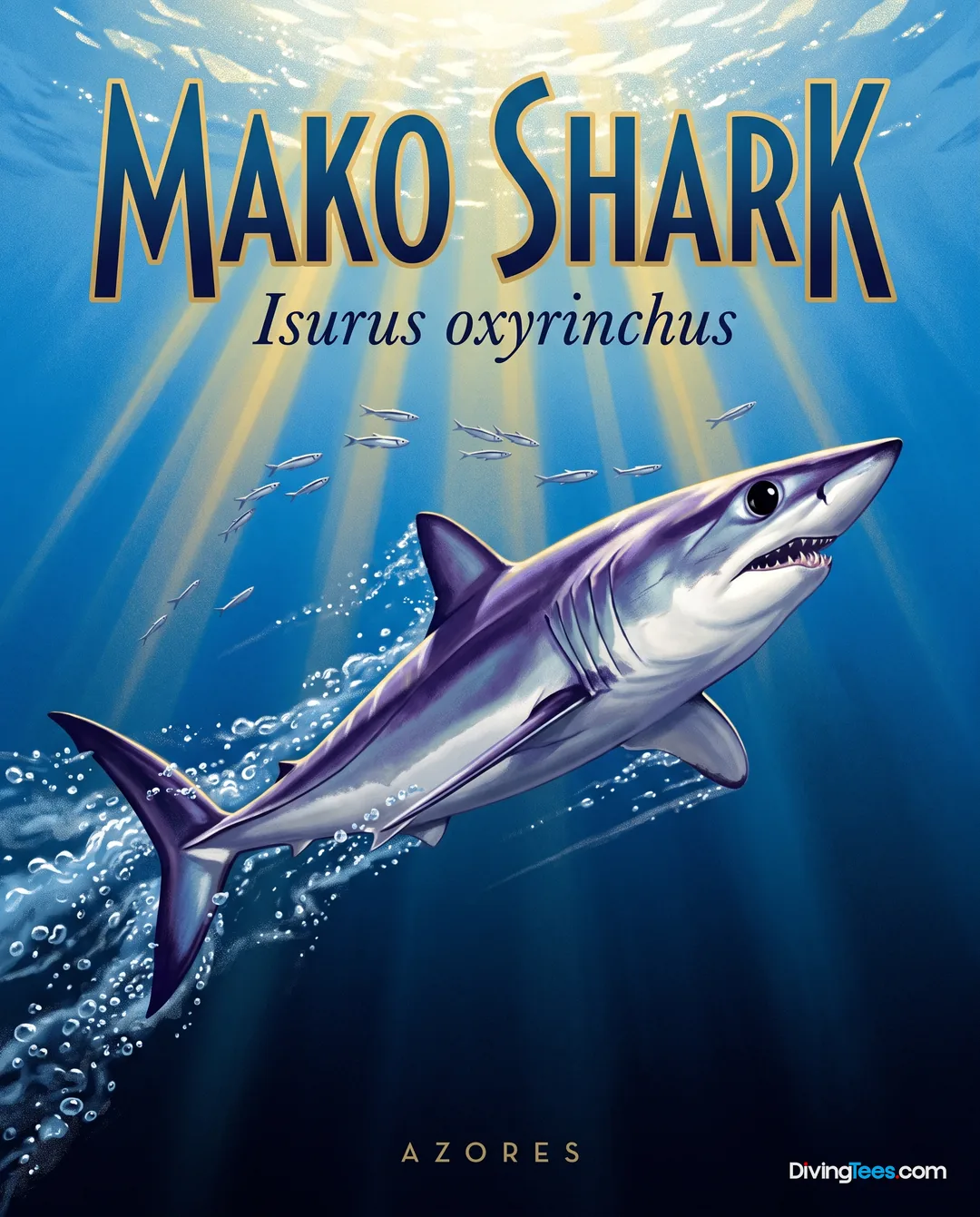
The attraction is not a fixed reef community but what may appear around volcanic structure and open water. Grouper, triggerfish, starfish and nudibranchs give the walls and rock formations their resident life, while wahoos, tuna and other pelagics are occasional visitors. Dolphins are regularly seen from spring through autumn, both as a surface encounter and as part of the wider marine experience around the islands. Summer and early autumn offer the most credible window for mobula rays, whale sharks, tuna and other large visitors, although these remain occasional rather than guaranteed sightings. Princessa Alice is the sort of site chosen for the possibility of a large animal in clear blue water, not for a predictable procession of wildlife.
Possible underwater encounters

When to go
June to October is the practical diving season, with summer and early autumn generally offering the most favourable conditions for boat departures and pelagic encounters. Dolphins are seen more regularly from spring into autumn, while mobula rays, whale sharks, tuna and other large visitors are associated mainly with summer and the start of autumn. July and August bring the greatest demand, so the islands feel busier then. The important point is flexibility: wind and sea state can decide whether an exposed bank is possible, regardless of the month. A seven-to-ten-day stay gives the itinerary room for missed boats and better weather windows.
Level required
The Azores can suit newer recreational divers on sheltered sites, particularly Ilhéu Negro, which reaches 20 metres and usually has light current. Open Water certification is sufficient for that type of dive, while cavern experience and excellent buoyancy are sensible for Furnas Do Monte Da Guia. Advanced Open Water, solid experience and around 50 logged dives are appropriate preparation for Princessa Alice. Drift training and Nitrox are useful additions, especially for divers planning deeper or current-affected profiles. BSAC, PADI and SSI divers should match their qualification and recent experience to the day’s site rather than treating the archipelago as one uniform level.
On the ground
From London Heathrow, London Gatwick or Manchester, the Azores are reached by flights to the archipelago’s main islands, using carriers such as TAP Air Portugal, Azores Airlines or Ryanair. The journey is not a single-base holiday by default: the chosen island determines the local diving, and a multi-island plan normally requires an internal flight or a ferry. Ferry links connect several islands, but routes and frequencies vary by island and season, so connections need building into the itinerary rather than improvised on arrival. Once based in a diving village, accommodation is often within walking distance of the centre, or a short transfer or taxi ride away. The exact arrangement changes considerably between islands, making the base and transport plan part of the dive booking.
Local tips
Keep several days flexible. A forecast that looks acceptable ashore can still close an exposed bank, and a tightly packed itinerary may leave no way to recover a missed boat. If Princessa Alice or Dollabarat is the aim, allow for an oceanic day rather than assuming every outing will resemble a sheltered reef dive. Ask locally which island-facing sites are currently protected from the prevailing wind, because the most convenient base is not automatically the one with the best sea conditions that week. Pack a reliable light for the volcanic caverns and wrecks, and arrive with buoyancy already well controlled: the rock is close, the protected areas reward precise positioning, and contact with the bottom is easily avoided. Do not plan the trip around guaranteed whale sharks or mobula rays; treat them as seasonal possibilities. Keep inter-island transfers realistic, with enough margin for a delayed ferry or a weather-disrupted boat programme. In protected areas, leave animals and substrate untouched, collect nothing, feed nothing, and use established moorings rather than anchoring on the rock.
Planning your stay
A useful Azores trip is usually a land-based stay of seven to ten days, centred on one main island with enough slack for changing sea conditions. Several boat days can then be combined with shore-based volcanic scenery and wildlife excursions. Divers wanting a broader taste of the archipelago can add an internal flight or ferry, but that makes transport an active part of the holiday. Non-divers have worthwhile alternatives in hiking, whale watching, inter-island crossings and visits to harbour villages.
Hello, I'm Marina, DivingDeal.com's AI assistant. I guide you through destinations, areas and countries.
Thinking about the whole trip and the flights? Talk it over with Edith →
Marina is an AI. Some links are affiliate links: DivingDeal may earn a commission, at no extra cost to you. Bookings are made with the partner.
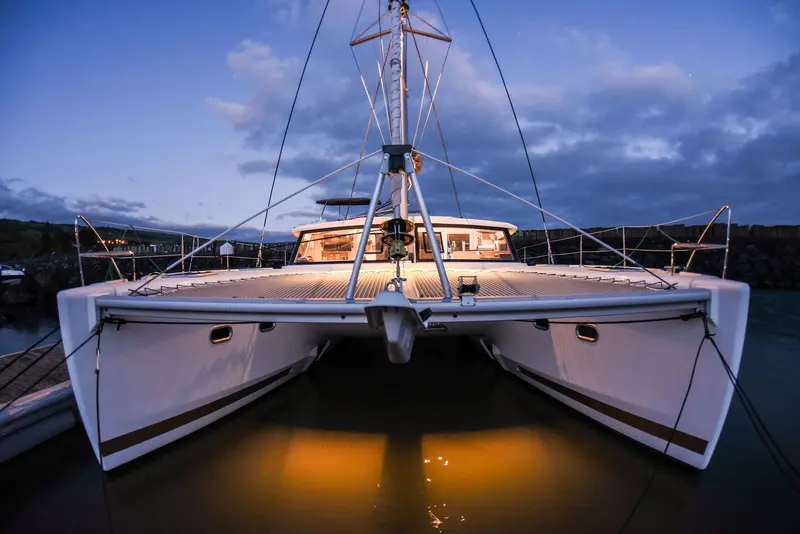
Board a liveaboard from Azores
1 liveaboard departs from Azores another way to explore the region, over several days at sea.
Frequently asked questions about Azores
When should you visit the Azores for diving?
June to October is the practical diving season, with summer and early autumn generally offering better conditions for boat departures and pelagic encounters. Dolphins are seen more regularly from spring into autumn, while mobula rays, whale sharks and tuna are associated mainly with summer and early autumn. Wind and sea state can still change plans.
What diving experience do you need for the Azores?
The Azores can suit newer recreational divers on sheltered sites such as Ilhéu Negro, where the depth is limited and currents are usually light. Cavern experience and excellent buoyancy suit Furnas Do Monte Da Guia. Princessa Alice requires Advanced Open Water, solid experience and around fifty logged dives, with drift training useful.
What can you see while diving in the Azores?
You can explore black volcanic walls, pinnacles, caverns, wrecks and offshore seamounts rather than tropical coral reefs. Resident life includes grouper, triggerfish, starfish and nudibranchs, while wahoos and tuna may pass by. Dolphins are regularly encountered from spring through autumn, and summer may bring occasional mobula rays or whale sharks.
How should you plan a diving stay in the Azores?
Plan a land-based stay of seven to ten days around one main island, leaving several days flexible for wind, sea state and missed boats. Boat diving is the norm, and exposed sites may require suitable conditions. Choose your base with transport in mind, since island changes involve internal flights or ferries with variable routes.