Taj Exotica Resort & Spa, Andamans
★★★★★
★ 9.4/10 (108 reviews)
7.1 km away as the crow flies
Dive centre · Havelock · India
4.7567 Google reviewsPADI 5 Star Dive Resort located directly on Beach 2 in Havelock, with boat departures from a private beach.
For subtitles in English: start the video firstthen click the gearat the top right of the video, select “Subtitles/CC”, then “Auto-translate” and choose “English”.
Located on Beach 2 in Havelock (Swaraj Dweep), Gypsy Divers is a PADI 5 Star Dive Resort that integrates diving with comfortable on-site living. The centre is positioned directly on the beach, allowing for seamless transitions from the resort to the dive boats.
For those travelling from the mainland, the resort is accessible via regular flights to Port Blair, followed by a 90-minute to 2-hour ferry journey to Havelock. The centre assists international visitors with the necessary logistics, including ferry bookings and local transport arrangements.
The centre is led by Poonam Darne, a PADI Master Scuba Diver Trainer and SSI Advanced Open Water Instructor with over ten years of experience in the industry. The team is experienced in managing a wide range of diver needs, from beginners to professional-level students.
Safety and small group sizes are central to the operation, with a maximum of four divers per guide. This ensures a high level of supervision during both reef dives and more challenging environments.
The centre offers a comprehensive curriculum of PADI courses, catering to every stage of a diver's development. Beginners can start with the PADI Scuba Diver Course or the PADI Open Water Diver Course, with the option to combine these into an Open Water and Advanced Open Water package.
For those looking to progress their skills, the PADI Advanced Open Water Dive Course, PADI Adventure Diver Course, and PADI Deep Diver Specialty are available. The centre also supports professional training, offering the PADI Dive Master Course and a 'Zero to Hero' programme that takes students from Open Water to Divemaster level. Emergency training is also provided through the PADI Emergency First Response Course (EFR) and the PADI Rescue Diver Course.
The resort provides a complete range of equipment for hire, covering all the essentials needed for a dive trip. This includes regulators, BCDs, and wetsuits, so you do not need to transport your own heavy kit if you prefer not to.
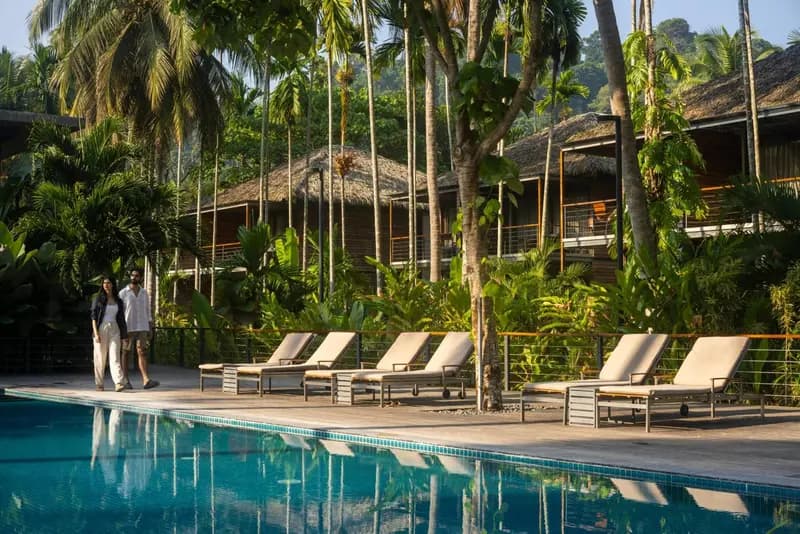
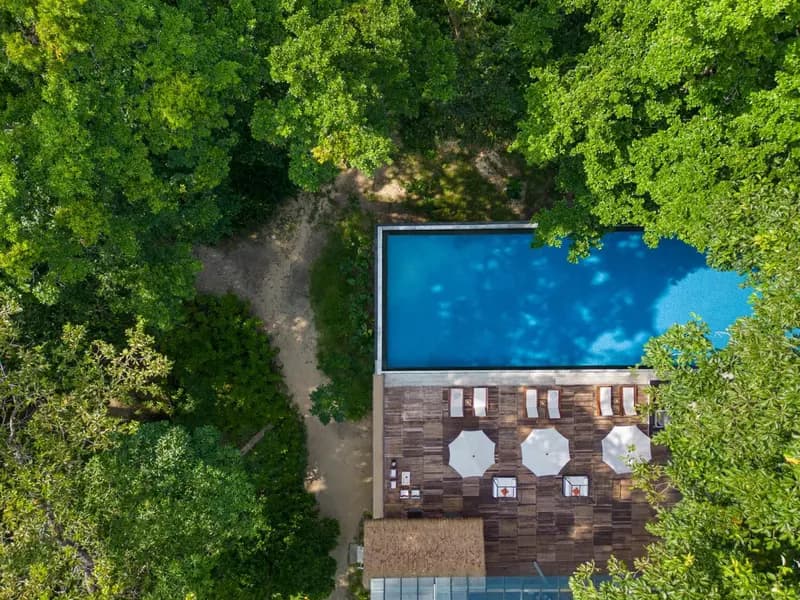
On-site facilities include Café Lava for meals and coffee, as well as free WiFi and private parking. The centre is well-equipped to handle the needs of various travellers, from solo adventurers in dormitories to families in deluxe rooms.
Dixon’s Pinnacle is a site featuring three large rocky pinnacles rising from a dark bottom, serving as a cleaning station for giant groupers (Epinephelus itajara). It is a favourite for photographers due to the abundance of colourful marine life.
The Wall is a site where the reef descends from 10 to 55 metres into the channel between Havelock and Peel Island. The summit is covered in colourful soft corals, and the moderate currents make it an excellent location for night dives.
Jackson’s Bar is a horizontal, shelf-like rocky reef that drops towards a sandy area between 20 and 30 metres. The strong currents here attract large pelagic fish, including various species of tuna (Thunnus) and barracuda.
MV Mars is a small wooden cargo ship that sank in 2006, resting on a sandy bottom at approximately 15 metres. The wreck remains largely intact with the wheelhouse rising to 7 metres, providing a new habitat for many fish species.
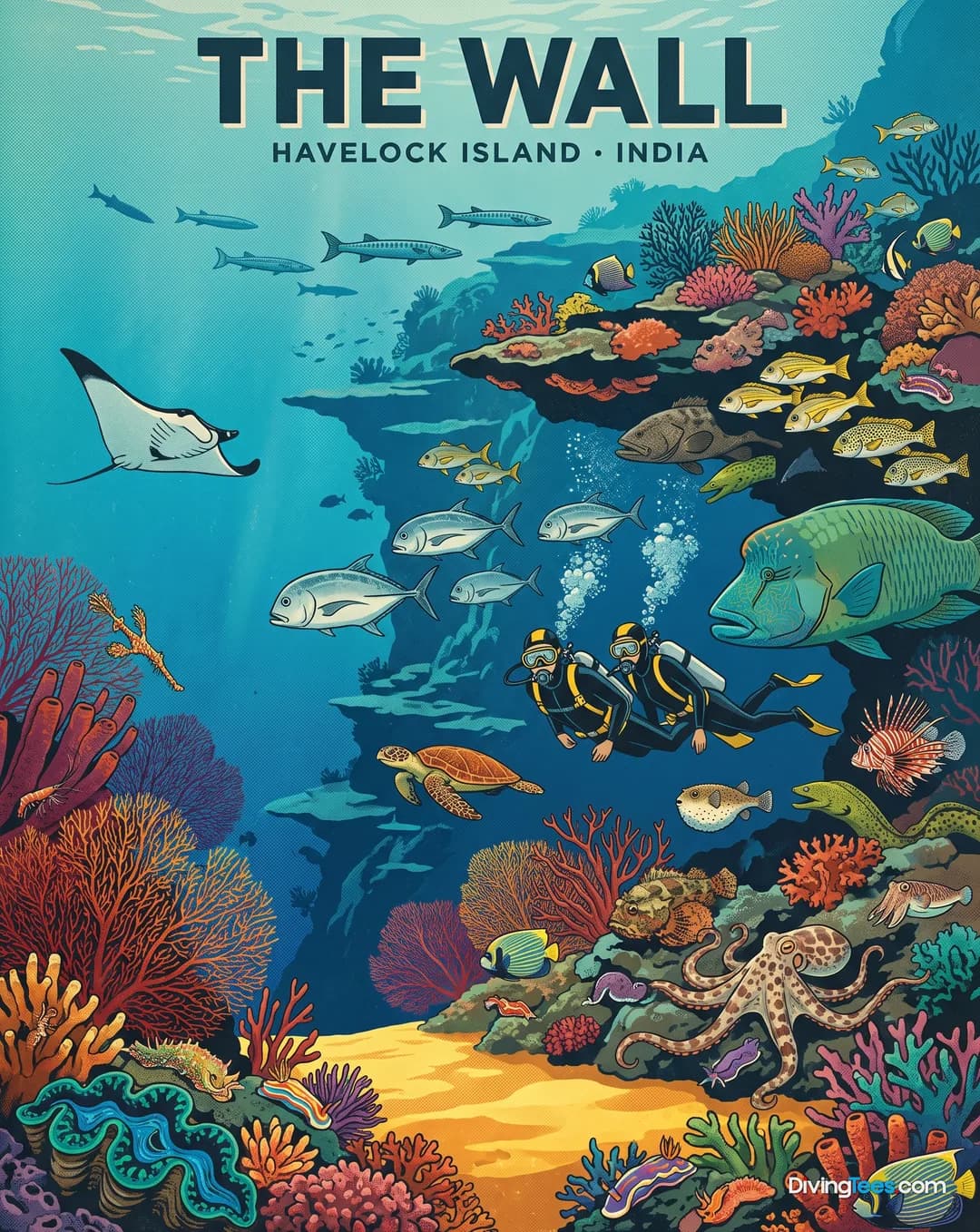
down to 55 m
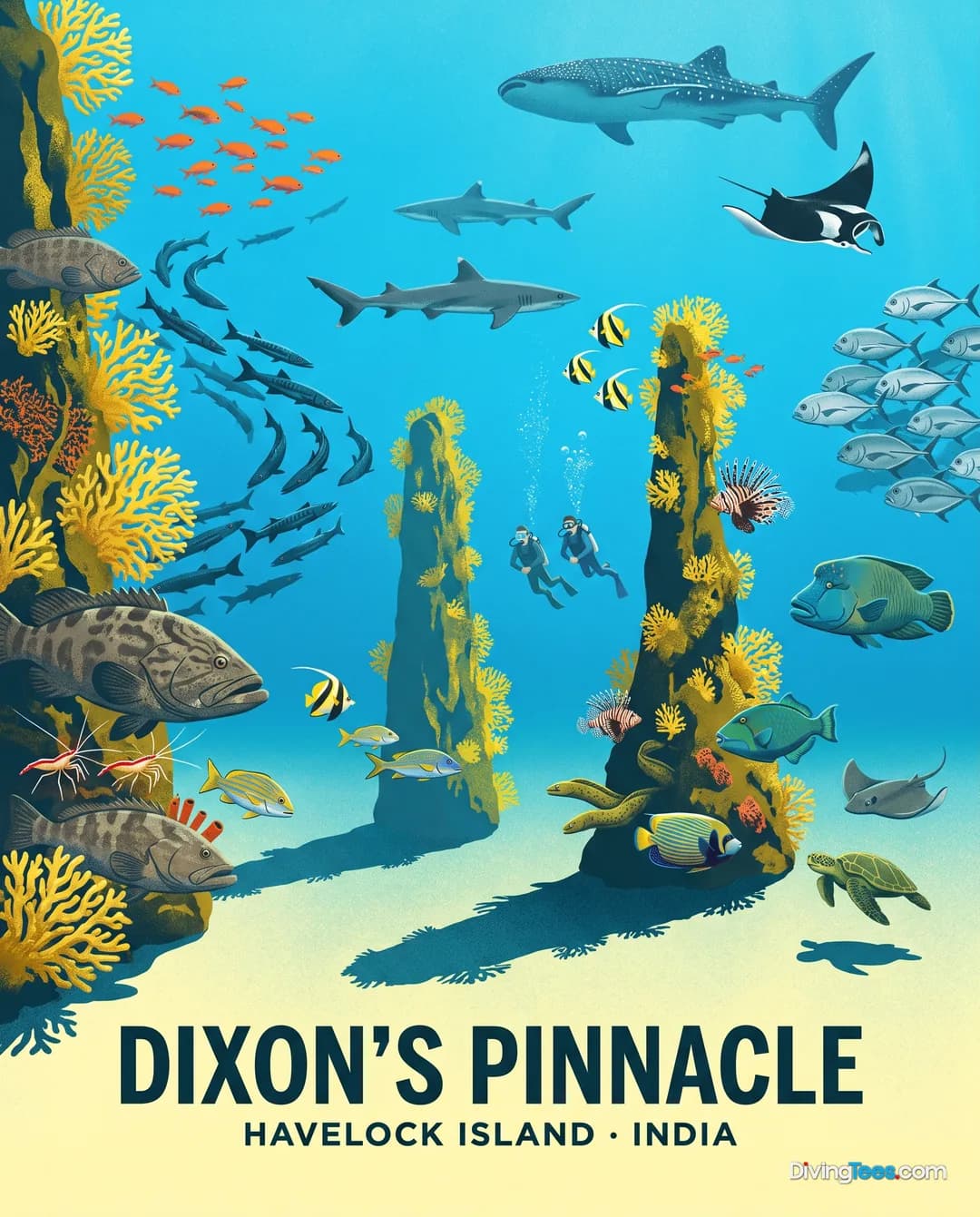
down to 35 m
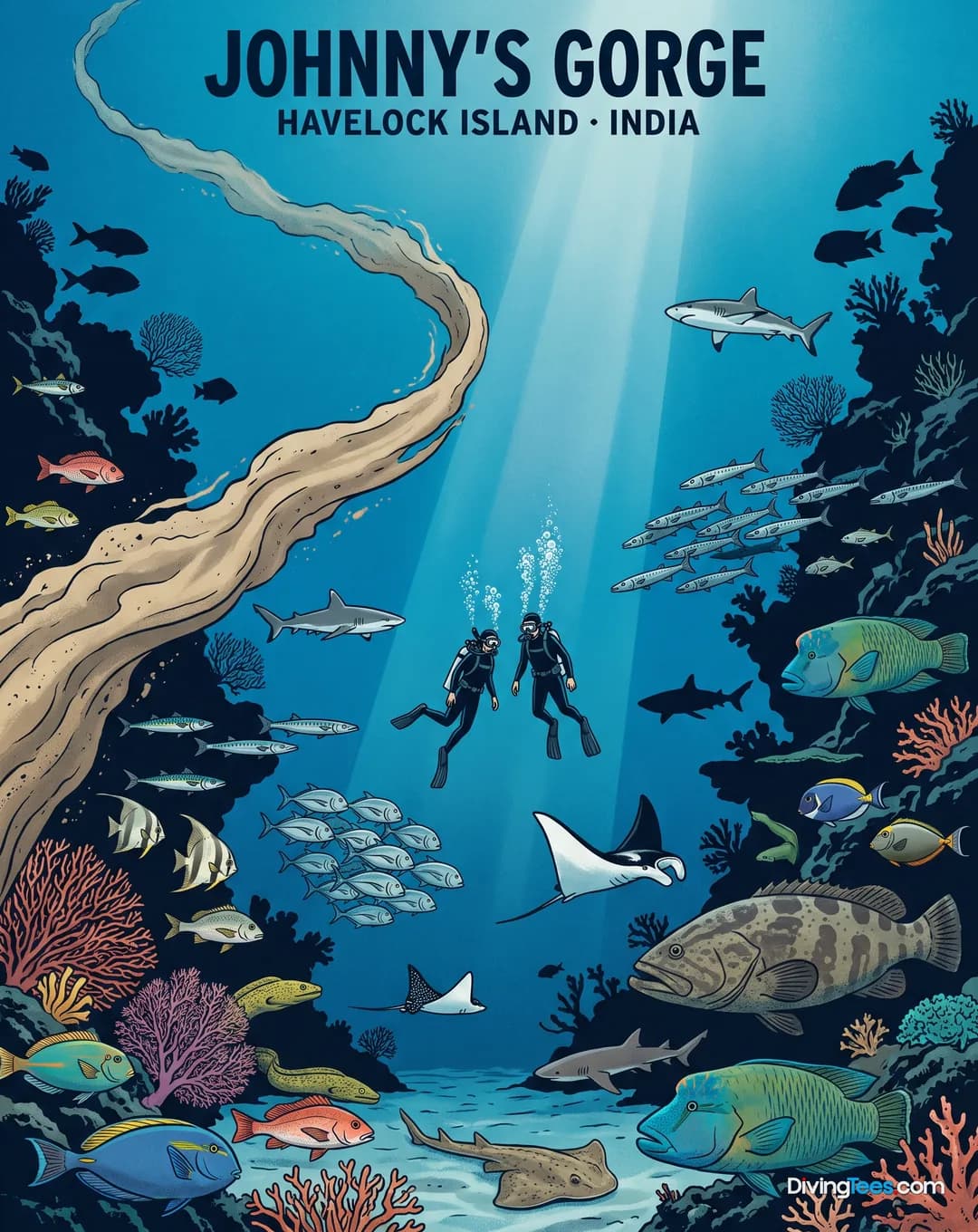
down to 35 m
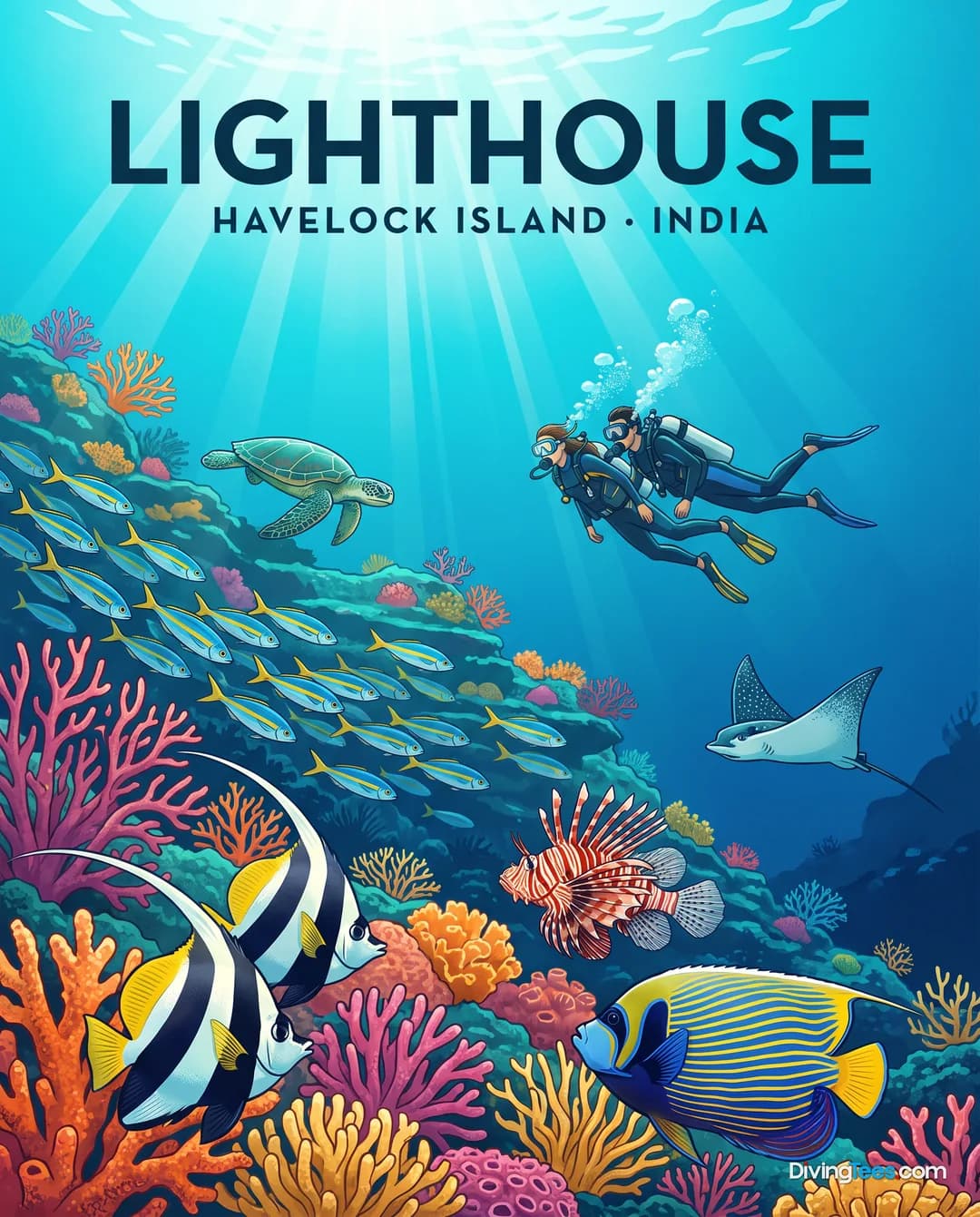
down to 25 m
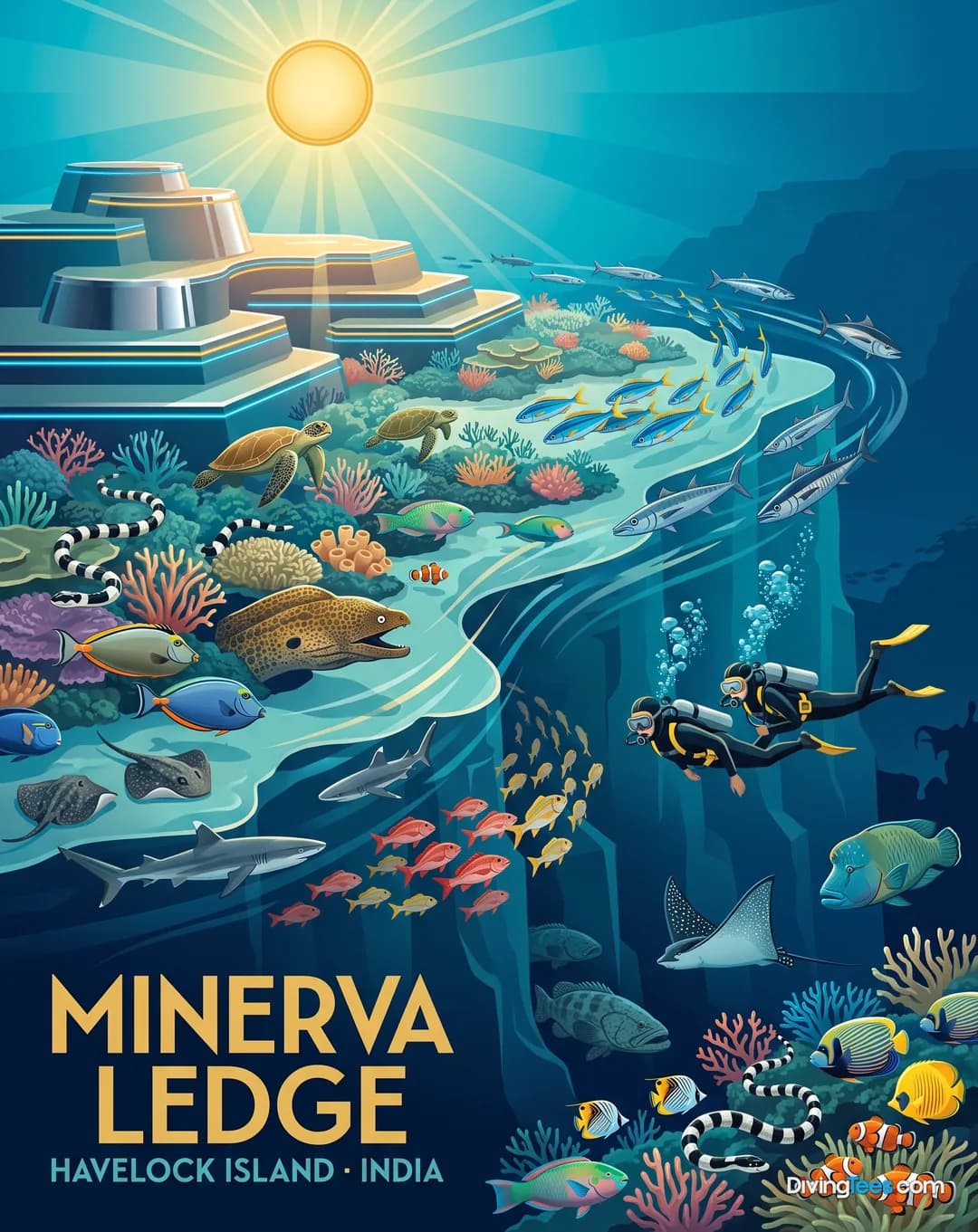
down to 24 m
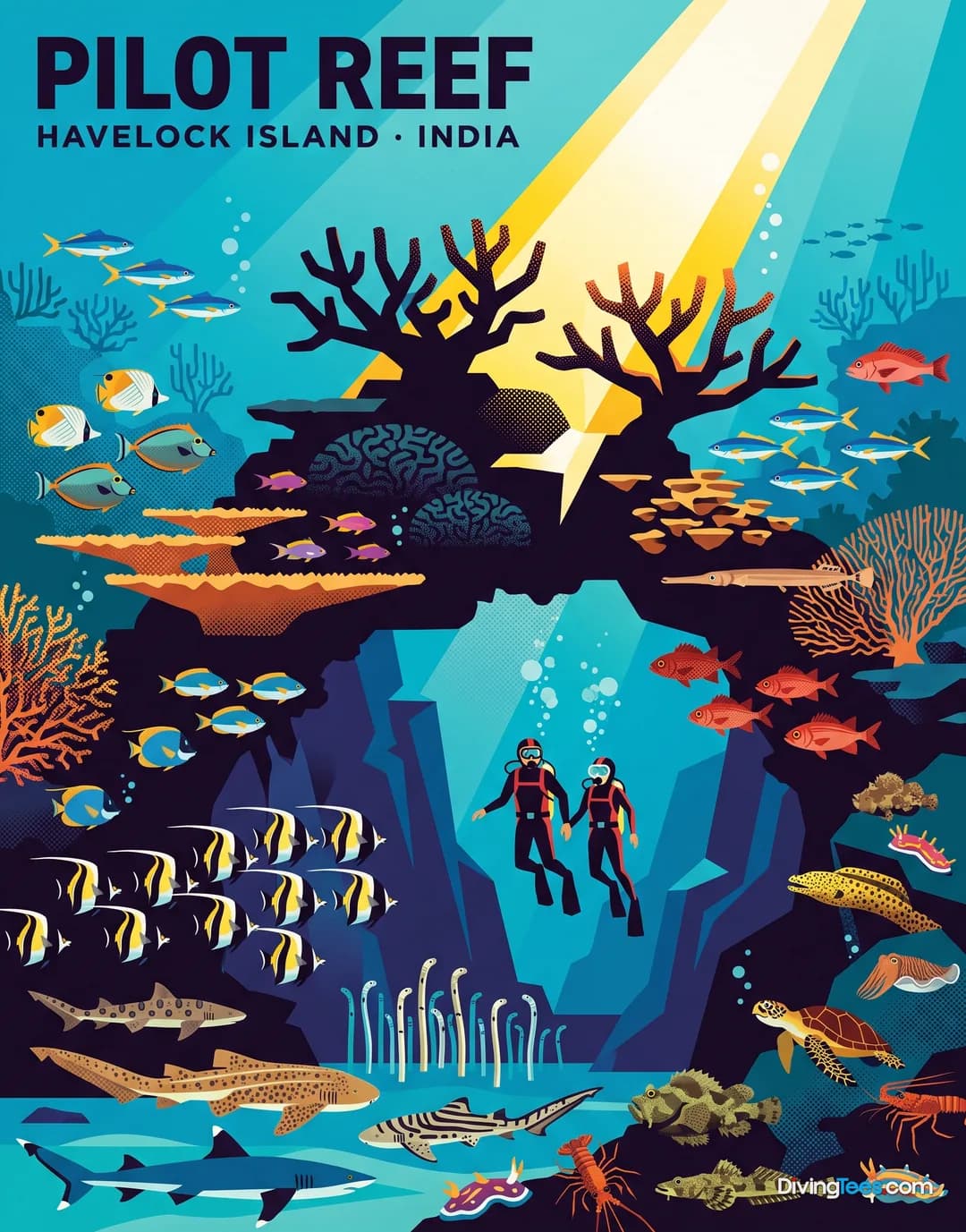
down to 40 m
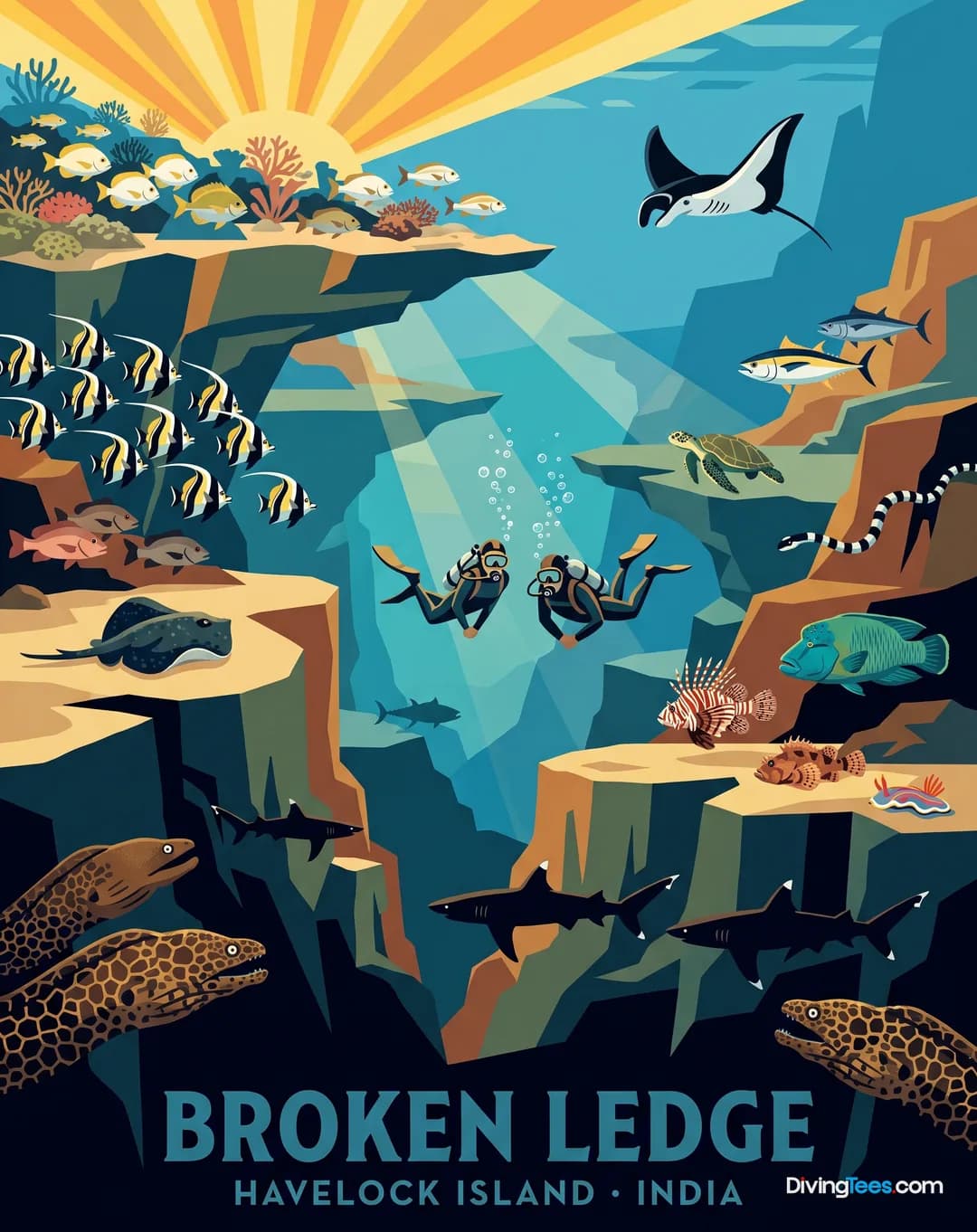
down to 35 m
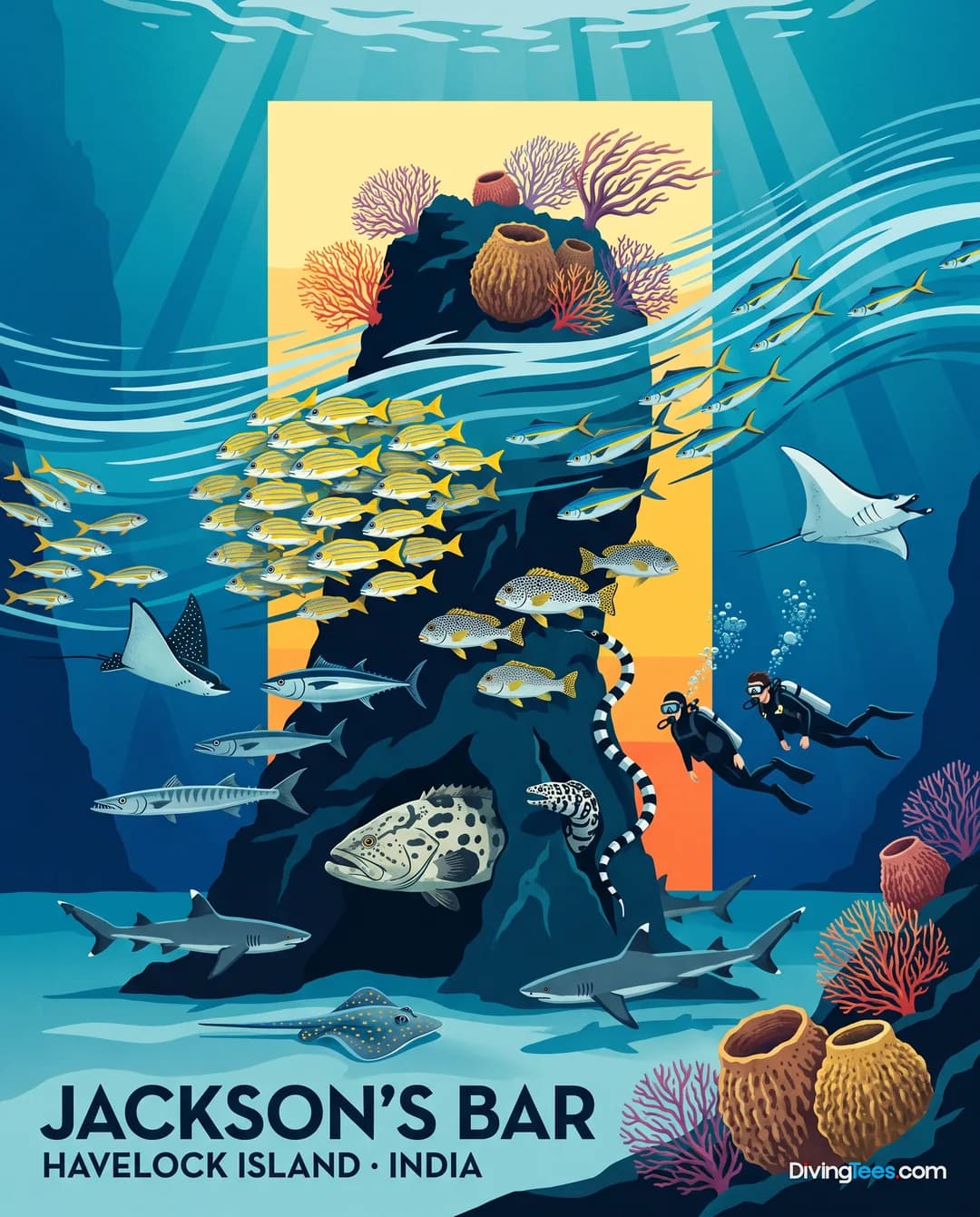
down to 36 m
And some of the dive sites the centre runs.
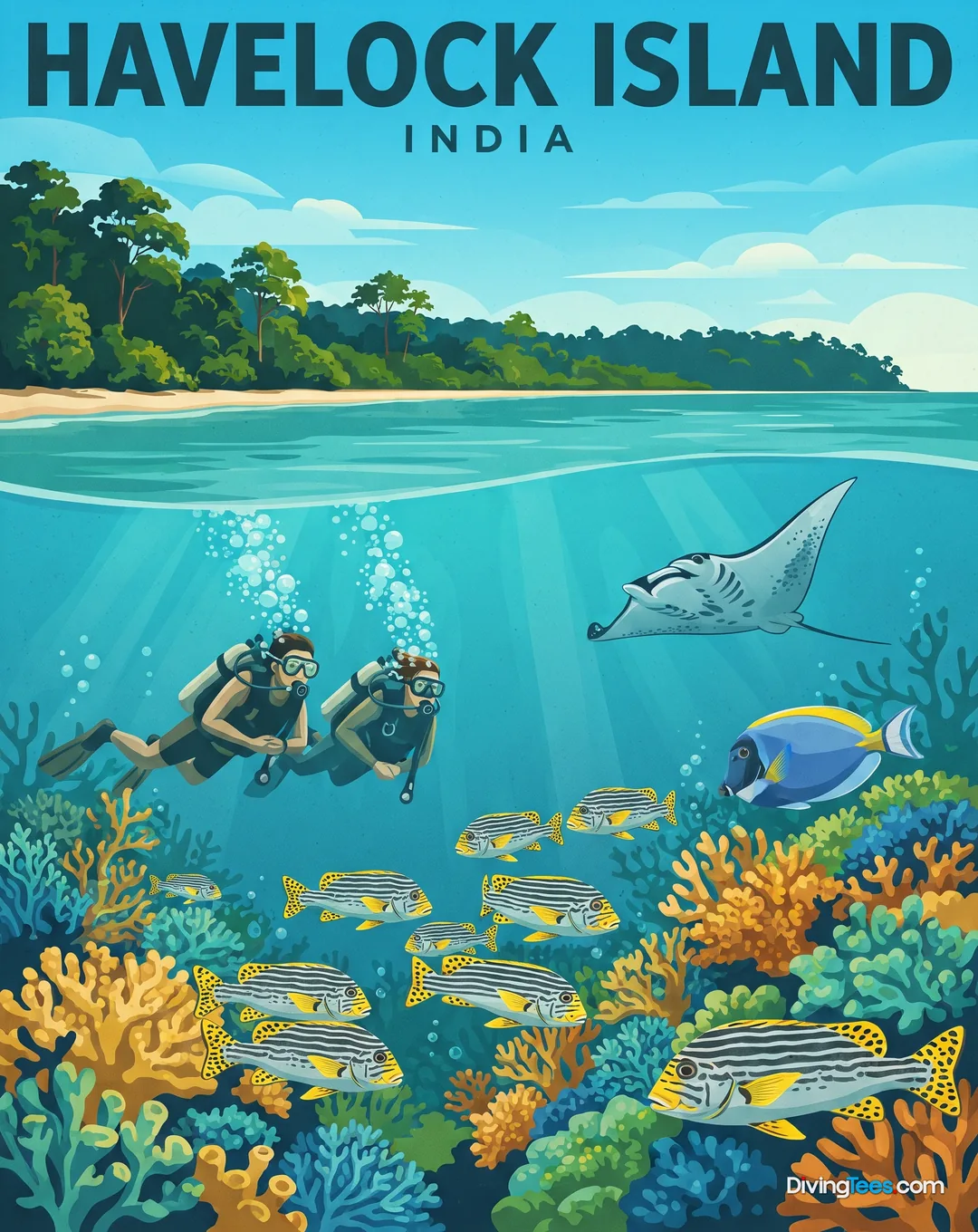
The reefs around Havelock are home to a diverse array of fish, including various species of Angelfish (Pomacanthidae), Butterflyfish (Chaetodon), and Surgeonfish (Acanthuridae). You will frequently see schools of Fusilier (Caesio), Snapper (Lutjanus), and various Jacks (Carangidae) patrolling the reef structures.
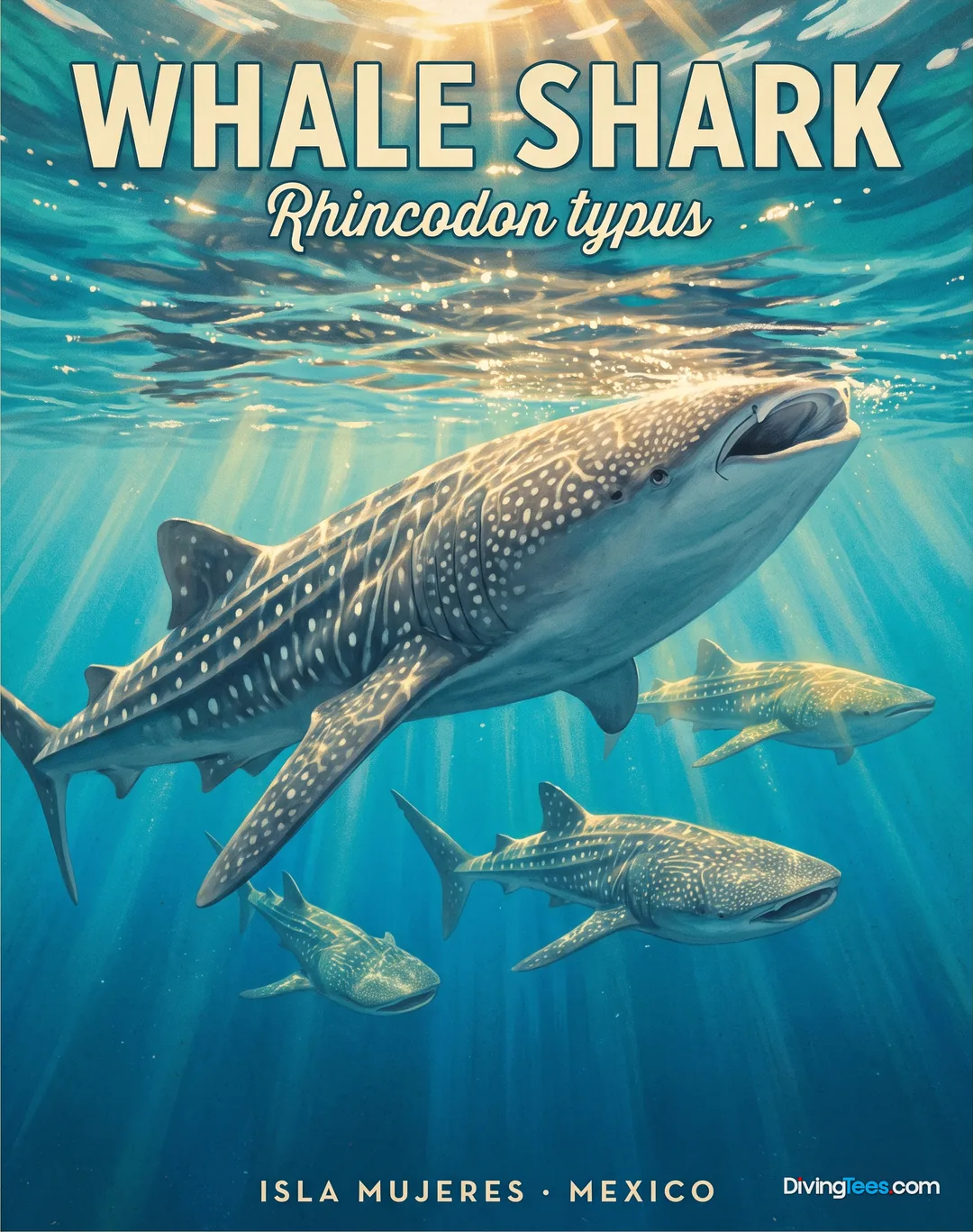
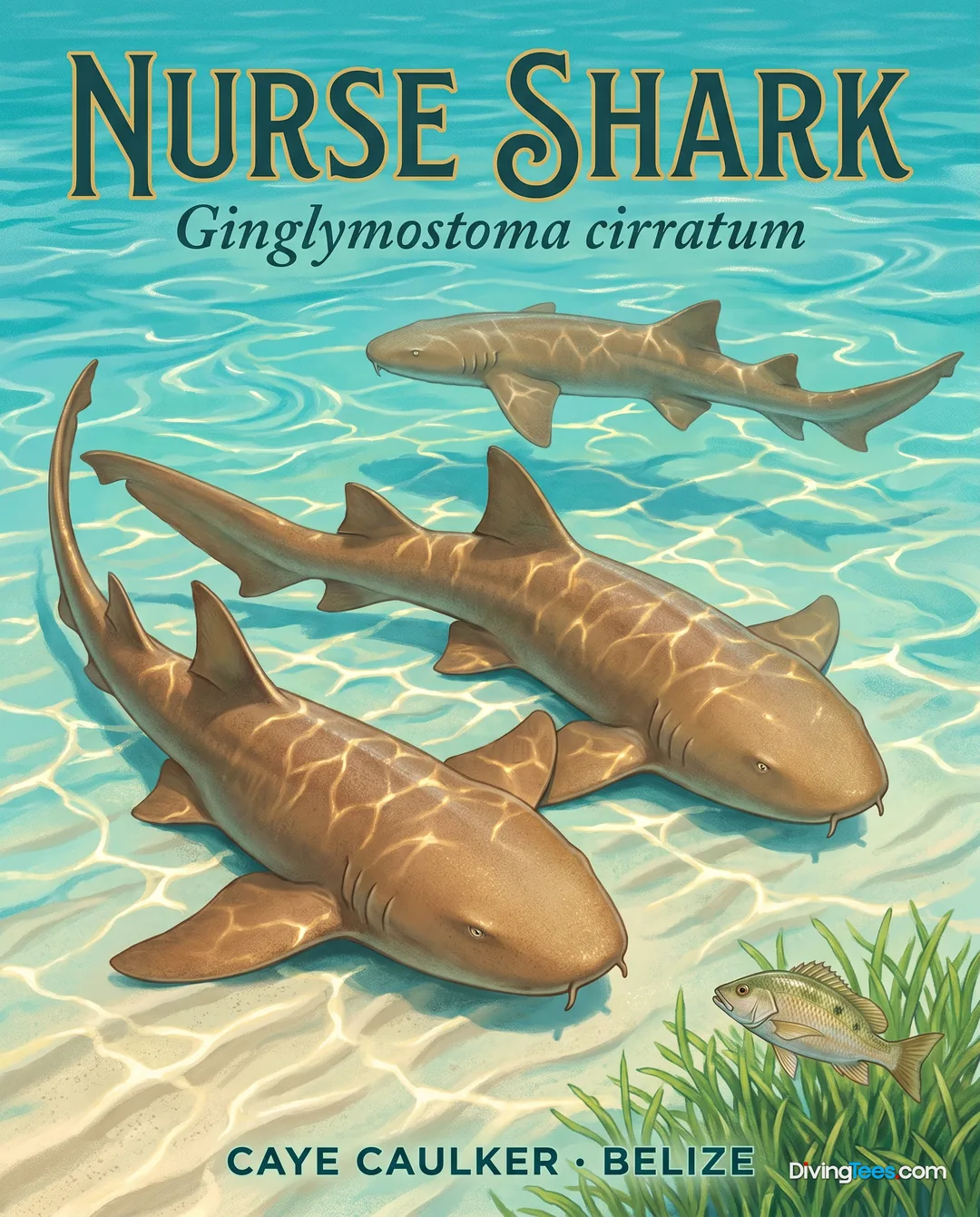
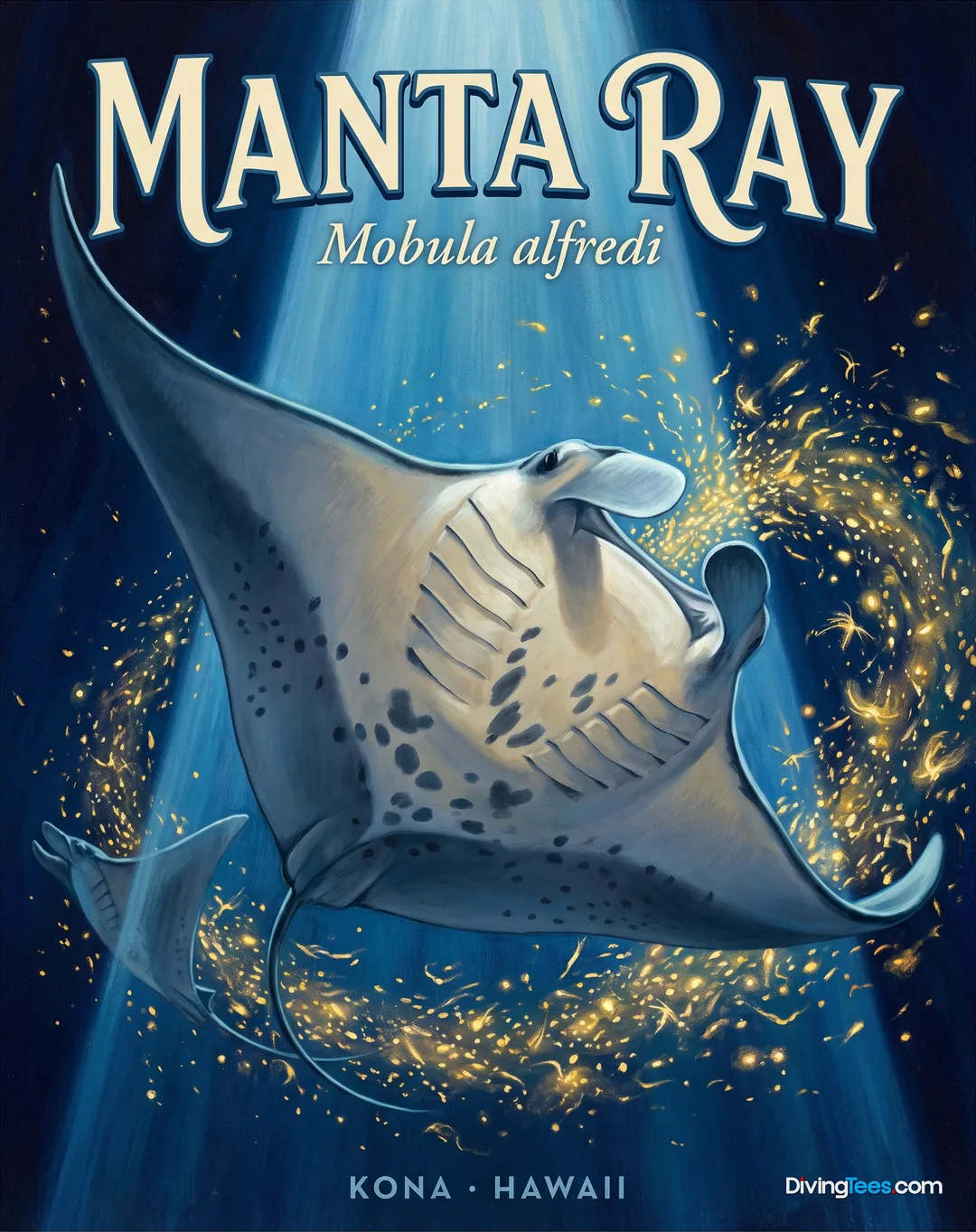
Large pelagics are a highlight of the region, particularly between November and May when you may encounter Manta ray (Mobula alfredi), Leopard shark (Triakis semifasciata), Whitetip reef shark (Triaenodon obesus), Eagle ray (Aetobatus), and various species of shark (Selachimorpha). During this same period, sightings of Dolphin (Delphinidae), Humphead parrotfish (Bolbometopon), and Dogtooth tuna (Gymnosarda unicolor) are also possible.
For those interested in macro life, the sites offer plenty of interest, including Nudibranch (Chromodoris willani), Seahorse (Hippocampus kuda), and various species of Octopus (Octopus vulgaris). You can also find Ornate ghost pipefish (Solenostomus paradoxus), Boxfish (Ostraciidae), and several types of shrimp (Caridea) amongst the corals.
The underwater scenery is defined by healthy coral formations, including brain coral, table coral, staghorn coral, and various gorgonians (Gorgoniidae). Large barrel sponges and sea fans (Gorgoniidae) provide essential structure for the resident marine life.
Diving conditions in the area vary by season. The best period for diving is from November to May, when the sea is generally placid and visibility is excellent.
During June and July, the sea can become very rough and visibility may vary. August often brings higher-than-normal rainfall, while short storms can occur during December and May.
Hello, I'm Marina, DivingDeal.com's AI assistant. I answer in detail about hotels, dive centres and liveaboards.

Thinking about the whole trip and the flights? Talk it over with Edith →
Marina is an AI. Some links are affiliate links: DivingDeal may earn a commission, at no extra cost to you. Bookings are made with the partner.