Niva Kuramathi Maldives
★★★★
★ 9.3/10 (809 reviews)
less than 1 km away as the crow flies
Dive centre · Ari Atoll · Maldives
4.846 Google reviewsExperience North Ari Atoll's pelagic encounters from Kuramathi, with dedicated morning trips to Hammerhead Shark Point.
For subtitles in English: start the video firstthen click the gearat the top right of the video, select “Subtitles/CC”, then “Auto-translate” and choose “English”.
Rasdhoo Divers has been operating in the Maldives since 1994, providing a professional base for divers looking to explore the North Ari Atoll. Located on Kuramathi Island, the centre is positioned to access some of the most significant dive sites in the region, including various thilas and deep-water channels.
The centre is well-integrated with the local infrastructure, benefiting from the proximity of the Kuramathi medical centre. This facility includes the largest hyperbaric chamber in the Maldives, staffed by specialist doctors, ensuring a high standard of safety for all operations.
The centre is led by instructor trainers Matt Berry and Helmuth Steuber, bringing decades of experience to the North Ari Atoll. The team is multilingual, with staff capable of instructing in English, German, French, Spanish, Italian, and Russian.
Instructional standards cover a wide range of diver profiles, from the Scuba Ranger programme for children aged 8 and over to advanced professional training. The team also provides specialised instruction for digital underwater photographers and shark divers.
For those looking to progress their skills, the centre offers a full suite of PADI and SSI certifications. This includes everything from Open Water Diver and Advanced Open Water Diver to Rescue Diver and Dive Guide training.
The training catalogue is extensive, catering to all levels of experience through PADI and SSI affiliations. Beginners can start with Try Diving, Basic Diver, or Open Water Diver courses, while younger divers can participate in the Scuba Ranger programme.
Advanced divers can specialise through courses such as Nitrox, Shark Diver, and Digital Underwater Photographer. Professional development is also supported with courses leading toward Dive Guide qualifications, alongside the React Right/Rescue programme.
The centre operates using 16m fibre-glass dhonis to reach local dive sites. These vessels typically reach most sites within an average of 15 minutes from the island.
For longer excursions, the centre organises half-day and full-day safaris to the premier sites of the North Ari Atoll. On full-day trips, lunch is provided on board, while half-day safaris include breakfast for the divers.
Nitrox 32% is provided for all divers holding the appropriate certification. The centre is equipped with essential safety gear, including oxygen kits and first aid supplies.
While the centre offers various training programmes, divers should check availability for specific kit hire. The facility is supported by the Kuramathi medical centre, which provides specialist diving medical support.
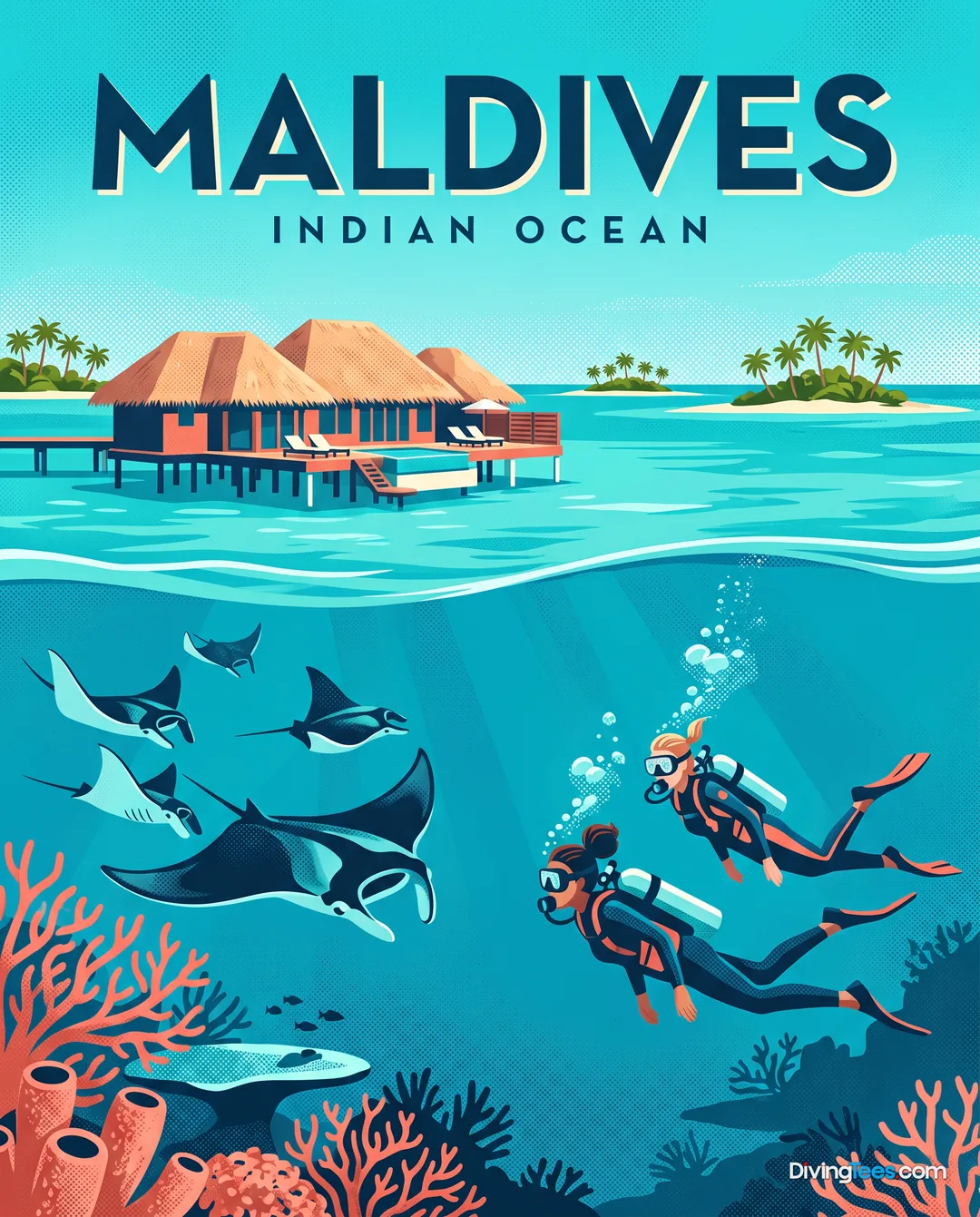
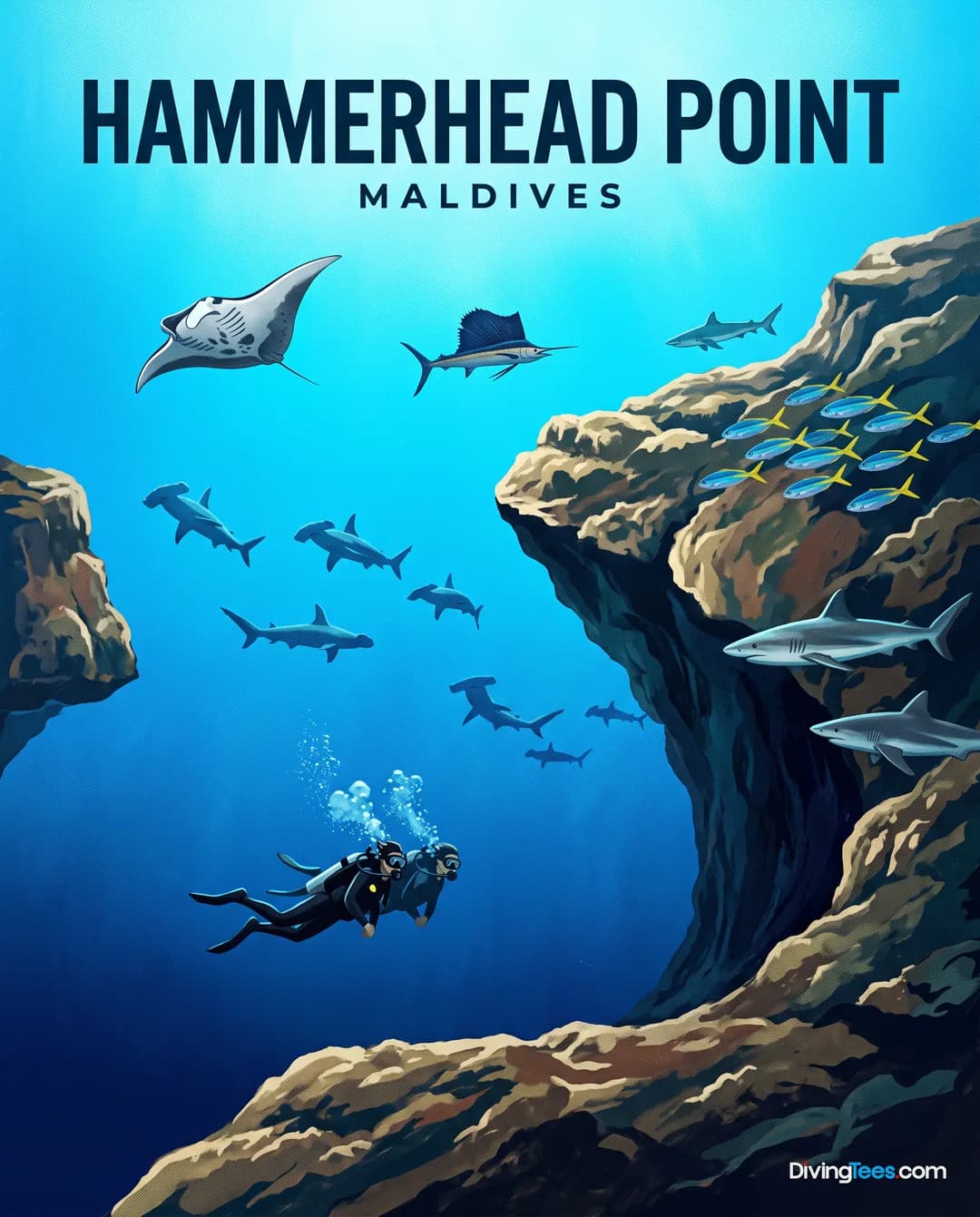
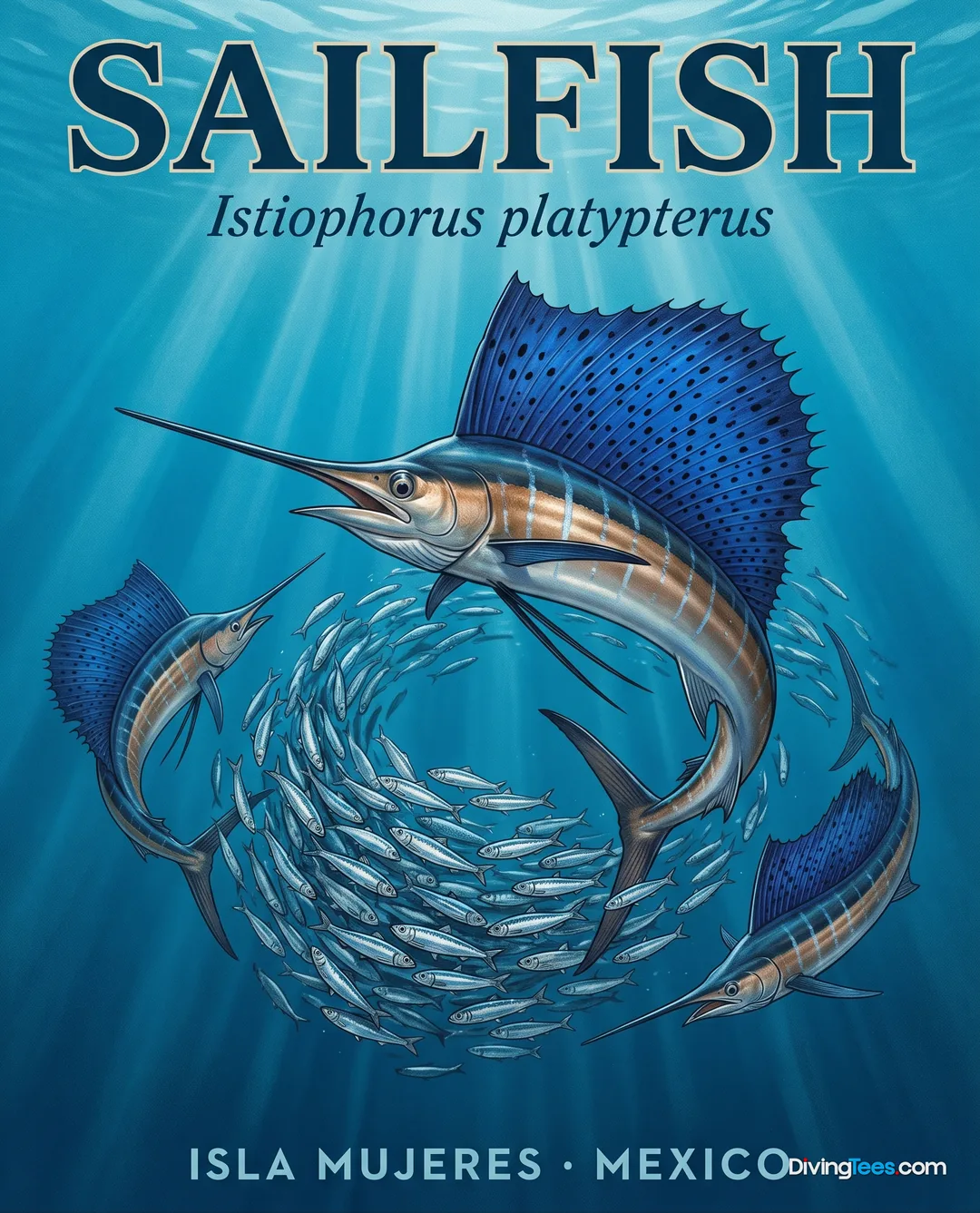
Hammerhead Shark Point is a deep-water site located just 8 minutes by boat from Kuramathi. It is an advanced site suitable for deep dive training, offering early morning blue water dives with the potential to see hammerhead sharks, mantas, and sailfish.
Fesdu Wreck offers the opportunity to explore a submerged structure, providing a different environment from the surrounding reef.
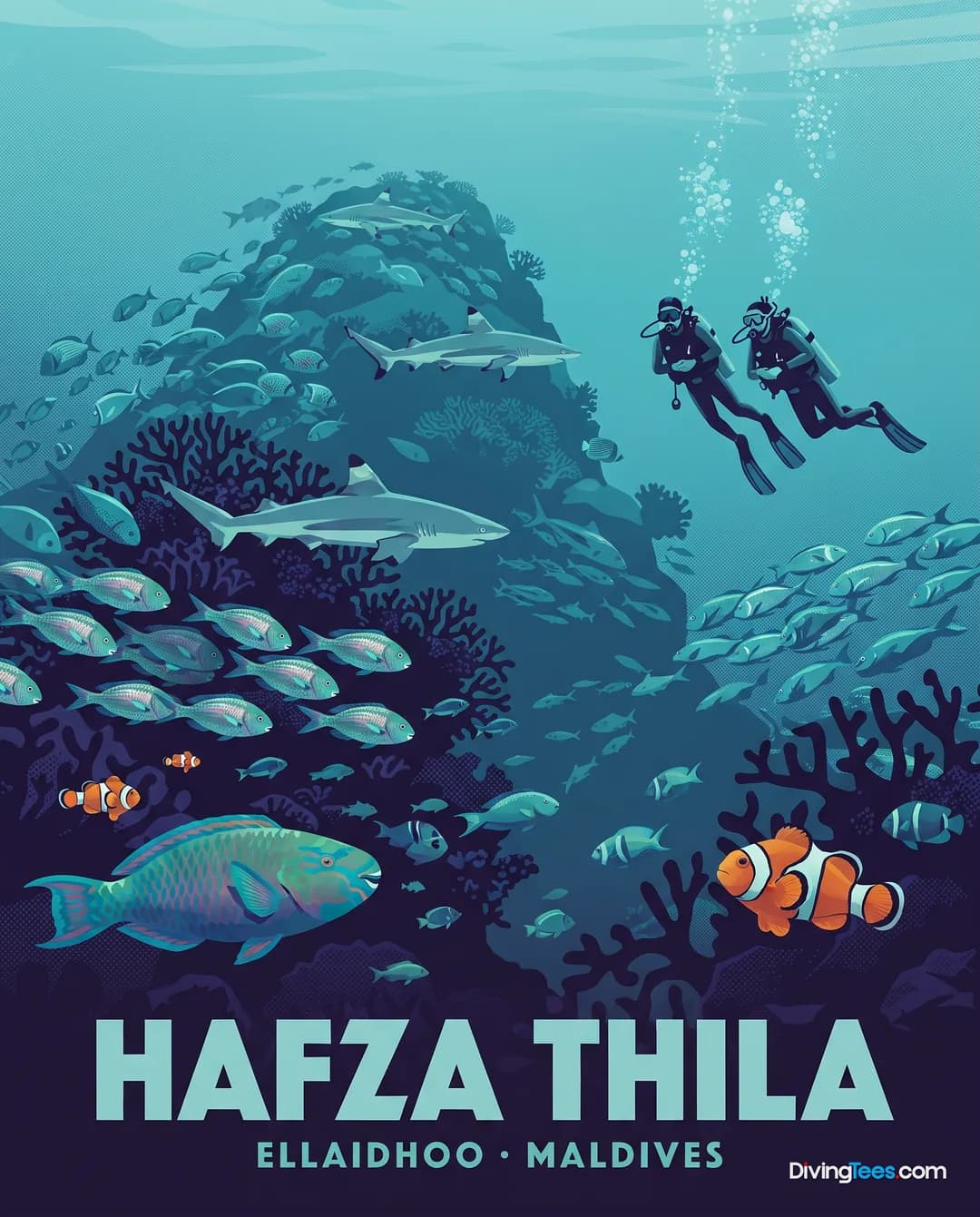
Maaya Thila, along with other local thilas like Hafza, Dega, and Hohola, are prominent underwater pinnacles that serve as major focal points for local diving.
And some of the dive sites the centre runs.
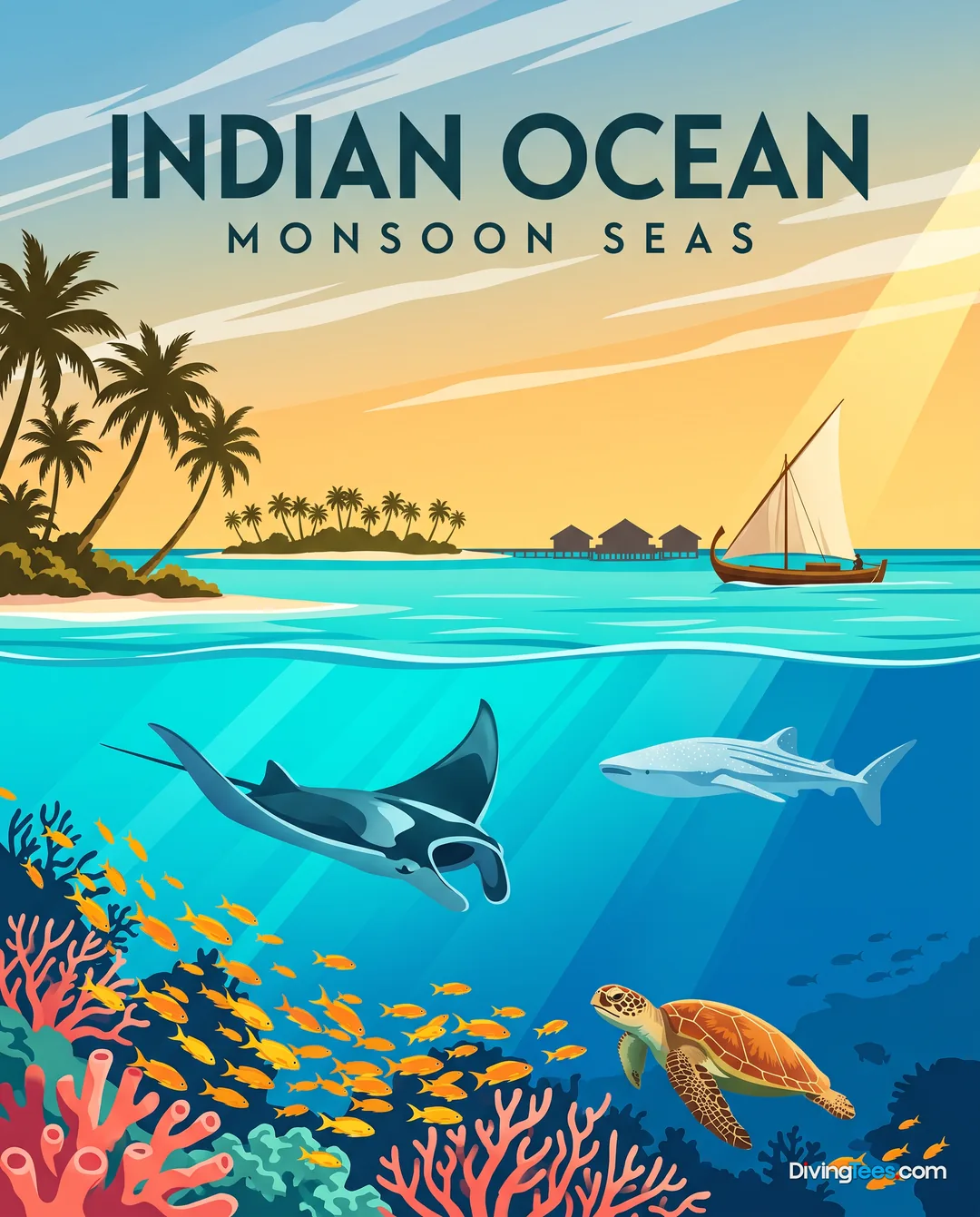
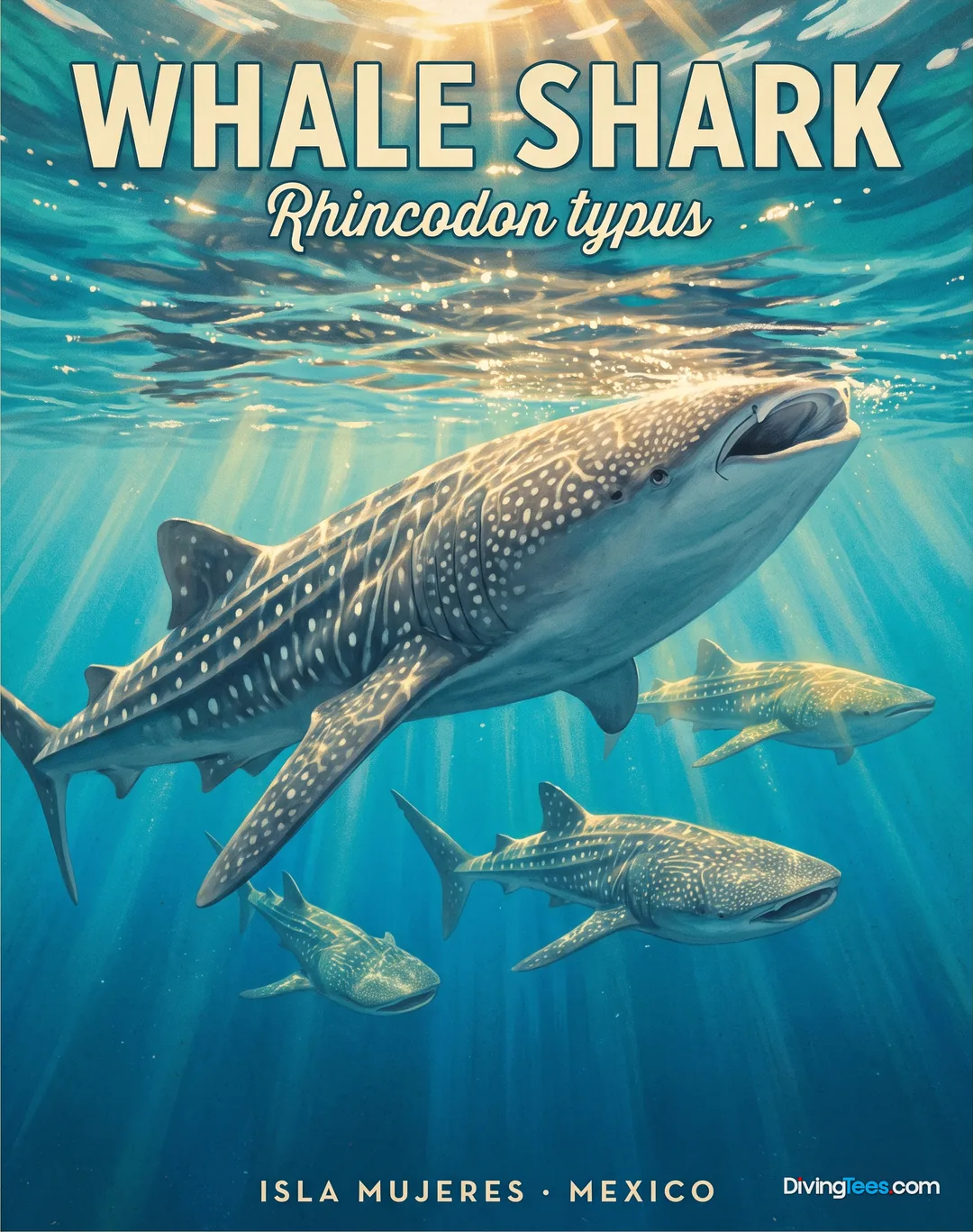
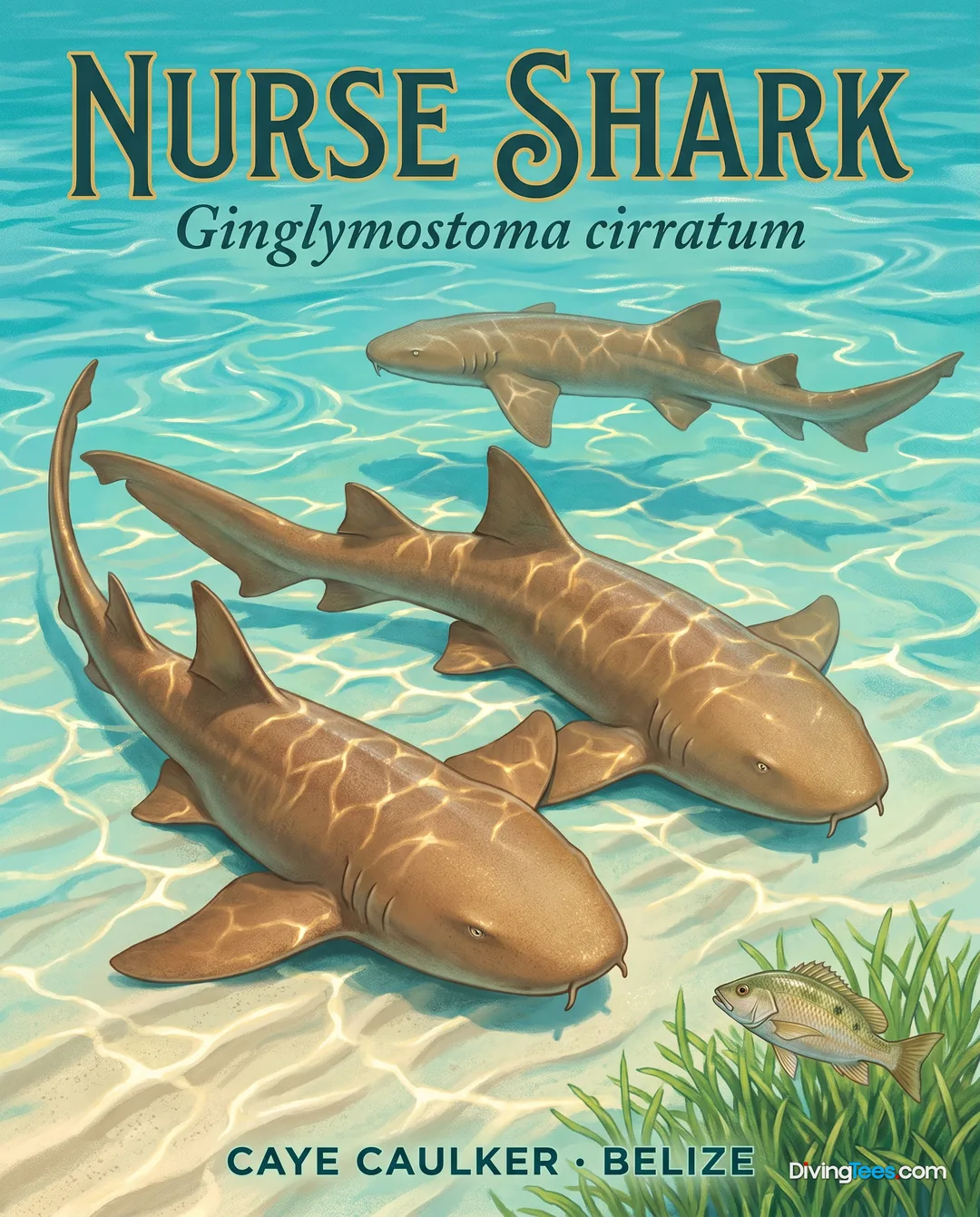
The marine life in North Ari Atoll is dominated by large pelagics and diverse reef species. You can expect to see various sharks, including Grey reef shark (Carcharhinus amblyrhynchos), Whitetip reef shark (Triaenodon obesus), Nurse shark (Ginglymostoma cirratum), and hammerhead sharks. Larger visitors like Whale shark (Rhincodon typus) may also be encountered if you are lucky.
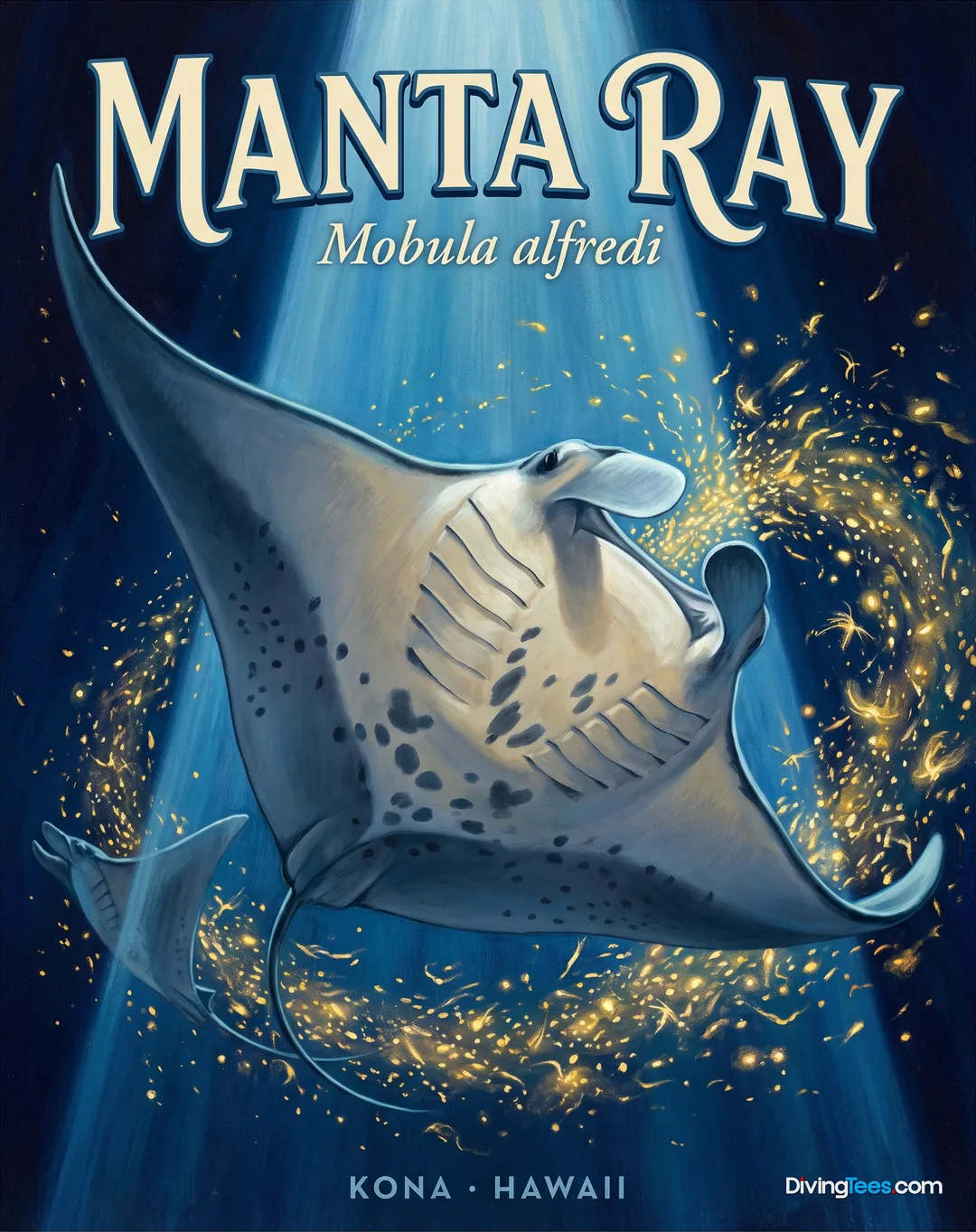
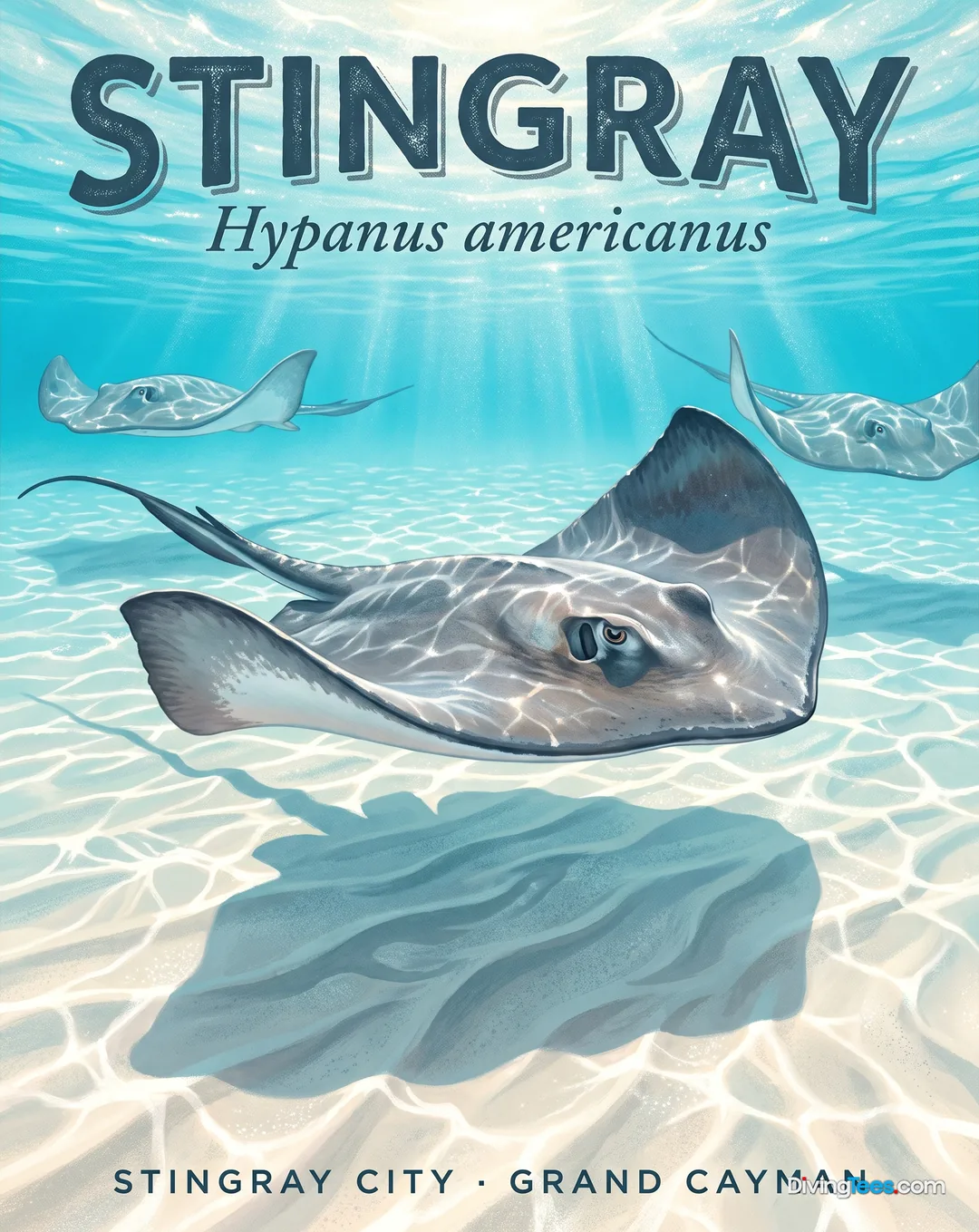
During the months from November to April, reef manta ray (Mobula alfredi) sightings become more frequent. You will also find Eagle ray (Aetobatus), Southern stingray (Hypanus americanus), and various species of turtles roaming the reefs.
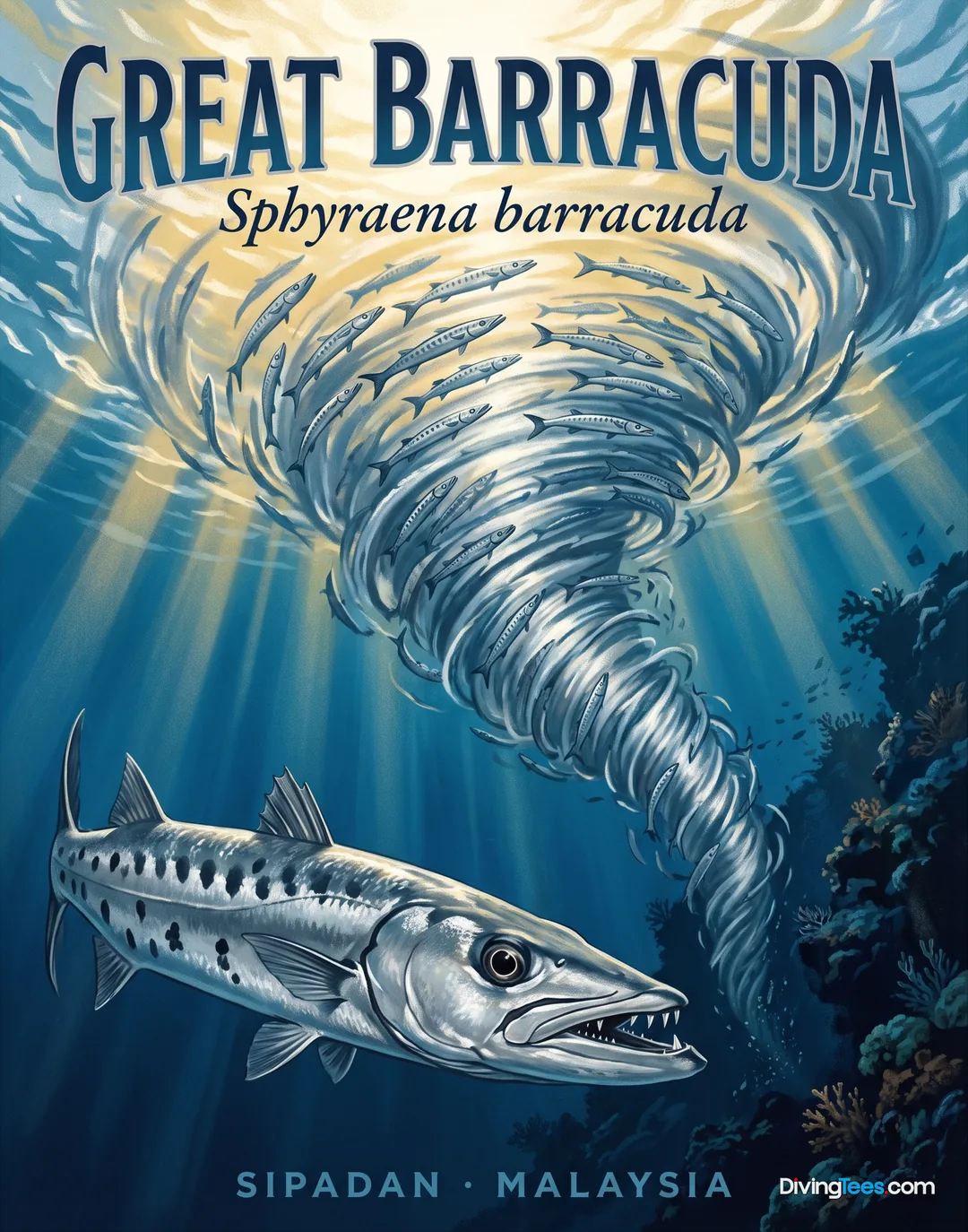
The reef architecture is built around Hard coral (Scleractinia) and Sea fan (Gorgoniidae), providing a home for Napoleon wrasse (Cheilinus undulatus), Great barracuda (Sphyraena barracuda), and large schools of Tuna (Thunnus). Other common residents include Grouper (Epinephelus), Jack (Carangidae), and various species of snapper (Lutjanus).
For those interested in macro life, the reefs host a variety of smaller organisms including Octopus (Octopus vulgaris), Frogfish (Antennarius), Ghost pipefish (Solenostomidae), and Nudibranch (Chromodoris willani). You may also spot Scorpionfish (Scorpaenidae), Moray eel (Muraenidae), and various species of pufferfish (Arothron hispidus).
Diving in this area involves a variety of environments, from shallow reef flats to deep blue water. Currents can vary significantly depending on the site; while drift dives along the outer reef walls are generally easy, diving in the channels can be more challenging due to increased current.
Night dives are available at least four times a week, conducted either on the Fesdu Wreck or on the house reef.
Hello, I'm Marina, DivingDeal.com's AI assistant. I answer in detail about hotels, dive centres and liveaboards.

Thinking about the whole trip and the flights? Talk it over with Edith →
Marina is an AI. Some links are affiliate links: DivingDeal may earn a commission, at no extra cost to you. Bookings are made with the partner.