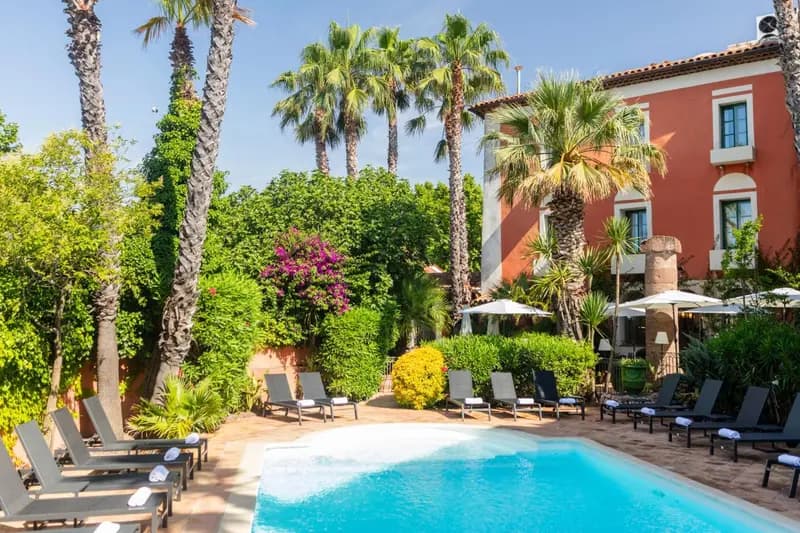
Hôtel l'Arena
★★★
★ 8.3/10 (1,937 reviews)
1.8 km away as the crow flies
Dive centre · Fréjus · France
4.9480 Google reviewsEstablished in 1988, this Fréjus port-based centre offers technical Trimix and rebreather training alongside diverse wreck and rocky reef diving.
For subtitles in English: start the video firstthen click the gearat the top right of the video, select “Subtitles/CC”, then “Auto-translate” and choose “English”.
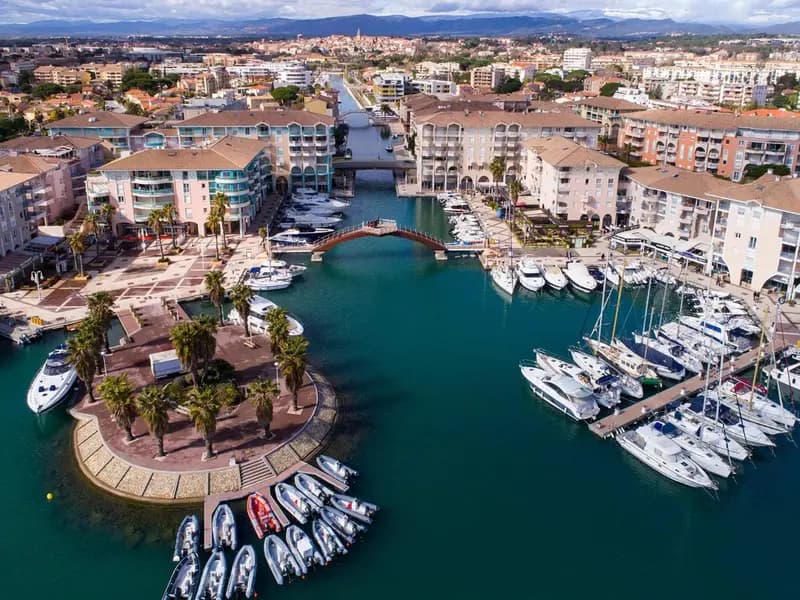
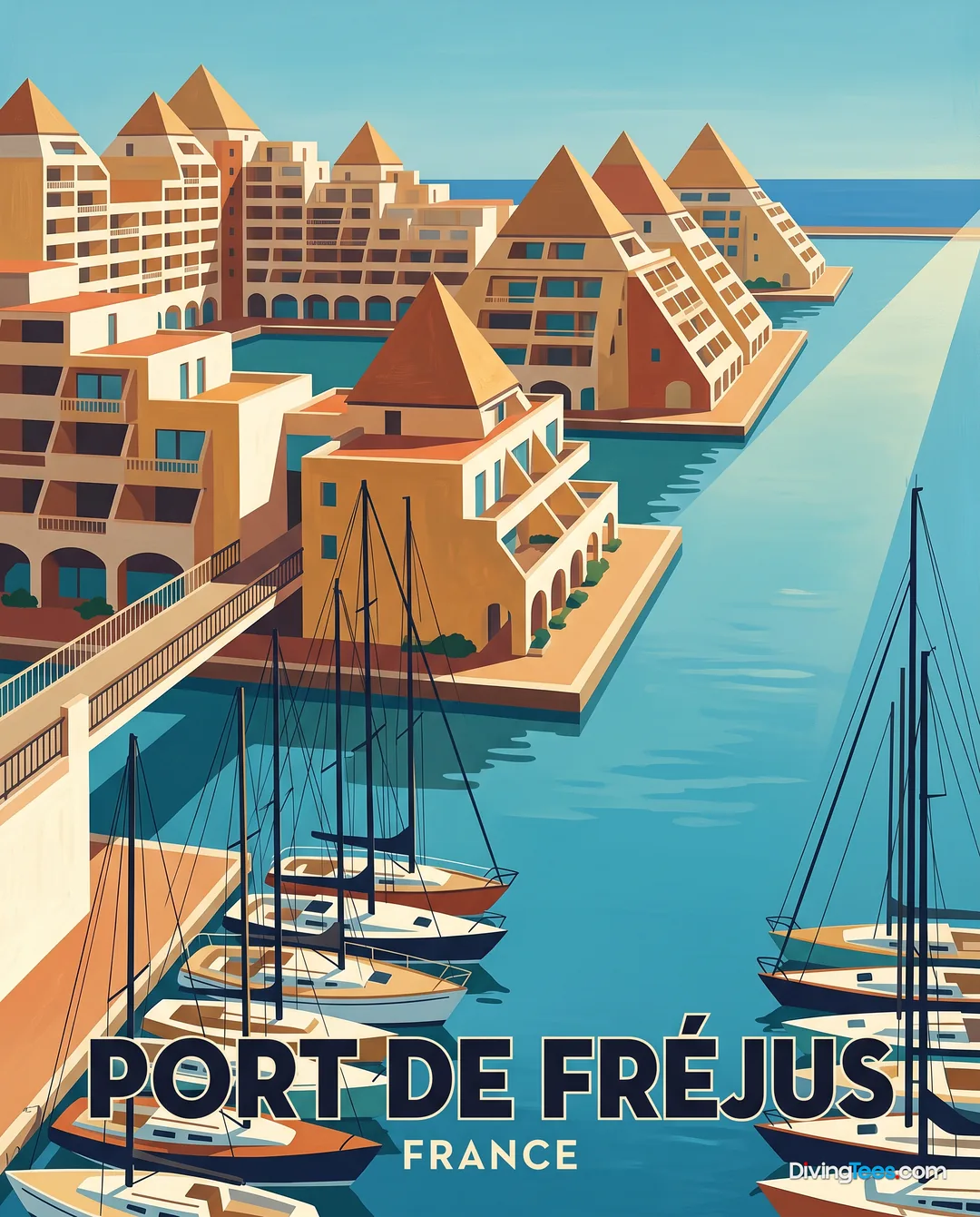
Plongée Frejusienne has been a fixture of the Fréjus harbour since 1988. Situated directly on the port, the centre provides a reliable base for divers looking to explore the varied underwater topography of the Var coastline, from deep rocky canyons to historical wrecks.
The centre operates seven days a week, all year round, making it a consistent choice for both local divers and those visiting the region. Its position on the water means the transition from the classroom to the boat is direct and efficient.
The centre is affiliated with both FFESSM and PADI, allowing for a wide range of certification pathways. They maintain a strong focus on specialised diving, offering dedicated programmes for children and Handisub adaptive diving.
Instruction is available in French. The team manages everything from introductory baptisms to advanced technical training, including DAN safety courses and specialised health-related diving.
The training catalogue is extensive, covering the full spectrum from beginner levels to advanced technical disciplines. You can work through PADI and FFESSM certifications, including Open Water and Advanced levels.
For technical divers, the centre provides Nitrox, Trimix, and rebreather training. They also host specialised programmes such as diving for children and Handisub adaptive diving, as well as DAN courses.
The centre features 200 m² of shore-based facilities, including a dedicated classroom, a relaxation area, and a shop. They also offer equipment servicing for divers looking to maintain their own kit.
Full equipment hire is available for those not travelling with their own gear. For those taking part in introductory baptisms, a complete set of kit is included.
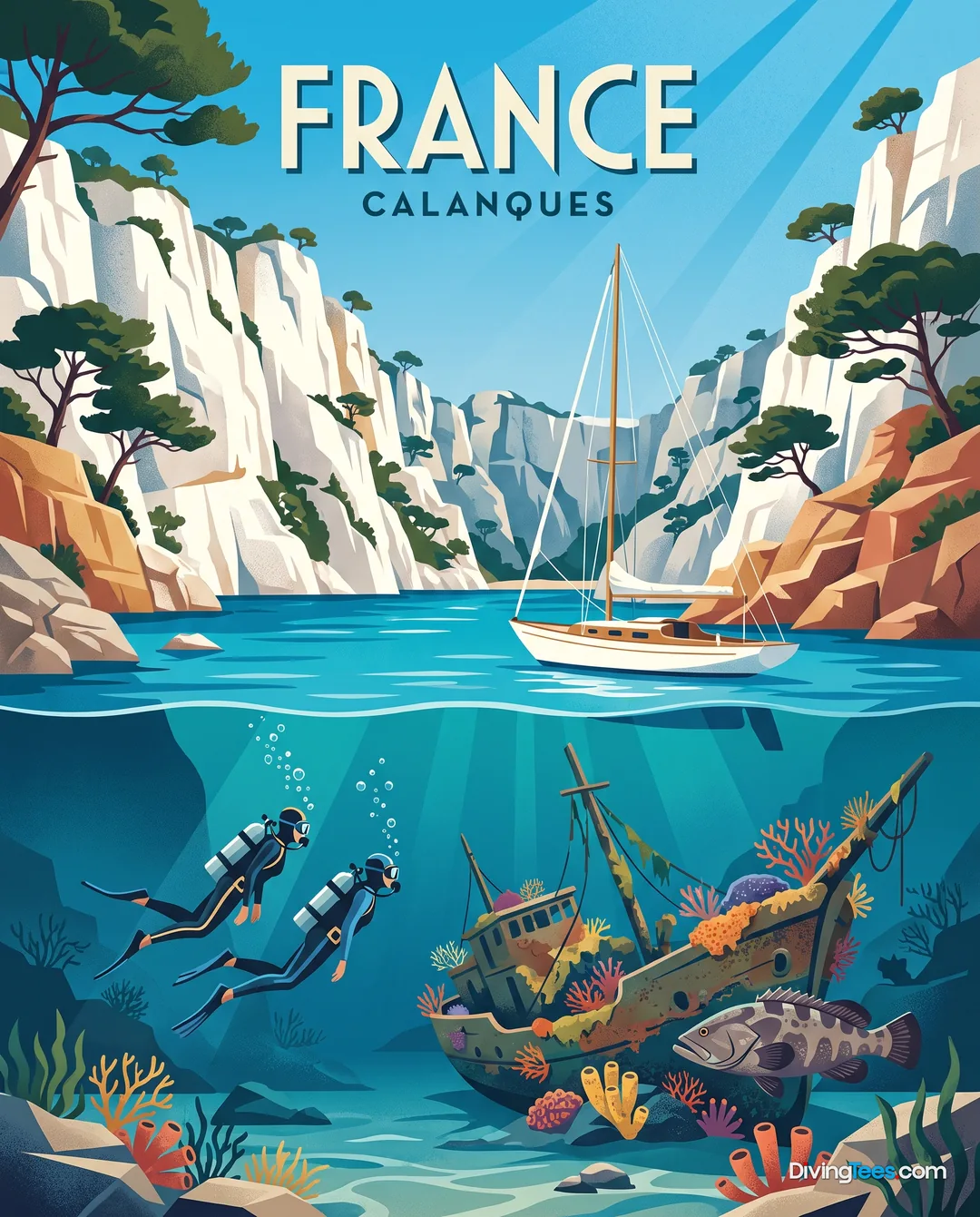
Les péniches d’Anthéor is a wreck dive located off Saint-Raphaël, featuring two French river barges, the Jean Suzon and the Saint-Antoine, torpedoed in 1944. At depths between 24 and 40 metres, you can explore structural elements like propellers, rails, and shells amidst gorgonians and groupers.
La Roche à Mérous is a deep, rich site ranging from 25 to 50 metres, characterised by steep faces and rocky canyons. It is a significant dive for those looking to see large butterfly gorgonians and various Mediterranean fish species in the crevices.
Les Suisses offers a succession of rocks and beautiful relief at depths up to 40 metres. This rocky plateau is accessible to divers from Level 1 through to Level 3 and is known for its variety of hard and soft corals.
La Pierre à Syca is a large rocky plateau with a south-facing cliff covered in coral and a north-facing scree slope. The site follows a corkscrew profile between 23 and 43 metres, where currents can sometimes be present.
And some of the dive sites the centre runs.
The rocky reefs and canyons are home to a vast array of Mediterranean life. You will find large gorgonians, including red and blue varieties, as well as various sponges and hard corals covering the vertical faces. Large groupers, dentis, and barracuda are frequently encountered near the rocky structures.
In the deeper sections and crevices, look for moray eels, octopuses, and various species of conger eels. You may also spot lobsters, spiny lobsters, and various species of sea bream, including sars and dorades, patrolling the rocks.
Macro life is abundant for those observing closely, with nudibranchs, starfish, and various anemones providing colour against the substrate. The area is also known for its diverse sponge life and various Mediterranean sponges.
Pelagic sightings can include dolphins, and during the winter, you may encounter wolves (loups).
Visibility across the dive sites typically ranges between 10 and 30 metres. Currents are generally weak on the wrecks and plateaus, though they can be present at sites like La Pierre à Syca.
Summer offers the best visibility and warmer conditions, while autumn is often a quieter period with significant marine life activity.
Hello, I'm Marina, DivingDeal.com's AI assistant. I answer in detail about hotels, dive centres and liveaboards.

Thinking about the whole trip and the flights? Talk it over with Edith →
Marina is an AI. Some links are affiliate links: DivingDeal may earn a commission, at no extra cost to you. Bookings are made with the partner.