

Oceana VSM
Google 4.9/5 (286 reviews)
France · Mediterranean
Hortense’s Atlantic Wall remains, a 31-metre rocky route and the sheltered stages of Fosse la Teste define diving in the basin.
For subtitles in English: start the video firstthen click the gearat the top right of the video, select “Subtitles/CC”, then “Auto-translate” and choose “English”.
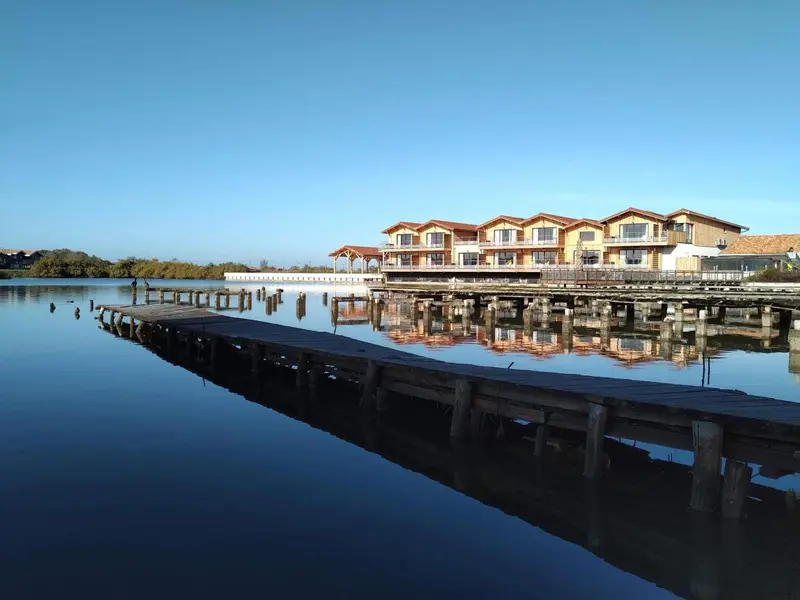
Hortense’s artificial rock and Atlantic Wall remains give the Bassin d’Arcachon a distinctly local character. This is an estuarine and coastal diving area shaped by tides, sediment and changing currents, rather than a coral destination. Boat trips form the main pattern, with sandy bottoms, passes, hard ground and possible wreck sites in the wider mix. Fosse la Teste adds a sheltered, land-based training environment, making the basin useful for both a short diving break and focused skills work.
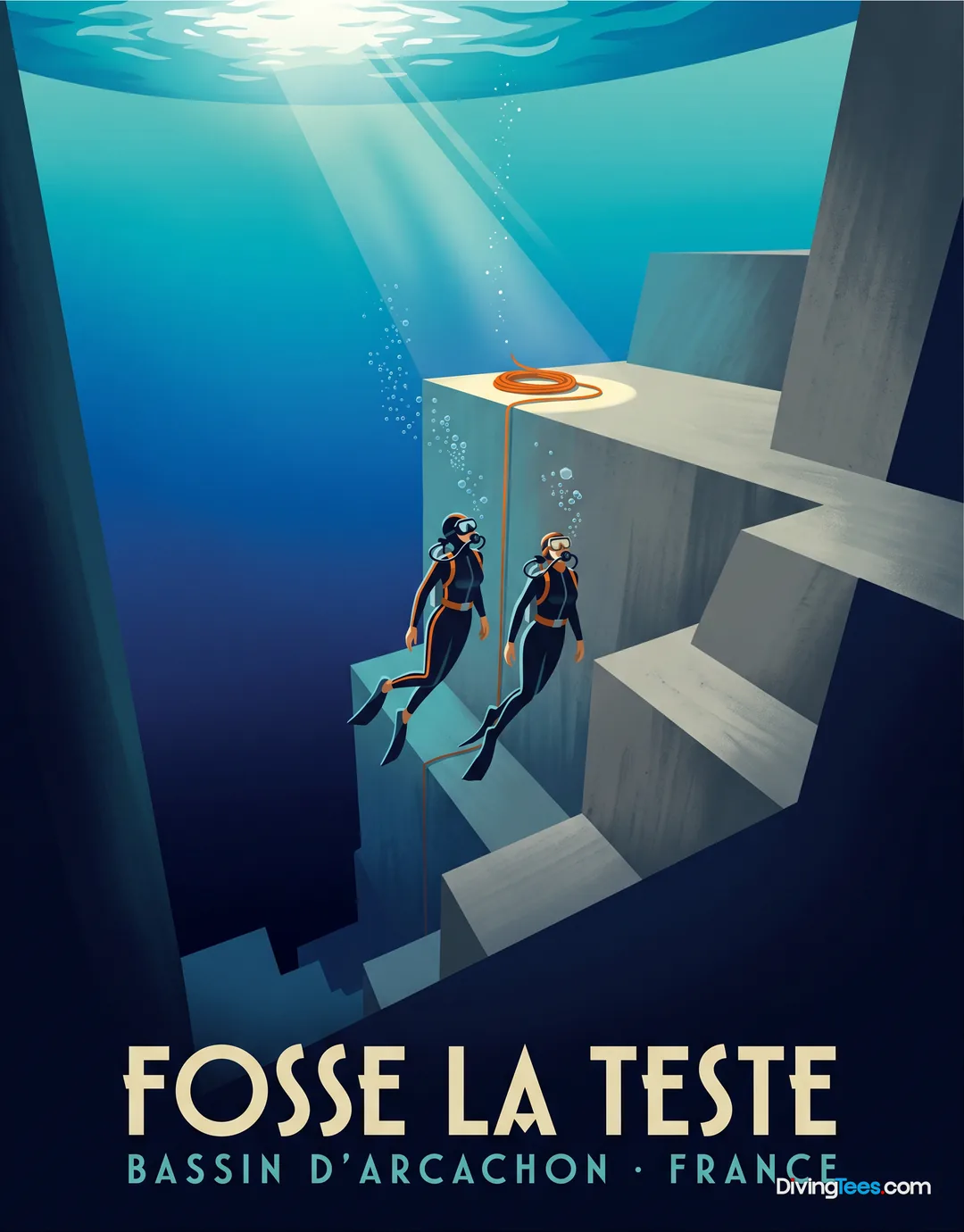
The diving here is governed by the water movement. Tides and variable currents determine when a boat can leave and which site is sensible, while wind and sediment can alter visibility quickly. At Hortense, the route runs from the surface down to 31 metres across artificial rock and remnants of the Atlantic Wall; the site offers roughly four to six metres of visibility and can feel current-affected. Fosse la Teste is a different proposition: a vertical, staged training pit from 1.5 to 20 metres, sheltered from outside weather and without current. Elsewhere, expect a mixture of boat diving over sand, passes, local hard ground and occasional wreck interests rather than dramatic tropical topography. Advanced training is useful for current management, and Nitrox may suit those arranging deeper or repeated boat dives, subject to the day’s plan and gas requirements.
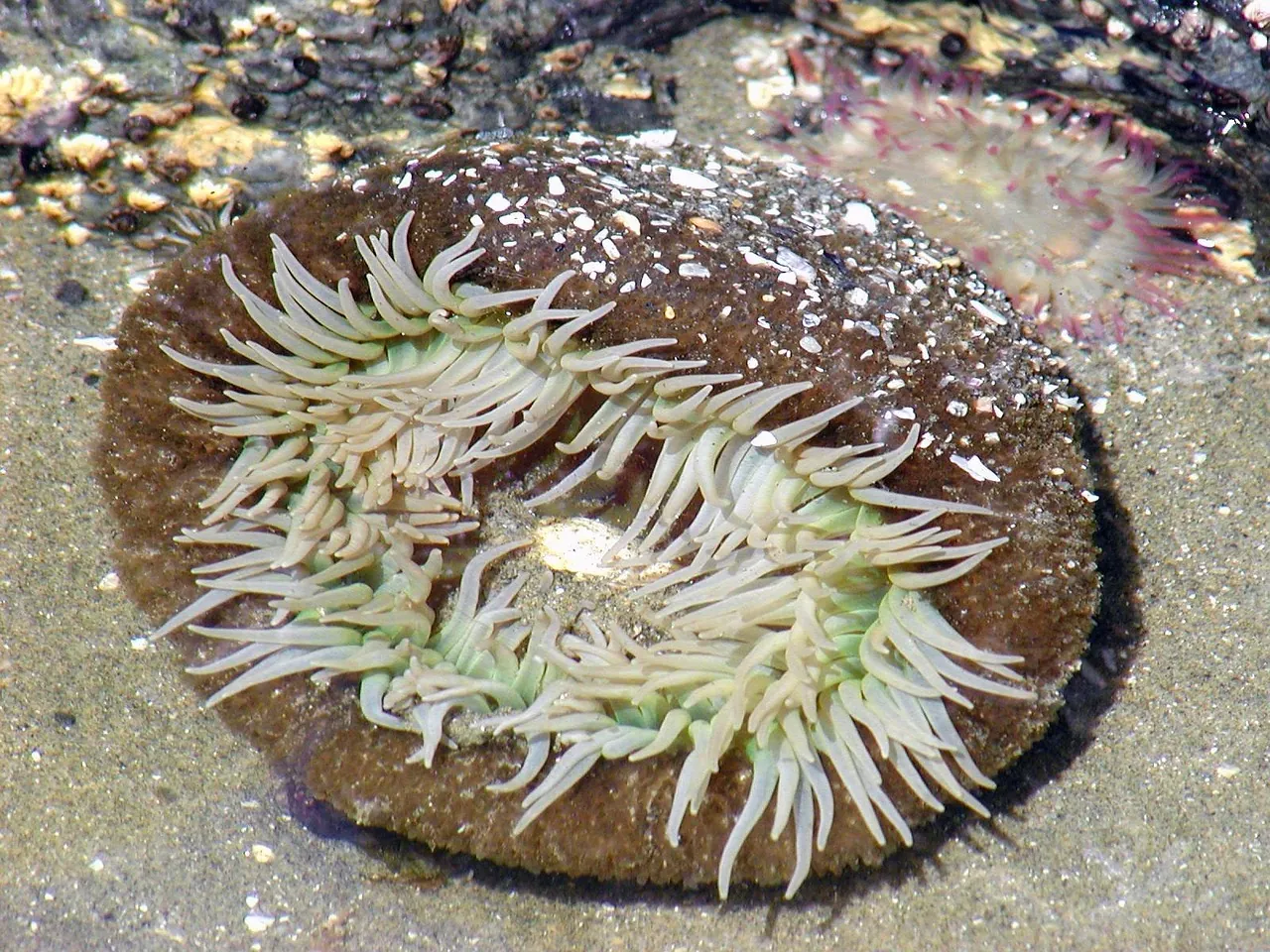
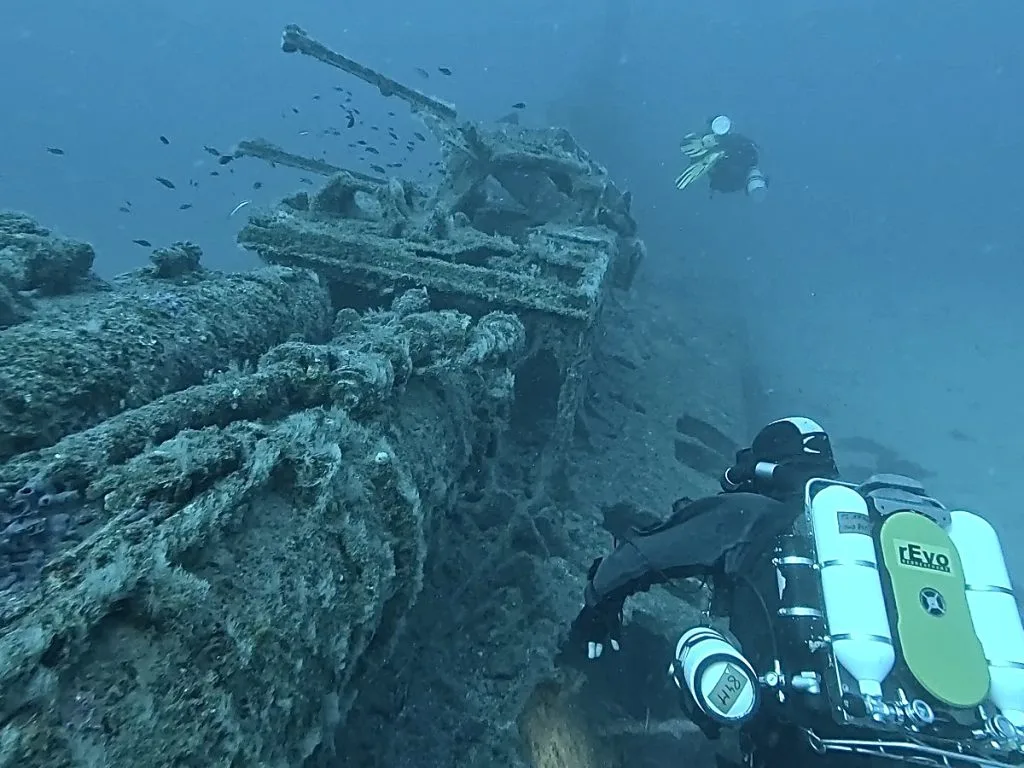
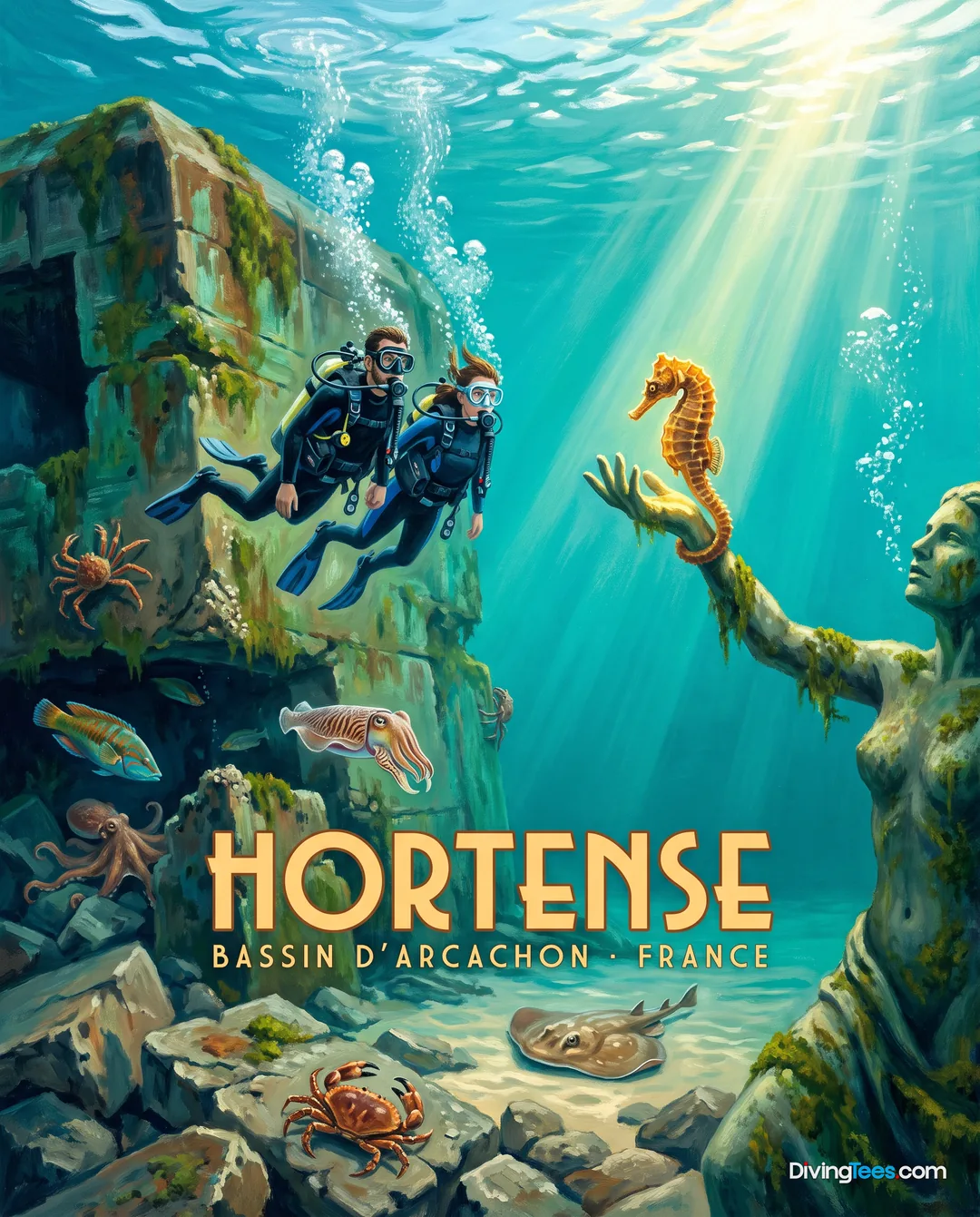
At Hortense, the attraction is the life attached to artificial rock and the surviving structures of the Atlantic Wall. The changing surfaces give a diver something to inspect at close range, with temperate benthic life concentrated on the hard ground rather than spread across a coral reef. Sandy areas and the basin’s tidal channels provide a contrasting backdrop, although they are more about the shape and movement of the environment than a guaranteed animal encounter. Fosse la Teste is primarily a controlled training setting, where attention goes to depth stages, buoyancy and technique. There is no dependable seasonal animal calendar to build a trip around, so wildlife interest is best treated as part of the site rather than its organising principle.
The useful season is dictated less by a particular month than by the combination of tide, wind, sea state and sediment movement. A calm forecast does not automatically produce a clear or workable dive if the current window is poor. The most sensible approach is to leave flexibility in the itinerary and use the local tide table to shape each day. A three-to-five-day stay gives several chances to find a practical boat window, while Fosse la Teste provides a weather-independent alternative when outside conditions disrupt the plan.
The area can suit divers from Open Water level upwards, provided they are comfortable following a tide-led plan rather than expecting a fixed timetable. Hortense is accessible to Open Water divers, but variable currents make supervision sensible for anyone who is not yet fully independent. Divers with Advanced training will find current awareness and deeper planning useful. BSAC, PADI and SSI qualifications should translate readily, while Nitrox is a practical extra for suitable profiles. Experience in drift management, surface navigation and low-visibility buoyancy will make the day less demanding.
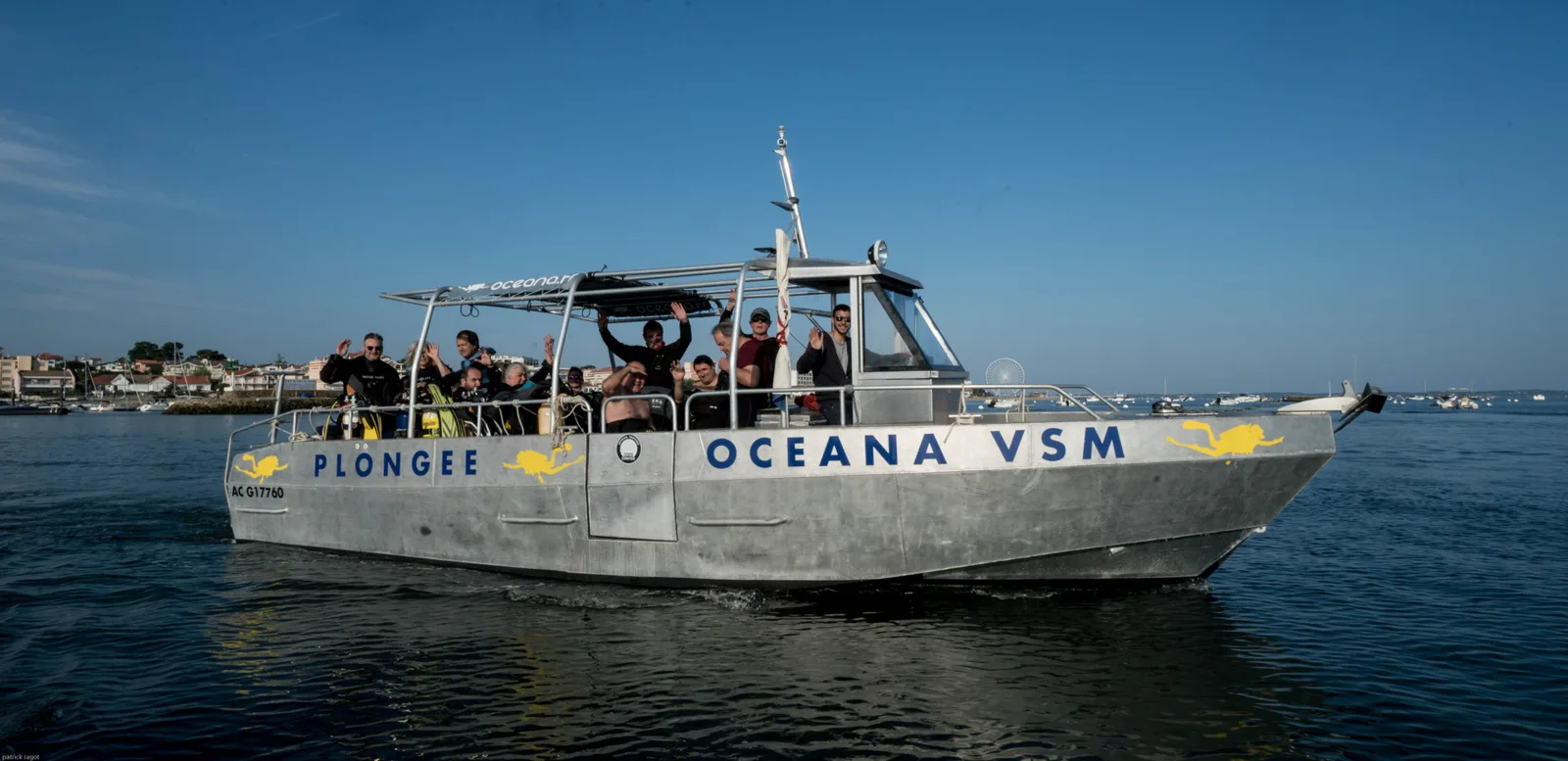
From London Heathrow, London Gatwick or Manchester, the practical route is to travel towards Bordeaux and continue by road to Arcachon or one of the basin’s ports. There is no compulsory ferry crossing: the basin is reached overland, then the diving is done from a local boat. The transfer from Bordeaux is a short-to-medium road journey, so arrival planning needs to allow for the onward drive rather than treating the flight as the whole trip. Once staying on the basin shore or near Arcachon, the departure point may be reached on foot, by taxi or by car, depending on where the boat leaves. Local departure times follow tide windows, not a standard daily centre timetable.
Check the tide before fixing a diving day. In the basin, a perfectly reasonable weather forecast can still coincide with an unusable current window, and the boat timetable may move accordingly. Keep one day uncommitted on a short break; wind or swell can remove more than one planned outing. Do not build the trip around a single named site, because the workable choice depends on the day’s water movement. Pack a surface marker buoy if it is not part of the supplied kit: local boat traffic makes surface visibility important. Expect charged water and protect the visibility by keeping trim and finning controlled, particularly over silty ground. Treat Hortense as a hard-substrate and structure dive, not a tropical reef substitute. If a dive falls within the Parc naturel marin du bassin d’Arcachon, check the local rules for that sector before entering the water, since the basin combines conservation, navigation and other uses.
Three to five days works well for a land-based stay, with local boat outings arranged around the tide and a spare day for unsuitable weather. Accommodation can be on the basin shore or near Arcachon, with the departure point reached by car, taxi or on foot. A sensible itinerary alternates boat diving with Fosse la Teste or a non-diving day, rather than assuming every calendar day will produce the same water conditions.
Hello, I'm Marina, DivingDeal.com's AI assistant. I guide you through destinations, areas and countries.
Thinking about the whole trip and the flights? Talk it over with Edith →
Marina is an AI. Some links are affiliate links: DivingDeal may earn a commission, at no extra cost to you. Bookings are made with the partner.
Your last day stays dry: no diving in the 18-24 hours before a flight, the perfect window to see the destination from another angle.
 Culture
⏱ 6 h · ★ 4.9 (57 reviews)
from £109$146€130
see on Viator ↗
 Culture
⏱ 3 h · ★ 4.8 (42 reviews)
from £9$12€11
see on Viator ↗
 City
City⏱ 4 h
from £370$495€442
see on Viator ↗
Ratings and reviews collected by Viator and Tripadvisor.
Choose your diving days around the tide, wind, sea state and sediment movement rather than a particular month. A calm forecast may still bring an unsuitable current window. Keep your itinerary flexible, allowing spare time for a practical boat departure or a sheltered session at Fosse la Teste if outside conditions disrupt plans.
Bassin d’Arcachon can suit Open Water divers, but you should be comfortable with a tide-led plan and changing conditions. Hortense is accessible at that level, while supervision is sensible if you are not independent in currents. Advanced training helps with current awareness and deeper planning, and drift management experience is useful.
In Bassin d’Arcachon, you can explore Hortense’s artificial rock and surviving Atlantic Wall structures, where temperate benthic life gathers on hard surfaces. Sandy areas, tidal channels and local reliefs provide a contrasting setting. Expect an estuarine and coastal environment shaped by sediment and currents, rather than coral-reef scenery or guaranteed animal encounters.
Plan a land-based stay near the basin shore or Arcachon, travelling towards Bordeaux before continuing by road. Arrange boat outings around local tide windows, and keep a day flexible for wind, swell or currents. Combine boat diving with Fosse la Teste or a non-diving day, reaching departure points by car, taxi or on foot.