
Rederis Plongee
Google 4.9/5 (436 reviews)
France · Mediterranean
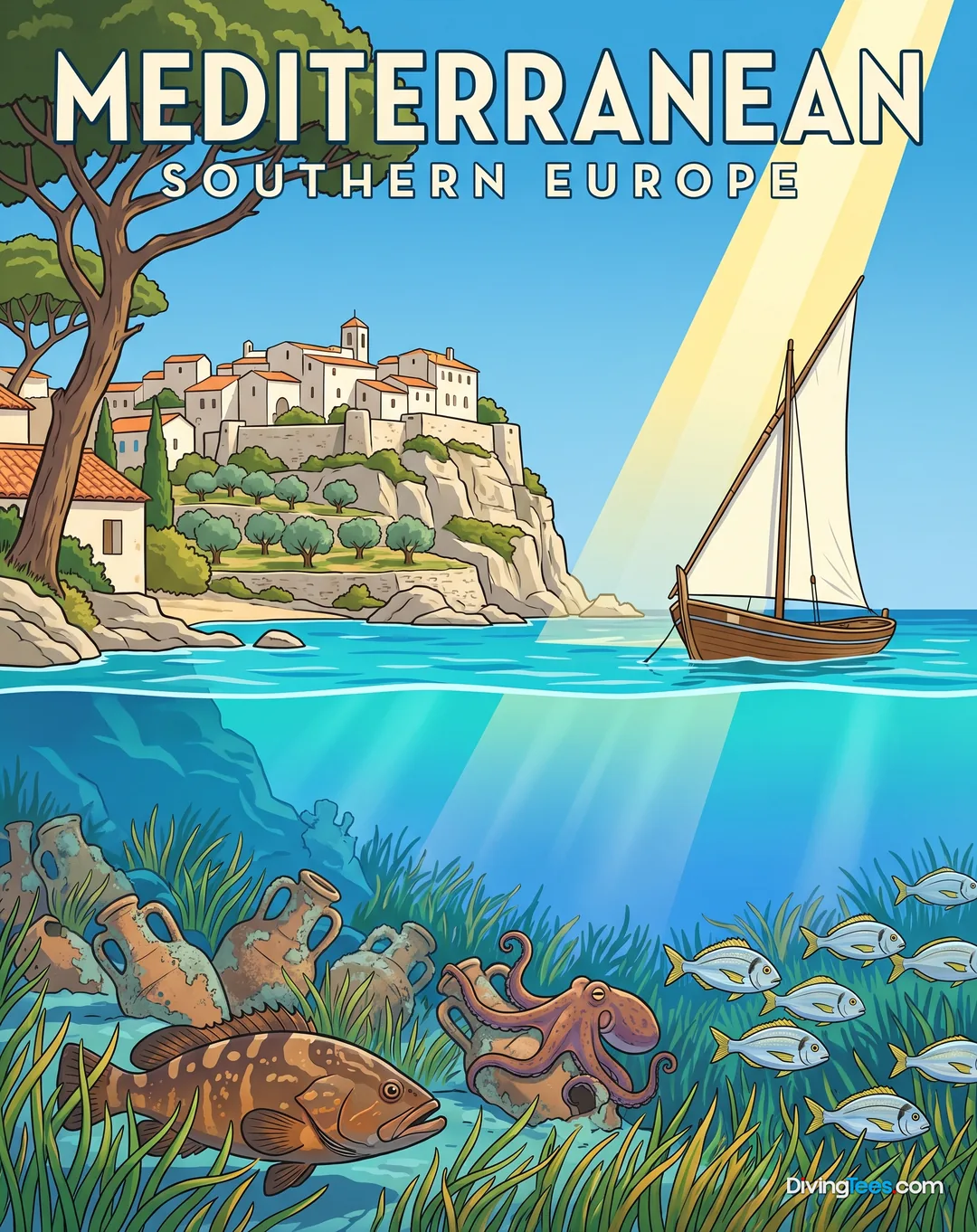
Rocky reefs, Posidonia seagrass, Mediterranean fish and the forty-five-metre wreck of Le Saumur shape Banyuls-sur-Mer’s boat-diving experience.
For subtitles in English: start the video firstthen click the gearat the top right of the video, select “Subtitles/CC”, then “Auto-translate” and choose “English”.
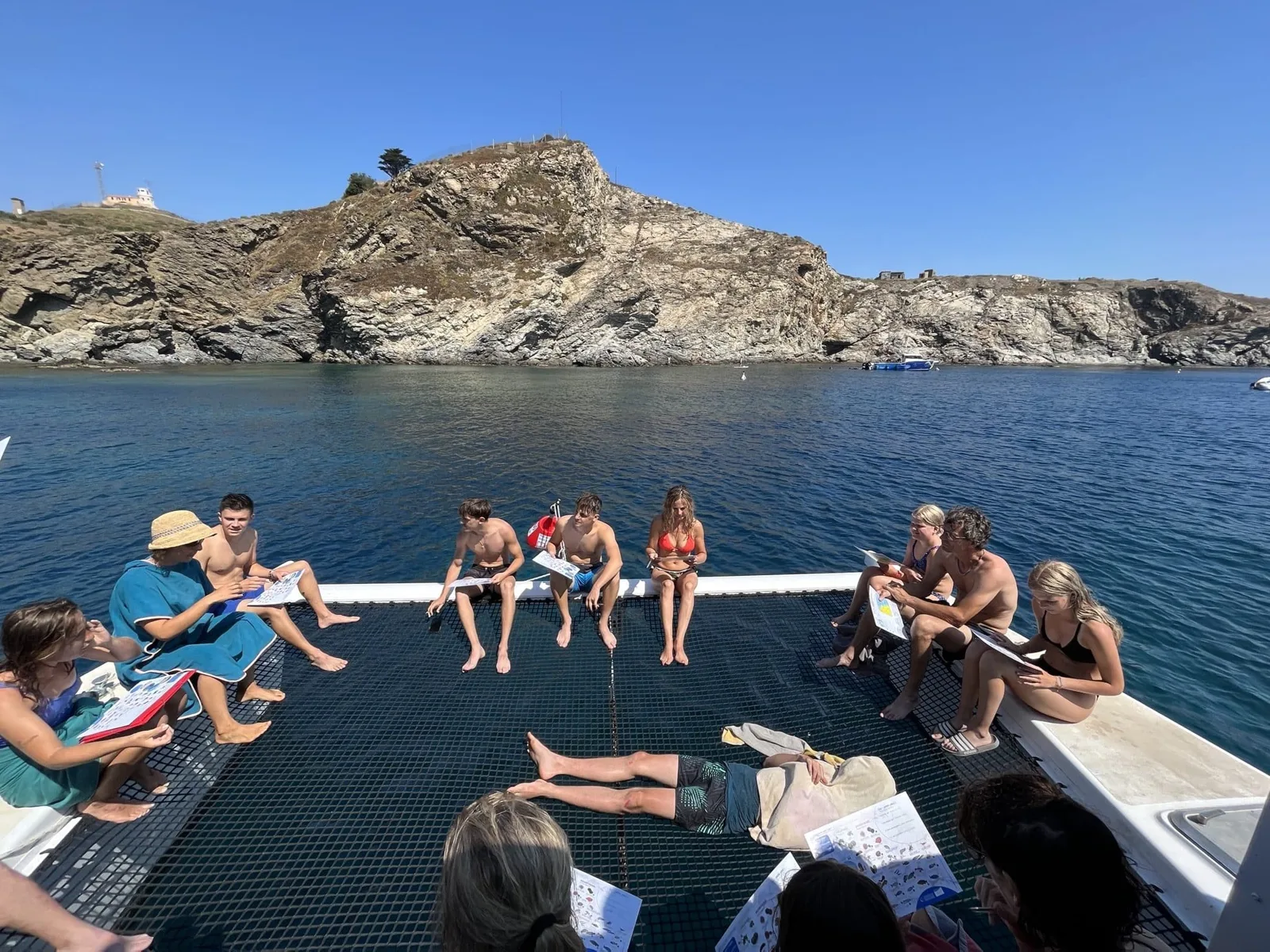
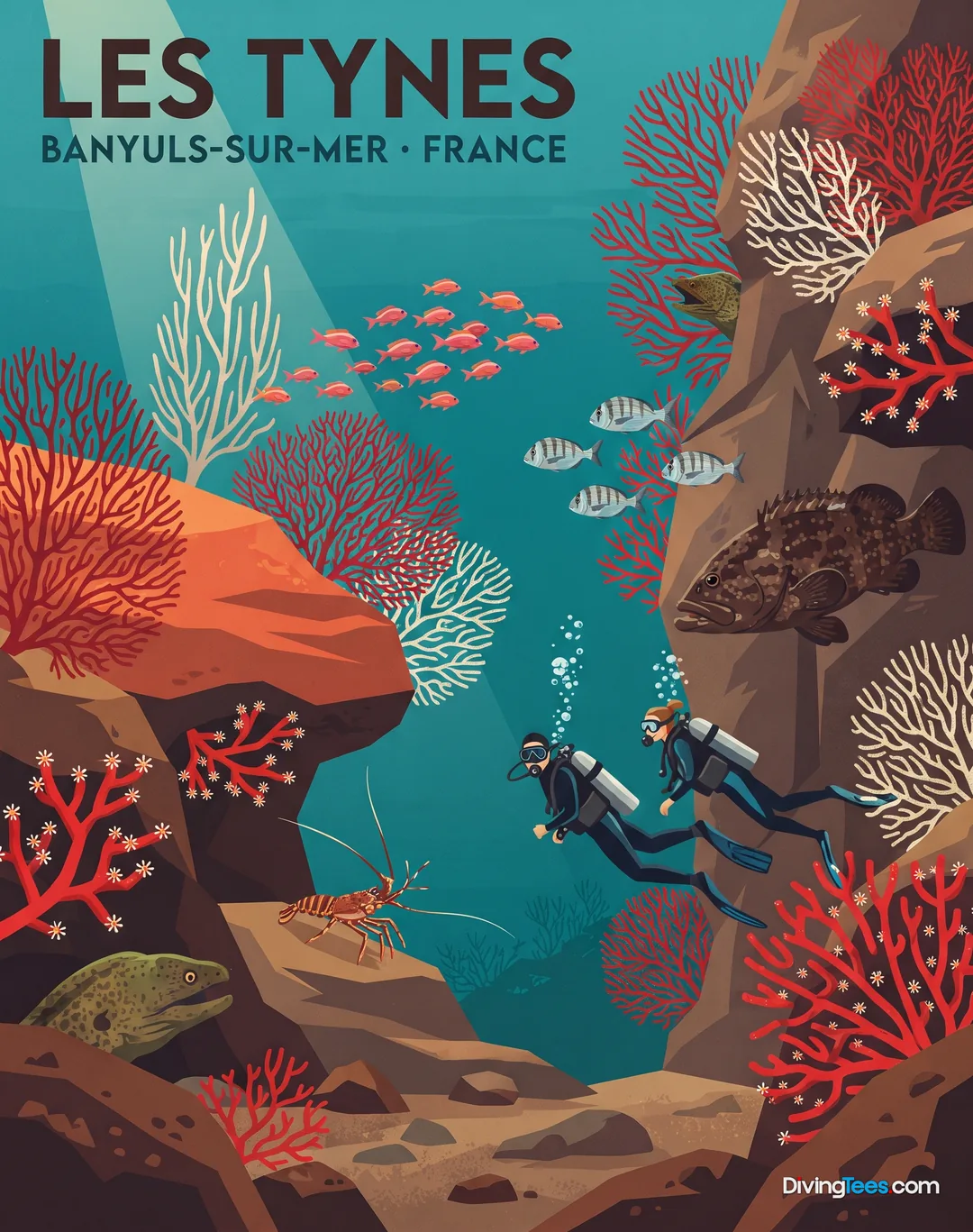
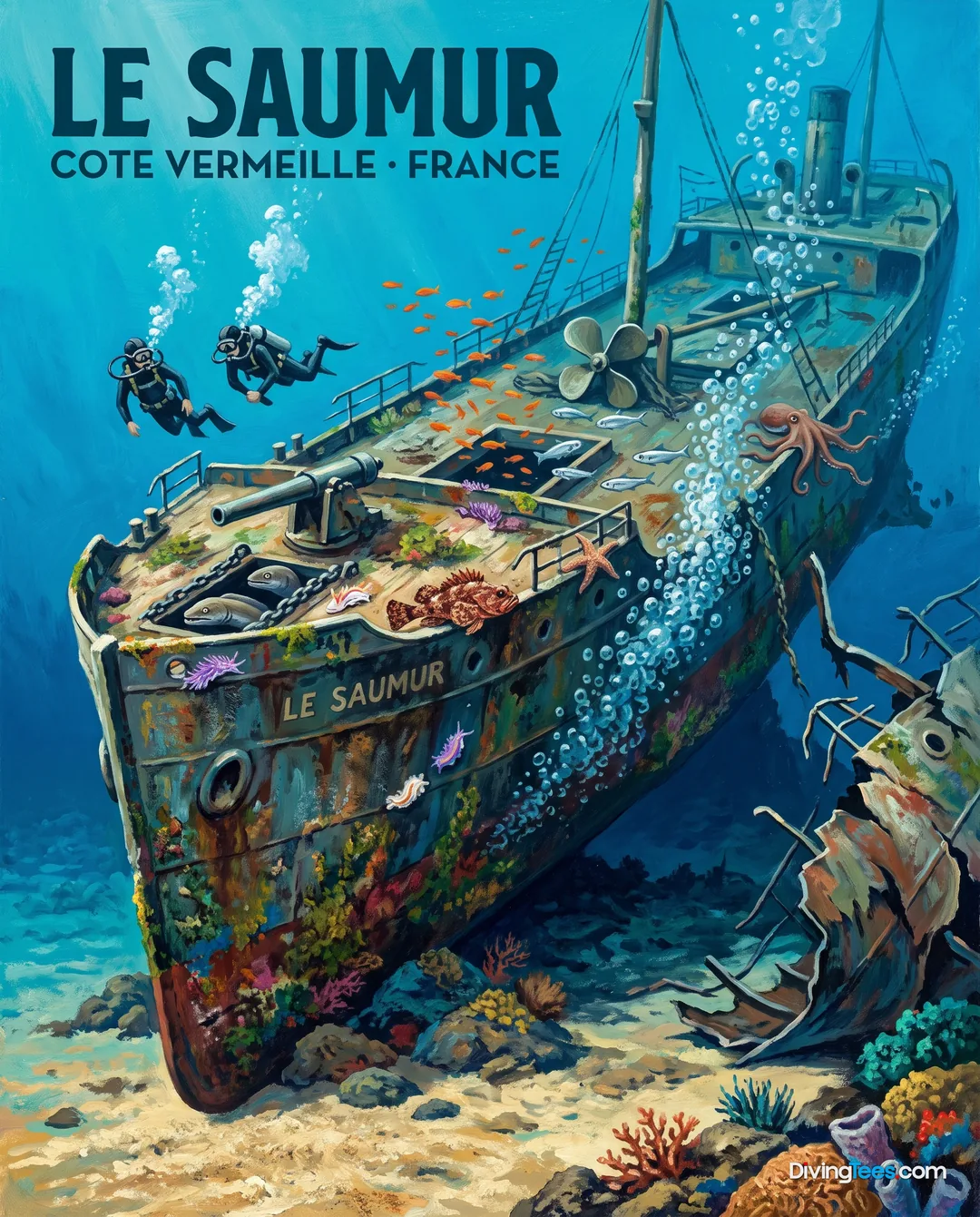
At Banyuls-sur-Mer, a dive day starts in the port and heads towards the rocky coastline of Cap Béar or the Cerbère-Banyuls Marine Reserve. The underwater scenery is made of reef, fissures, small canyons, drop-offs and Posidonia seagrass rather than tropical coral gardens. Shallow sites such as Les Tynes suit an unhurried first immersion, while boat trips can reach deeper terrain and the forty-five-metre wreck of Le Saumur. It is a shore-based Mediterranean stay, not a liveaboard trip.
Most diving is from local boats, with the port providing straightforward access to rocky sites around Cap Béar and the reserve. The terrain is hands-on rather than dramatic in the tropical sense: divers follow reef edges, look into fissures and small canyons, and work around coralligenous formations and patches of Posidonia. Les Tynes runs from eight to nineteen metres, while Cap l’Abeille Nord and Cap l’Abeille Sud stay within a comfortable recreational range. Les 3 Moines reaches twenty-five metres, and Le Troc goes to thirty. Currents are usually light but can vary with wind, swell and exposure around the capes. Visibility is site-dependent: Les Tynes may offer ten to twenty metres, whereas Cap l’Abeille Sud can be much less clear. The result is best approached as a series of planned boat dives, not a single uniform underwater landscape.
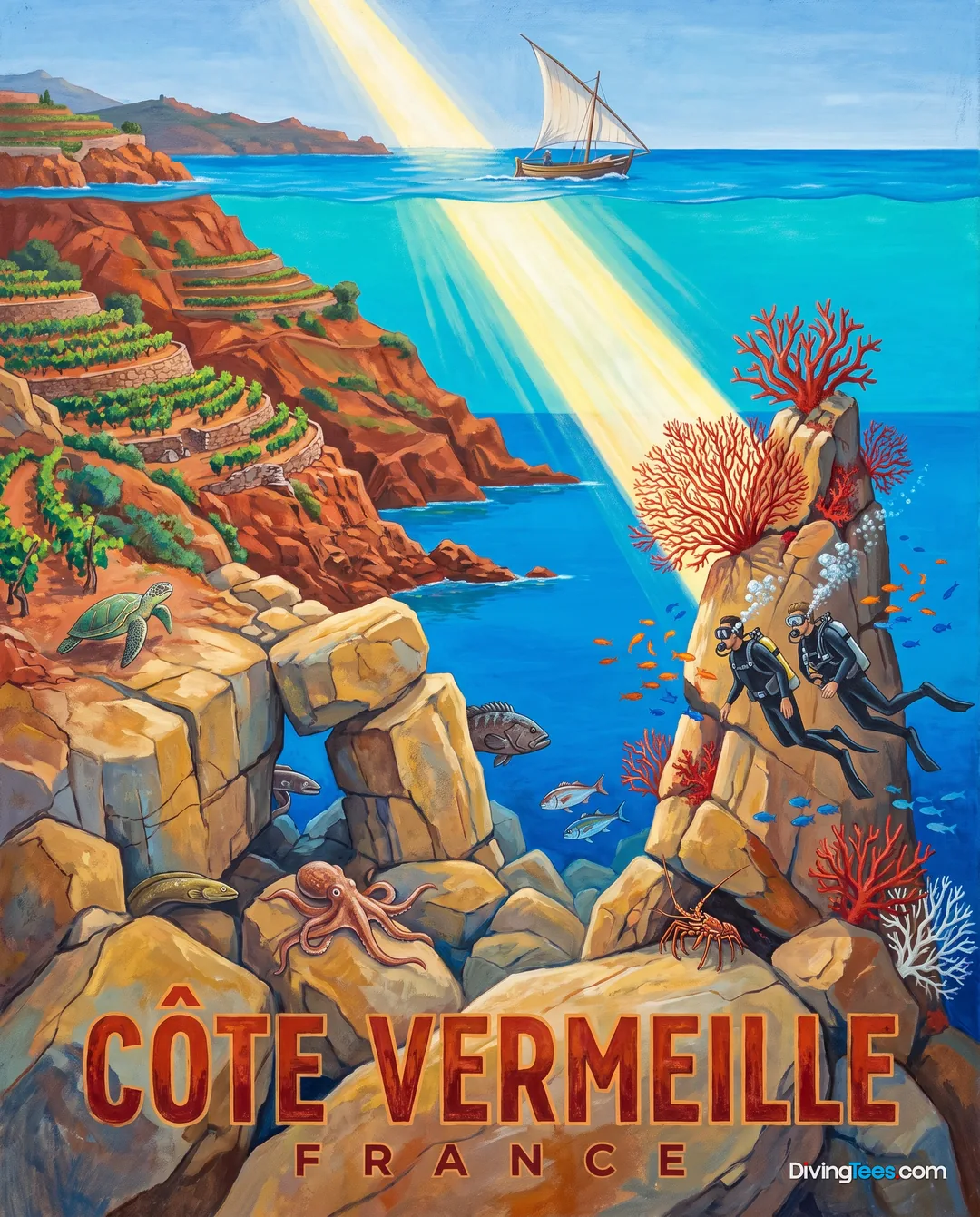
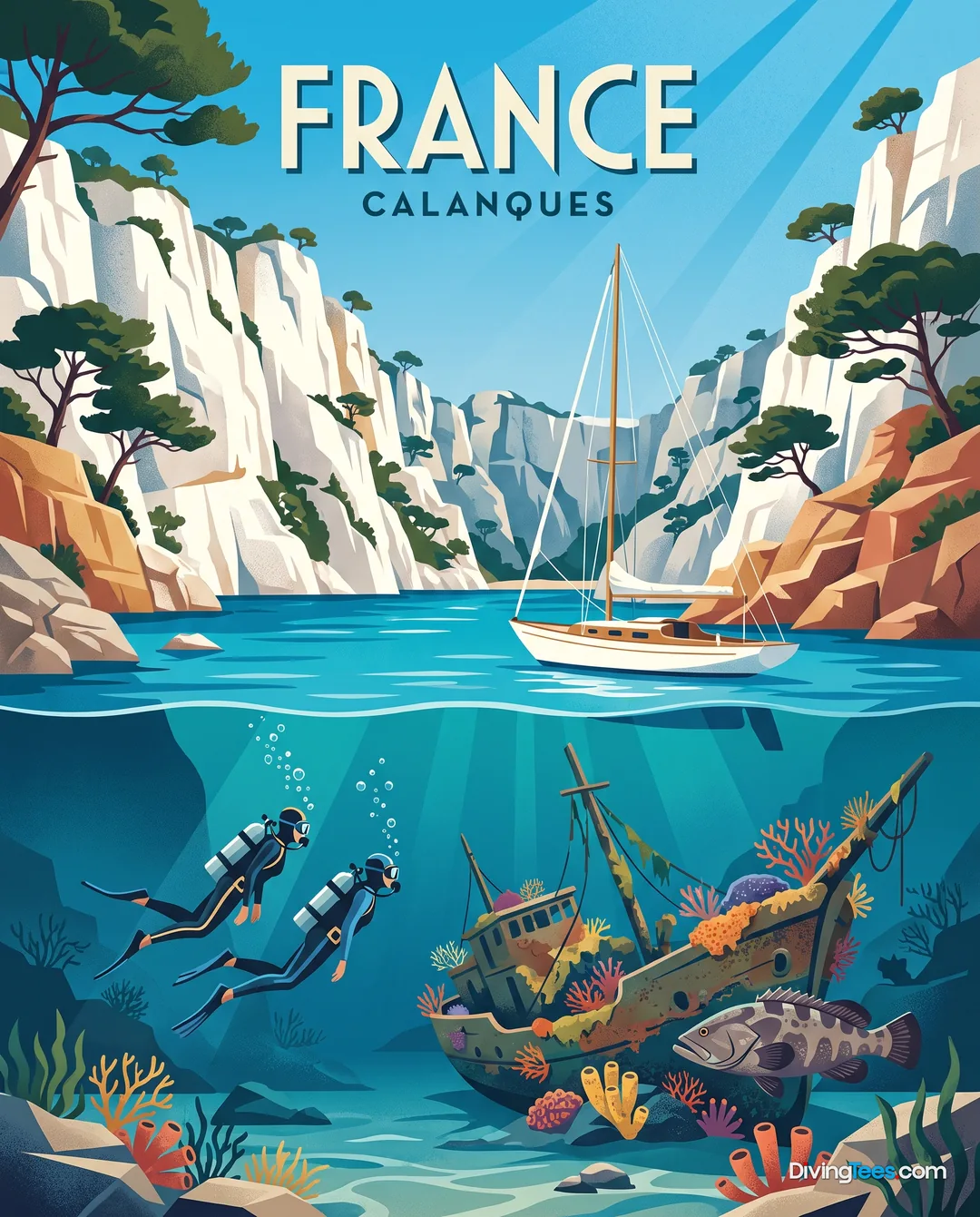
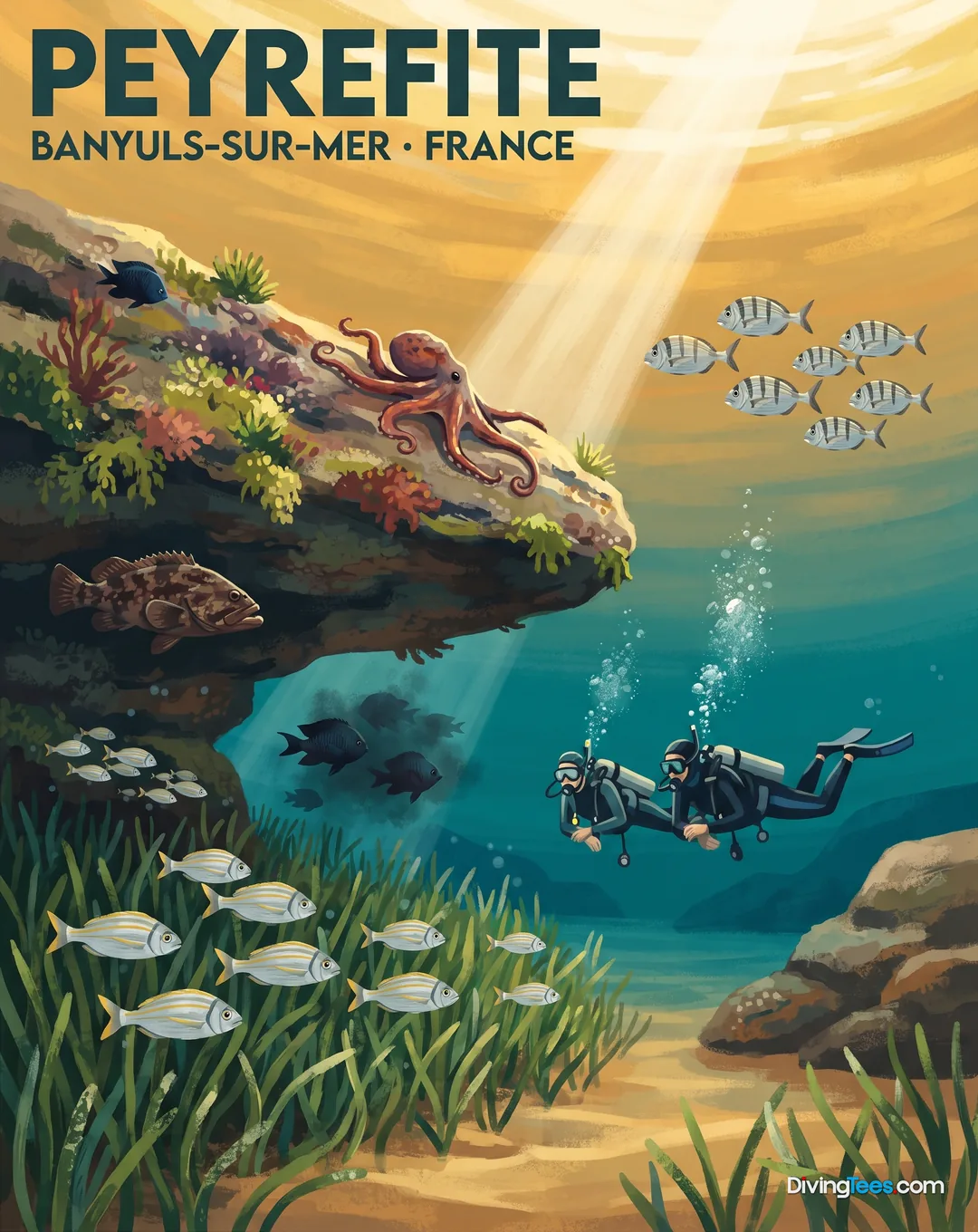
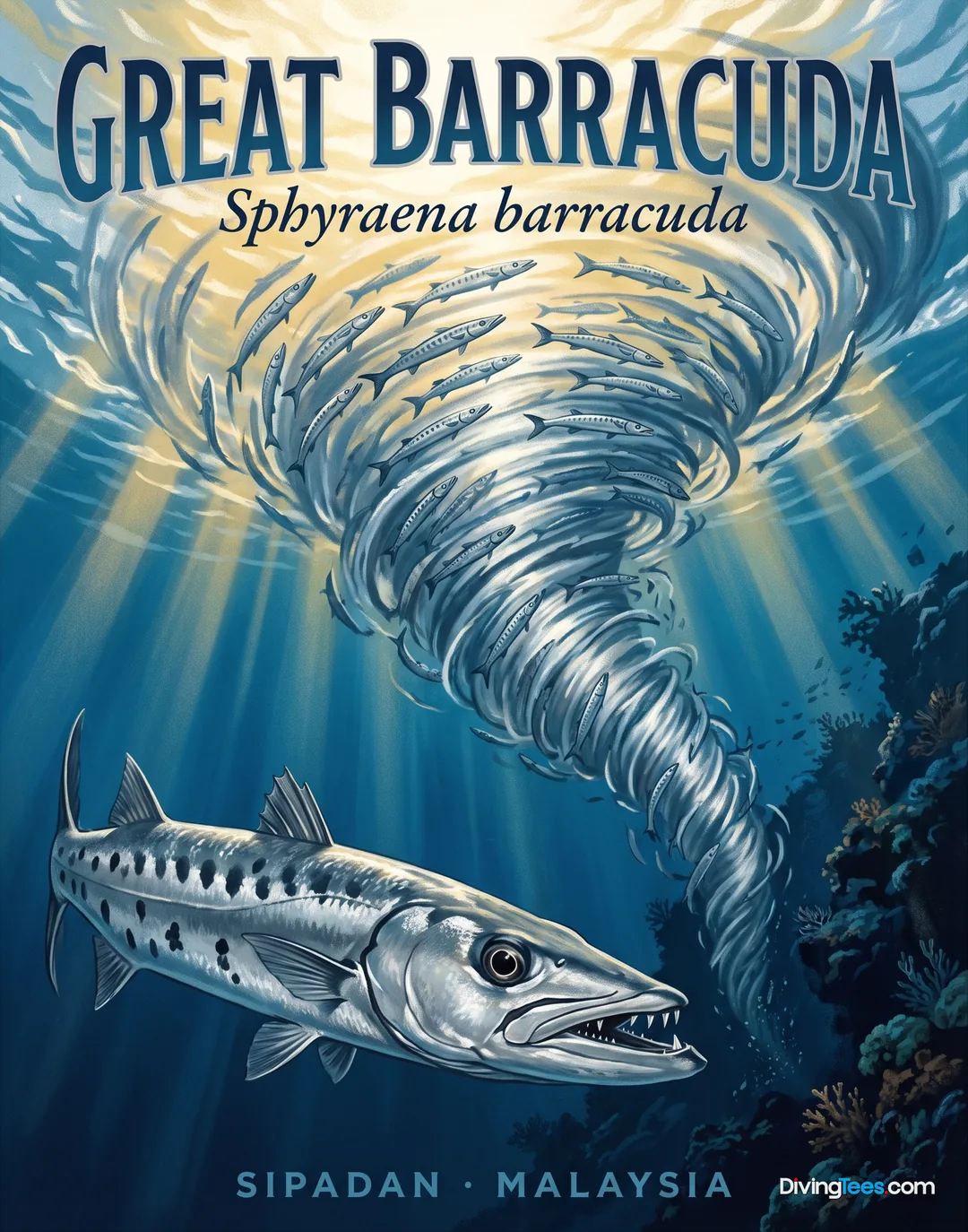
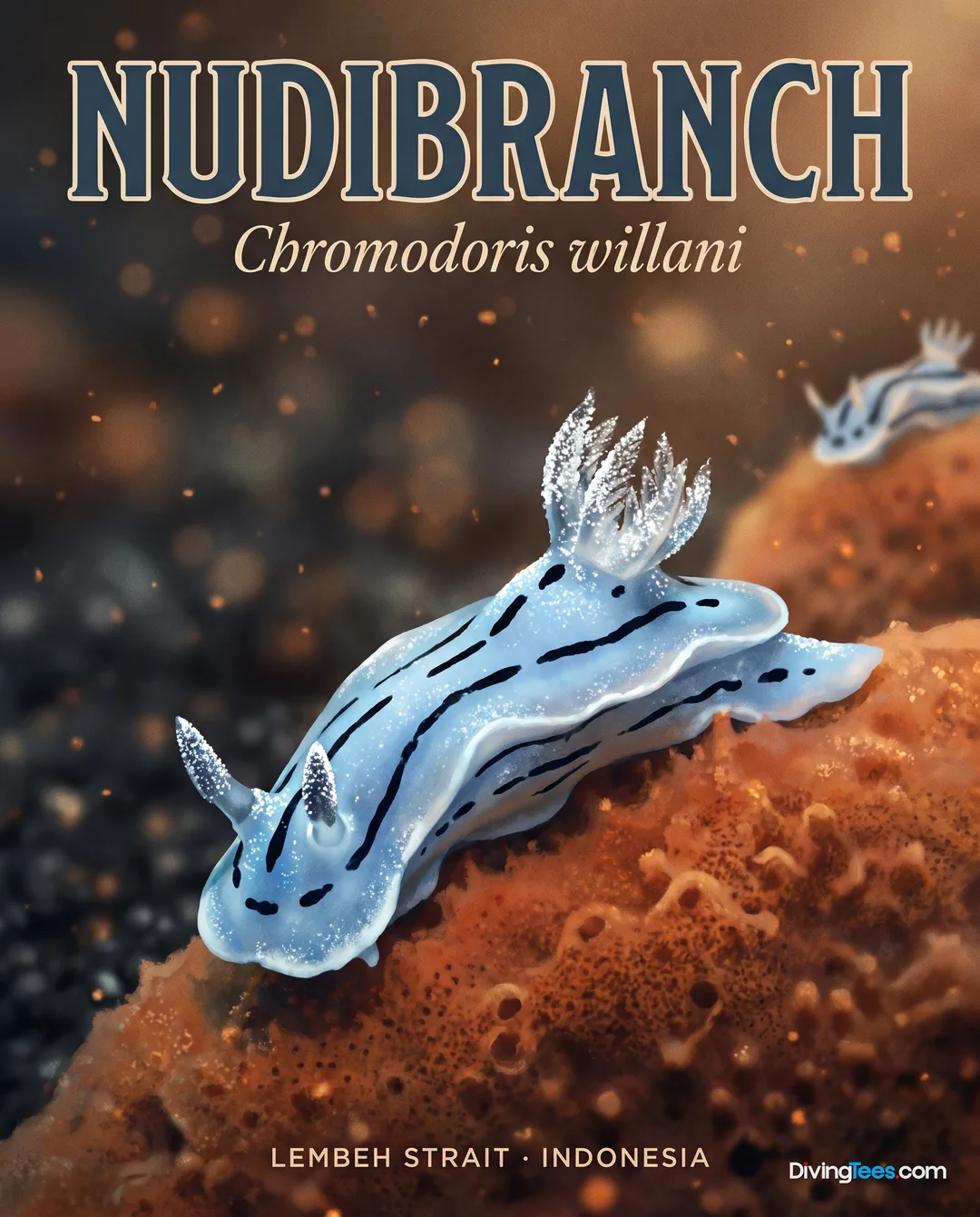
The reserve’s rocky ground supports the familiar fish and invertebrates of this Mediterranean coast. Divers may find Grouper, Common dentex, Wrasse, Sea bream, Damselfish, brown meagre and Anthias moving over the reef, with Moray eel and Octopus tucked into cracks and holes. Great barracuda add a more open-water encounter when they pass the rock rather than sit inside it. Les 3 Moines is particularly noted for concentrated fish life, while the canyons and coralligenous sections of Cap l’Abeille Sud and Caball Bernat reward slow looking. Le Saumur changes the mood: the wartime cargo wreck brings congers and nudibranchs into the picture. May to October offers the calmest conditions for spending several days looking for this resident life, rather than relying on a single seasonal sighting.
May to October is the most practical window for Banyuls-sur-Mer because the sea is measured as calmest during these months, making boat planning more dependable. June to November brings the lowest rainfall, so the shoulder months can still work well for a land-based break, particularly when the aim is to combine diving with coastal walking. The calm period matters here because exposed capes can become uncomfortable when wind and swell build, and visibility can change with conditions. A three- to five-day stay leaves room to repeat the reserve, try a deeper profile and keep a weather margin rather than forcing every departure.
The destination suits beginners and experienced divers, provided the site matches the diver’s comfort in rocky terrain and changing conditions. Open Water Diver or equivalent BSAC, PADI or SSI training is enough for shallow sites such as Les Tynes and the Cap l’Abeille sites. Advanced experience is useful for deeper profiles and variable conditions at Le Troc, while Le Saumur calls for Deep Confirmed or equivalent practical experience. Nitrox is useful when several boat dives are planned across consecutive days.
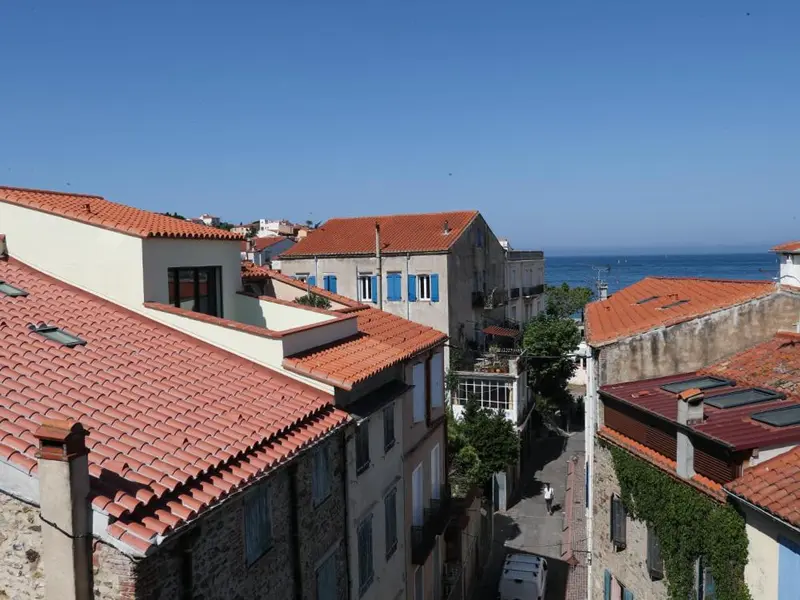
From London, whether starting at Heathrow or Gatwick, or from Manchester, Banyuls-sur-Mer is approached as a French coastal road destination rather than through a dedicated flight or ferry connection. The practical structure is therefore a road journey to the town, followed by local boat departures from the port. There is no compulsory sea crossing to reach Banyuls itself, and no separate internal transport link is required once the town has been reached. Accommodation in the village and the port are generally close enough for short walks, with a light vehicle useful when staying outside the immediate centre. Allowing time for the road approach and keeping dive planning local avoids treating the trip like an airport-based island transfer.
Ask before each boat departure whether the plan is for the reserve, Cap Béar or a more exposed rocky site. That distinction matters more here than a generic depth label: Cap l’Abeille South can lose clarity, while exposed capes respond quickly to wind and swell. Keep a flexible day in a three- to five-day stay, so a missed departure does not turn into pressure to dive unsuitable conditions. Bring the buoyancy and fin control needed to hover cleanly above fissures, canyons and coralligenous rock; the reserve’s rules make contact, collecting and feeding unacceptable, and the same discipline protects the experience. Check that mooring is handled through the centre’s procedures rather than assuming an anchor will be dropped on any convenient patch of seabed. Do not arrive expecting a liveaboard schedule: the point is returning to Banyuls after local boat dives. For repeated diving, Nitrox can make sense, but only as part of a sensible multi-day plan rather than as a reason to add unnecessary depth.
Three to five days works well for a Banyuls-sur-Mer break. The usual rhythm is a boat departure from the port, a second immersion when conditions and experience allow, then an afternoon or non-diving day for the village, waterfront and Côte Vermeille walks. The reserve and nearby rocky sites provide the underwater focus, while the compact land-based setting makes the trip suitable for a companion who is not diving. Keep the final day for relaxed coastal activities rather than demanding water work.
Hello, I'm Marina, DivingDeal.com's AI assistant. I guide you through destinations, areas and countries.
Thinking about the whole trip and the flights? Talk it over with Edith →
Marina is an AI. Some links are affiliate links: DivingDeal may earn a commission, at no extra cost to you. Bookings are made with the partner.
Your last day stays dry: no diving in the 18-24 hours before a flight, the perfect window to see the destination from another angle.

⏱ 2 h · ★ 4.7 (12 reviews)
from £16$21€19
see on Viator ↗
 Culture
⏱ 4 h · ★ 4.5 (17 reviews)
from £35$46€42
see on Viator ↗

⏱ 3 h · ★ 5.0 (1 reviews)
from £33$44€39
see on Viator ↗
Ratings and reviews collected by Viator and Tripadvisor.
May to October offers calmer sea conditions for boat departures and several days of diving. June to November brings lower rainfall, so the shoulder months can suit a land-based break with coastal walking. Keep weather flexibility in mind because wind and swell around exposed capes can affect departures and visibility.
Banyuls-sur-Mer suits beginners and experienced divers when you choose sites matching your comfort with rocky terrain and changing conditions. Open Water Diver or equivalent training is enough for Les Tynes and Cap l’Abeille. Advanced experience helps with deeper, variable profiles at Le Troc, while Le Saumur requires Deep Confirmed or equivalent practical experience.
Banyuls-sur-Mer offers rocky reefs, fissures, small canyons, coralligenous formations and Posidonia seagrass rather than tropical coral gardens. You may encounter grouper, dentex, wrasse, sea bream, damselfish, brown meagre, anthias, moray eel, octopus and passing great barracuda. Le Saumur adds a wartime cargo wreck, congers and nudibranchs.
Plan Banyuls-sur-Mer as a land-based stay with local boat departures from the port, allowing three to five days for the reserve, Cap Béar and nearby rocky sites. Keep a flexible day for wind, swell or missed departures, and ask before each trip which area is planned. Accommodation and the port are generally close enough for short walks.