
Osez Plonger
Google 4.9/5 (150 reviews)
France · Mediterranean
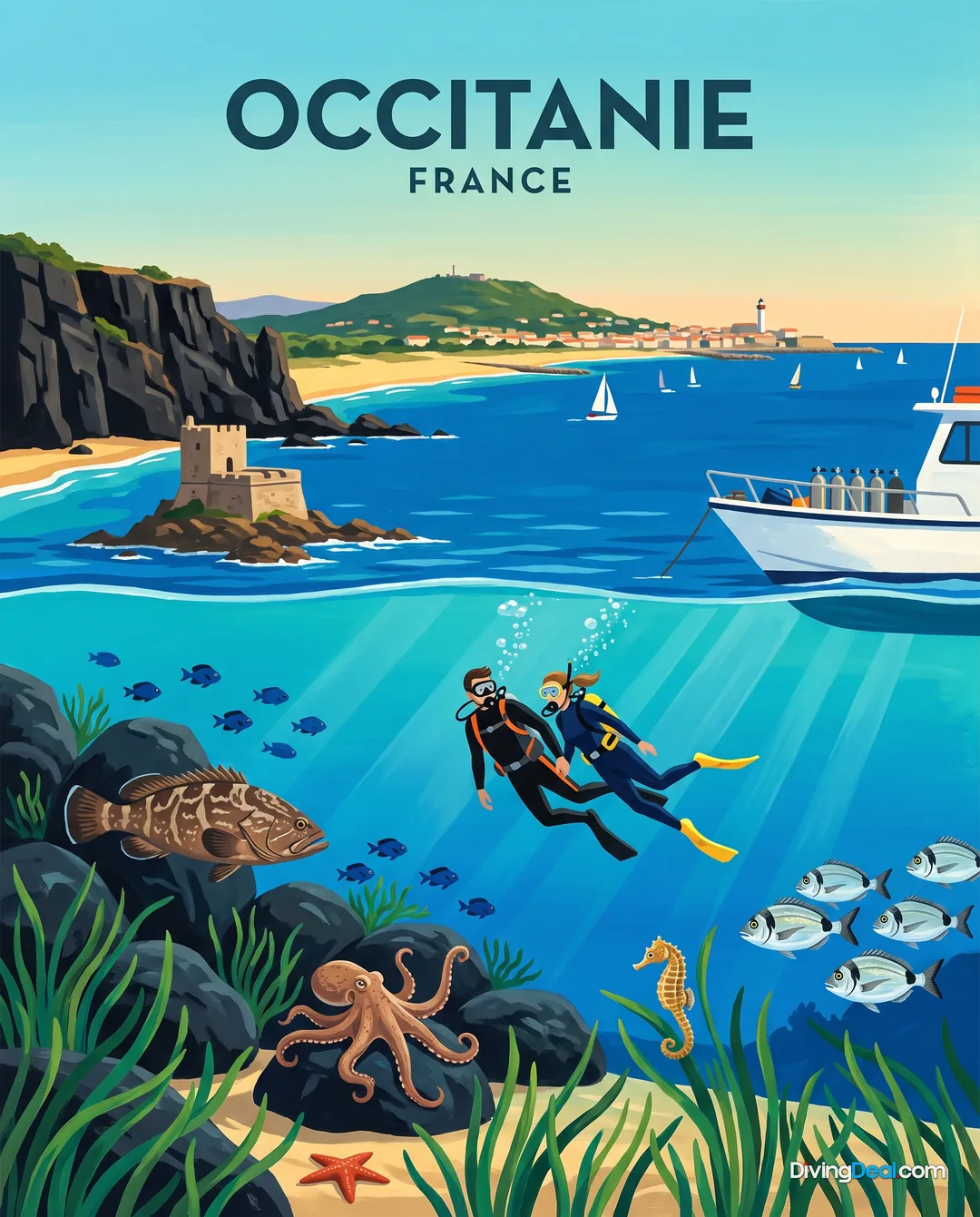
Thau’s six-to-26-metre lagoon dives bring seahorses and pipefish into view, while Sète’s sea-facing walls trade dramatic relief for close-up marine life.
For subtitles in English: start the video firstthen click the gearat the top right of the video, select “Subtitles/CC”, then “Auto-translate” and choose “English”.
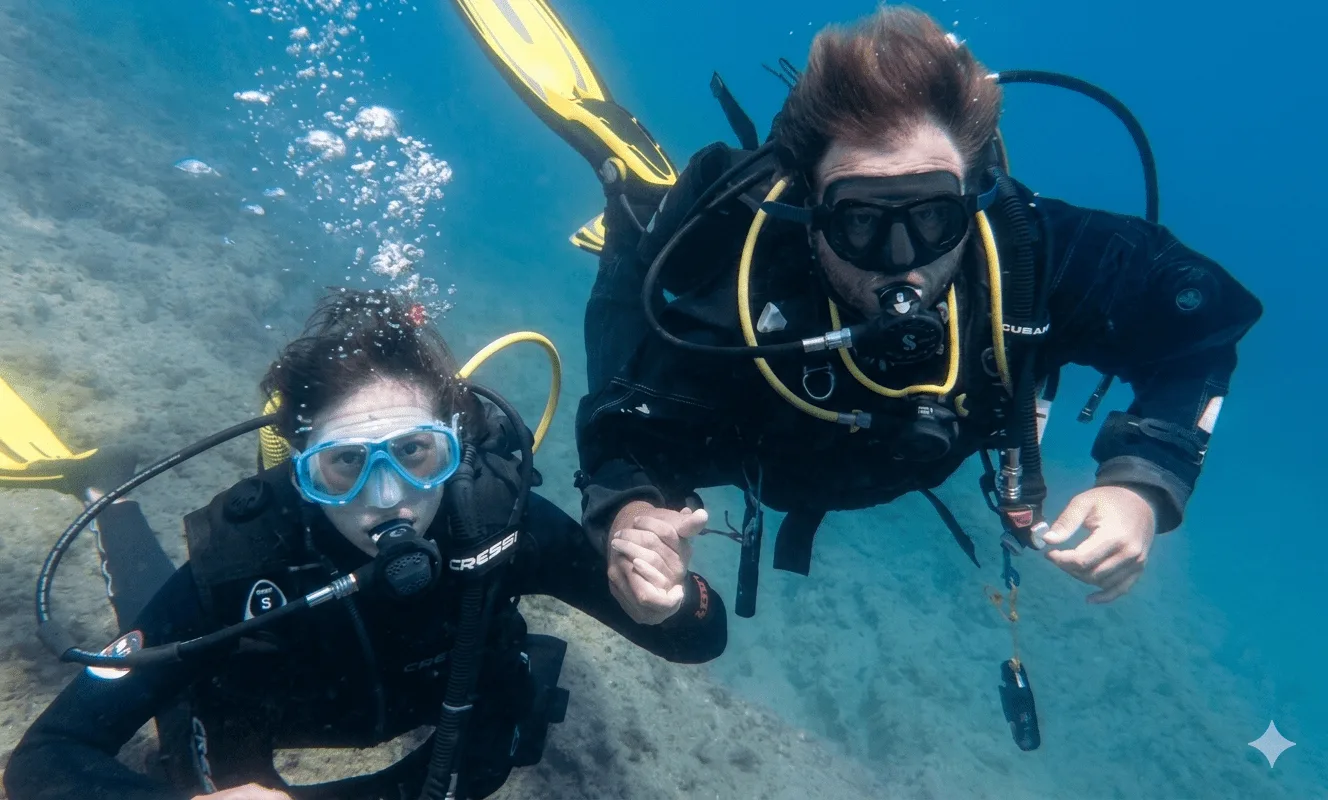
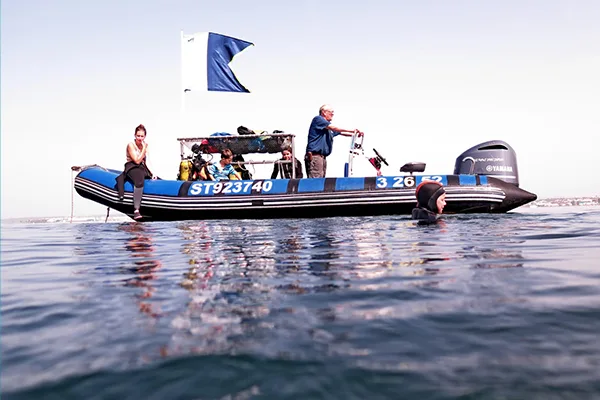
Sète is a practical coastal base for divers who enjoy biology, photography and contrasting environments more than dramatic walls or deep wrecks. The defining choice is between the Mediterranean shoreline, where the Saint-Louis mole and breakwater provide shallow dives over harbour structures, and the Etang de Thau, where six-to-26-metre profiles reveal lagoon life. Clubs run boat trips to both settings, making it possible to experience open water and sheltered lagoon diving during the same stay.
The underwater scenery around Sète is mainly made up of harbour walls, breakwaters and other artificial rock structures rather than pinnacles, caves or long drop-offs. Sea dives are generally shallow and can feel exposed when wind reaches the southern-facing shore. Currents are variable, while visibility can change sharply: lagoon plankton and sediment, along with lagoon outflow and wind, may leave the water properly cloudy. The Etang de Thau offers the calmer-looking option, but not consistently clear water. Its six-to-26-metre range suits both introductory dives and patient macro work. Outings are organised by boat, with centres switching between lagoon and sea sites when conditions require it. The appeal is close observation of small animals and benthic life, not depth, decompression planning or technical wreck exploration.
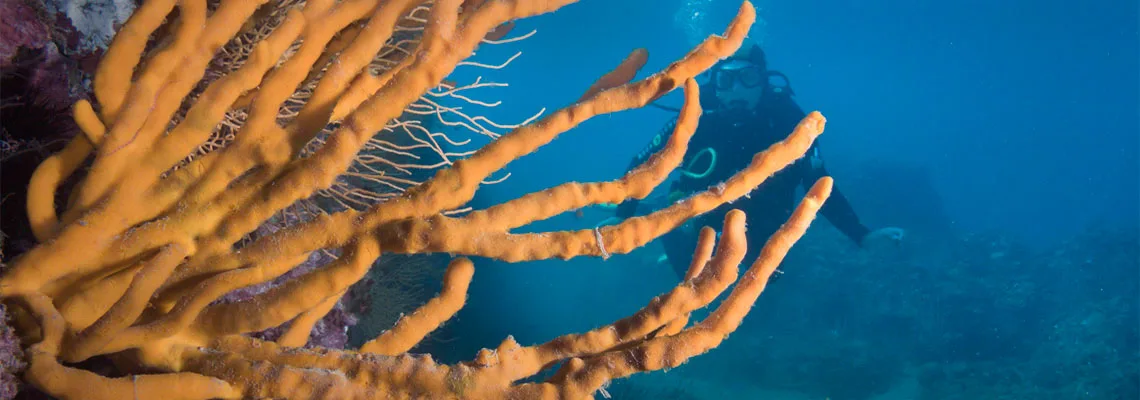
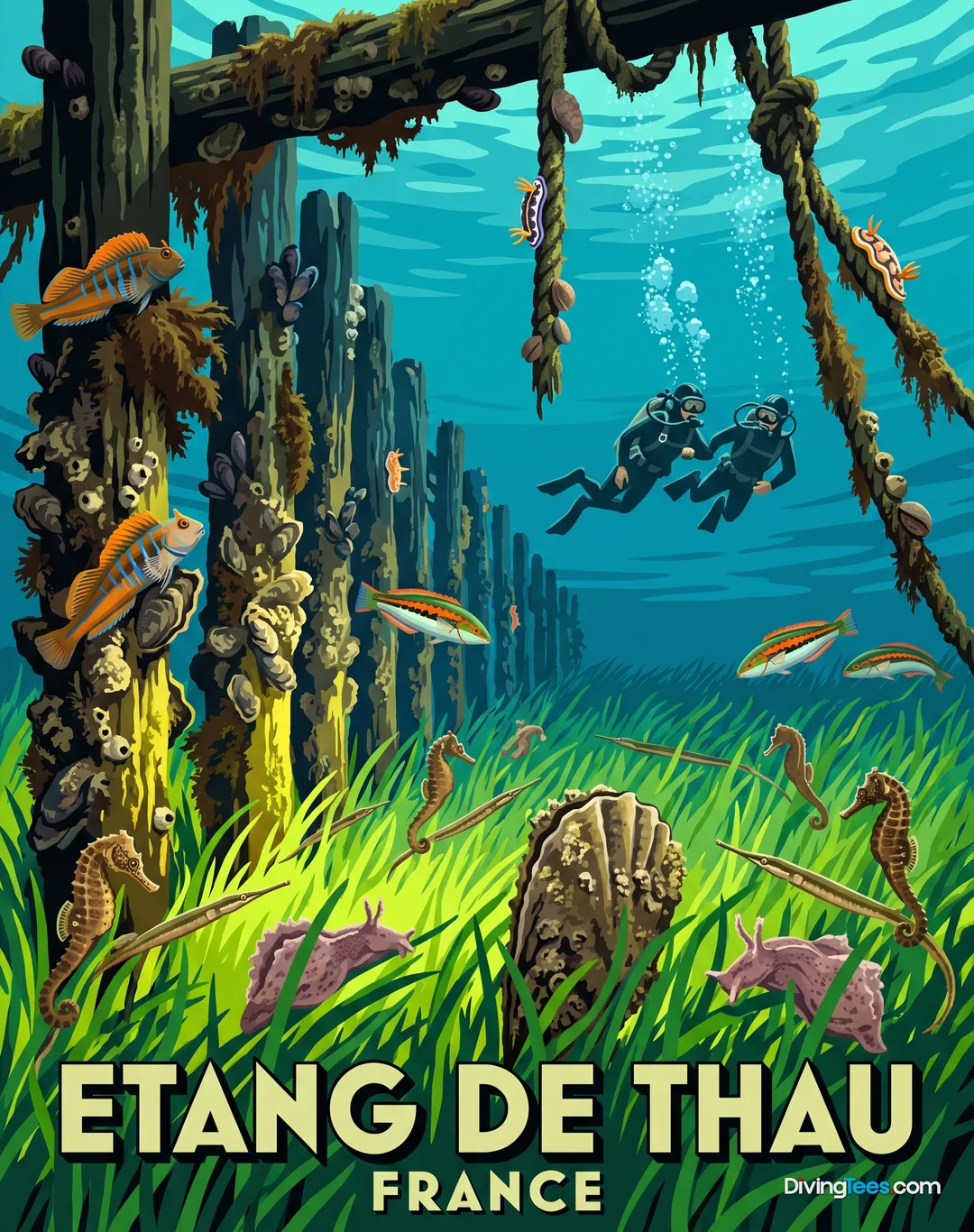
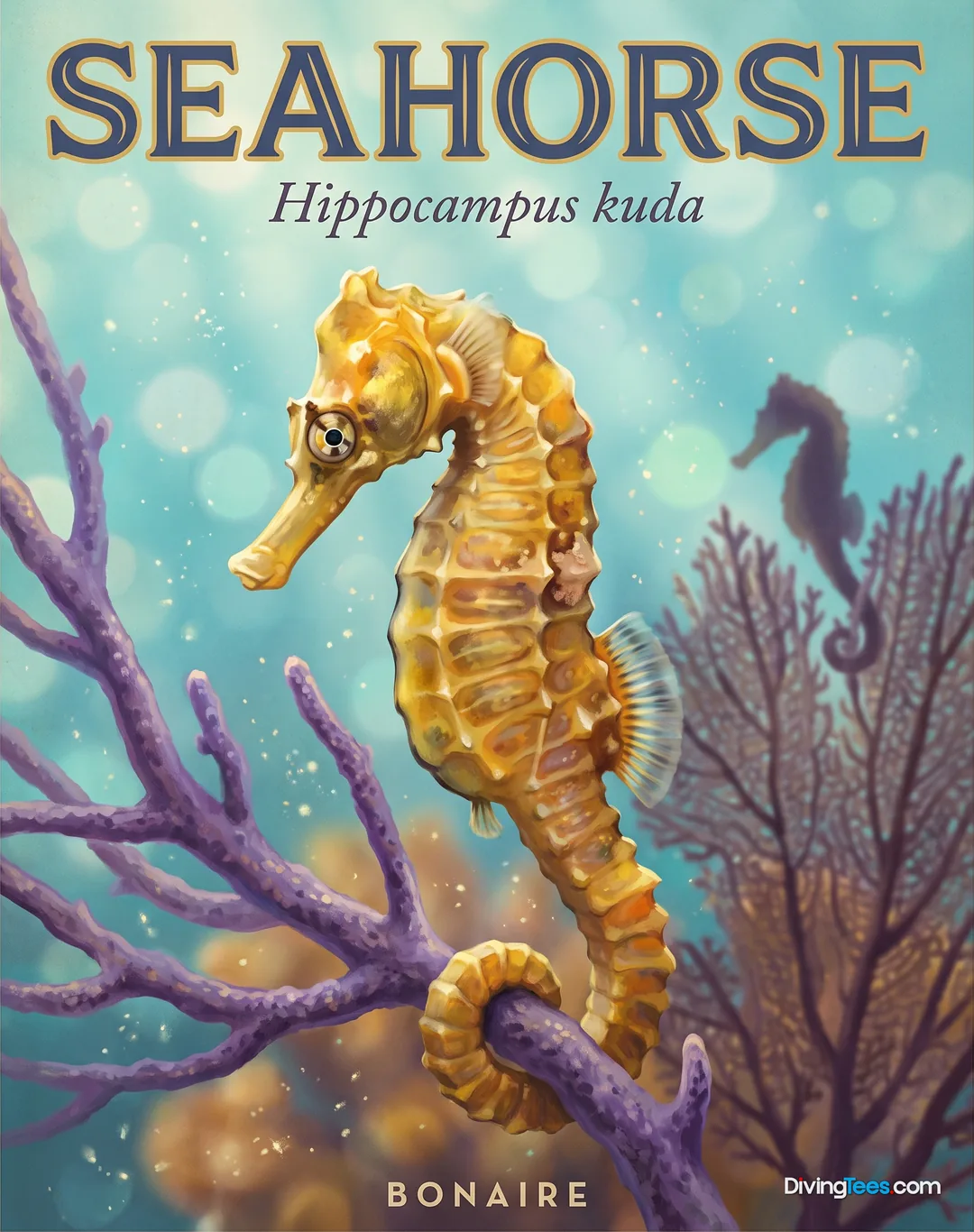
The Etang de Thau is the place to concentrate on discreet life. Seahorses and pipefish are the main prizes, and finding them calls for slow finning, careful looking and a willingness to spend time over apparently unremarkable lagoon habitat. Seahorse sightings are occasional rather than guaranteed, so the dive works best for photographers and divers who enjoy searching rather than ticking off large animals. The lagoon also has distinctive underwater flora and a varied benthic community. On the sea side, the walls and rock-filled harbour structures provide a different setting for observing smaller marine life, although turbid water can make details difficult to see. The protected waters around the Côte Agathoise, near Cap d’Agde and Brescou, offer another day-trip option, with local protection supporting habitats and larger fauna in some sectors.
Sète works as a year-round diving destination, with local clubs operating in both the lagoon and the sea. The practical reason to come is flexibility: when wind makes the exposed sea-facing structures unattractive, outings can move towards the Etang de Thau. Lagoon conditions are often calmer early in the morning, before daily activity builds up, although visibility remains governed by plankton and sediment rather than the clock alone. A stay planned around several days is therefore more sensible than one built around a single promised weather window.
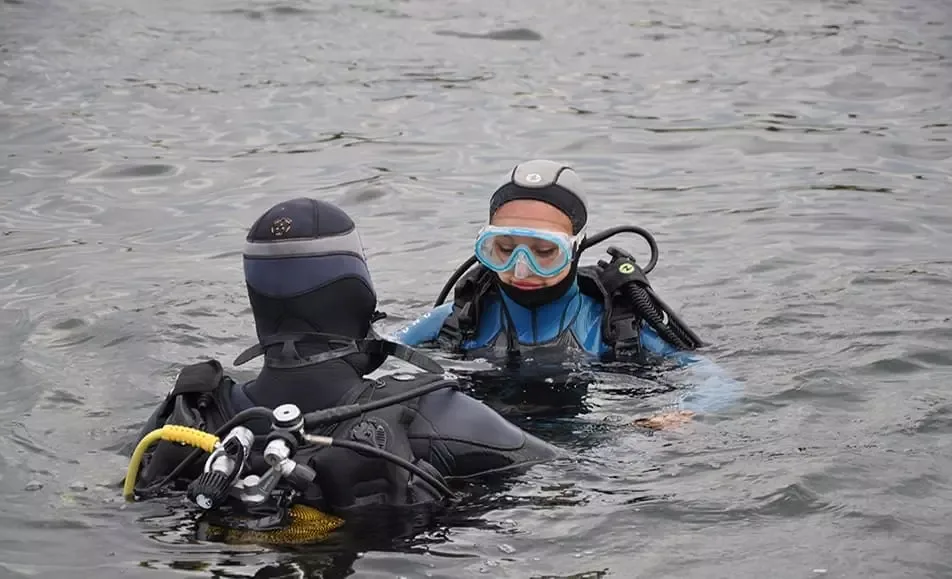
All levels can find suitable diving here. The Etang de Thau’s six-to-26-metre profiles are appropriate for beginners, introductory dives and divers returning to the water, while experienced photographers can treat the lagoon as a patient macro subject. An Advanced qualification is useful for feeling comfortable on exposed sea dives when wind affects the boat or surface conditions. Nitrox may be useful when combining lagoon and sea dives in one day, but the destination does not require technical, deep or wreck-specialist training.
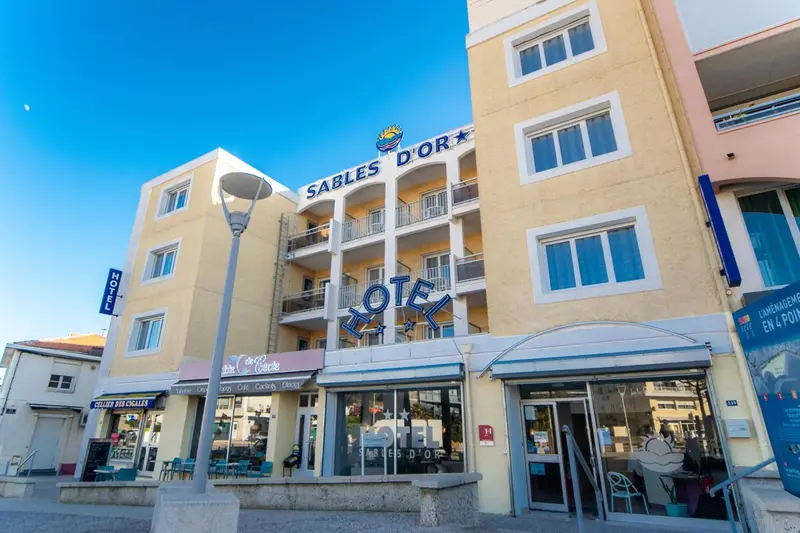
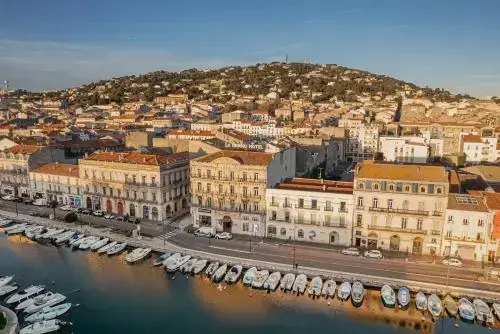
From London or Manchester, Sète is reached by arranging a rail-and-road journey into the town; the destination is directly connected by road and rail within France. The important planning point is to build in the connections rather than assume that the final leg will be effortless, particularly when carrying dive luggage. Once in Sète, the centre and marina areas are close to the main road network, and the principal departure points are roughly ten minutes from the main approaches. Some accommodation near the quays or marinas is walkable from a dive base. From the town centre, local buses, including routes 9 and 915 towards the Port des Quilles, can avoid the need to find parking near the waterfront.
Put at least one Etang de Thau dive into the plan: the lagoon is where the seahorses and pipefish are found, not on the exposed sea walls. Book or schedule those outings for the morning when conditions are commonly calmer, while accepting that plankton and sediment can still reduce visibility. Bring a proper personal torch; in turbid water it makes small subjects easier to locate and gives macro photography more usable light. Ask about the exact launch area before diving, because Sète’s port channels and marked sectors are not freely available to divers. If wind affects the Saint-Louis mole or breakwater, treat a move to the lagoon as a sensible change of plan rather than a downgrade. Keep a day for Cap d’Agde and the Côte Agathoise if protected habitats and the Brescou area appeal, but follow the local no-diving and no-anchoring zones. Finally, arrive expecting shallow artificial structures and biological interest, not deep walls or major wrecks.
Three to five days gives the destination room to show both sides of its character: lagoon diving for seahorses and pipefish, sea dives around Sète’s walls, and a possible day towards Cap d’Agde or Balaruc-les-Bains. Staying near the quays or marinas can simplify early departures, while the wider Sète–Thau area offers plenty for non-diving companions. Land-based time works well along the corniche, the lido and the lagoon shore, with walking, cycling and birdwatching adding variety.
Hello, I'm Marina, DivingDeal.com's AI assistant. I guide you through destinations, areas and countries.
Thinking about the whole trip and the flights? Talk it over with Edith →
Marina is an AI. Some links are affiliate links: DivingDeal may earn a commission, at no extra cost to you. Bookings are made with the partner.
Your last day stays dry: no diving in the 18-24 hours before a flight, the perfect window to see the destination from another angle.
 Culture
⏱ 5 h · ★ 5.0 (11 reviews)
from £121$162€145
see on Viator ↗
 Culture
⏱ 1 h · ★ 4.2 (26 reviews)
from £10$13€12
see on Viator ↗
 City
City⏱ 3 h · ★ 4.9 (18 reviews)
from £75$100€89
see on Viator ↗
Ratings and reviews collected by Viator and Tripadvisor.
You can dive in Sète throughout the year, with local clubs operating in the lagoon and sea. Plan lagoon outings for the morning, when conditions are commonly calmer, but remember that plankton and sediment can still reduce visibility. Allow several days so wind does not determine your entire diving experience.
Sète suits all levels. The Etang de Thau offers profiles appropriate for beginners, introductory dives and divers returning to the water. Experienced photographers can focus on patient macro work. An Advanced qualification is useful for exposed sea dives when wind affects conditions, while technical, deep or wreck-specialist training is unnecessary.
Sète offers contrasting underwater environments. In the Etang de Thau, you can search for seahorses, pipefish, distinctive flora and benthic life suited to macro photography. Sea dives explore shallow harbour walls and breakwaters with smaller marine life. Protected waters near Brescou provide another option for habitats and larger fauna.
Plan a stay that includes lagoon and sea diving, with at least one morning outing in the Etang de Thau. Staying near the quays or marinas can simplify departures. Bring a personal torch, confirm the launch area, and consider a day towards Cap d’Agde if protected habitats appeal.