

Bulles Plongee
Google 4.9/5 (231 reviews)
France · Mediterranean
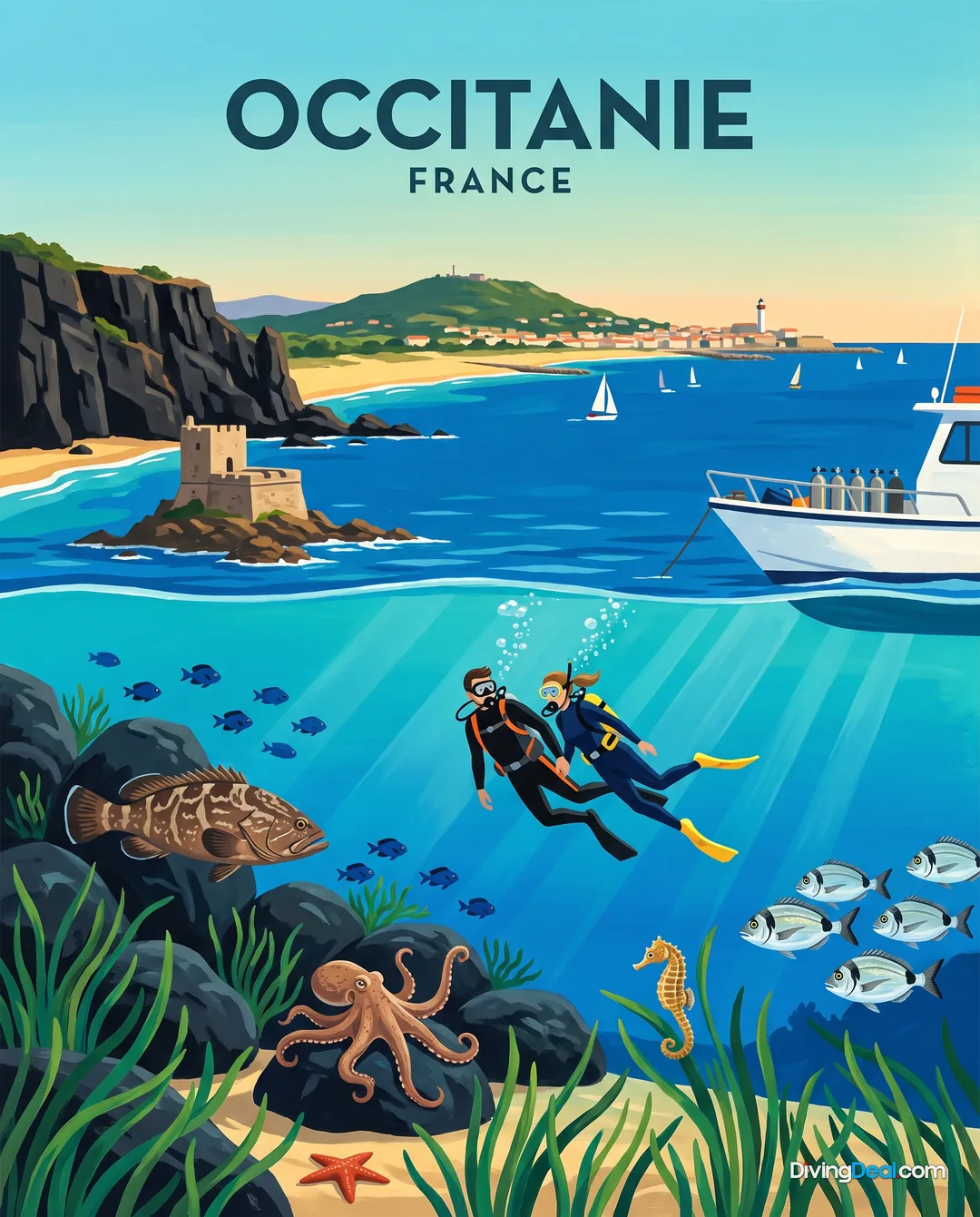
Shallow wreck debris at Maguelone, three limestone arches, a canyon falling beyond 40 metres, and octopus among rocky Mediterranean terrain define Montpellier’s day-boat diving.
For subtitles in English: start the video firstthen click the gearat the top right of the video, select “Subtitles/CC”, then “Auto-translate” and choose “English”.
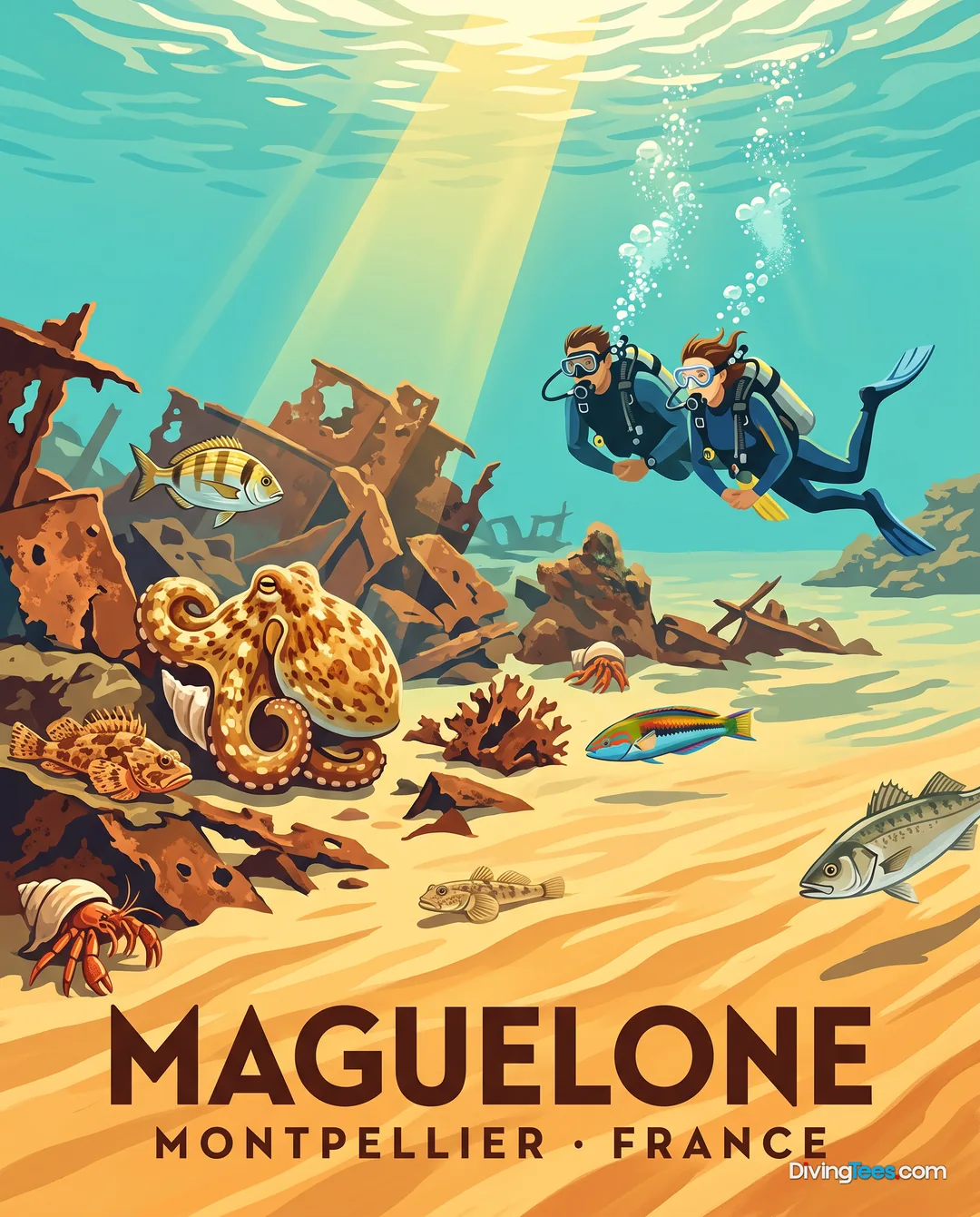
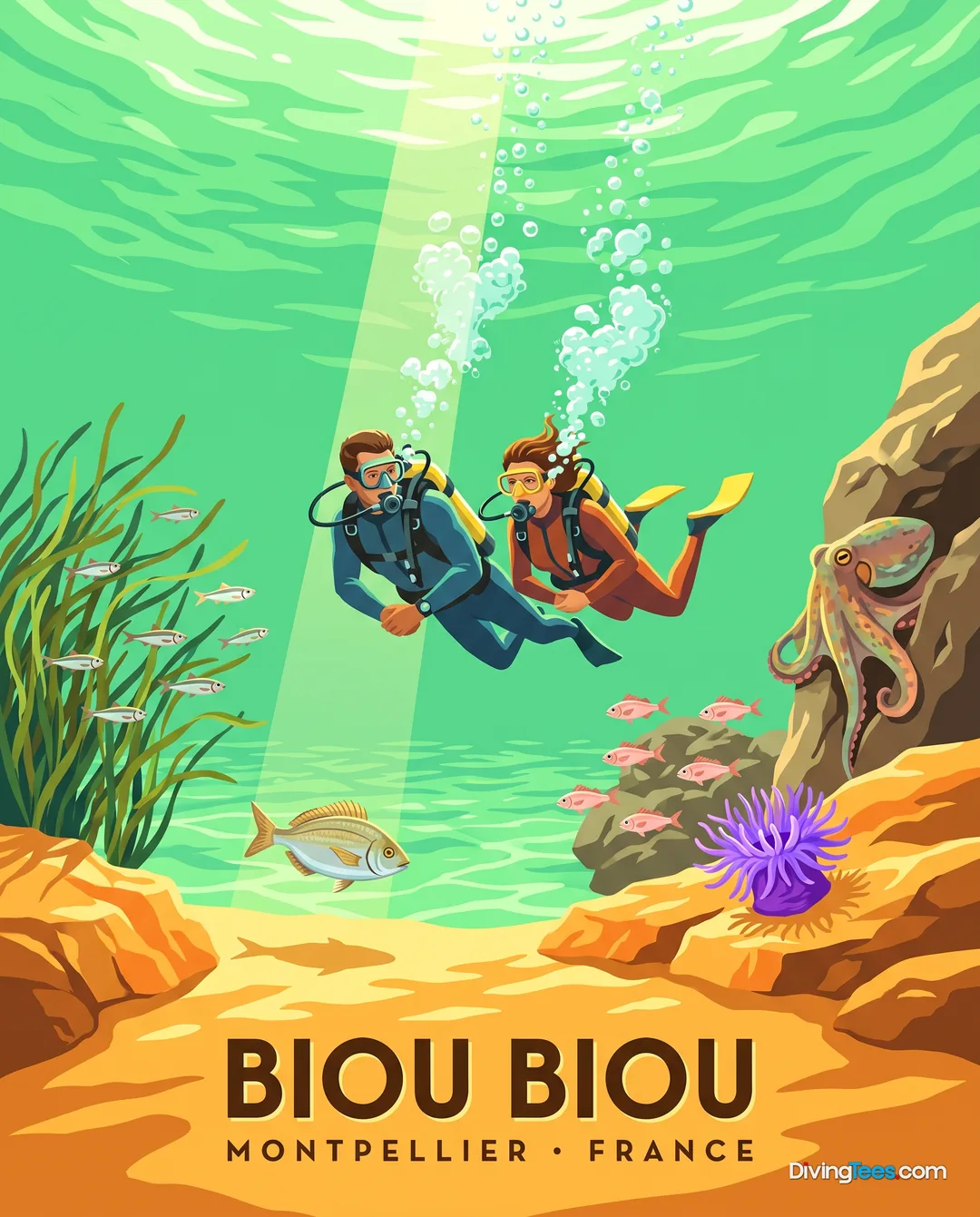
Maguelone’s scattered wreck remains and rocky outcrops show what Montpellier diving is about: a coastal Mediterranean base rather than an island escape. Departures are arranged from ports along the Languedoc coast, with boat trips reaching reefs, walls, artificial structures and deeper open-water terrain. The area suits a mixed group, from divers exploring Biou Biou’s seven-metre shallows to experienced pairs looking towards Canyon or Homardstone.
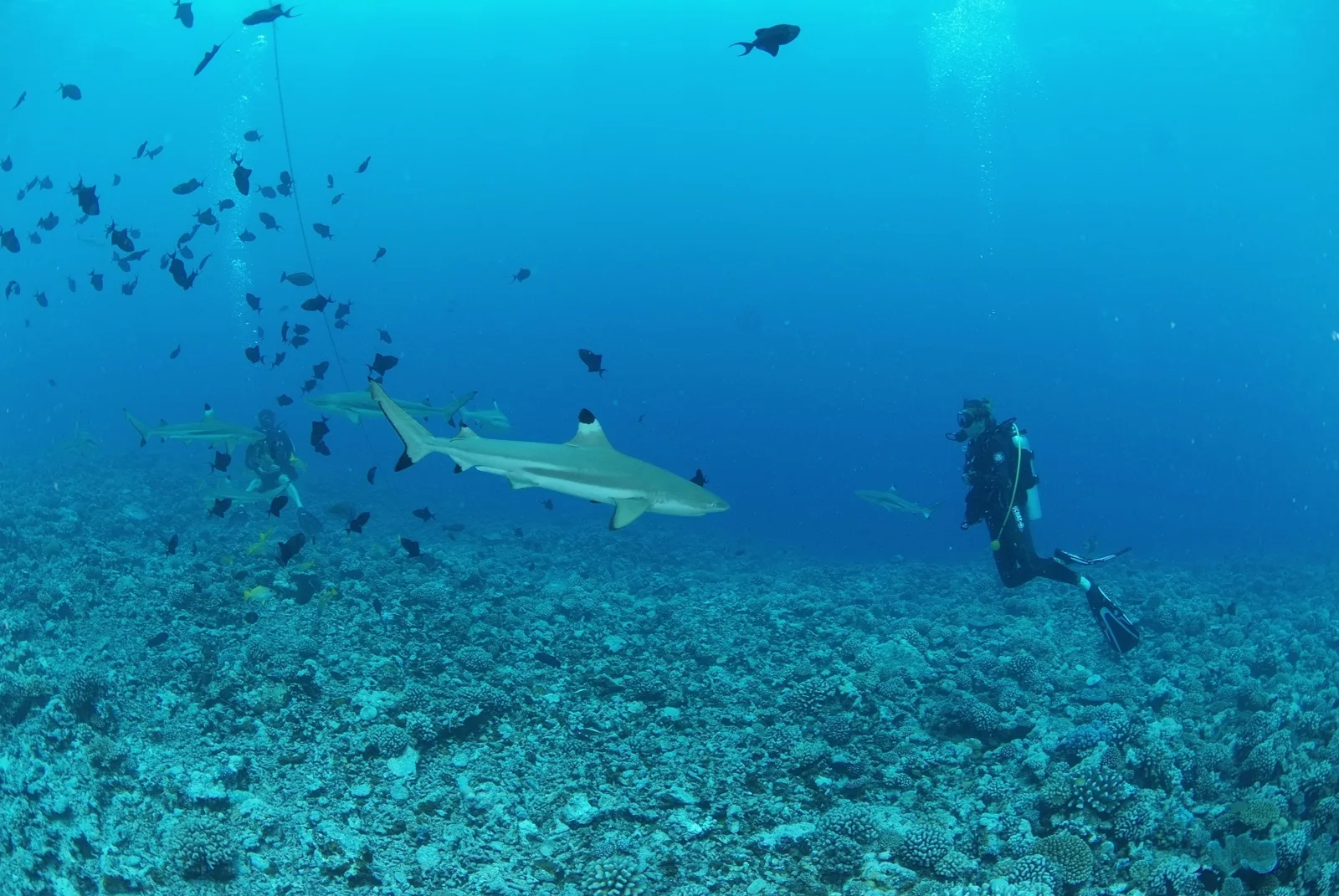
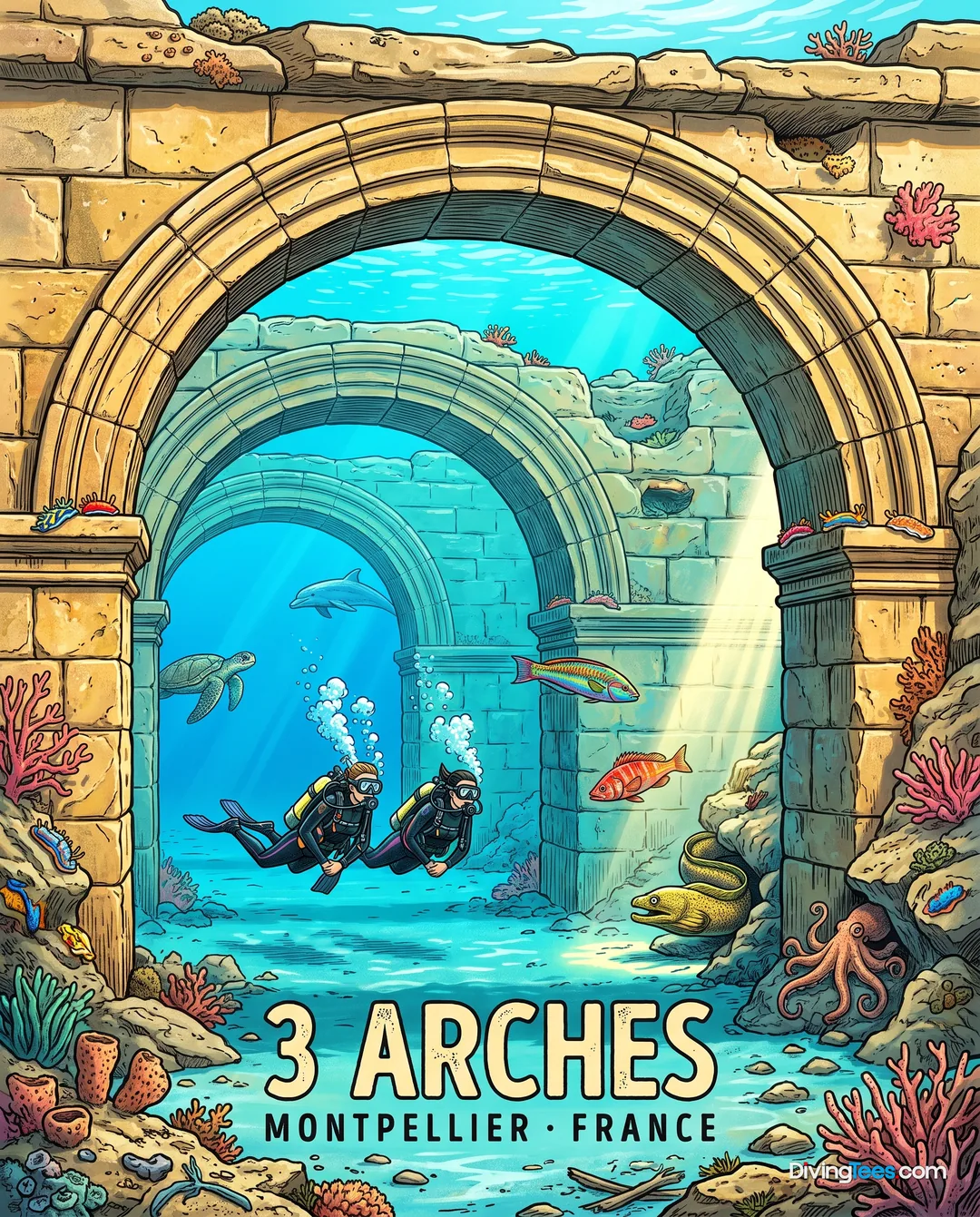
The underwater landscape shifts from low rocky reefs to proper wall diving. At Maguelone, wreck debris and outcrops lie between eight and eighteen metres; Les Ameriques uses slabs and concrete modules to create a compact maze over sand. Three Arches adds limestone openings and ledges down to 25 metres, while Homardstone brings pinnacles, chambers and swim-throughs reaching 35 metres. Canyon is the serious option, with a rim at 15 metres and a wall descending to 40 metres. Currents are variable rather than predictably strong, but they can increase near exposed sections and canyon mouths, particularly when weather changes. Visibility is also site-dependent: some locations report 12 to 25 metres, while Pierre Aux Loups may be closer to 5 to 15. Most interesting diving is organised as boat trips from coastal ports, with a few shallow shore-access possibilities.
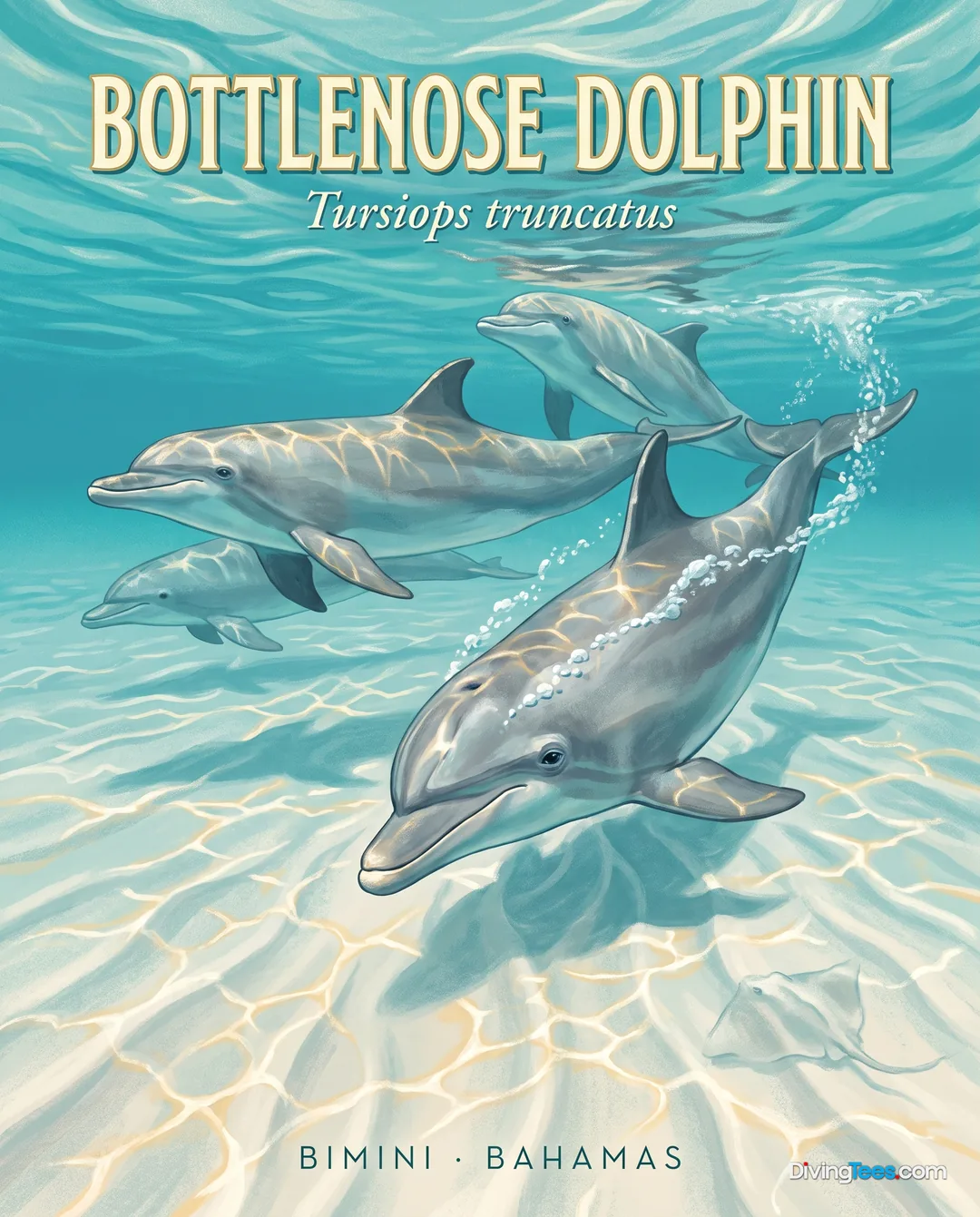
This is a close-looking, patient diver’s coast. Octopus are a recurring attraction, with Maguelone particularly noted for its coconut octopus population. Murene Reef offers resident moray eels, groupers and octopus among shallow rocks, while the ledges and recesses of the deeper reefs can reward a slow search for nudibranchs, scorpionfish and Mediterranean moray eel. Mediterranean rainbow wrasse and painted comber add movement around the rocky relief. Pierre Aux Loups is known for gatherings of European seabass over its isolated rock on sand. Green sea turtle and bottlenose dolphins are part of the recorded regional fauna, but neither should be treated as a scheduled encounter. The best approach is to allow time for macro life in sheltered shallows and keep expectations open on boat dives.
June to September is the practical diving window, with July and August generally offering the most regular centre operations and the simplest sea conditions. Summer is also when shallow sites such as Maguelone and Murene Reef are easiest to use comfortably. September can be a useful compromise, with less holiday pressure than the height of summer. November through March is less attractive because wind, swell and reduced outing frequency can disrupt a short diving holiday. Spring and early autumn are quieter, but the weather still decides whether the boat leaves.
Open Water divers can use the shallower sites, including Biou Biou, Murene Reef and Maguelone. Good buoyancy becomes more important around the artificial structures at Les Ameriques and the openings at Three Arches. Advanced certification and sound depth experience are appropriate for Canyon, while Homardstone demands comfort with changing conditions and deeper sections. Advanced and Nitrox training are useful for divers planning repeated boat dives, but certification alone does not replace recent experience in current or exposed rocky terrain.
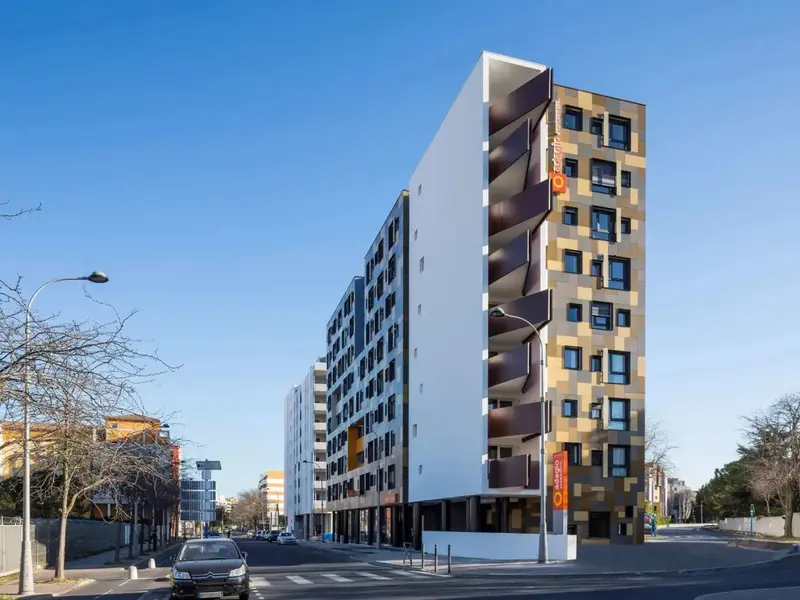
For divers travelling from London Heathrow, London Gatwick or Manchester, Montpellier and the Languedoc coast are approached as a road-and-port destination rather than through a compulsory sea crossing. The practical decision is which coastal port will host the diving: the operating area stretches between Sète, the Grau-du-Roi, Agde and Port-Camargue. Once the port is chosen, accommodation in the town or on the coast can usually be linked to the dive centre on foot, by car or by taxi, depending on the harbour. A hire car is useful when the stay combines several ports, while staying close to the chosen quay keeps early boat departures simpler. The boat, not an island transfer, is the main local connection to the dive sites.
Build the holiday around the coast’s weather, not around one named site on one named day. Wind or a formed sea can remove a boat outing, so keep Montpellier, Sète or the shore as a genuine alternative rather than treating a cancelled dive as a ruined day. For a short break, put the main diving early in the stay and leave the final day free; that avoids relying on a particular weekend forecast. Book sought-after protected-area outings ahead, but retain some flexibility because sea state still controls the programme. The first morning departure is worth considering on busy sites: it can mean clearer water and fewer overlapping groups than a later run. Choose accommodation with straightforward access to the quay whenever possible. Nitrox is sensible for repeated boat diving over several days, especially when the plan includes deeper profiles. Do not arrive expecting a liveaboard rhythm; the practical pattern here is a series of day boats from different coastal ports.
Four to seven days gives enough room to spread dives across the Languedoc coast and move between shallow reefs, artificial structures and deeper walls as conditions allow. A typical day centres on the boat departure, with the afternoon left for a second outing, rest or a town and harbour walk. Montpellier and Sète provide easy non-diving days, while beaches, lagoons, wetlands and protected coastal areas broaden the trip beyond the water.
Hello, I'm Marina, DivingDeal.com's AI assistant. I guide you through destinations, areas and countries.
Thinking about the whole trip and the flights? Talk it over with Edith →
Marina is an AI. Some links are affiliate links: DivingDeal may earn a commission, at no extra cost to you. Bookings are made with the partner.
Your last day stays dry: no diving in the 18-24 hours before a flight, the perfect window to see the destination from another angle.
 Culture
⏱ 7 h · ★ 5.0 (17 reviews)
from £71$95€85
see on Viator ↗
 Culture
⏱ 2 h · ★ 5.0 (15 reviews)
from £150$200€179
see on Viator ↗
 Nature
⏱ 3 h · ★ 5.0 (8 reviews)
from £67$90€80
see on Viator ↗
 City
City⏱ 3 h · ★ 4.9 (18 reviews)
from £75$100€89
see on Viator ↗
Ratings and reviews collected by Viator and Tripadvisor.
Choose June through September for the practical diving window. July and August usually bring regular centre operations and simpler sea conditions, while September can reduce holiday pressure. Spring and early autumn are quieter, but weather still controls departures. From November through March, wind, swell and fewer outings can disrupt a short diving holiday.
Montpellier offers sites for mixed groups. Open Water divers can explore Biou Biou, Murene Reef and Maguelone, while good buoyancy helps around Les Ameriques and Three Arches. Canyon suits advanced divers with sound depth experience, and Homardstone requires comfort with deeper sections and changing conditions. Recent experience matters around current and exposed rock.
You can explore wreck debris, rocky outcrops, artificial structures, limestone arches, pinnacles, chambers and swim-throughs. Marine life includes coconut octopus at Maguelone, moray eels, groupers, nudibranchs, scorpionfish, wrasse and painted comber. Pierre Aux Loups is known for seabass gatherings, while green sea turtles and bottlenose dolphins remain possible regional sightings rather than scheduled encounters.
Plan around coastal weather rather than one site on one day, since wind or sea conditions can cancel boat trips. Choose a port such as Sète, the Grau-du-Roi, Agde or Port-Camargue, and stay near the quay when possible. A four-to-seven-day trip allows flexibility across shallow reefs, artificial structures and deeper walls.