
Porquerolles Plongée
Google 4.7/5 (143 reviews)
France · Mediterranean
Cargo wrecks, schist boulders, Posidonia meadows and conger eels shape boat diving around Porquerolles and the wider Hyères archipelago.
For subtitles in English: start the video firstthen click the gearat the top right of the video, select “Subtitles/CC”, then “Auto-translate” and choose “English”.
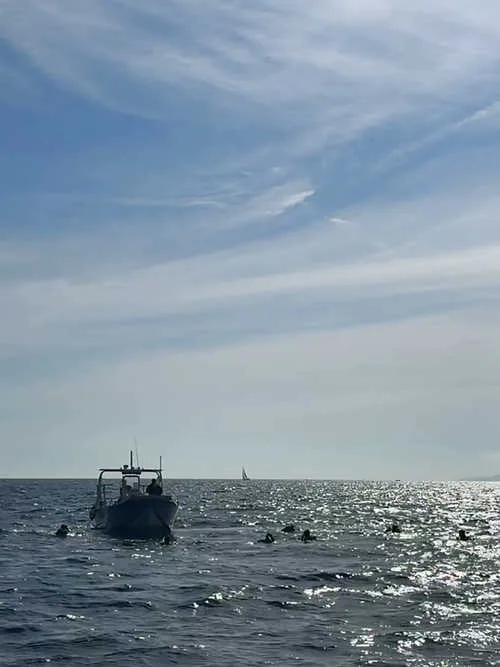
Porquerolles is an island base for boat diving around the Hyères archipelago, with access to rocky reefs, historical wrecks and the protected waters associated with Port-Cros National Park. The diving is only part of the appeal: the island has a village, beaches and walking trails, and no private cars. It suits a stay on land rather than a liveaboard, with enough variety above and below the water to keep a non-diving companion occupied.
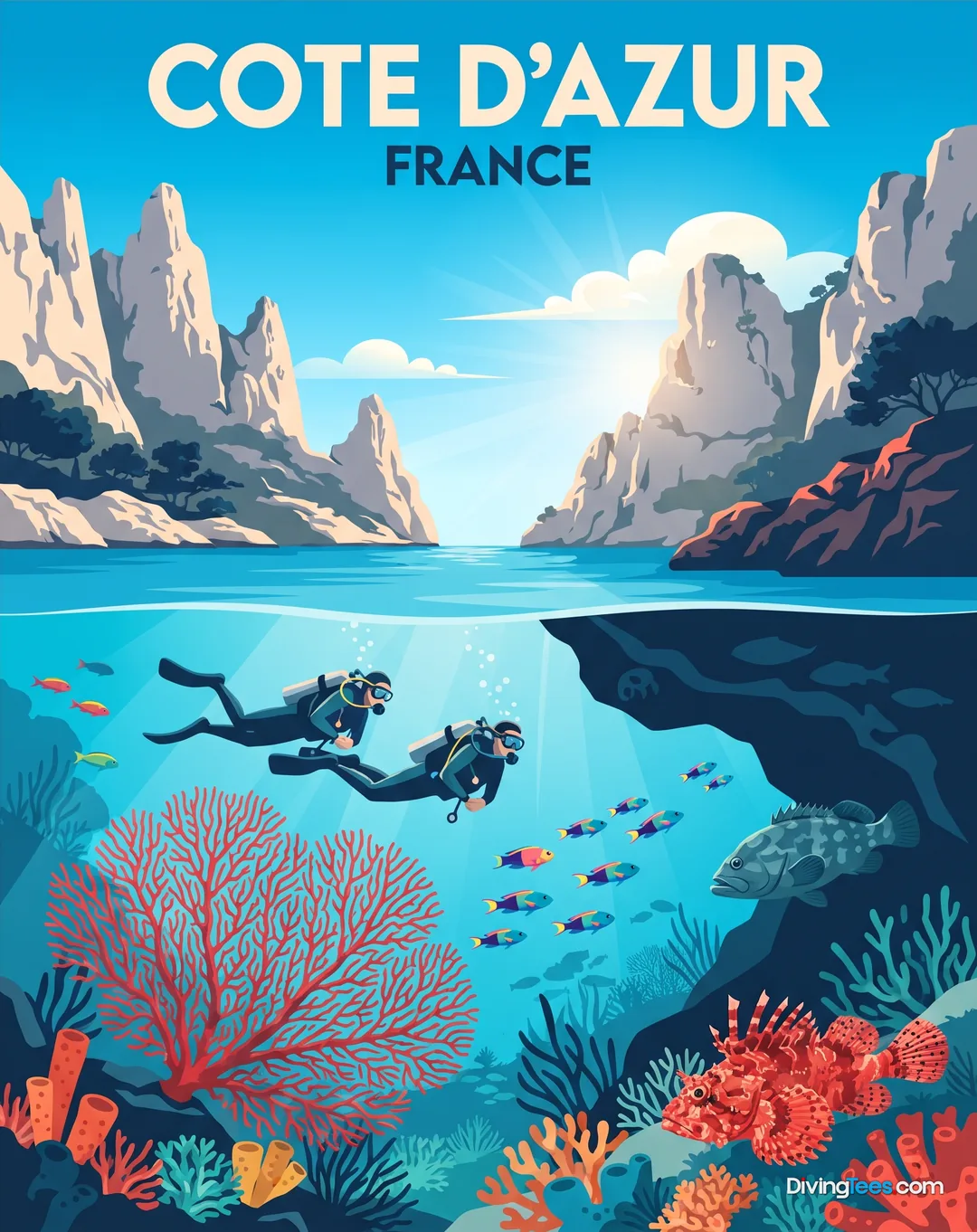
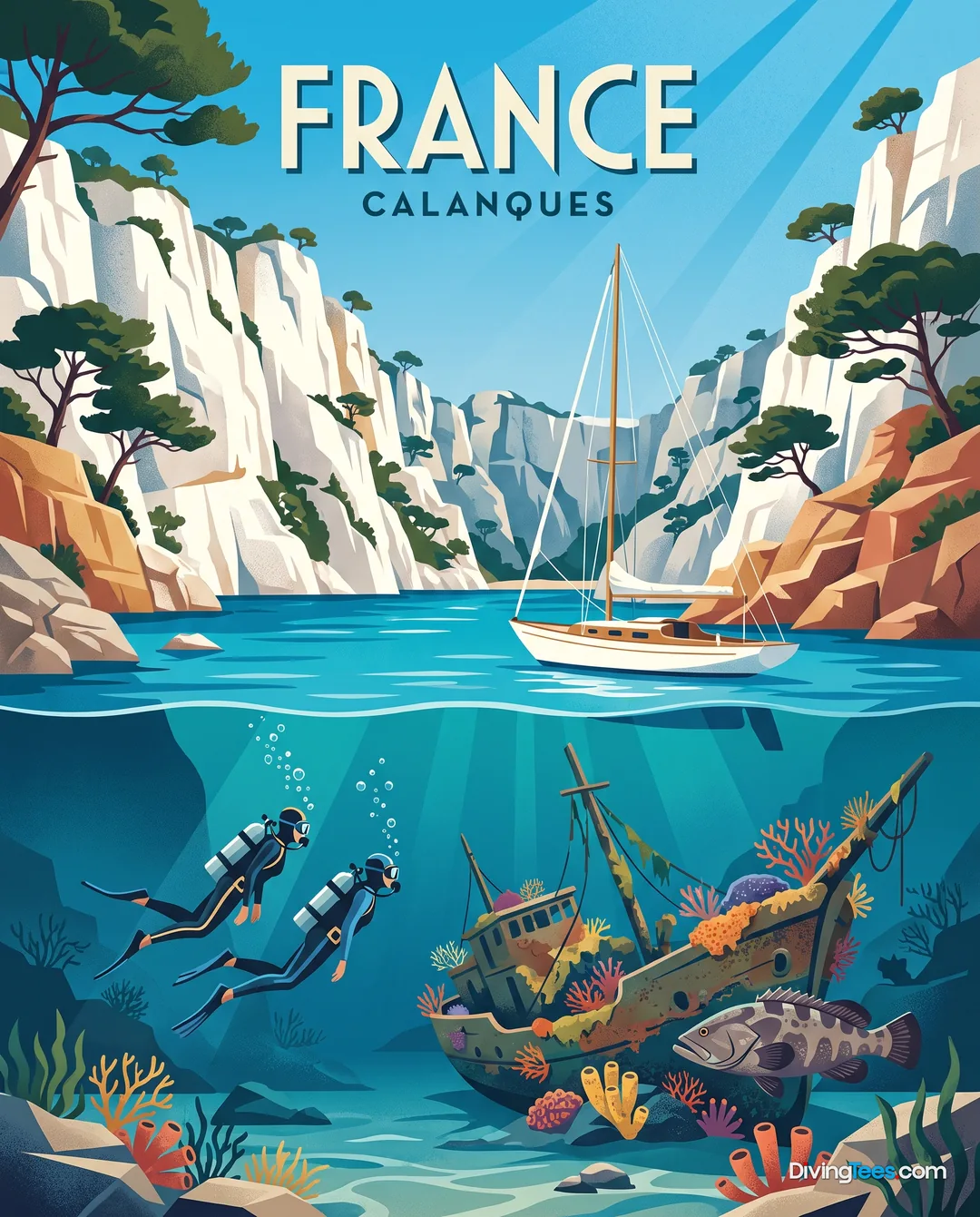
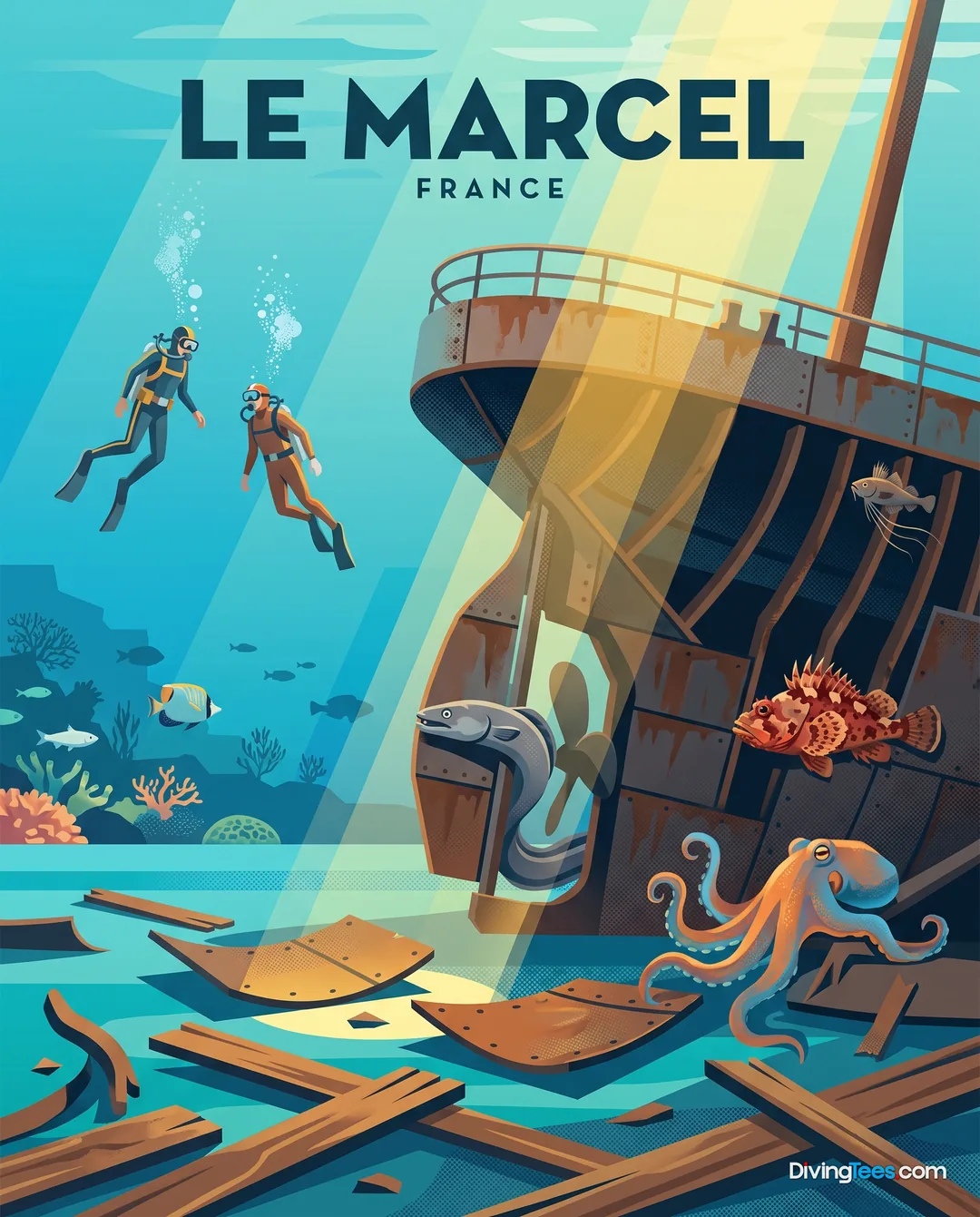
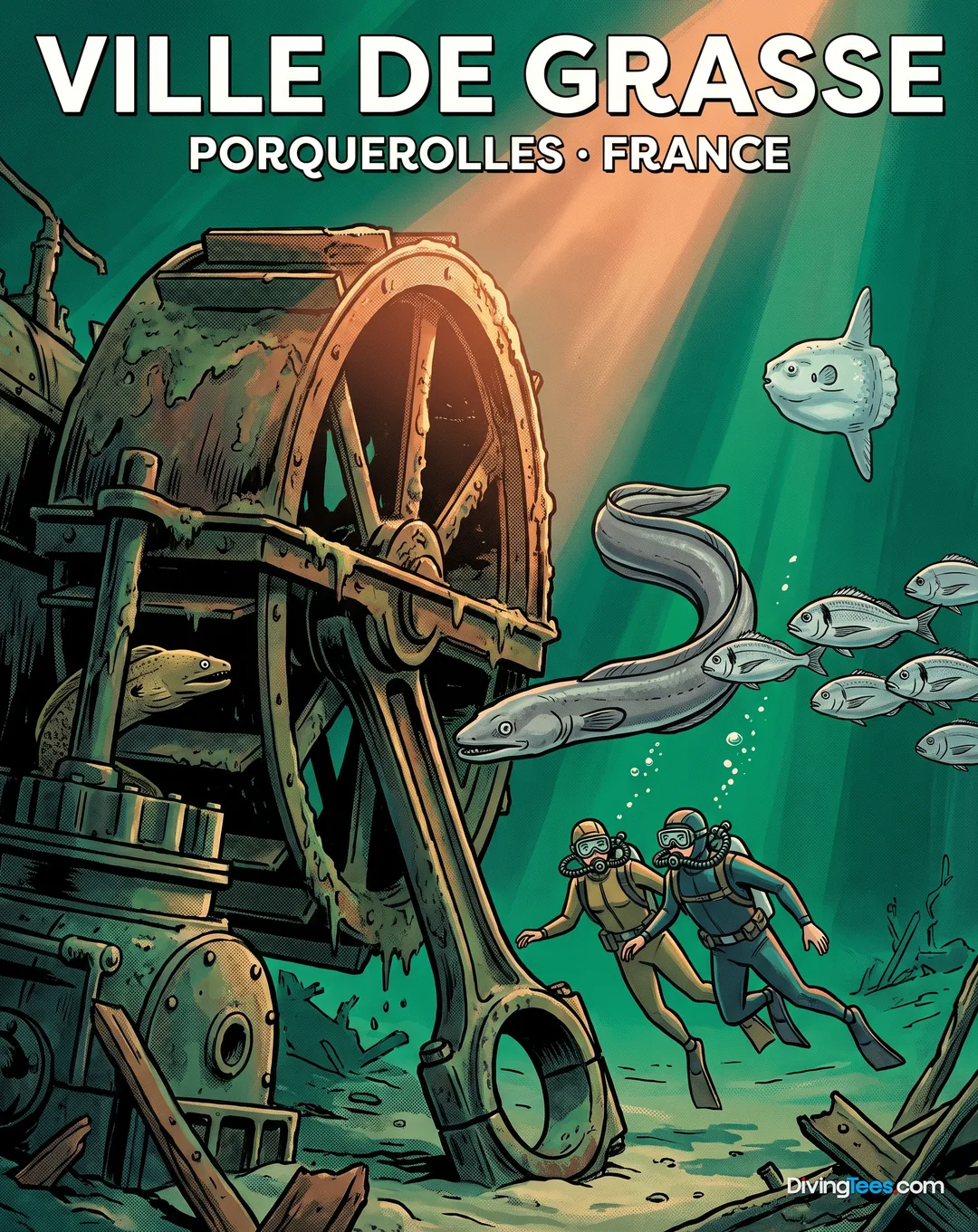
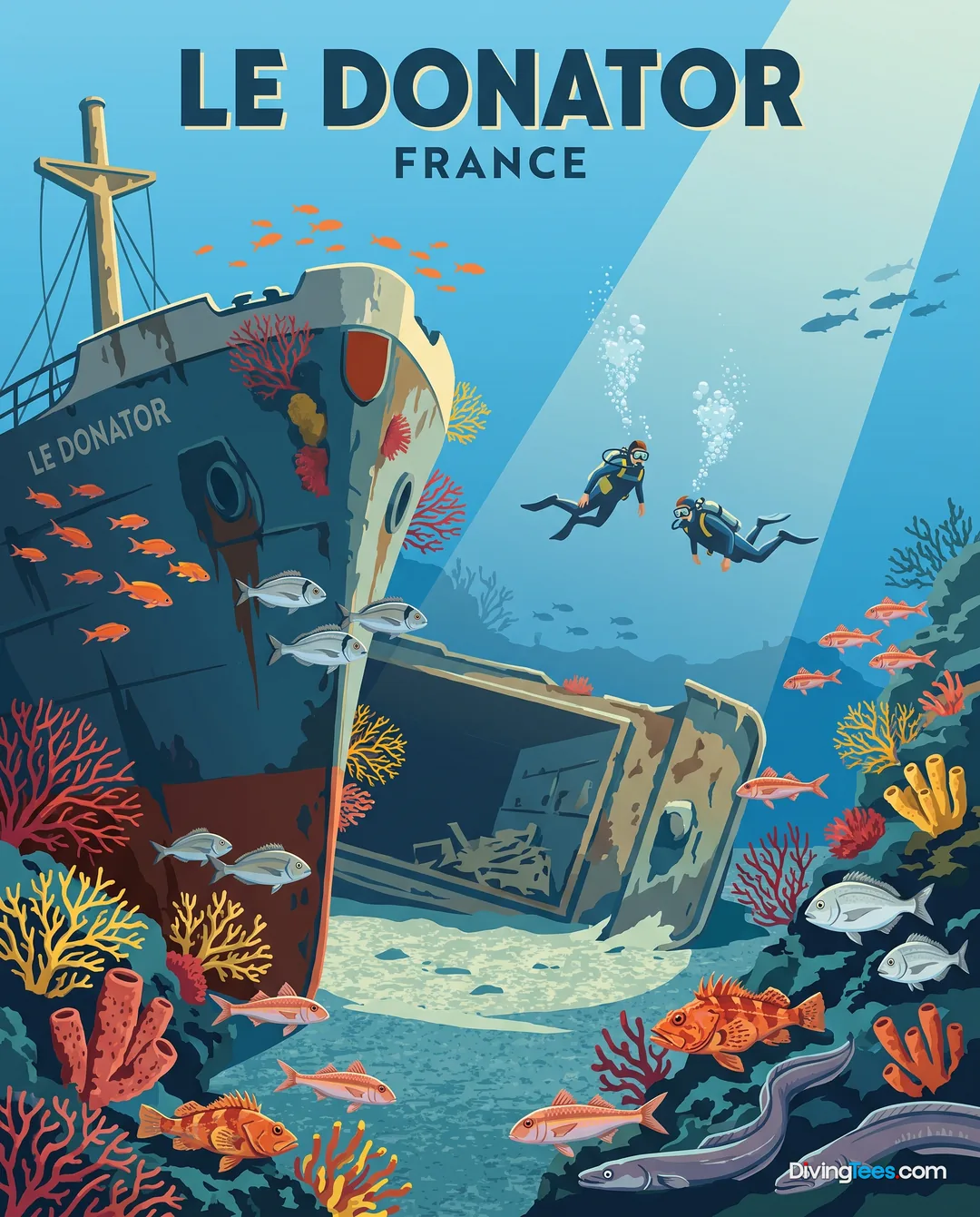
The underwater landscape moves between schist boulders, sand, Posidonia seagrass and wreck structure. At Le Cap des Medes, large rocks break up the seabed between 10 and 25 metres, with weak current and sheltered conditions. Sec du Langoustier reaches 32 metres and gives more experienced divers the chance to work down the deeper sections of the reef. Wreck divers can examine Le Marcel at 31 metres, while Le Donator drops from 42 to 51 metres and may bring significant current, demanding disciplined gas and decompression planning. Ville de Grasse lies between 44 and 50 metres. Conditions are variable across the archipelago rather than uniform: some sites are relaxed, others are open-water dives where wind, current and boat planning matter. Visibility can reach 30 metres outside the rainy season, although that figure belongs particularly to the Le Marcel area rather than every dive.
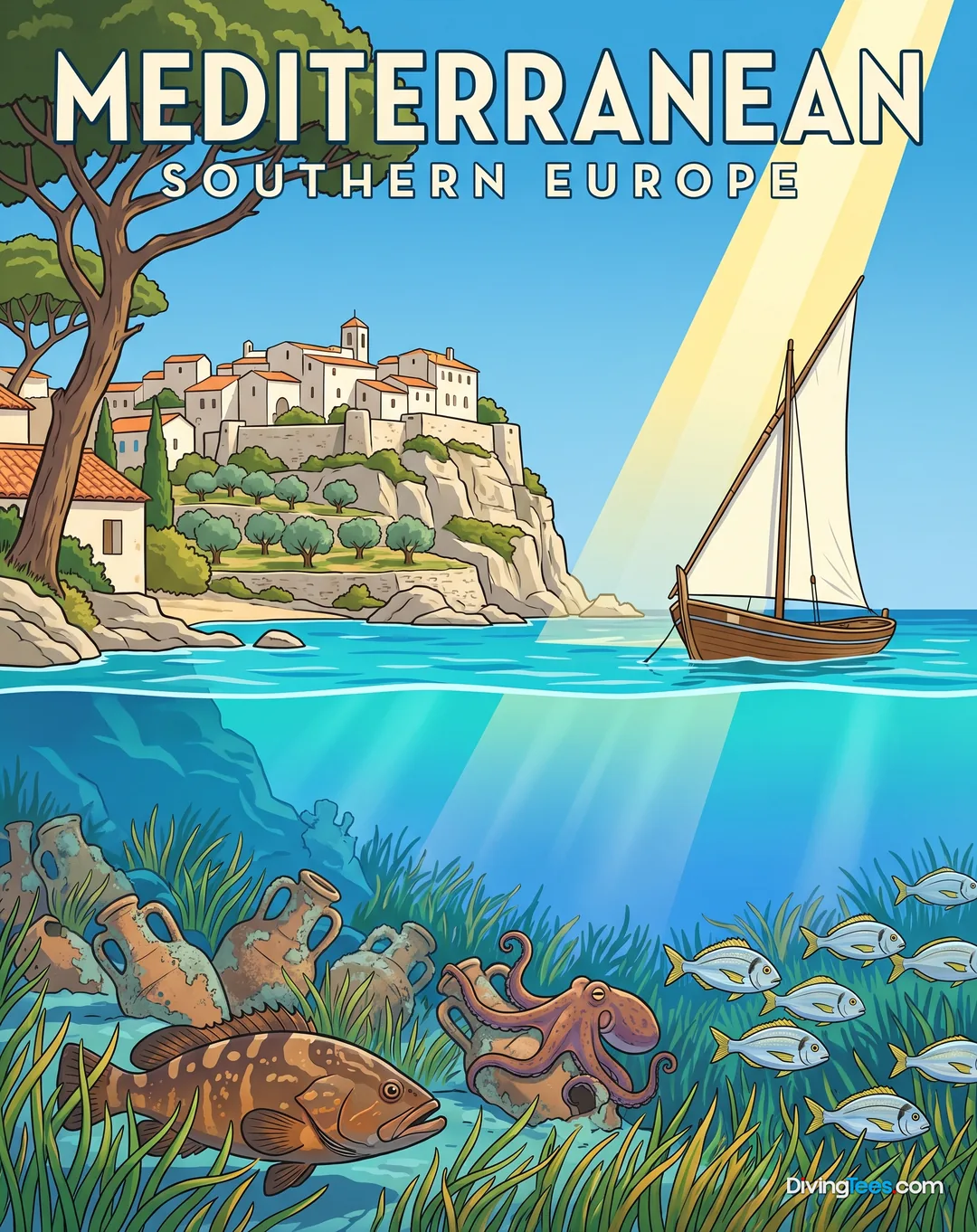
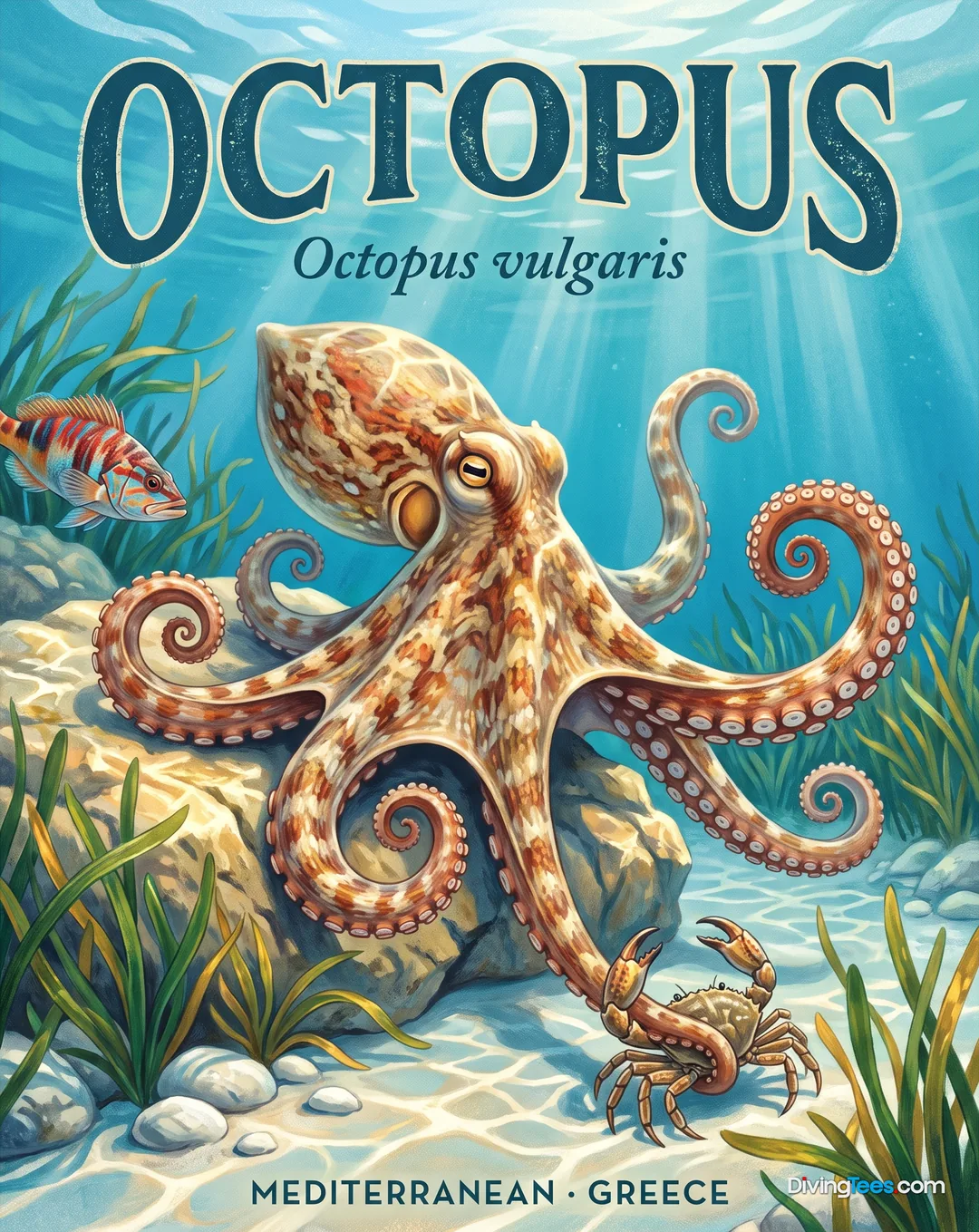
Marine life is typical of rocky Mediterranean diving, with the structure and crevices providing the most useful places to look. Conger eels may sit deep in wreck or reef holes, while moray eels favour similar shelter. Red scorpionfish can be surprisingly well camouflaged against rock, and forkbeards add another patient observer to the darker gaps. Octopuses are encountered around the seabed and wreckage, and white seabream move over the rocks and Posidonia. Le Marcel offers a relatively calm setting in which to search for conger eels and octopuses without fighting notable current. The practical approach is to treat wildlife as a year-round possibility and let the site, visibility and conditions determine how much time can be spent searching.
April to September is the measured window for the calmest sea and the most favourable diving conditions around the listed Porquerolles sites. April to August also has the lowest rainfall, which matters when boat departures and island plans depend on settled weather. The calmer period is particularly useful for arranging several day-boat outings and for making deeper wreck plans without building the whole stay around a single weather window. Le Marcel’s visibility can reach 30 metres outside the rainy season, adding another reason to favour the drier part of the year. A three- to five-day stay gives the weather some room to disrupt one departure without turning the trip into a single rushed dive day.
The area caters for all levels, with Le Cap des Medes and Sec du Langoustier offering manageable shallow-to-moderate profiles. Open Water or Niveau 1 is sufficient for the shallower wreck and reef options listed, while Le Marcel requires at least Level 2. Le Donator and Ville de Grasse are Level 3 deep-wreck dives, requiring proper deep-diving and wreck experience. Advanced training is useful, and Nitrox may be relevant to a diver’s planning, but neither replaces the depth, gas-management and current skills demanded by the deeper sites. BSAC, PADI and SSI divers should match their qualification and logged experience to the planned profile.
From London Heathrow, London Gatwick or Manchester, the defining part of the journey is not the final road transfer but the ferry crossing. Porquerolles is reached by boat from the Giens peninsula or Hyères; there is no direct road access to the island. The trip therefore needs to be planned as a chain: reach the mainland departure point, allow time for the maritime connection, then organise the final walk or local transfer to accommodation and the diving departure. Once on Porquerolles, private cars are not part of the arrangement. Divers generally move on foot, by taxi or by shuttle boat, depending on where they are staying and which mainland or island base is being used. Keeping luggage manageable and avoiding a tight same-day connection makes the crossing less stressful.
Treat the ferry as part of the dive logistics, not as an incidental transfer. A late arrival or poorly matched crossing can compromise the first boat departure, so accommodation near the village or port makes the island’s walking-based routine easier. Keep a weather-flexible day in a three- to five-day stay: the diving is organised from boats, and conditions around the archipelago can change the plan. Do not arrive expecting shore-based snorkelling to be the main attraction; the worthwhile profiles are reached by boat around Porquerolles, the Hyères archipelago and the wider Port-Cros sector. Match the qualification to the site rather than assuming that an island base makes every wreck straightforward. Le Donator and Ville de Grasse are serious deep dives, with current and decompression considerations, while Le Cap des Medes is a better choice for a relaxed introduction. In the park setting, do not feed wildlife, touch or collect anything, damage the seabed or ignore navigation and zone rules. Secure buoyancy matters here because careless contact has consequences in a protected marine environment.
A practical Porquerolles stay lasts three to five days, allowing several day-boat outings while leaving time for the island itself. Base the routine near the village or port if walking access matters, then divide non-diving time between the beaches, coastal paths and waterfront. A non-diving companion has plenty to do without joining the boats. This is a land-based Mediterranean trip, not a liveaboard schedule, so the best days balance one or two planned outings with unhurried time ashore.
Hello, I'm Marina, DivingDeal.com's AI assistant. I guide you through destinations, areas and countries.
Thinking about the whole trip and the flights? Talk it over with Edith →
Marina is an AI. Some links are affiliate links: DivingDeal may earn a commission, at no extra cost to you. Bookings are made with the partner.
Your last day stays dry: no diving in the 18-24 hours before a flight, the perfect window to see the destination from another angle.
 Culture
⏱ 4 h · ★ 5.0 (8 reviews)
from £251$336€300
see on Viator ↗
 Culture
⏱ 2 h · ★ 4.0 (1 reviews)
from £5$7€6
see on Viator ↗
Ratings and reviews collected by Viator and Tripadvisor.
Plan your Porquerolles diving between April and September, when sea conditions are generally calmer. April to August also brings the lowest rainfall, helping with boat departures and island plans. Le Marcel can offer visibility reaching 30 metres outside the rainy season, so the drier part of the year suits several day-boat outings.
Porquerolles offers dives for different experience levels. Open Water or Niveau 1 suits Le Cap des Medes and other shallower reef options. Le Marcel requires at least Level 2. Le Donator and Ville de Grasse are Level 3 deep-wreck dives requiring deep-diving, wreck, gas-management and current skills.
Around Porquerolles, you can explore schist boulders, Posidonia meadows, rocky reefs and historical cargo wrecks. Sites include Le Marcel, Le Donator and Ville de Grasse. Look in crevices and wreck structure for conger and moray eels, red scorpionfish, forkbeards and octopuses, while white seabream move above the rocks.
Plan Porquerolles as a land-based stay of three to five days, with several day-boat outings and time for beaches, walking trails and the village. Reach the island by ferry from the Giens peninsula or Hyères, allow time for the crossing, and keep a weather-flexible day because conditions can change.