

Rand’eau Évasion
Google 5/5 (242 reviews)
France · Mediterranean
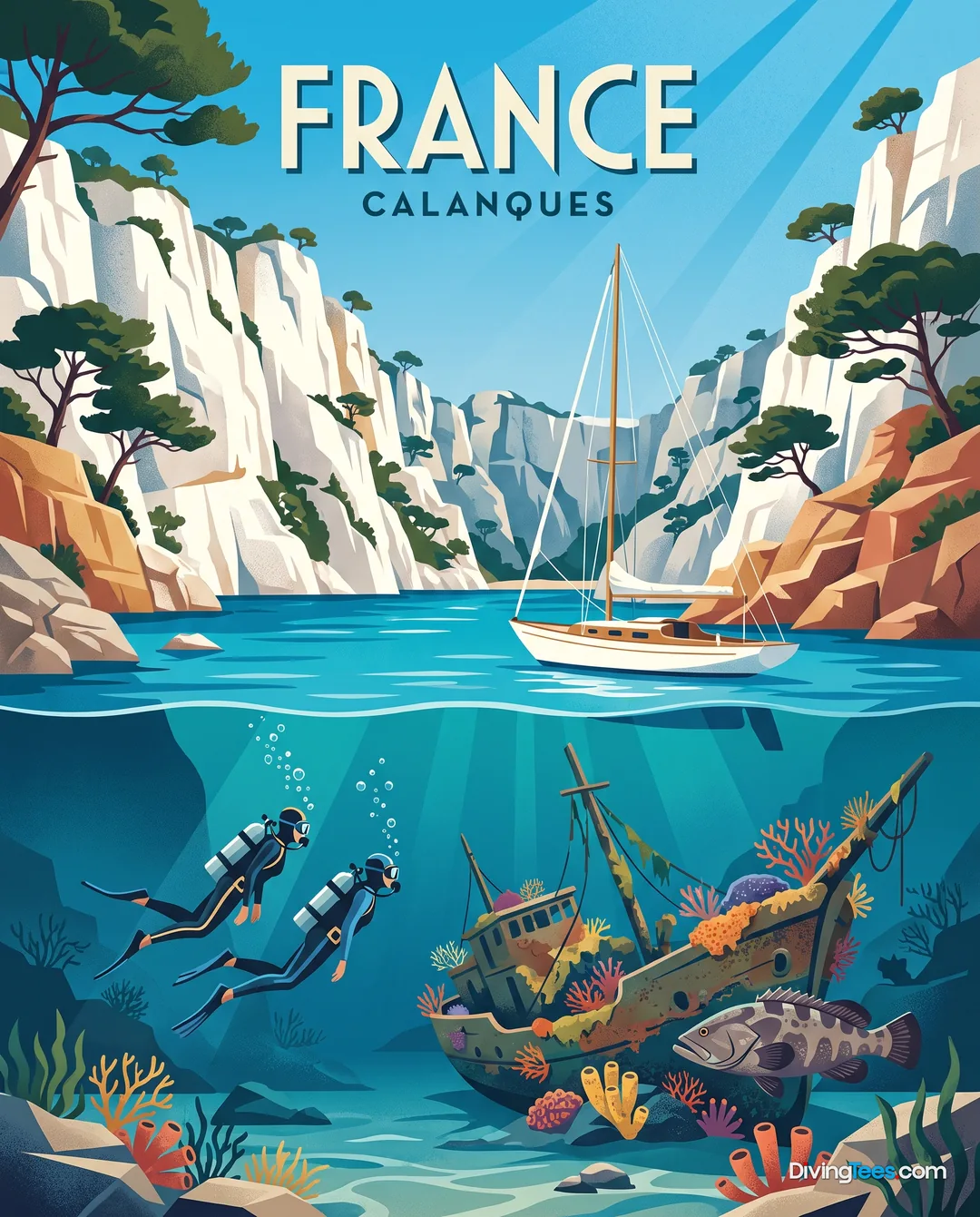
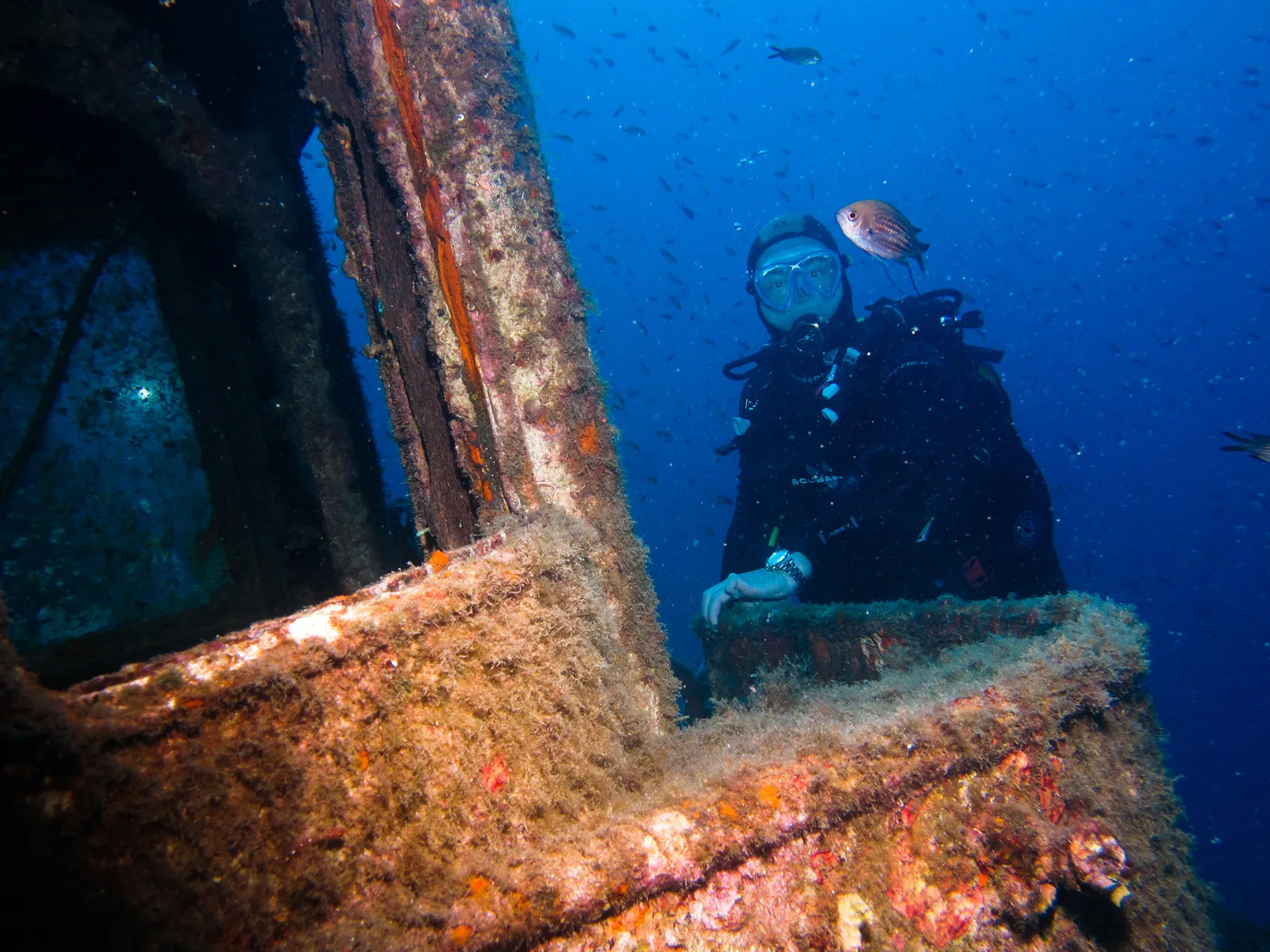
Rocky walls, a 34-metre steamship wreck, brown groupers and barracudas make Nice a practical base for Mediterranean diving between city days.
For subtitles in English: start the video firstthen click the gearat the top right of the video, select “Subtitles/CC”, then “Auto-translate” and choose “English”.
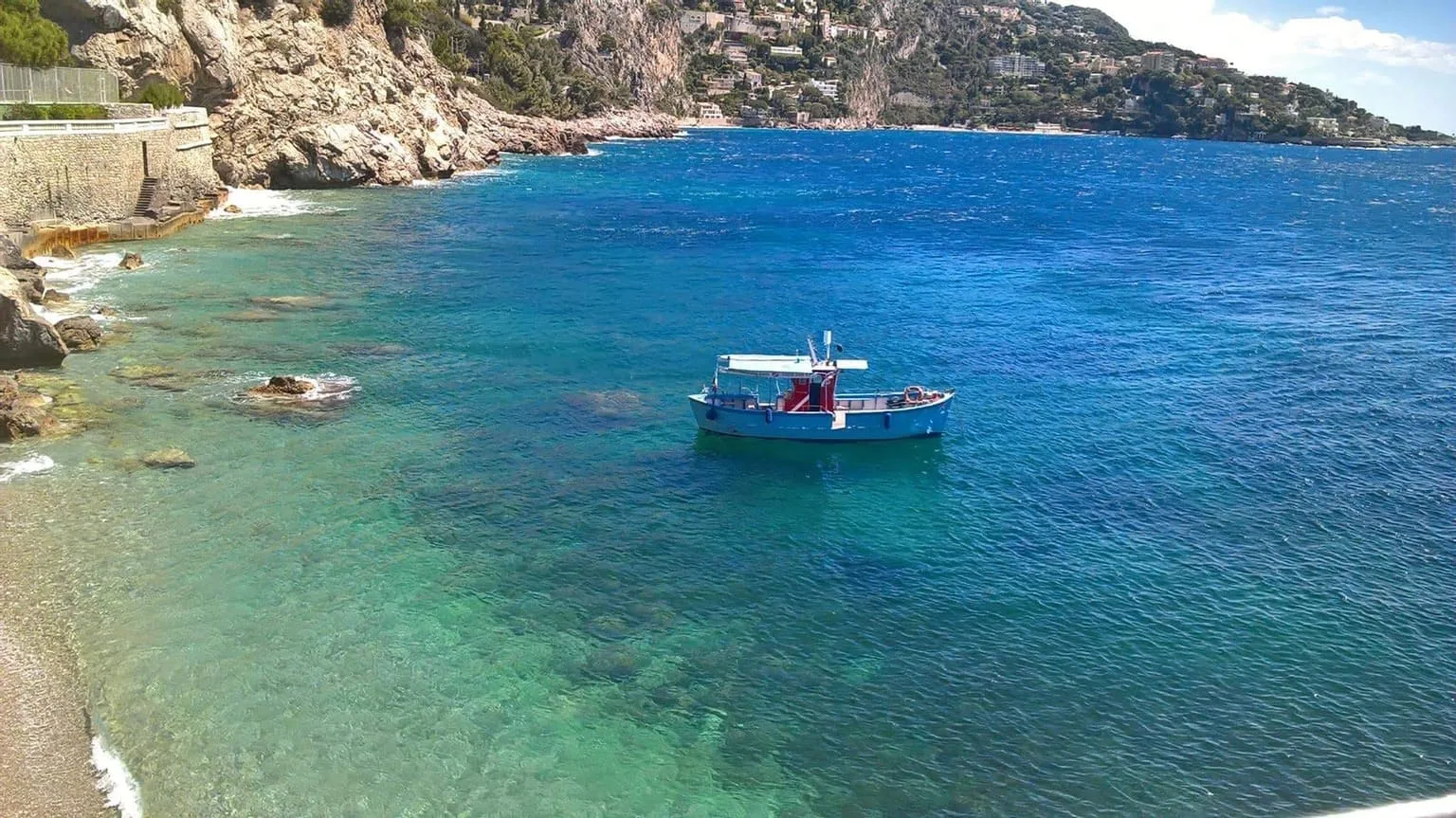
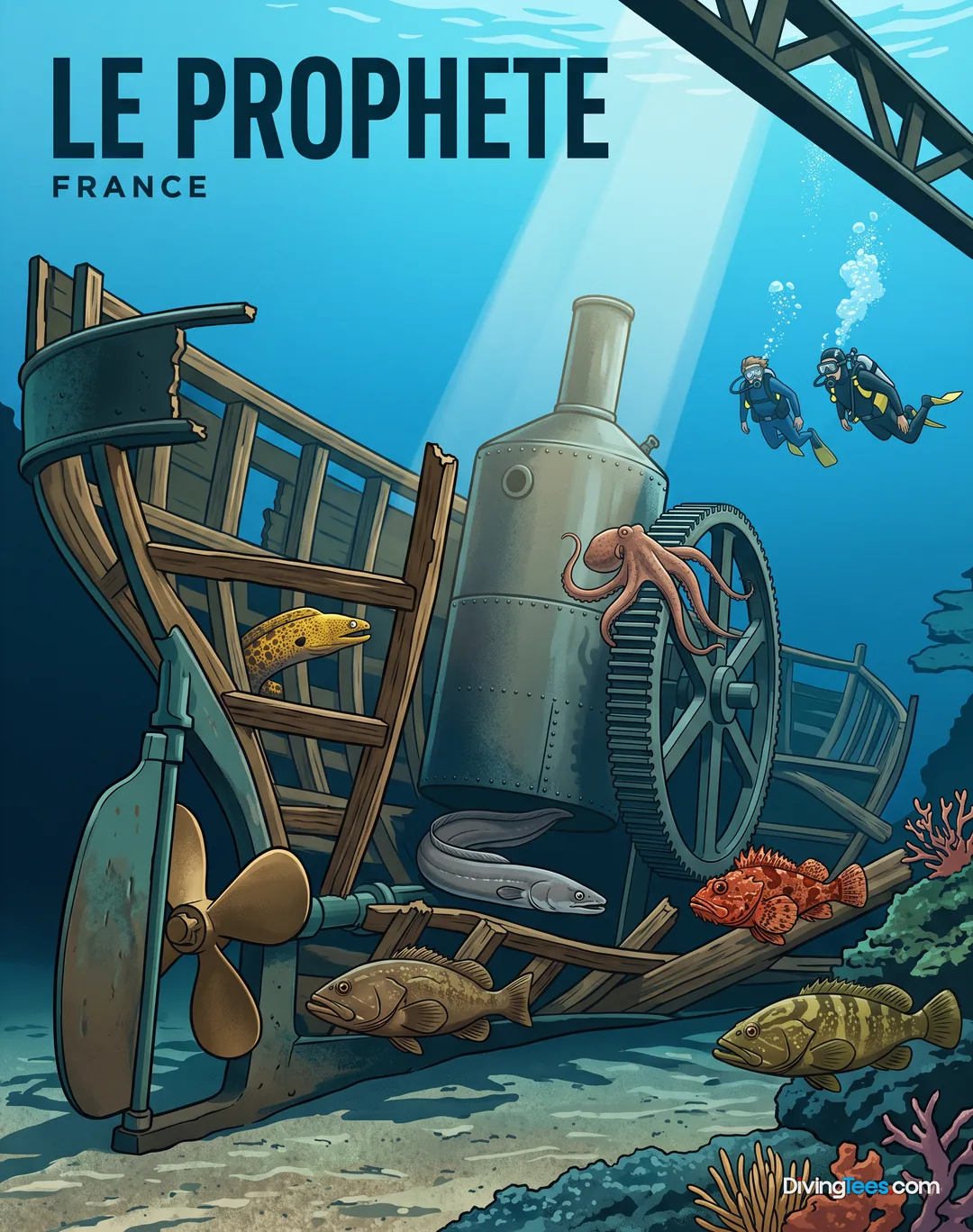
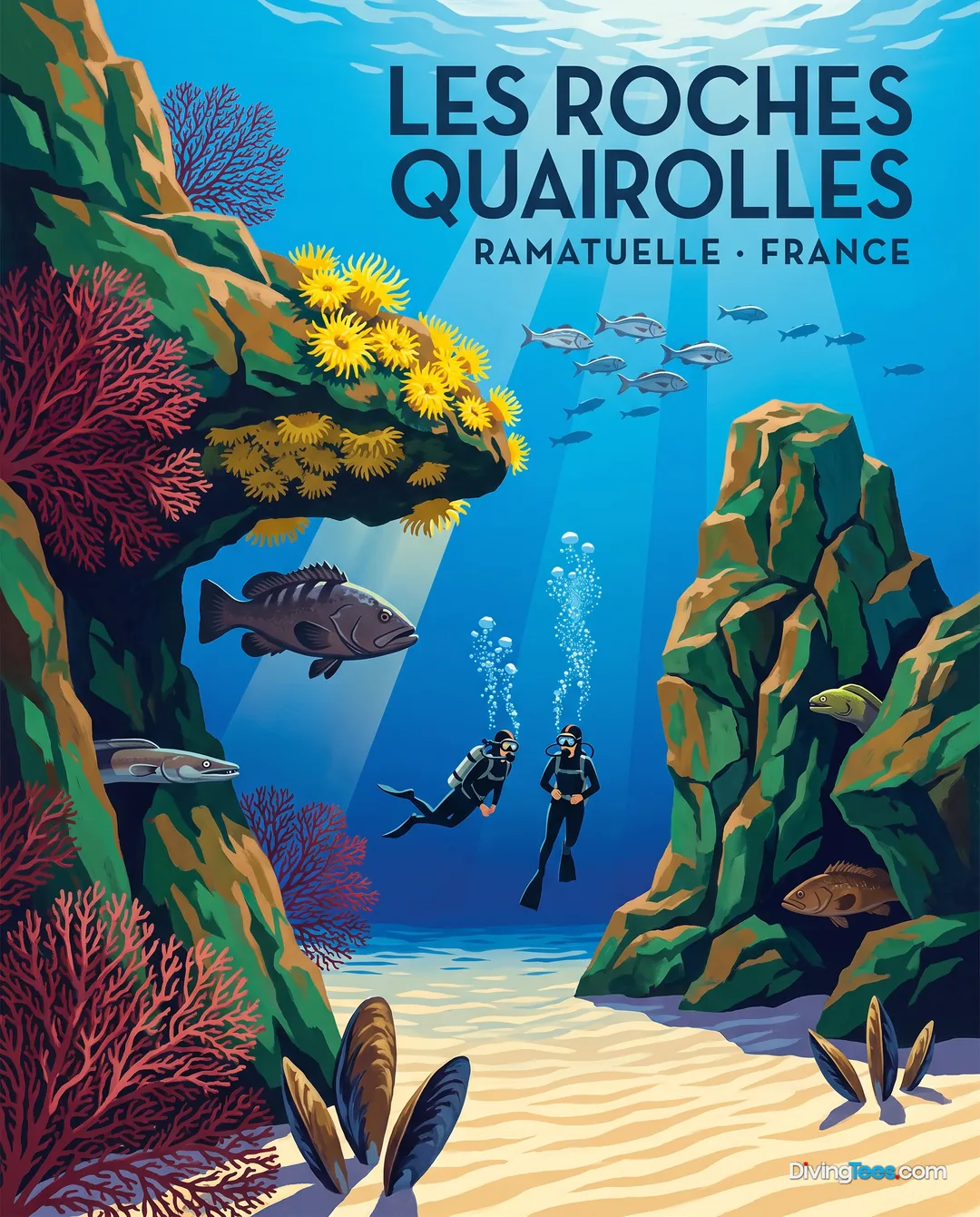
La Gabinière’s walls, Le Prophète’s 34-metre wreck and the rock formations of Les Roches Quairolles show what Nice offers beneath the surface. This is a city-based Mediterranean trip, with diving arranged from boats leaving Nice, the bay and Villefranche-sur-Mer rather than from a single resort shoreline. It suits a short stay that combines several sea days with promenades, coastal villages and straightforward urban comforts for a non-diving companion.
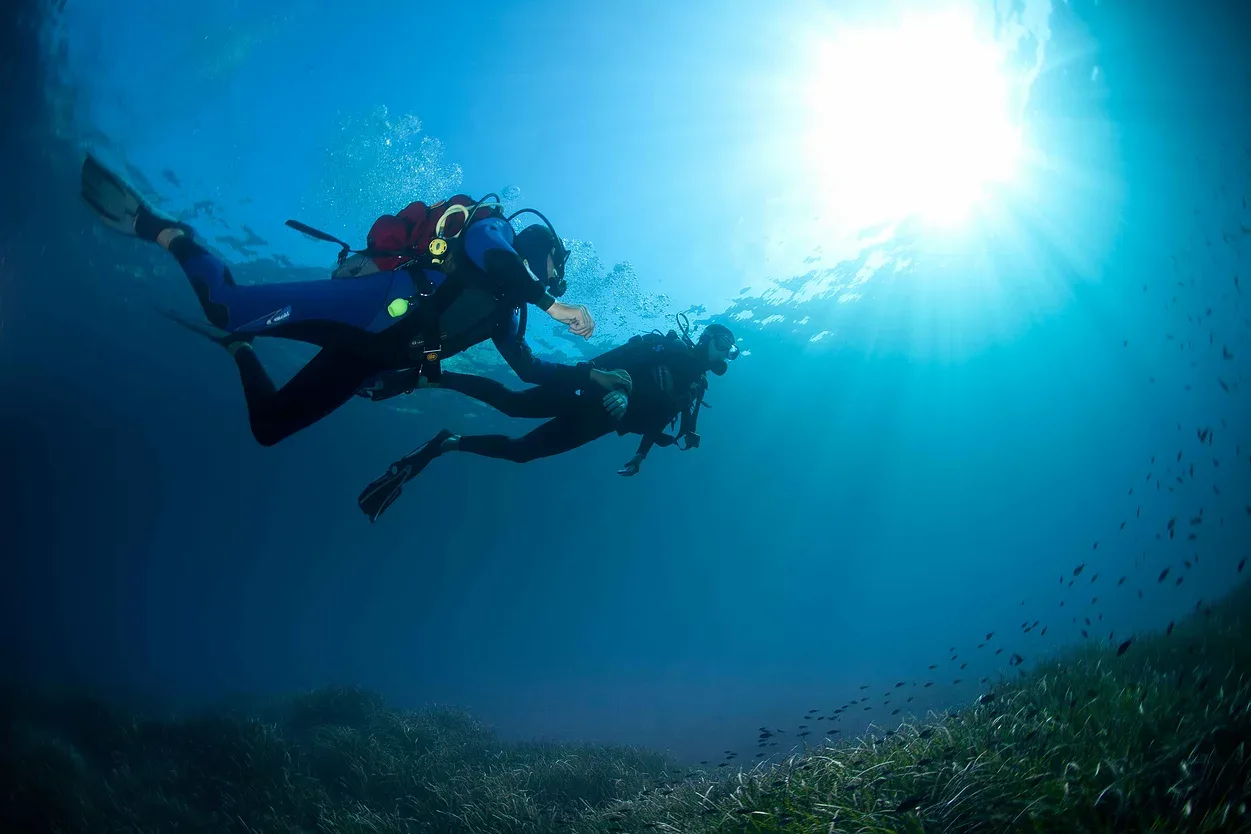
The diving is built around rock, walls, drop-offs and wreck structure. At La Gabinière, the terrain begins around ten metres and falls to 45 metres, so a single visit can be planned around shallower rock or a deeper wall section. Le Prophète lies between 28 and 34 metres, where divers can work around the hull and machinery rather than simply pass over an isolated reef. Les Roches Quairolles runs from 15 to 35 metres and normally has weak or negligible current. Elsewhere, current is variable, particularly on deeper or more exposed boat dives. Visibility can be excellent: La Gabinière is described as often exceeding 20 to 30 metres, although that should not be assumed for every site. The usual format is a day boat from the local ports, with surface intervals back on board and the return journey dictated by sea conditions and the chosen site.
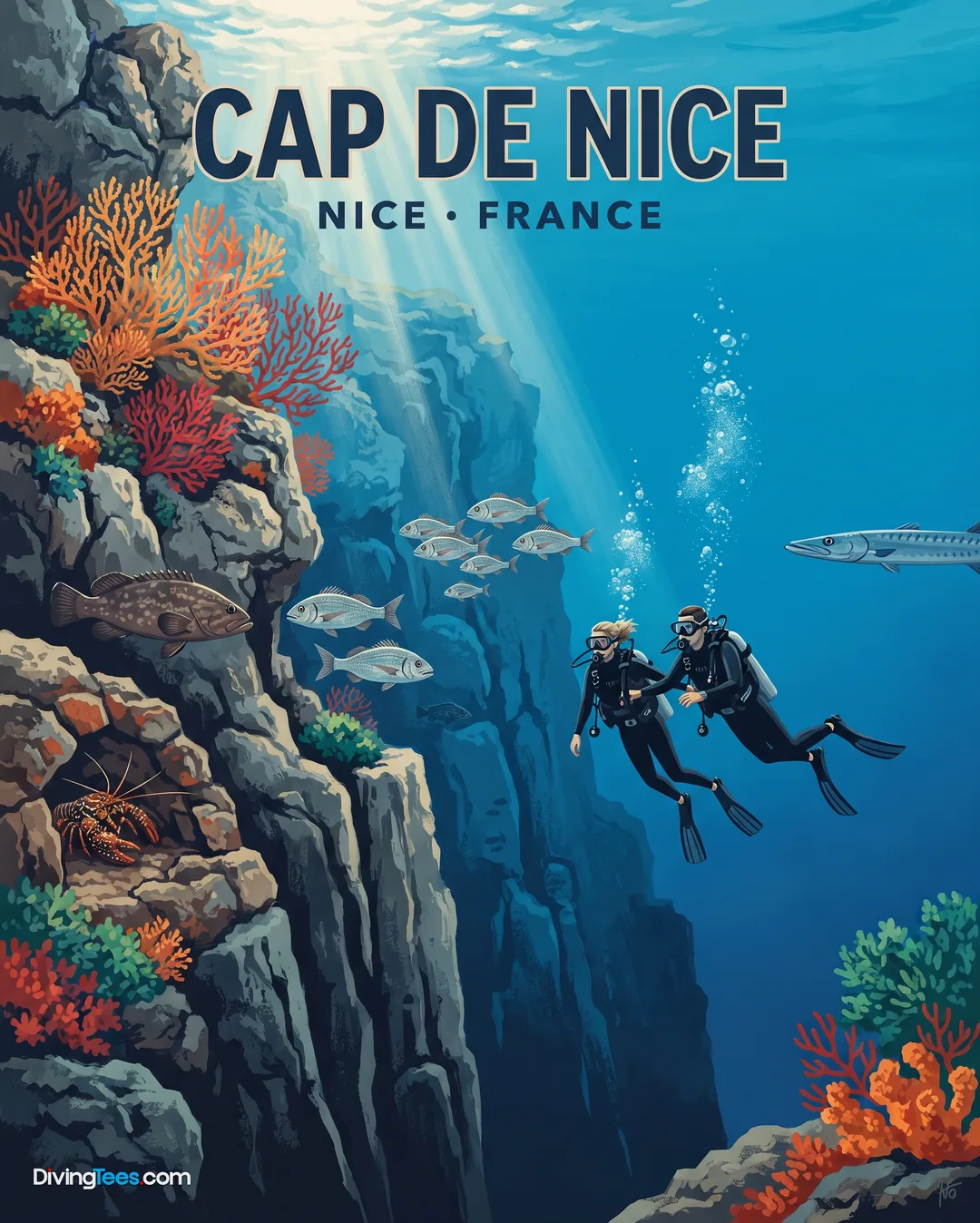
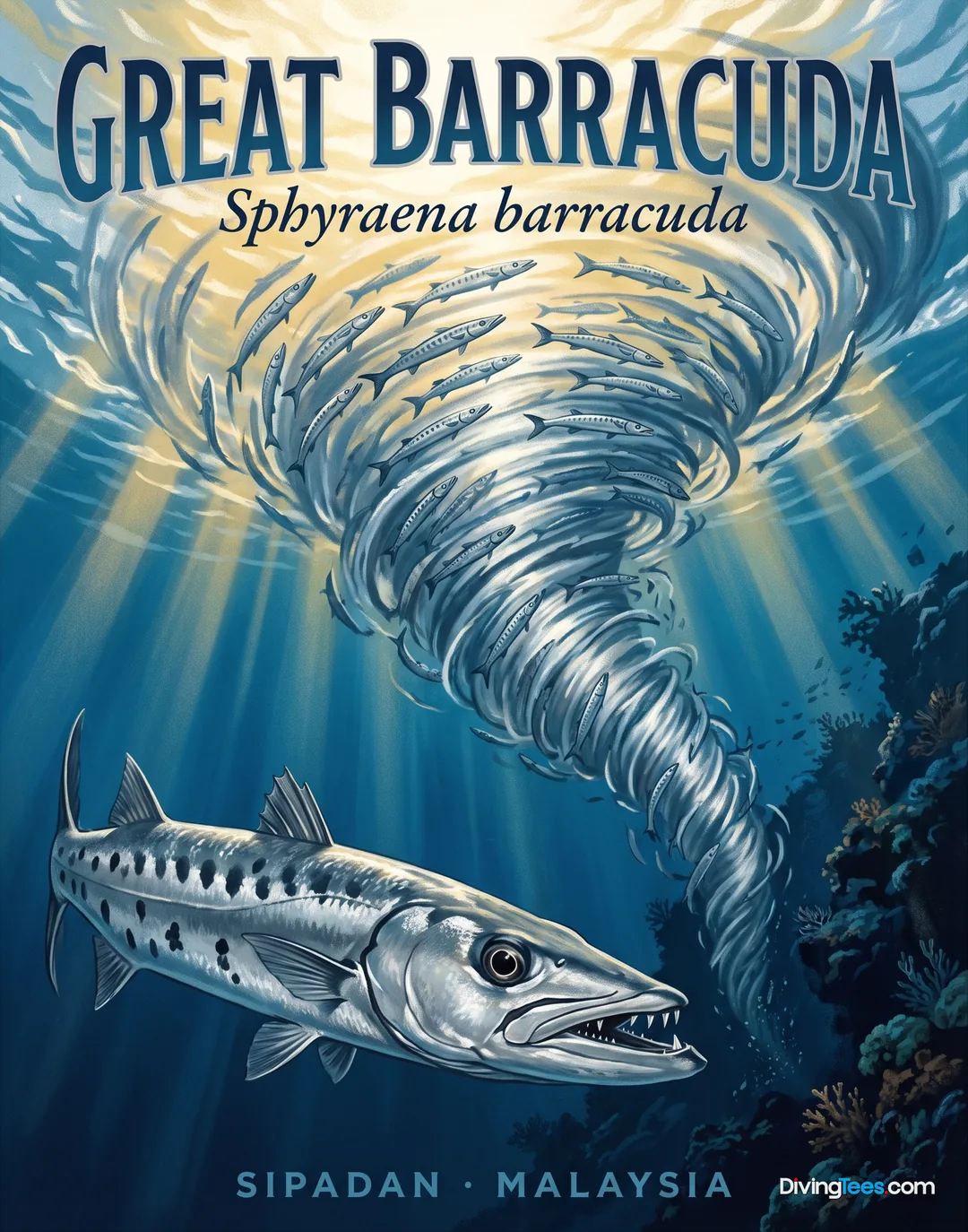
The likely reward is classic Mediterranean marine life rather than tropical spectacle. Brown groupers and dusky groupers hold station around rock and wall sections, while great barracuda may pass in open water. Common dentex, brown meagre and red scorpionfish add larger fish to the rocky background. Conger eels and moray eels occupy cracks and wreck spaces, rewarding a slow look into the structure rather than a fast circuit. Sponges, sea fans and nudibranchs provide the detail for divers who carry a camera or simply enjoy close observation. La Gabinière is particularly associated with concentrated grouper and barracuda encounters. The calmest, most workable period for spending time with this life is generally April to September, when the measured sea conditions are also most favourable; the exact encounter still depends on the site and the day.
April to September is the clearest planning window for Nice: the sea is measured as calmest during these months, while rainfall is lowest from April through August. That matters for a destination whose diving depends on boat departures rather than a sheltered house reef. September is specifically noted for stable conditions at Les Roches Quairolles. Summer brings the practical drawback of heavier tourist traffic and busier sites near the city, so April, early summer and September can offer a more comfortable balance between workable sea conditions and fewer people. A flexible day in the itinerary is sensible, since marine weather determines whether the intended boat programme runs.
Nice can suit newer divers on appropriate rock sites, including Les Roches Quairolles from Open Water, N1 or PE20 level. Deeper walls and the wreck call for more experience: Advanced Open Water, a comparable BSAC Level 2 qualification or equivalent is useful, with Deep training relevant to the 34- to 45-metre profiles. The Prophète is not a casual novice dive; variations in current and depth make logged experience and calm, disciplined buoyancy important. Nitrox is useful for repeated day-boat diving where the profiles suit it.
From London Heathrow, London Gatwick or Manchester, the journey starts by reaching Nice by air, rail or road; the practical issue is not a long overland transfer after arrival but matching the journey with the boat timetable. Confirm whether the departure is from Nice or Villefranche-sur-Mer before booking accommodation, because the two ports create different daily routines. Once in the city, the port is generally reachable on foot, by taxi or by local transport, depending on the neighbourhood. Allow enough margin between arrival and the first dive: a late connection can undermine an early boat departure even when the ports themselves are close. The same applies on the way home, when a final diving day should not be squeezed against onward travel.
Treat Nice as a boat-diving base, not as an urban beach break with an occasional splash. Before committing to accommodation, establish which port the day’s boat uses: Nice and Villefranche-sur-Mer are close on the map but not interchangeable when an early departure is involved. In a busy summer period, reserve the boat places in advance and keep one day flexible for a weather change rather than building the whole stay around a single exposed site. Ask whether the plan is La Gabinière, Le Prophète or Les Roches Quairolles, because the depth and experience required are not the same. Take a lamp for looking into wreck machinery, cracks and overhangs, and use a small camera setup only if it can be managed without contacting the rock or sea fans. Expect Mediterranean rock, walls and wreck life: groupers, barracuda, morays and nudibranchs, not tropical reef density or guaranteed large animals. Follow local boat traffic rules closely, stay clear of channels and respect surface markers in this active coastal area.
Three to five days works well for Nice: enough time for several day-boat outings without turning the trip into a purely underwater schedule. Diving can be paired with evenings on the seafront and a visit to Villefranche-sur-Mer or another nearby coastal village. A non-diving companion has plenty to do in the city, while a rest day can accommodate walking, surface swimming or culture. The compact urban base also makes a short combined city-and-sea break more practical than a remote diving holiday.
Hello, I'm Marina, DivingDeal.com's AI assistant. I guide you through destinations, areas and countries.
Thinking about the whole trip and the flights? Talk it over with Edith →
Marina is an AI. Some links are affiliate links: DivingDeal may earn a commission, at no extra cost to you. Bookings are made with the partner.
Your last day stays dry: no diving in the 18-24 hours before a flight, the perfect window to see the destination from another angle.
 Culture
⏱ 8 h · ★ 5.0 (107 reviews)
from £544$728€650
see on Viator ↗
 Culture
⏱ 3 h · ★ 5.0 (35 reviews)
from £59$78€70
see on Viator ↗
 City
City⏱ 8 h · ★ 5.0 (20 reviews)
from £1,340$1,791€1,600
see on Viator ↗
 City
City⏱ 2 h · ★ 5.0 (15 reviews)
from £38$50€45
see on Viator ↗
Ratings and reviews collected by Viator and Tripadvisor.
Plan your Nice diving between April and September, when sea conditions are generally calmest. Rainfall is lowest from April through August, and September is noted for stable conditions at Les Roches Quairolles. Summer can bring heavier tourist traffic and busier sites, so April, early summer or September may offer a more comfortable balance.
Nice can suit newer divers on appropriate rock sites, including Les Roches Quairolles. Deeper walls and the wreck require more experience, with Advanced Open Water, comparable BSAC Level Two or equivalent training useful. Deep training is relevant for deeper profiles, while variable current makes logged experience and calm, disciplined buoyancy important.
Nice offers Mediterranean rock, walls, drop-offs and wreck structure, with brown and dusky groupers around rocky sections and great barracuda in open water. Conger and moray eels occupy cracks and wreck spaces, while red scorpionfish, sponges, sea fans and nudibranchs reward slower observation around the terrain.
Treat Nice as a boat-diving base and confirm whether each departure leaves from Nice or Villefranche-sur-Mer before booking accommodation. Reserve boat places during busy summer periods, keep a flexible day for weather changes, and allow travel margin around diving. The city also suits evenings, coastal visits and companions who do not dive.