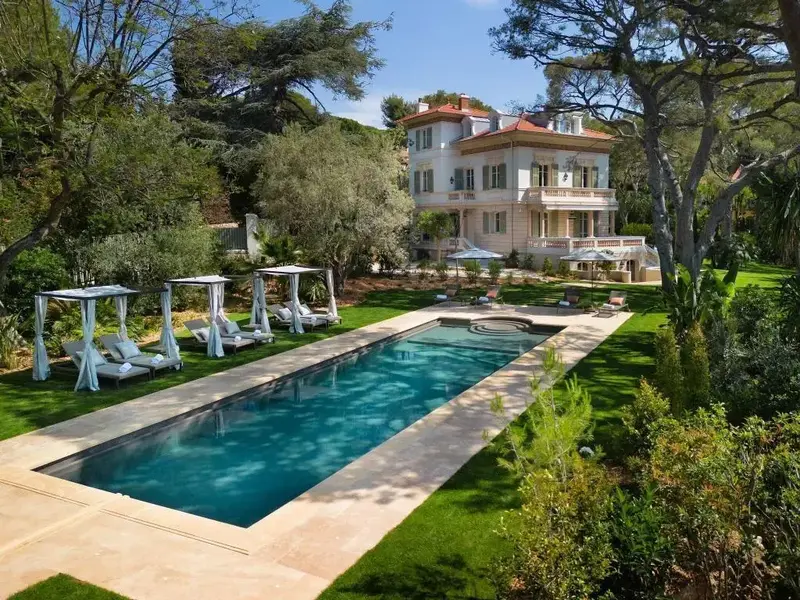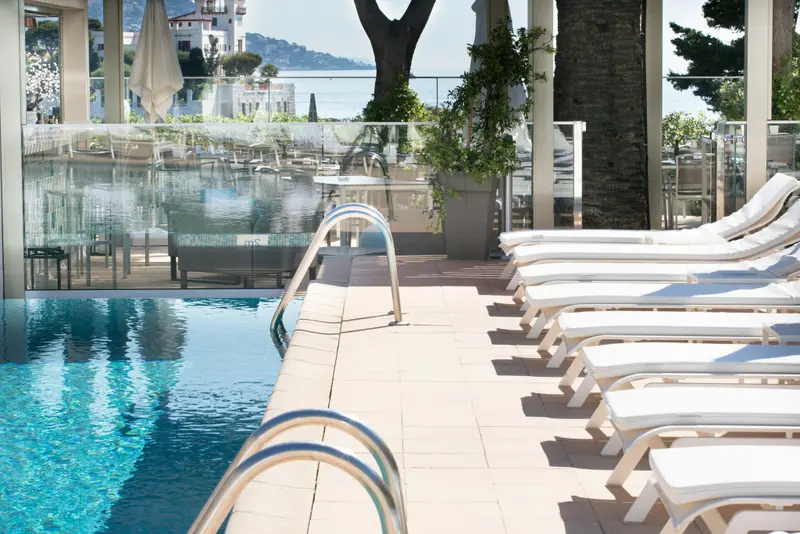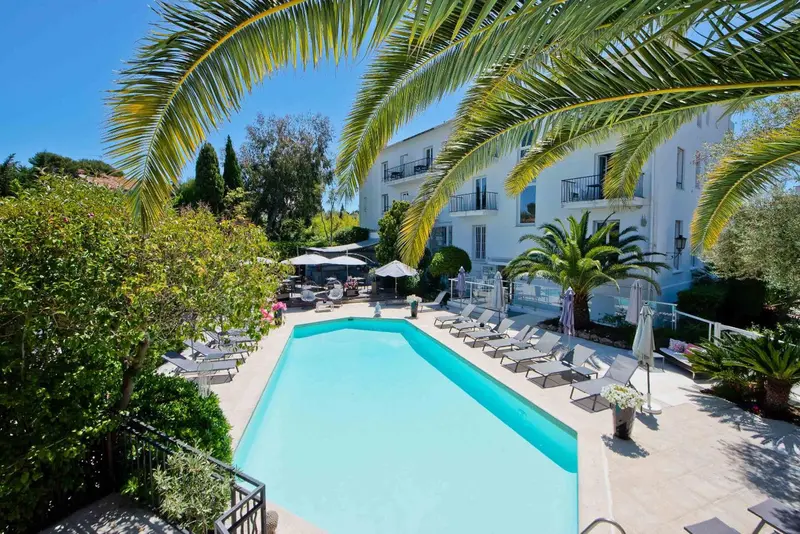
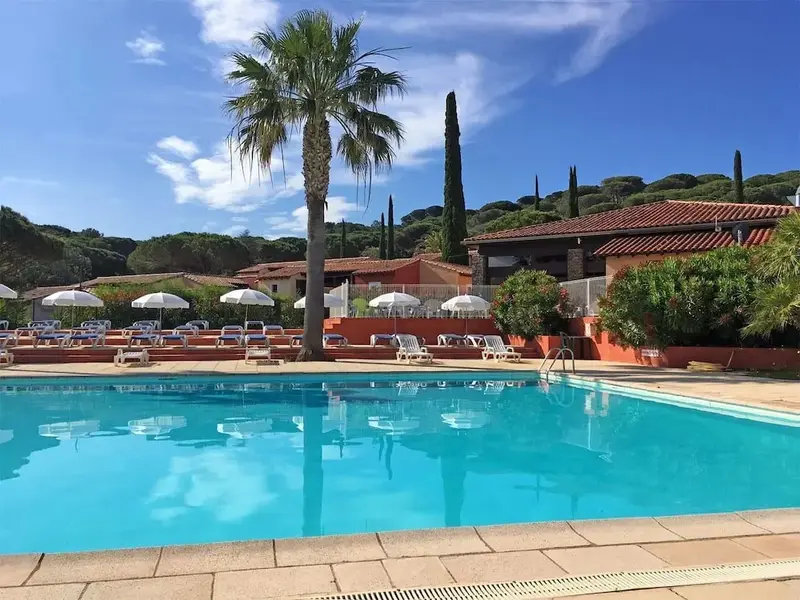
 Dive centre in the hotel
Ramatuelle Village Vacances
★★★
Google 4.1/5 (1,041 reviews)
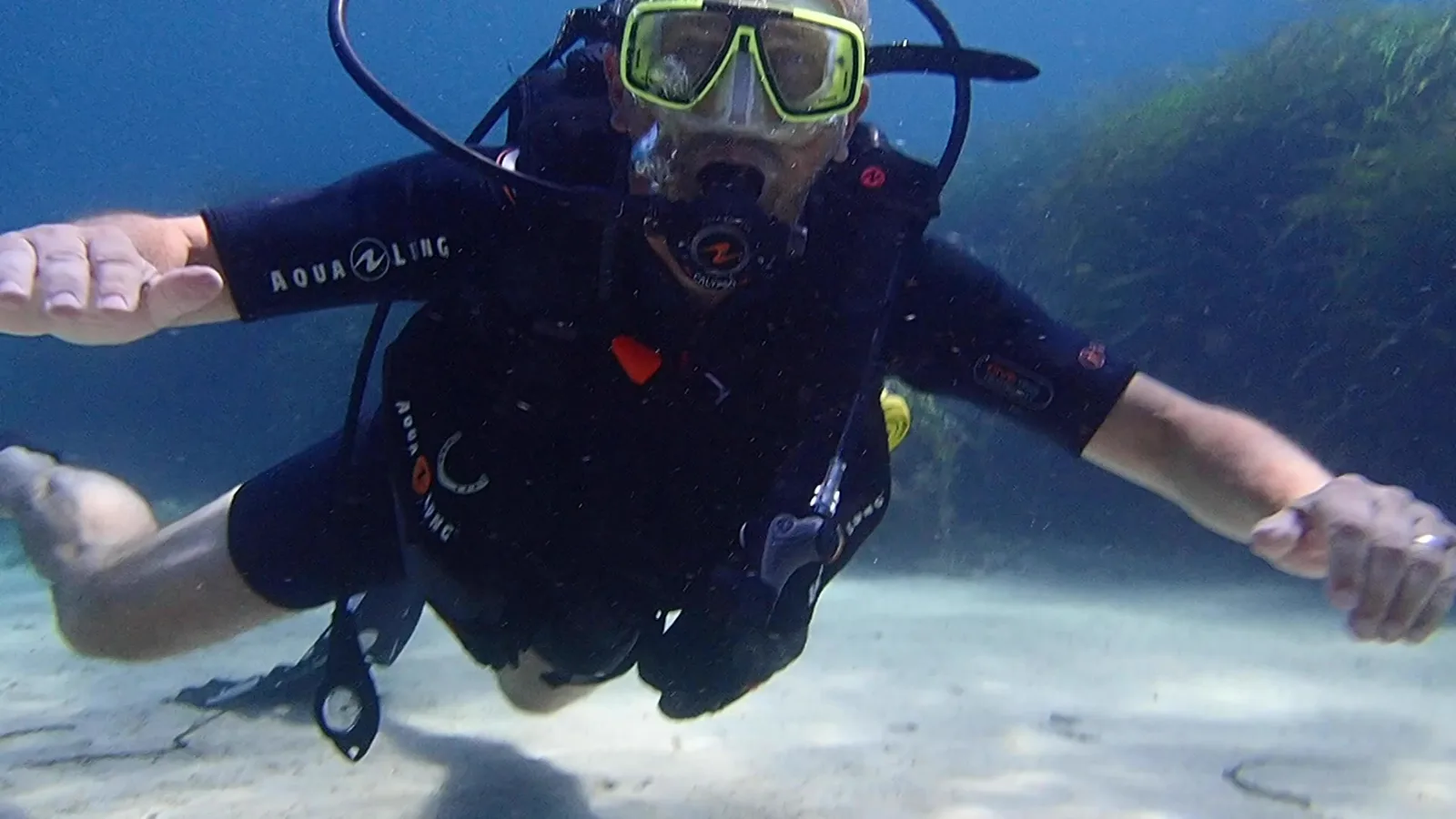
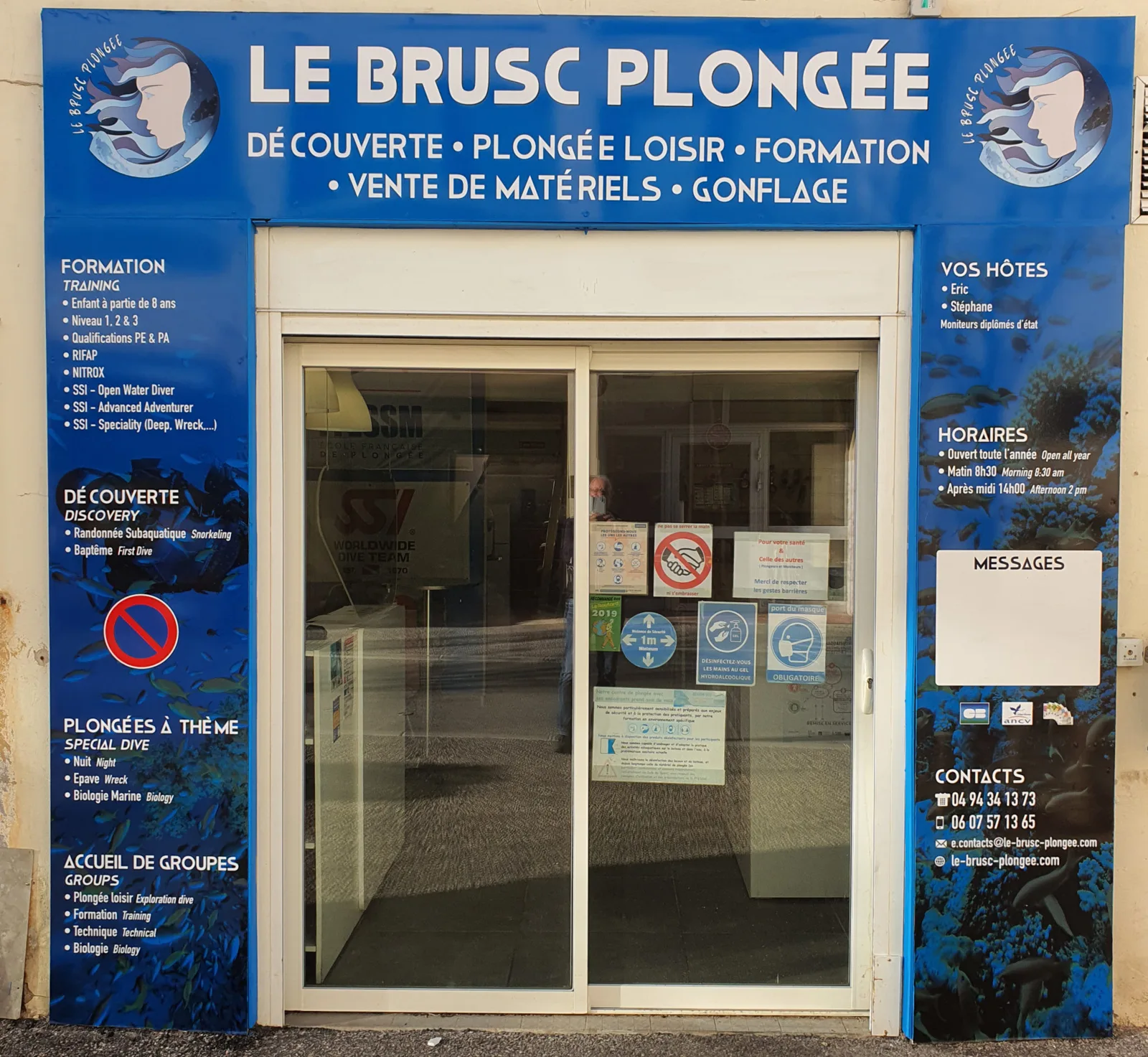
The dive centre
CAP CAMARAT PLONGEE
FFESSM
Google 4.9/5 (286 reviews)
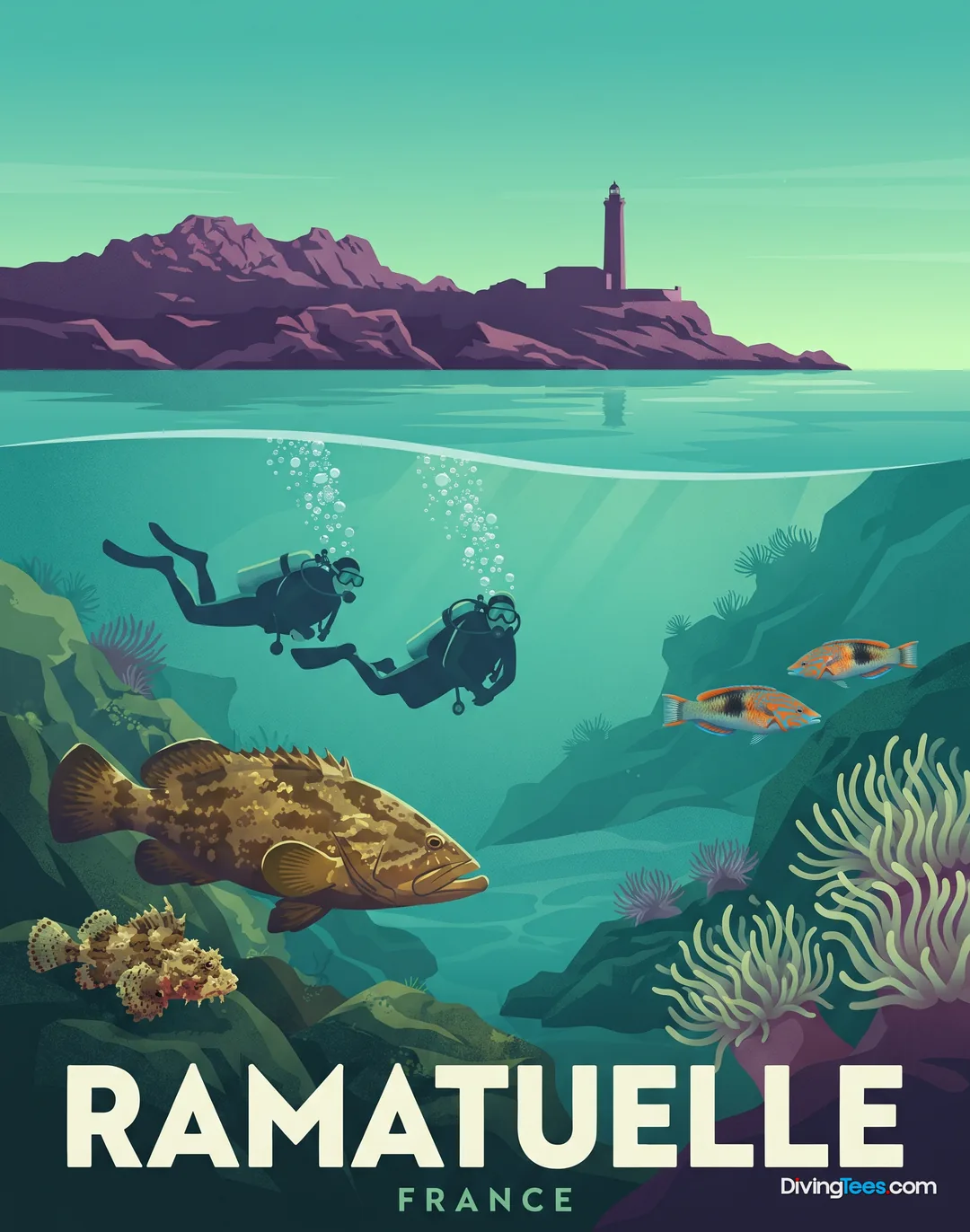
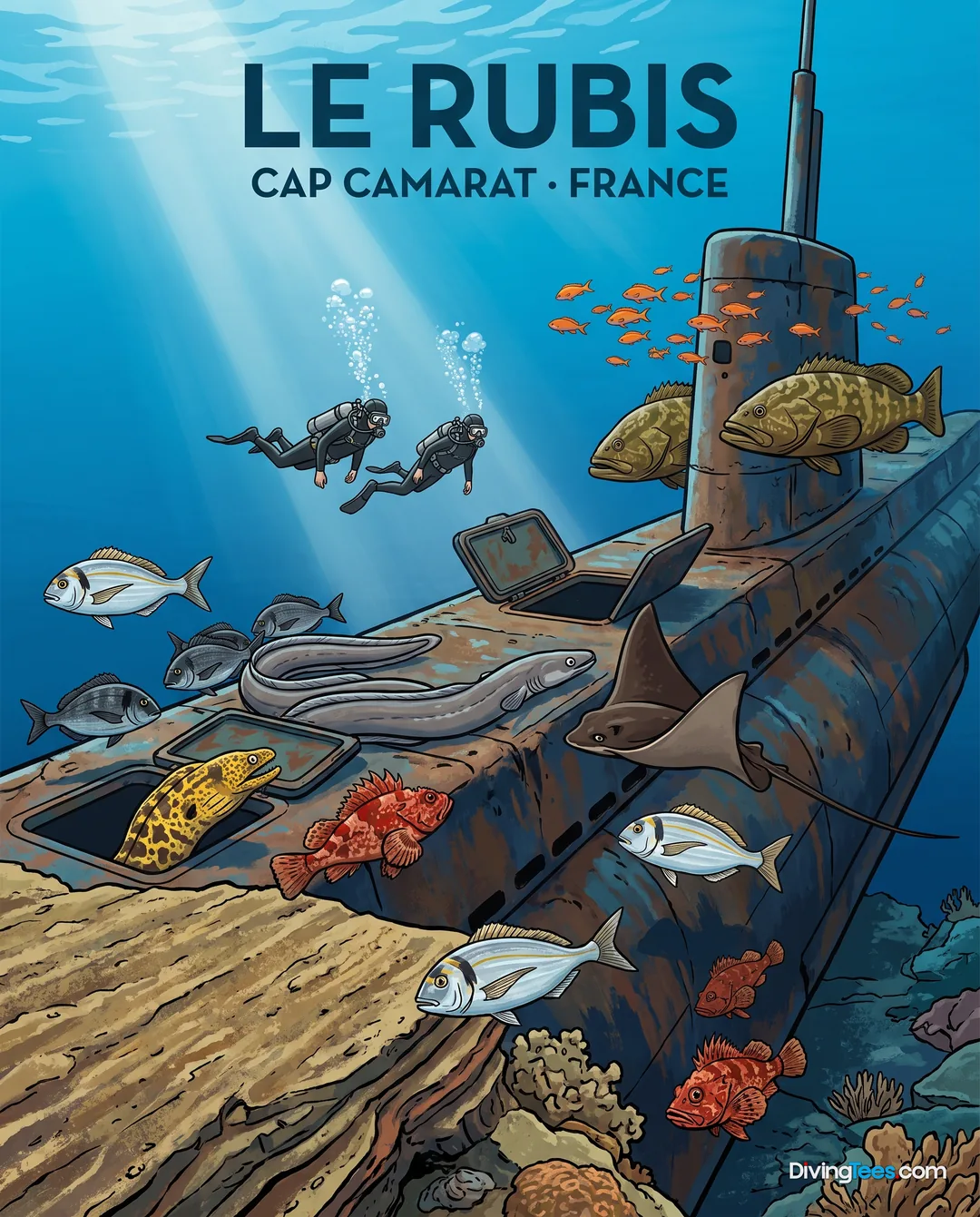
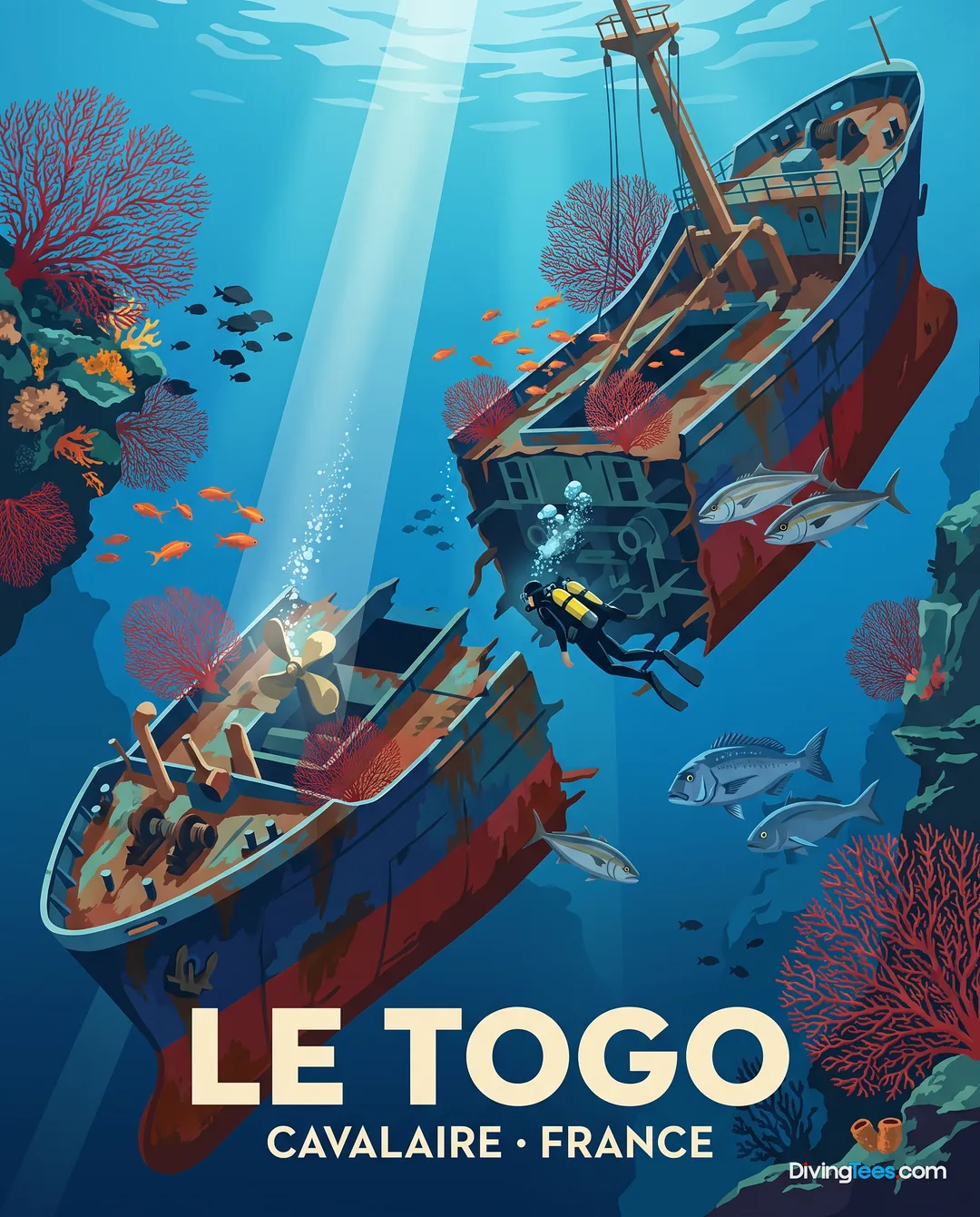
Dives: Le Rubis, Le Togo, L'Espingole
France · Mediterranean
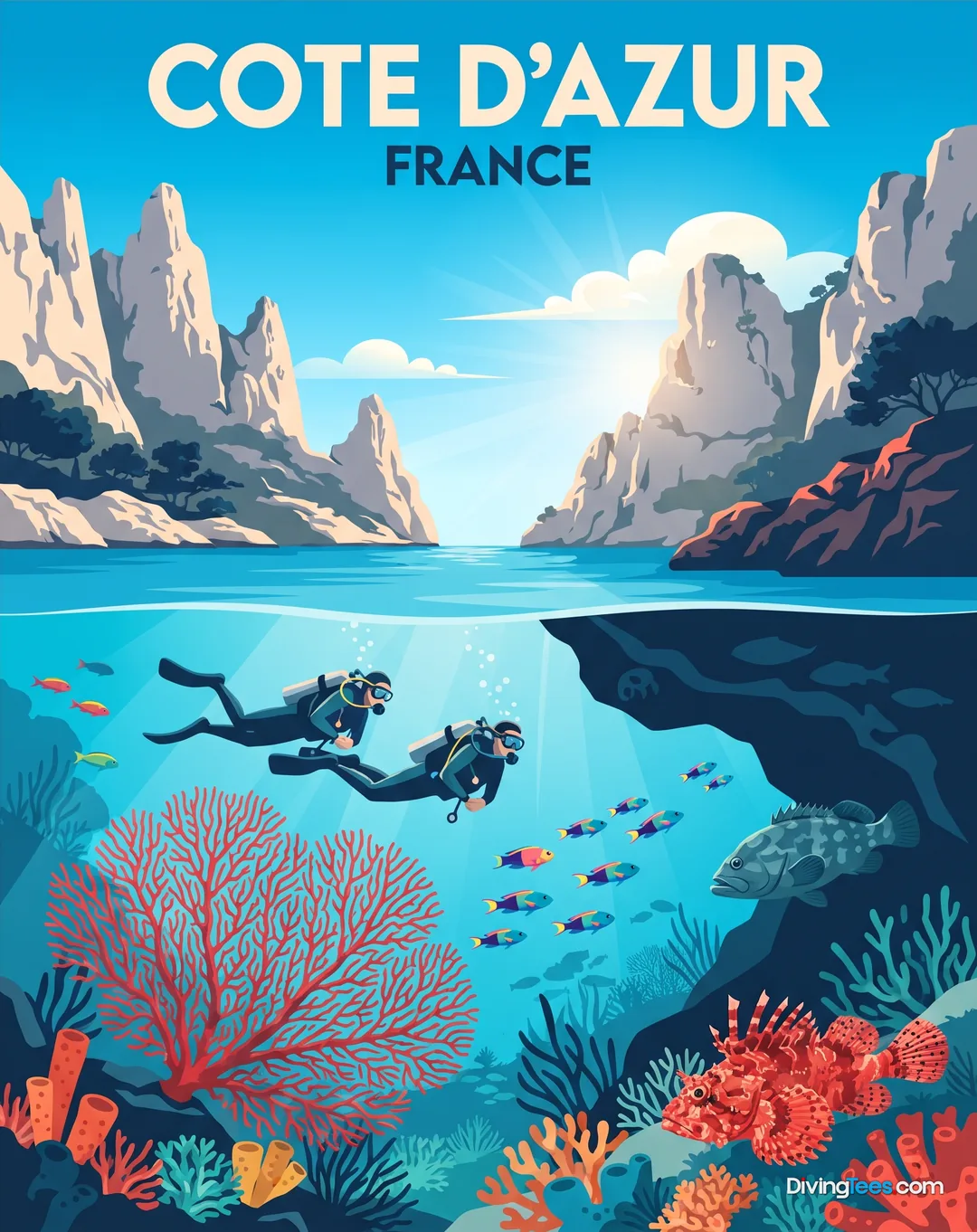
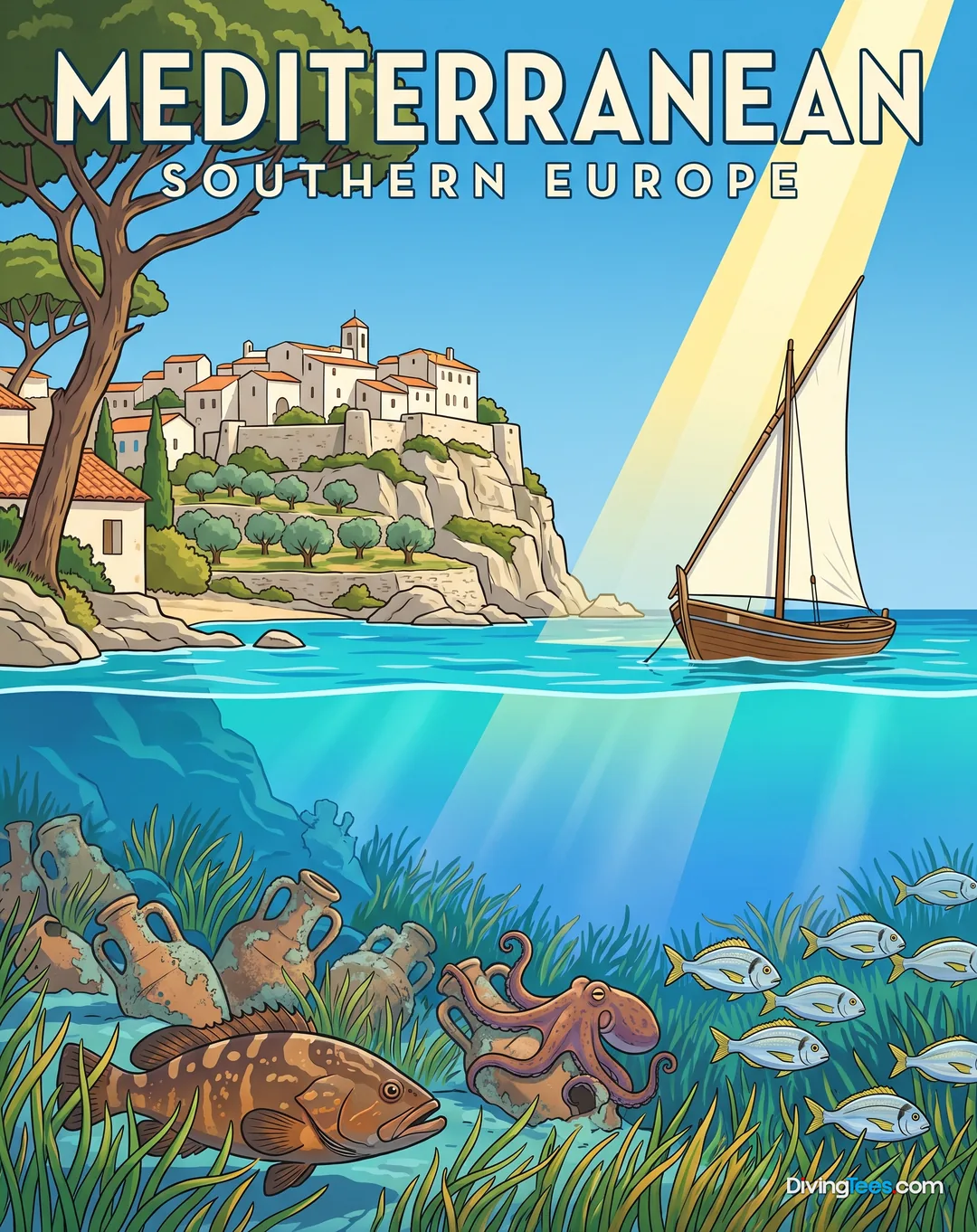
Rocky walls, Posidonia seagrass, wrecks and brown grouper shape boat diving along the Côte d’Azur, with Les Petites Tinyes dropping from 10 to 30 metres.
For subtitles in English: start the video firstthen click the gearat the top right of the video, select “Subtitles/CC”, then “Auto-translate” and choose “English”.
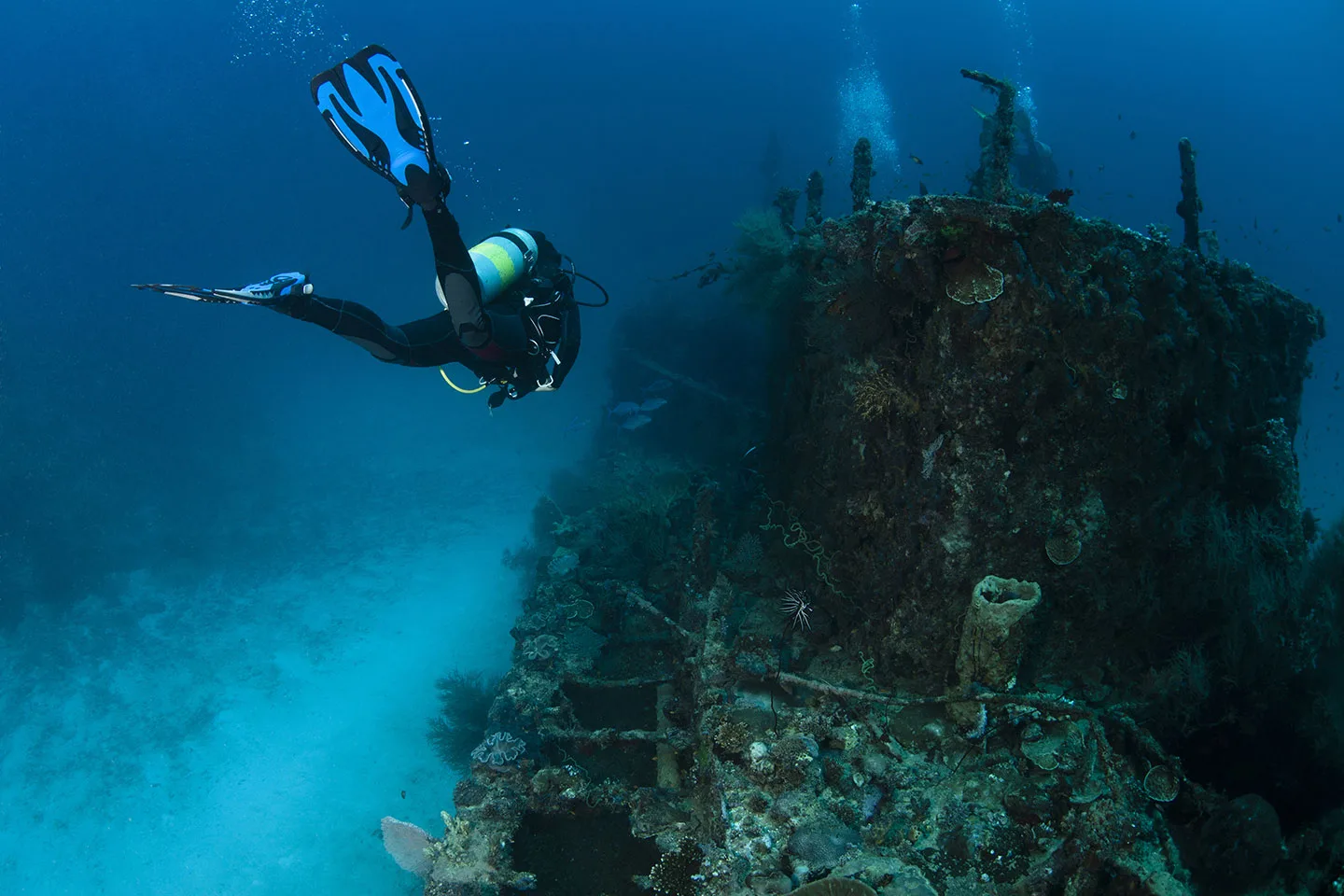
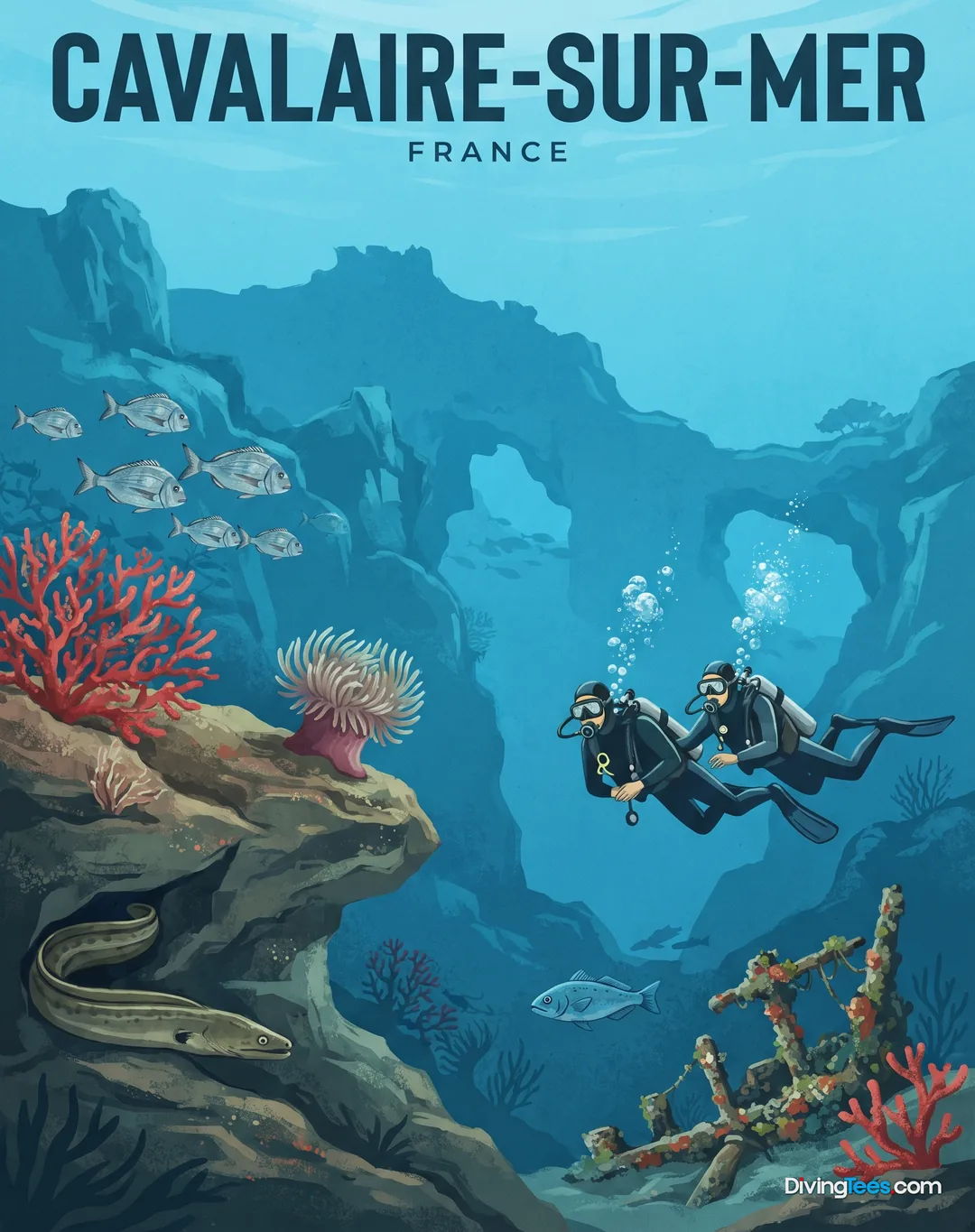
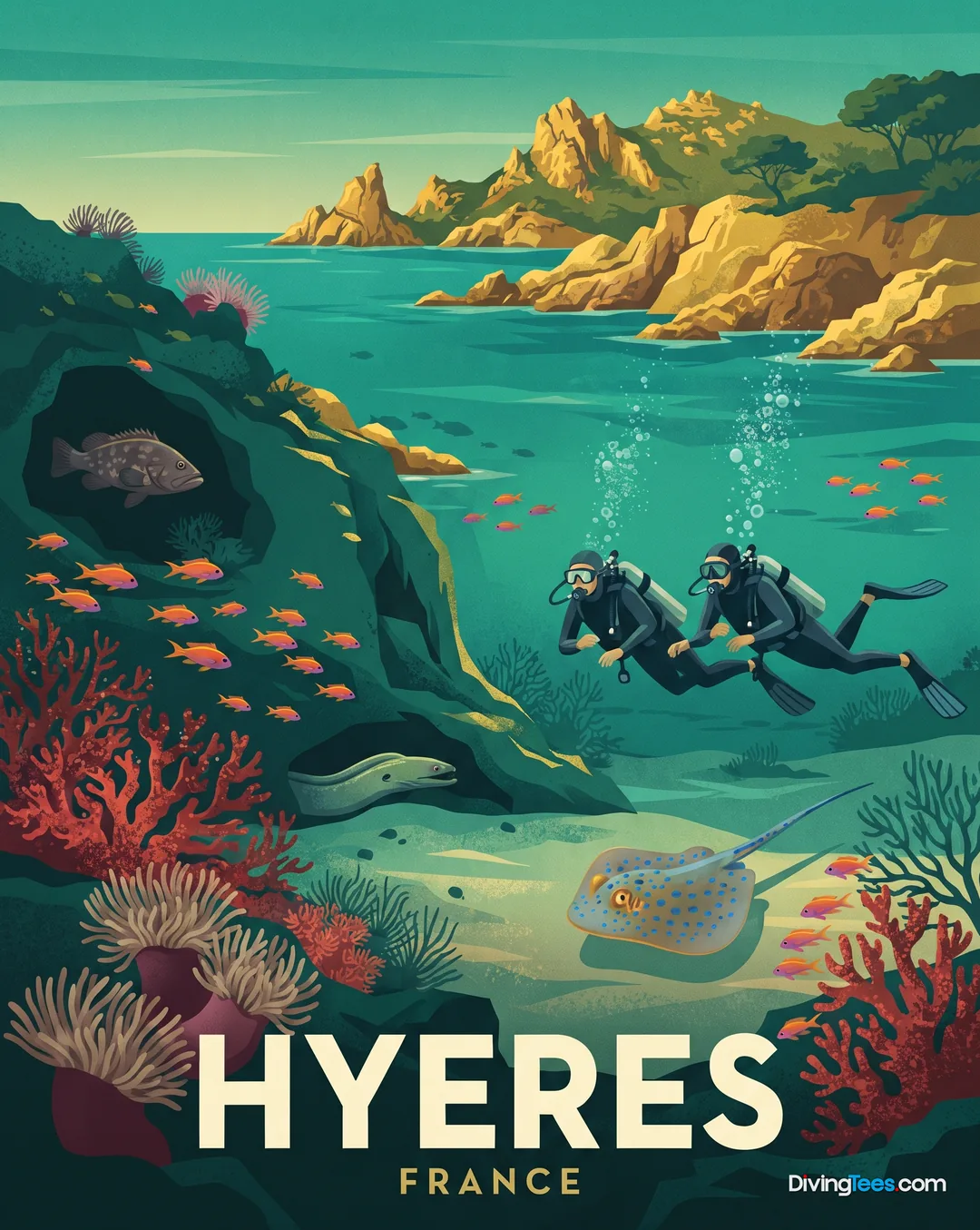
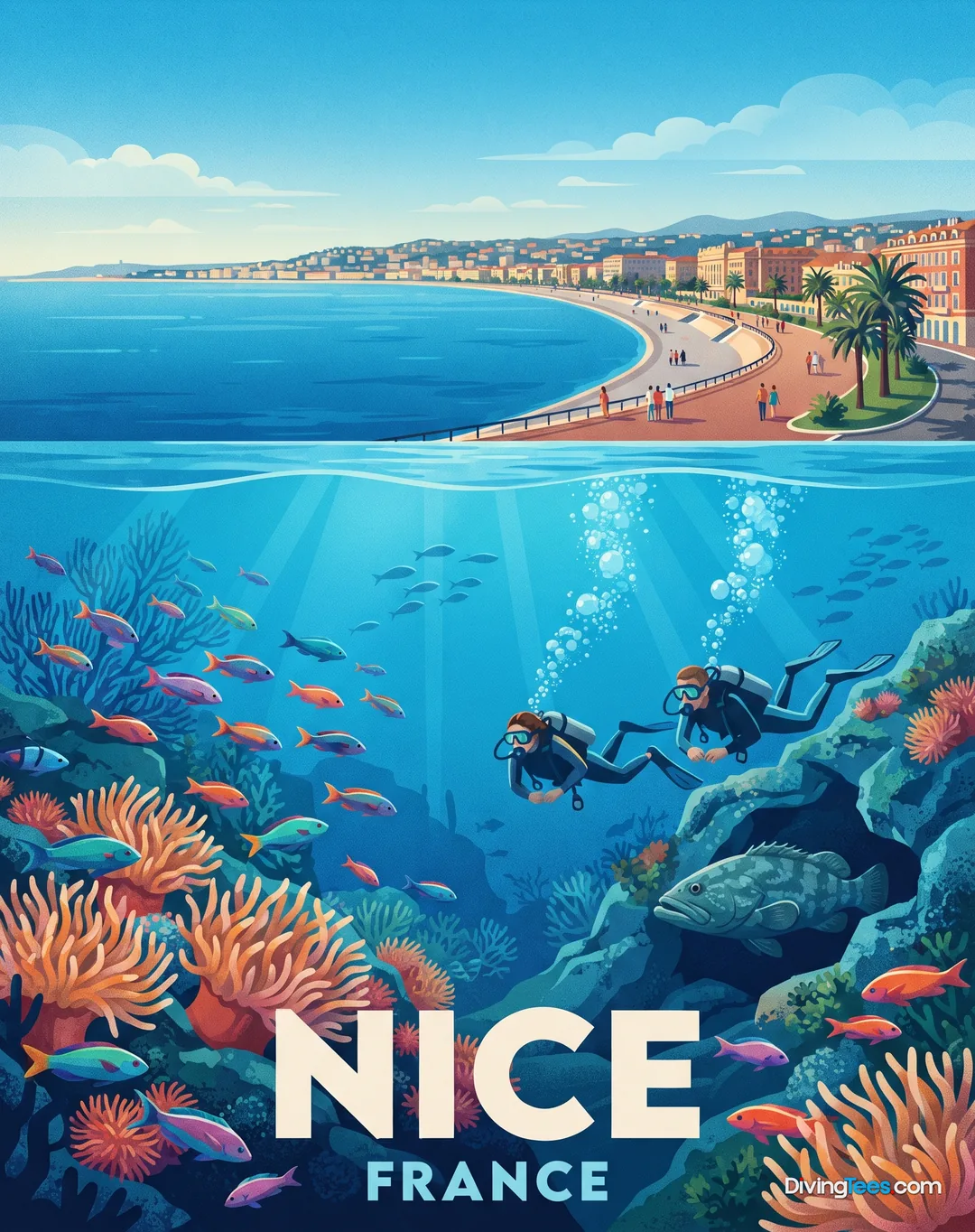
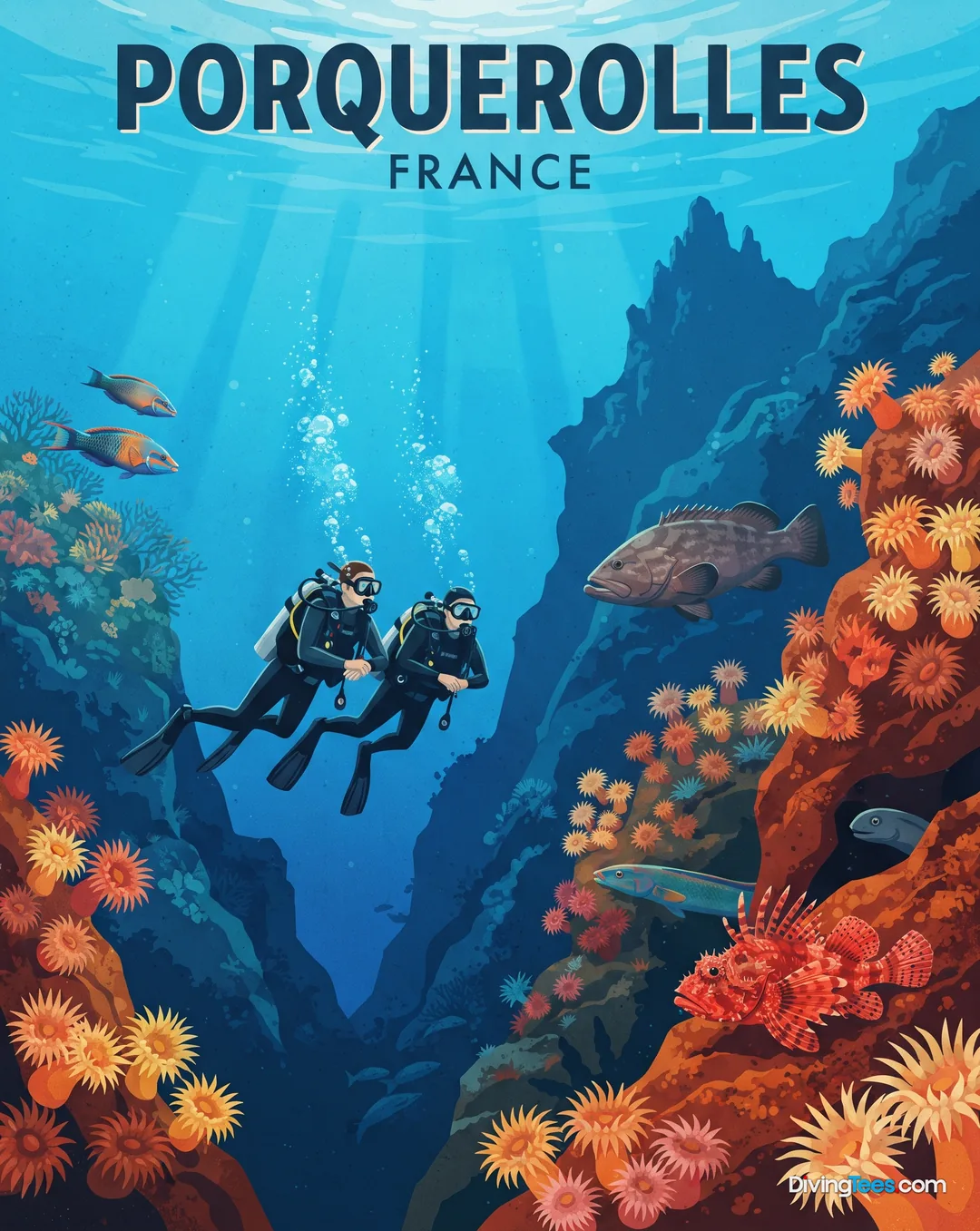
The Côte d’Azur is a Mediterranean shore-based diving destination built around boat trips from working coastal ports. Below the surface, the scenery is rock rather than coral: walls, shoals, boulders, outcrops and Posidonia seagrass, with wrecks adding a different kind of structure. Les Petites Tinyes illustrates the character well, combining boulders and rocky outcrops between 10 and 30 metres. Port-Cros adds protected underwater territory, while the towns, islands and waterfront promenades make this a practical choice for a mixed diving and sightseeing holiday.
Expect predominantly boat-based diving, with rocky walls, pinnacles, reefs, wrecks and seagrass beds providing the main interest. The profiles range from relatively shallow, sheltered terrain to deeper sections, and Les Petites Tinyes asks an advanced diver to manage changing relief between 10 and 30 metres. Current is variable rather than a constant feature, but topography, wind, swell and boat traffic can all affect the feel of a dive. Visibility also changes from site to site and may deteriorate with swell, wind or plankton, so it is unwise to judge the destination by a single report. The practical rhythm is usually a day’s diving from a local marina, with the final choice of island or exposed headland made according to the sea state. Advanced, Nitrox and wreck qualifications are useful when deeper or repetitive profiles form part of several consecutive days.
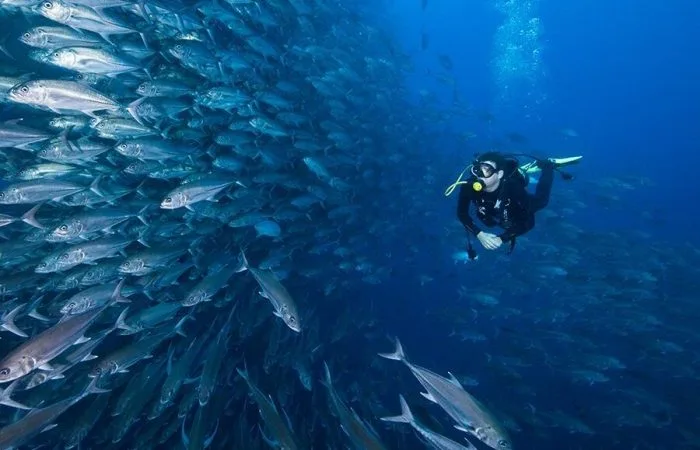
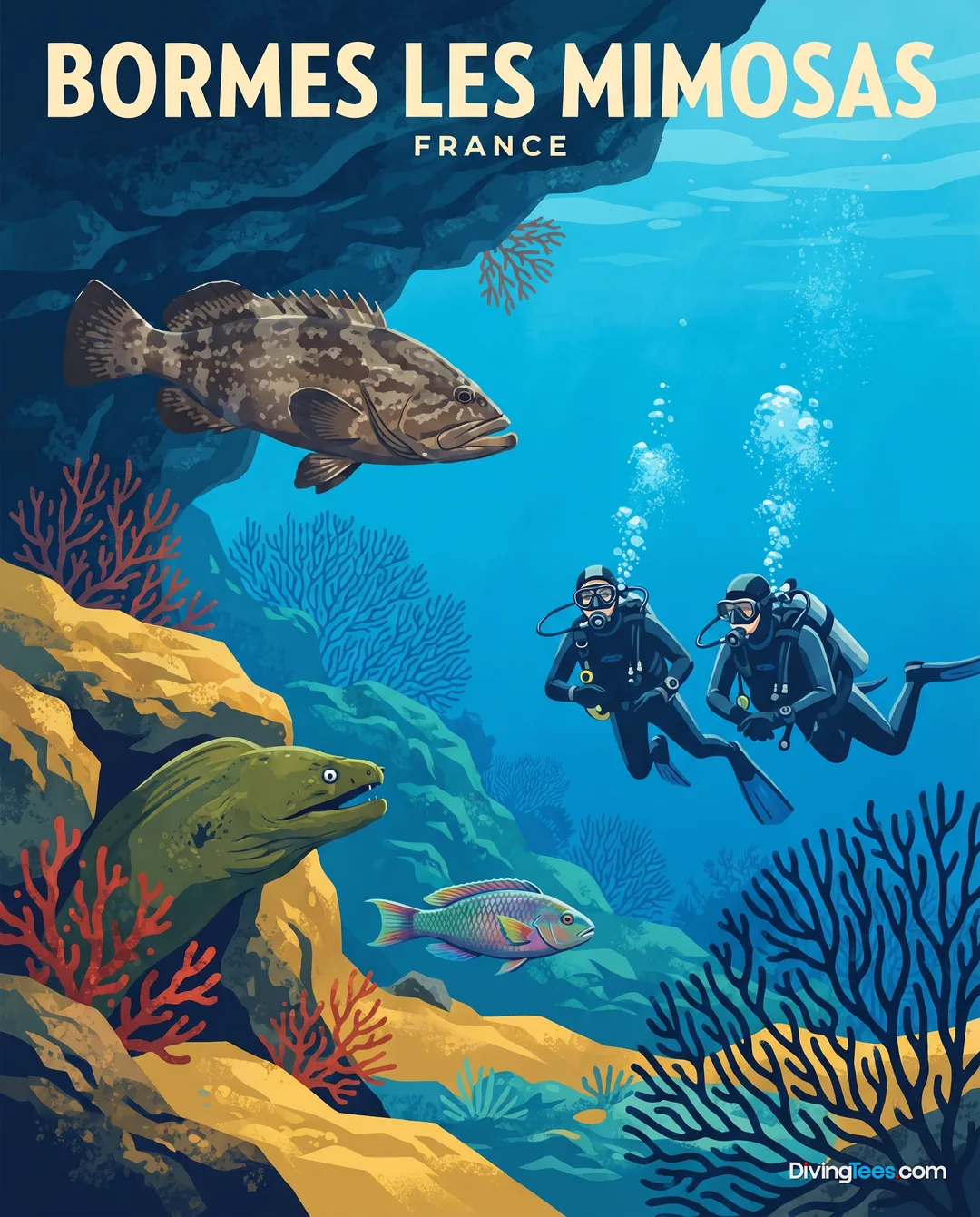
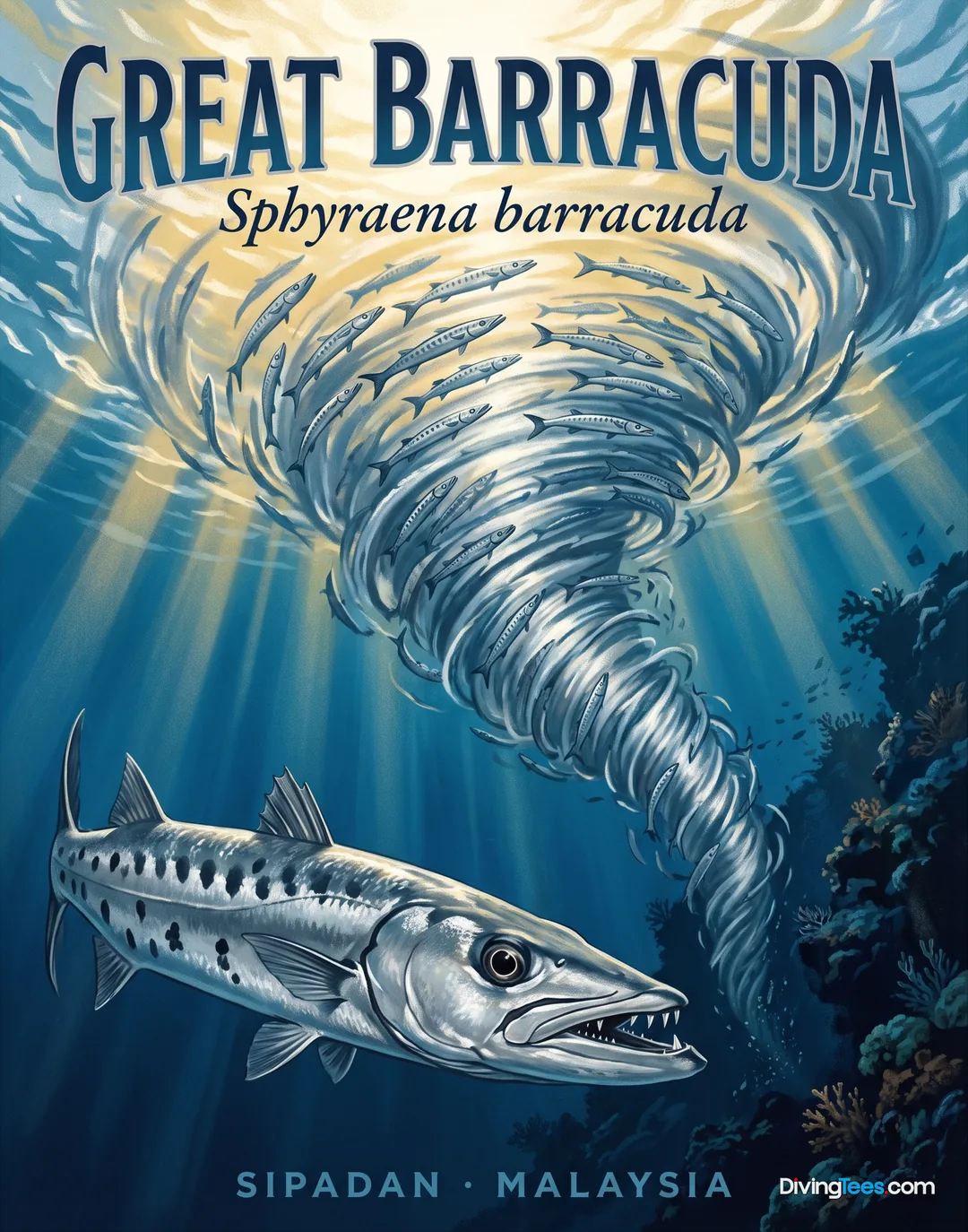
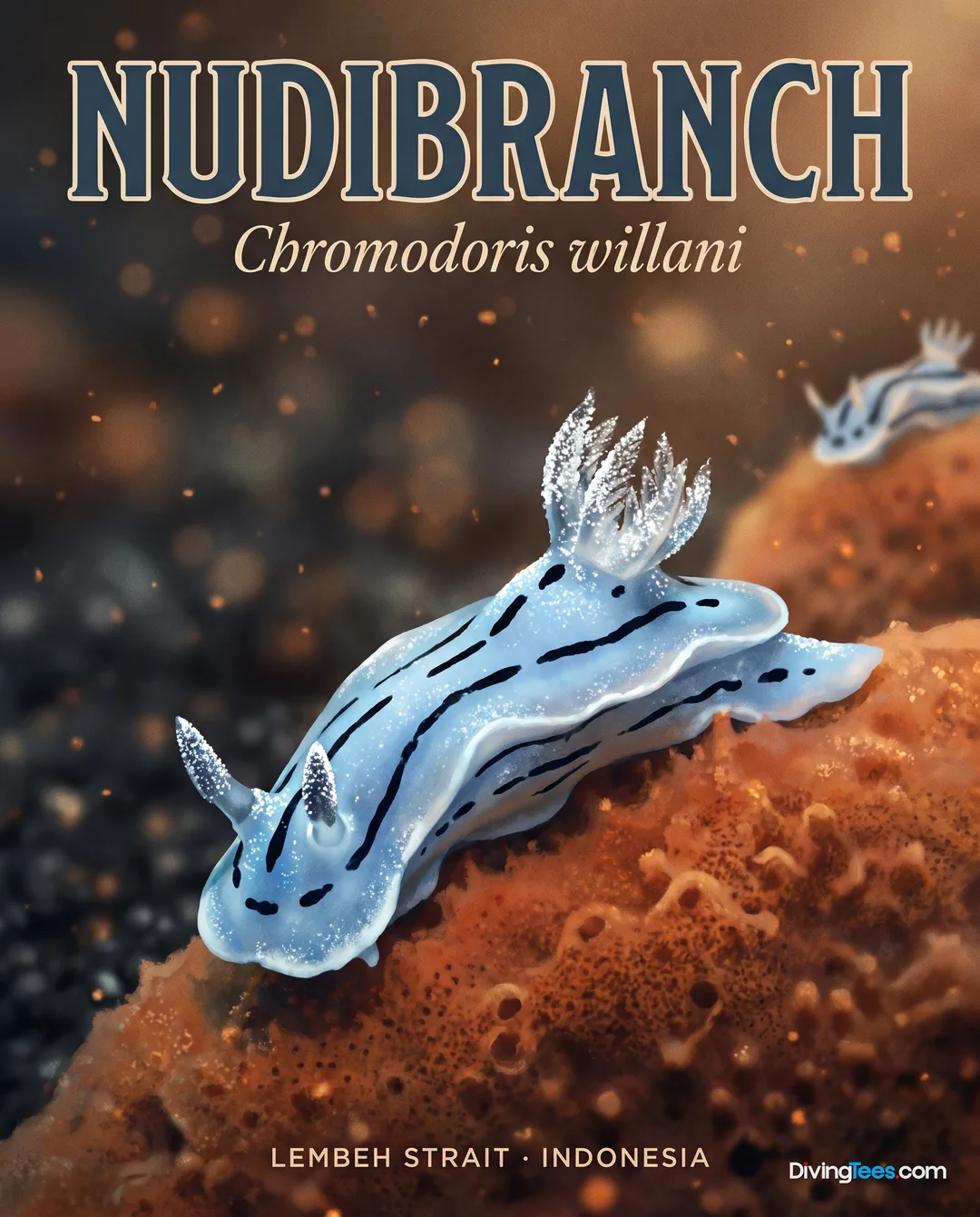
The wildlife is Mediterranean and often rewards a slower search of rock faces, boulders and seagrass rather than a quick scan for large tropical animals. Brown grouper, dentex and barracuda are regular seasonal possibilities, with grouper and barracuda most associated with summer and early autumn, and dentex particularly expected in summer. Stingrays may turn up from spring through autumn, although they are occasional rather than dependable. Spring is a good period for nudibranchs, especially for divers prepared to examine the smaller surfaces around the reef. Protected areas such as Port-Cros can support greater density and larger fish, while exposed walls and rocky points are the more sensible choice when the aim is to see mobile fish.
June to October is the useful window for a Côte d’Azur diving stay. From late spring into early autumn, the sea is generally more workable, marine life is more active and repeated boat departures are more comfortable to organise. Summer brings the strongest chance of brown grouper, dentex and barracuda, although it also brings the heaviest visitor pressure around easy island sites. September and October can offer a calmer shore-side atmosphere while retaining the early-autumn wildlife interest. November to March is a less comfortable proposition: colder water, more unsettled sea conditions and fewer suitable days make a run of planned dives harder to protect. A full-length 5 mm suit, or equivalent thermal protection, is a sensible baseline for most visiting divers.
All levels can find suitable diving here, provided beginners stay with sheltered sites and proper supervision. The variable visibility, boat procedures and uneven rock relief reward confident buoyancy and calm navigation. Les Petites Tinyes is better suited to advanced divers because of its 10–30-metre range, varied topography and potentially changing current. PADI, SSI and BSAC divers should find their experience readily transferable. Advanced certification helps with deeper profiles, Nitrox is useful for several days of repetitive diving, and a wreck qualification adds value where wreck sites form part of the programme.
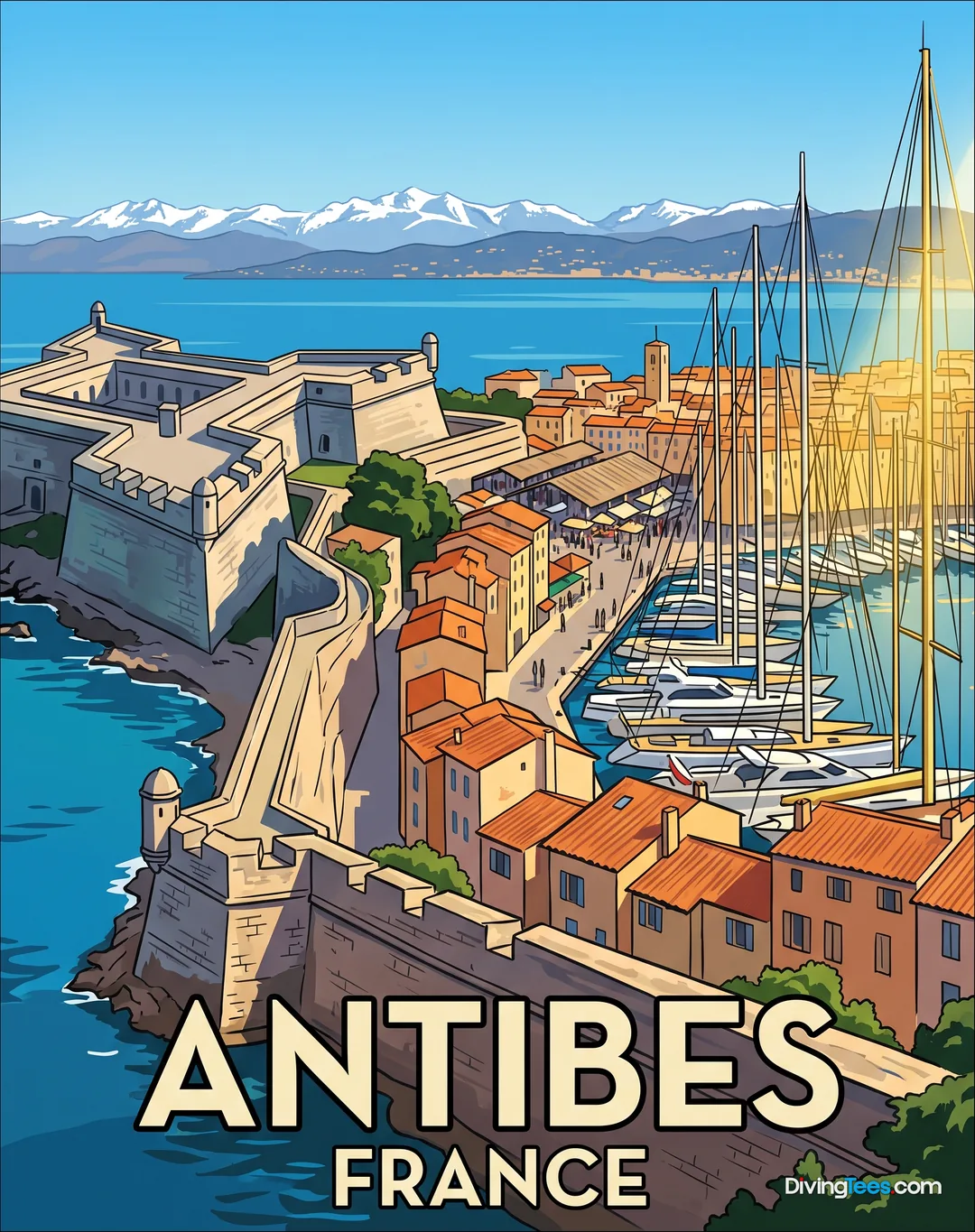
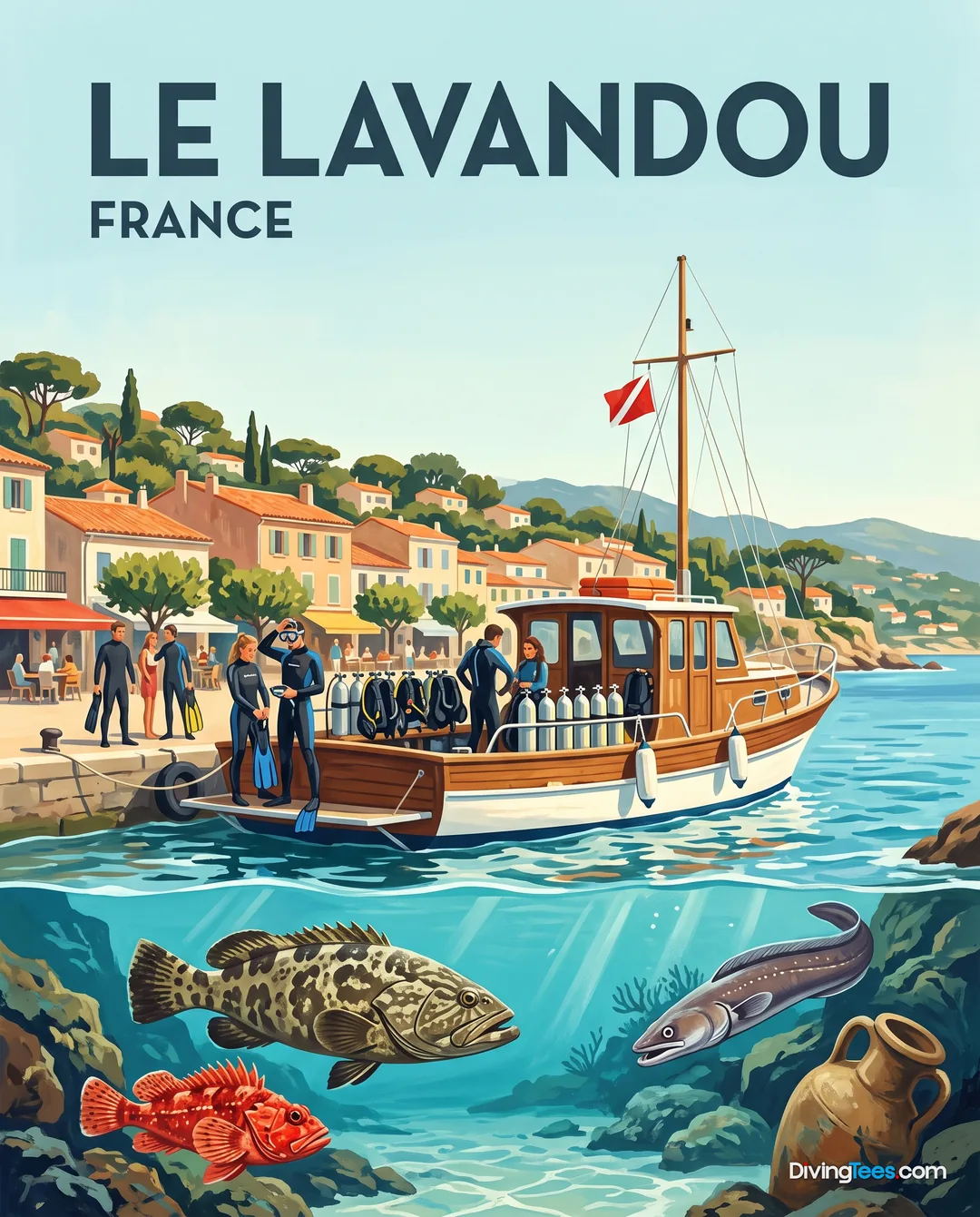
From London Heathrow, Gatwick or Manchester, the Côte d’Azur is reached by air, while rail and car travel are also workable options for the French coast. The important structural point is that there is no compulsory ferry crossing for the destination itself: the journey ends at a coastal town, then diving continues by boat from a local port. Useful departure bases include Nice, Antibes, Cannes, Fréjus, Saint-Raphaël and Hyères, but they are not interchangeable for every trip, so the port should be settled before booking accommodation. Once there, centres are commonly close to marinas and waterfronts, making walking practical in resort areas; elsewhere, a taxi or car is the sensible link. Boat departures remain weather-dependent even when the land journey is straightforward.
Book the most wanted dives early in the stay. A change in wind or swell can remove a planned island or protected-area outing, and leaving the key dives until the final day gives no room to recover. Keep at least one flexible day rather than building a tightly packed schedule. Staying close to the departure port is worth more than choosing accommodation inland: it cuts the morning transfer and makes a last-minute change of port less awkward. Take a proper 5 mm suit or comparable thermal setup; successive Mediterranean dives are much less enjoyable when the first immersion has already left the diver cold. Morning departures are usually the sensible choice for sought-after sites, before group traffic and surface disturbance build. In Port-Cros, expect controlled navigation, mooring and access arrangements, and never anchor, collect specimens or touch the seabed. The destination rewards buoyancy and observation, not a tropical-style search for constant spectacle.
A four- to seven-day land-based stay allows several boat days without treating every morning as a gamble. The ports can be used as separate bases, although moving between them is more practical by car or taxi than on foot. A sensible pattern is to place the more exposed island, wall or wreck outings early, retain a weather day, and leave time for a town, coastal walk or island visit. Non-divers are well served by beaches, promenades, boats, markets and maritime museums, so the trip need not revolve around diving alone.
Hello, I'm Marina, DivingDeal.com's AI assistant. I guide you through destinations, areas and countries.
Thinking about the whole trip and the flights? Talk it over with Edith →
Marina is an AI. Some links are affiliate links: DivingDeal may earn a commission, at no extra cost to you. Bookings are made with the partner.
In each one, the dive centre is inside the hotel: step out of your room and go diving.
Dive centre in the hotel★★★
Google 4.1/5 (1,041 reviews)
The dive centre
CAP CAMARAT PLONGEE
FFESSM
Google 4.9/5 (286 reviews)
Dives: Le Rubis, Le Togo, L'Espingole
For diving on the Côte d’Azur, aim for June to October. Late spring through early autumn generally brings more workable seas, active marine life and easier boat departures. Summer favors brown grouper, dentex and barracuda, while September and October offer a calmer shore-side atmosphere.
Beginners can find suitable diving on the Côte d’Azur when staying with sheltered sites and proper supervision. Confident buoyancy and calm navigation help with boat procedures, changing visibility and uneven rock relief. Les Petites Tinyes suits advanced divers because its 10 to 30 metre range, varied topography and potentially changing current add complexity.
Expect Mediterranean rock scenery rather than coral, with walls, shoals, boulders, outcrops, wrecks and Posidonia seagrass. Brown grouper, dentex and barracuda are seasonal possibilities, especially around exposed rocky points and during summer. Spring suits nudibranch searches on sheltered rock surfaces, while Port-Cros can offer greater fish density and larger fish.
Plan a four to seven-day land-based stay around boat departures from a port such as Nice, Antibes, Cannes, Fréjus, Saint-Raphaël or Hyères. Book wanted dives early, keep a flexible weather day, and stay near the departure port. Place exposed island, wall or wreck outings early, then allow time for shore activities.