
Tiki Dive
Google 4.9/5 (288 reviews)
France · Mediterranean
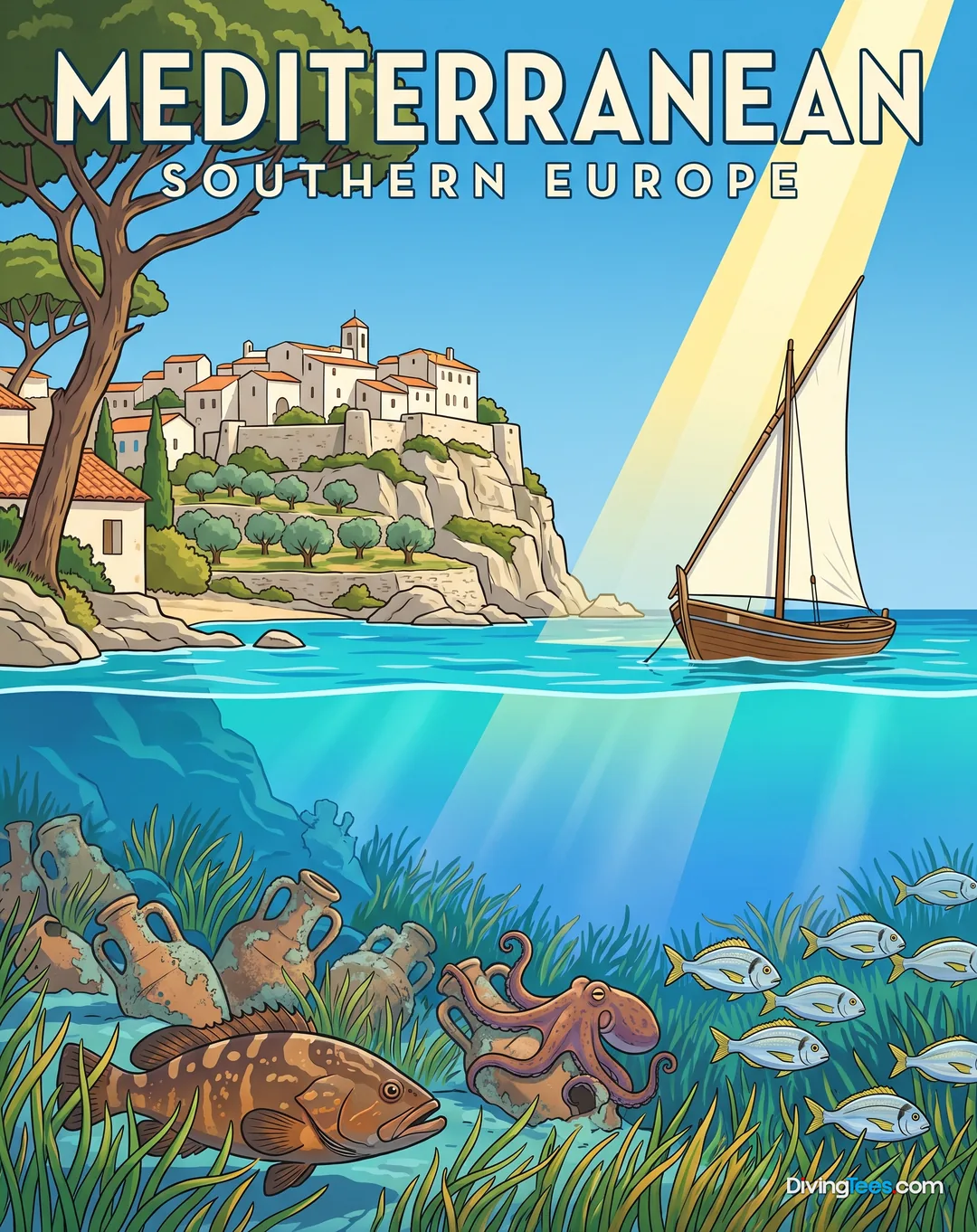
Steel wrecks at depth, red gorgonians, Posidonia meadows and rocky caves: Cavalaire-sur-Mer puts boat diving, Port-Cros and the Var coast into one shore-based stay.
For subtitles in English: start the video firstthen click the gearat the top right of the video, select “Subtitles/CC”, then “Auto-translate” and choose “English”.
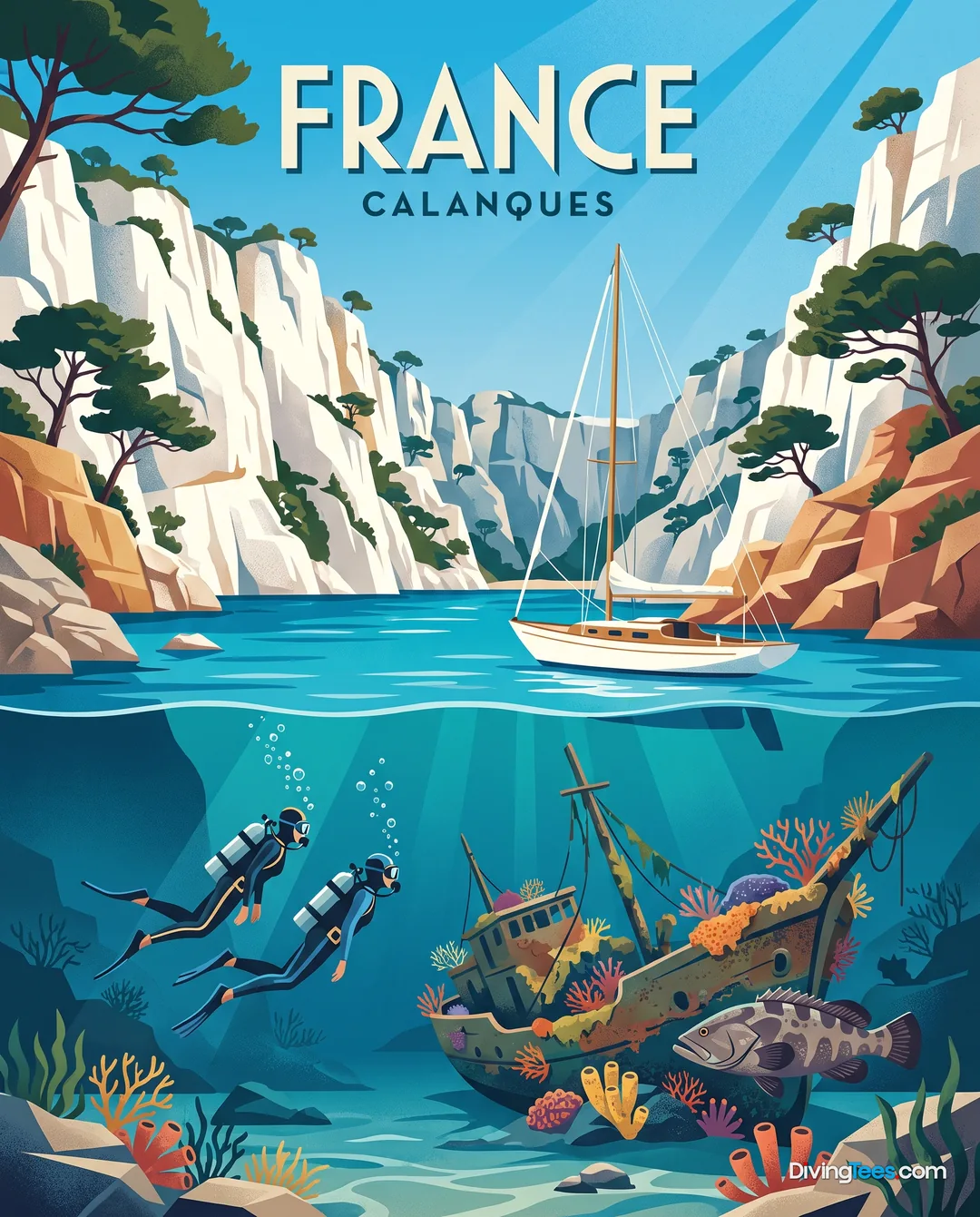
Le Togo stands upright in the Bay of Cavalaire, its steel structure running down into the blue from 38 to 61 metres. That wreck is the destination’s deep-water calling card, but Cavalaire is not solely a wreck stop. Boat trips also reach rocky reefs, caves, overhangs and protected areas near Port-Cros. It suits divers who want a land-based Mediterranean holiday, with several days of diving and a proper coastal town for non-diving time.
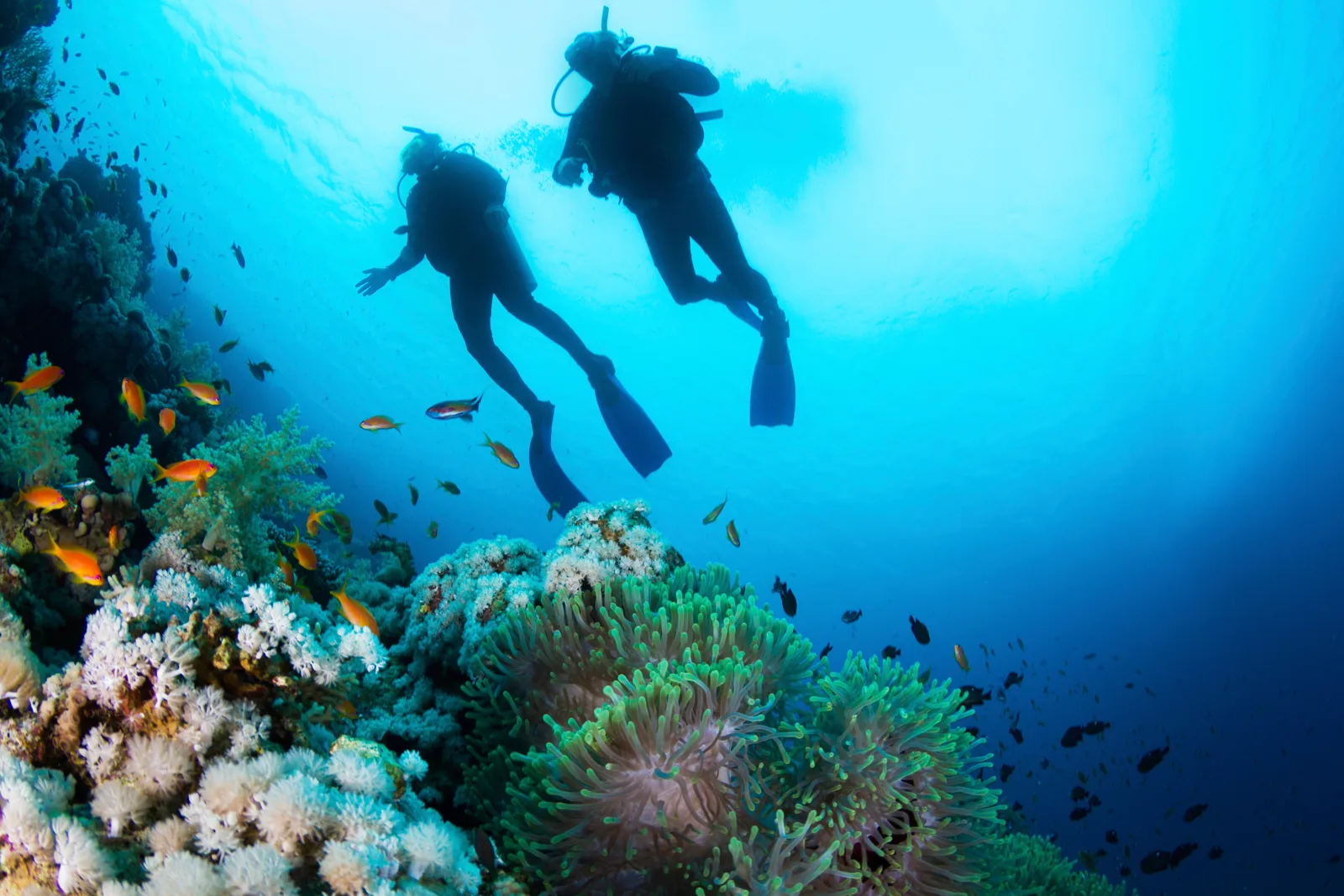
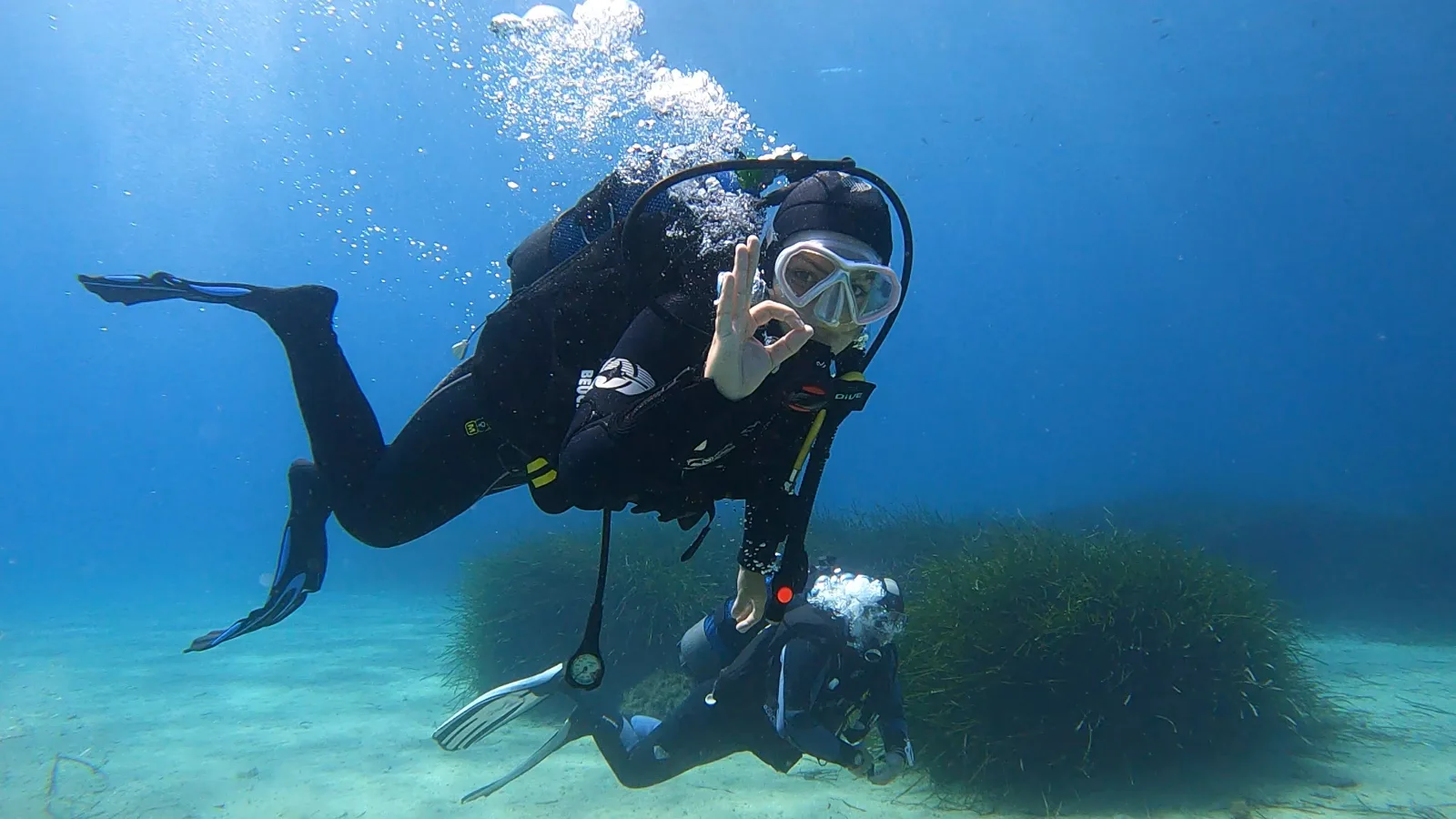
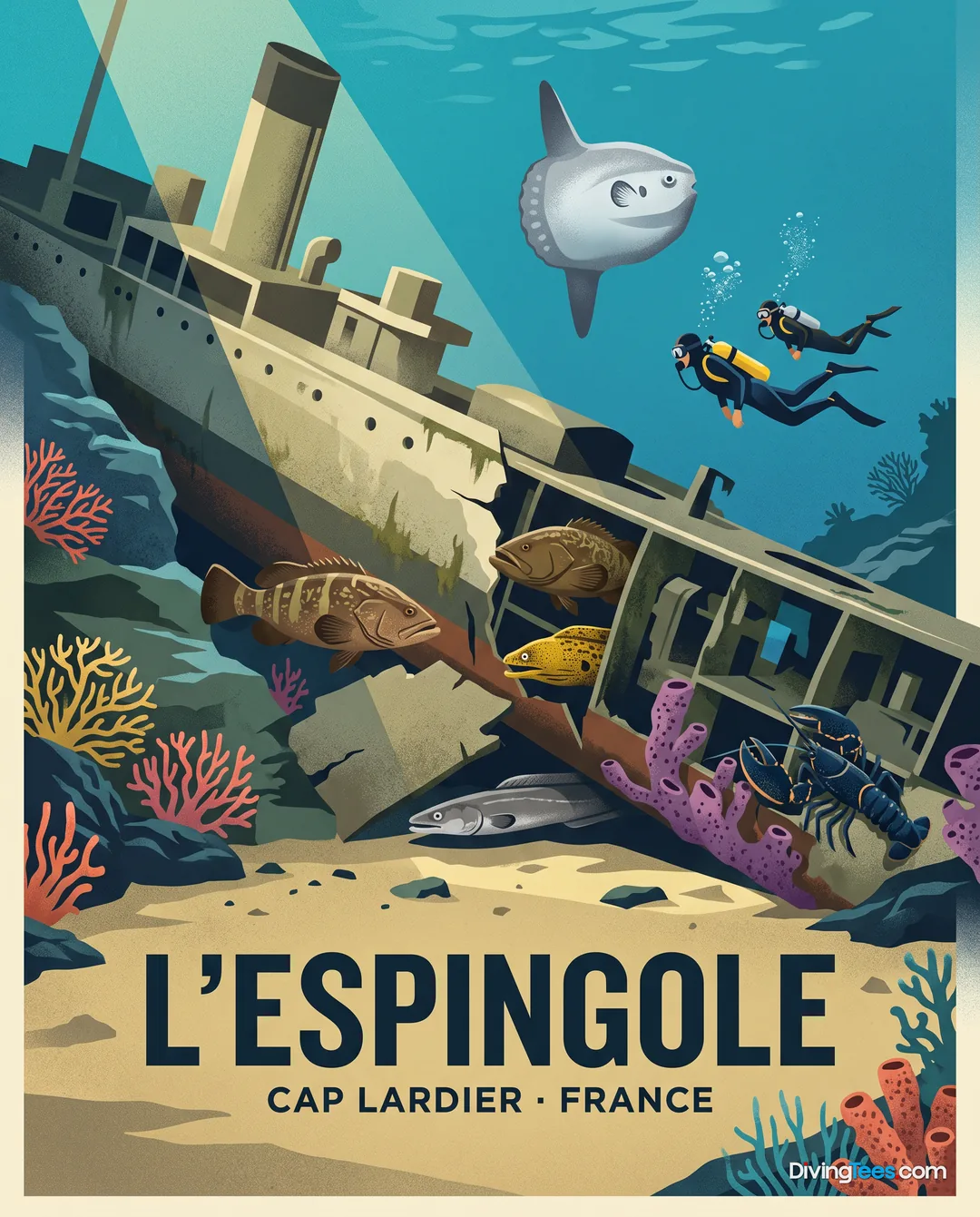
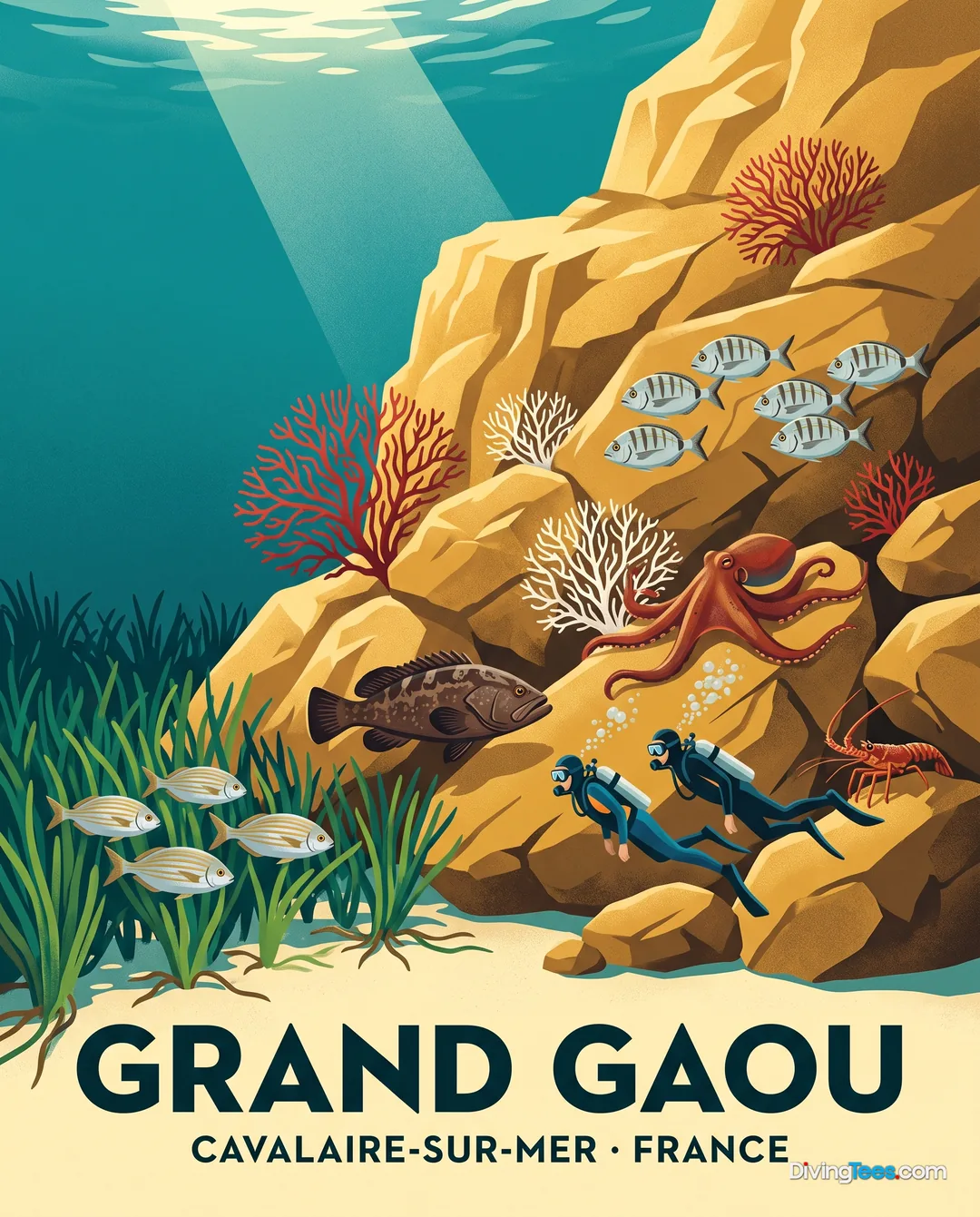
Most diving is from a boat, over rocky coastal relief, sloping plateaux, shoals and walls rather than straightforward beach entries. Pointe du Grand Gaou brings broken rock, crevices, caves and overhangs, while Sec Jaune combines five to 25-metre depths with Posidonia meadows. La Sèche à l'huile gives a broader profile, from shallow water to 39 metres. Currents are variable: often manageable, but potentially strong at Le Grec, where the wreck lies between 35 and 47 metres. L’Espingole is usually calmer and sheltered from easterly winds. Visibility on Le Togo is generally around 10 to 20 metres, a useful guide rather than a promise for every site. The daily plan is made on the boat, with the skipper and dive team matching the site to wind, swell and current.
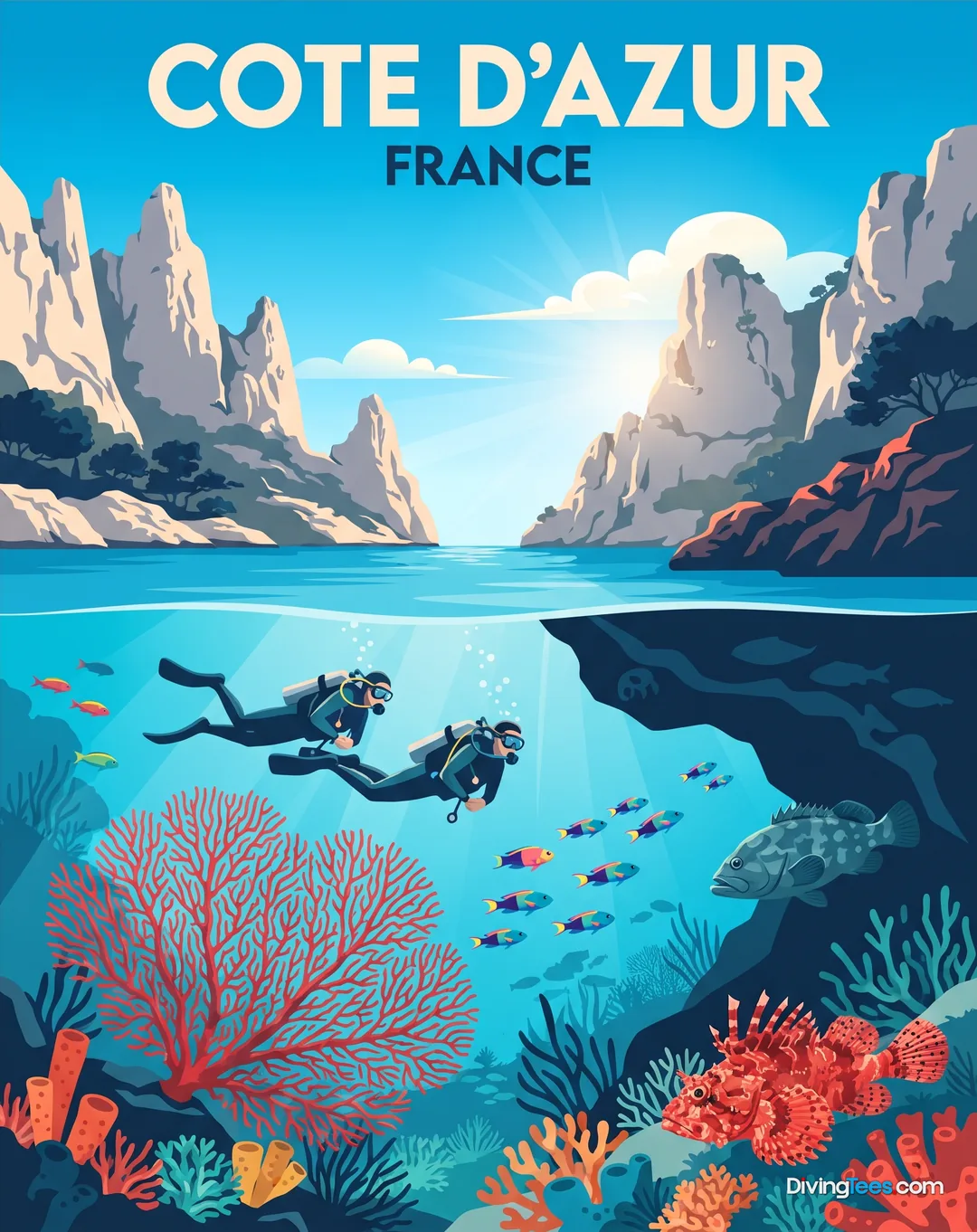
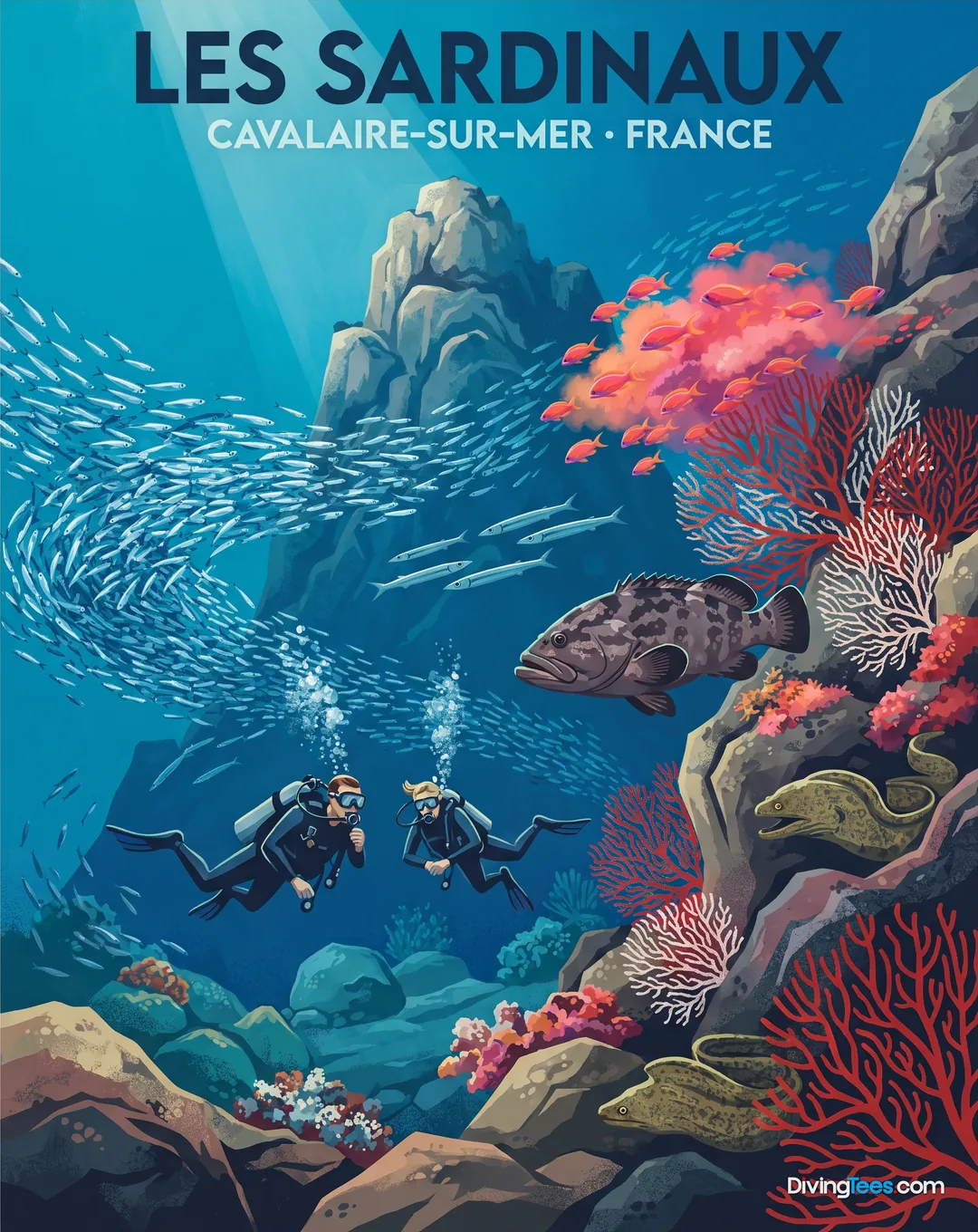
The wildlife is Mediterranean rather than built around one headline encounter. Grouper, anthias, damselfish, sea bream and wrasse work the reef faces and broken rock, while moray eel and conger eel occupy cracks, wreck structure and shadowed corners. Red gorgonians give the deeper wrecks their colour, particularly around Le Togo and Le Grec. The smaller wrecks also create shelter above otherwise sandy seabed. On Sec Jaune, the shallower combination of rock and Posidonia offers a different pace from the deeper wreck itinerary. The measured diving window from April to September is also the period when the sea is at its calmest, so it is the practical time to spend several days looking closely rather than rushing through a single ambitious dive.
April to September is the clearest choice for a Cavalaire diving holiday: measured conditions identify this as the period with the calmest sea and the lowest rainfall. That matters because the destination depends on boat departures and on being able to move between exposed wrecks, rocky reefs and more sheltered alternatives. Summer brings the busiest coastal traffic and the heaviest demand on boat places, so the water may be workable while the harbour and roads are much less relaxed. Early departures are sensible in high season, when the morning usually gives the best chance of reaching the intended site before wind, chop or maritime traffic complicates the plan.
Cavalaire works for all levels, with Open Water divers able to enjoy sites such as Sec Jaune, Pointe du Grand Gaou and Les Sardinaux when conditions suit. More demanding wrecks require a different background: L’Espingole is for experienced divers comfortable at 34–39 metres, while Le Togo is a technical, deep-wreck proposition down to 61 metres. Advanced training, or BSAC, PADI or SSI equivalent experience, is useful for deeper profiles. Nitrox can make sense on repetitive boat-diving days, but it does not replace depth and wreck experience.
From London or Manchester, Cavalaire is reached as a road-and-boat destination rather than by ferry or domestic flight. The final approach is along the Var coast, with diving departing from Cavalaire-sur-Mer harbour or nearby ports. That makes the area simpler to reach than an island base, but the road journey still needs to be treated as part of the plan, particularly during the busy summer period. Once in town, accommodation near the centre can usually be linked with the dive base on foot, by car or by taxi. Staying locally avoids turning every morning into a cross-coast drive, and leaves some flexibility if the boat programme changes with the marine conditions.
Do not arrive expecting a mainly shore-diving holiday: Cavalaire is organised around boats, and the best use of the stay is to keep the daily programme flexible. In summer, reserve the first morning rotations early; they are the most useful departures when conditions allow the more exposed sites. Keep a sheltered-site day or half-day in reserve, because wind and chop can replace the planned wreck or reef. Ask before boarding whether the dive is on a protected sector, a wall, a shoal or a wreck, then match the equipment to that profile. Secure cylinders and loose kit carefully on the compact Mediterranean boats. A camera setup or bulky kit should not be allowed to make boarding awkward. Do not build the whole week around Le Togo or another deep wreck: Cavalaire is more rewarding when rocky sites such as Pointe du Grand Gaou and Sec Jaune remain part of the mix. If combining it with other Var areas, sleeping locally avoids the summer traffic that can eat into boat time.
A four- to seven-day stay works well as a land-based diving holiday. Several boat days can be mixed with a weather reserve, rather than forcing a departure when the sea has changed. Cavalaire itself provides a practical base, while Port-Cros, the Gulf of Saint-Tropez coastline and nearby Var ports broaden the non-diving options. A non-diving companion can use the seafront, coastal walks, boat trips and nearby villages, leaving the diver free to plan deeper wrecks without making the whole holiday dive-only.
Hello, I'm Marina, DivingDeal.com's AI assistant. I guide you through destinations, areas and countries.
Thinking about the whole trip and the flights? Talk it over with Edith →
Marina is an AI. Some links are affiliate links: DivingDeal may earn a commission, at no extra cost to you. Bookings are made with the partner.
Your last day stays dry: no diving in the 18-24 hours before a flight, the perfect window to see the destination from another angle.
 City
City⏱ 4 h · ★ 4.9 (16 reviews)
from £456$610€545
see on Viator ↗
 Nature
⏱ 2 h
from £33$44€39
see on Viator ↗
 Culture
⏱ 5 h
from £339$453€405
see on Viator ↗
 Culture
⏱ 8 h · ★ 5.0 (5 reviews)
from £628$839€750
see on Viator ↗
Ratings and reviews collected by Viator and Tripadvisor.
April to September is the practical diving window in Cavalaire-sur-Mer, when the sea is generally calmest and rainfall is lowest. Summer brings busier roads, harbour traffic and greater demand for boat places, so reserve early departures. Keep plans flexible because wind, swell and current can change the daily itinerary.
Cavalaire-sur-Mer suits different experience levels. Open Water divers can enjoy sites such as Sec Jaune, Pointe du Grand Gaou and Les Sardinaux when conditions suit. L’Espingole requires comfort at deeper wreck depths, while Le Togo is a technical deep-wreck dive. Training and experience should match the planned profile.
Cavalaire-sur-Mer offers Mediterranean reefs, Posidonia meadows, rocky caves, overhangs, shoals and several wrecks. You may see grouper, moray eel, conger eel, anthias, damselfish, sea bream and wrasse. Red gorgonians colour deeper wrecks, while sites such as Sec Jaune provide shallower rock and meadow scenery.
Plan Cavalaire-sur-Mer as a shore-based, boat-diving holiday, with accommodation near the centre or dive base. Allow several boat days plus time for weather changes, and keep a sheltered reef or shoal available as an alternative to exposed wrecks. Staying locally reduces road travel and leaves time for coastal walks and villages.