

Bormes Plongee
Google 4.8/5 (262 reviews)
France · Mediterranean
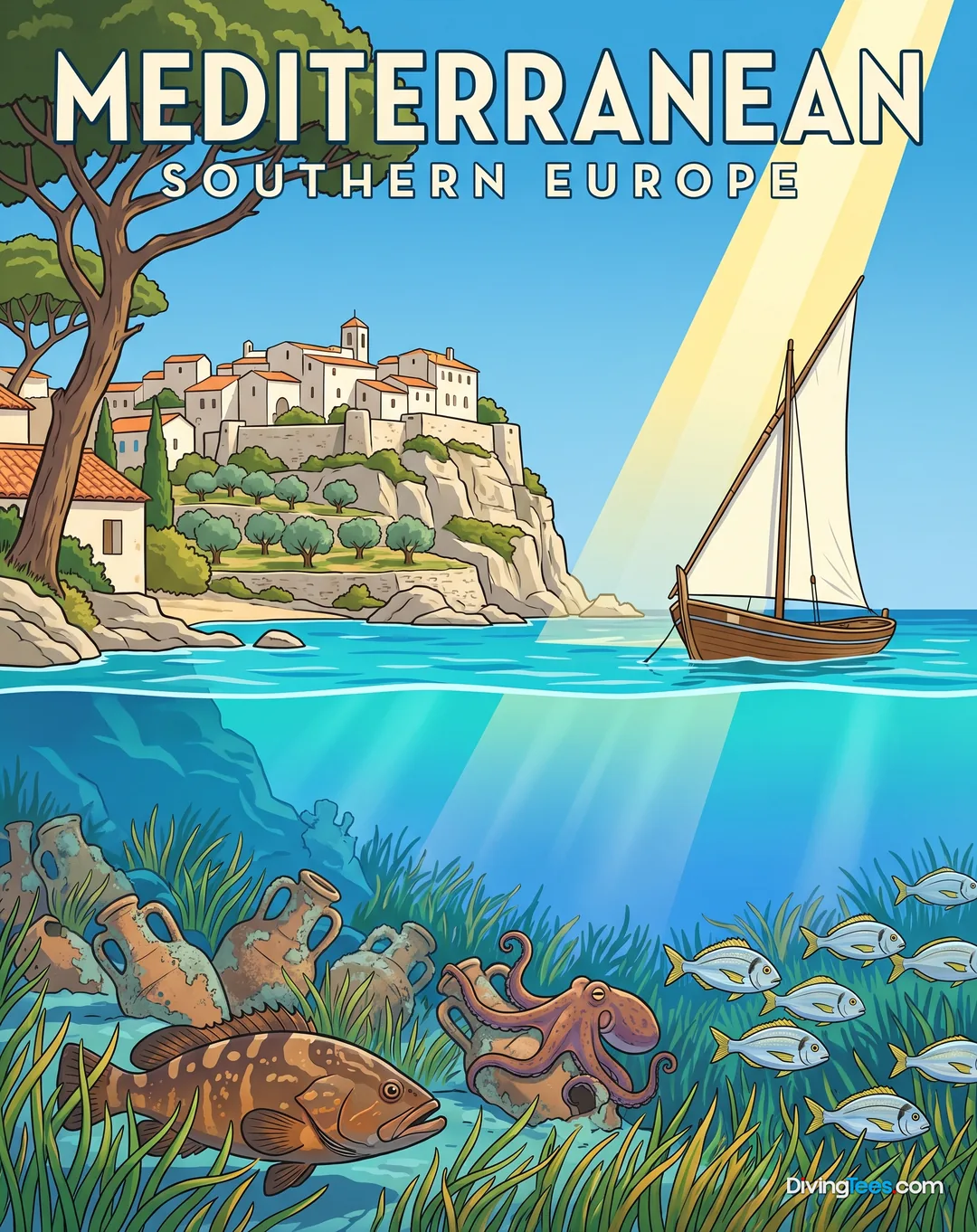
Le Rubis at forty metres, Port-Cros walls, Posidonia meadows and grouper define a boat-diving base on France’s Var coast.
For subtitles in English: start the video firstthen click the gearat the top right of the video, select “Subtitles/CC”, then “Auto-translate” and choose “English”.
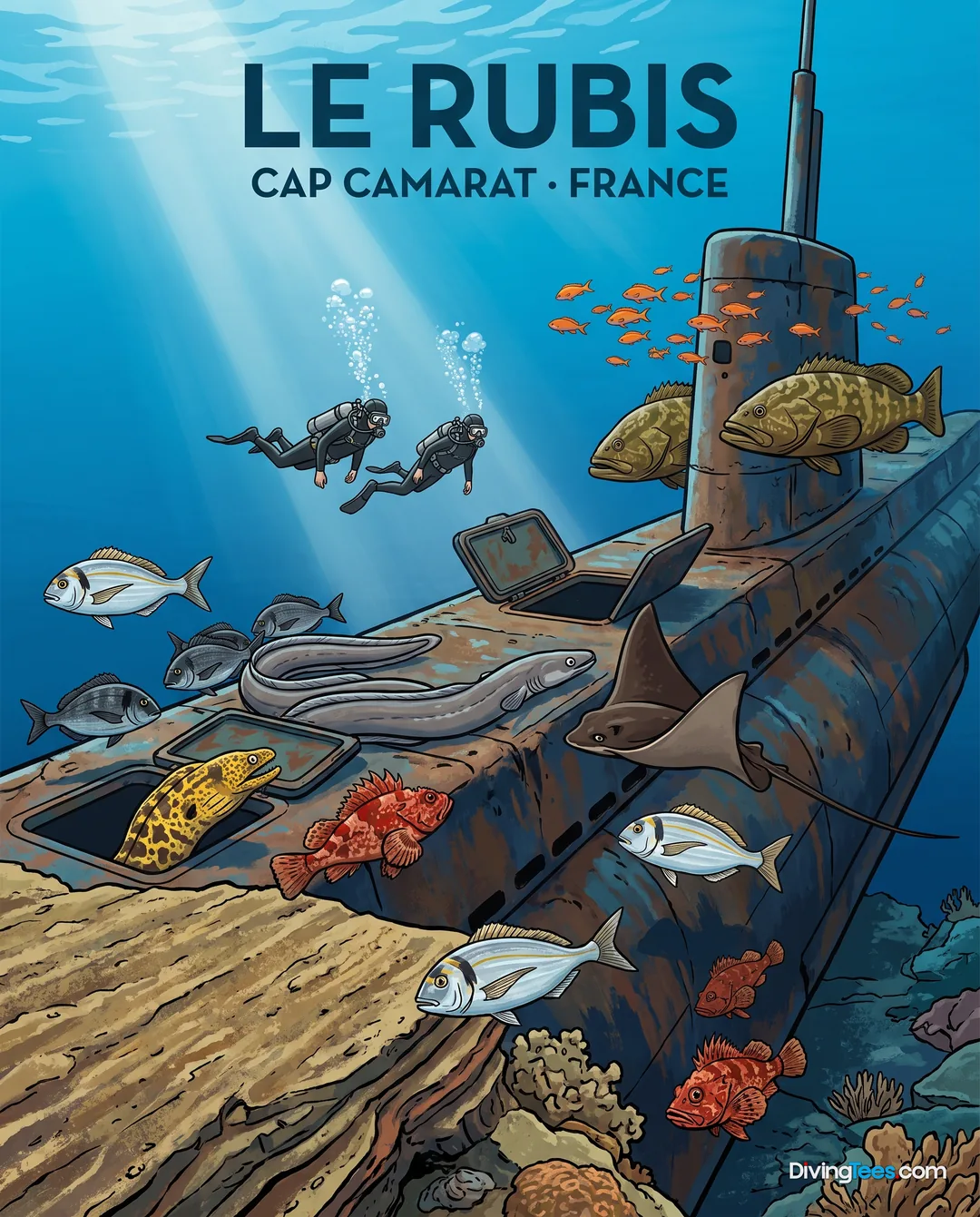
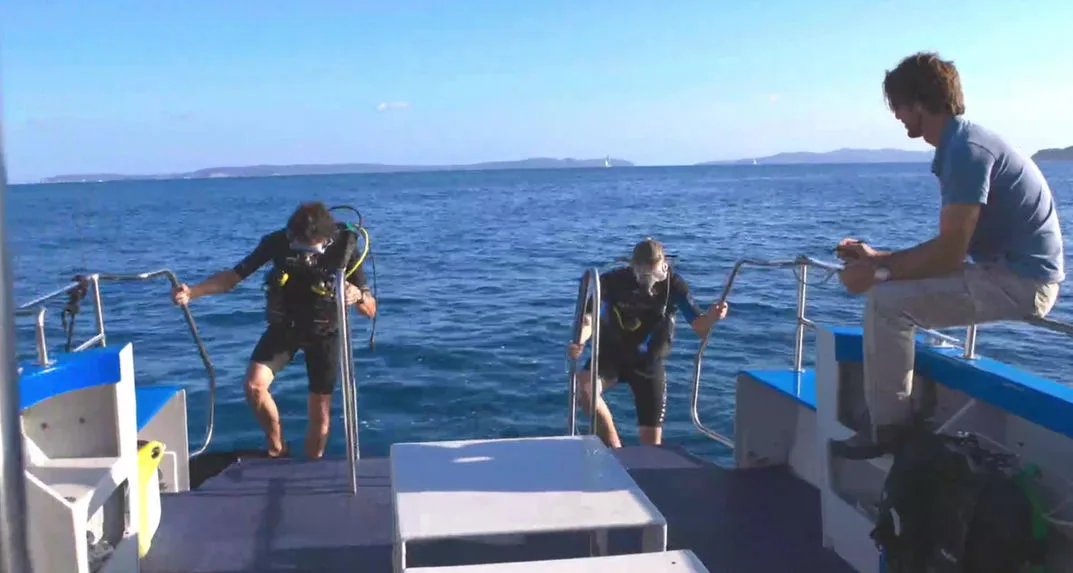
At forty metres, Le Rubis lies largely intact on a sandy bottom, combining a substantial piece of Second World War history with surrounding marine life. That wreck is one expression of what Bormes-les-Mimosas offers: a shore-based stay with boat dives towards Port-Cros, the Hyères islands, rocky points, reefs and wrecks. The port of Le Lavandou is the practical hub. It suits divers who want proper Mediterranean scenery underwater without committing to a liveaboard itinerary.
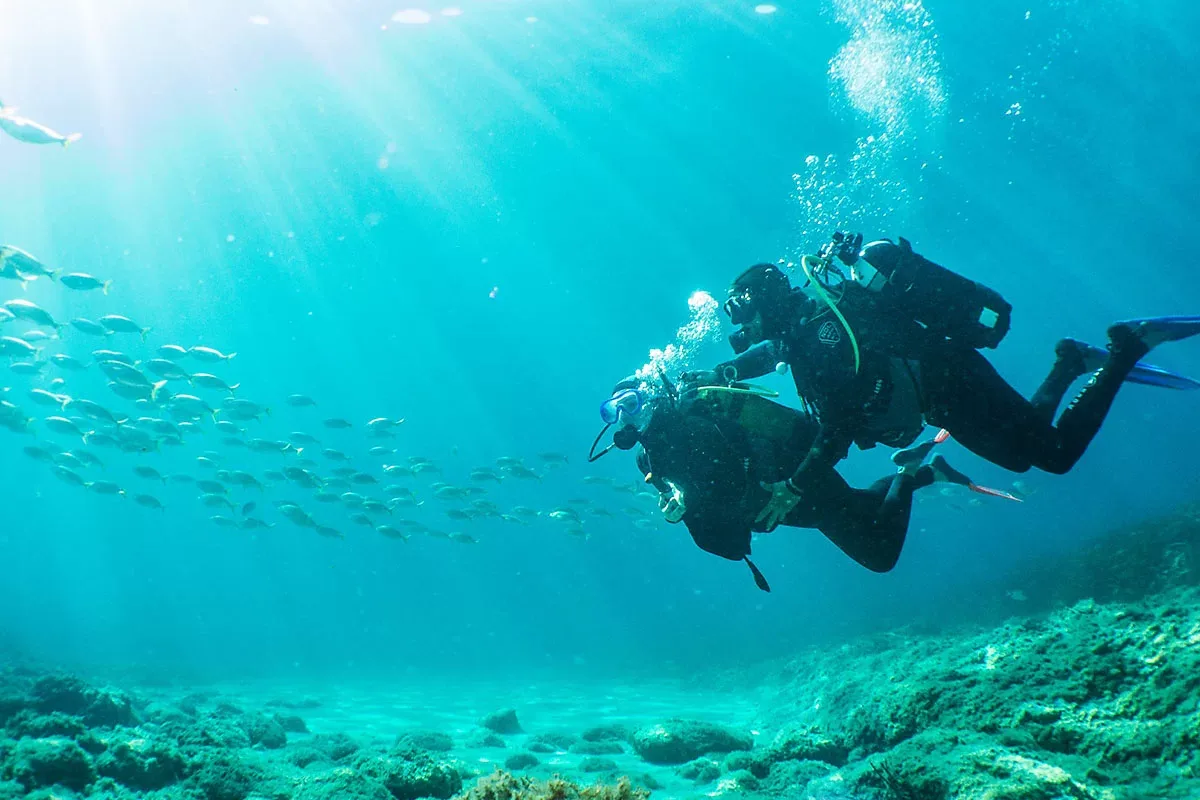
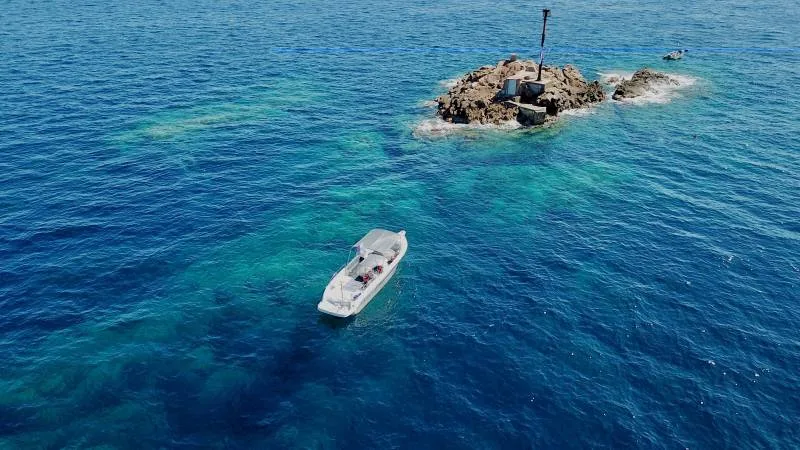
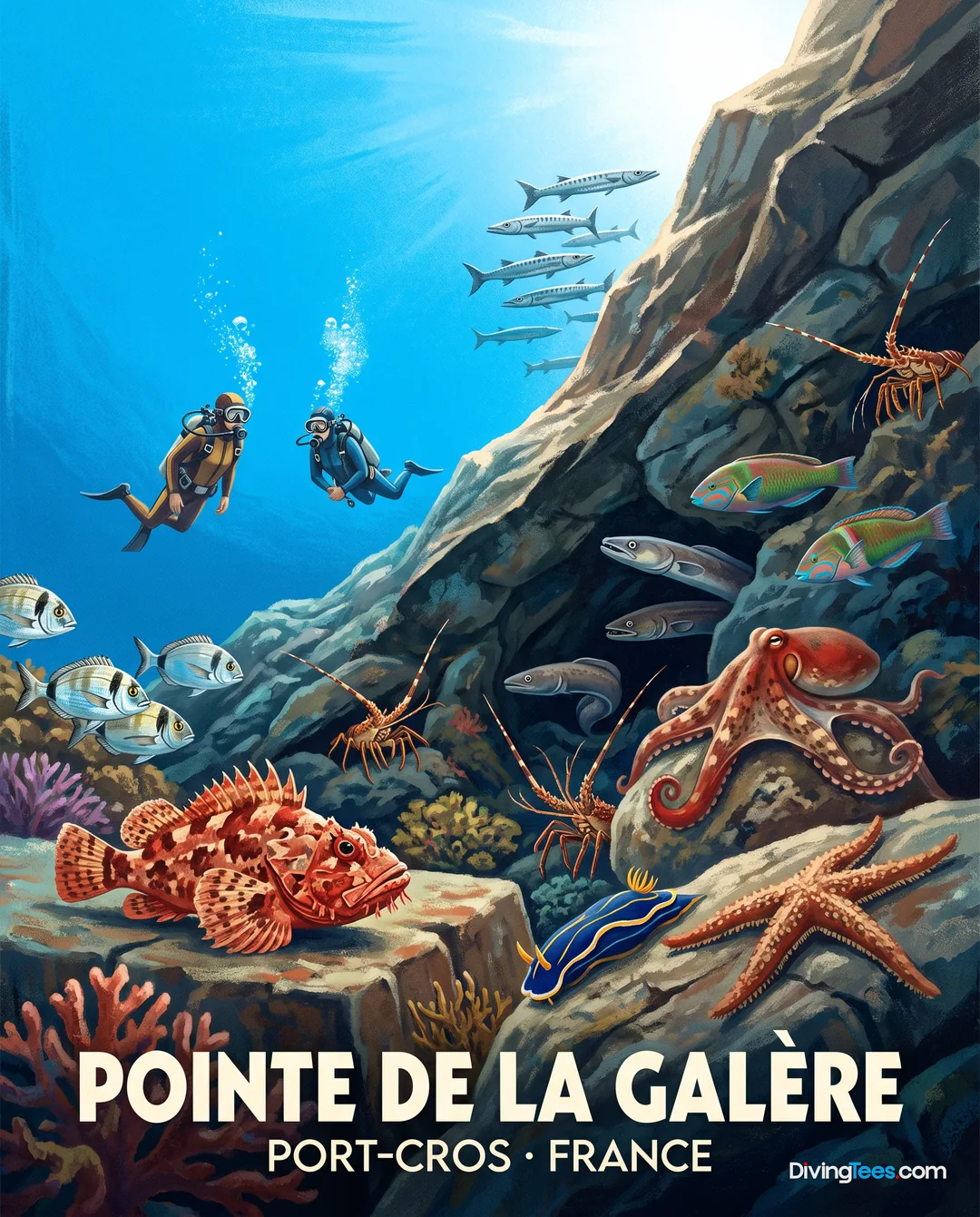
This is predominantly boat diving, with the day shaped by departures from the Var coast rather than by shore entries. Sites move between rocky relief, sandy seabeds, Posidonia meadows, walls and wreck structure. La Pointe de la Galère reaches thirty-five metres, with a sandy eastern side and a western wall covered in seagrass; around the exposed point, an east-to-west current can develop, usually mild but occasionally moderate. Visibility is variable rather than something to take for granted. Le Rubis reaches forty metres and calls for careful buoyancy near the submarine and its sandy seabed. The combination gives experienced divers something to work on: holding position around a point, reading the relief, then slowing down to inspect conger eels, red scorpionfish and sessile life.
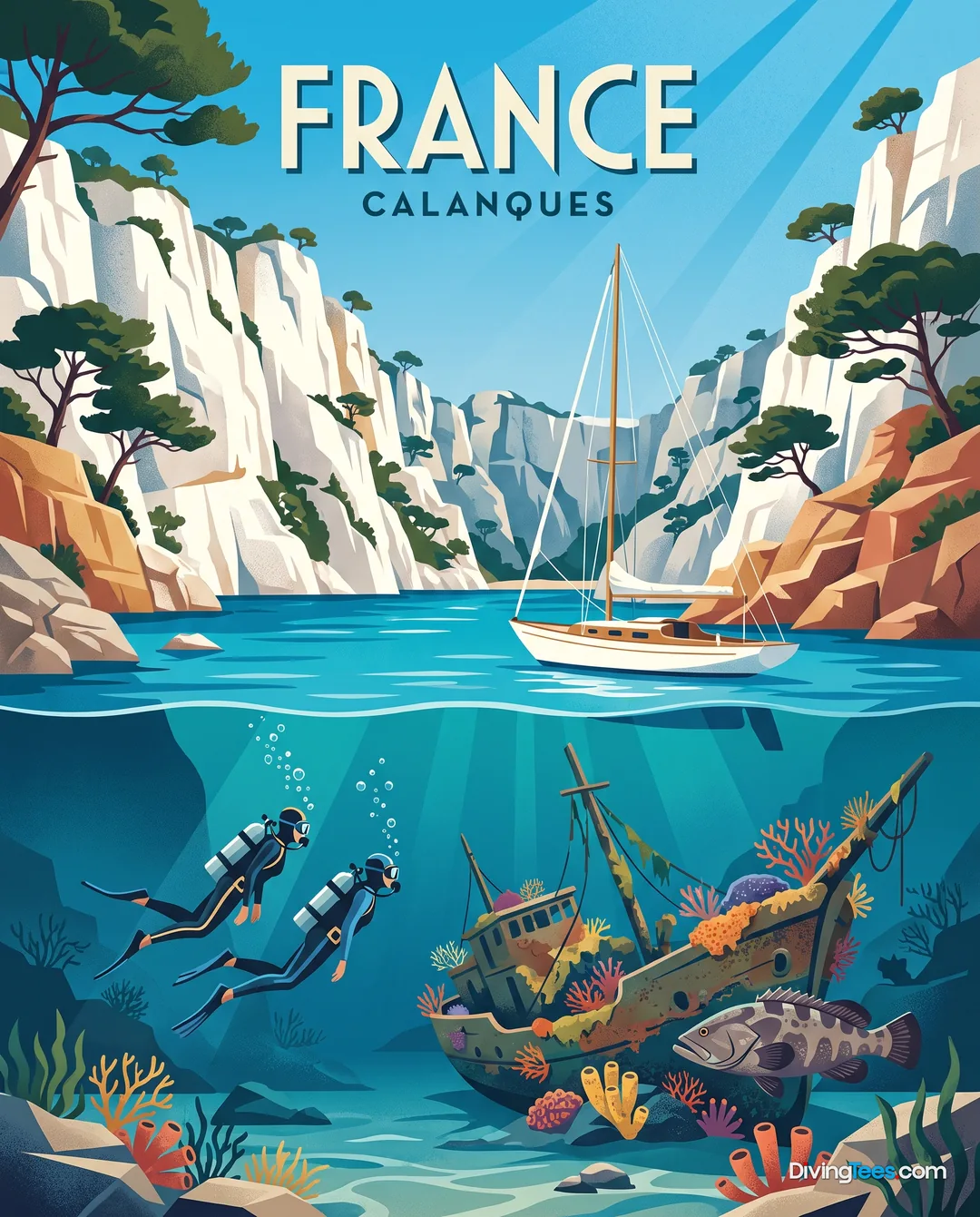
The animal life is typical of a varied Mediterranean rock-and-sand setting. Conger eels and moray eels may occupy holes in the rock, while grouper, white seabream, anthias and schools of fish add movement around the walls and reef structure. Red scorpionfish reward a slower, observant dive, and sea fans and other sessile life cover suitable surfaces. La Pointe de la Galère also offers the chance of barracuda around its exposed terrain, while an eagle ray can make a more open-water appearance. The sensible approach is to treat these as encounters shaped by the site and conditions, not as a guaranteed seasonal checklist. April to September is the established diving window for the area, with the calmer sea making time underwater easier to use.
April to September is the most useful period for organising dives here, because measured conditions show the calmest sea in that window. Rainfall is lowest from April to August, which also makes the wider stay more comfortable. September remains within the calmer boating period, even though it falls outside the lowest-rainfall stretch. Local conditions still matter: visibility can vary and currents around exposed points are not fixed. The season therefore improves the odds of straightforward boat operations, but it does not remove the need to check the planned site and its conditions on the day.
The area is open to all levels, provided a diver is comfortable boarding a boat and managing Mediterranean conditions. Advanced training is useful for the deeper and more exposed sites. Le Rubis requires PE40 or Niveau 2, or Advanced Open Water with a deep-diving speciality, together with confirmed deep-diving experience and reliable buoyancy control. La Pointe de la Galère is aimed at Advanced Open Water or CMAS two-star divers, with around fifty logged dives recommended because current and exposure can vary. BSAC, PADI and SSI divers should match their qualification and experience to the site briefing.
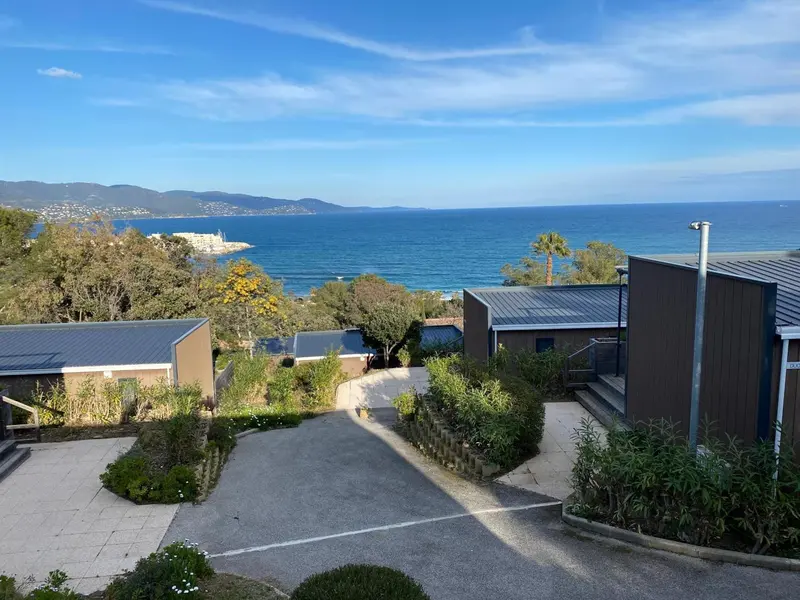
For travellers leaving London Heathrow, Gatwick or Manchester, the practical journey is a land-and-sea arrangement rather than a direct arrival at the dive site. Bormes-les-Mimosas is reached by road, then most diving departures are made from the port of Le Lavandou towards Port-Cros and the Hyères islands. Accommodation in Bormes or Le Lavandou means allowing for the final transfer to the port: some divers can walk, while others will need a taxi or car, depending on where they stay. There is no structured destination shuttle described for the area, so early boat departures should be planned around that local transfer rather than left to the morning.
Stay near Le Lavandou if several early boat departures are planned; it removes a daily land transfer before the first dive. Ask in advance whether the proposed itinerary falls under Port-Cros rules and whether the boat will use an authorised mooring. The park is not background scenery: unauthorised anchoring, collecting marine life and damaging the seabed are prohibited, and the rules affect how a dive is run. An early departure is worth considering at busy, emblematic sites, when boat traffic is less intrusive. Do not book this area expecting easy shore diving or a liveaboard pattern; its natural rhythm is a day trip by boat followed by a night ashore. For Le Rubis, check that PE40, Niveau 2, or Advanced Open Water with a deep speciality is accepted and that the diver has genuine deep experience. Keep one non-diving day for Bormes, Le Lavandou or the Port-Cros area, particularly when travelling with a non-diver.
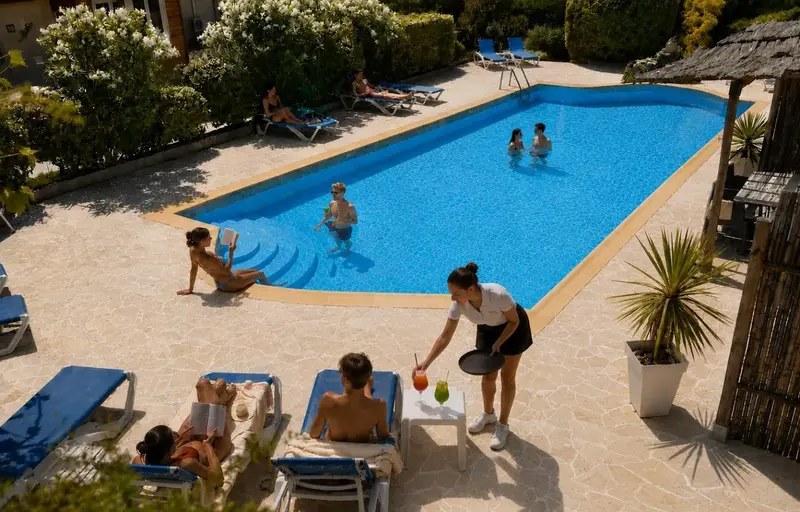
A three- to five-day stay works well as a land-based break. Divers can string together boat days from Le Lavandou, then leave time for Bormes-les-Mimosas, the coast and the Port-Cros area. Keeping one base is more practical than changing accommodation, since the key logistics revolve around the same port. A non-diving companion has beaches, coastal walks, village streets and boat outings available without following the early departure schedule.
Hello, I'm Marina, DivingDeal.com's AI assistant. I guide you through destinations, areas and countries.
Thinking about the whole trip and the flights? Talk it over with Edith →
Marina is an AI. Some links are affiliate links: DivingDeal may earn a commission, at no extra cost to you. Bookings are made with the partner.
Your last day stays dry: no diving in the 18-24 hours before a flight, the perfect window to see the destination from another angle.
 Culture
⏱ 4 h · ★ 5.0 (8 reviews)
from £251$336€300
see on Viator ↗
 Culture
⏱ 2 h · ★ 4.0 (1 reviews)
from £5$7€6
see on Viator ↗
Ratings and reviews collected by Viator and Tripadvisor.
April to September is the established diving window, with calmer sea conditions making boat diving easier to organise. Rainfall is lowest from April to August, while September remains within the calmer boating period. Visibility and currents can still vary, so check the planned site and conditions on the day.
Bormes-les-Mimosas suits divers of all levels who are comfortable boarding boats and managing Mediterranean conditions. Advanced training is useful for deeper, exposed sites. Le Rubis requires PE40, Niveau Two, or Advanced Open Water with a deep-diving speciality and genuine deep experience. La Pointe de la Galère suits experienced Advanced Open Water or CMAS two-star divers.
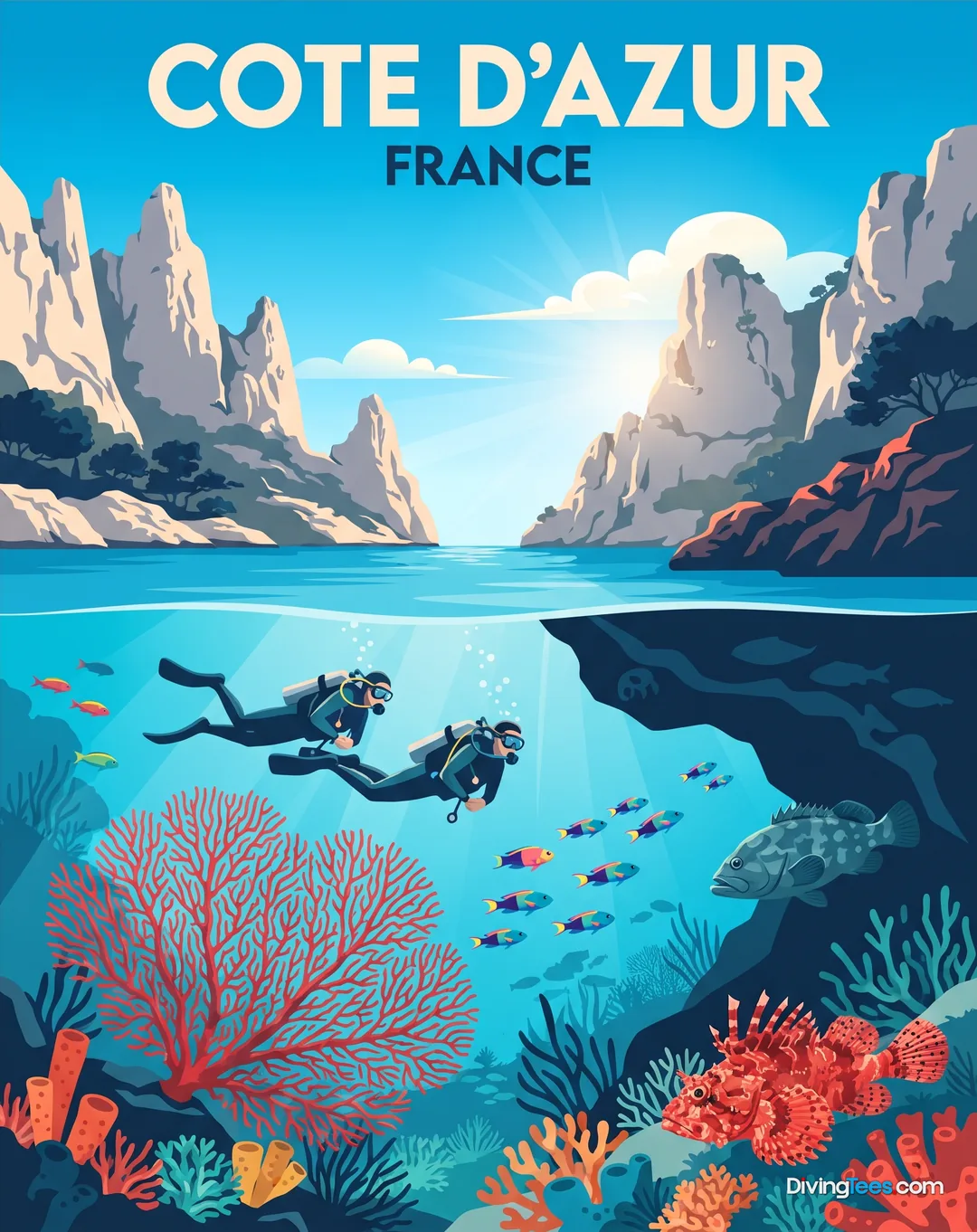
Diving in Bormes-les-Mimosas includes rocky points, walls, reefs, wrecks, sandy seabeds and Posidonia meadows. You may encounter conger eels, moray eels, grouper, red scorpionfish, sea fans, anthias and schools of fish. Barracuda and eagle rays are possible around exposed or open-water sites, but encounters depend on conditions.
Plan a land-based stay with boat departures from Le Lavandou towards Port-Cros and the Hyères islands. Staying near Le Lavandou simplifies early departures, while accommodation in Bormes-les-Mimosas may require a taxi or car. Allow for local transfers, check Port-Cros rules and authorised moorings, and keep time for the coast and nearby villages.