European Diving School
Google 4.9/5 (452 reviews)
France · Mediterranean
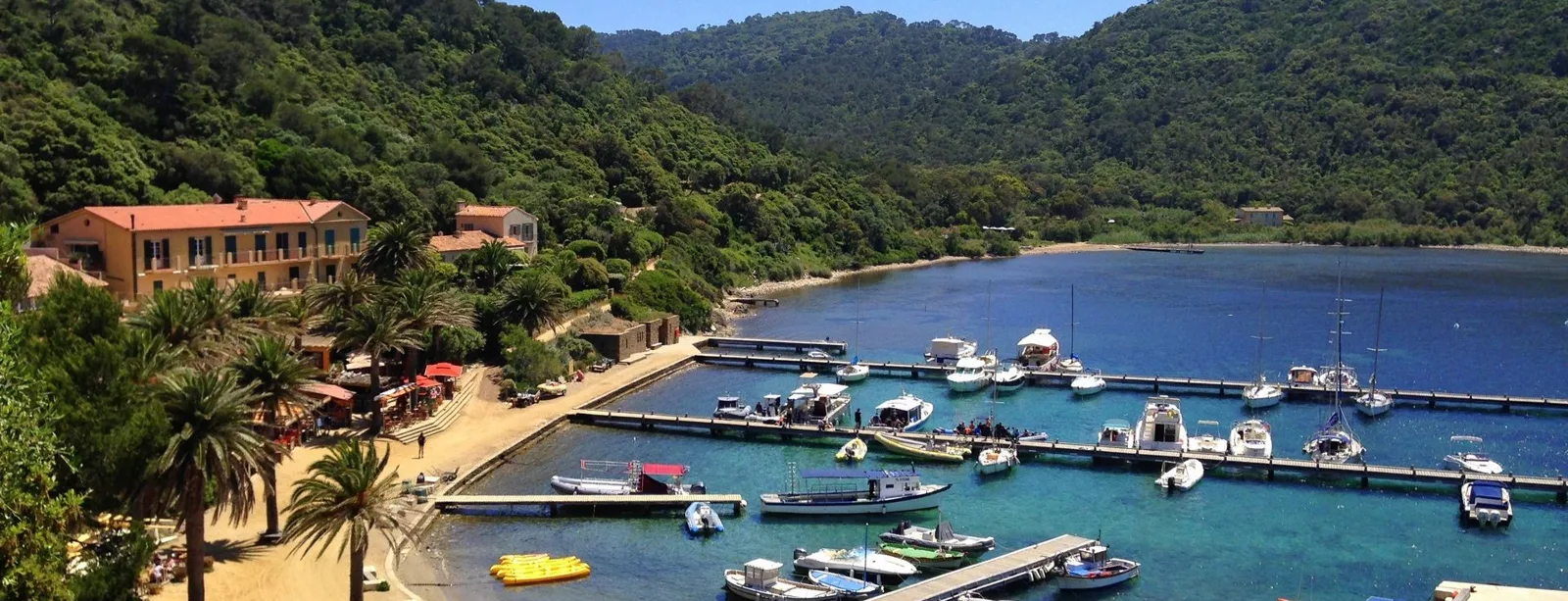
Hyères puts a 56-metre Mustang, conger-filled wrecks and white-gorgonian rock spurs within the same broad diving area.
For subtitles in English: start the video firstthen click the gearat the top right of the video, select “Subtitles/CC”, then “Auto-translate” and choose “English”.
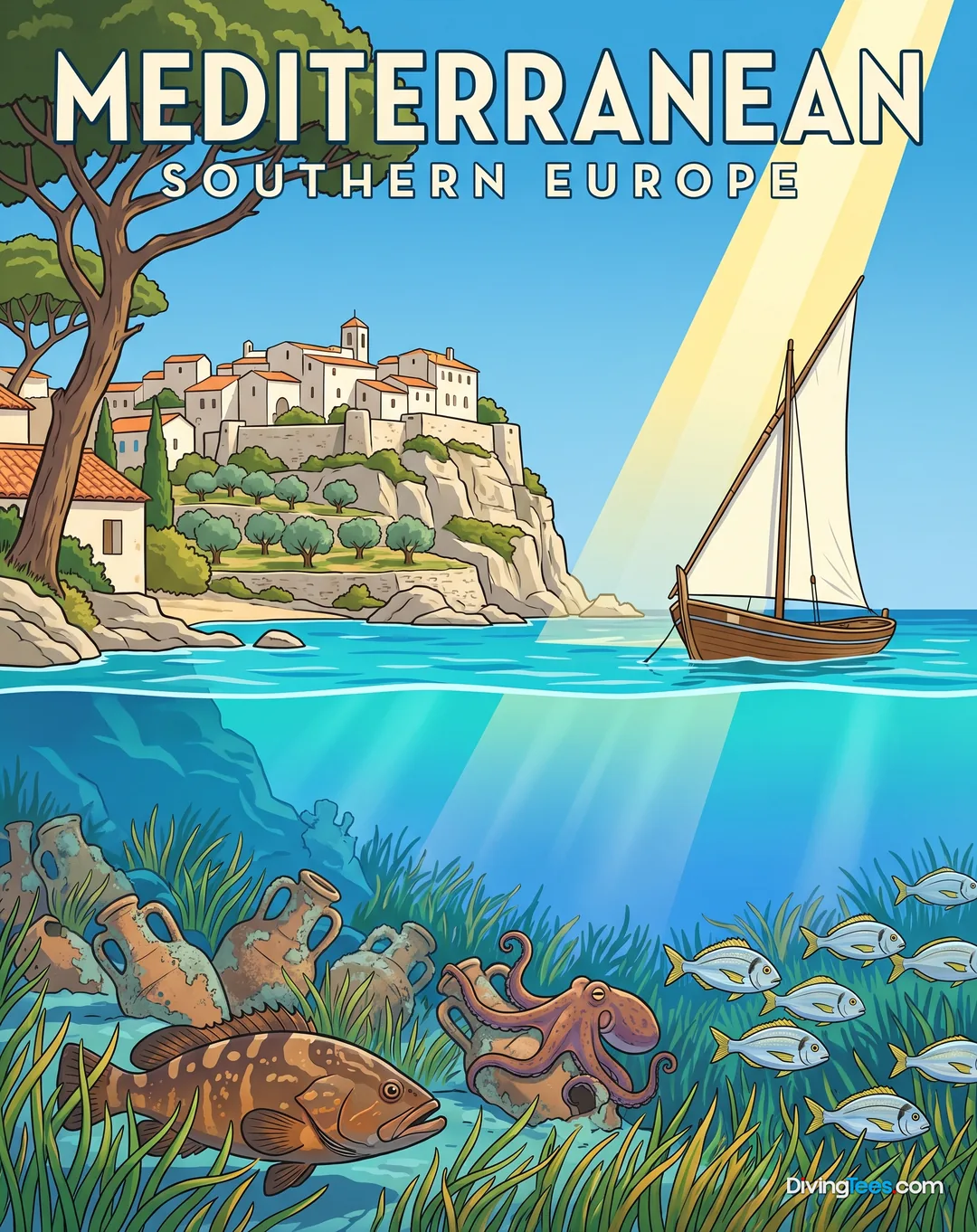
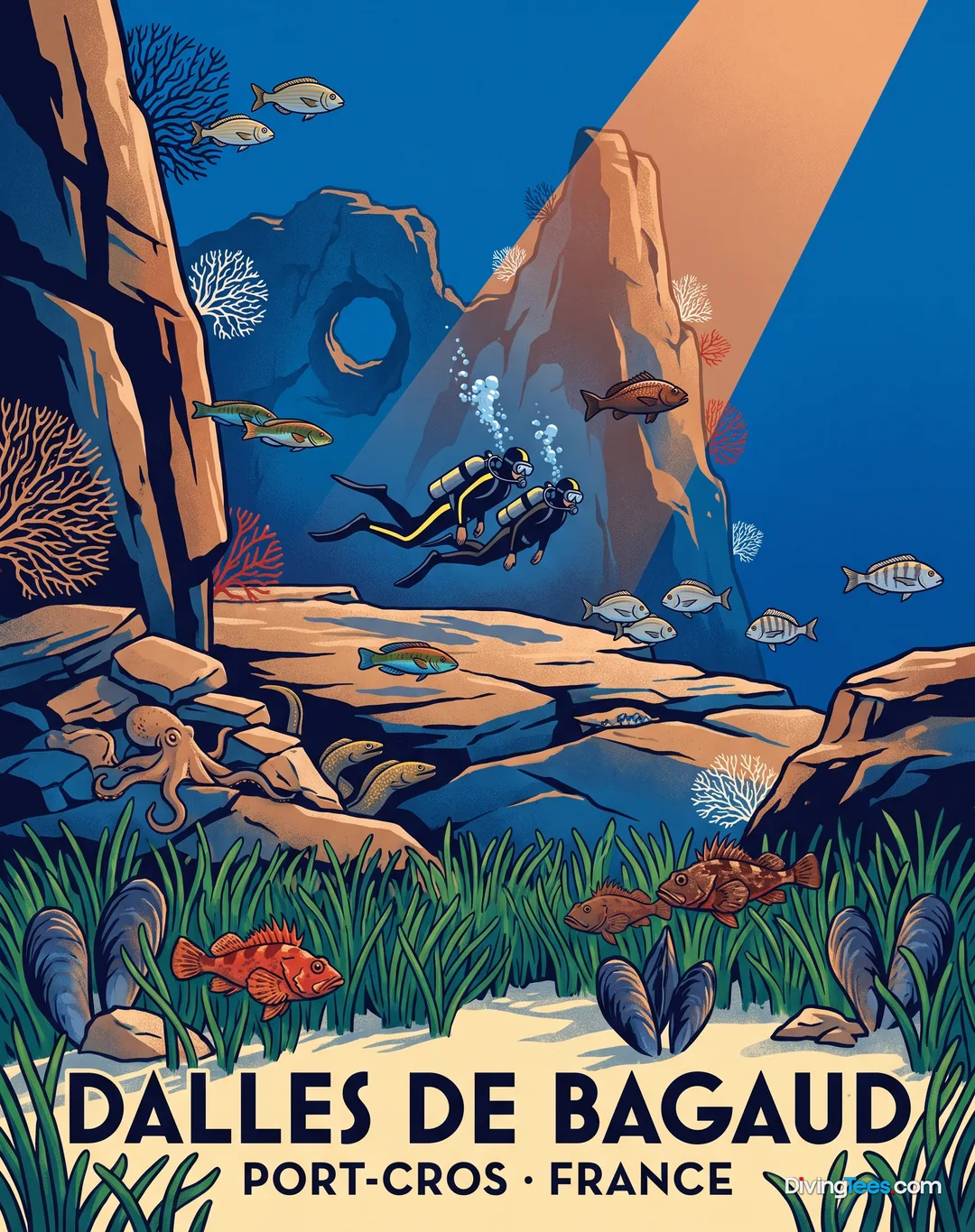
Hyères is a boat-diving base for both serious wreck work and more relaxed rocky-site exploration. The range runs from Les Dalles de Bagaud, where flat rock and Posidonia lead to the natural arch known as L’Œil de Bagaud, to the 56-metre Mustang P-51 on the sand. Port-Cros adds gorgonian-covered spurs, while the wrecks carry a distinctly Mediterranean cast: conger eels, moray eels, groupers and lobsters rather than a single headline attraction.
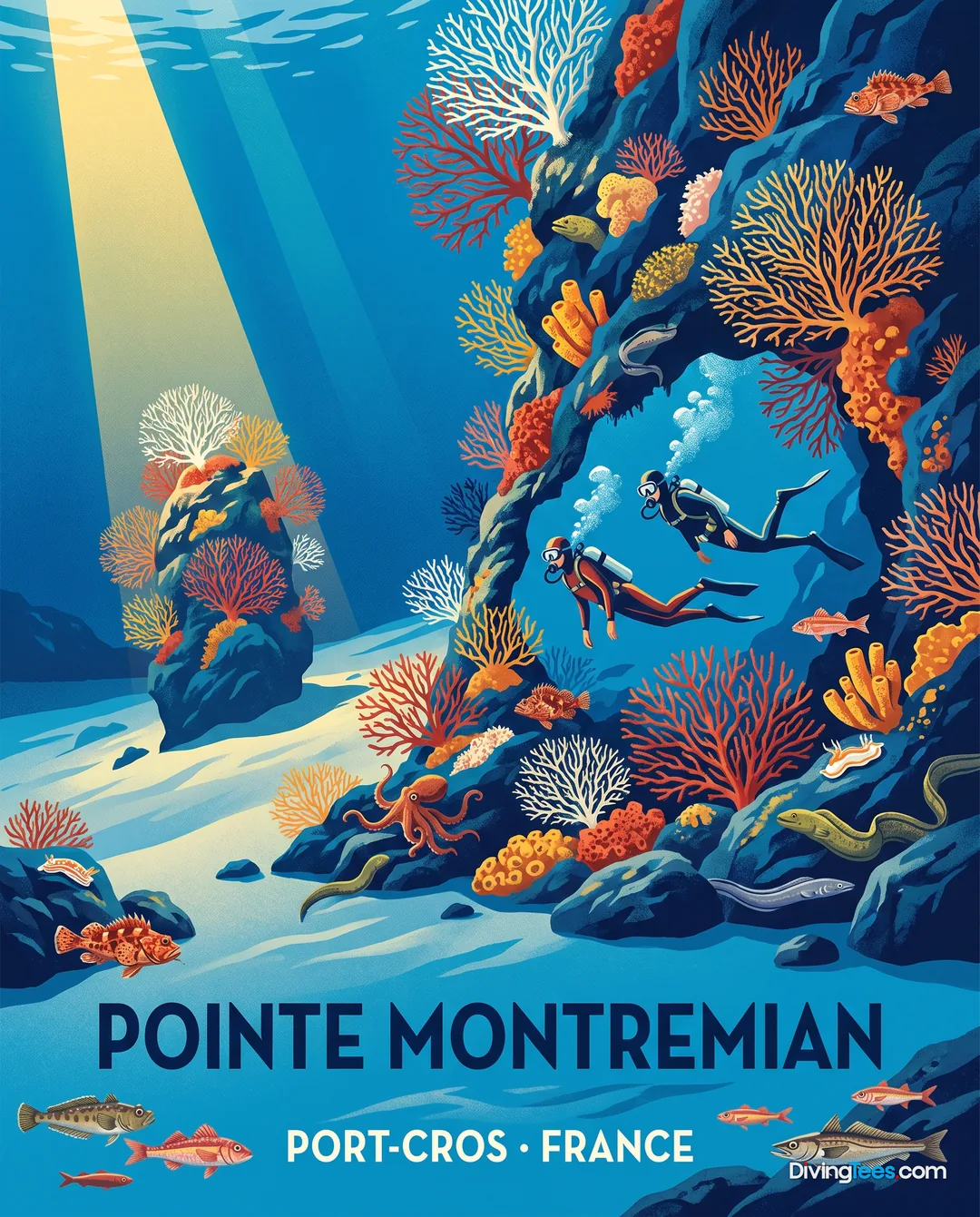
The diving is shaped by rock spurs, sandy slopes, gullies and scattered wreckage. La Pointe de Montremian follows a gorgonian-covered spur down towards a sandy plain at 31 metres, while La Pointe de la Croix drops along a rocky ridge to 30 metres beneath extensive white gorgonians. La Pointe du Vaisseau reaches 40 metres through cracks occupied by groupers and rousettes, with generally calmer current than nearby sites. Current is not a minor detail: La Pointe de la Croix is often affected by an east-to-west flow, La Pointe de Montremian can push west towards Porquerolles, and La Barge aux Congres is frequently strong. The wreck programme ranges from Le Ferrando at 23–26 metres to the deep Wildcat and Mustang. Boat trips therefore reward a proper site briefing, especially where descent accuracy and a planned return against or with the current matter.
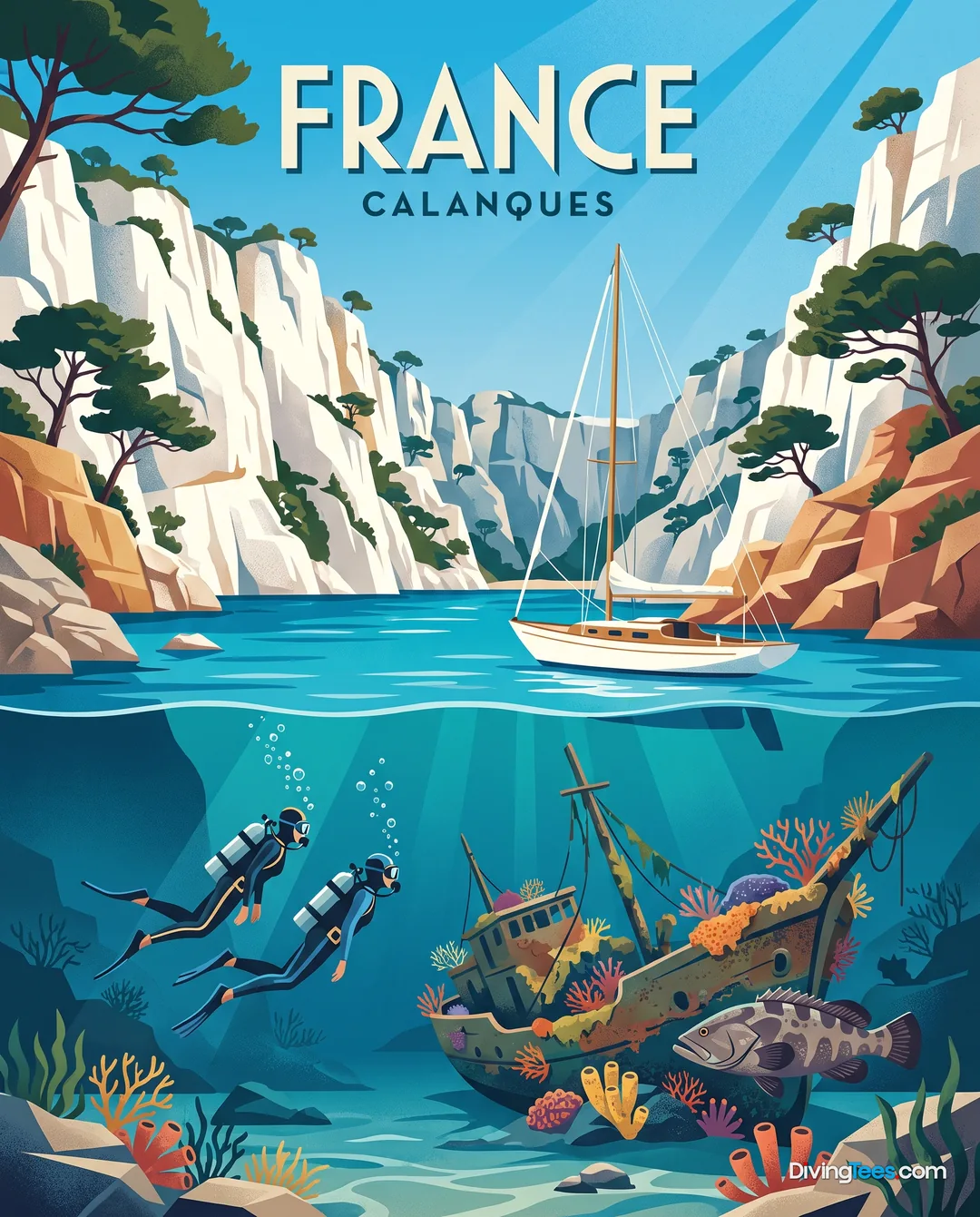
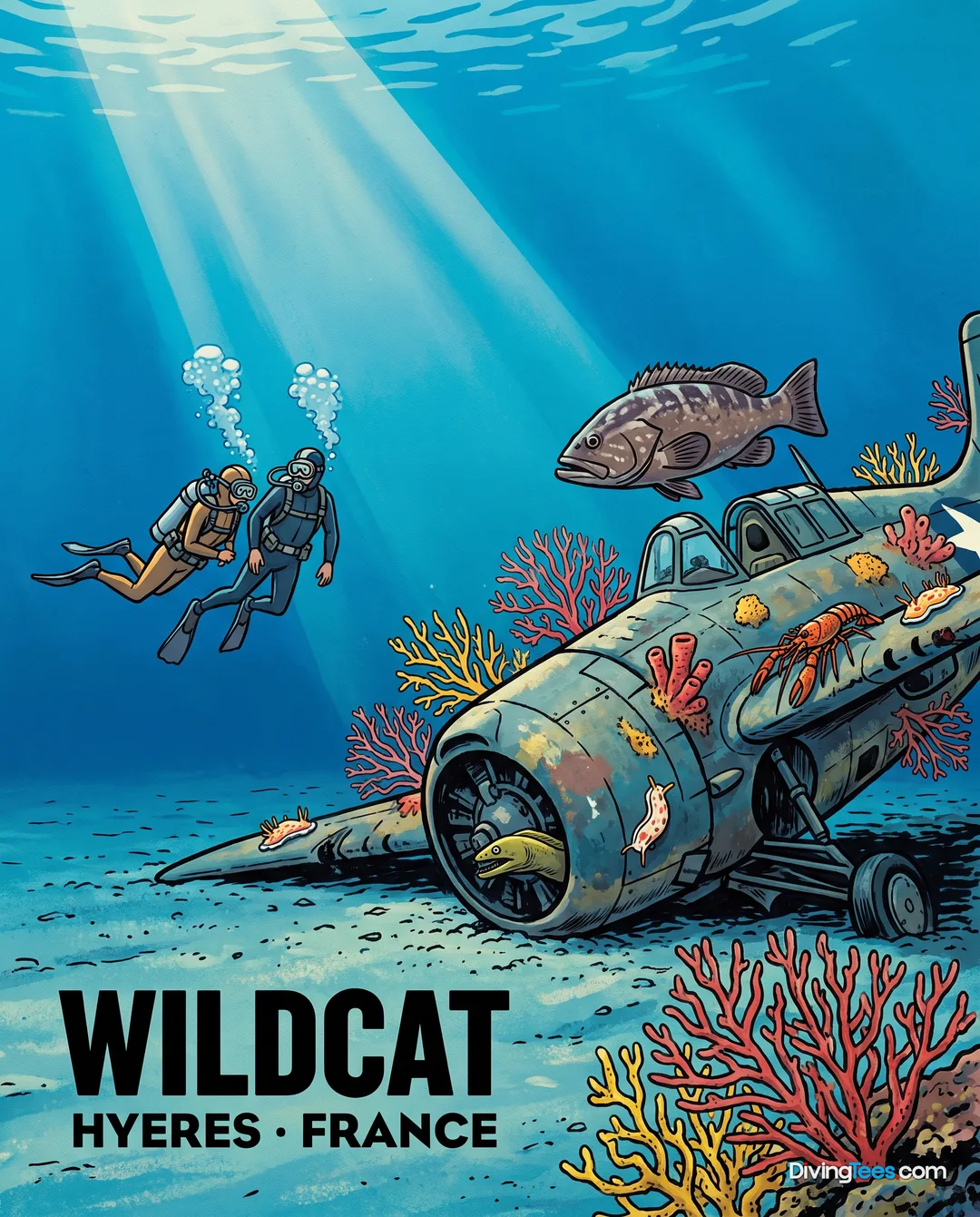
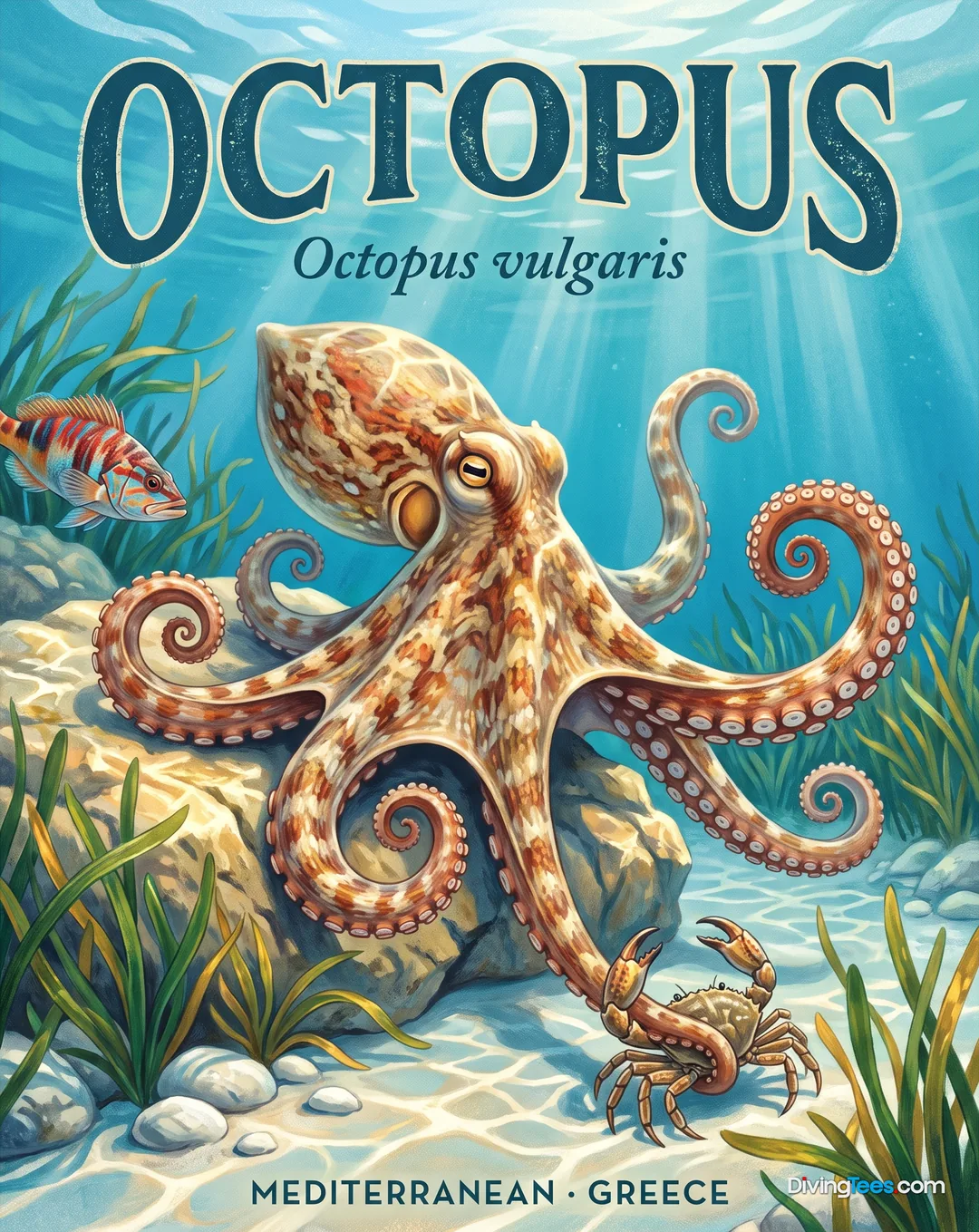
The wrecks provide the most obvious wildlife encounters. Le Michel C’s broken cargo ship still has a recognisable bow, anchors and capstan crane, with resident lobsters and moray eels; groupers and schooling fish may also appear. La Barge aux Congres is known for congers and moray eels in current-swept water. Across the rocky sites, divers may meet grouper, octopus, forkbeard, Mediterranean rainbow wrasse, white seabream, brown meagre and red scorpionfish. The gorgonians on La Pointe de Montremian and La Pointe de la Croix are as much a feature as the fish. April to October is the measured period with the calmest sea, so it is the practical window for combining several boat dives and spending time looking into cracks rather than simply following a line.
April to October is the clearest choice for a Hyères diving trip: the measured conditions put both the best diving period and the calmest sea in that window. Rainfall is lowest from April to August, which helps when several days depend on boat departures and surface conditions. The timing still matters locally. Les Dalles de Bagaud is sheltered from the Mistral by Bagaud Island, whereas La Pointe de la Croix is exposed to easterly winds. Divers planning a mixed itinerary should therefore keep some flexibility, rather than treating every site as equally suitable on every day.
There is useful diving for Open Water and Level 1 divers at sites such as Les Dalles de Bagaud, although La Pointe de la Croix still calls for prior experience with current. La Pointe du Vaisseau is described as accessible from Level 1, but its 40-metre depth makes the full route a different proposition from a shallow introduction. Le Ferrando needs Level 2 experience or PE40. Le Michel C is an advanced N2 dive, while Wildcat, La Barge aux Congres and the Mustang P-51 require deep, technical and decompression competence. BSAC, PADI and SSI divers should match their logged experience to those demands.
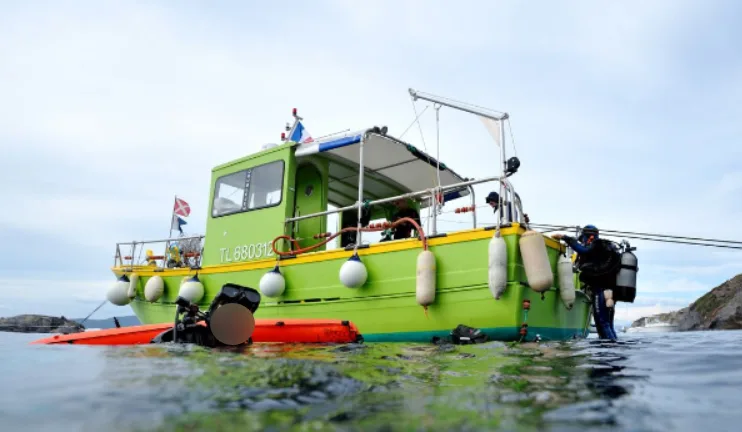
From London Heathrow, Gatwick or Manchester, the practical task is to arrange the journey around a boat-diving departure rather than assuming every site is reached directly from the town. The listed wreck access is by boat from La Londe-les-Maures, including Le Ferrando and the Mustang P-51. Port-Cros sites are also reached by boat, with departures described from La Londe-les-Maures or nearby coastal points. Once in the area, the important local movement is getting to the agreed harbour with enough time for loading and briefing. That matters particularly for deep wrecks, where a missed departure cannot simply be replaced by an independent shore dive.
Treat the dive plan as site-specific. At La Pointe de Montremian, descend on the eastern side first; if the current is running west towards Porquerolles, it can then assist the return and the ascent. La Pointe de la Croix calls for the same basic logic: begin against the usual east-to-west flow, leaving the return drift rather than fighting it at the end. Do not judge a deep wreck by its apparently stable current. Wildcat is demanding because it lies at 52 metres, while the Mustang P-51 starts at 54 metres and reaches 56 metres on sand; gas planning and decompression planning are central, not optional extras. Le Michel C can also carry significant current despite its lesser depth. For a less pressured day, use Les Dalles de Bagaud, where weak current and shelter from the Mistral make it easier to examine the flat rock, Posidonia and L’Œil de Bagaud. Keep La Pointe de la Croix for a day when easterly exposure is acceptable.
A sensible stay mixes boat days rather than trying to force every dive into one itinerary. Use the calmer, more sheltered character of Les Dalles de Bagaud as an easier opening or weather-flexible dive, then reserve suitable days for the Port-Cros spurs and the deeper wrecks. Divers travelling with non-divers can base the trip around coastal boat departures and leave surface days free for Port-Cros and the surrounding coastline, without making the entire stay depend on one demanding descent.
Hello, I'm Marina, DivingDeal.com's AI assistant. I guide you through destinations, areas and countries.
Thinking about the whole trip and the flights? Talk it over with Edith →
Marina is an AI. Some links are affiliate links: DivingDeal may earn a commission, at no extra cost to you. Bookings are made with the partner.
Your last day stays dry: no diving in the 18-24 hours before a flight, the perfect window to see the destination from another angle.
 Culture
⏱ 2 h · ★ 4.0 (1 reviews)
from £5$7€6
see on Viator ↗
 Culture
⏱ 4 h · ★ 5.0 (8 reviews)
from £251$336€300
see on Viator ↗
Ratings and reviews collected by Viator and Tripadvisor.
Plan your Hyères diving trip between April and October, when sea conditions are generally calmer for boat diving. Rainfall is lowest from April through August, which can help when your plans depend on departures and surface conditions. Keep some flexibility, because sheltered Les Dalles de Bagaud and wind-exposed La Pointe de la Croix respond differently to conditions.
Hyères offers options for Open Water and Level One divers at sites such as Les Dalles de Bagaud, while some rocky sites require current experience. Le Ferrando suits Level Two divers or PE Forty. Le Michel C is advanced, and Wildcat, La Barge aux Congres and the Mustang require deep, technical and decompression competence.
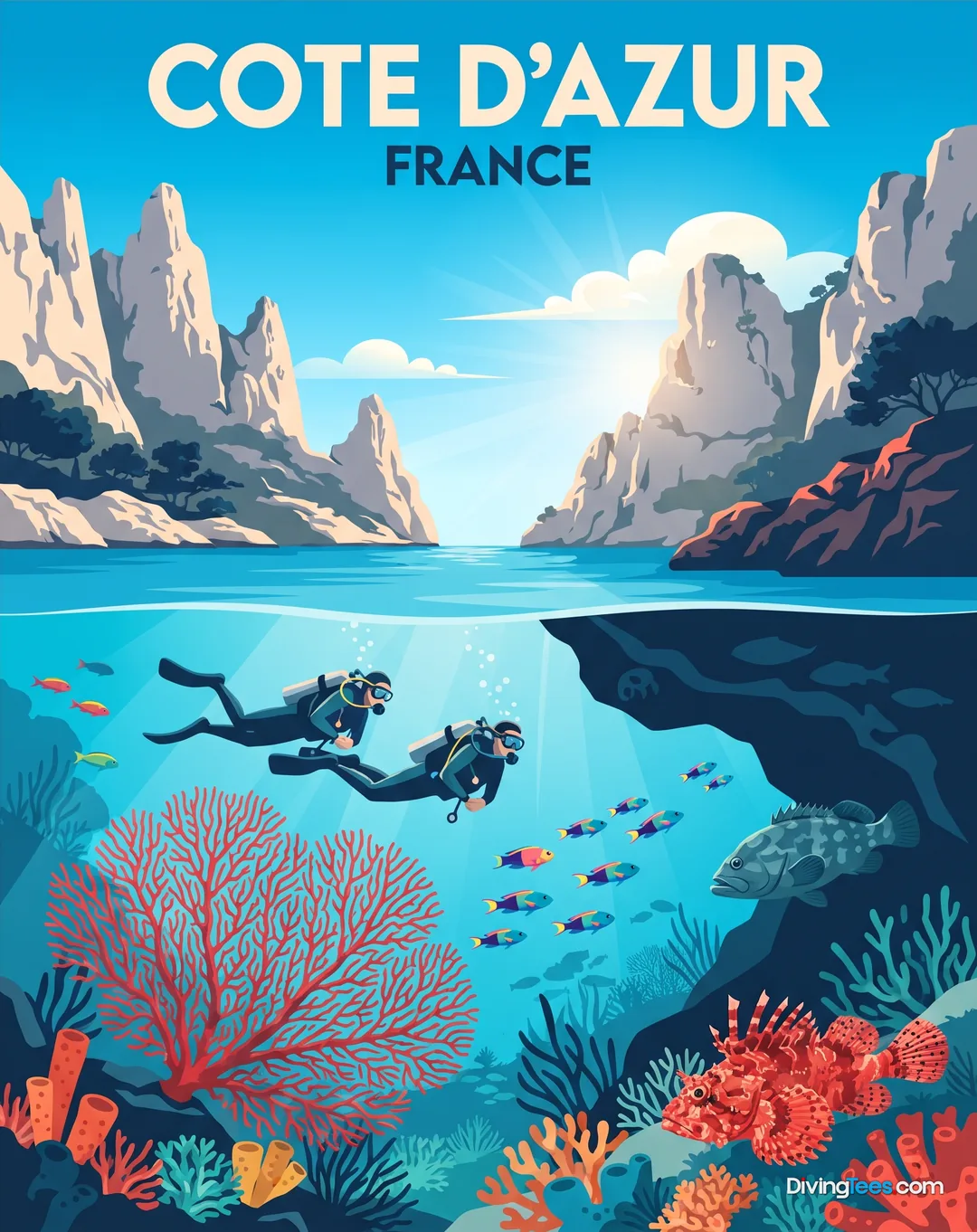
Diving in Hyères combines Mediterranean wrecks, rocky spurs and marine life. You may explore the Mustang and Wildcat aircraft wrecks, encounter congers, moray eels, groupers and lobsters, and find white gorgonians along rocky ridges. Les Dalles de Bagaud includes Posidonia, flat rock and the natural circular arch called L’Œil de Bagaud.
Plan Hyères around boat departures, with enough time to reach the agreed harbour, load equipment and attend the briefing. Mix sheltered Les Dalles de Bagaud with suitable days for Port-Cros spurs and deeper wrecks. Keep flexibility for wind and current, and reserve demanding dives for conditions that support accurate descents and planned returns.