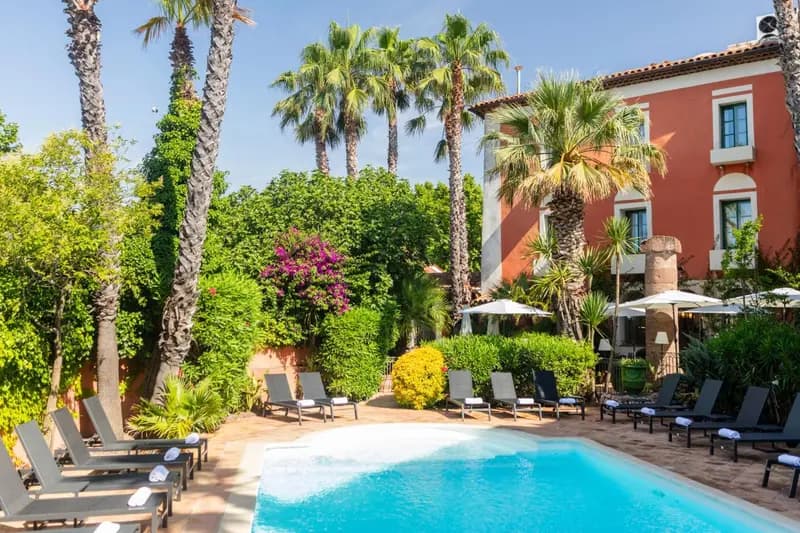
Hôtel l'Arena
★★★
★ 8.3/10 (1,937 reviews)
1.7 km away as the crow flies
Dive centre · Fréjus · France
4.8203 Google reviewsDive the legendary Rubis wreck or explore the Cap Roux nature reserve from a centre located just metres from the quay.
For subtitles in English: start the video firstthen click the gearat the top right of the video, select “Subtitles/CC”, then “Auto-translate” and choose “English”.
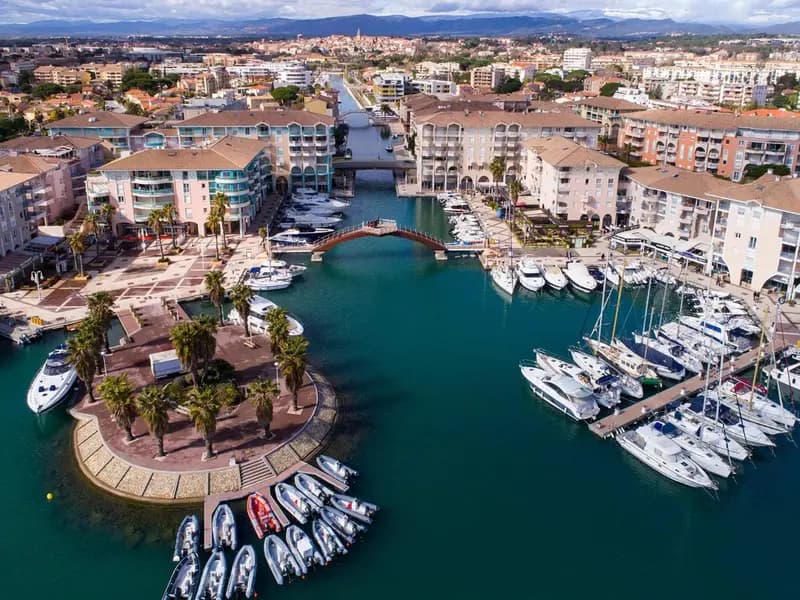
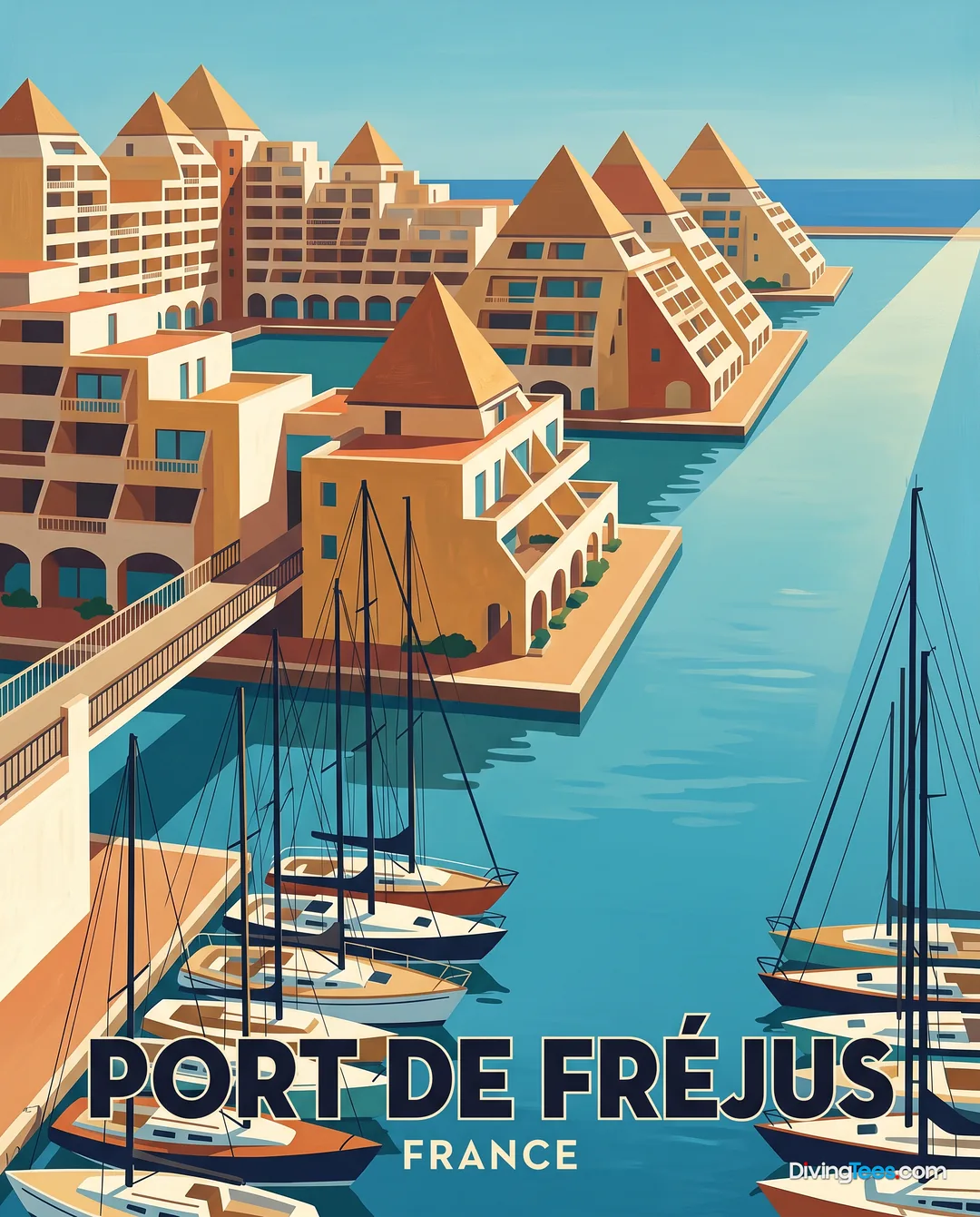
Located in Fréjus, between Saint-Tropez and Saint-Raphaël, Port Fréjus Plongée serves as a gateway to the most significant marine environments in the Var department. The centre is perfectly positioned for easy access to the coastline, with the boats located just a short walk from the facilities, meaning you won't have to carry heavy cylinders across long distances.
The centre operates from March to December, providing regular departures for morning and afternoon sessions. From the shallow seagrass meadows to deep technical wrecks, the local area offers a vast variety of underwater topography for every kind of diver.
The team is led by Karin Fillieule, a DEJEPS E4 instructor, and is composed of six qualified instructors. They manage a professional environment where the diver-to-guide ratio is kept to a maximum of eight divers per guide, ensuring safe and attentive supervision.
Instruction is available in both French and English, making the centre accessible to international divers. They cater to a wide demographic, from children as young as eight years old through to advanced technical divers.
The centre provides a full spectrum of training through both PADI and FFESSM affiliations. Beginners can start with Discover Scuba Diving, Scuba Diver, or the FFESSM Niveau 1 and Bronze certifications. As you progress, you can undertake PADI Open Water Diver, Advanced Open Water Diver, and Rescue Diver courses, or work through the FFESSM levels including Niveau 2, Niveau 3, and Niveau 4.
Speciality training is extensive, covering Nitrox (Basic and Advanced), Deep Diver, and Wreck Diver. For those looking to move into professional roles, Divemaster training is available. The centre also supports technical training with courses in Trimix and rebreather diving.
The centre operates two vessels to accommodate different group sizes and dive types. La Palanquée is a hard-hulled boat with a capacity for 20 divers, while a semi-rigid RIB provides transport for up to 14 divers.
On board, you can enjoy tea and water during your trips. The boats are used for a variety of excursions, including morning and afternoon dives, night dives, and specialised trips to distant sites like the Rubis wreck.
The shore-based facilities include a shop, changing rooms, toilets, and dedicated storage for your kit. For those needing to rent equipment, a full range is available, including wetsuits, masks, fins, snorkels, computers, torches, and GoPro cameras.
Technical diving is well-supported on-site. The centre uses a BAUER 30m3 compressor and maintains a Nitrox LW membrane station. They also stock Scubapro steel cylinders in various sizes, along with dedicated Nitrox cylinders. An on-site Scubapro-authorised workshop is available for the maintenance and repair of diving equipment.
The Rubis wreck is a legendary site located at 40 metres, requiring at least a PE40 certification. This former submarine is highly photogenic, featuring a visible deck, kiosk, and stern resting on the sand.
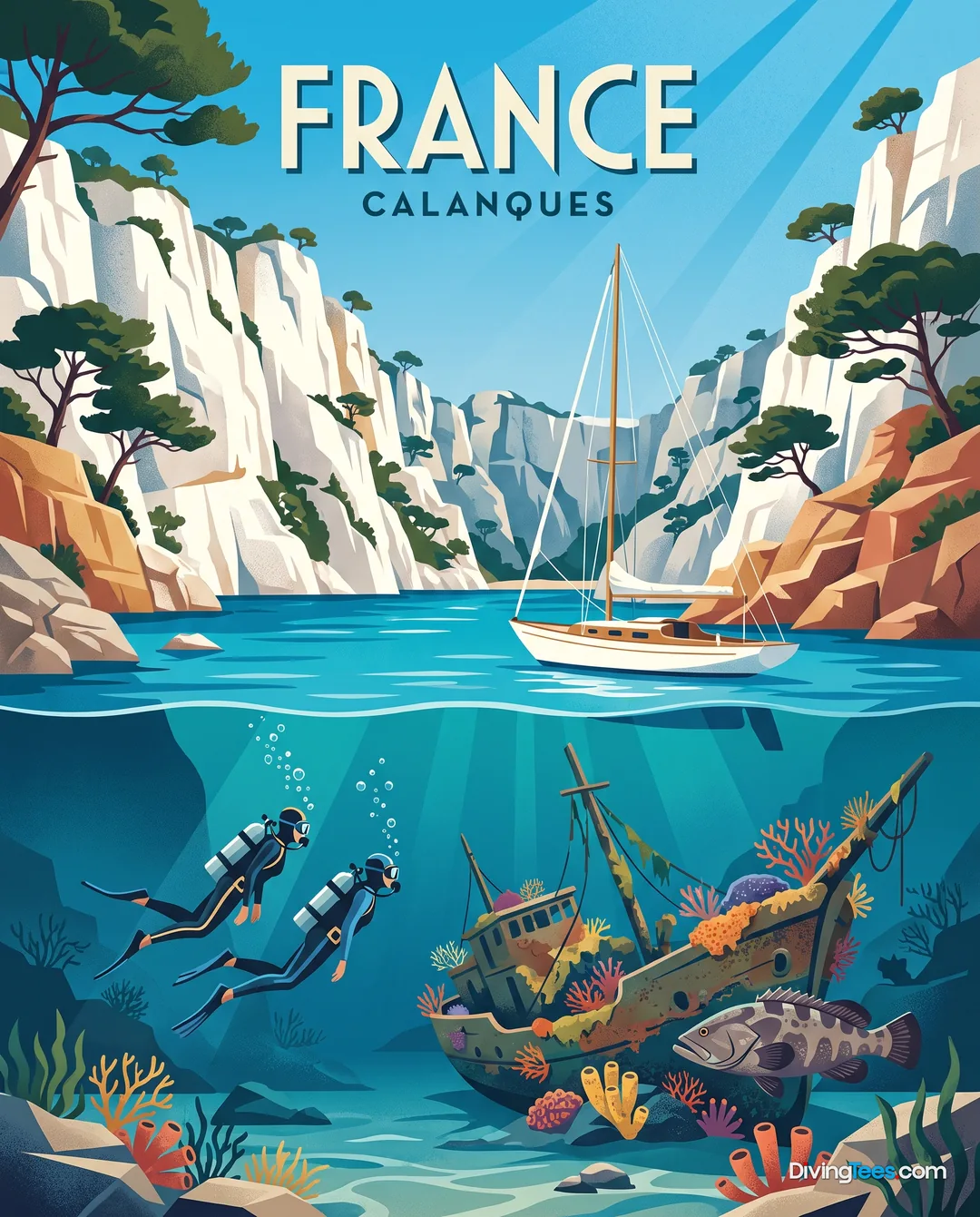
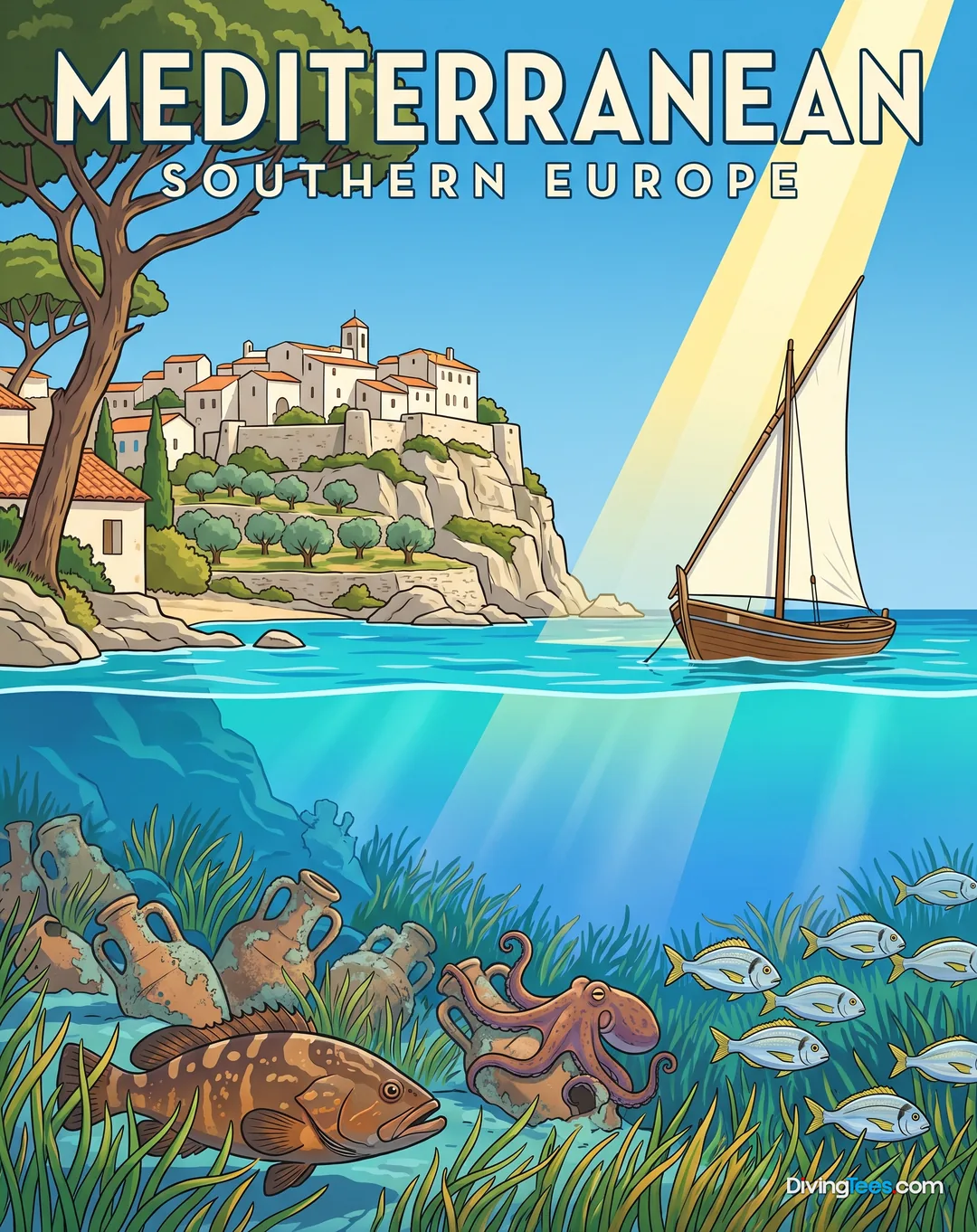
The Cap Roux nature reserve offers some of the best-preserved marine environments in the Var. The area features a diverse mix of rocky reefs, seagrass meadows, and sandy bottoms.
Lion de Mer is a versatile site ranging from 3 to 52 metres, making it suitable for all levels. It is characterised by sandy bottoms, Posidonia meadows, and various drop-offs where you can find a wide array of Mediterranean life.
La Roche Percée is a unique rock formation located between 8 and 20 metres. It features a large central opening that divers can swim through, providing an interesting underwater swim-through.
And some of the dive sites the centre runs.
The marine life in this region is remarkably diverse, particularly within the protected areas of Cap Roux. You will find a variety of large fish such as groupers, barracuda, amberjack, and jack, alongside smaller species like sars, seabream, and wrasses. The rocky reefs are often home to moray eels and conger eels hiding in crevices.
The underwater scenery is defined by vibrant fixed life. You can explore extensive forests of red and yellow sea fans, as well as various sponges and sea anemones. Large meadows of Posidonia seagrass provide essential habitat for many species.
Macro life and crustaceans are abundant throughout the sites. Keep an eye out for spiny lobsters, lobsters, slipper lobsters, and various species of octopus and cuttlefish. You may also encounter smaller wonders like nudibranchs, starfish, and basket stars tucked away in the reef structure.
The centre operates seasonally from March to December. The local sites offer a range of depths and environments, from shallow rocky plateaus to deep wrecks and vertical walls.
Hello, I'm Marina, DivingDeal.com's AI assistant. I answer in detail about hotels, dive centres and liveaboards.

Thinking about the whole trip and the flights? Talk it over with Edith →
Marina is an AI. Some links are affiliate links: DivingDeal may earn a commission, at no extra cost to you. Bookings are made with the partner.