 ANMP
ANMPOdyssee Bleue Socoa
★ 4.8/5 (153 reviews)
less than 1 km away as the crow flies
French Basque Country · France · Mediterranean
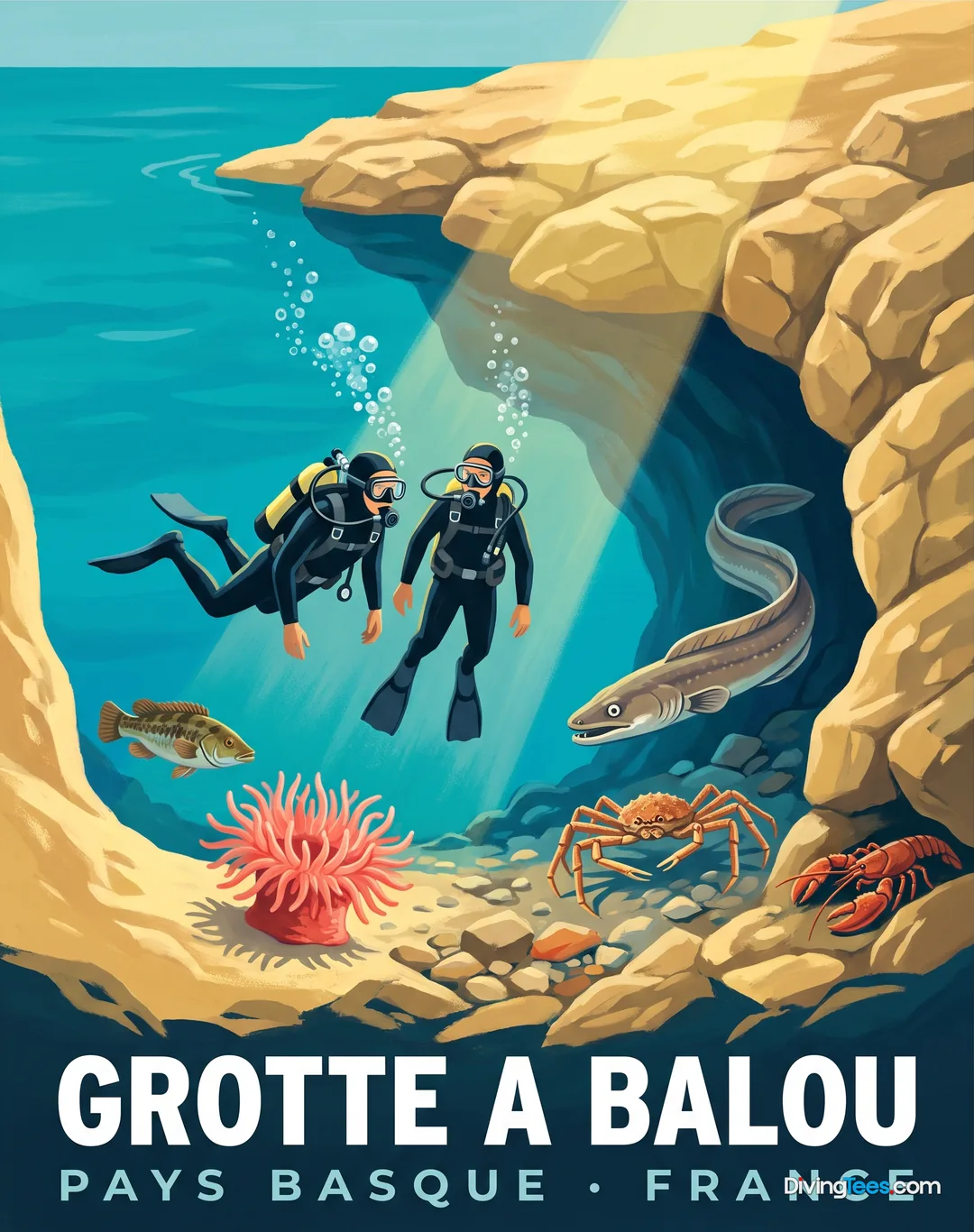
Max. depth · 12 mExplore a sheltered underwater landscape of rocky formations and small drop-offs along the Socoa breakwater, a site well-suited for training and marine life observation.
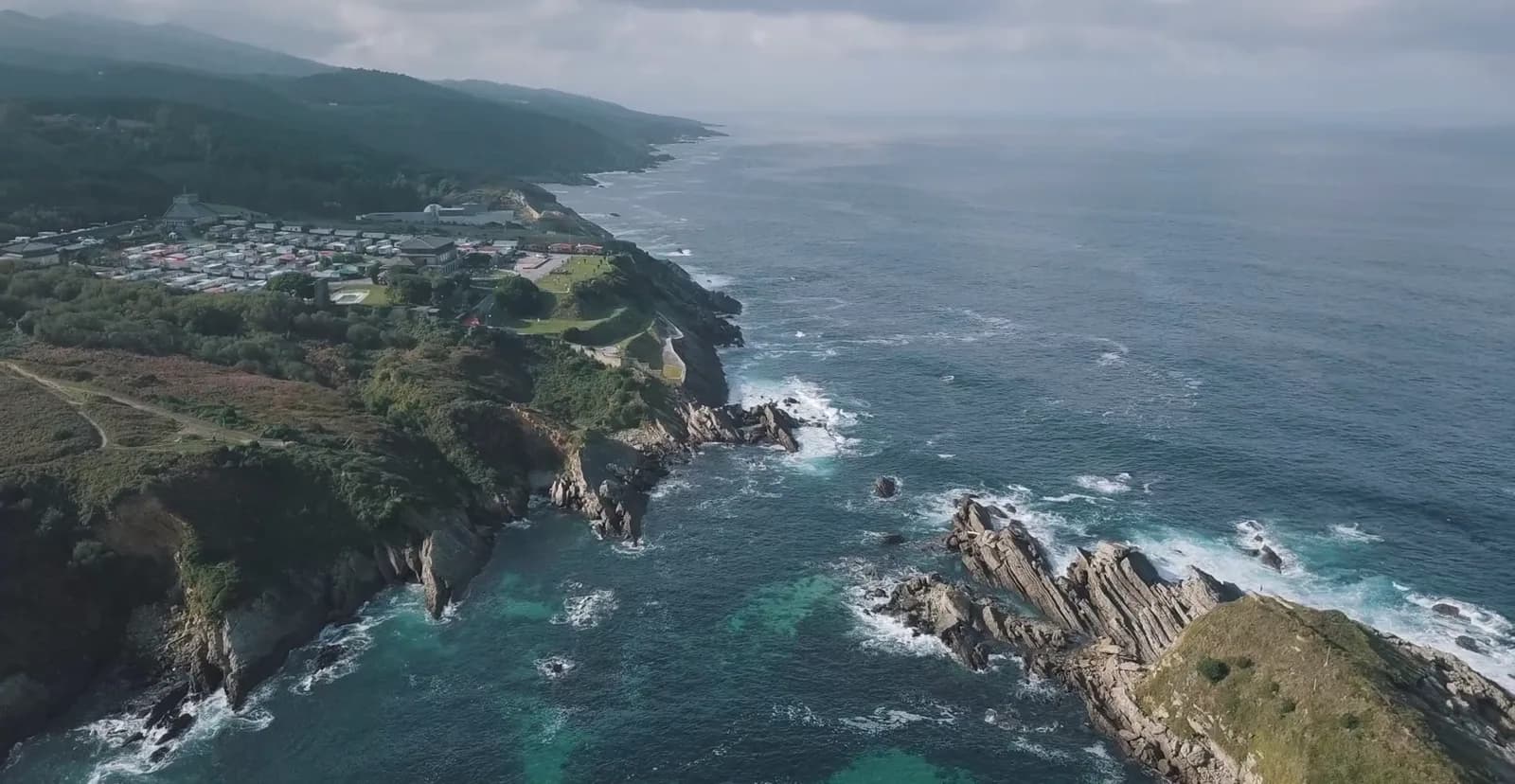
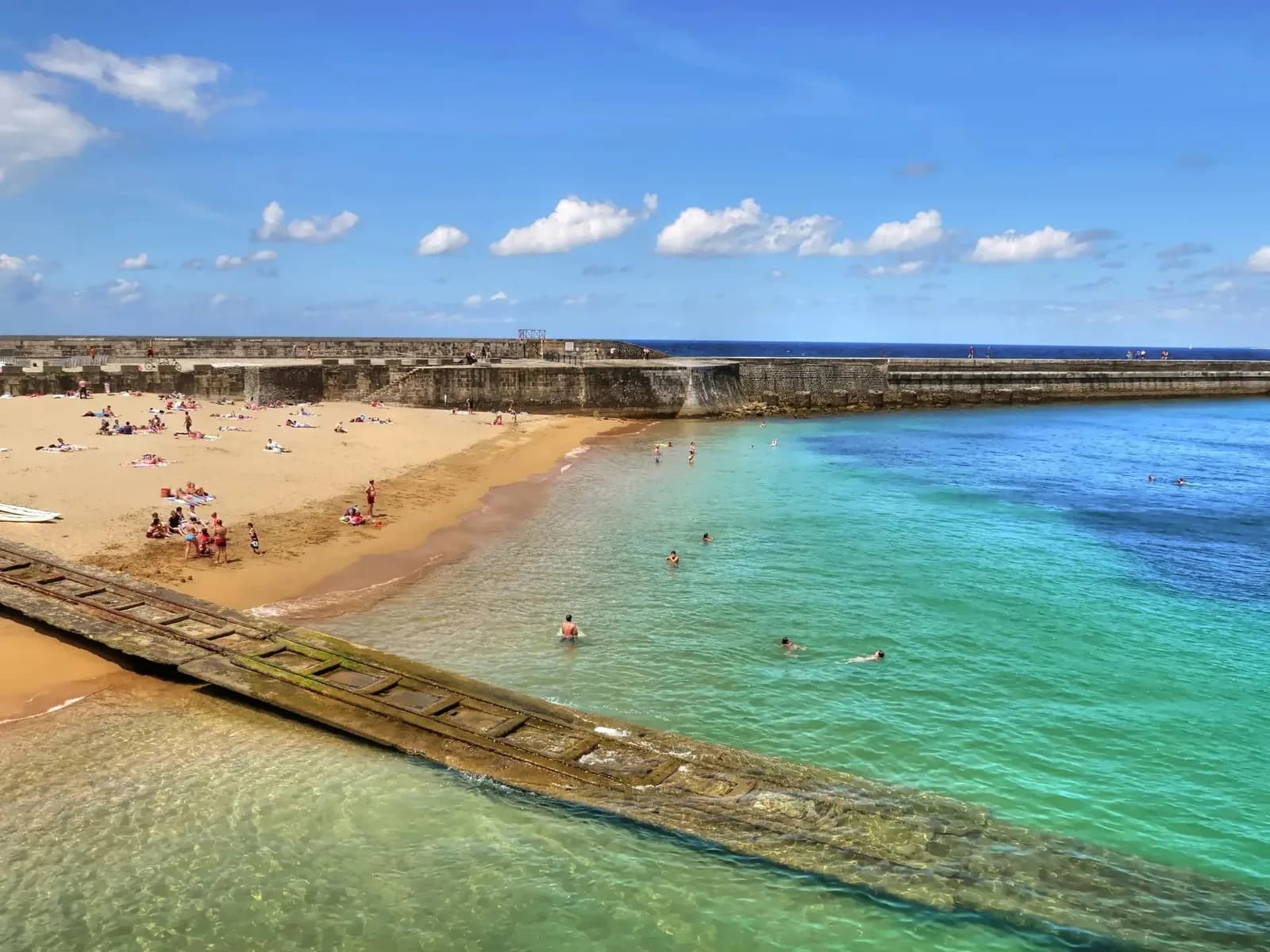
Diving the Digue de Socoa offers a gentle introduction to the underwater world of the French Basque Country. This site is primarily a shallow coastal dive, tracing the Socoa breakwater. You'll find a mixed topography here, not a sheer wall but a series of rocky reliefs, small drop-offs, and an uneven bottom that encourages exploration rather than a deep, rapid descent. The maximum depth of 12 metres makes it accessible and comfortable for extended bottom times, allowing you to thoroughly investigate the features.
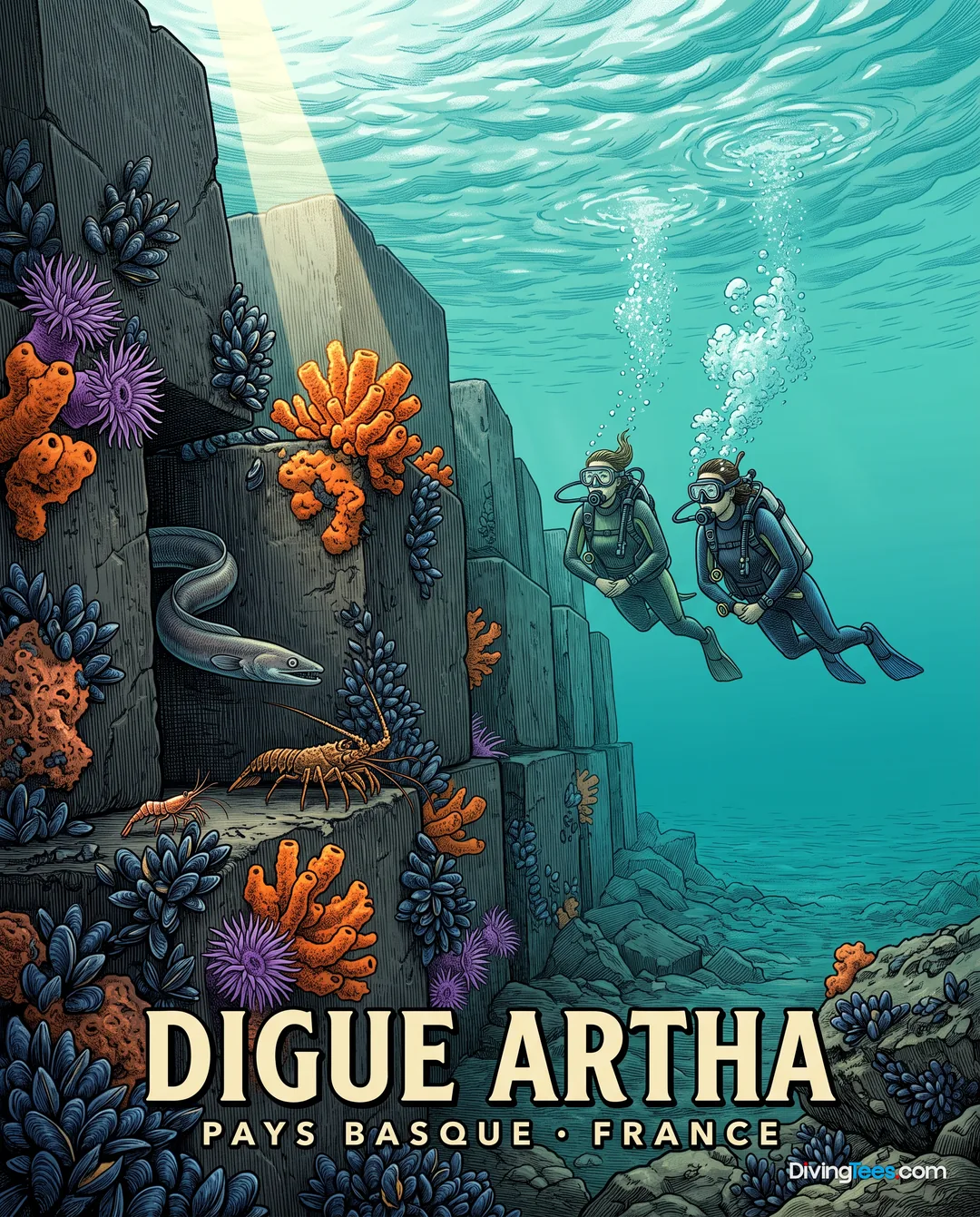
The underwater landscape at Socoa is characterised by a series of rock formations and small vertical faces, creating a mosaic of habitats. As you navigate the site, you'll encounter numerous crevices and overhangs that serve as natural shelters for resident marine life. This varied structure means that even on a relatively shallow dive, there are always new sections to explore and different perspectives to gain as you follow the natural contours of the breakwater.
Currents at Digue de Socoa are generally light, making it a suitable environment for divers focusing on buoyancy control and observation. While conditions in any bay can be influenced by local weather patterns and tidal movements, this site is known for its sheltered nature, particularly favoured for introductory dives and diver training. This allows for a relaxed pace, where you can take your time examining the details of the environment without fighting a strong flow.
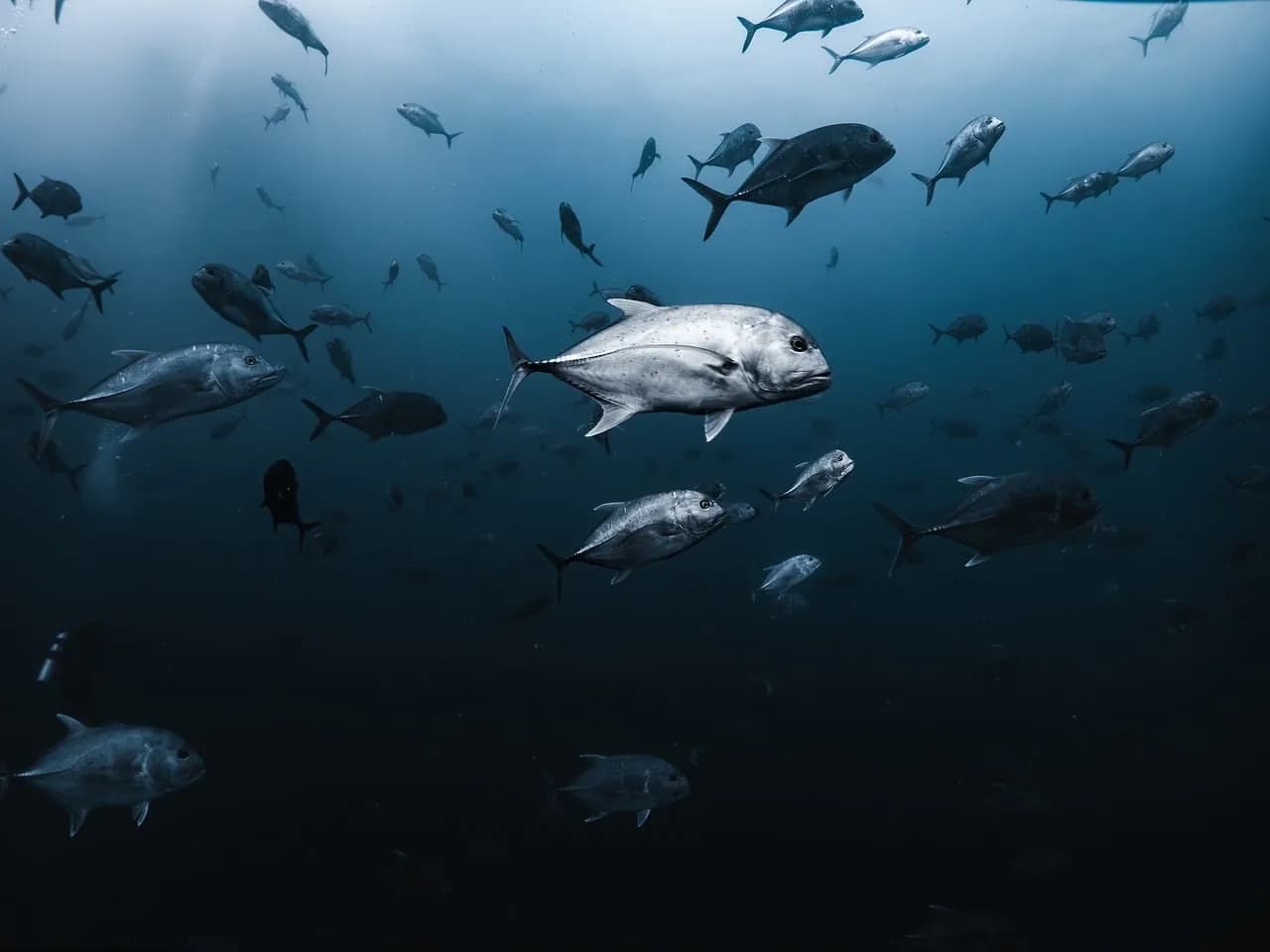
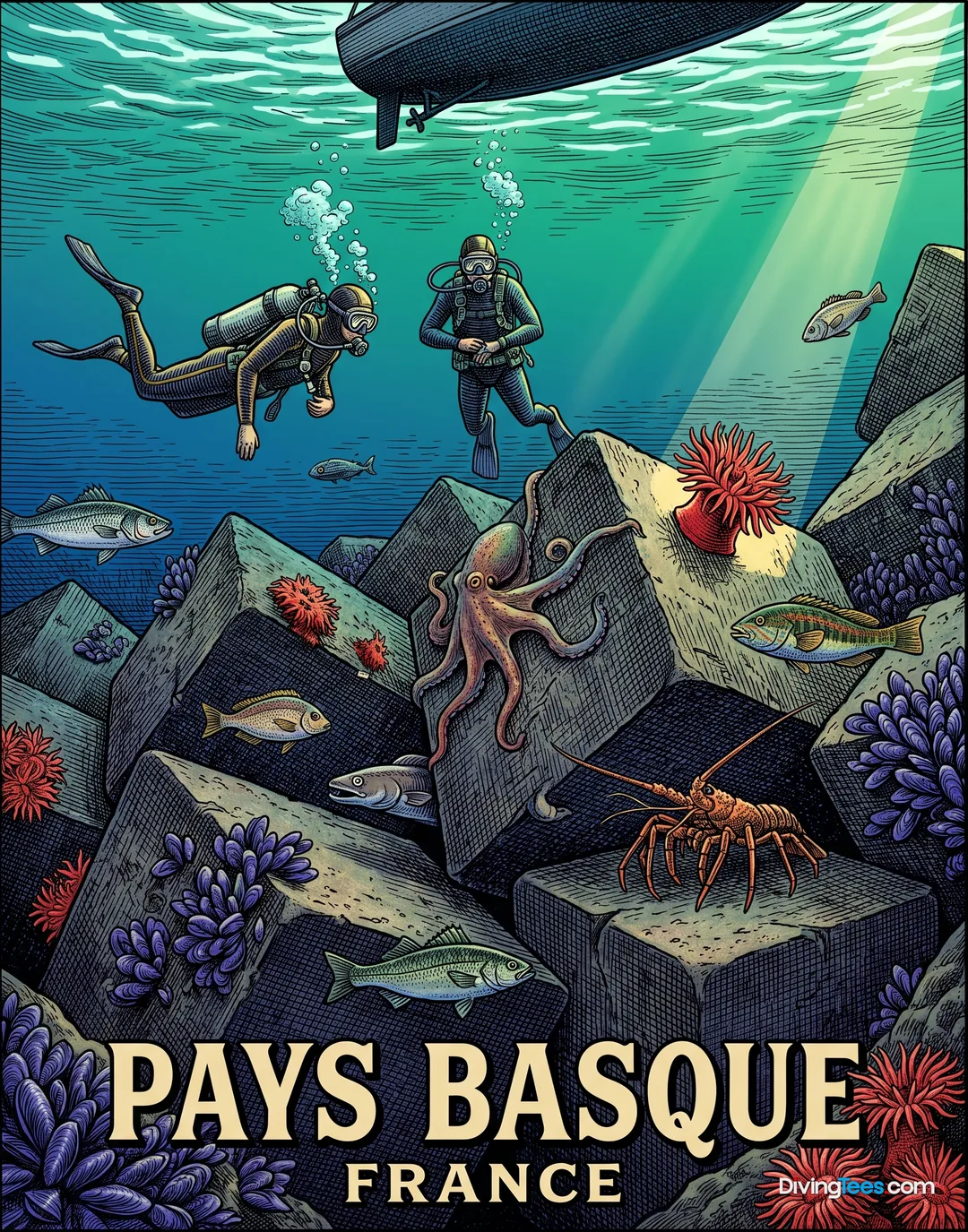
Marine life here adapts to the varied bottom and rocky structures. You can expect to encounter seabass (Dicentrarchus labrax) moving through the water column, often found near the rocky outcrops. Sars (Diplodus sargus) are also common, grazing on algae or hunting small invertebrates. These species often demonstrate curiosity, allowing for closer observation as you move through their territory.
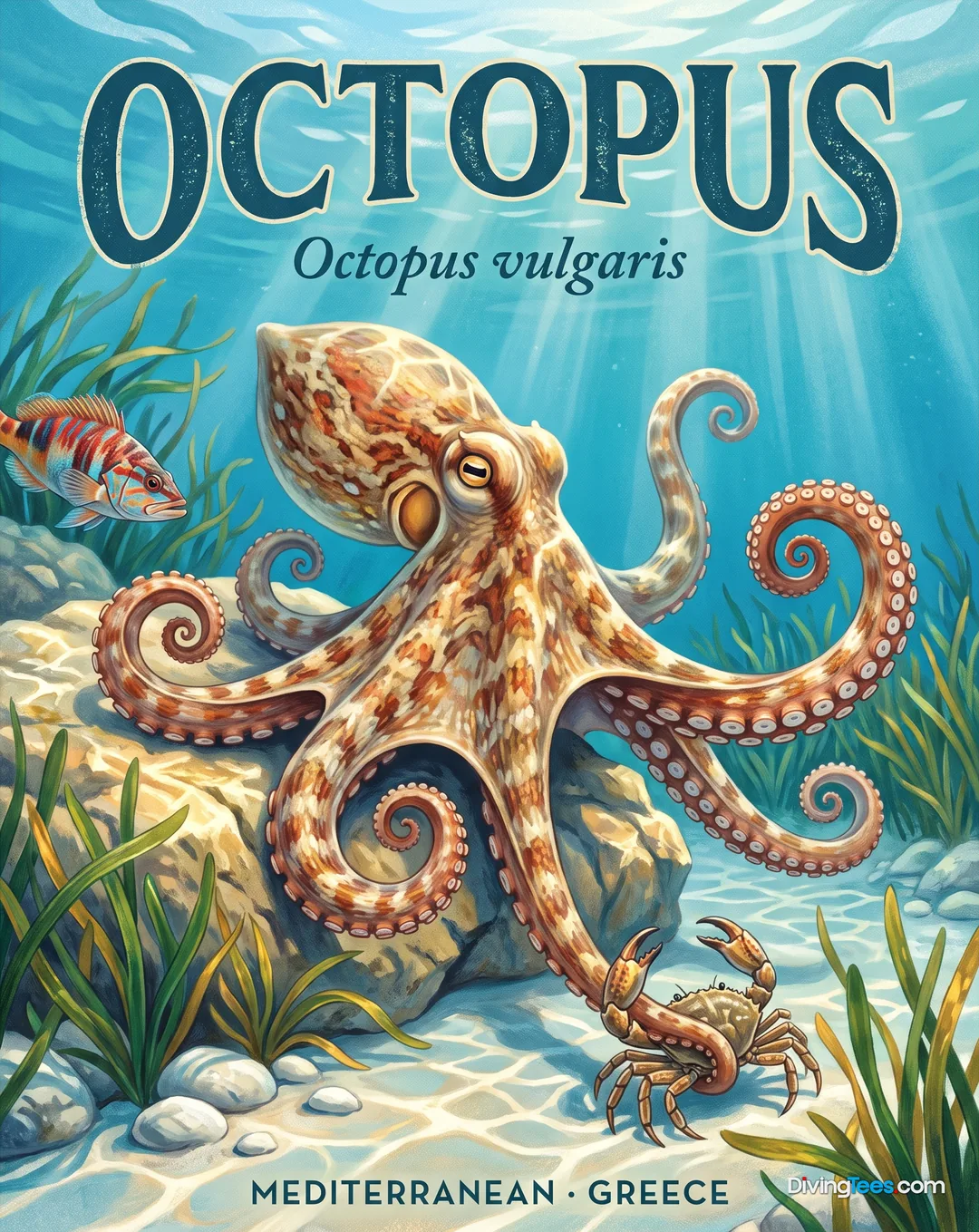
Exploring the nooks and crannies of the Socoa breakwater often reveals more elusive residents. Wrasse (Labridae family) are frequently seen, displaying their vibrant colours as they forage among the rocks. Keep an eye out for conger eels (Conger conger) peering from their rocky hideaways, and octopuses (Octopus vulgaris) camouflaged against the seabed, waiting for an opportune moment to hunt or move. The diversity of the bottom allows for a variety of species to thrive within this relatively confined area.
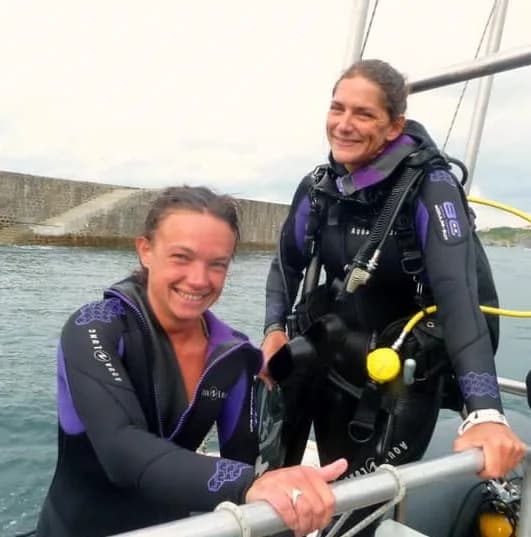
What sets Digue de Socoa apart in the region is its accessibility and its role as a training ground. Unlike many of the deeper, more exposed offshore sites along the Basque Coast, Socoa offers calm, protected conditions close to the harbour. This makes it an ideal location for short, focused dive sessions, perfect for refining skills or for those looking for a relaxed underwater experience without extensive travel or demanding profiles.
The Digue de Socoa is a shallow dive, with depths ranging from the surface to a maximum of 12 metres. It is accessible from Open Water Diver certification and is also used for introductory dives, making it suitable for all experience levels. Currents are typically light and manageable, though like any coastal site, they can vary with local bay weather and tidal shifts. Visibility is variable but often clear, providing good conditions for observation. The best period for diving here runs from April through to October.
★★★
★ 8.8/10 (837 reviews)
1.2 km away as the crow flies
★★★
★ 8.6/10 (716 reviews)
1.4 km away as the crow flies
★★★
★ 9/10 (379 reviews)
8.2 km away as the crow flies
★★★★
★ 8.6/10 (1,870 reviews)
8.9 km away as the crow flies