CMAS
Odyssee Bleue Socoa
Google 4.8/5 (176 reviews)
1.3 km away as the crow flies
French Basque Country · France · Mediterranean
Max. depth · 10 mExplore the artificial structures of Digue Artha, a sheltered breakwater providing a rich habitat for macro life within the calm confines of Saint-Jean-de-Luz Bay.
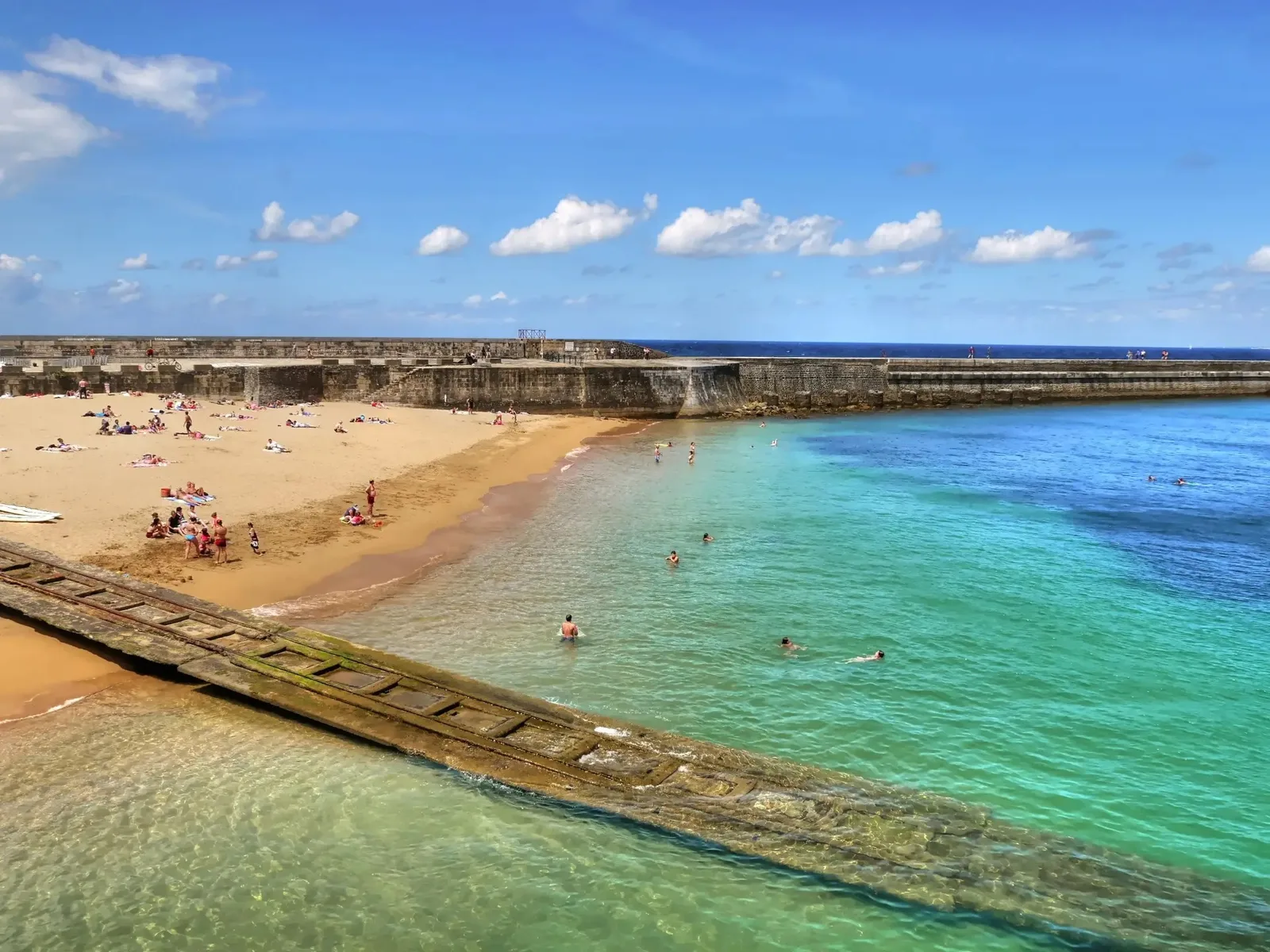
Digue Artha, also known as Digue de l'Artha, is an artificial breakwater spanning approximately 250 metres within Saint-Jean-de-Luz Bay. Your dive here takes place on the bay side, descending along its structured surfaces. This is not a site for dramatic topography or deep exploration; instead, you're looking at a shallow, sheltered environment focused on the intricate life thriving on and within these man-made structures, contrasting with the more exposed conditions often found elsewhere along the coast.
Entry is straightforward, typically from the shore or a nearby access point within the bay. As you descend, the breakwater’s blocks and walls reveal themselves, offering numerous crevices and overhangs. The dive profile is simple, following the structure down to a maximum of 10 metres, allowing for extended bottom times to observe the smaller inhabitants. This makes it an ideal spot for those who prefer a slower pace, focusing on detailed observation rather than covering large distances.
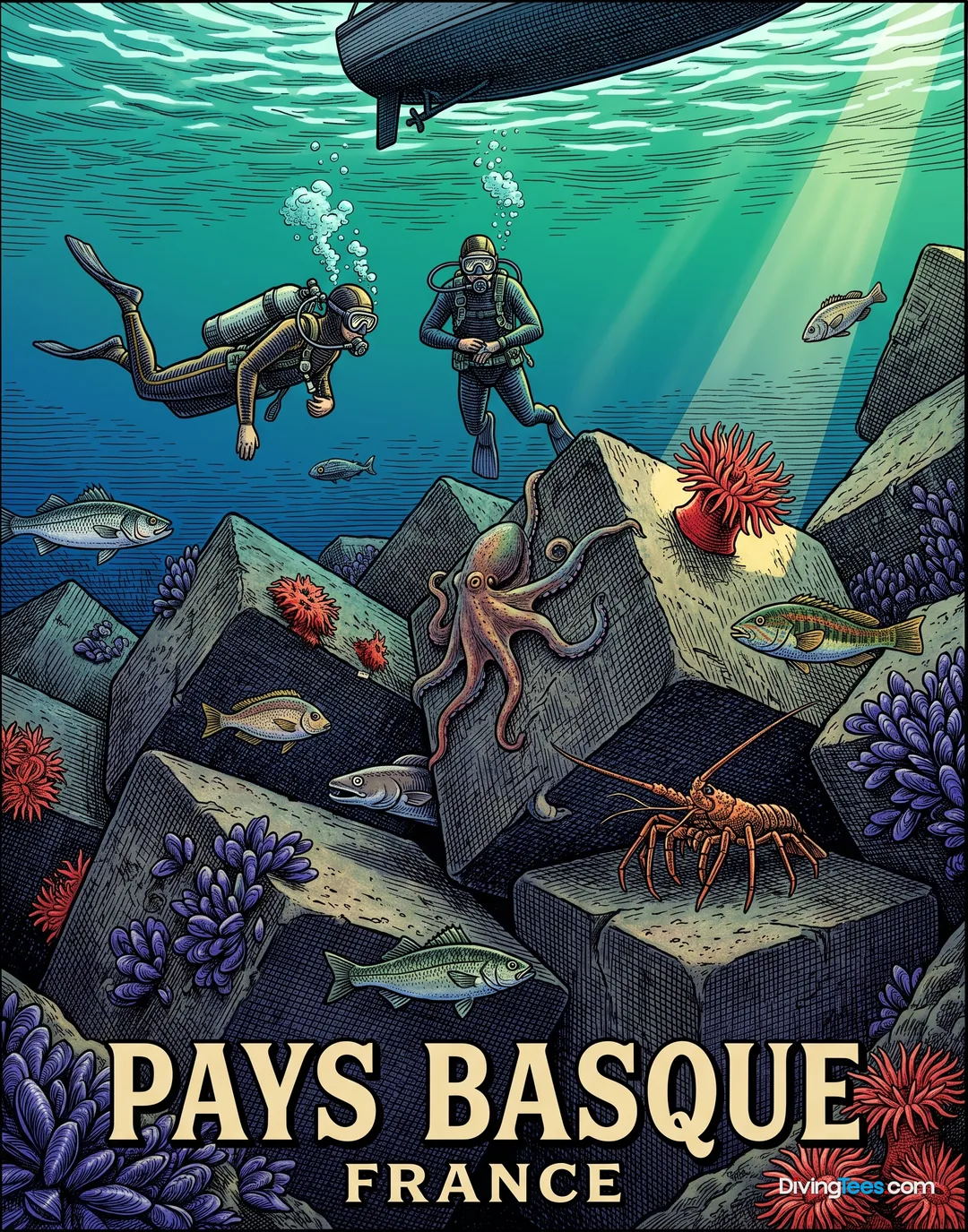
The artificial substratum of the digue is heavily colonised, transforming the concrete into a living reef. You'll find dense patches of sea anemones (Actiniaria) and mussels (Mytilidae) covering the surfaces, creating a vibrant backdrop for the resident fauna. This environment provides both shelter and a food source, explaining the concentration of marine life you encounter in such a relatively shallow area, often overlooked by divers seeking deeper or more dramatic sites.
Visibility here is generally good within the bay, and the shallow depth ensures ample natural light penetrates to the bottom. While the current is typically light, conditions can subtly shift with the tides, as is common in bay environments. However, these changes rarely present a significant challenge, reinforcing its reputation as an easy dive, suitable for those building confidence or honing their underwater photography skills.
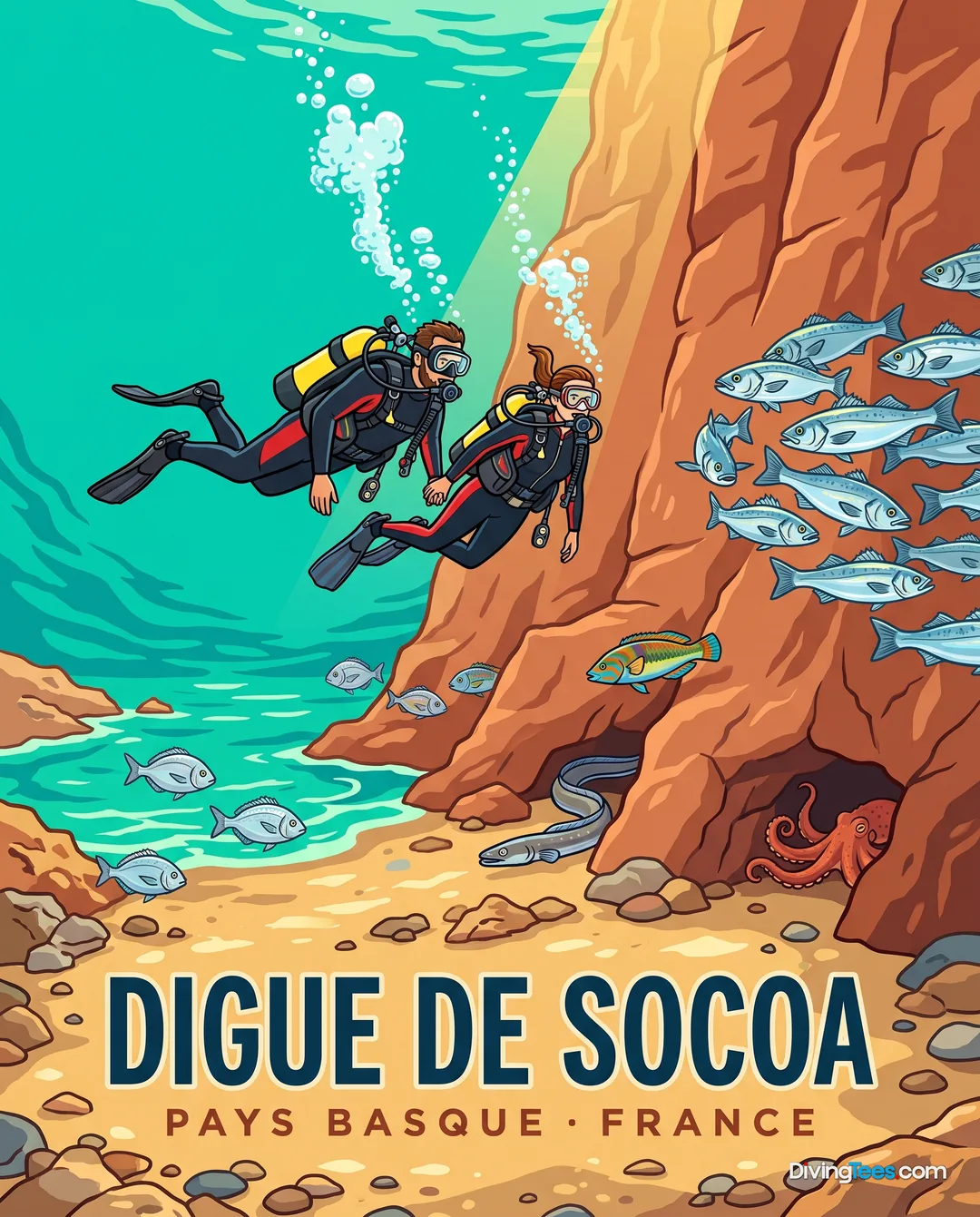
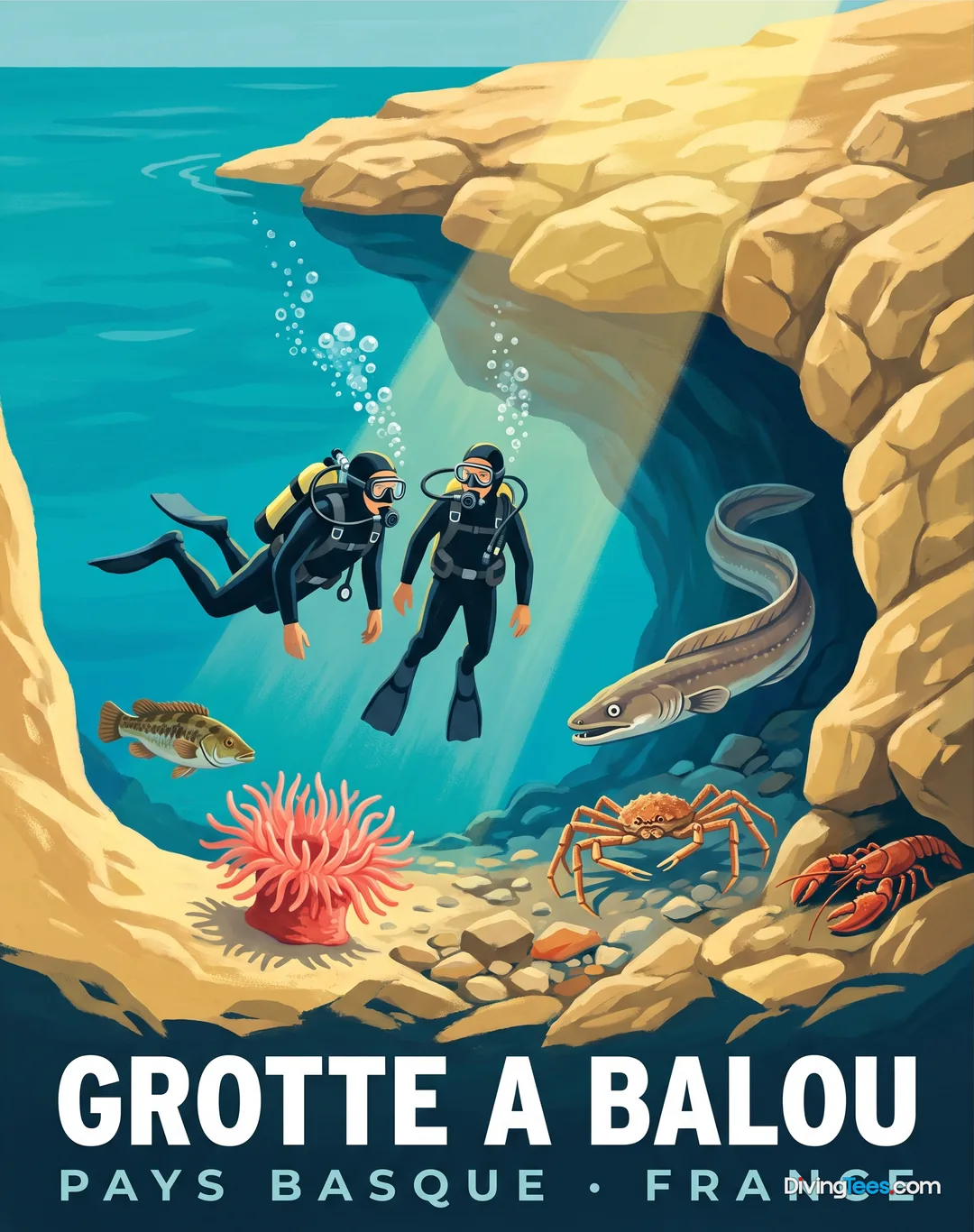
Among the structures, you’ll frequently encounter conger eels (Conger conger) tucked into the larger crevices, often peeking out from their retreats. Lobsters (Homarus gammarus) and various shrimp species also make their home here, navigating the complex network of blocks. The relatively calm waters and abundant shelter provide an ideal habitat for these invertebrates, making close observation possible without being swept away by strong currents.
What sets Digue Artha apart is its role as a dedicated macro-diving location within a sheltered bay. Unlike many sites that rely on natural reef formations, this breakwater showcases how artificial structures can foster diverse marine ecosystems. It offers a consistent, accessible experience, allowing you to focus on the nuances of small-scale marine life, which is particularly valuable for training or for divers who appreciate the intricacies of the underwater world close-up.
This site serves as a consistent entry point for divers into the local marine environment, offering a predictable and enriching experience for those new to the region or those wishing to practice specific skills. Its protected nature means dives are rarely cancelled due to adverse weather, providing a reliable option when other, more exposed sites might be out of bounds. The focus here is on observation and detail, rather than dramatic pelagic encounters.
Digue Artha offers a maximum depth of 10 metres, making it accessible to divers holding an Open Water Diver certification or equivalent. The current is generally light, although minor tidal influences can be felt at times. This site is suitable for beginners to experienced divers, providing a relaxed environment for exploration.
You can dive Digue Artha within Saint-Jean-de-Luz Bay, where the sheltered setting and shallow profile provide a relaxed experience. The site is generally a reliable option when more exposed coastal sites are unavailable. Tidal influences can sometimes affect conditions, so you should allow for subtle changes during the dive.
Digue Artha is accessible to you with an Open Water Diver certification or equivalent. Its sheltered bay environment, straightforward profile, shallow depth, and generally light current suit beginners building confidence, while the abundant small marine life also gives experienced divers opportunities for detailed observation and underwater photography.
Digue Artha reaches a maximum depth of 10 metres. You follow the artificial breakwater’s blocks and walls down its structured surfaces, with crevices and overhangs to explore along the way. The shallow profile allows natural light to reach the bottom and supports extended observation of small marine life.
You’ll find dense sea anemone colonies and mussels covering the breakwater, along with abundant macro life. Conger eels shelter in larger crevices, while lobsters and shrimp move among the blocks. Currents are generally light, although minor tidal influences can be felt at times within the bay.