SAS Dreamcatcher Maupiti Diving
Google 4.9/5 (369 reviews)
Maupiti · French Polynesia · Pacific
Max. depth · 10 mNavigate through dense fields of hard corals in a sheltered lagoon environment.
The Coral Gardens are situated within the protected lagoon of Maupiti, forming a dense and continuous fringing reef. Unlike the deeper, high-energy outer reefs of French Polynesia, this site is characterized by shallow coral heads and low bommies. These structures are arranged in a way that creates a natural underwater trail, with sandy channels running between the coral formations. This layout provides an intuitive route for divers and snorkelers to follow as they move through the reef system.
As you enter the water, the depth remains relatively shallow, typically staying between 2 and 10 metres. The topography is defined by these coral heads that rise from the sandy lagoon floor, creating a labyrinthine environment. You will find yourself navigating through narrow passages that separate the coral clusters, which keeps the experience intimate and visually dense. The seabed is a mix of hard coral structures and clear sandy paths, providing high contrast for visibility.
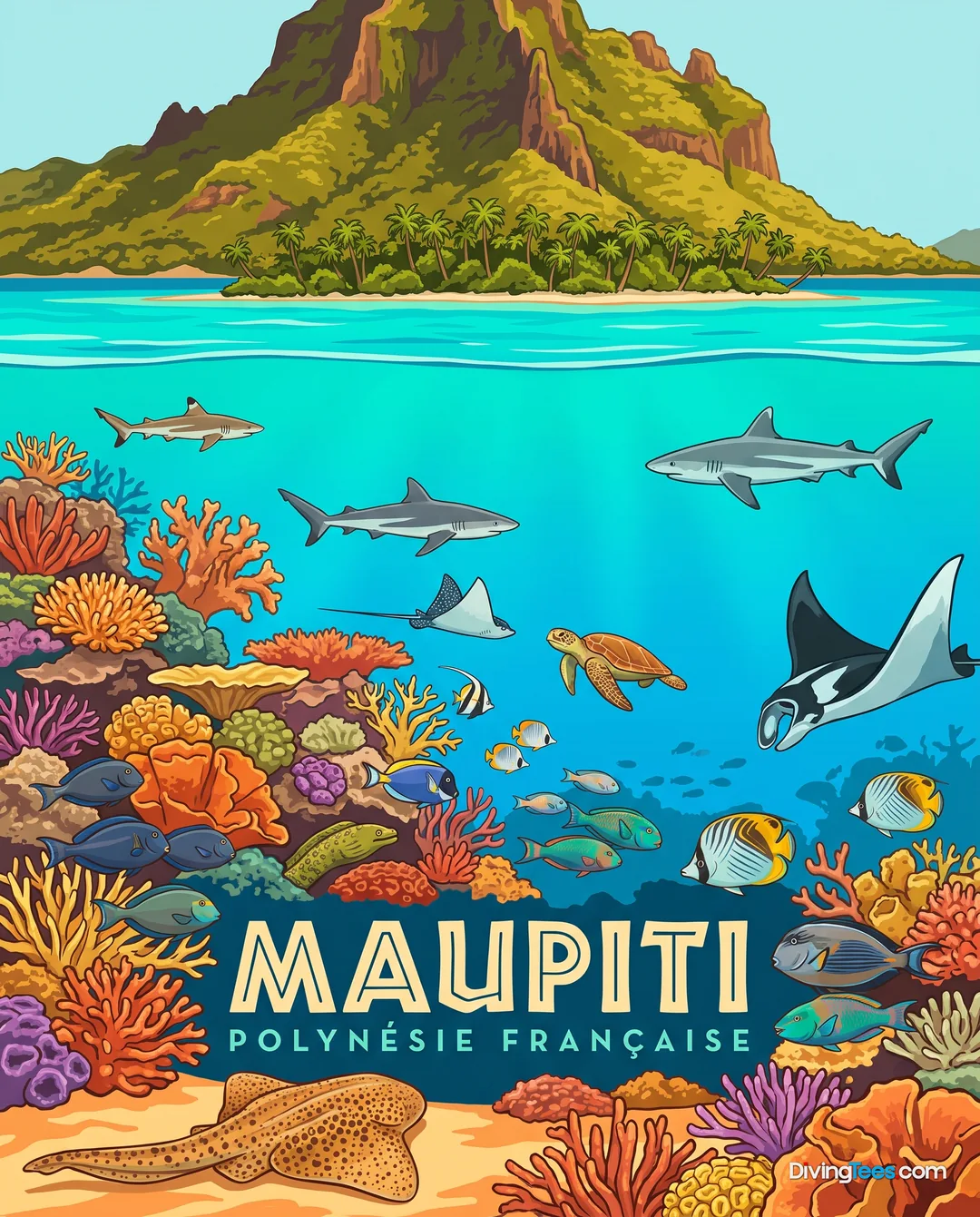
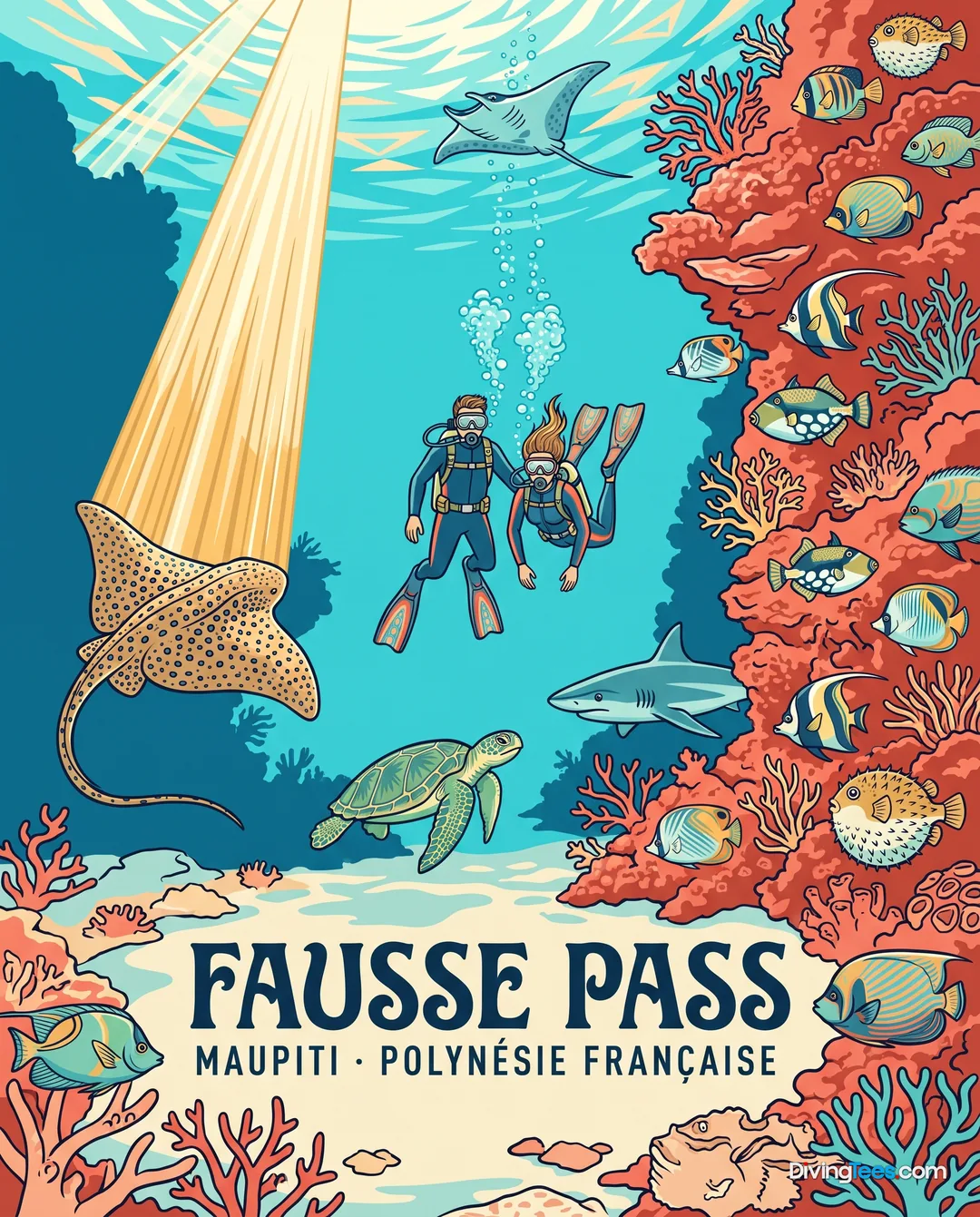
The reef is notable for its high density of hard corals, which remains remarkably pristine due to the sheltered nature of the lagoon. This abundance of coral creates a complex habitat for a wide range of resident species. You will encounter various reef fish, including surgeonfish, parrotfish, butterflyfish, and angelfish, moving through the coral heads. The lack of heavy surge makes this an ideal spot for observing the natural behaviors of these species without being buffeted by wave action.
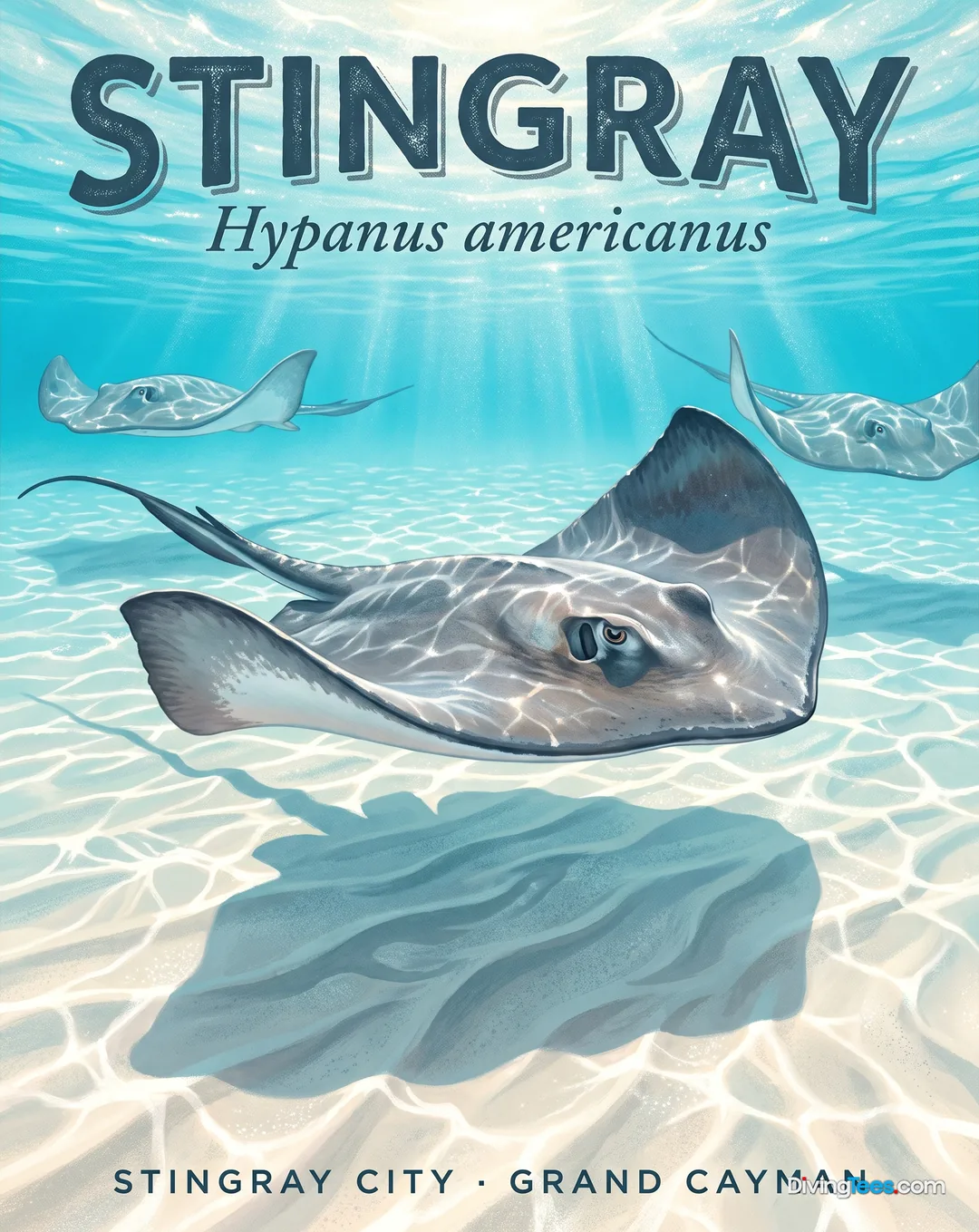
In the crevices and under the edges of the coral structures, you can often spot moray eels patrolling their territory. The reef also supports a significant presence of green sea turtles moving through the shallow waters. For those observing the bottom, stingrays and various species of reef fish are common throughout the coral fields. The biological density here is a result of the stable, sheltered conditions provided by the lagoon's geography.
While the site is primarily known for its coral and resident reef fish, it also hosts larger marine life typical of the region. You may encounter blacktip reef sharks patrolling the shallower areas or manta rays passing through the lagoon. The site is part of a larger lagoon system that serves as a significant cleaning station for manta rays in the South Pacific. This proximity to larger pelagic life adds a layer of interest to an otherwise shallow and calm site.
The visibility within the lagoon typically reaches between 20 and 30 metres, offering clear views through the water column. This clarity is particularly consistent during the dry season, which runs from May to October. Good visibility is essential for navigating the intricate layout of the coral heads and for spotting smaller residents tucked within the reef structure. The calm, shallow nature of the site makes it accessible to a wide range of divers and snorkelers.
Access to the Coral Gardens is exclusively by boat from within the Maupiti lagoon. Most operators run daily tours that include both snorkeling and diving, mooring the boat near the shallow reef before you enter the water. Because the site is located inside the lagoon, it is much more sheltered than the outer reef, protecting you from the significant swell often found in the open ocean. This makes it one of the most reliable sites for encountering healthy coral in the region.
The site ranges from 2 to 10 metres in depth and is accessible from an Open Water Diver level. Current is generally light, though it can vary slightly depending on wind and the movement of water through the Onoiau pass. Visibility is expected to be between 20 and 30 metres, especially during the dry season from May to October.
You can dive Coral Gardens throughout the year, within Maupiti’s sheltered lagoon. Visibility is typically between 20 and 30 metres and is particularly consistent during the dry season from May to October. The clear water helps you follow the sandy channels between coral heads and look for smaller reef residents.
Coral Gardens is accessible to you from Open Water Diver level. The site remains shallow, with depths from 2 to 10 metres throughout the lagoon. Low coral bommies rise from a sandy floor, while narrow passages between coral formations create an easy-to-follow underwater route for divers and snorkelers.
You can generally expect light current at Coral Gardens because the site lies within Maupiti’s protected lagoon and is sheltered from open-ocean swell. Conditions can vary slightly with the wind and with water movement through the Onoiau pass. The limited surge lets you observe reef life without being heavily buffeted.
At Coral Gardens, you can explore dense hard coral fields, intricate coral heads, sandy channels, and narrow passages. Resident reef life includes surgeonfish, parrotfish, butterflyfish, angelfish, moray eels, green sea turtles, stingrays, and other reef fish. You may also encounter blacktip reef sharks or manta rays passing through the lagoon.