
Rangiroa Diving Center
Google 4.9/5 (378 reviews)
French Polynesia · Pacific
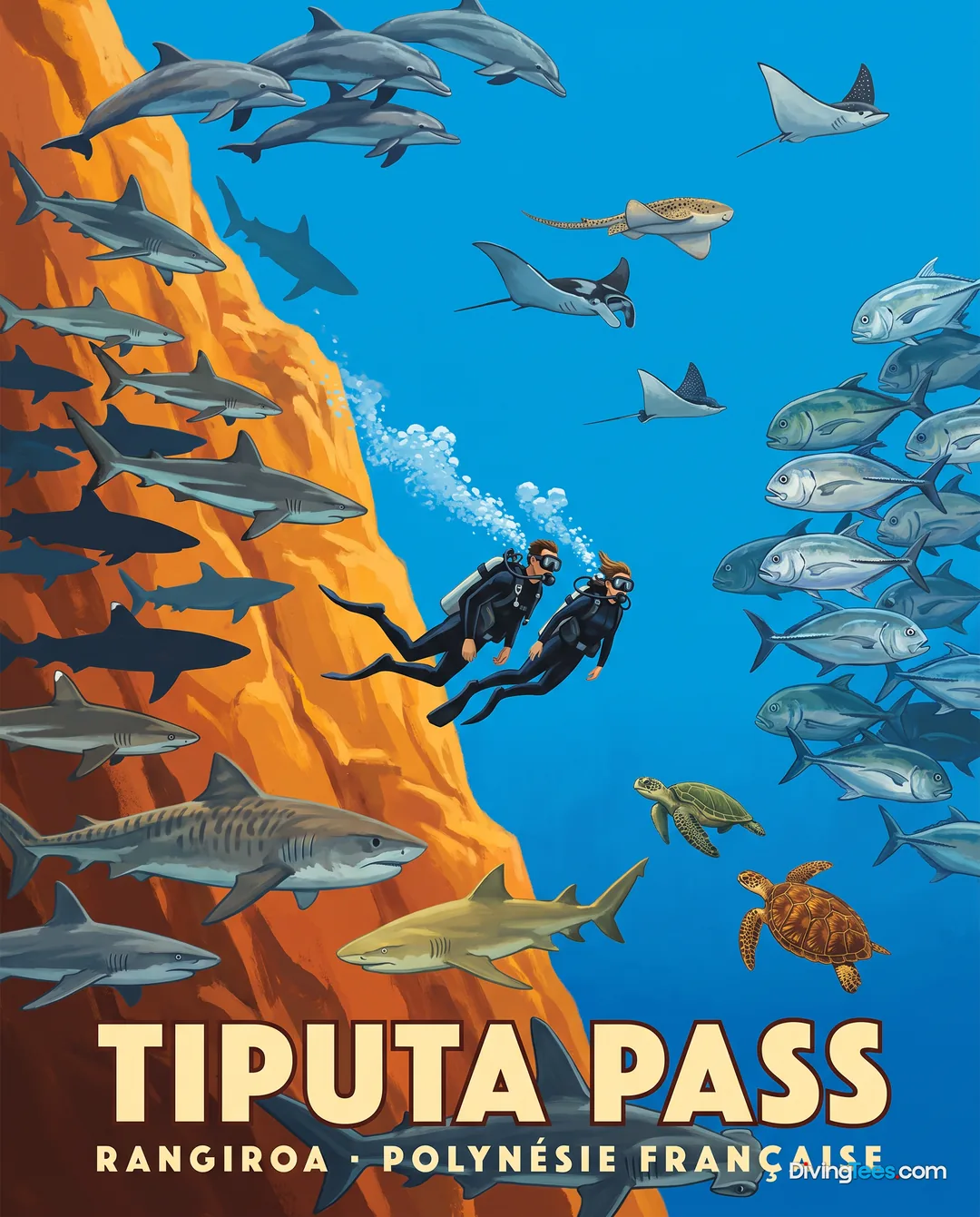
Tiputa Pass brings blue-water drifts, grey reef sharks, deep caves and lagoon passages, with strong tidal currents shaping each dive.
For subtitles in English: start the video firstthen click the gearat the top right of the video, select “Subtitles/CC”, then “Auto-translate” and choose “English”.
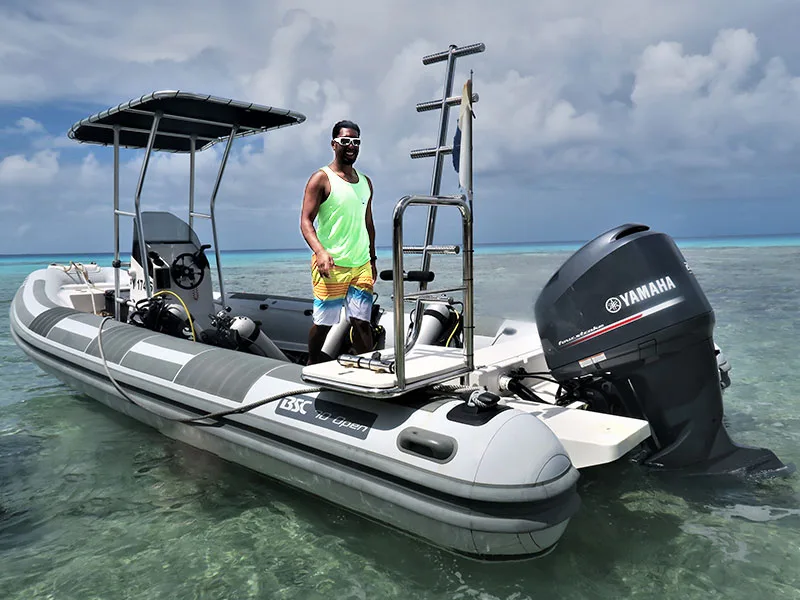
Rangiroa is a huge Tuamotu atoll built around a vast lagoon, with diving concentrated on its passes and the outer reef. The attraction is not a collection of sheltered, easy-going reef dives, but the combination of moving water, blue-water space and pelagic encounters. Tiputa Pass provides the signature experience, while Avatoru Pass adds further drift diving. Days are normally based ashore, with repeated boat trips out from the local base rather than a liveaboard itinerary.
Pass diving here means reading the tide, entering the water at the right point and allowing the current to carry the group through channels, caves and reef edges. In Tiputa Pass, the flow can be light, strong, incoming or outgoing, and occasional counter-currents complicate an otherwise straightforward drift. La mi-éolienne uses those counter-currents to work along the reef edge and its small caves; Les Canyons follows deeper, narrower channels. Le BLEU begins in open blue water over very deep ground before drifting towards the reef, reaching 55 metres. La traversée reaches 50 metres, while L’angle combines deeper pelagic water with barracuda shallows. Visibility is commonly around 20 to 40 metres on Le BLEU and can range from 10 to 40 metres or more at La mi-éolienne. L’éolienne provides a less current-affected reef-slope option to 26 metres.
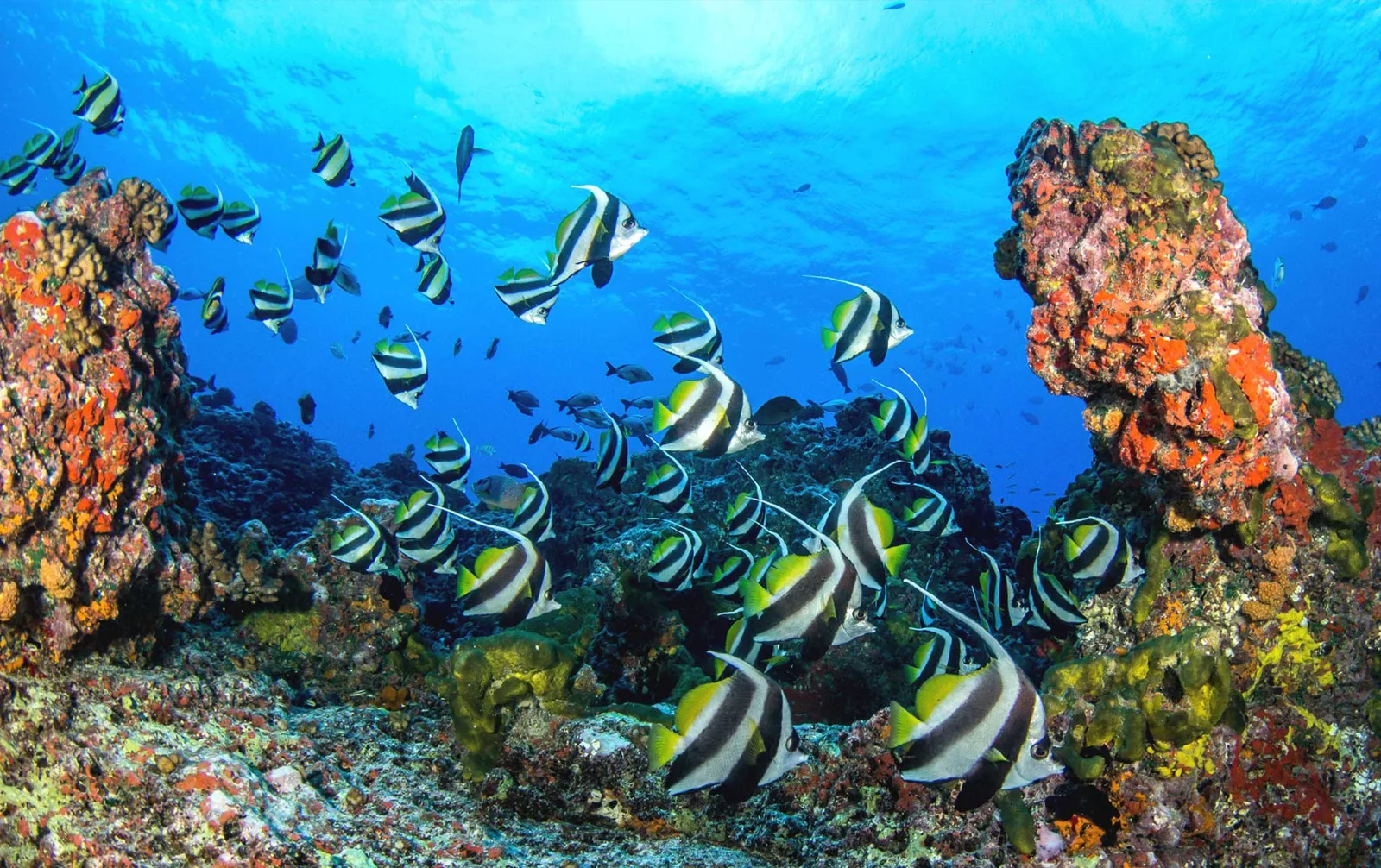
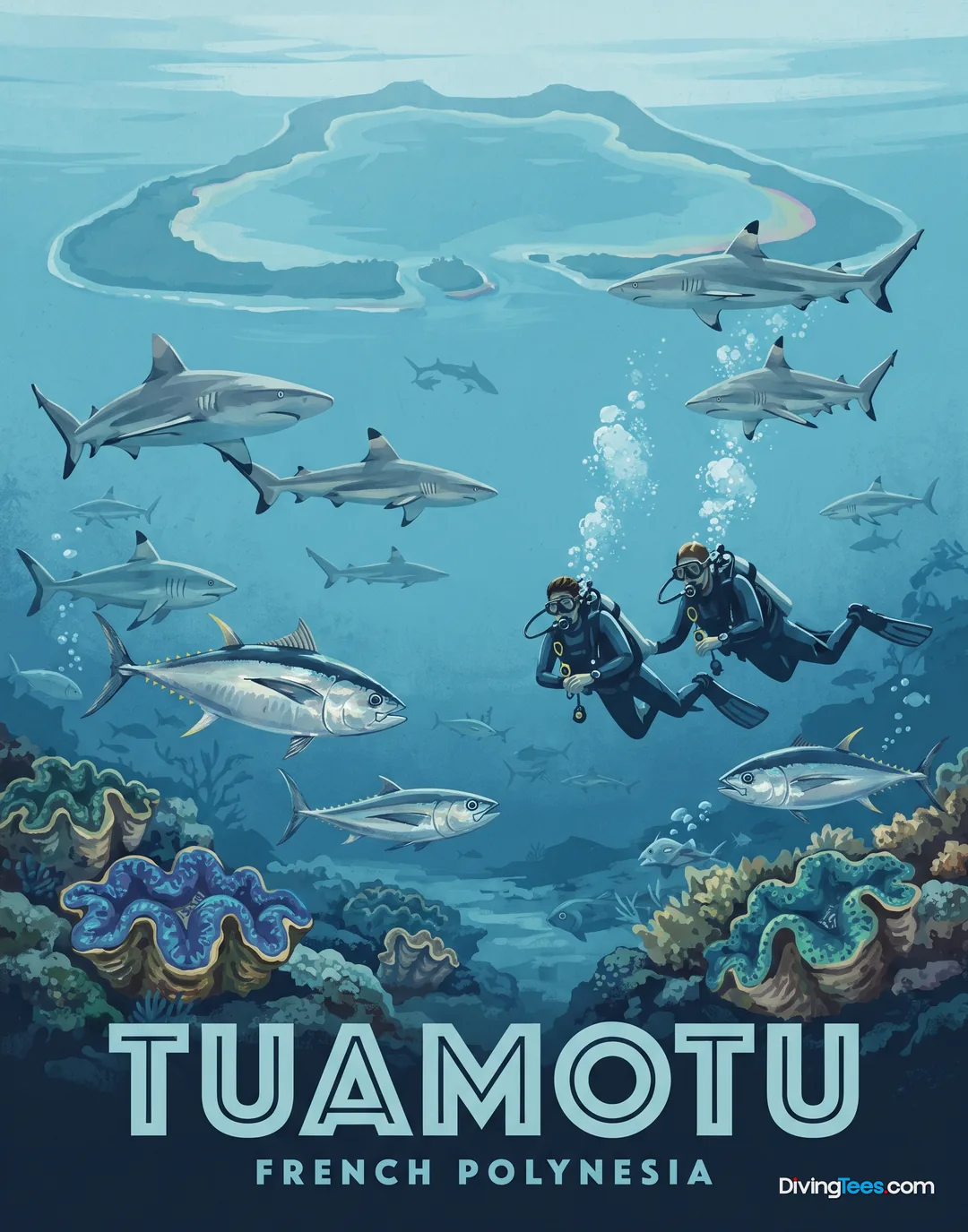
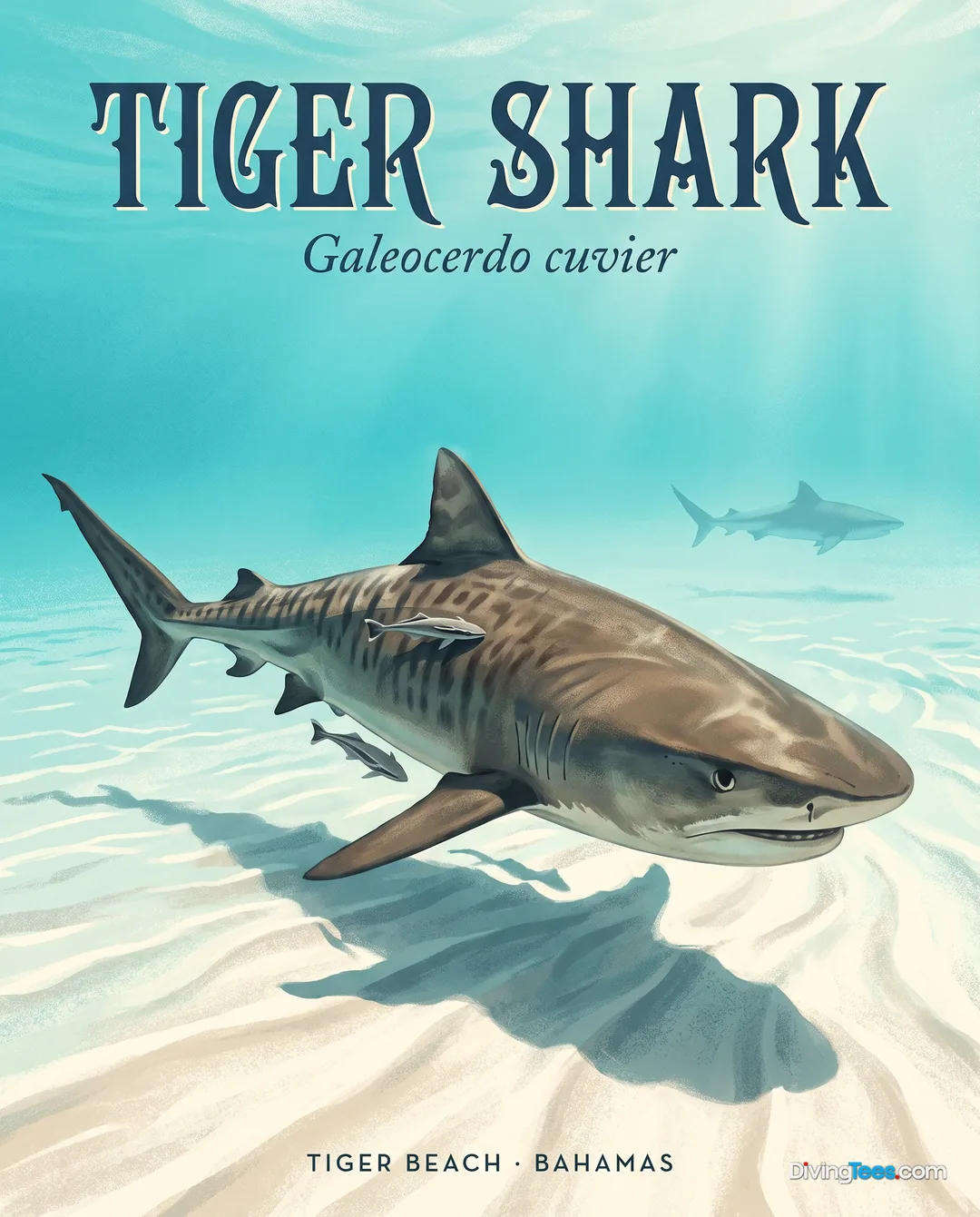
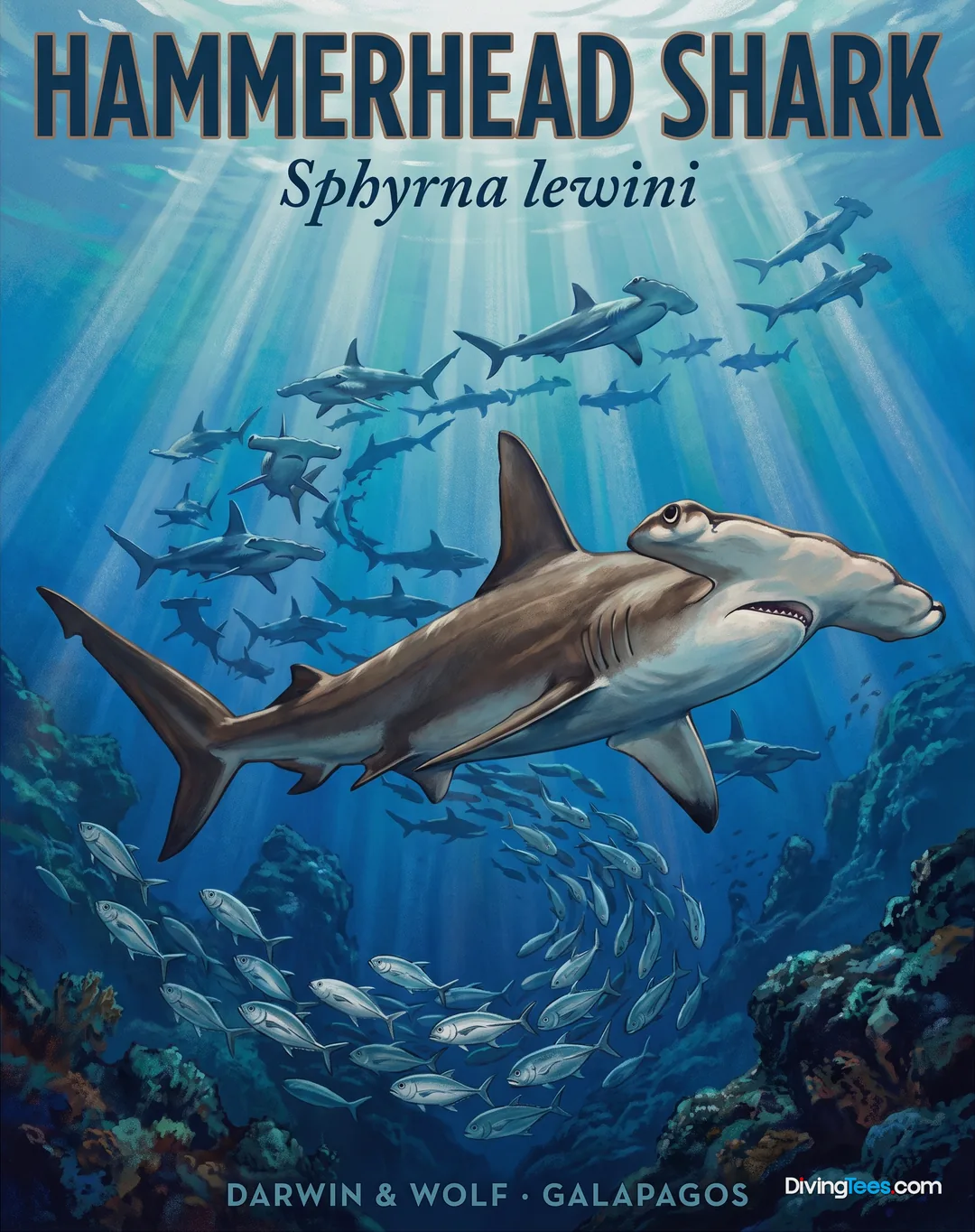
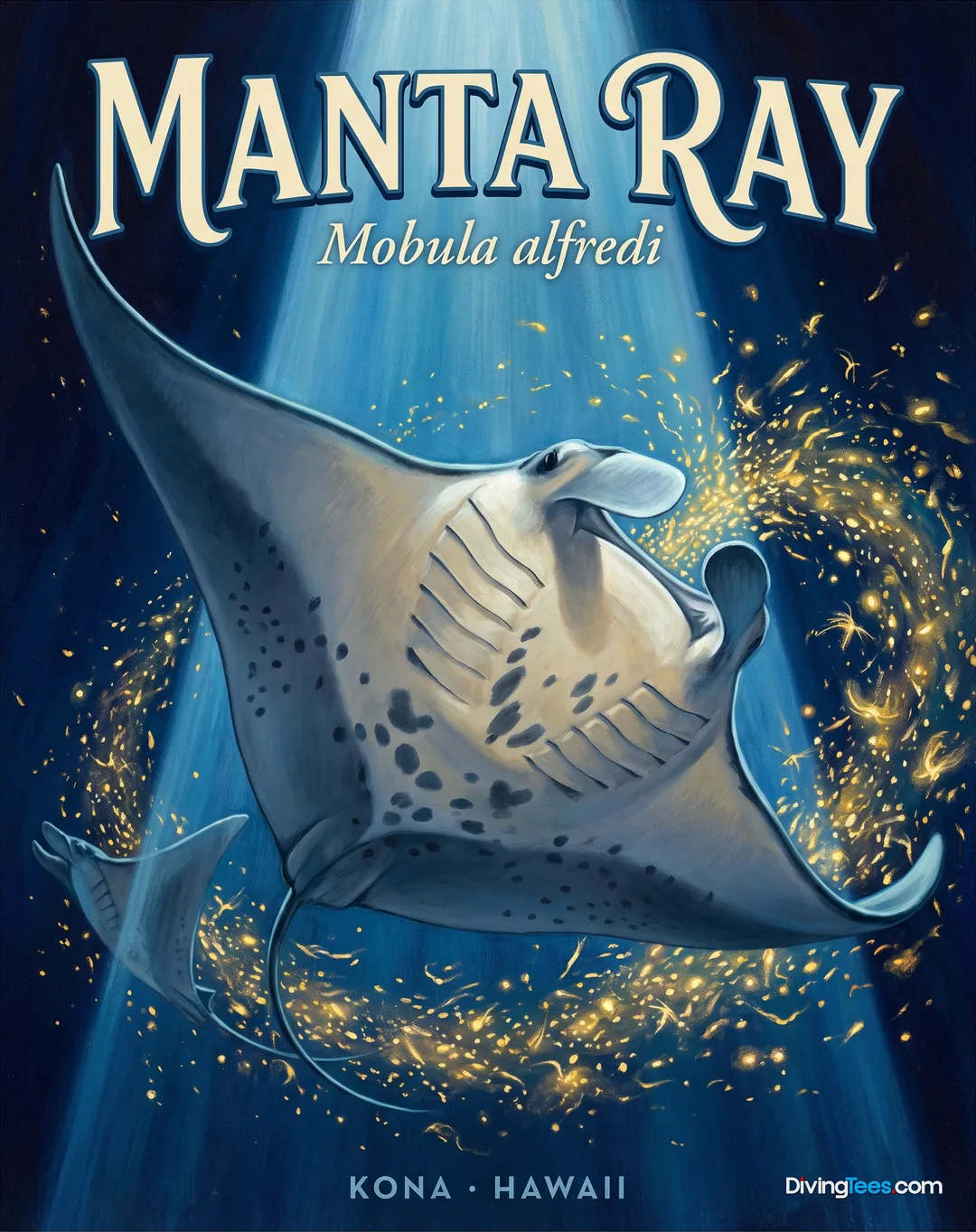
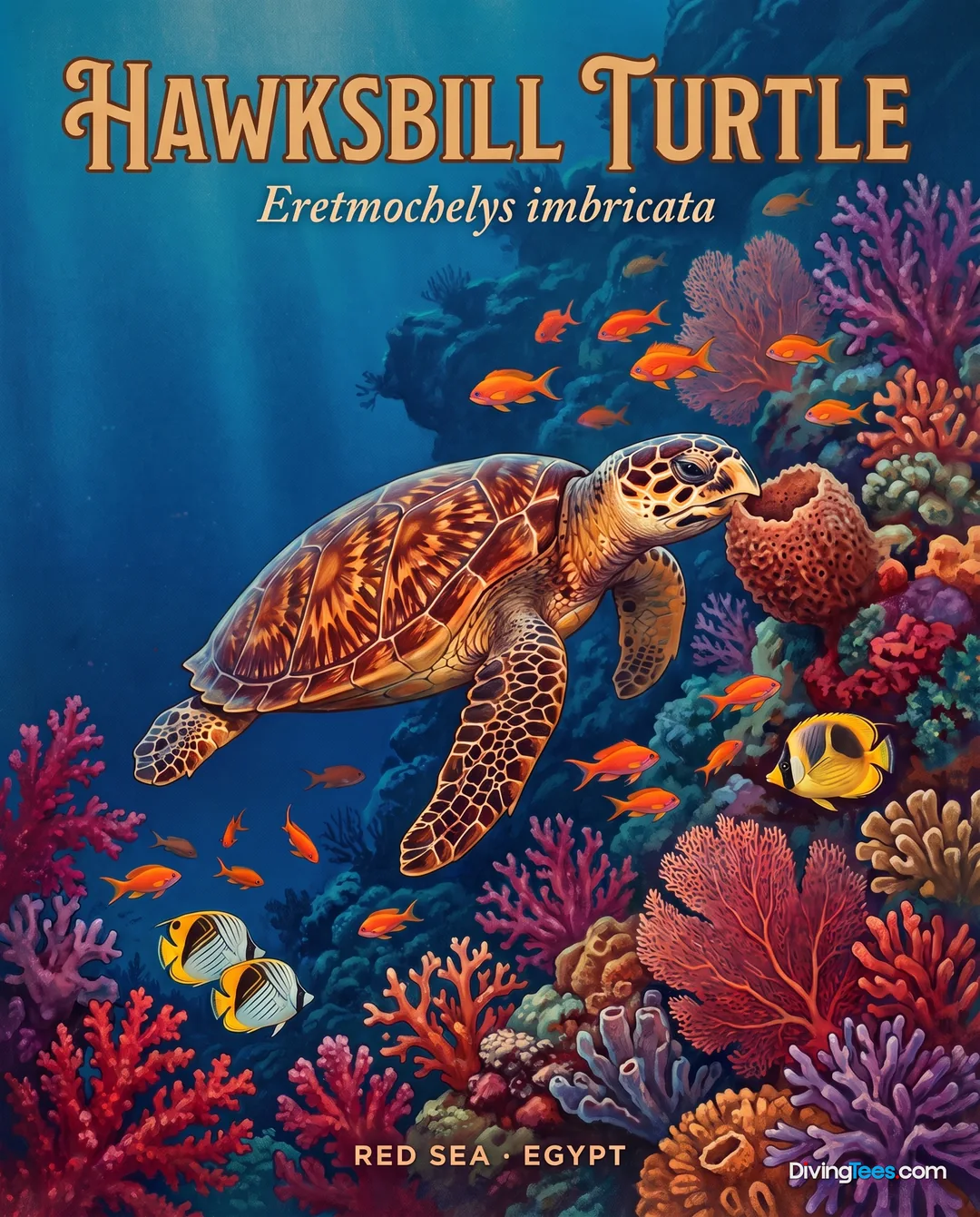
Rangiroa is read through its moving water and the animals that use the passes. Grey reef sharks gather in the cave at La grotte aux requins, while La traversée is known for schools of grey reef sharks. Le BLEU moves into blue water where pelagic sharks may appear, including great barracuda, tuna and bigeye trevally. Reef shark encounters can include whitetip reef sharks and blacktip reef sharks, with surgeonfish and other tropical reef fish closer to the reef. Eagle rays, manta rays, sea turtles and other rays add variety. La Marche is particularly associated with great hammerhead sharks and leopard rays during January, February and March. These are opportunities shaped by current, depth and timing rather than a guaranteed wildlife schedule.
The lowest rainfall is measured from May to August, making that period the clearest practical weather window for a stay. Diving is also described as favourable through the drier part of the year, extending beyond those months, although the trade-wind period from July to September can make conditions more exposed. Sunshine is possible throughout the year, so the choice is a balance between rainfall and wind rather than a simple wet-season shutdown. Divers travelling specifically for great hammerhead sharks should look at January to March, when La Marche has its strongest seasonal association with them. The passes remain tidal environments in every season, and current planning matters more than a calendar promise of easy water.
Rangiroa suits divers who are already comfortable in drift diving and changing current, rather than those looking for a sheltered introduction. Advanced Open Water, BSAC Advanced Diver or equivalent experience is useful; a Drift Diver qualification is also relevant. La mi-éolienne is recommended for Advanced Open Water divers or equivalent experience, particularly with around 50 logged dives. La Marche, deep to 55 metres in strong incoming current, is for highly experienced divers. Good buoyancy and a calm response to moving water matter as much as the card in the wallet.
From London Heathrow, Gatwick or Manchester, the journey requires an onward flight through Tahiti and then a domestic flight to Rangiroa. The atoll is not linked to other islands by road, so the arrival is not the end of the transport planning. Once there, the diving areas are reached by local boat from the chosen base, with the exact arrangement depending on where the accommodation and dive operation are located. On land, Rangiroa is mainly covered on foot; it is not a place where road transfers connect the different diving zones. Allowing sensible time between the international, Tahiti and domestic sectors avoids turning a weather or connection delay into a missed boat departure.
Rangiroa should be booked for its passes and pelagic possibility, not for slow, highly sheltered or macro-focused diving. Before committing to several consecutive diving days, be honest about comfort in a strong, changing current: Tiputa can reverse with the tide, and counter-currents may appear where a drift initially seems simple. Check the planned profile carefully when a site includes a deep feature, such as the cave at 35 metres on La grotte aux requins or the 45–55 metre descent at La Marche. Keep the transport plan simple by staying near the base and using boats for the passes; road travel will not join the diving areas. Avatoru and Tiputa should not be treated as interchangeable, since their current patterns and site profiles differ. If a non-diving companion is coming, confirm the available land programme rather than assuming the atoll offers a broad resort-style choice. A day without diving is easily used for walking, the lagoon and the motu.
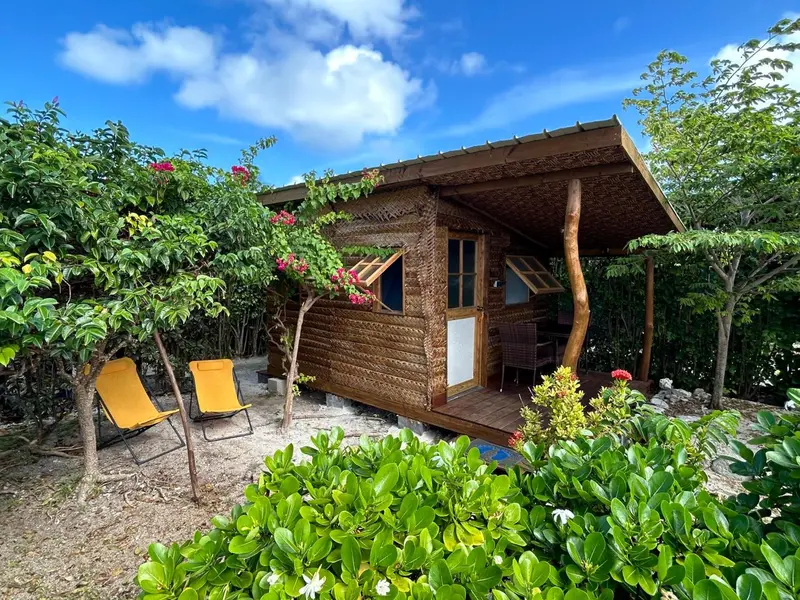
A shore-based stay fits Rangiroa best: the same base can support repeated boat outings to Tiputa Pass, Avatoru Pass and the outer reef. The rhythm is usually a run of current-led dives followed by a surface day, when walking the atoll or looking across the lagoon gives the body a break. The destination suits divers who want to build a trip around underwater conditions, while companions should have their own expectations for the quieter, largely insular setting.
Hello, I'm Marina, DivingDeal.com's AI assistant. I guide you through destinations, areas and countries.
Thinking about the whole trip and the flights? Talk it over with Edith →
Marina is an AI. Some links are affiliate links: DivingDeal may earn a commission, at no extra cost to you. Bookings are made with the partner.
May to August brings the lowest measured rainfall and a clear practical weather window. Diving remains favourable through the drier part of the year, although trade winds from July to September can make conditions more exposed. For great hammerhead sharks at La Marche, consider January to March, while current planning remains important in every season.
Rangiroa suits divers comfortable with drift diving and changing currents rather than sheltered introductions. Advanced Open Water, BSAC Advanced Diver or equivalent experience is useful, and Drift Diver training is relevant. Strong buoyancy and a calm response to moving water matter, especially at deeper sites and during incoming, outgoing or counter-currents.
Rangiroa offers grey reef sharks in caves and schools, great hammerhead sharks and leopard rays at La Marche, plus whitetip reef sharks, blacktip reef sharks, eagle rays, manta rays, turtles, barracuda, tuna and bigeye trevally. Tropical reef fish appear nearer the reef, while deep blue-water dives create pelagic possibilities.
Plan a shore-based stay near your chosen dive operation, with repeated local boat trips to Tiputa Pass, Avatoru Pass and the outer reef. Travel through Tahiti before the domestic flight to Rangiroa, and allow time between connections and boat departures. Check tide, current and depth plans, and leave room for a surface day.