

Fakarava - O2 Fakarava
Google 4.9/5 (604 reviews)
French Polynesia · Pacific
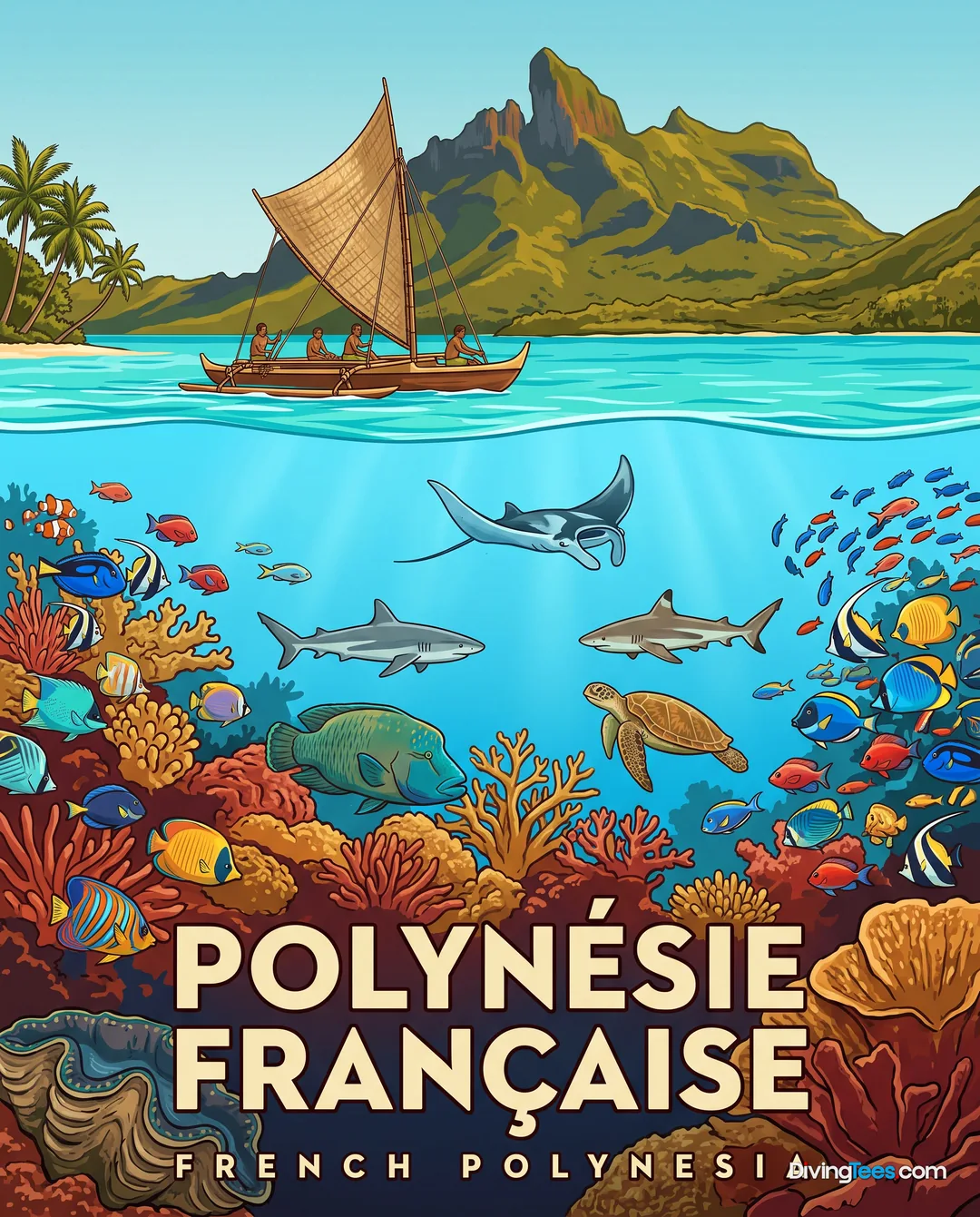
Grey reef sharks in the passes, white-sand lagoon slopes and drifting through Tumakohua Pass define Fakarava's demanding but rewarding diving.
For subtitles in English: start the video firstthen click the gearat the top right of the video, select “Subtitles/CC”, then “Auto-translate” and choose “English”.
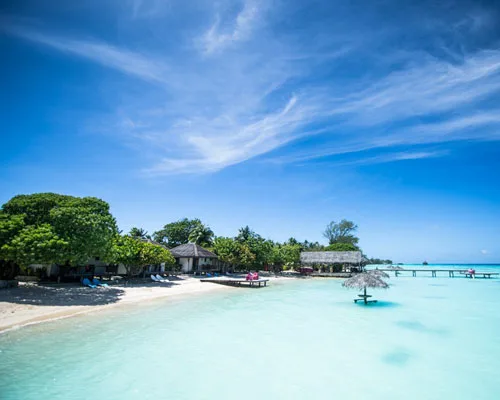
Fakarava is an atoll destination built around its passes rather than shore diving. Boats run from local accommodation and dive facilities to Garuae Pass in the north and Tumakohua Pass in the south, where grey reef sharks and open-water encounters provide the central attraction. Between pass dives, Ohotu Reef adds coral gardens, walls and the possibility of manta rays, while Pufana Reef offers a quieter lagoon alternative. The setting is calm above water, but the main diving demands sound current skills.
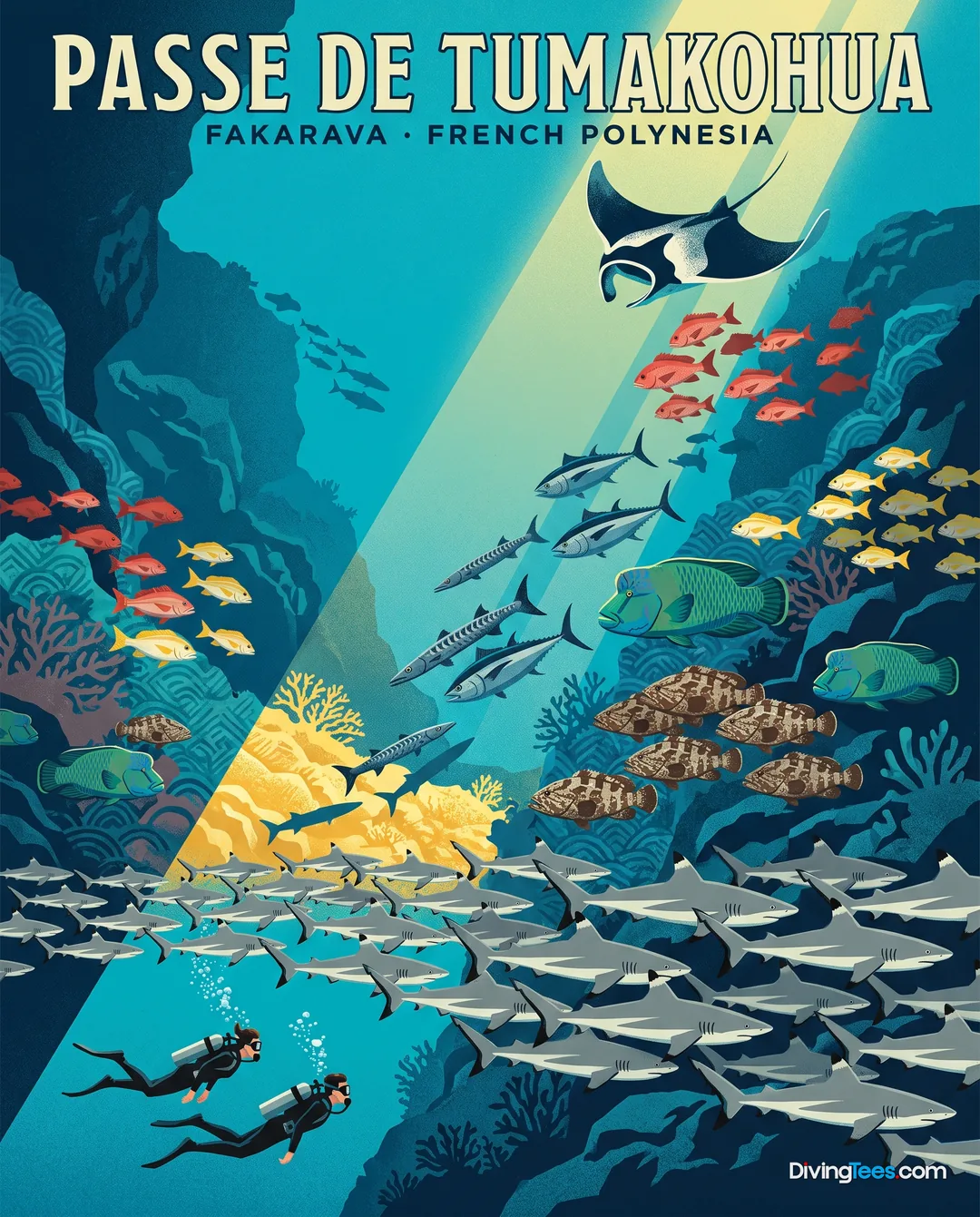
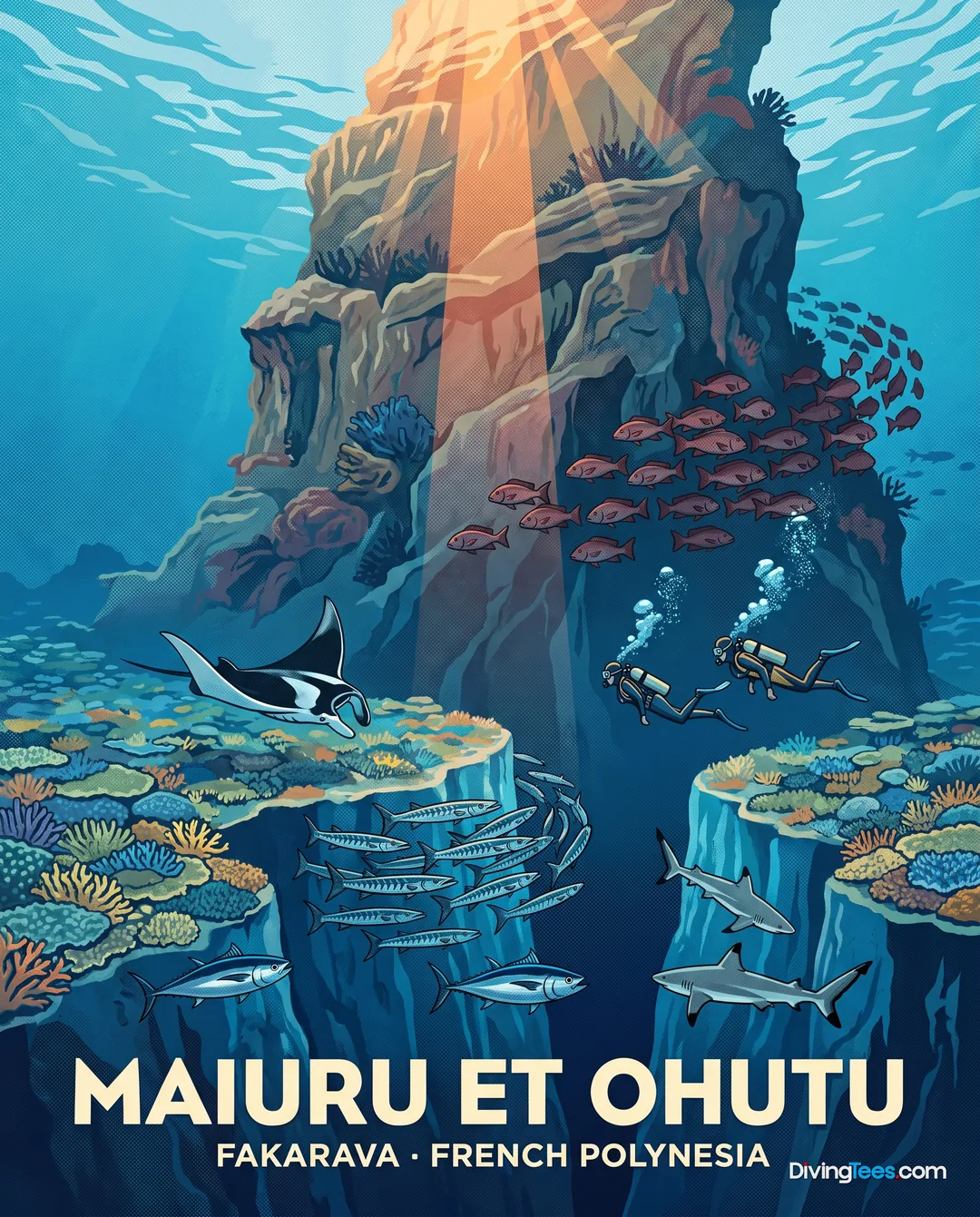
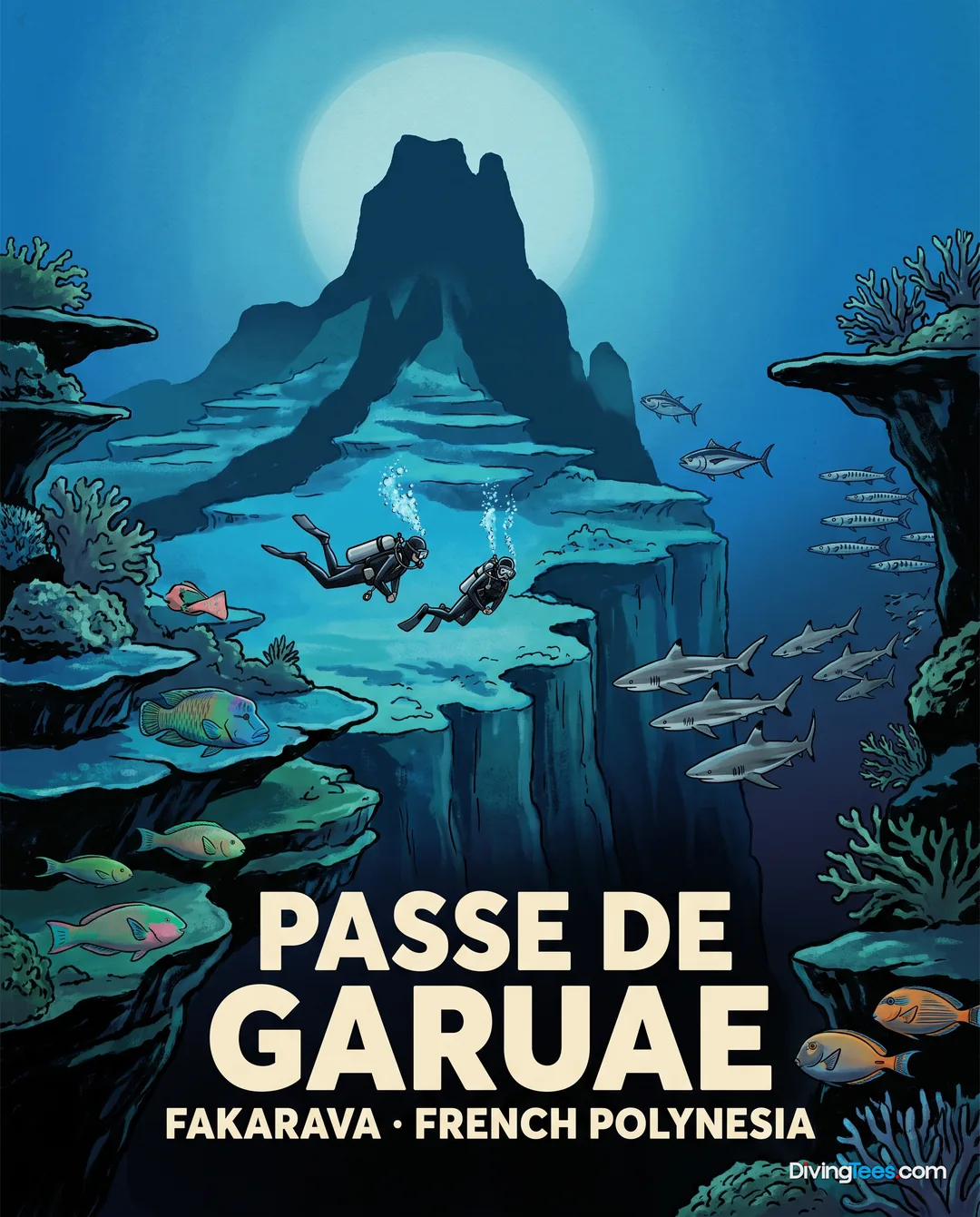
The characteristic Fakarava dive is a drift through a pass, with the tide deciding both the timing and the direction of the experience. Garuae Pass is the widest channel in French Polynesia; dives generally sit around 50 to 70 feet and are made in slack water or on an inflowing current, where precise buoyancy and positioning matter. Tumakohua Pass is narrower and usually calmer, but still offers moving-water diving through a lively passage. At Ohotu Reef, the reef flat gives way to a deeper wall, from roughly 40 to 100 feet. Pufana Reef is the useful change of pace: a gently sloping lagoon site over luminous white sand, with no current reported and excellent visibility. This is not a destination for relying on the guide to solve poor trim or a late exit from the flow.
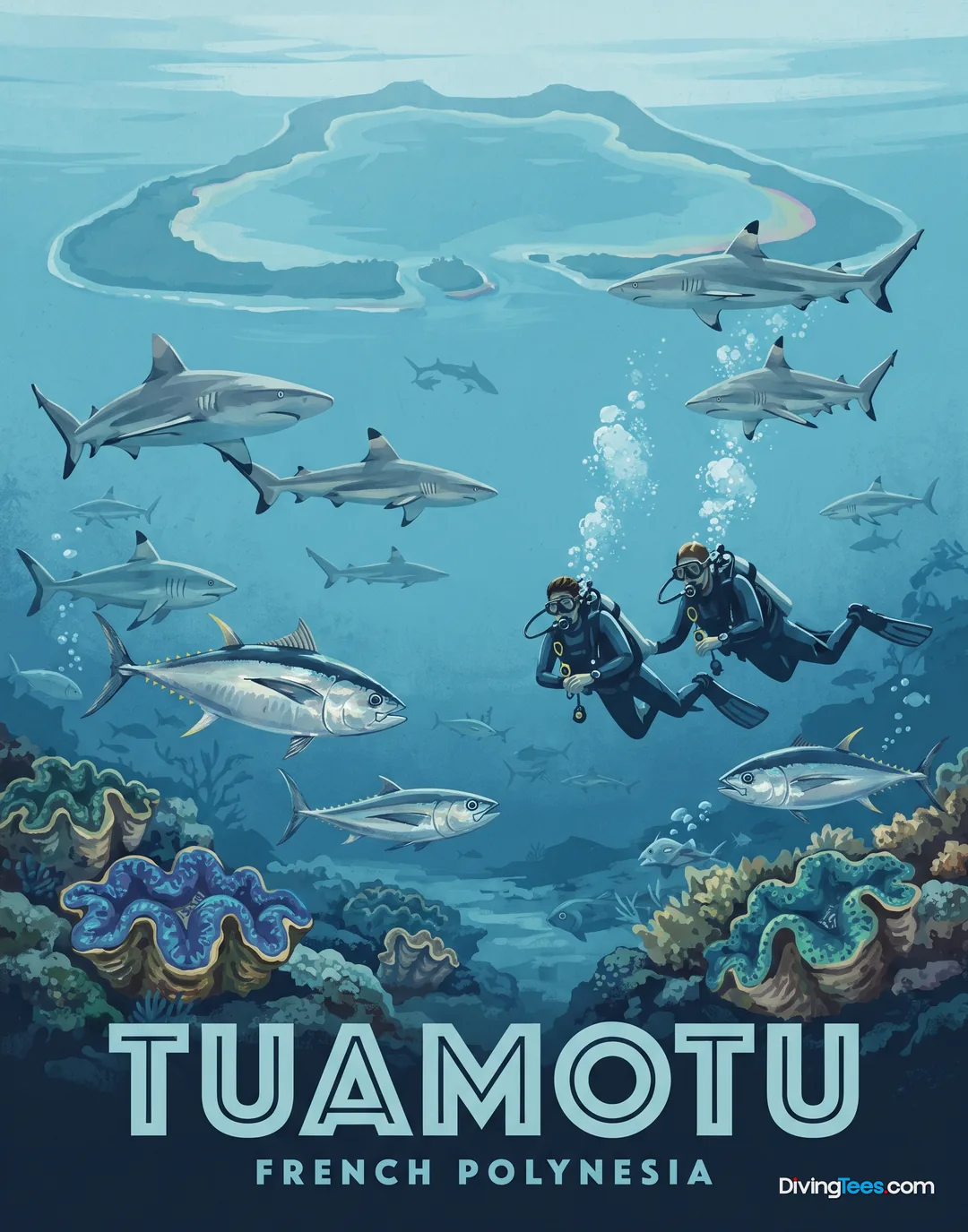
Grey reef sharks are Fakarava's recurring signature, with regular gatherings in the passes and sightings reported throughout the year. The encounters are shaped by current and position: the diver holds station in the water column, rather than approaching animals across a reef or settling onto the bottom. Garuae Pass is particularly associated with large numbers of grey reef sharks and other pelagic encounters. Ohotu Reef brings a different scene, combining grey sharks and manta rays with healthy coral gardens along the transition from shallow reef flat to wall. Tumakohua Pass is known less for a single headline animal than for its broader mix of animal and plant life. Shark presence is year-round, not a narrow seasonal promise.
The measured dry period at Fakarava runs from June to October, when rainfall is at its lowest. That makes these months a sensible starting point for a pass-focused trip, particularly when the aim is to build several boat outings into one stay. It does not remove the need to work around tides, currents and local navigation: a dry spell cannot make an unsuitable pass window suitable. Shark gatherings are described as recurring throughout the year, so the choice is mainly about arranging a workable atoll schedule rather than chasing a brief shark season. The pass remains the deciding factor on any individual day.
Fakarava suits experienced drift divers who are comfortable entering, holding position in and leaving moving water. Advanced Open Water is useful, and a recognised drift-diving qualification (whether BSAC, PADI or SSI) matches the demands better than general tropical experience alone. Garuae Pass requires particular care with strong current, timing and buoyancy. Tumakohua Pass and Pufana Reef can provide gentler options, but the destination as a whole should not be chosen by a diver who is uneasy in current or still depends on the bottom for stability.
From London or Manchester, the journey begins with an international flight towards French Polynesia, followed by an internal flight to Fakarava. The final approach to the diving is by boat: there is no road linking the islands, and movement within the atoll depends on local boats and the lagoon. That makes the internal flight and boat timetable part of the dive plan, not a minor detail. Allow room between connections and avoid building a tightly timed itinerary around one particular pass outing. Once on Fakarava, transfers between accommodation, the departure point and nearby villages may be on foot, by bicycle, or by local vehicle or boat, depending on where the stay is based. Weather can interrupt passage through the passes.
Book the most sought-after pass outings early in the stay, while there is still time to move them if the current or boat schedule changes. Keep buffer days in the itinerary; a short visit can lose its best pass window to navigation or conditions. Ask whether the day is planned for Garuae Pass or Tumakohua Pass, since the wider northern channel and the generally calmer southern passage require different expectations. Bring any current-management or signalling equipment normally used for drift diving, rather than assuming a calm lagoon setup. Photographers should practise hovering without a bottom contact: in a pass, one fin or hand on the reef lifts sand and spoils both the scene and the reef. Pufana Reef is the sensible fallback when a no-current lagoon dive is preferable. Avoid treating every day as interchangeable, or arriving expecting postcard-calm reef diving; Fakarava's defining experience is the moving water.
A five- to seven-day land-based stay gives the best chance of repeating the passes and absorbing changes to the boat programme. Diving is organised around recurring boat departures rather than a long chain of shore sites, with Pufana Reef offering a quieter lagoon contrast. Non-diving days suit cycling between villages and motus, lagoon trips by boat or kayak, birdwatching and unhurried time on the beaches. A full, gentle rest day before the flight home is a sensible part of the plan.
Hello, I'm Marina, DivingDeal.com's AI assistant. I guide you through destinations, areas and countries.
Thinking about the whole trip and the flights? Talk it over with Edith →
Marina is an AI. Some links are affiliate links: DivingDeal may earn a commission, at no extra cost to you. Bookings are made with the partner.
June to October is the dry period, with the lowest rainfall and a sensible starting point for a pass-focused trip. Grey reef shark gatherings occur throughout the year, so timing is mainly about fitting boat outings around tides, currents, navigation and workable pass conditions rather than chasing a brief shark season.
Fakarava suits experienced drift divers who can enter, hold position in and leave moving water. Advanced Open Water experience is useful, while a recognised drift-diving qualification fits the demands particularly well. Garuae Pass requires care with strong current, timing and buoyancy, although Tumakohua Pass and Pufana Reef offer gentler choices.
Fakarava's passes feature recurring grey reef shark gatherings and open-water encounters, with Garuae Pass associated with large numbers of sharks. Tumakohua Pass offers varied animal and plant life. Ohotu Reef combines healthy coral gardens, grey sharks and possible manta rays, while Pufana Reef slopes over luminous white sand.
Build your stay around boat departures, the internal flight and lagoon transfers, leaving room between connections and keeping buffer days for tides, weather and navigation. Book sought-after pass outings early, ask whether the plan is Garuae or Tumakohua, and include Pufana Reef or non-diving activities as flexible alternatives.