
DeepZen
Google 5/5 (100 reviews)
French Polynesia · Pacific
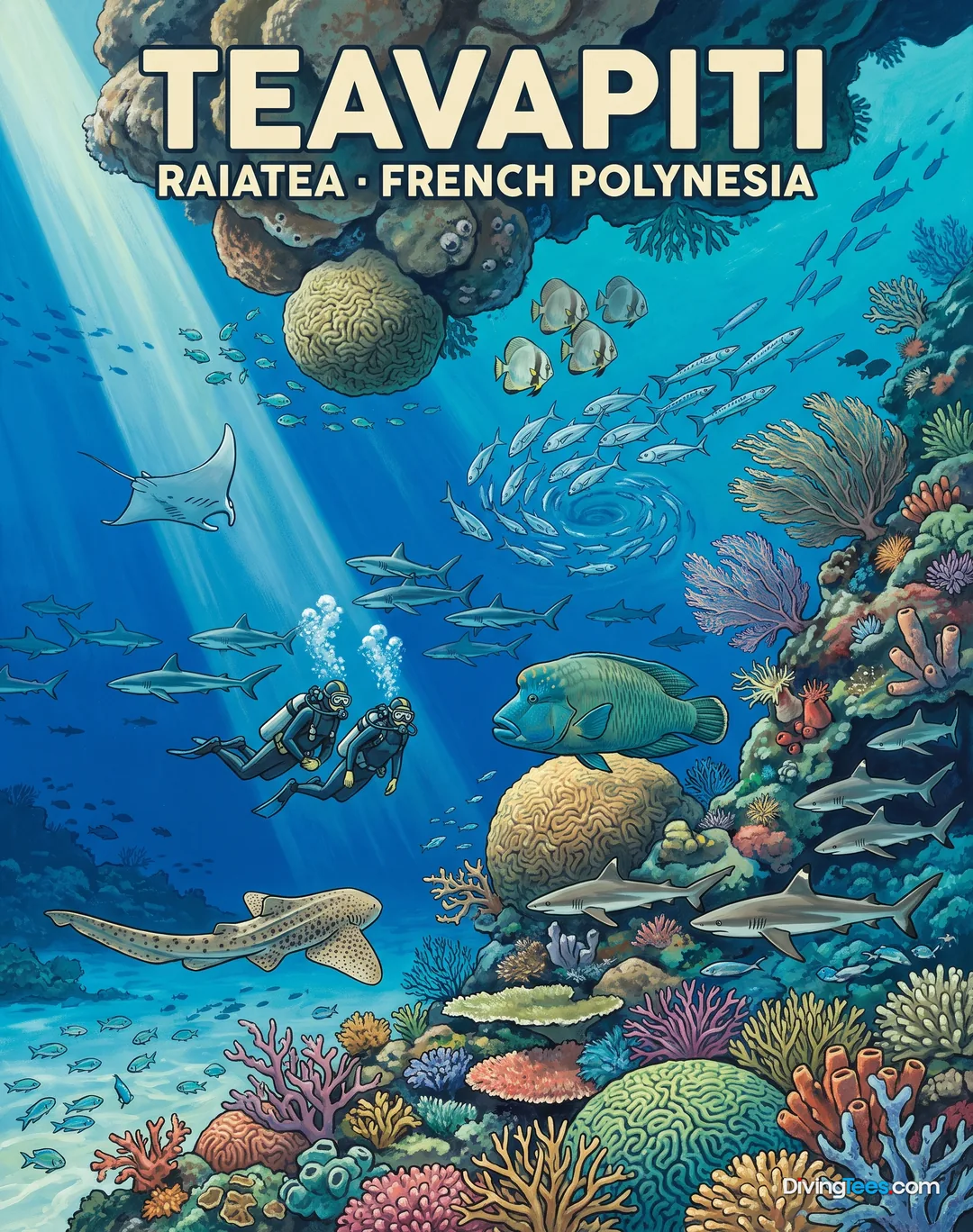
Drift through Teavapiti Pass, inspect the Nordby wreck, and watch barracuda, reef sharks and rays move across Raiatea’s coral walls.
For subtitles in English: start the video firstthen click the gearat the top right of the video, select “Subtitles/CC”, then “Auto-translate” and choose “English”.
The Nordby, a three-masted schooner that sank in 1900, gives Raiatea one of its most distinctive underwater scenes: a largely intact wreck resting in the lagoon. Beyond it, the island opens into pass dives, coral drop-offs and fish-filled reef gardens. Raiatea suits divers who prefer a shore-based island stay with boat diving built into the daily rhythm, rather than a liveaboard or a resort-focused beach holiday. The diving can be gentle, but the passes bring genuine current management into the equation.
Raiatea’s diving moves between sheltered lagoon sites, drift dives through passes and deeper open-water drop-offs. At Teavapiti Pass, the current carries divers towards 29 metres while sharks and pelagic fish provide the reason to keep looking into the blue. Raoto Nui Pass offers a progressive introduction to pass diving, whereas Ceran Pass can reach 50 metres and demands more deliberate control in moving water. The Nordby is a calmer lagoon alternative, where careful buoyancy matters around the wreck and its sediment. Miri-Miri keeps the profile straightforward, with reef beginning in shallower water and clear views across dense fish life. For deeper-qualified divers, The Roses combines a dramatic drop-off with blue-water encounters between 35 and 50 metres. Most diving is from a boat, and the operator’s choice between inner lagoon and outer passes will shape the day more than depth alone.
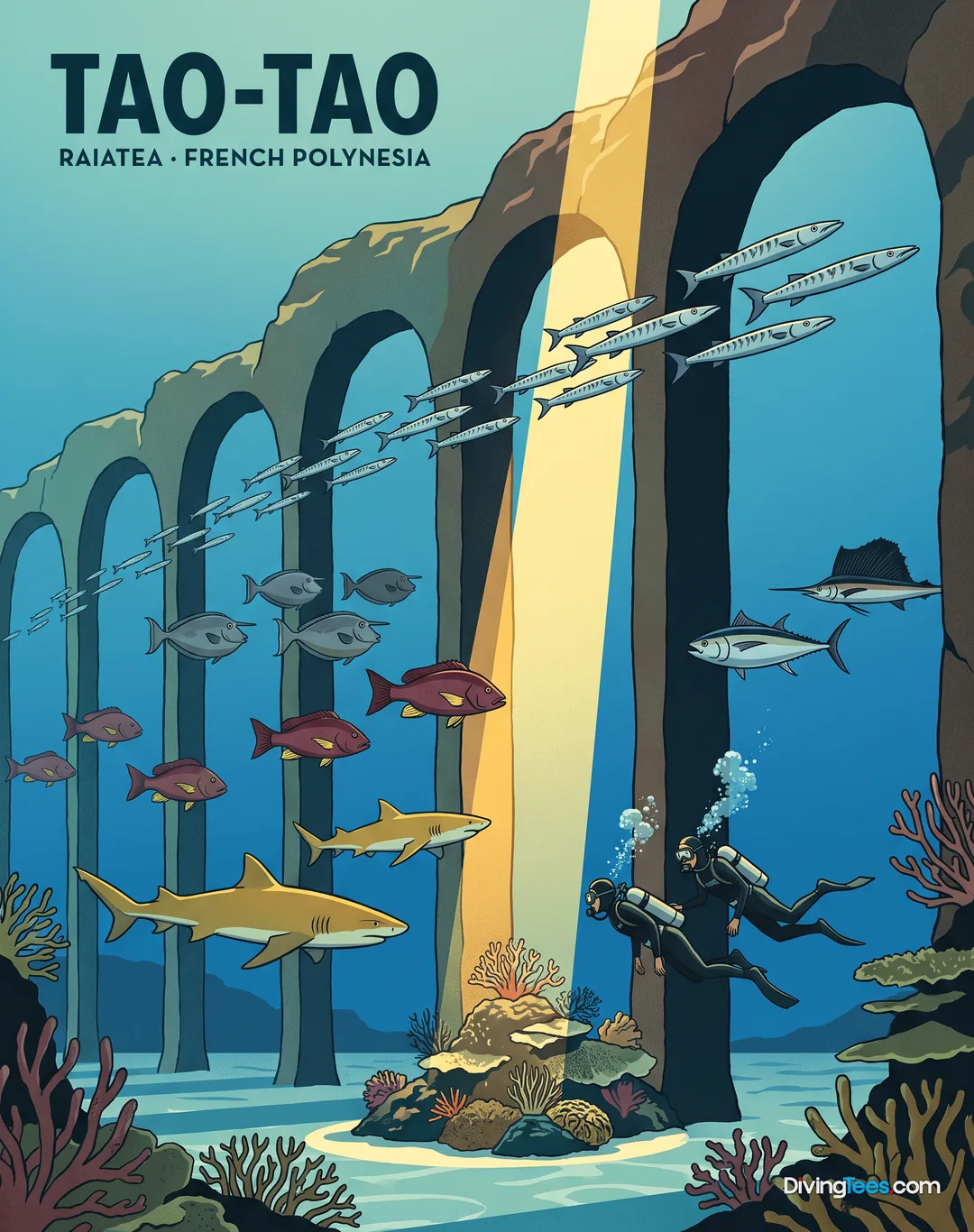
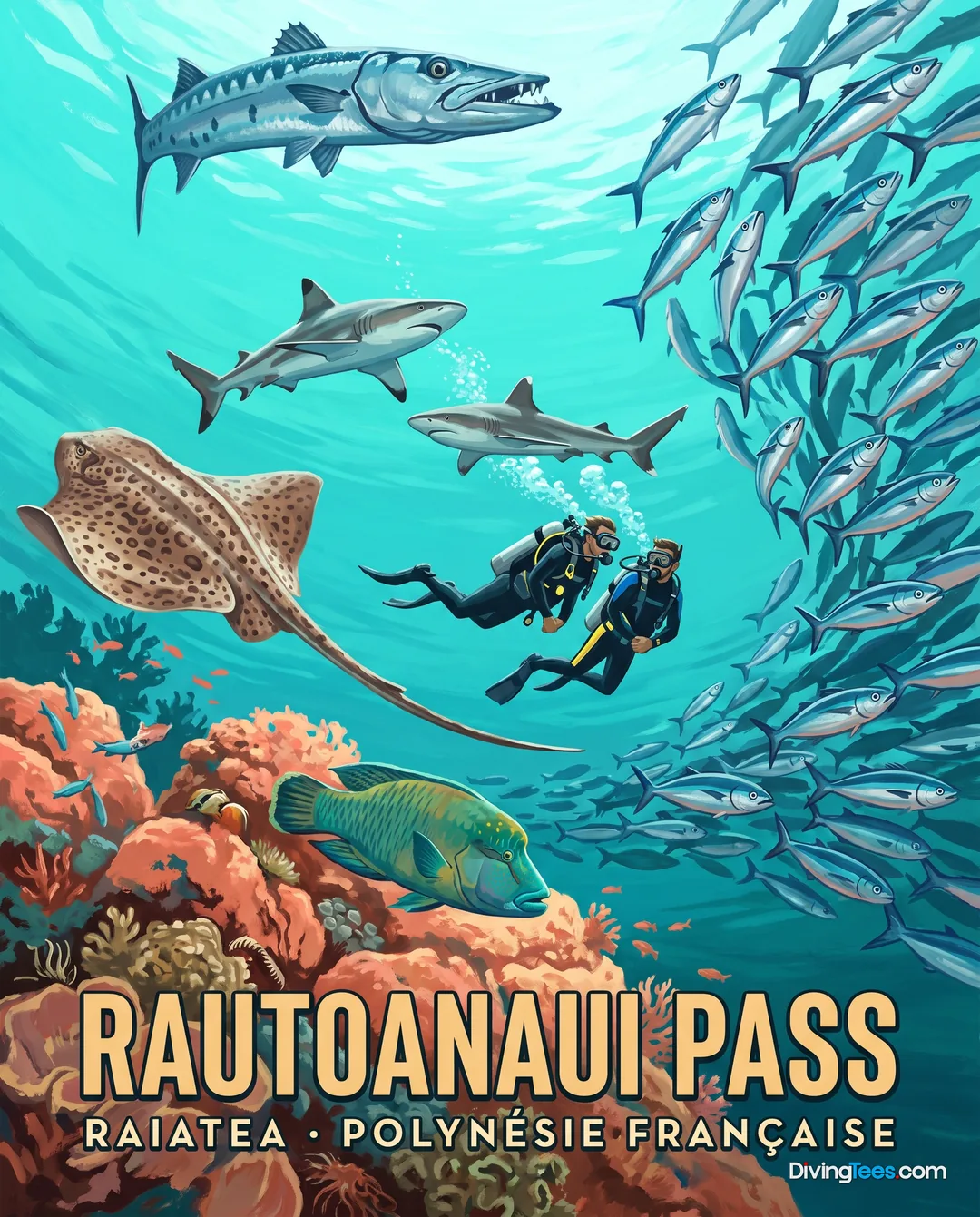
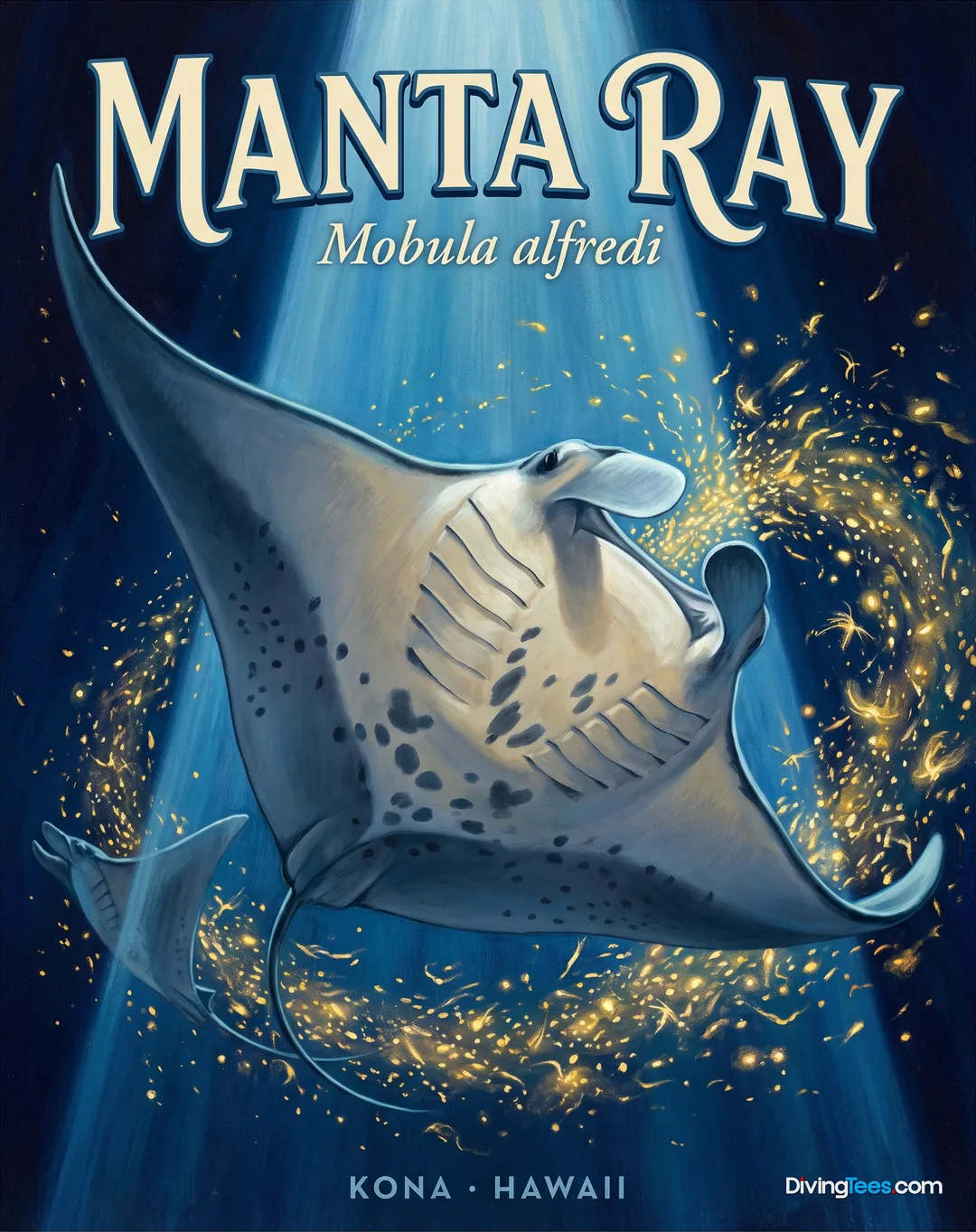
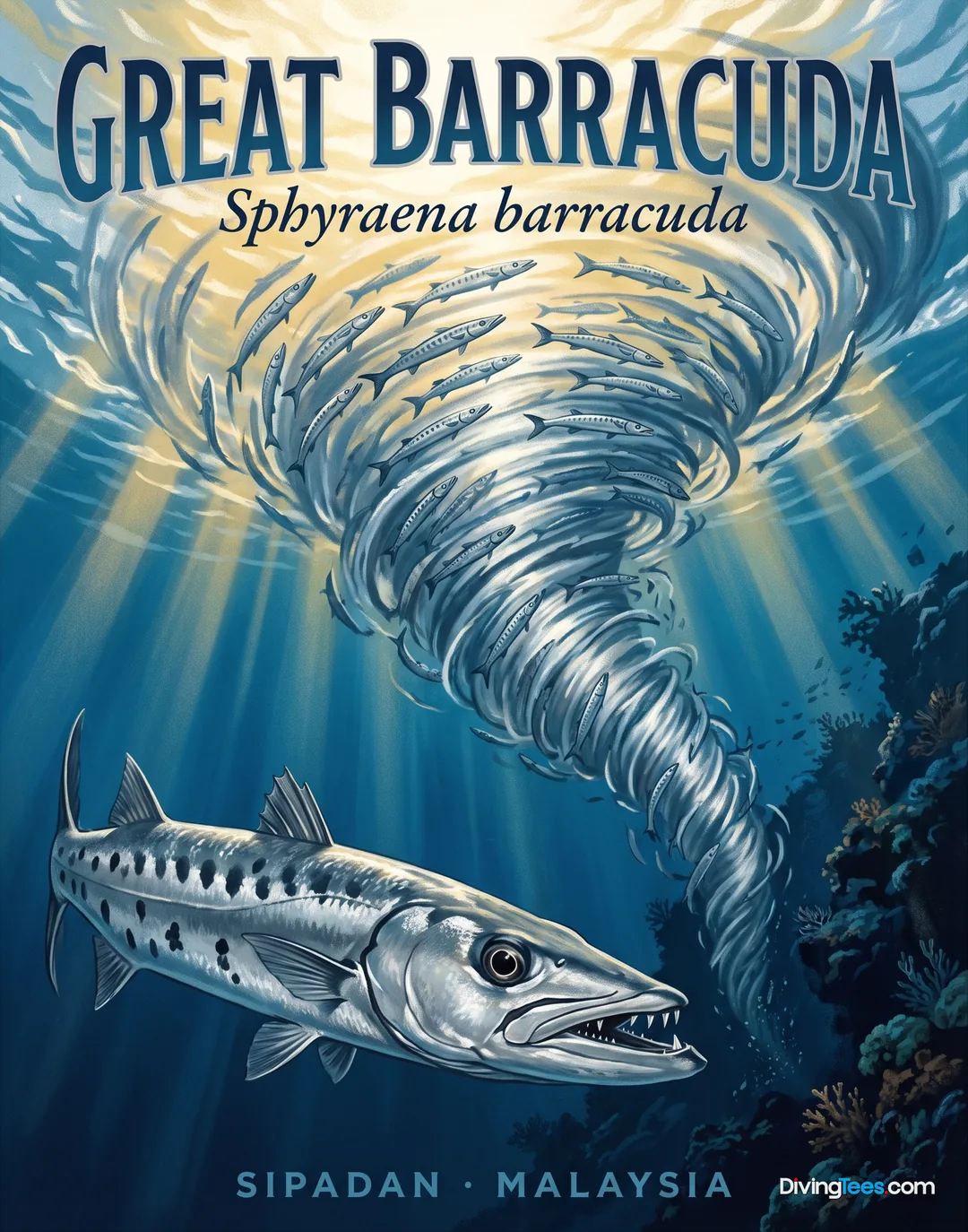
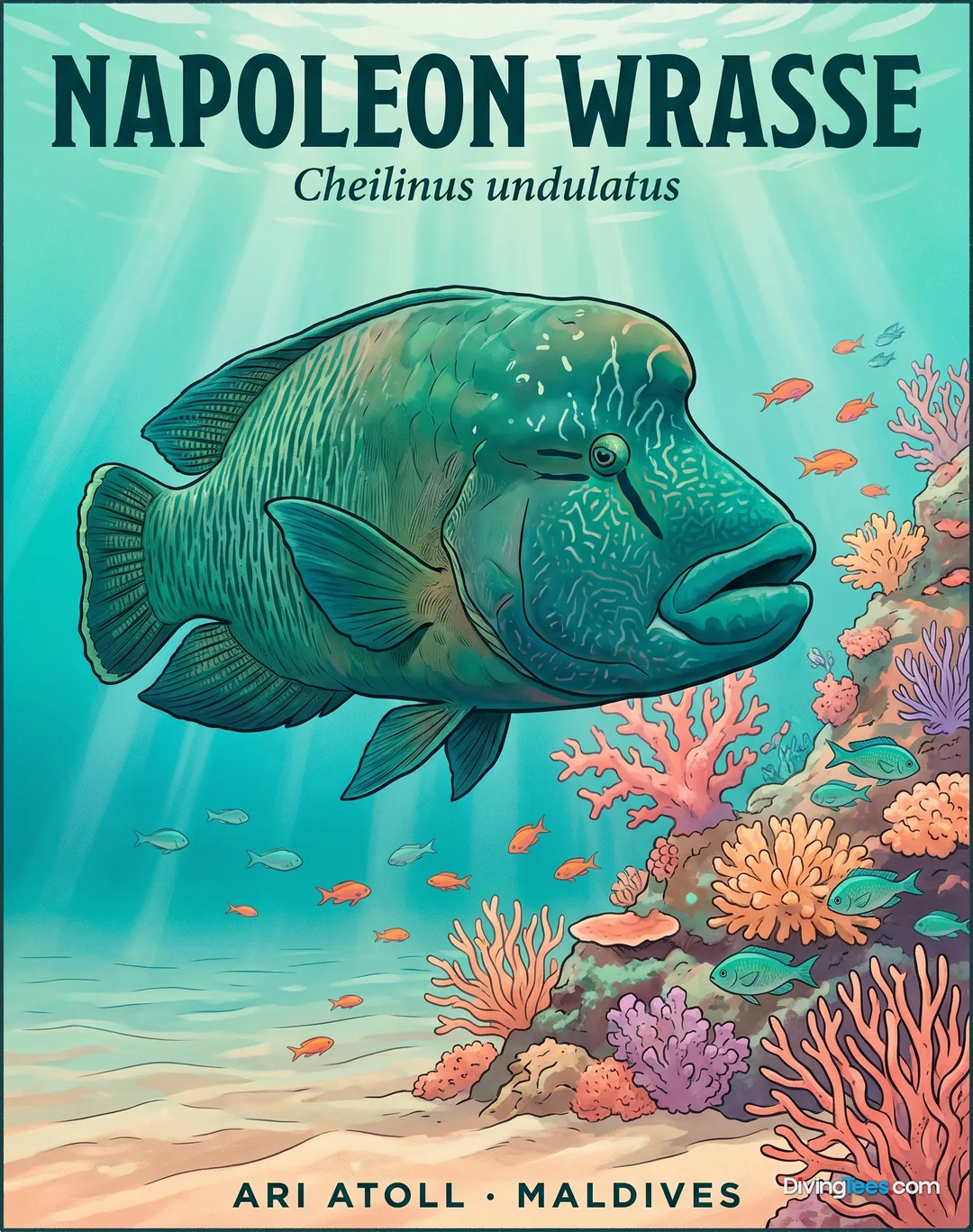
The fish life at Raiatea is built around movement: barracuda, jacks and tuna pass through the channels, while reef sharks and rays use the same current-swept terrain. Teavapiti Pass is noted for regular shark encounters, and The Rairas is associated with grey reef sharks that may approach with curiosity. Ceran Pass brings together barracuda, surgeonfish, Napoleon wrasse, jacks, rays and sharks around a prominent coral pinnacle. Raoto Nui Pass is a useful place to look for barracuda schools and leopard rays. Eagle rays, manta rays, whitetip reef sharks and blacktip reef sharks also feature in the local sightings. Tao-tao adds broad, clear views over coral and larger pelagics. The available seasonal guidance points to May through August as the drier period; no separate wildlife calendar is established here, so the appeal is the resident and passing fauna encountered on the day.
May through August is Raiatea’s period of lowest rainfall, making it the most straightforward window for planning several boat days around the island. Drier weather does not remove the need to allow for variable current conditions, particularly when passes are on the itinerary, but it can make a shore-based diving holiday easier to organise. Outside that period, the same lagoon, wreck and pass format remains available, though a flexible schedule is sensible. A four- to seven-day stay gives enough room to repeat boat departures and keep a reserve day for changing conditions rather than treating Raiatea as a single stopover.
Raiatea works for all levels when the itinerary includes lagoon reefs and less demanding pass profiles. Teavapiti Pass and Raoto Nui Pass are described as suitable for Level 1 or Open Water divers, while Miri-Miri and The Rairas stay within recreational depths. Drift and Advanced training are useful for anyone planning regular pass dives. Ceran Pass, Tiva Pass, The Roses and the deeper profiles at Tao-tao call for stronger experience, with Advanced Open Water, PE40, Rescue Diver or equivalent qualifications relevant to the site. The cave entrance at Le Trou de la Pieuvre requires similar maturity and control.
From London Heathrow, London Gatwick or Manchester, Raiatea is reached by routing through Paris and Papeete, followed by a domestic flight to Raiatea. Inter-island boat connections from other Society Islands are also possible, but they are not the normal way to reach individual dive sites. The important practical point is that the final leg is not the end of the diving logistics: outings leave by boat from the island’s shore or port, rather than from a single walk-in shore site. Accommodation arrangements therefore need to work with the day’s departure point. A vehicle transfer is the normal local solution, with some accommodation possibly within a short distance of the operating waterfront. Allowing breathing space between the international, domestic and maritime parts of the journey is sensible, particularly when carrying dive equipment.
Ask before booking whether each outing is aimed at the inner lagoon or an outer pass. At Raiatea, that distinction changes the current, the drift profile and the amount of active positioning required more than a simple depth figure does. Divers with different experience levels should keep some lagoon days alongside pass dives; that allows one buddy to enjoy Miri-Miri or The Nordby while the other takes on stronger water elsewhere. Pack for repeated boat diving rather than a single signature dive, but avoid loading the kit bag with equipment that will not be used over several days. A small, tidy setup makes transfers and boarding less awkward. Do not arrive expecting a shore-diving holiday: the worthwhile sites depend mainly on boat departures. Equally, do not commit every day to current-exposed passes without leaving room to step back when the conditions or personal comfort are wrong. If a cave dive is considered, treat Le Trou de la Pieuvre as a specialist profile, not an ordinary lagoon excursion. Grouping dives from the same departure area also cuts unnecessary island transfers.
A practical Raiatea stay is built around four to seven days on land, with boat diving on selected days and time left for the island itself. Lagoon sites can provide an easier start or a useful option for a mixed-ability pair; passes and deeper drop-offs can then be planned when the group is comfortable with the local current. Non-diving days suit a boat tour around the bay, a drive around the island, walking and visits to Polynesian cultural sites. The result is a sea-led holiday with an unhurried island framework, rather than a liveaboard schedule.
Hello, I'm Marina, DivingDeal.com's AI assistant. I guide you through destinations, areas and countries.
Thinking about the whole trip and the flights? Talk it over with Edith →
Marina is an AI. Some links are affiliate links: DivingDeal may earn a commission, at no extra cost to you. Bookings are made with the partner.
Your last day stays dry: no diving in the 18-24 hours before a flight, the perfect window to see the destination from another angle.
 Adventure
⏱ 7 h · ★ 5.0 (30 reviews)
from £259$346€309
see on Viator ↗
 Culture
⏱ 4 h · ★ 4.9 (35 reviews)
from £58$77€69
see on Viator ↗
 Culture
⏱ 7 h · ★ 4.9 (39 reviews)
from £108$144€129
see on Viator ↗

⏱ 2 h
from £170$228€203
see on Viator ↗
Ratings and reviews collected by Viator and Tripadvisor.
May through August is Raiatea’s period of lowest rainfall and suits planning several boat-diving days. Drier weather can make a shore-based holiday easier to organise, although pass currents remain variable. Outside this period, the lagoon, wreck and passes are still available, so keeping the schedule flexible is sensible.
Raiatea works for different experience levels when you combine lagoon reefs with less demanding pass profiles. Teavapiti Pass and Raoto Nui Pass suit Level 1 or Open Water divers, while regular pass diving benefits from Drift or Advanced training. Ceran Pass, The Roses and deeper Tao-tao profiles require stronger experience and relevant qualifications.
Raiatea offers a largely intact three-masted schooner wreck in the lagoon, coral walls, drop-offs and current-swept passes. You may encounter barracuda, jacks, tuna, reef sharks, grey reef sharks, rays and Napoleon wrasse. The Rairas is associated with grey reef sharks, while Ceran Pass combines varied fish life around a coral pinnacle.
Plan a shore-based stay of four to seven days, with boat diving on selected days and a reserve day for changing conditions. Ask whether outings visit the inner lagoon or an outer pass, and allow for boat departures from the island’s shore or port. Accommodation and vehicle transfers should work with those departure points.